![Magyarbusz [Info]](/mbi/header-logo.png)
Bus manufacturing and family dramas – the rise and fall of Van Hool
 Ludányi József
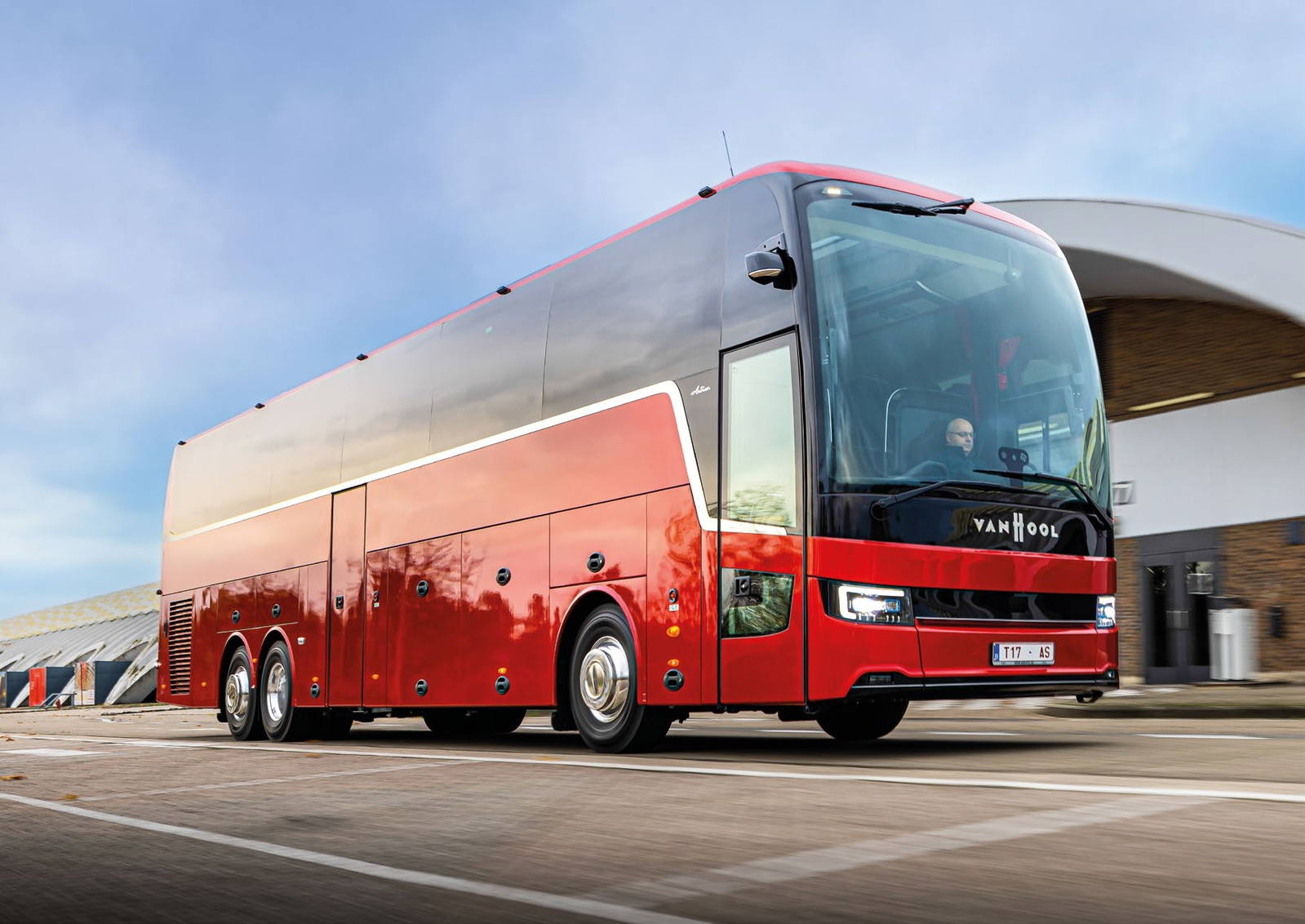
As the old saying goes, too many cooks spoil the broth, and that is exactly what happened in the case of Van Hool, founded in 1947. For most of us, the brand name evokes one of Europe’s most outstanding, iconic and best-known bus manufacturers: over nearly eight decades, Van Hool became synonymous with innovation and quality in the industry. The proud Belgian family business survived the coronavirus pandemic, inflation and economic hardship, but its fate – although Van Hool as a brand name will not disappear from the market for the time being – was sealed not only by tensions between management, banks, politicians and trade unions, but also by inheritance disputes within the founding family. The troubled company was rescued by VDL, itself also a family-owned business, but the question may arise whether Van Hool can preserve its former independence and distinctive approach to innovation under the umbrella of the Dutch group. The answer is: probably not. The Van Hool case is another sad example of how increasingly difficult it is to remain standing in Europe as an independent bus manufacturer striving for quality and a broad product portfolio.
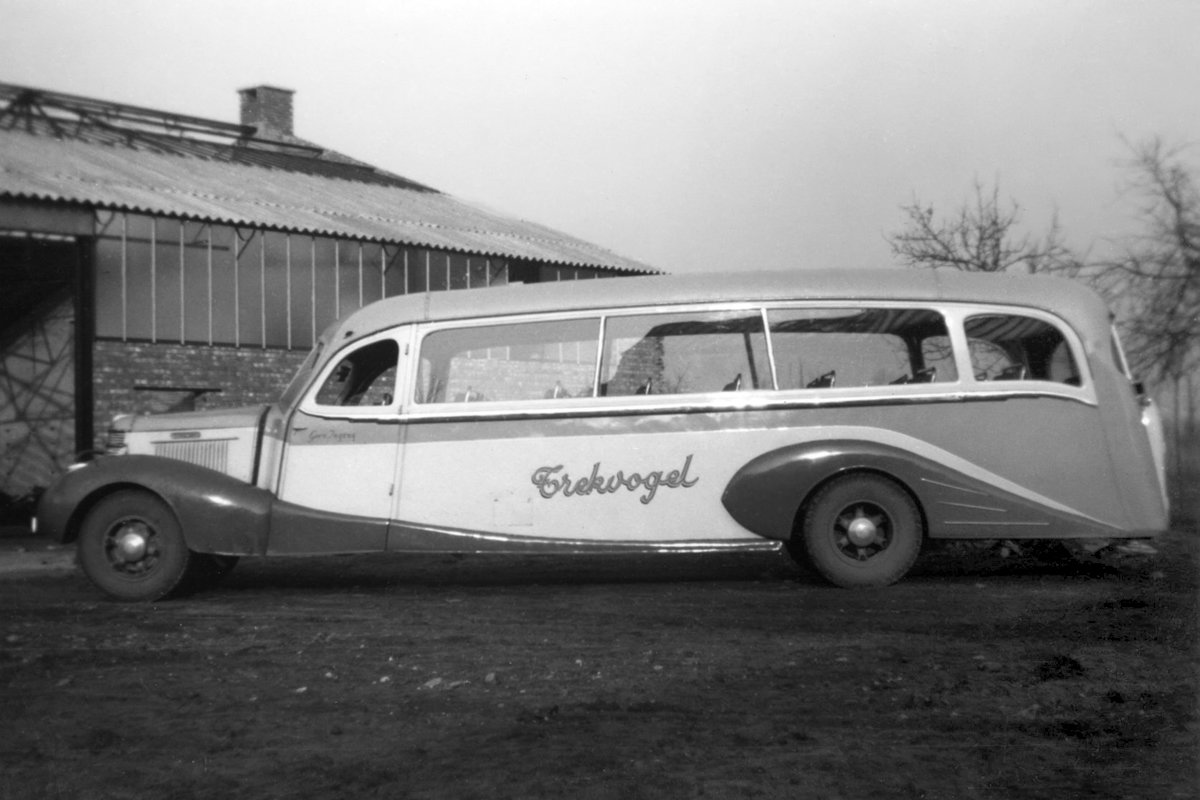
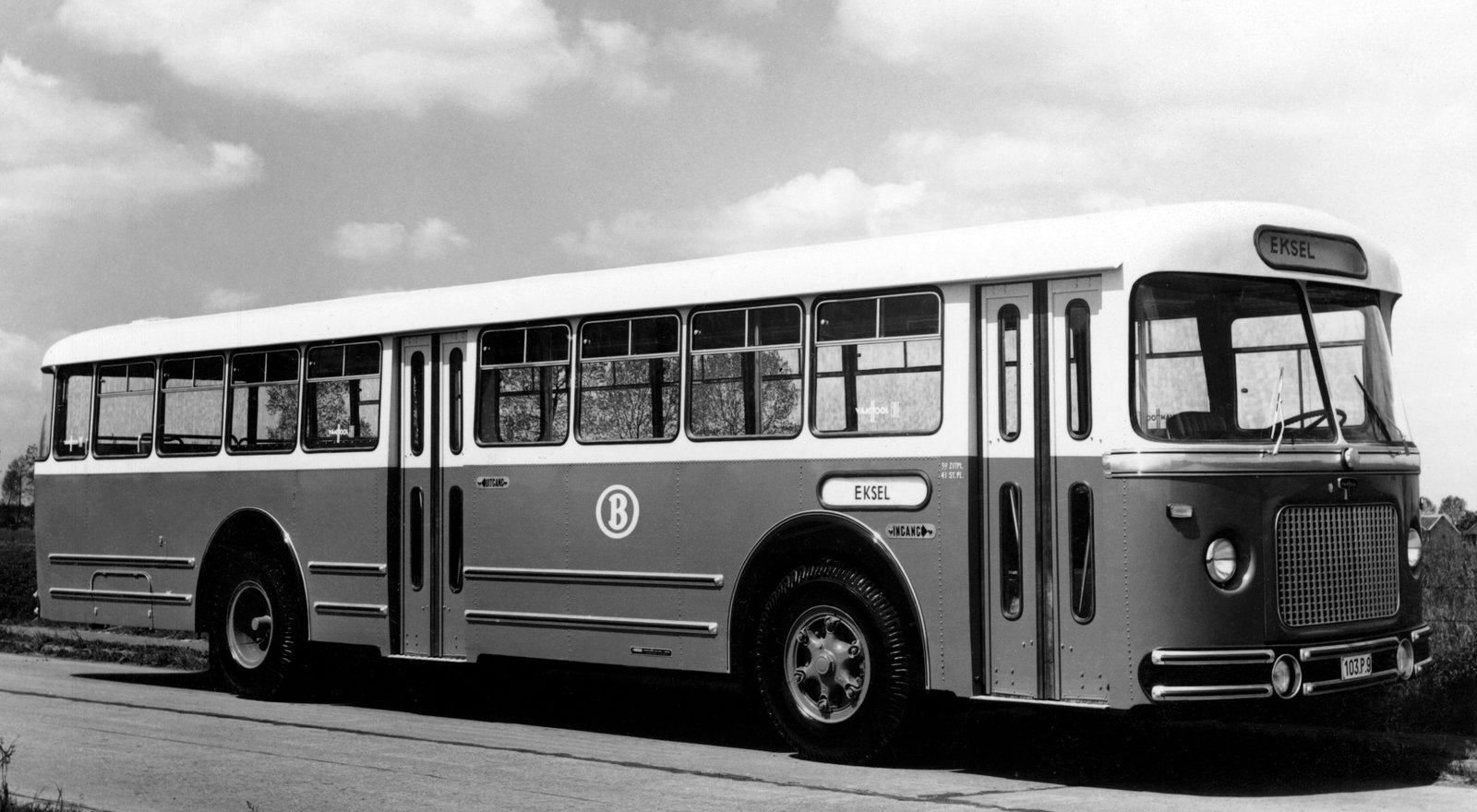
Company founder and engineer Bernard Van Hool (1902-1974) felt at home in the world of mechanics and electrical engineering from an early age, but he was not primarily interested in maintaining machines; rather, he wanted to understand how they could be used more intelligently and efficiently. Even before the First World War, he developed an egg incubator and a diamond-polishing machine as a young man, but it was the Second World War that brought truly major changes to his life. Bernard saw an opportunity in the fact that, at the time, suitable transport solutions were needed for the reconstruction of Europe. This period inspired him to explore new paths in industry and ultimately to create his first bus, which brought him a name and recognition in the transport sector. In Belgium, the departing Allied forces left behind a vast amount of equipment after the war, including many heavy vehicles. Seizing this once-in-a-lifetime opportunity, Bernard Van Hool converted abandoned military vehicles into various trucks for transport purposes. This is how his first bus was born in 1946, christened “Trekvogel”, or Wandering Bird. This bus set the Van Hool brand on a more than seven-decade journey rich in success, during which numerous innovative and emblematic Van Hool models “saw the light of day”.
Bernard later founded the company bearing the family name in 1947. At that time the enterprise had only 28 employees, among them his seven sons. Back then, Van Hool still operated only as a bodywork shop, building bodies on various chassis. They worked mainly with major units imported from North America, and when sales of bus bodies faltered, the company survived the tougher periods by manufacturing industrial vehicles. From the very beginning, Bernard sought to create a distinct identity and design for his vehicles and to be able to manufacture them flexibly. He quickly realised that he could only produce rationally and in meaningful volumes if he developed a basic model that future customers could adapt to their own needs.
Due to a market downturn, in the early 1950s the company looked for, and found, a business opportunity in the Belgian Congo, as a result of which it was able to sell bus bodies in the former Belgian colony in 1954, laying the foundations for the company’s African market, including Nigeria, Angola, Tunisia and Algeria. The bus manufacturer achieved its first European export successes on the Dutch market, which over the past seven decades slowly but surely became practically Van Hool’s “home” market.
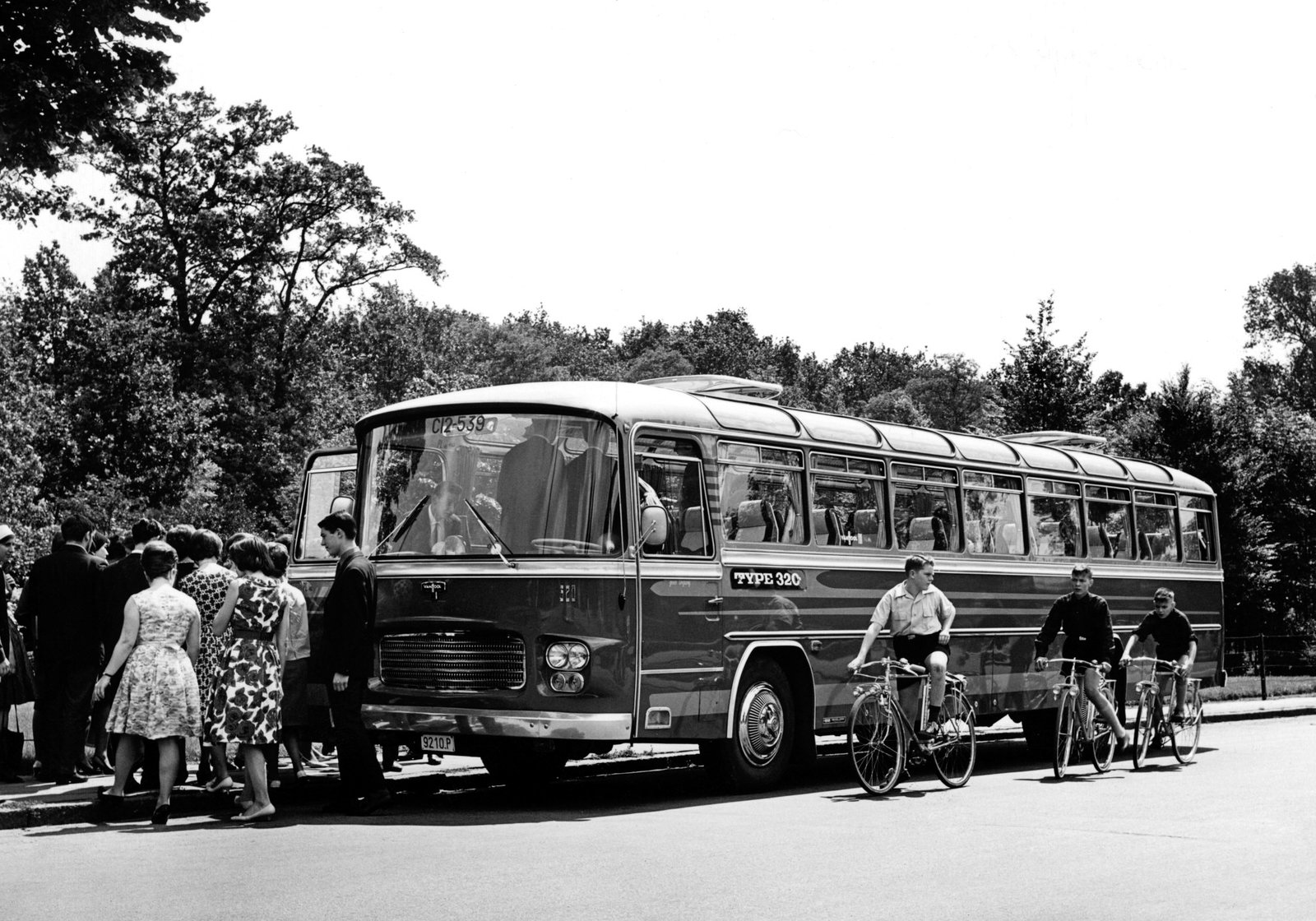
Van Hool stepped up from the role of coachbuilder to full-fledged bus manufacturer in 1957, when the company signed a supply agreement with Fiat for engines, gearboxes, axles and other mechanical components. Vehicles fitted with these Fiat major units were marketed under the Van Hool-Fiat brand name. The company conquered the British market in 1965 under the brand name derived from the family name, and its buses were subsequently awarded the “Coach of the Year” title five times at the British Coach Rally’s “Concours d’Elegance”.
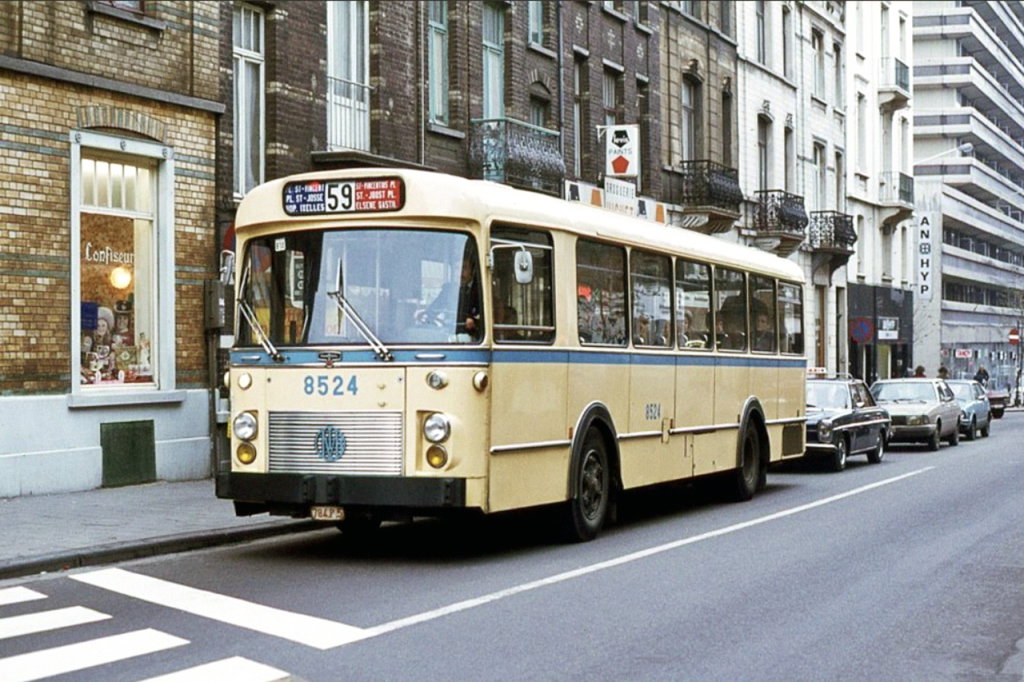
Internationalisation, growth, new markets and the democratisation of tourism encouraged Van Hool to accelerate its development work. Long-distance tourism, supported by the expanding European motorway network, brought a major boom in the production of rather sophisticated vehicles designed for mass tourism and maximum profitability – an area in which Van Hool had always been at home. The secret of Van Hool’s success was that in the 1960s it completely rethought its product range based on the standards it set for itself: give the customer what the customer wants. To ensure a continuous supply of skilled labour, Van Hool even opened a welding school.
The company lost its founder in March 1974. Bernard Van Hool died unexpectedly at an architectural exhibition in Brussels, which he had visited to find inspiration for Van Hool’s new production hall. Bernard’s motto had always been: “Architecture is my life. Continuing to build is your task. The road lies ahead of you.” The company’s leading figure left this guidance to his heirs, and with this attitude Van Hool continued on its path towards further success.
Bernard’s death, however, brought a huge rupture not only in the life of the company but also in that of the family, as the company’s shares and the opportunity to manage it were inherited by the founder’s eight sons – Jos, Denis, Paul, Alfons, Leon, Marcel, Leopold and Herman – while his two daughters, Ingrid and Simone, were effectively left out of his will and had to make do with a few properties. Bernard held a view typical of the era: that women had no place in a company. This was the beginning of the inheritance dispute that lasted for several generations and ultimately led to the bus manufacturer’s bankruptcy. In 1999, three of the eight sons were bought out of the family business by the others, so before the 2024 bankruptcy, the ownership rights in the company were exercised by the 15 children of the five remaining shareholders through the family holding company Immoroc. Immoroc owned the Belgian and Macedonian plants and was responsible for sales activities in the United States and other export markets. At one point the possibility of listing Van Hool on the Belgian stock exchange was also raised, which might even have resolved the family tensions, but this step too was ultimately thwarted by disagreement among family members. The story of Van Hool is an excellent example of how decisive the attitude of successors can be for the fate of a business: if the family serves the business, success is generally guaranteed; if, however, the business serves individual and family interests, it can easily end up where Van Hool is now.
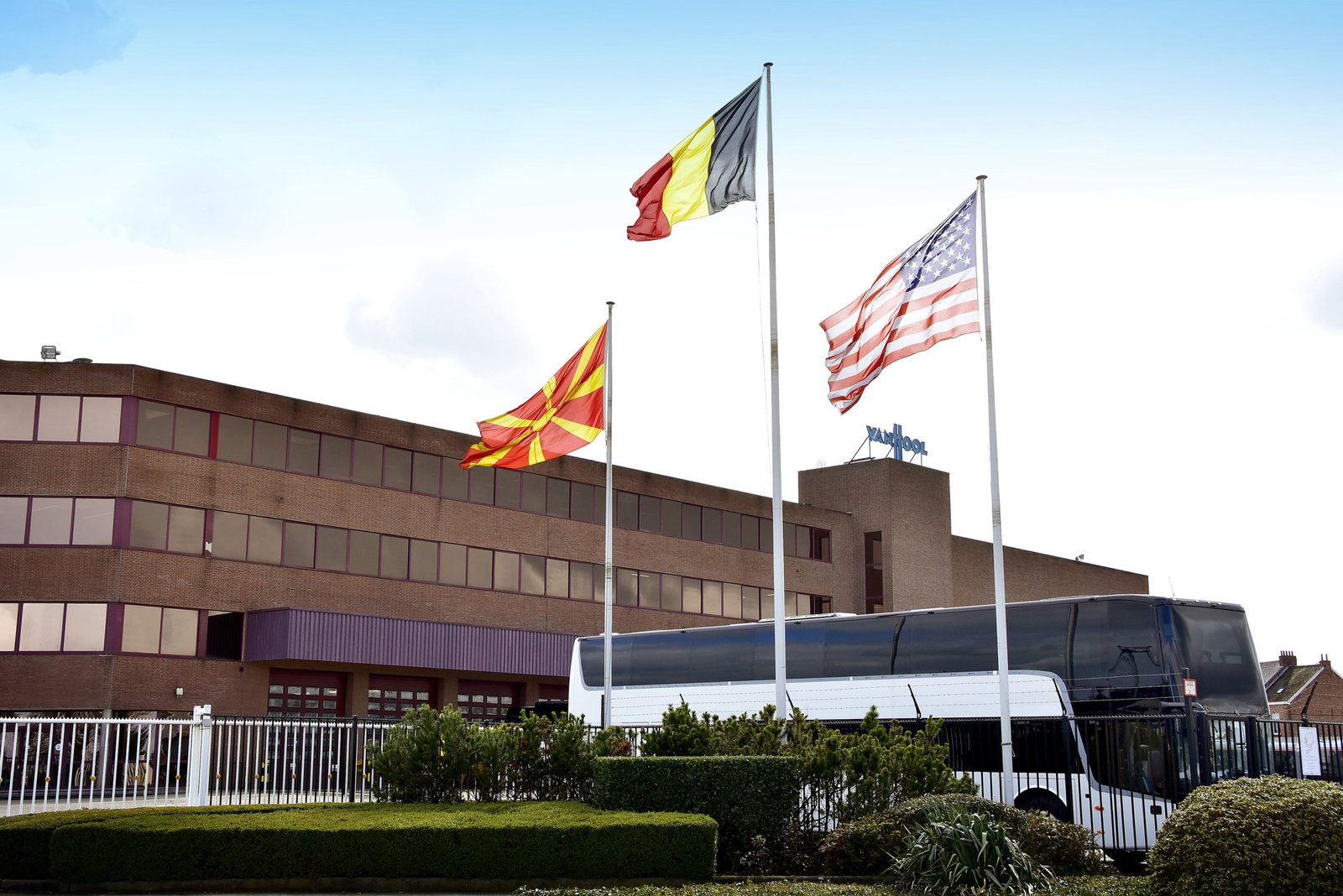
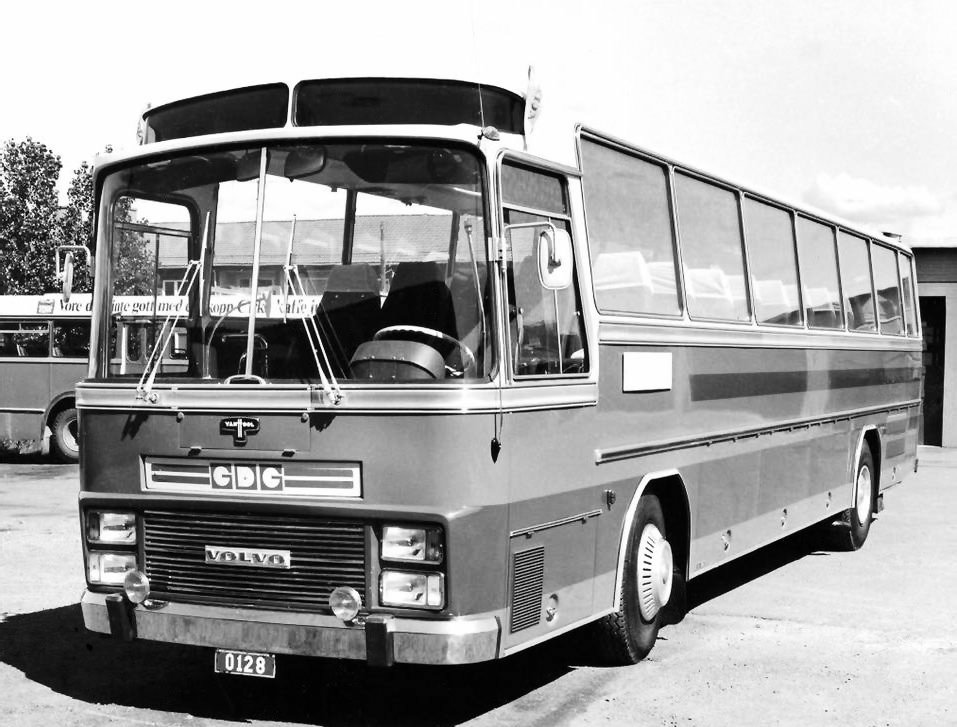
Van Hool’s new factory in Koningshooikt was started by the heirs in the summer of 1974. To this day, this plant has accounted for a significant share of the manufacturer’s production activity. In this decade the bus manufacturer introduced its first city bus, the A120, which had a modular structure for a high degree of variability and was offered both as an integral vehicle and as a body-on-chassis version. The type was purchased mainly by Belgian, Luxembourgish and French operators. An important milestone in the company’s history came in 1979, when the legendary T8 series entered the production programme. It remains Van Hool’s most popular coach family to this day, and its reliability, road manners and economical operation are still praised even now.
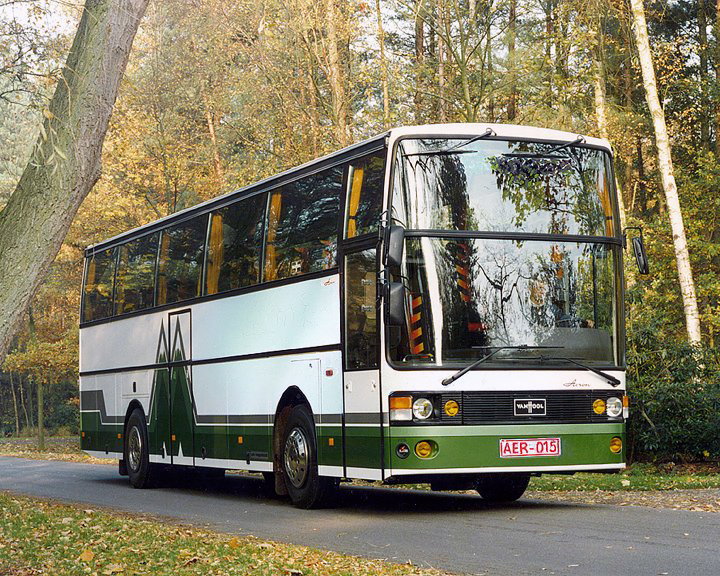
Another attraction of the series was its exceptional versatility: over its career of more than a decade and a half, it was produced in countless versions and body variants. It was at this time that the type designation system still used today for Van Hool coaches took shape: the digit immediately after the letter T identifies the generation, the following two indicate the theoretical number of seat rows that can be installed, and finally comes a model name referring to the character of the body, always beginning with the letter A.

A Van Hool T8 Alizée built on a three-axle Scania chassis somewhere in the Arctic Circle
In the case of double-deck models, the letter D also appears after the T, while articulated models receive the letter G as an addition. From the early 1980s, the repertoire already included the integral entry-level model, the Alicron, and the higher-built Acron, followed by the one-and-a-half-deck Altano and the flagship crowning the range, the Astromega double-deck coach. Chassis-based versions received separate model names: single-deck models were listed as Alizée, while double-deckers appeared in the range as Astrobel.

The concept of the mid-engined double-deck bus, the Van Hool Astral, which lived through two generations (T8, T9), is now considered extreme
An exception was the mid-engined Astral, unveiled in 1983 and built on the three-axle version of the popular Volvo B10M chassis. It offered a full passenger compartment on the upper deck, but on the lower level – due to the chassis design, behind the C axle – at most 11 seats or a small club lounge. The Astron, which still exists today, originally began its career as a two-axle version of this vehicle with MAN running gear, but a long-distance articulated coach was also produced under the Alligator name, as was a two-axle long-distance double-deck version of the T8 series, the latter being the Amarant. Interestingly, Volánbusz also owned one example of this unusual type in the 1990s, which operated on Eurolines services in the company’s then-used “parrot livery”. The Hungarian operator also had a three-axle Astromega, which to compensate for the small luggage compartment on international routes towed a two-axle trailer behind it. The success of the T8 family is shown by the fact that even at an early stage of production it reached Japan, where local operators were still buying until recently customised TDX24 Astromega double-deckers built on Scania chassis and adapted to local dimensional regulations.
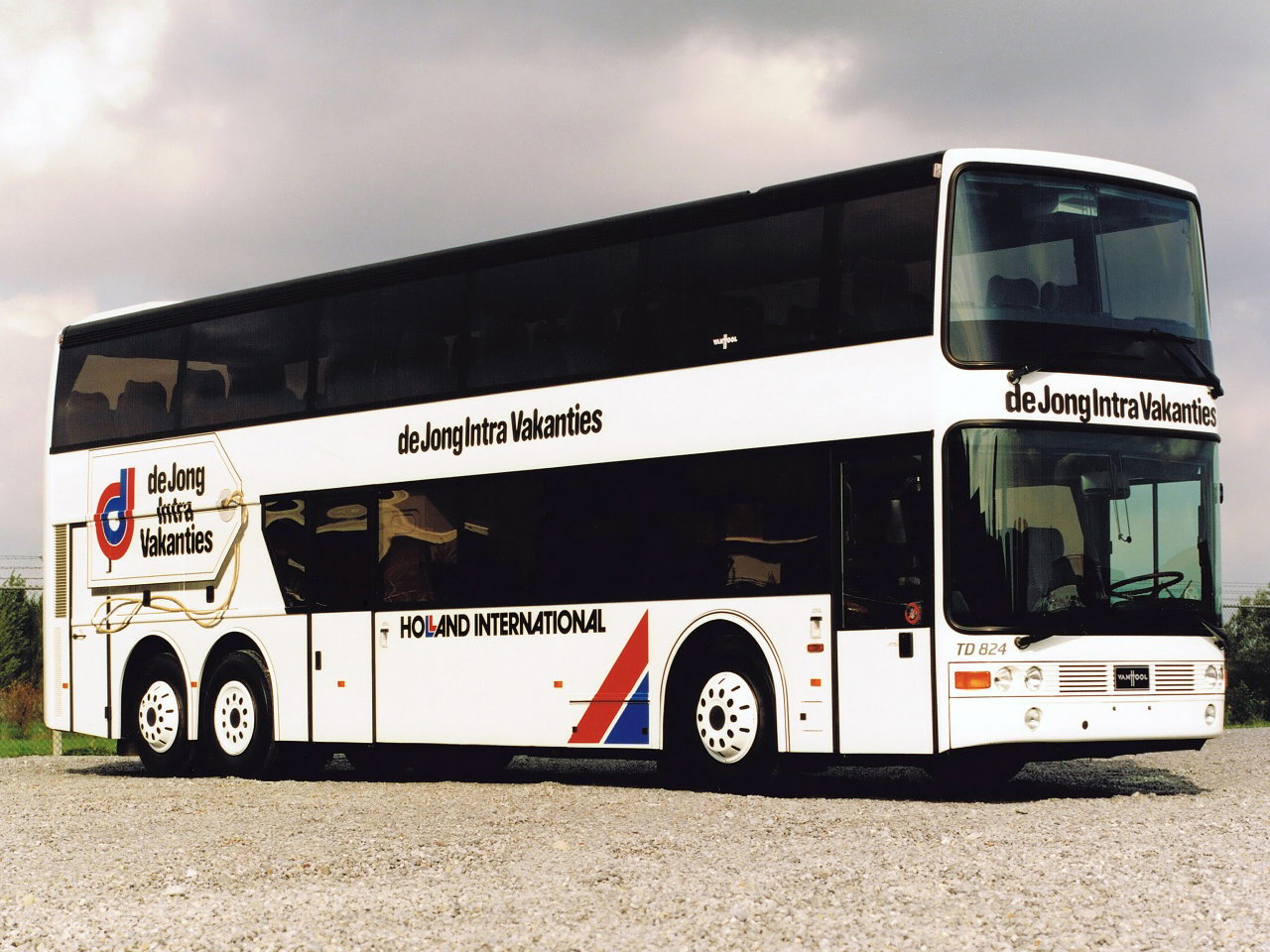
Van Hool’s double-deck flagship, the Astromega, has been part of the range since the early 1980s
At the same time as the T8 series, Van Hool introduced its mid-engined A280 (solo) and AG280 (articulated) city buses with their distinctive curved windscreen. Technically, they were based on the A120 and were also available as trolleybuses. The range was also expanded at this time with the AU141 and AU138 city midibuses. Together, these vehicles formed the basis of Van Hool’s future low-floor concept. It should also be mentioned here that Van Hool introduced its first semi-trailer around this time, launching another success story. Alongside buses, Van Hool’s industrial vehicles have also been in demand over the past 40 years in Europe and elsewhere in the world, including France, the Netherlands, Germany, Angola, Dubai, Laos and Iraq.
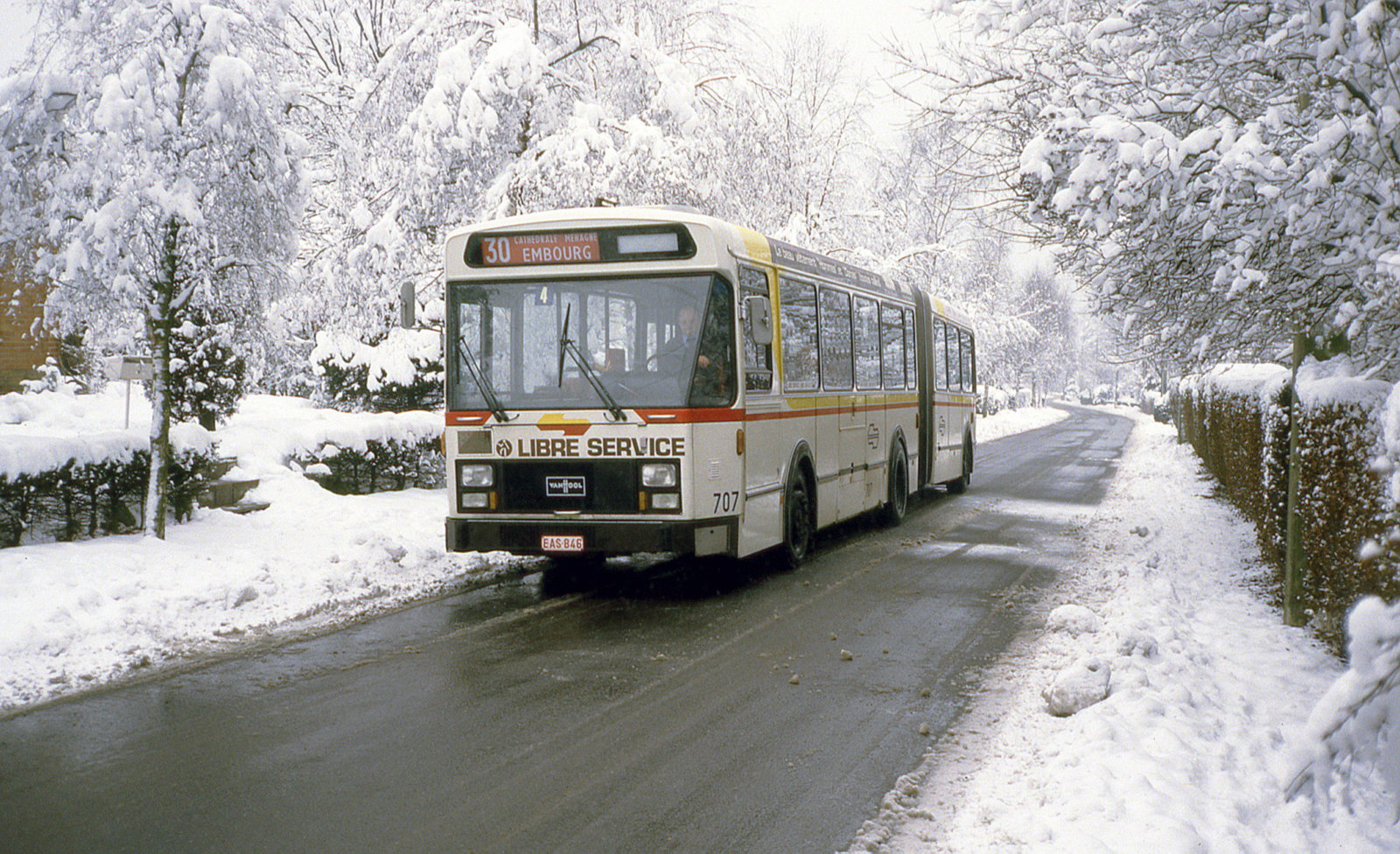
Van Hool brought one development after another in the 1980s: it unveiled its first airport bus, launched its reduced-floor-height city model named the A500, as well as the standard-floor A600 suburban/interurban bus – adapted to Scania, Volvo, Iveco and Mercedes-Benz chassis – and the AG700 standard-floor articulated bus. With the integral models of the T8 series, it also entered the North American market, where within a few years it became the largest European bus importer in the United States.
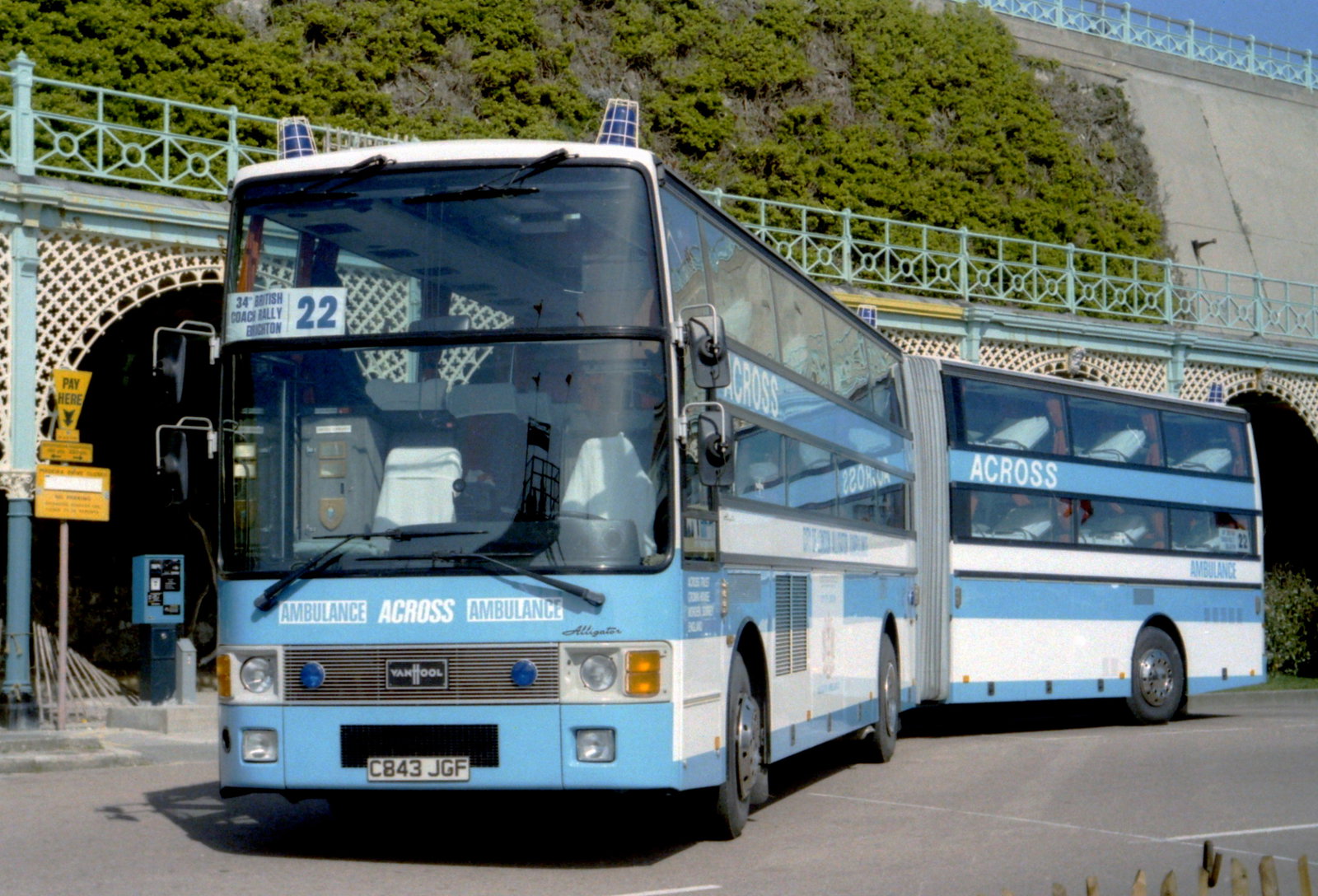
Van Hool was a partner of the Across charity for decades. Several slightly different versions were built of the TG821 Alligator variant shown here, designed for transporting patients on stretchers
The Belgian bus manufacturer was always inclined to put into series production ideas that balanced on the border between genius and madness, while it also liked to support similarly bold, bespoke concepts from its more adventurous customers. Examples included the special outside-broadcast bus, also described as a mobile TV studio, deployed for the 1999 Eurovision Song Contest, or the specially equipped stretcher-carrying vehicles nicknamed “Jumbulance” and built for the British charity Across, which organises pilgrimages to Lourdes. These were based on the T820 Amarant double-decker and the TG821 Alligator high-floor articulated models. The latter, at 18 metres long, even entered the Guinness Book of Records in 1984 as the world’s largest ambulance, and in principle it retains this honorary title to this day.
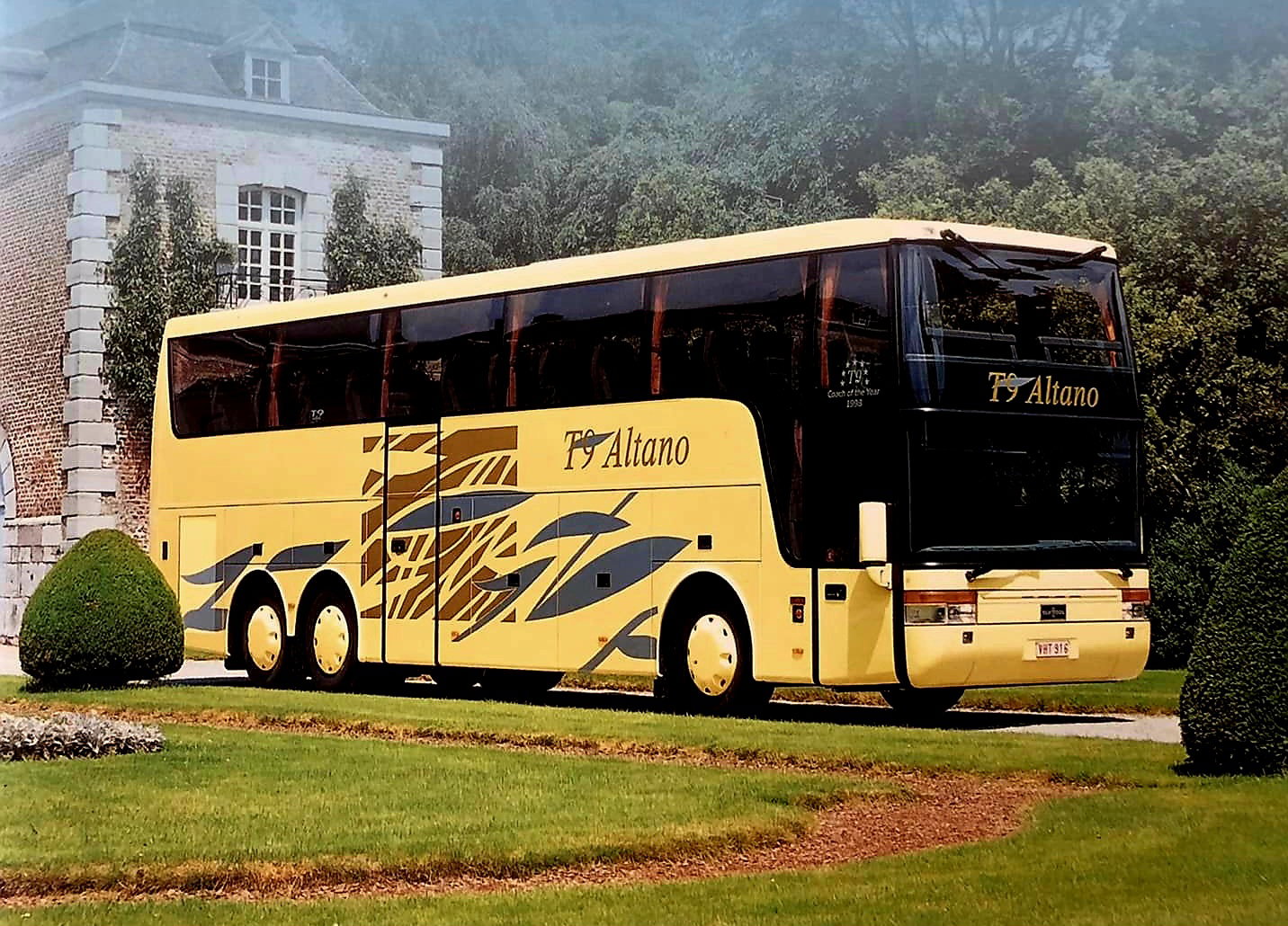
The successful T8 coach series was replaced in 1995 by the softer-character T9 series, which remained in production until 2011 after several model updates. With the generational change, or not long afterwards, several distinctive types disappeared from the range, while the Astron was transformed into a conventional high-floor, rear-engined coach. New variants also arrived, such as the theatre-floor Astronef and the short-lived Atlon and Atlino, with which Van Hool targeted the intercity segment by expanding the range downwards.
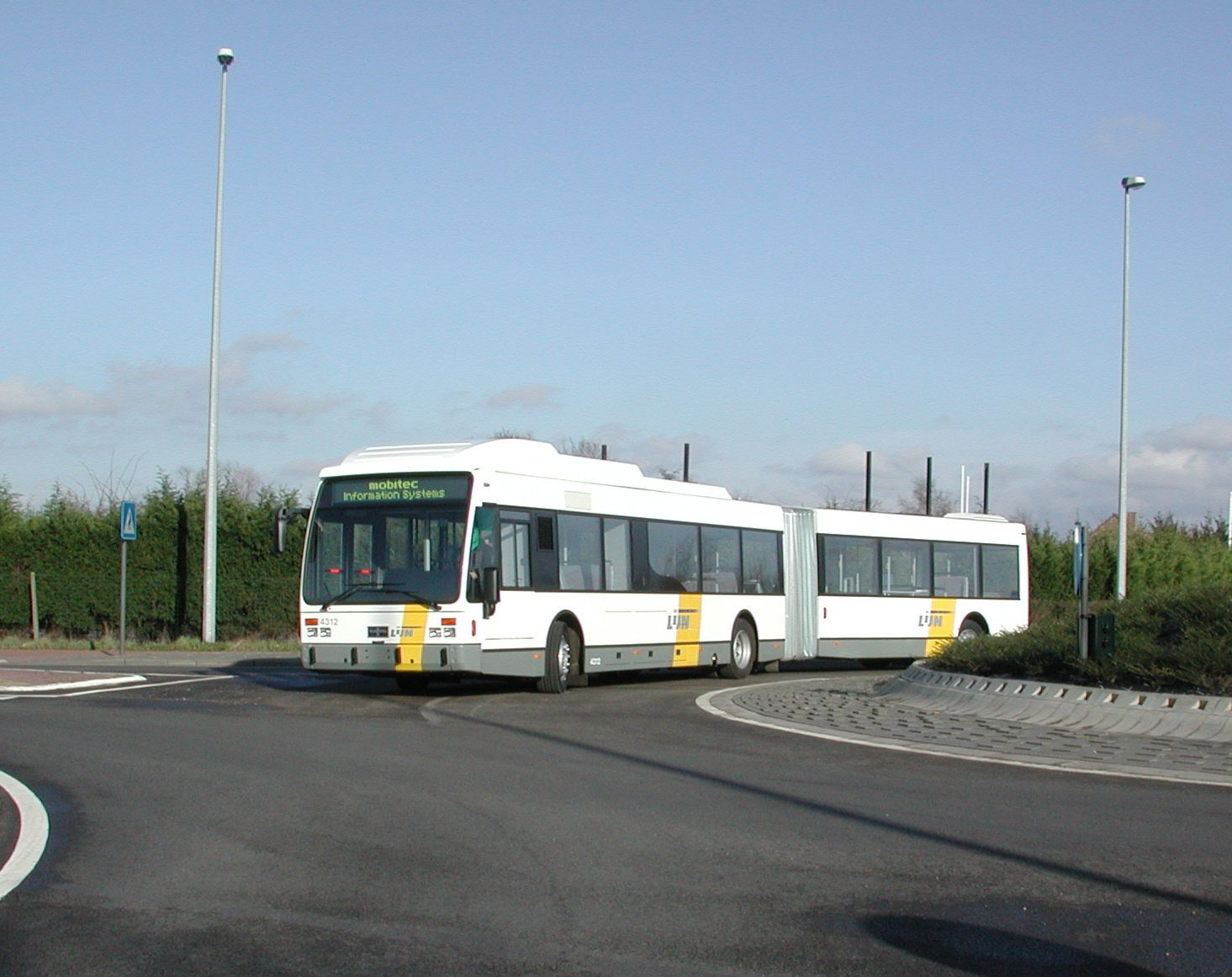
In the 1990s, the Belgian manufacturer developed numerous bus types with alternative drivetrains, presenting hybrid and gas-powered buses as well as bimodal trolleybuses. Van Hool’s first full-length low-floor type, the A300 based on the A500, was completed by 1991. In addition to its low-floor layout, which was considered revolutionary at the time, its special feature was that in both the solo and the articulated AG300 versions, the power unit was installed between the A and B axles. On the basis of the A300, Van Hool developed several subtypes, including the A308, A309 and the A310 midibuses – the latter built in just a single example – as well as the rear-engined, low-entry A320 with a theatre-style floor at the rear, the full-length low-floor A330 with a rear engine tower, and the rear-engined, low-entry A360, which had a step behind the rear door.
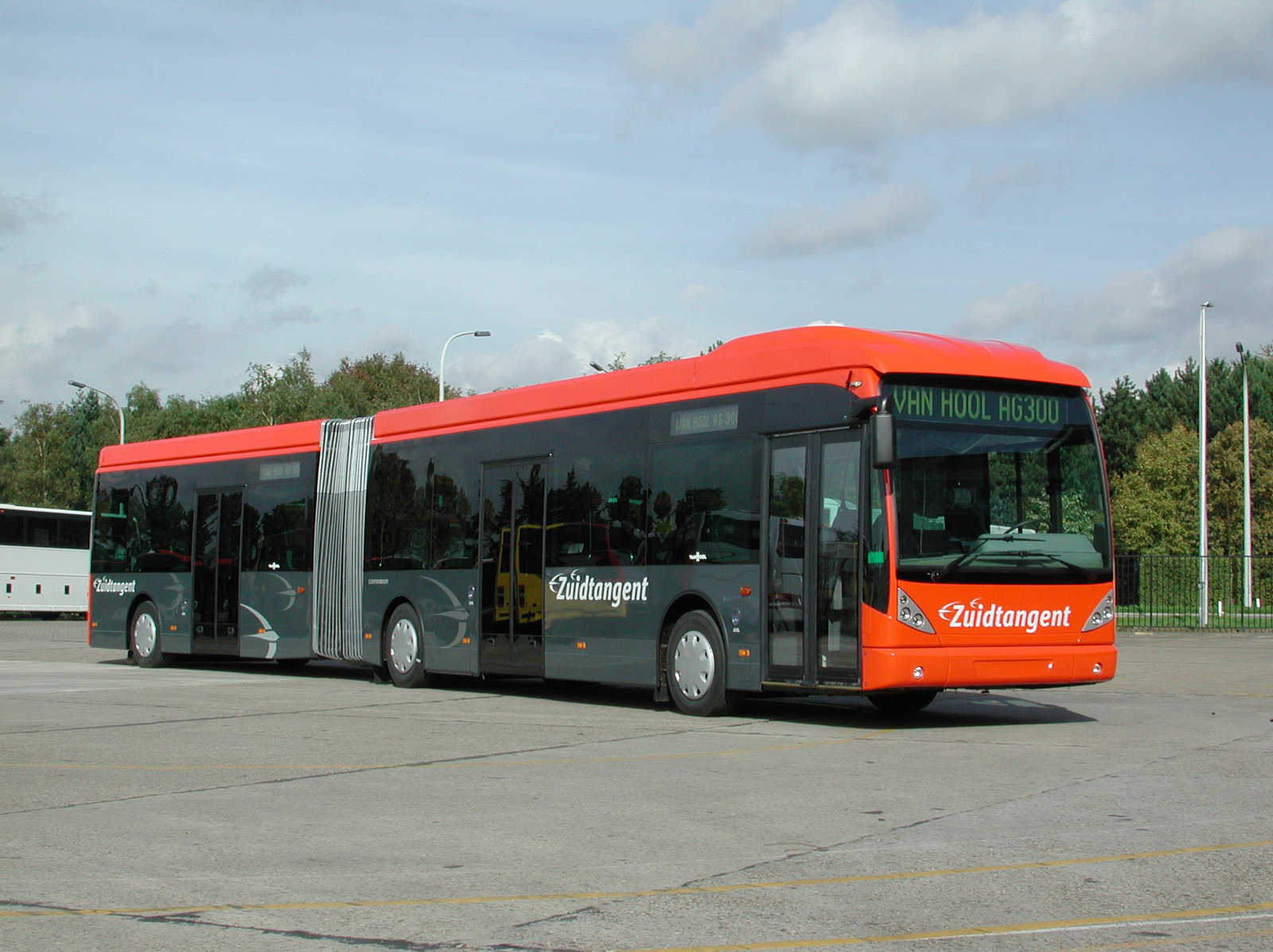
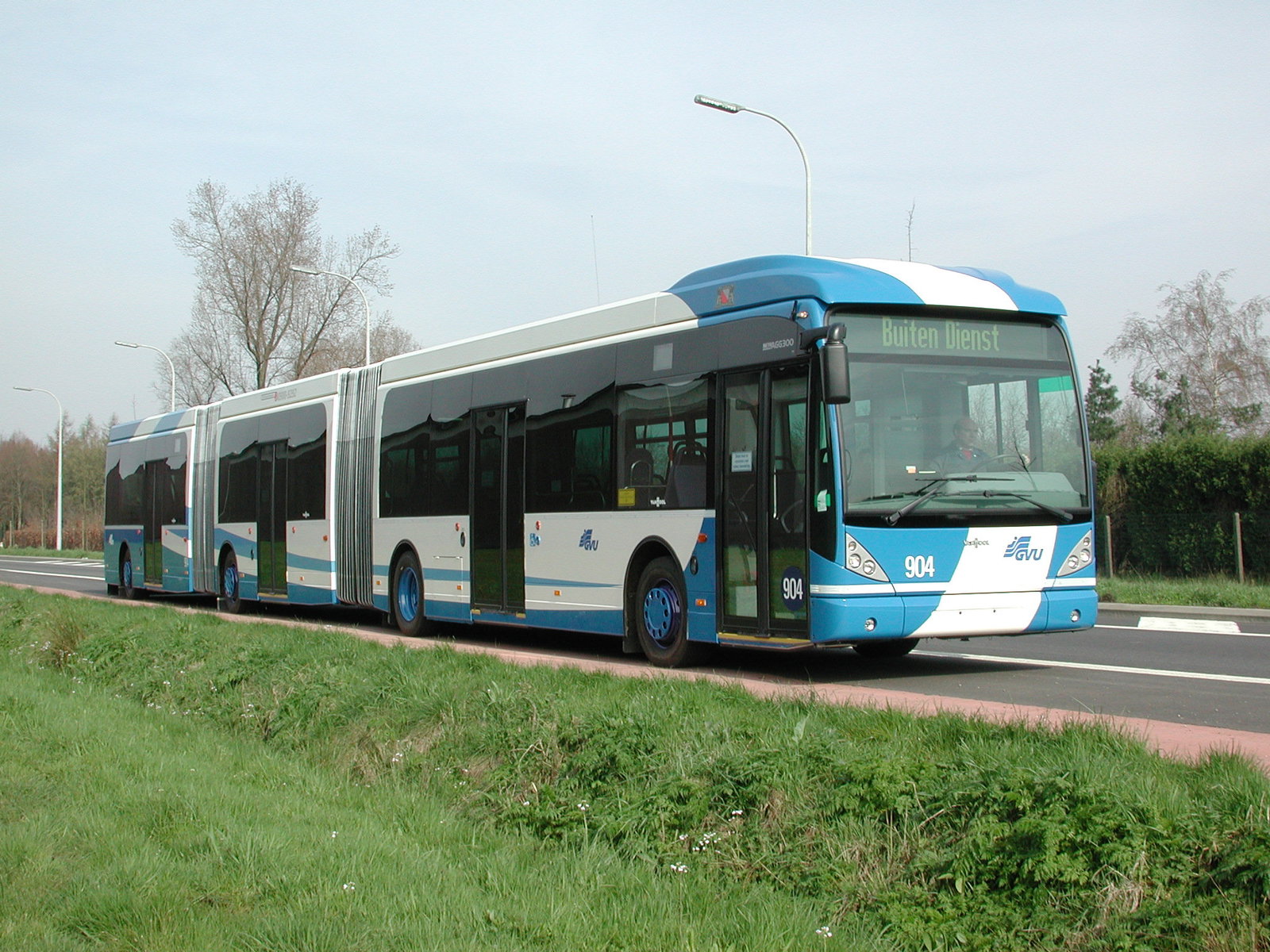
The A3xx family received a comprehensive update in 2001, with the successor series simply named newA3xx. At the same time, it was not merely a restyled edition: in addition to a much more modern exterior design, the frame structure, passenger compartment and driver’s environment were also renewed. The 24-metre-long bi-articulated model named AGG300 had already appeared as an experimental model in the 1990s, created by attaching an additional rear body section in 1993 to an AG300 built in 1992. The large vehicle was used as a demonstration bus. A second example was also built in 1998, but series production of the bi-articulated AGG300 only began with the newA3xx generation.
Meanwhile, the brand was also steadily building itself up overseas. Before the turn of the millennium, Van Hool acquired a minority stake in its American distributor, ABC Bus Companies, thereby strengthening their strategic partnership. As a result, the Belgian bus manufacturer has been able to sell more than 11,000 buses in North America to date. Alongside models of European origin, it also appeared on the market with types specifically tailored to the United States, such as the CX long-distance coach series offered exclusively overseas.
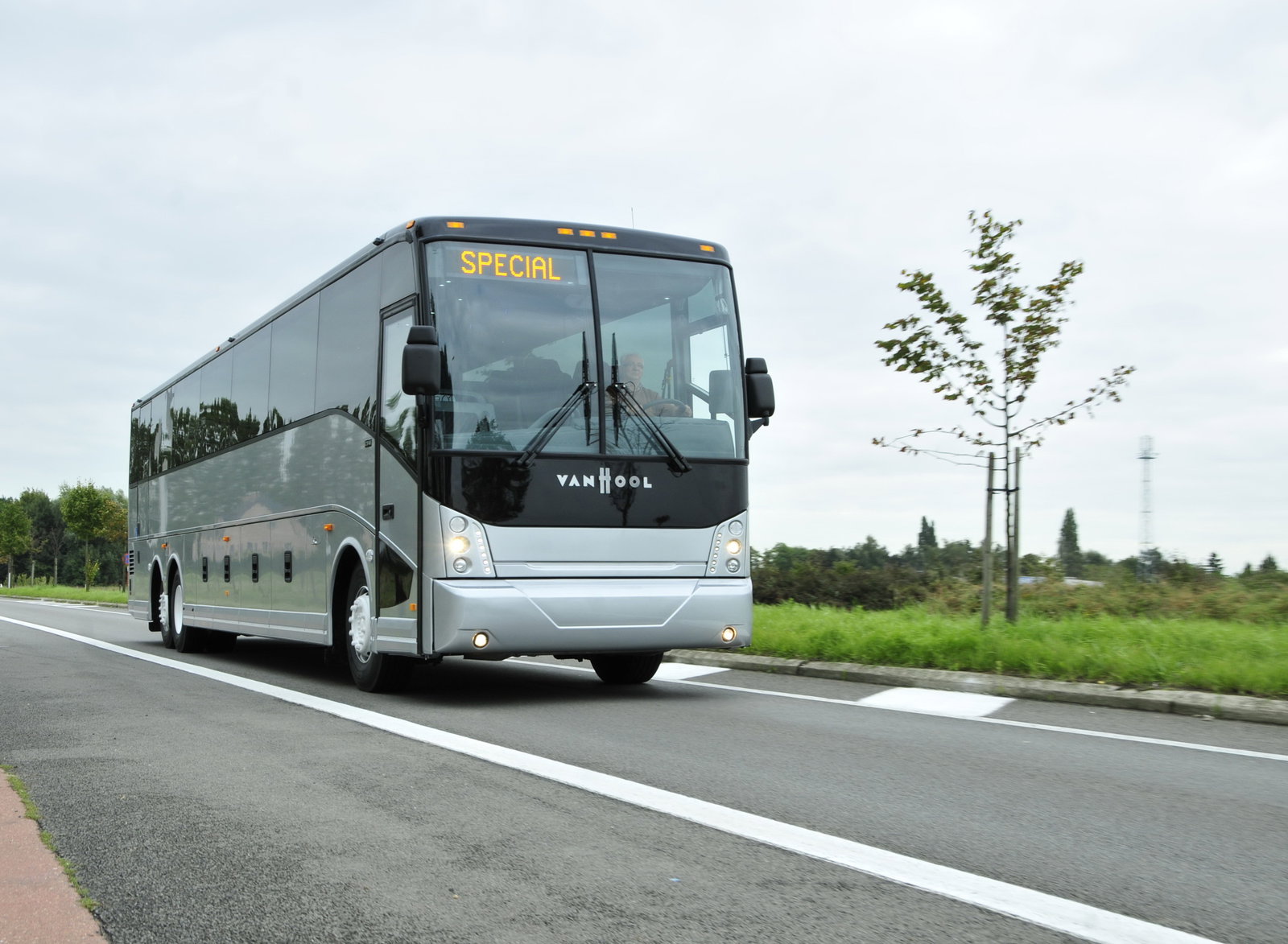
In addition to the two-member CX series, versions of the more upmarket TX series adapted to local regulations are also available in the United States – even with electric drive
As early as 2005, Van Hool could boast a hydrogen bus developed in-house, and it developed an entire series of trolleybuses and diesel-electric hybrids. Van Hool also entered the North American market with its city bus types, and even sold A330 and A300L hydrogen buses overseas. Even Google placed its trust in the manufacturer: the giant company purchased 44 T2145 long-distance coaches for the US market to transport its employees.
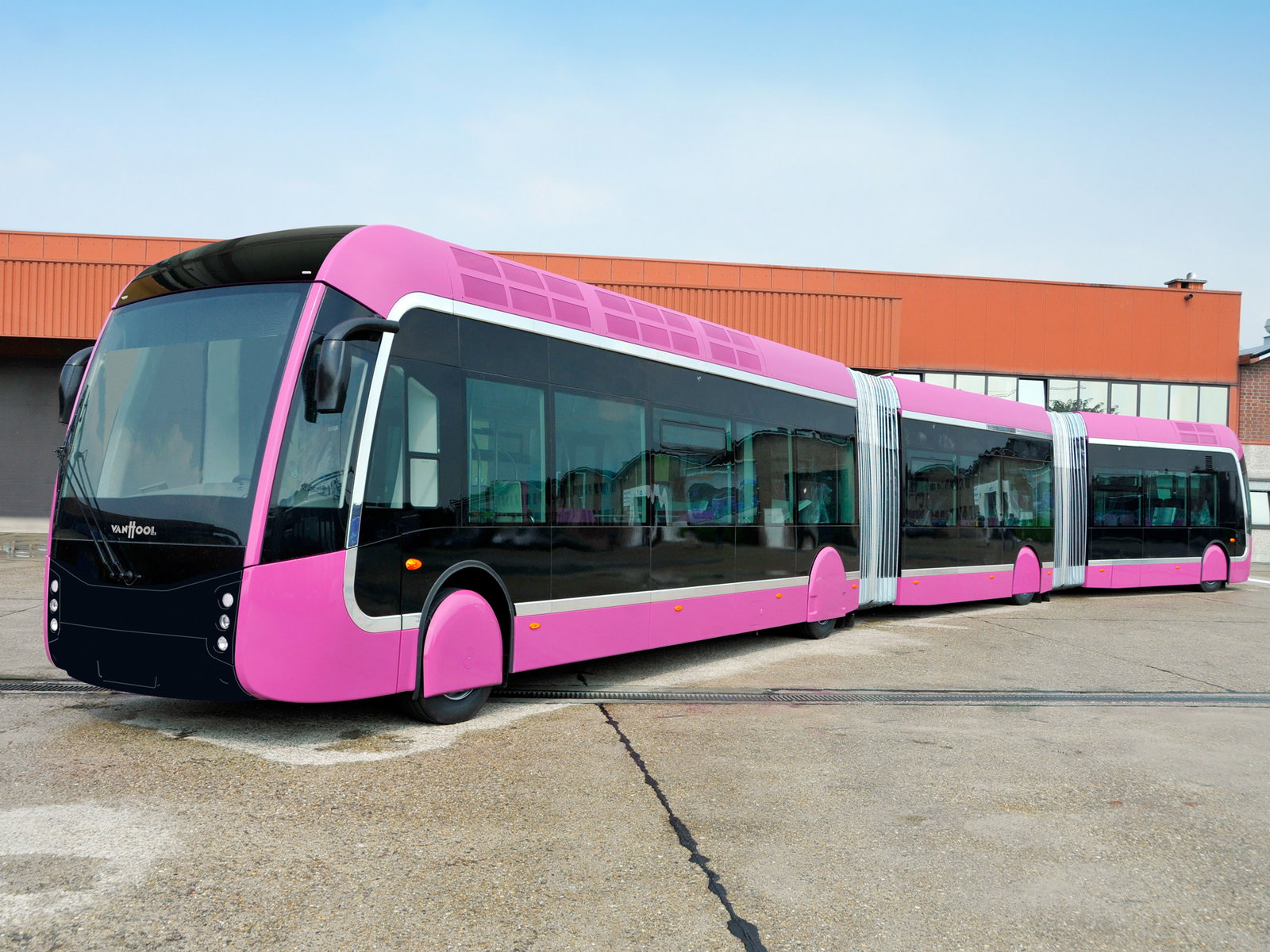
Innovation seemed almost unstoppable at Van Hool: after 2010, the range was expanded with the style-setting Exqui.City series, recommended for BRT lines and evoking the design language of trams. It could be ordered in articulated and bi-articulated versions, as a trolleybus, as a diesel-electric hybrid and as a hydrogen bus. In these years Van Hool also introduced numerous diesel-side innovations: the successor to the T9 family, the TX series, debuted at Busworld Europe 2011 in Kortrijk, while the EX series, positioned below the premium TX models and intended for operators with tighter budgets, was unveiled at the 2014 IAA show in Hanover. At the same time, further long-distance models for the US market (TX40, TX45 and CX45) also arrived.
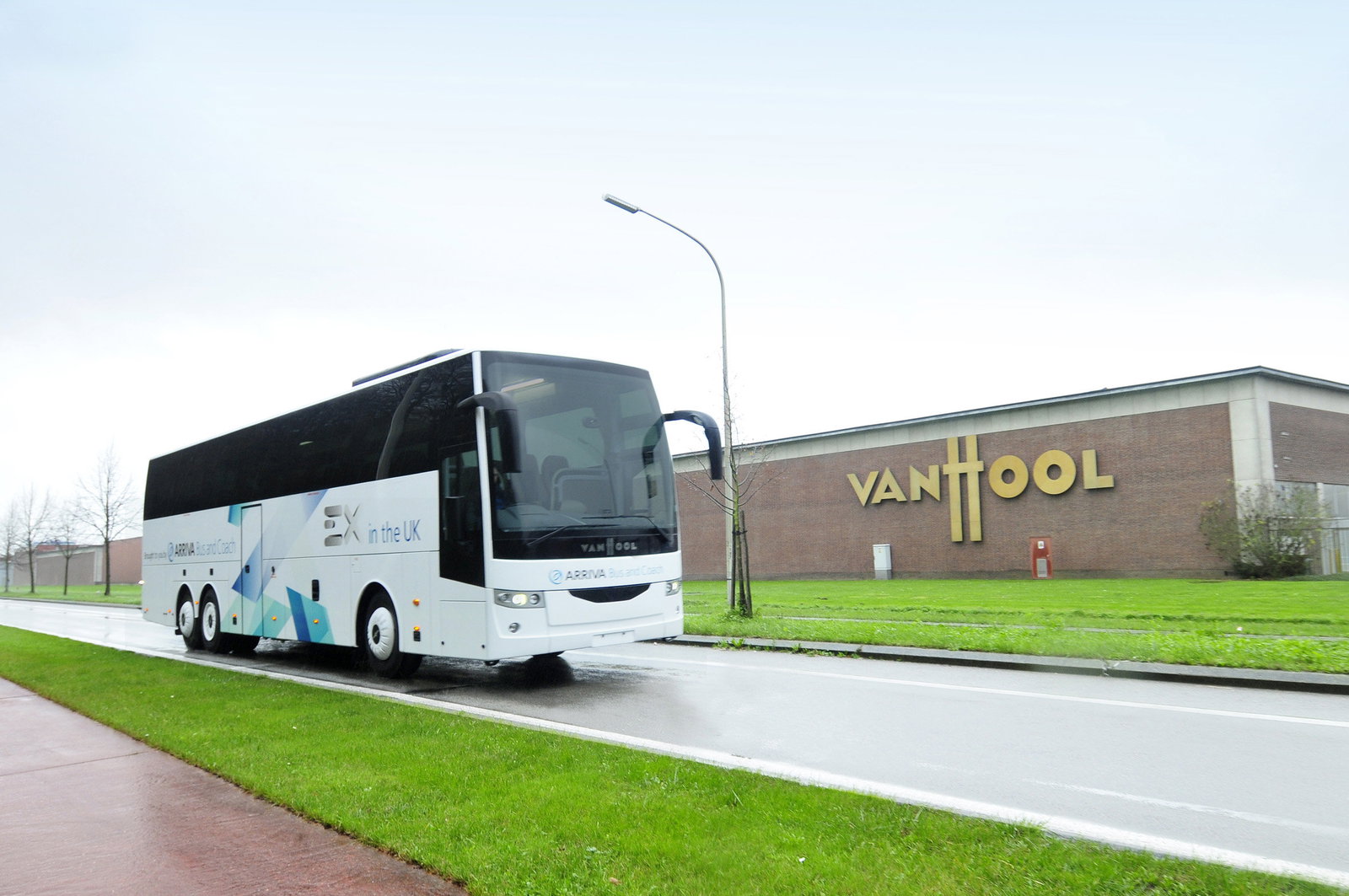
The lower-priced EX family marketed on the European market debuted in 2014
Despite promising developments and a broad product offering, serious storm clouds were already gathering over the manufacturer in the second decade of the 21st century, primarily because of the high costs of production in Belgium. In 2015, Van Hool therefore established a new plant in Macedonia to manufacture the cheaper EX series and the types intended for the US market. Over the years, a significant part of the production of the company’s premium long-distance range and the body assembly of its city models also moved there. The opening of the new plant near Skopje contributed greatly – albeit only temporarily – to Van Hool stabilising its weakened financial position and improving its market standing. The introduction of production in Macedonia played a key role in the company’s survival, mainly because of much cheaper labour – according to reports, the average hourly wage was one-tenth of the Belgian level – and lower general operating costs, allowing the company to manufacture its products at more competitive prices.
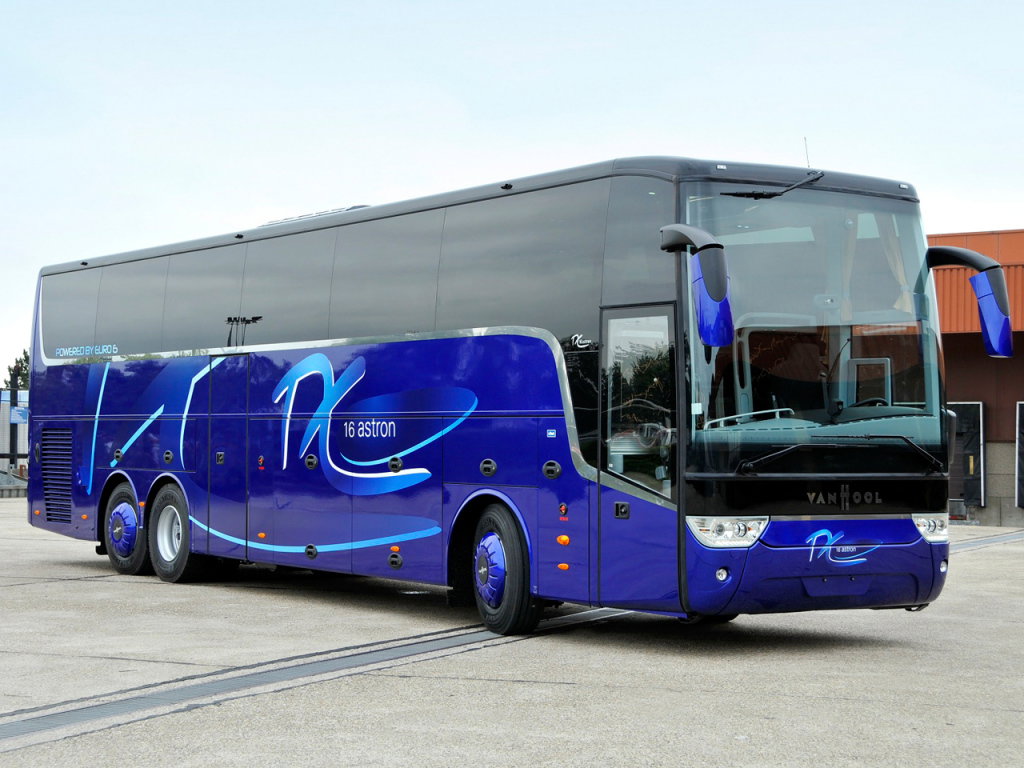
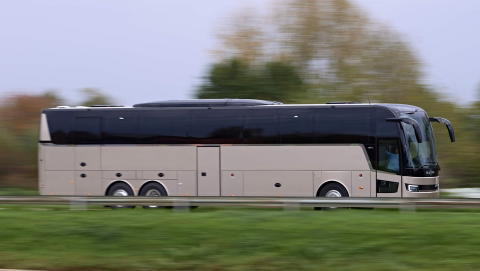
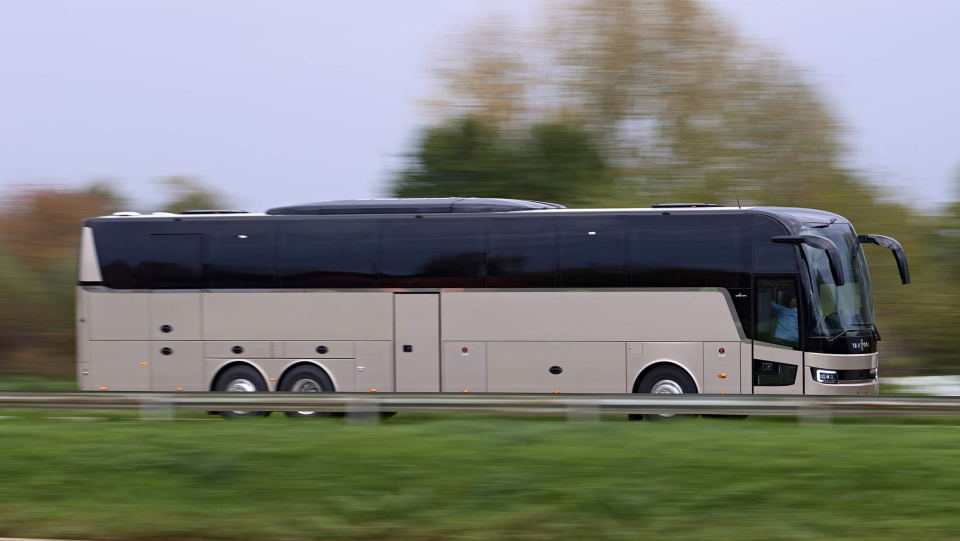
The sophisticated TX family lived for 11 years. Van Hool envisaged roughly the same lifespan for the brand-new T series that replaced it
Even so, Van Hool’s decline could only be postponed, as despite temporarily improving financial results, the coronavirus pandemic had a significant impact on the company’s operations. The pandemic, followed by the serious economic downturn caused by global supply difficulties and geopolitical conflicts, led to a huge drop in demand for Van Hool, especially in the more lucrative and profitable coach segment – precisely at a time when management had neglected the development of city models and was focusing instead on the long-distance product line. Given the composition of the range at the time, all this dealt a severe blow to the company.
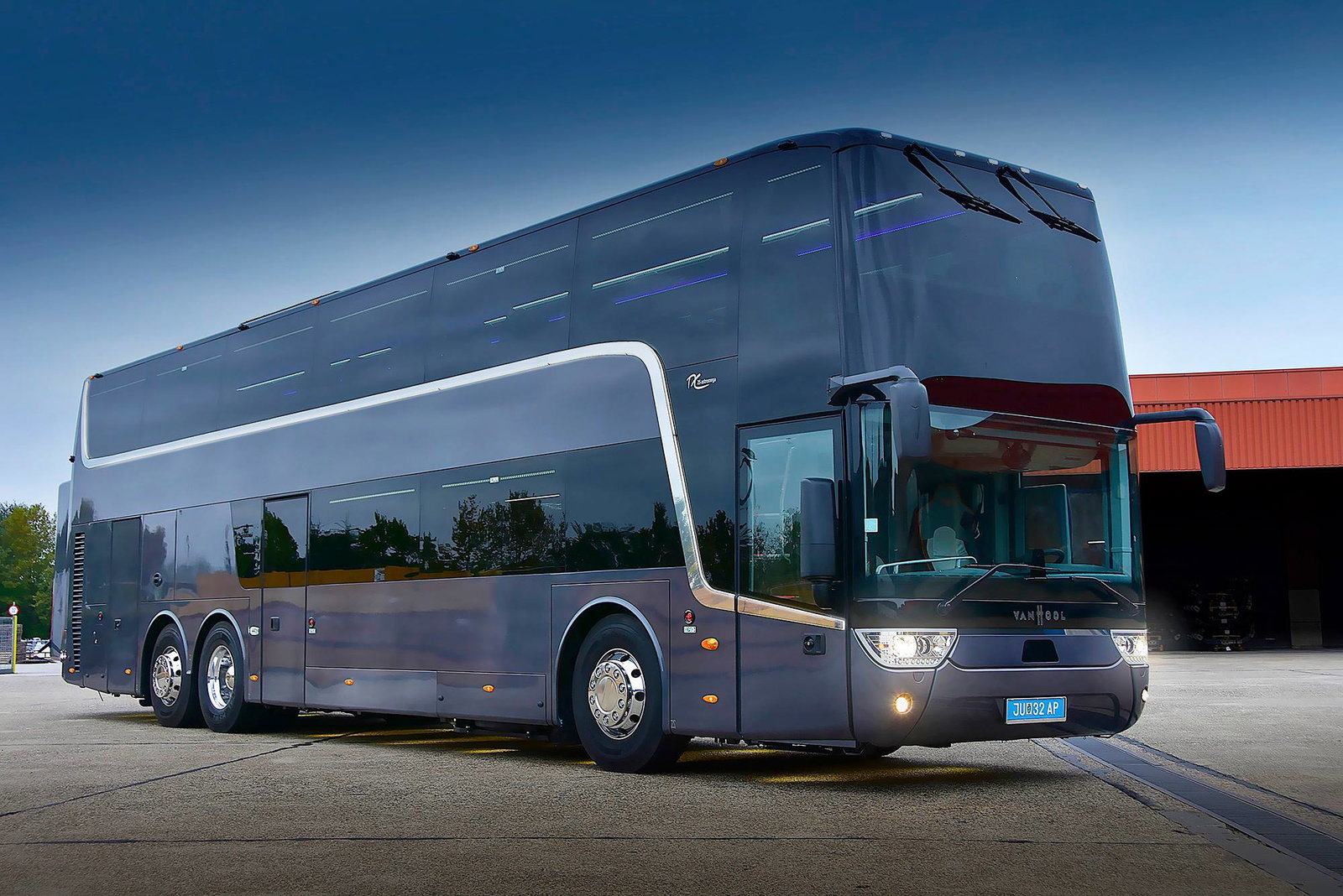
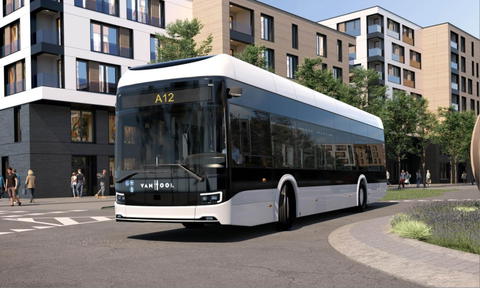
Sales of luxury touring coaches, which accounted for 80% of Van Hool’s turnover, came almost to a complete halt between 2020 and 2022, causing the Belgian bus manufacturer losses of 60 million euros a year. Moreover, the renewal of the city and suburban product range, which had been pushed into the background for many years, did not bring the hoped-for success either: sales of the brand-new A series, developed at a cost equivalent to billions of forints and available exclusively with zero-emission drivetrains, also failed to meet expectations. Despite the developments, the city portfolio continued to generate only losses over the past four years. Yet there was no shortage of configuration options this time either: the members of the model family, which arrived somewhat late as the successor to the long-lived newA3xx series, could now also be ordered as battery-electric buses alongside the previously existing hydrogen fuel-cell drivetrain and trolleybus versions, while in addition to the classic solo and articulated body variants, Van Hool engineers also developed three-axle and bi-articulated versions.
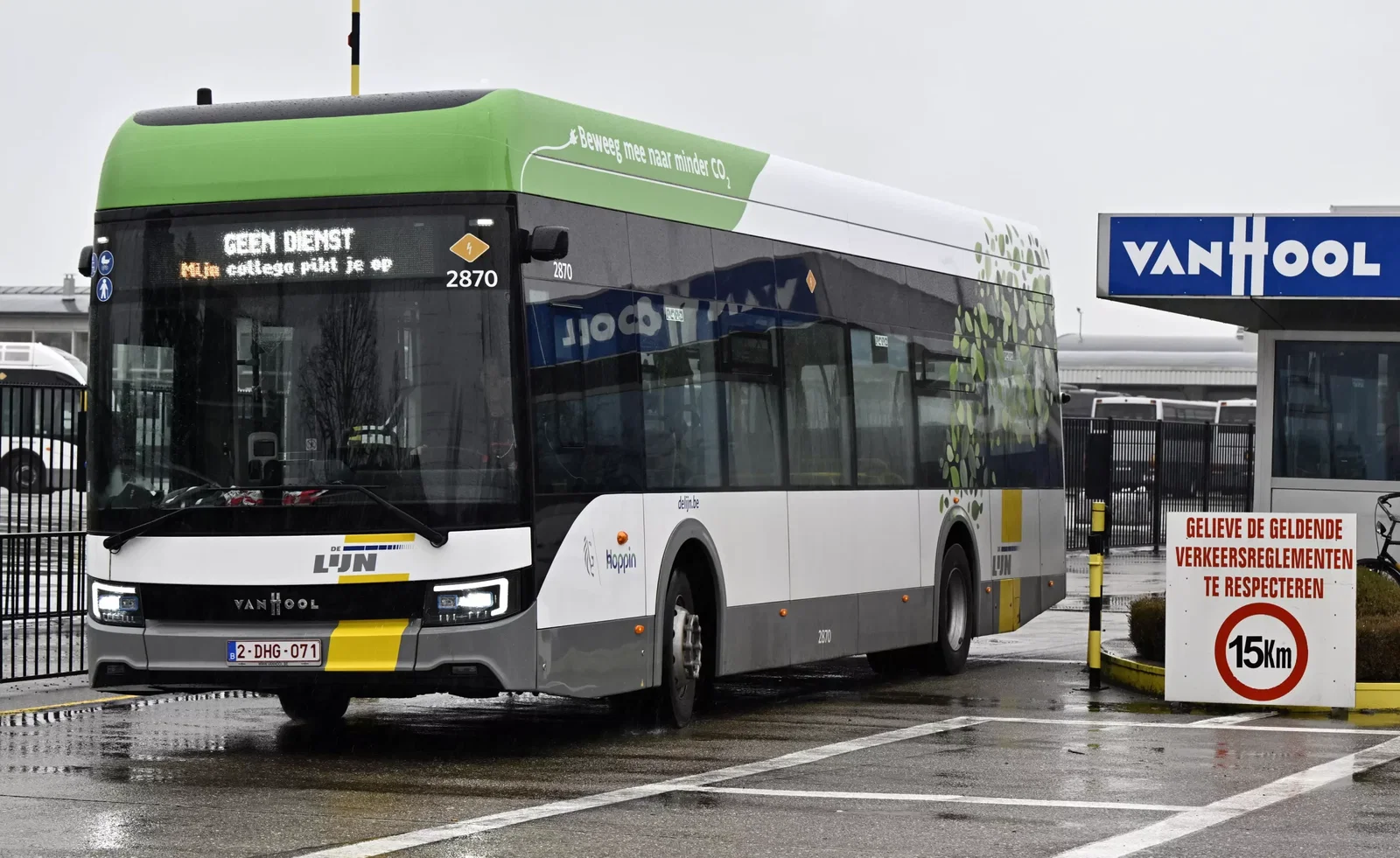
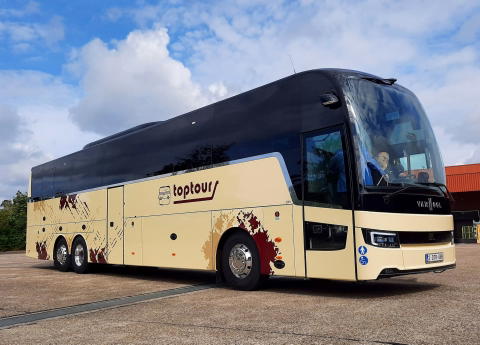
Over the past two years, the company also retired much of its previous long-distance range with the launch of the new T series, but the generational change, introduced with three heights and eight different models, arrived at the worst possible time. Sales could not be ramped up sufficiently, while the substantial development costs only further increased the company’s already enormous debt burden. It also proved to be a strategic mistake that Van Hool had previously placed too much emphasis on hydrogen buses, that perennial promise, and for a long time neglected the development of a more conventional e-bus range. To strengthen its position in the US market, Van Hool also planned to establish a local assembly plant in Morristown, Tennessee, but the start of work was postponed several times, and at present it looks very much as though the facility will never be built.
Because of high Belgian labour costs, by the spring of 2024 – by which time around 65% of its employees were considered economically unemployed – Van Hool was only generating losses and had built up debts of nearly 400 million euros to its creditors. The company’s situation became untenable this March. To save the company, which was struggling with a severe financial crisis, and part of the jobs, the manufacturer’s crisis management team drew up a package of reorganisation measures that, in principle, could have saved the business. The restructuring plan was originally supported by the banks and the government, but because members of the owner Van Hool family were still unwilling even then to set aside their internal dispute that had dragged on for decades, the company’s largest creditors, together with the Flemish government, ultimately said no. After that, the bankruptcy of the family business became unavoidable.
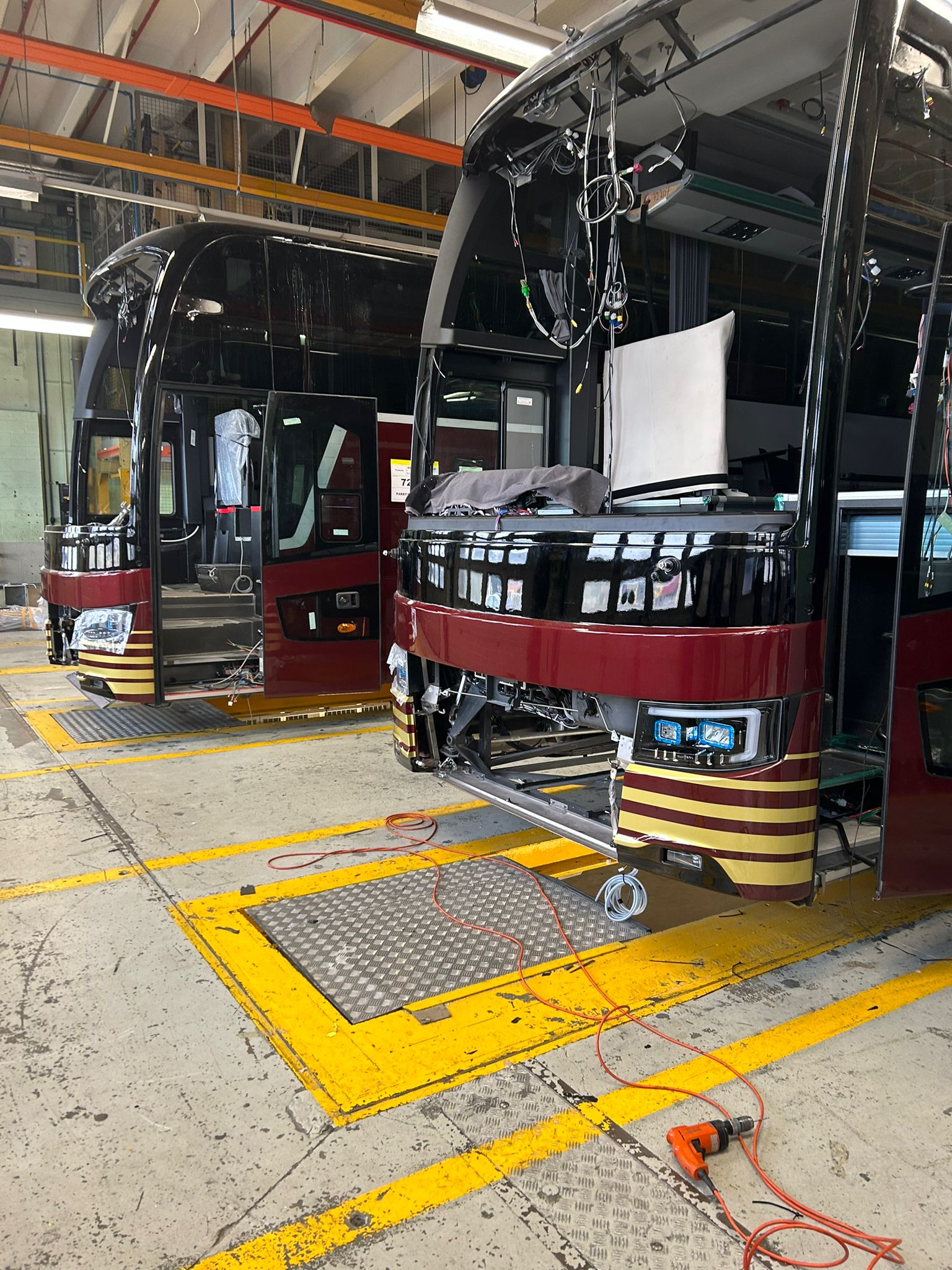
Several interested parties came forward to acquire Van Hool, which employed around 4,100 people worldwide, but in the end the winner was the VDL-Schmitz Cargobull consortium, made up of former rival manufacturers with extensive experience in the sector and preferred since the start of negotiations. Schmitz Cargobull took over Van Hool’s profitable semi-trailer division, while the VDL group claimed the likewise profitable premium long-distance and touring coach business, as well as Van Hool’s American market – despite the fact that the overseas importer was not at all enthusiastic about the Dutch takeover. VDL has still not shared any substantive information about the future of Van Hool’s bus manufacturing division, but it can almost be taken for granted that bus production at the now outdated main plant in Koningshooikt will end, and with it the production of the city A series unveiled barely two years ago will also be discontinued. VDL, after all, has its own newly built Belgian plant – the former Jonckheere factory it had already acquired earlier – as well as its own freshly developed city and suburban electric bus family.
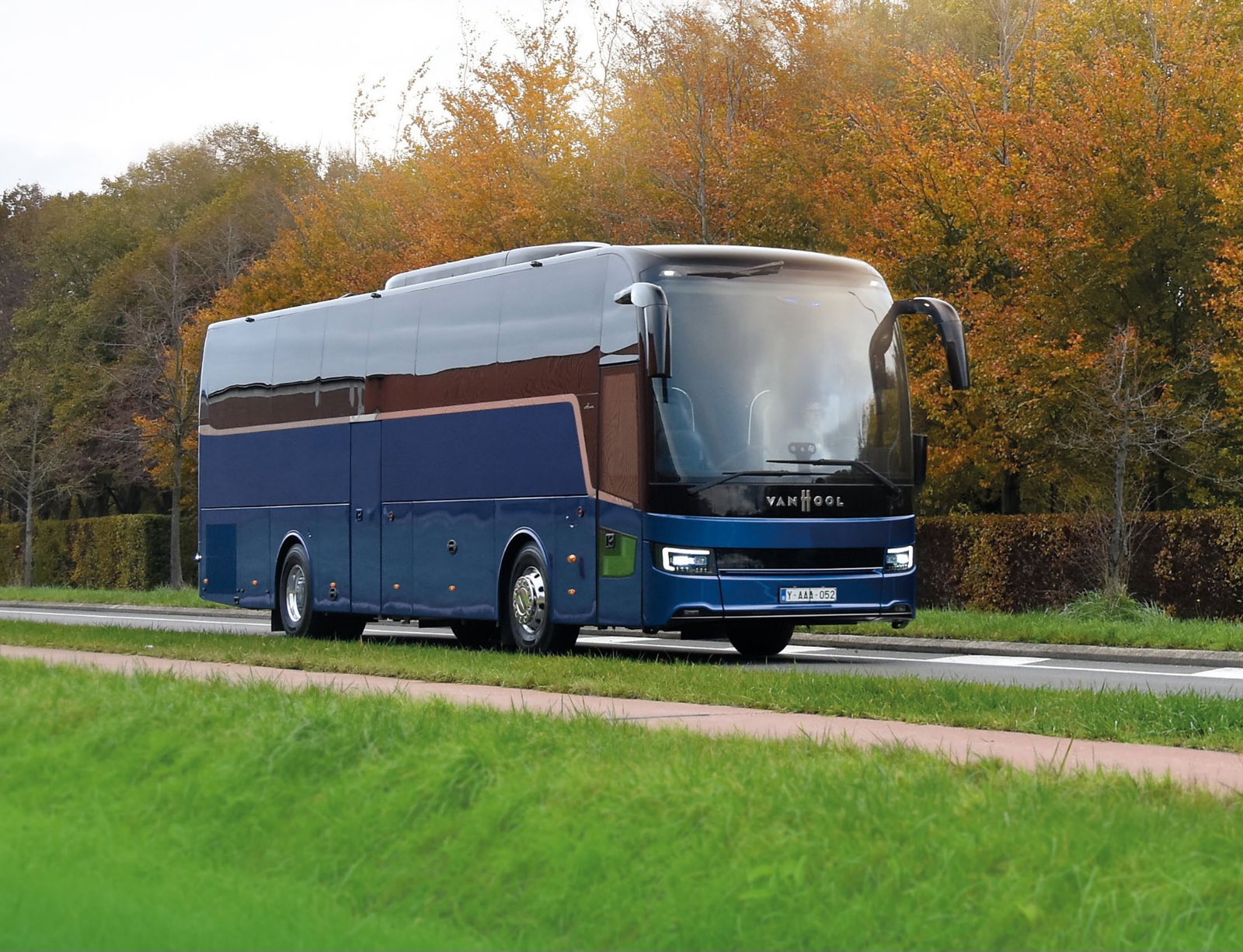
VDL will not have an easy task in getting Van Hool back on its feet, as the bus manufacturer’s capital fell by nearly 130 million euros as a result of the bankruptcy, to just 6 million euros. VDL could only begin reorganising production activities and recruitment at the end of May, as it was only then that the acquisition approvals were received from the competent competition authorities.
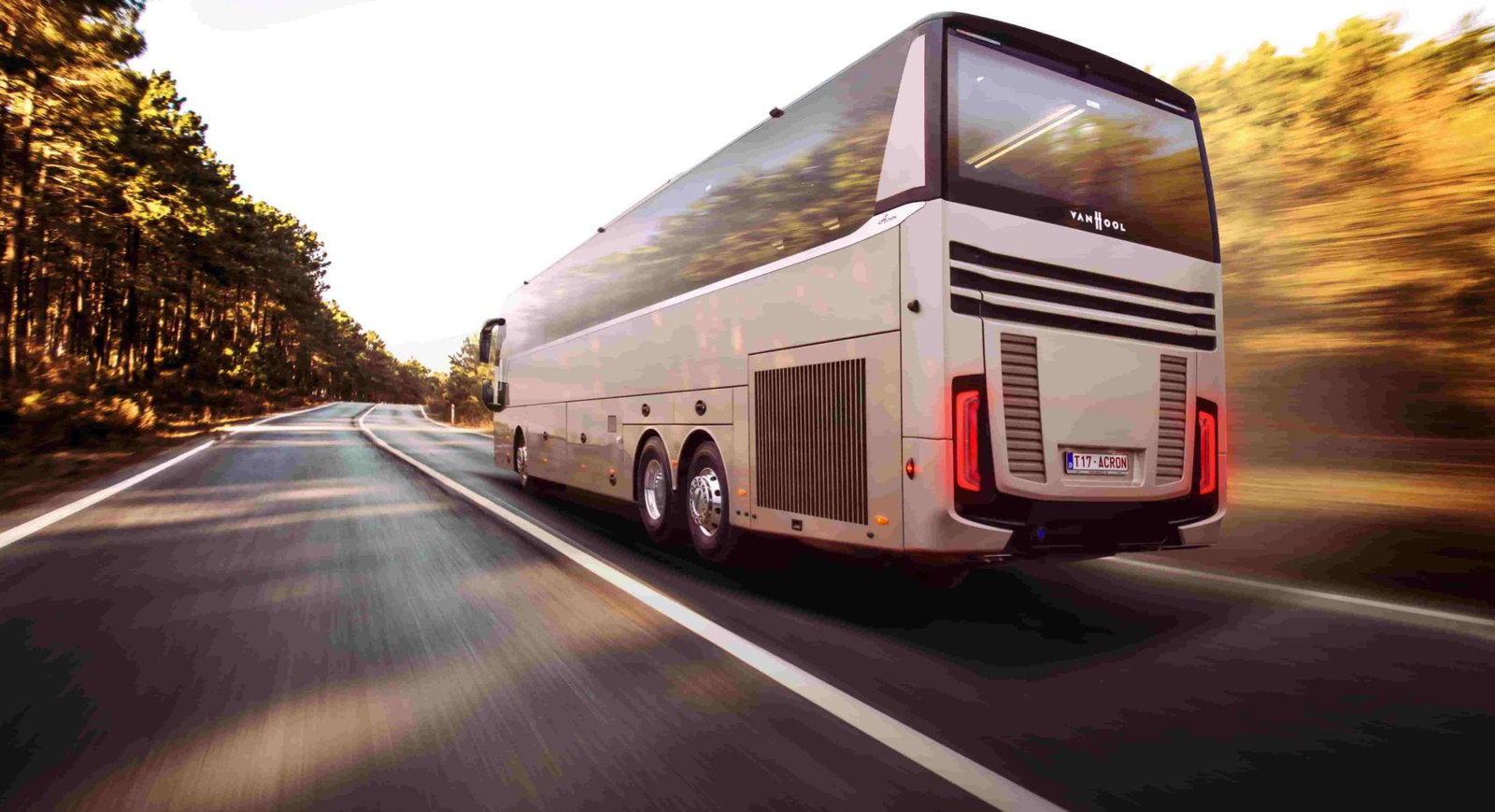
Van Hool’s bankruptcy, which also marks the end of an era in the history of European bus manufacturing, as well as the new business strategies involving the cessation of European bodybuilding activities by Volvo and Scania, also show that the old, traditional business models have had their day and no longer work in the changed market environment.