![Magyarbusz [Info]](/mbi/header-logo.png)
Bozankaya Lamis trolleybuses still cannot enter service in Prague
 Ludányi József
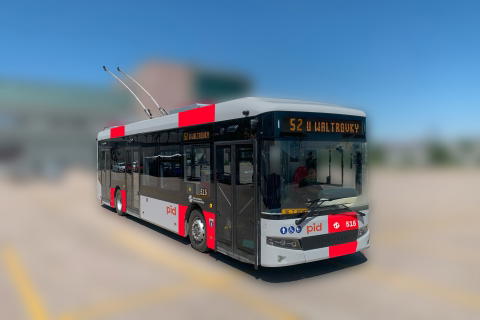
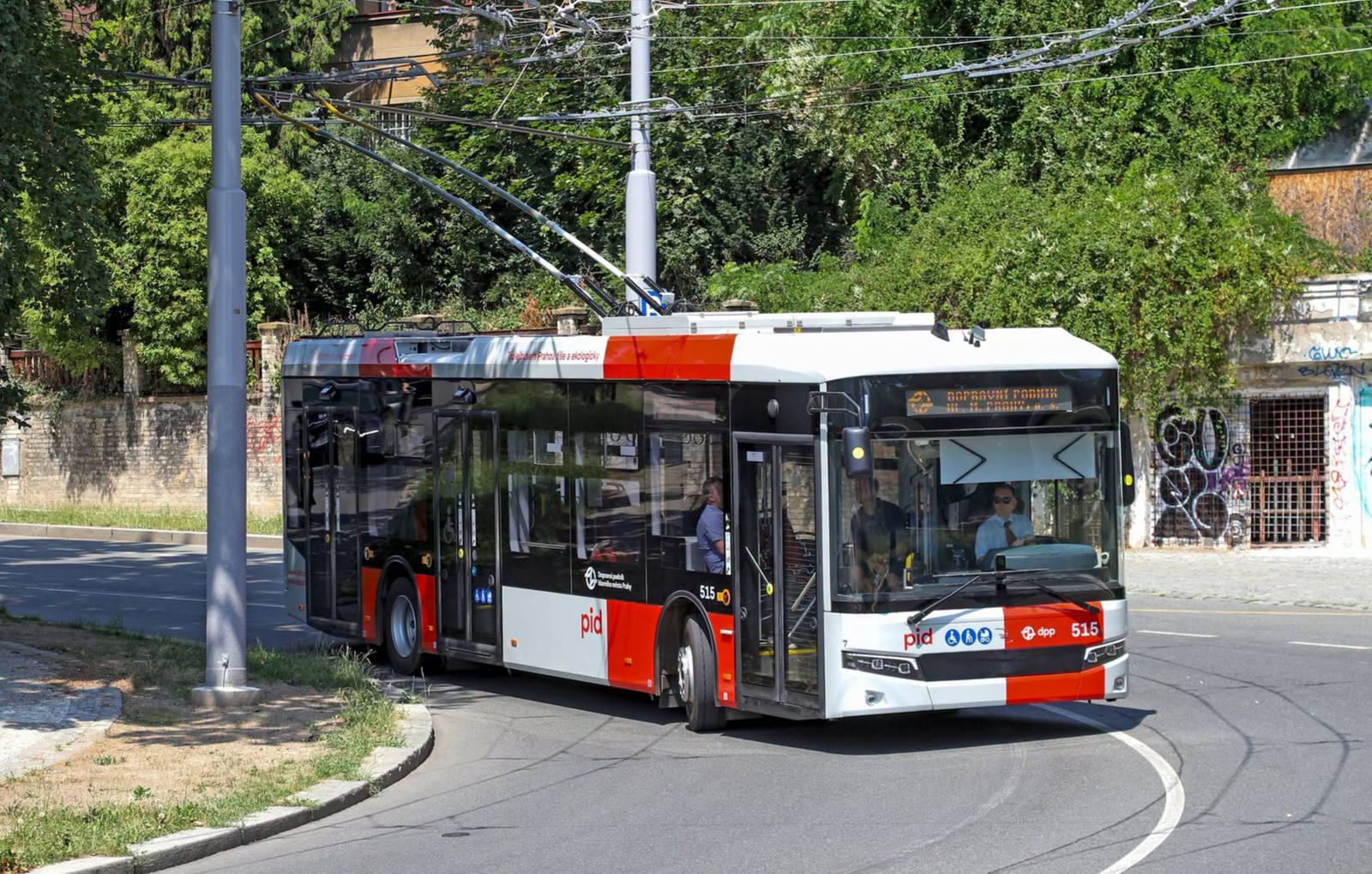
The Prague career of Turkish manufacturer Bozankaya’s trolleybuses remains far from straightforward. The public transport operator of the Czech capital, Dopravní podnik hl. m. Prahy (DPP), ordered a total of 30 SNG 12T battery trolleybuses from the manufacturer, which has recently begun referring to the type as the Lamis 12-M. The entire fleet has been in Prague for months, but it still has not been allowed to enter regular service. The first units arrived as early as January, while the thirtieth vehicle reached the city in May, yet by the end of August DPP had not finally accepted a single vehicle. According to the latest information, the technical deficiencies identified earlier have since been rectified; the main obstacle to acceptance is now the quality of the Czech-language documentation supplied with the vehicles.
Bozankaya’s Prague project had not got off to an easy start even long before the vehicles arrived. The Turkish manufacturer won DPP’s public procurement procedure in 2023 for the supply of up to 70 standard battery trolleybuses, but the contract could only be signed after nearly two years of legal disputes. The other bidder, Škoda Electric, challenged the outcome of the procedure several times, objecting among other things to the delivery deadline and price offered by Bozankaya, as well as to the fact that at the time the Turkish manufacturer did not yet have a prototype approved in the Czech Republic. The situation was further complicated by the fact that the originally designated traction equipment supplier, Cegelec, was meanwhile acquired by the Škoda Group, so Bozankaya eventually had to reorganise the project with Poland’s Medcom. The “M” in the Lamis 12-M type designation now used by the manufacturer also refers to Medcom’s role as supplier.
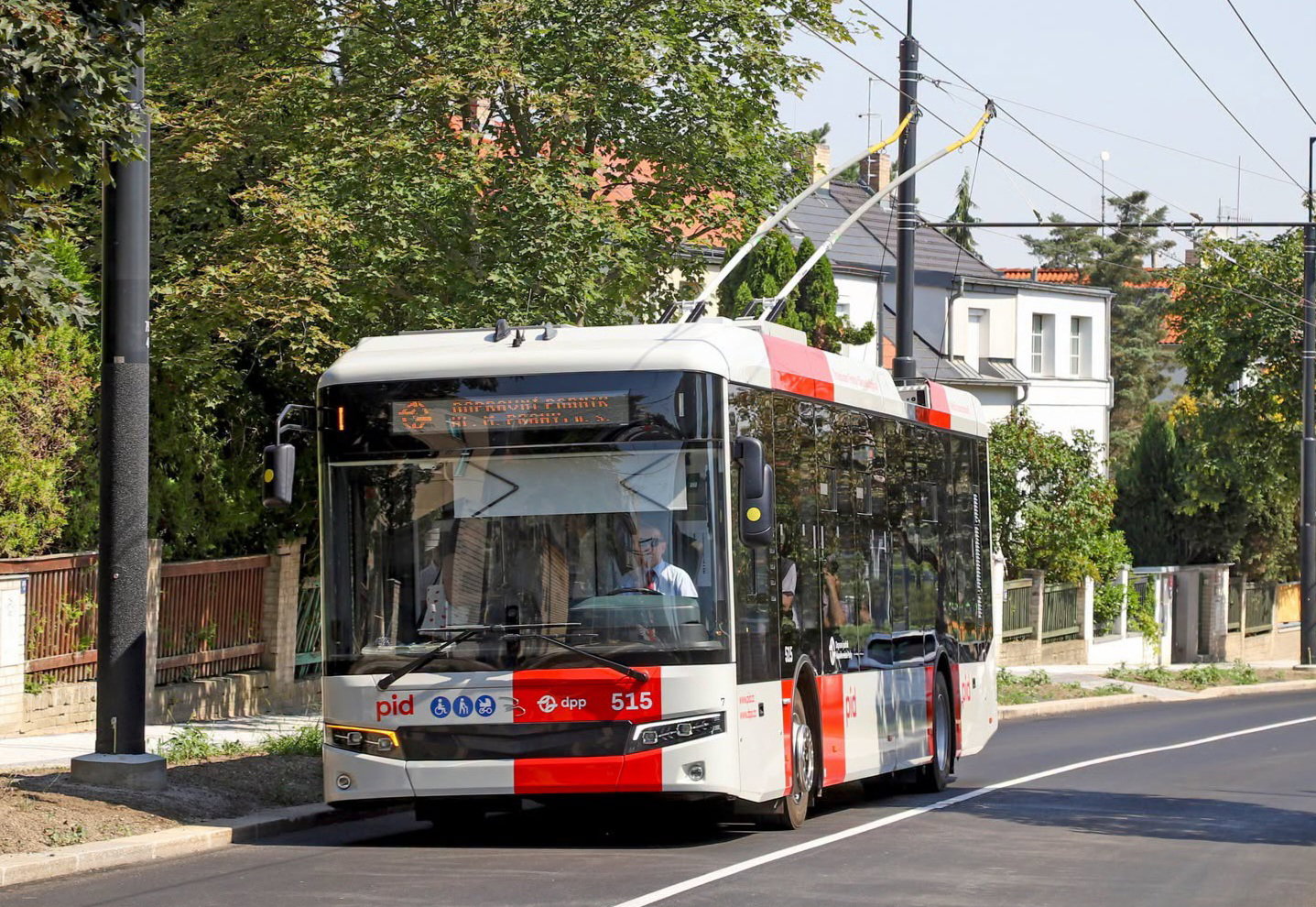
Despite the prolonged procurement battles, Bozankaya ultimately remained the winning bidder, and DPP called off a total of 30 vehicles from the 70-unit framework agreement in two stages: first seven, then a further 23 trolleybuses. The Turkish manufacturer’s victory was already considered something of a surprise at the time, and based on subsequent developments it can hardly be described as one of DPP’s particularly preferred suppliers. In the Czech trolleybus market, long dominated by domestic manufacturer Škoda, the arrival of a new player offering a significantly lower price in itself upset the previous balance of power.
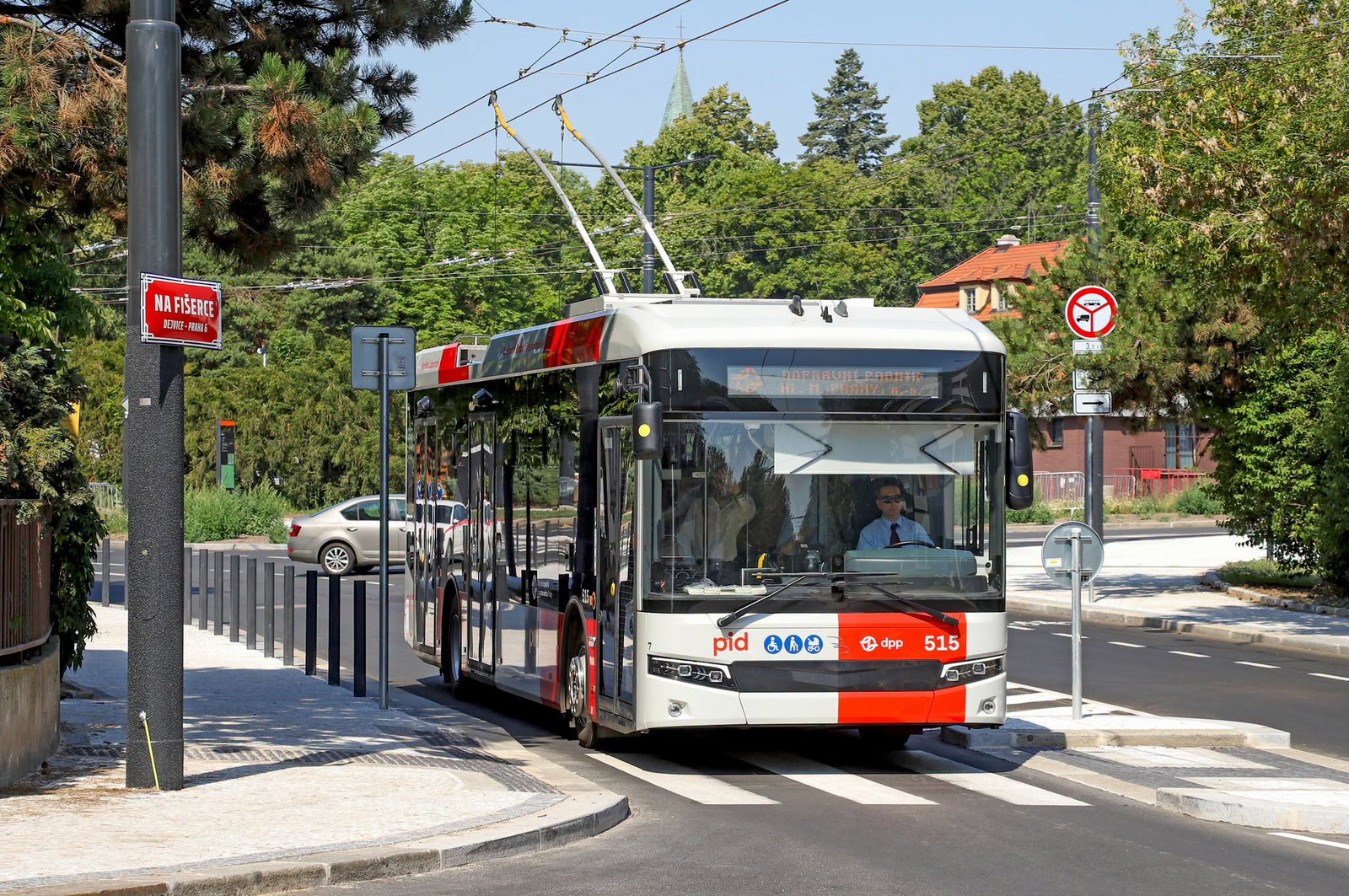
In any case, it is notable that when DPP subsequently prepared a much larger new trolleybus procurement, covering up to 180 vehicles, its conditions differed substantially from those of the earlier procedure. The reference requirements, the obligation to present a sample vehicle, and provisions restricting the participation of non-EU manufacturers together created conditions under which Bozankaya was practically unable to compete meaningfully. The Turkish manufacturer, however, challenged the procedure, and its appeal ultimately proved successful: the Czech competition authority found the tender documentation unlawful on several points, meaning that DPP was forced to cancel the tender.
The delay in accepting the 30 vehicles is becoming increasingly awkward for Prague because the associated network developments have essentially been completed in the meantime. The Bozankaya fleet is intended for the next three routes of the Prague trolleybus network, lines 51, 52 and 53, which are to replace the current bus routes 131, 137 and 176. The necessary overhead line and power supply infrastructure is available on all three routes, and trial operation has in fact been under way on the new network for months using other types of trolleybus.
Trolleybus trial operation began on route 52 in April, and on routes 51 and 53 at the end of June, but the full conversion still cannot take place in the absence of the Bozankaya fleet. The situation has therefore become rather unusual: while the infrastructure required for the electrification of the three routes has been completed, and all 30 new trolleybuses have been standing in Prague for months, the full replacement of bus operation still has to wait. The actual commissioning of the three new routes now essentially depends on the completion of the acceptance procedure for the Bozankaya trolleybuses.
The protracted acceptance process is moreover the result of several successive problems. The situation is also unusual because, from the authority’s side, there has been no obstacle to putting the type into service for months. In mid-April, the Bozankaya trolleybuses received the type approval and fitness certificates required for trolleybus operation. During the acceptance procedure, however, DPP identified several technical deficiencies, the rectification of which dragged on for months. The process was previously also slowed by the need to transport certain required components from Ankara to Prague. According to the latest information, these technical issues have since been resolved, but the handover of the vehicles is still not complete.
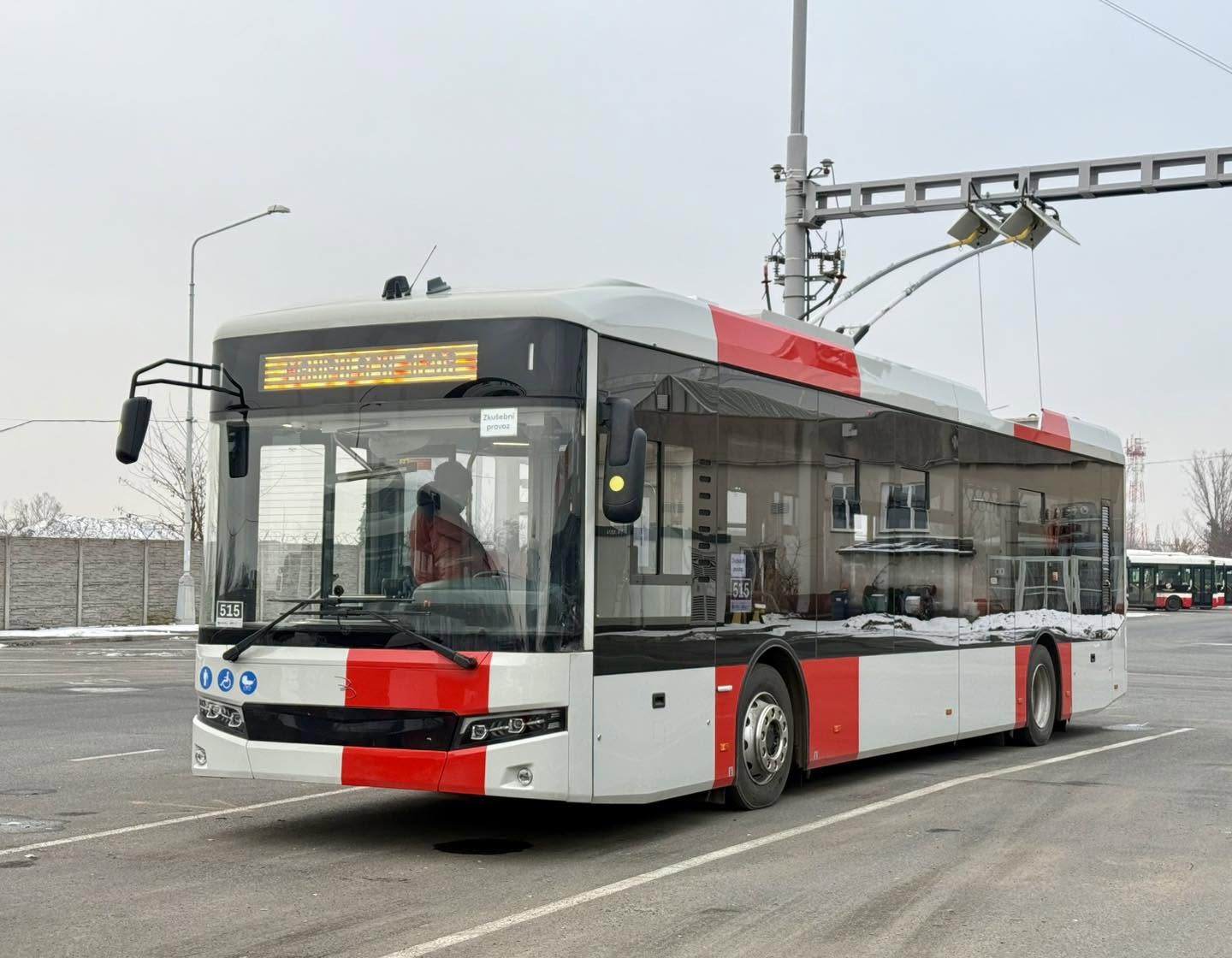
The width of the trolleybuses also emerged as a separate issue in the meantime. An unknown requester repeatedly asked the Czech Railway Authority (Drážní úřad) for information on checks of the dimensions of the Bozankaya Lamis vehicles. The first measurement, carried out in April, was only for information purposes, but it found no deviation that contradicted the documentation submitted for type approval.
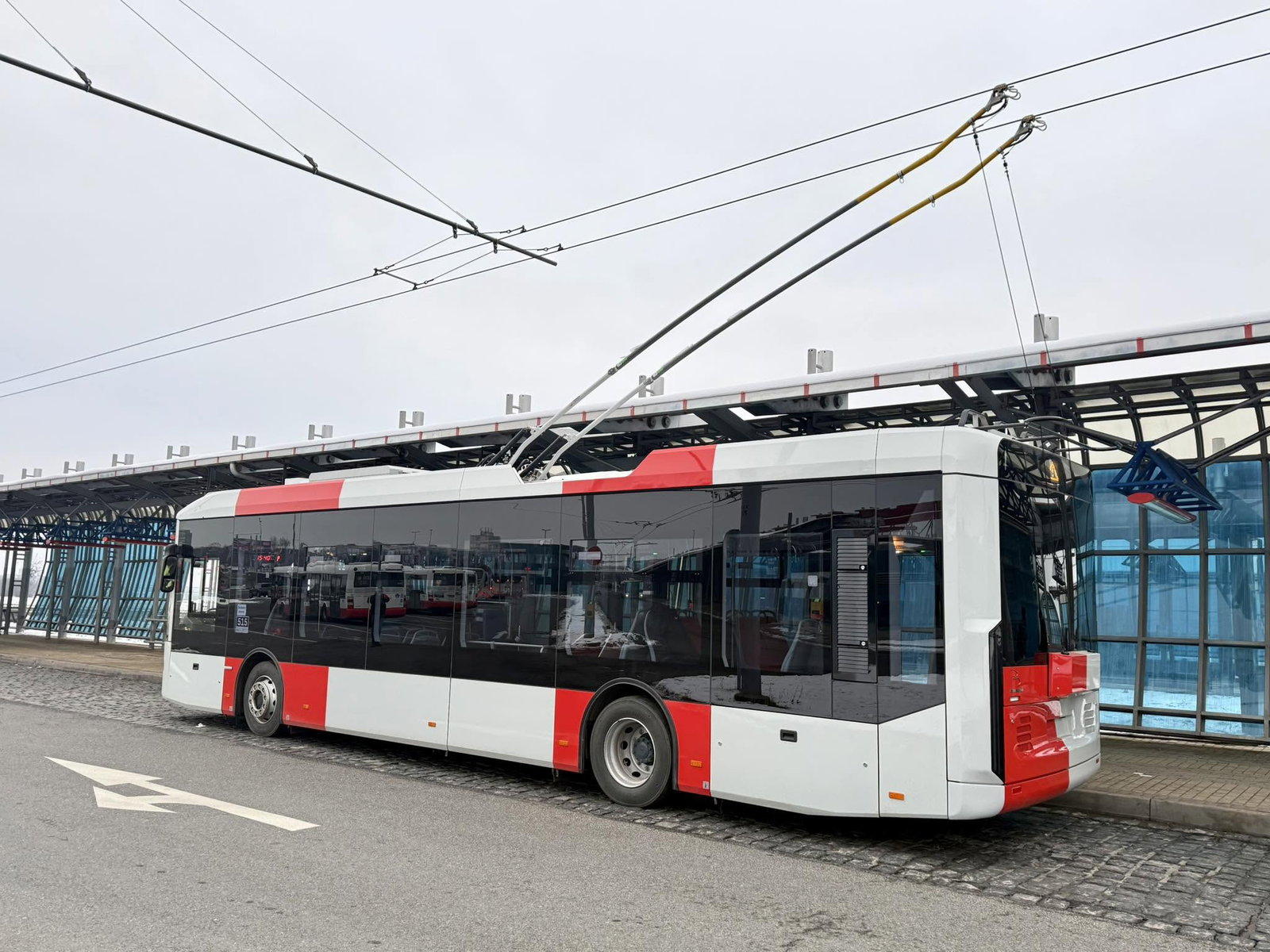
The authority then also had the width of the trolleybuses checked by an accredited testing laboratory. Three vehicles were selected for the measurement from among the first seven delivered units, with the selection made by the Drážní úřad itself. According to information issued on August 3, the official technical report on the inspection had not yet reached the authority at that time, but based on the results available so far no deviation had emerged that would prevent the vehicles from being put into service.
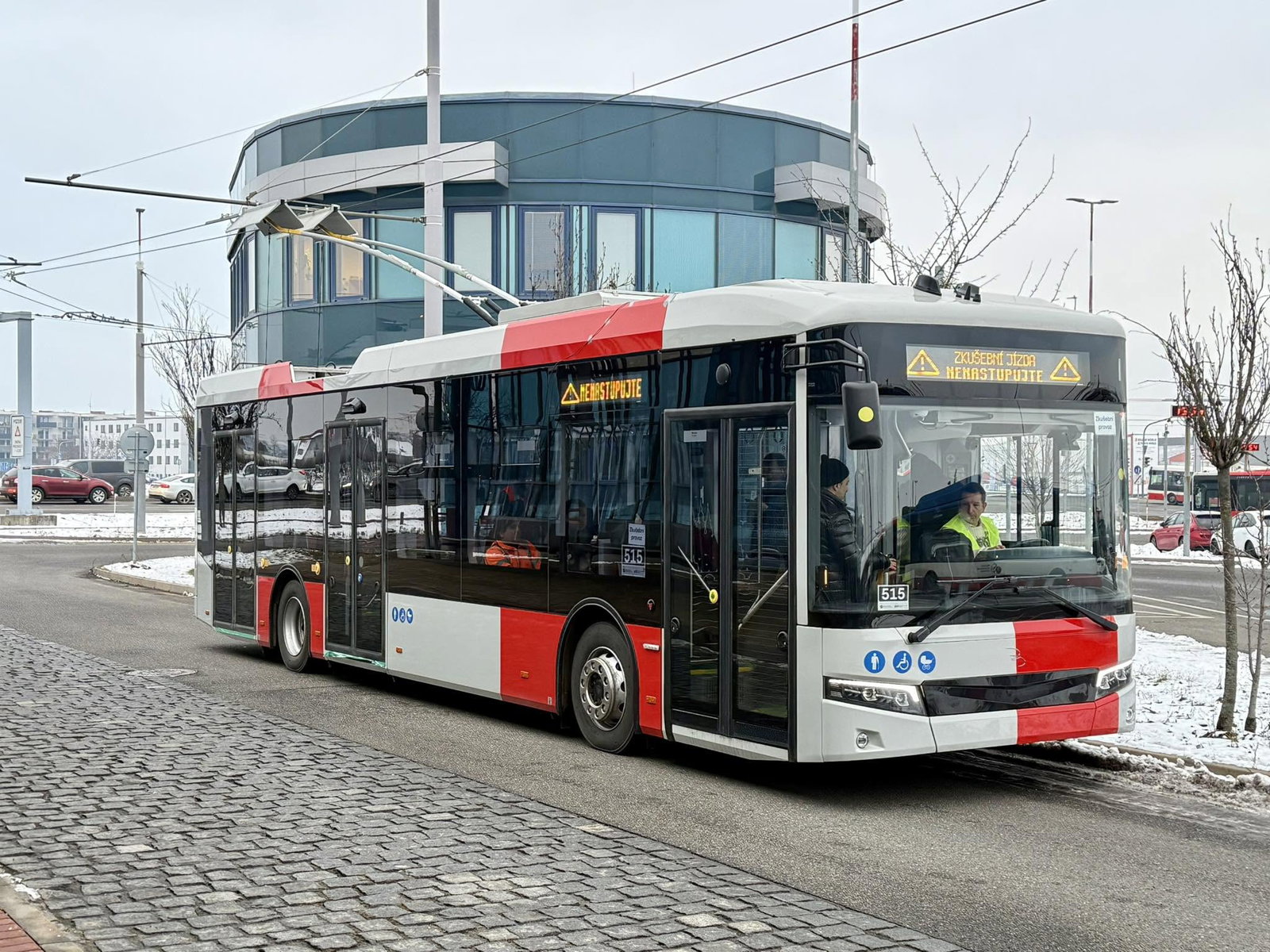
The remaining dispute between DPP and Bozankaya now revolves around a much more prosaic issue: the quality of the Czech translation of the documentation handed over with the vehicles does not meet the Prague transport company’s expectations. According to information from Zdopravy.cz, the parties held further talks in mid-August, but even then they failed to close all outstanding issues. The level of detail of the objections is illustrated by the fact that the dispute reportedly extends to terminological questions such as whether, according to the wording of the Czech documentation, the trolleybus’s electric motor “starts up” or “switches on”. Bozankaya did not respond to the paper’s enquiry.
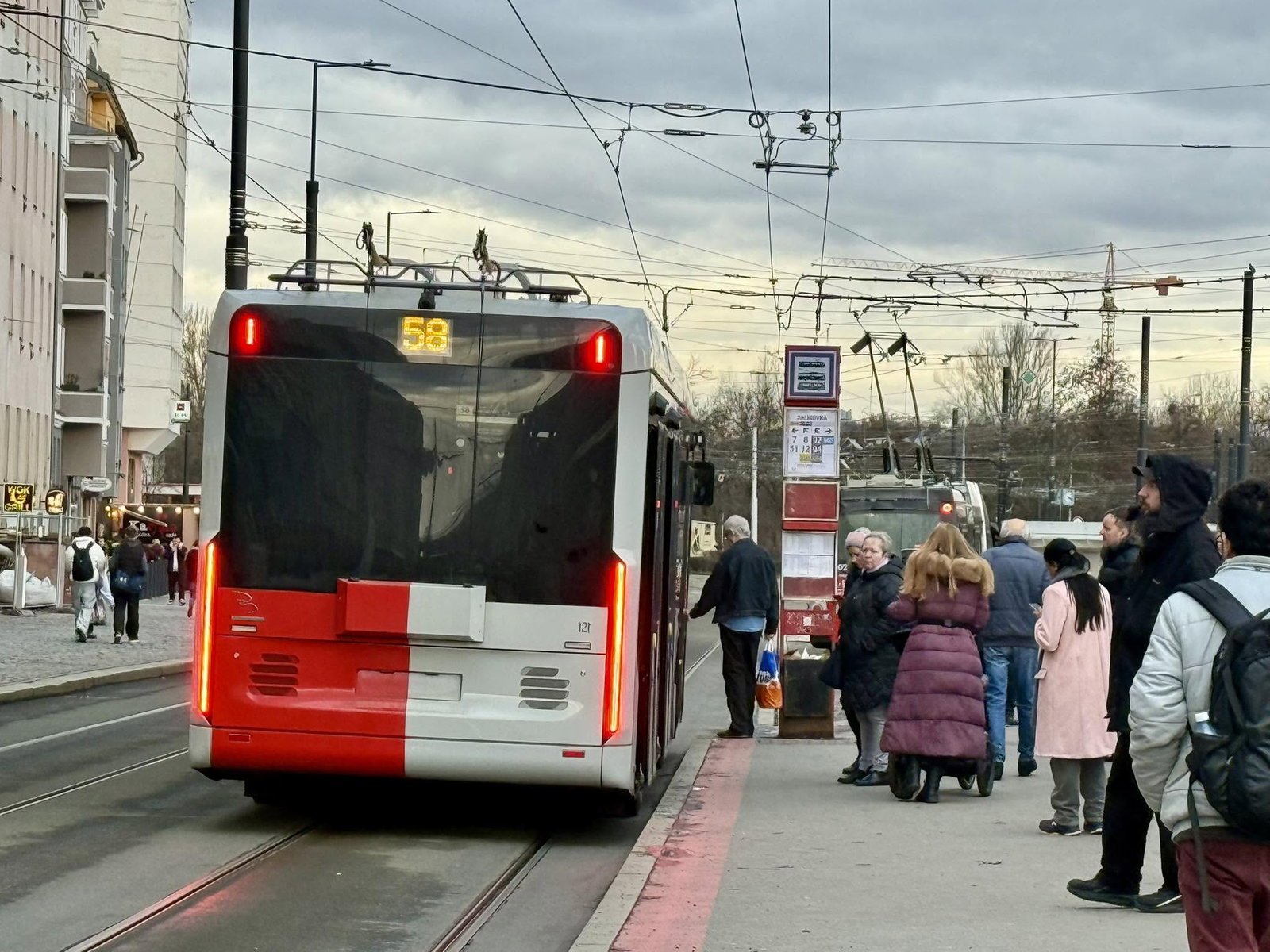
All this may further delay the vehicles’ actual entry into service, because for DPP the process does not end with the formal acceptance of the trolleybuses. The vehicles must then still be fitted with operating equipment, such as radios, which will take a few more working days. Owing to the uncertain situation, DPP has already sent ROPID three different timetable variants for the new trolleybus routes, depending on when the Bozankaya vehicles actually become available for deployment. Until then, only limited trolleybus trial operation can be maintained on routes 51, 52 and 53, primarily with the help of four SOR TNS 12 vehicles, while the basic timetable continues to be provided by bus routes 131, 137 and 176.