![Magyarbusz [Info]](https://magyarbusz.info/wp-content/uploads/2025/04/cropped-mbi_sby_v1.png)
The article is also available in the following languages:
The Brazilian transportation company Next Mobilidade has made an investment of 100 million reais to improve the transit system in the São Paulo metropolitan area. The company primarily operates in the so-called ABC region, which encompasses seven suburbs — Santo André, São Bernardo do Campo, São Caetano do Sul, Diadema, Mauá, Ribeirão Pires, and Rio Grande da Serra. These municipalities are located south of the city of São Paulo and together form a significant industrial, commercial, and residential hub.
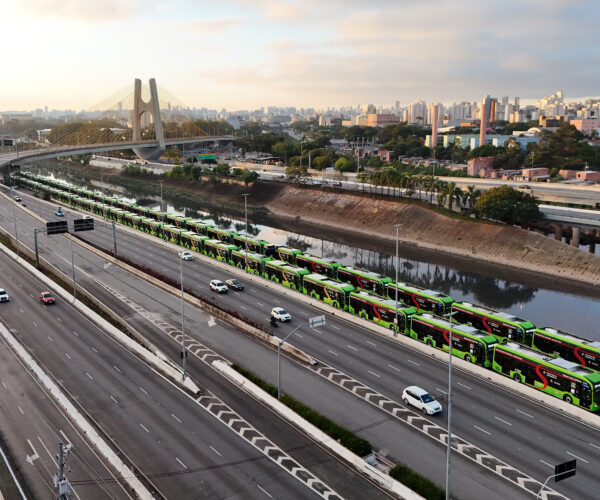
Next Mobilidade also operates the Corredor Metropolitano ABD, a dedicated bus rapid transit (BRT) corridor running between São Mateus (a district of São Paulo) and Jabaquara, passing through the main municipalities of the ABC region. The 33-kilometer-long ABD corridor is one of the most important public transportation axes in the area, providing suburban transit with a fleet of high-capacity, electric, and diesel-powered buses.
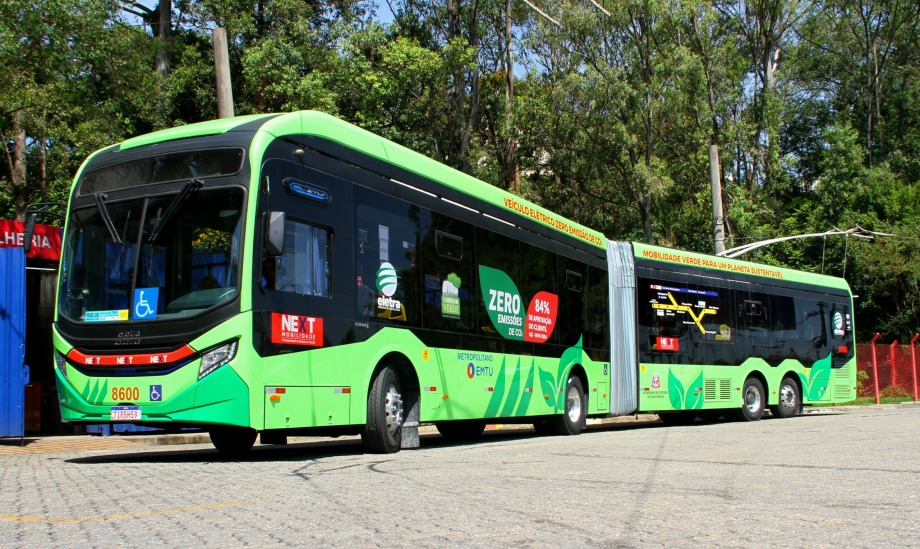
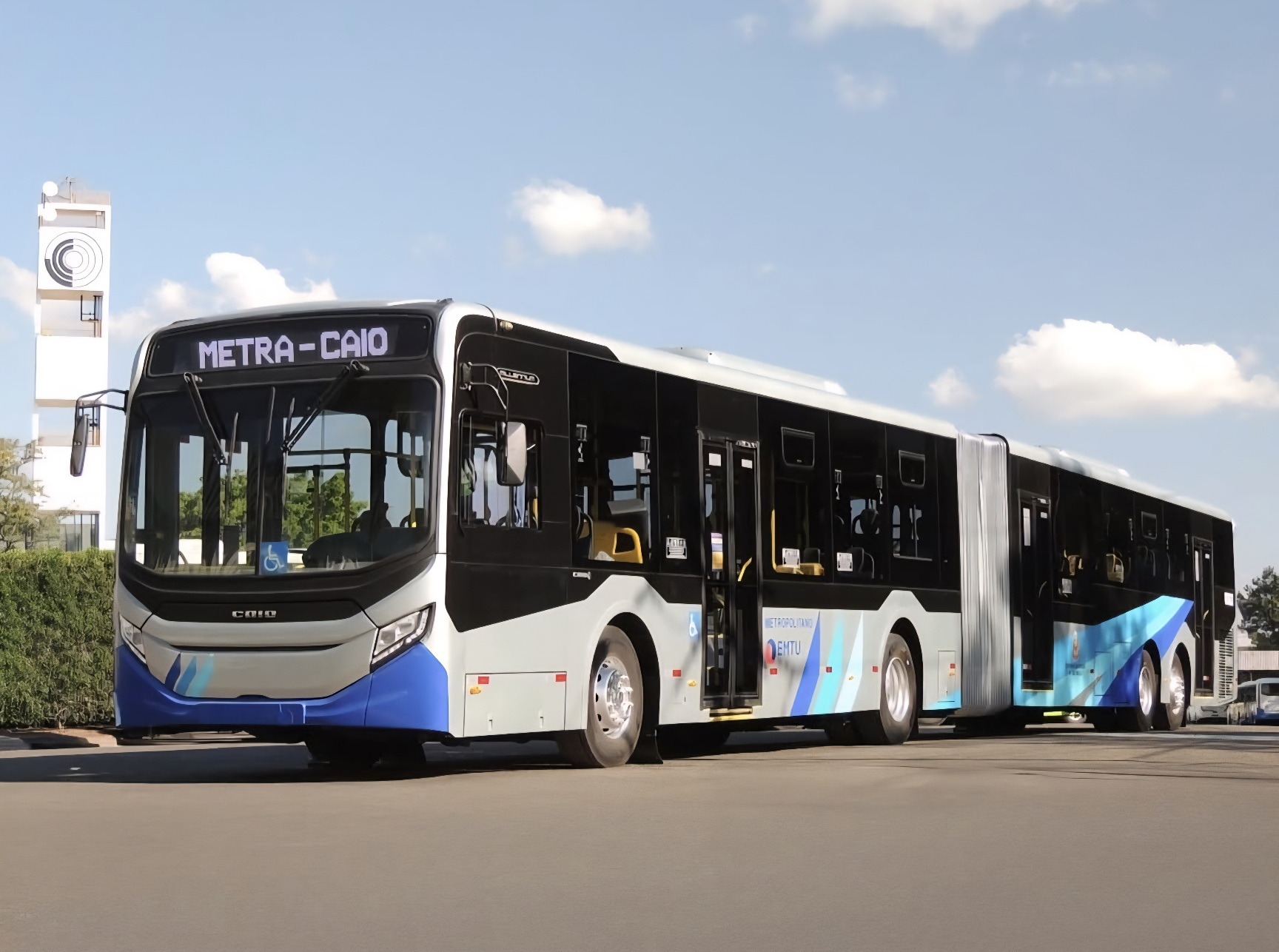
As part of the current investment, the company has acquired a total of 61 new vehicles to serve the ABD corridor. Of these, 51 are diesel-powered buses that comply with the Euro 6 emissions standard. Compared to previous generations, the new diesel buses emit 75% less pollutants. These vehicles have already entered service, primarily on the sections with higher passenger demand. The buses are built on Mercedes-Benz O500UDA chassis, fitted with Caio Millennium V bodies, featuring a four-axle configuration and measuring 23 meters in length.
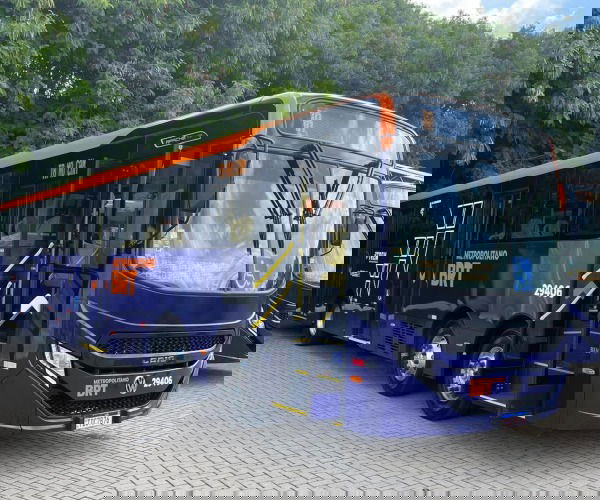
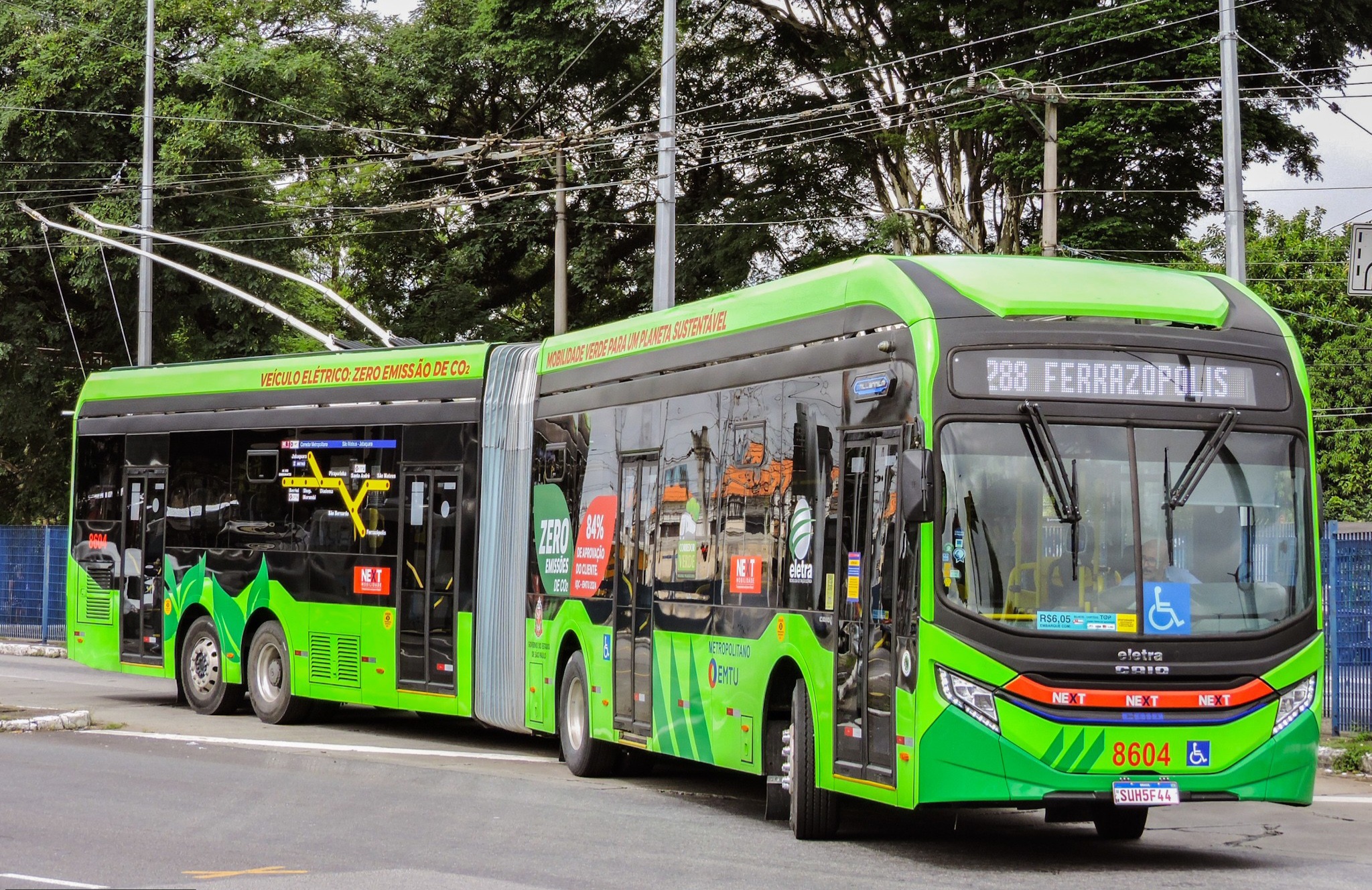
The procurement also includes 10 four-axle trolleybuses manufactured by Eletra, each measuring 21.5 meters in length. These vehicles are currently in the final phase of testing and are expected to begin passenger service within the next few weeks.
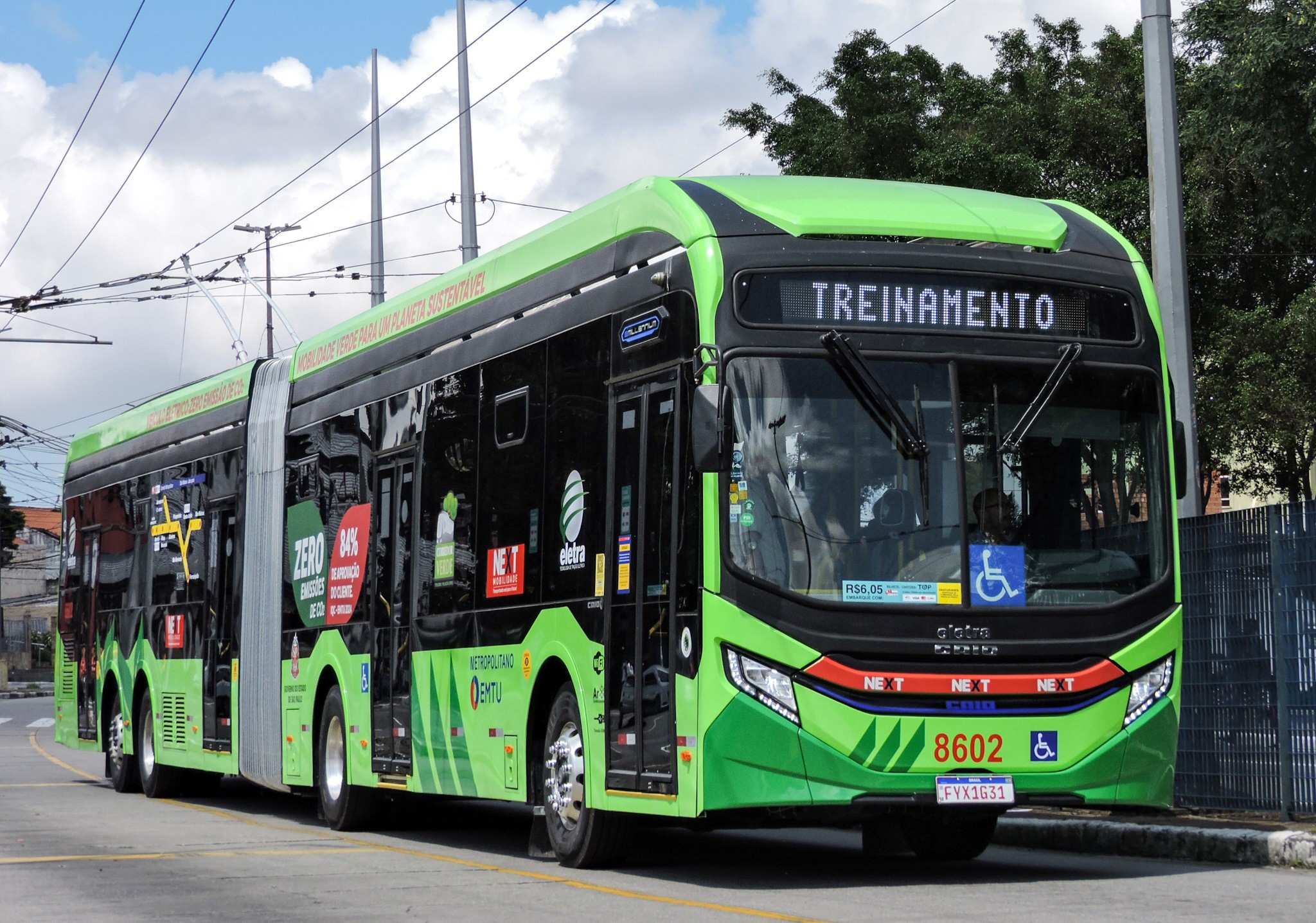
The vehicles, referred to as Eletra e-Trol, are the result of a collaboration between four manufacturers. The chassis was supplied by the local branch of Daimler Truck, while Eletra developed the drive system. The traction motors and batteries were provided by WEG. The bodywork is based on the popular eMillennium model from Brazilian manufacturer Caio Induscar. The model, measuring 21,490 mm in length with a maximum gross weight of 38,000 kg (!), uses the chassis frame of the Mercedes-Benz O500UDA diesel bus platform as its base. A distinctive feature of the four-axle design is that it offers low-entry access with a prolonged low-floor section — the steps leading up to the raised rear area are located slightly behind the second door.
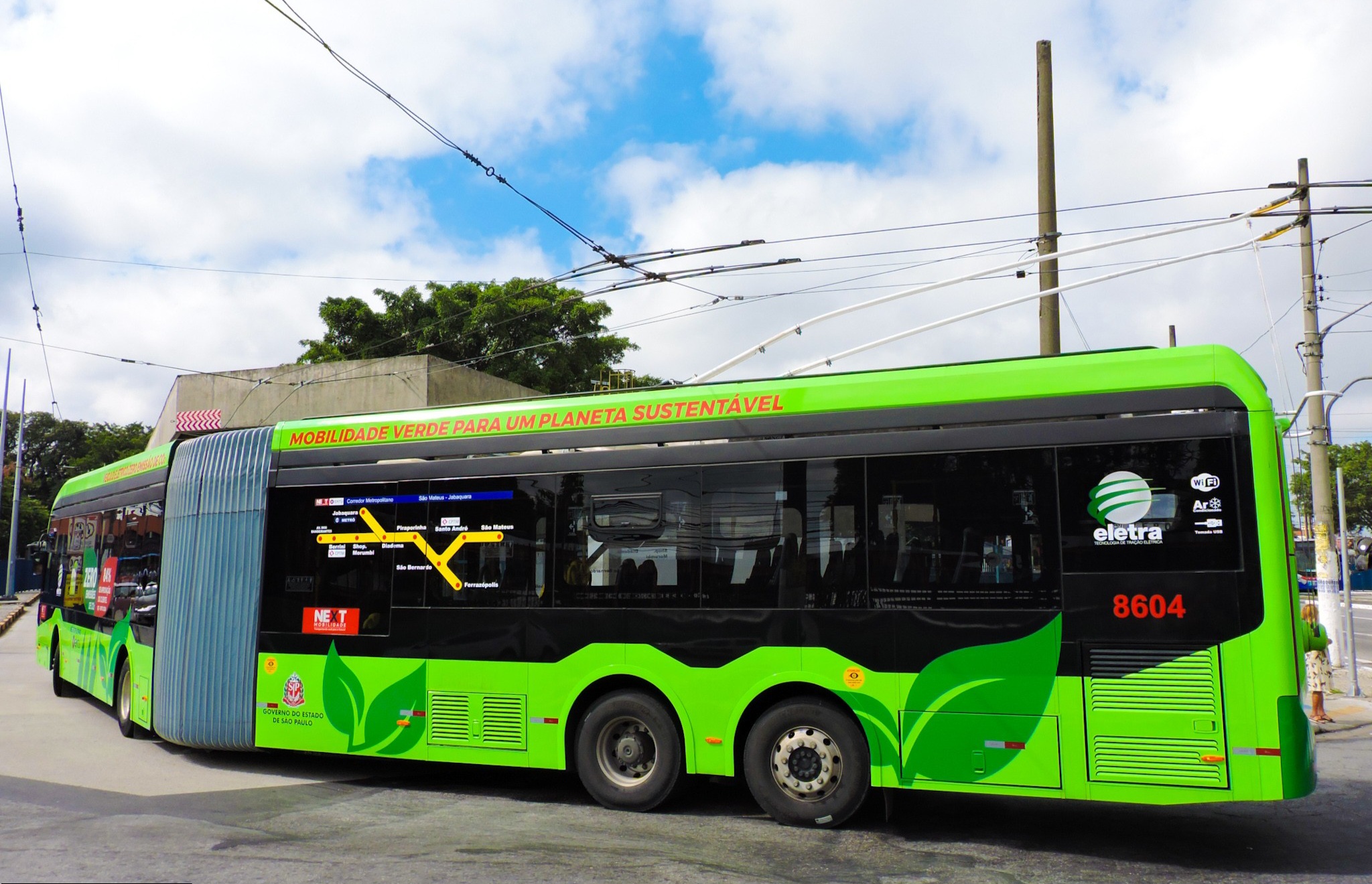
The e-Trol can carry up to 146 passengers and features self-propulsion capability provided by a high-capacity lithium iron phosphate (LFP) battery pack. In fully battery-powered operation, the vehicle can achieve a daily range of up to 300 kilometers. The batteries can be charged not only from external sources but also on the move via the overhead wiring network using the so-called In Motion Charging (IMC) technology. The vehicle is powered by a WEG traction motor with a peak output of 380 kW, which drives the C axle.
 4 kép -
 Kapcsolódó cikkek