![Magyarbusz [Info] International](https://bunny-wp-pullzone-thjj7ocpga.b-cdn.net/wp-content/uploads/2025/06/cropped-cropped-mbi_sby_v1-scaled-1.png)

This article has been translated using AI-powered tools. While we strive for perfect accuracy, some nuances may differ from the original Hungarian version.
Over the past decade, the global vehicle industry has made a striking change of direction: the focus has gradually shifted from conventional models with internal combustion engines to vehicles with zero-emission drivetrains. This process is particularly visible in China and Europe, where climate-policy targets, the need to improve local air quality and the regulatory environment are all steering the market towards electromobility. Of all road-vehicle categories, the city bus is the most obvious field for electrification – and this is precisely what is now shaking the previously stable positions of European bus manufacturing to their foundations. There have been market realignments in previous decades too, with manufacturers coming and going, but the process now under way is on an entirely different scale: it is not simply that players are being replaced, but that the structural foundations of the industry itself are being displaced. It is now clear that European bus manufacturing is undergoing a slow but steady decline, and is moving ever closer to a point of no return.
The operating characteristics of city buses are almost a textbook example of what a vehicle category “ready for electrification” looks like. They run on fixed routes, according to predetermined and highly predictable timetables, which makes it easier to design charging strategies, schedule vehicle rotations and manage range-related risks. Frequent stops and braking allow regenerative braking to be used effectively, while an electric drivetrain offers several times better energy efficiency than diesel in an urban environment. This is combined with zero local pollutant emissions and significantly lower noise levels, making them especially attractive in densely populated inner-city districts. It is no coincidence that in EU countries, more electric buses have entered service in the past two to three years than in the entire preceding decade. Because of climate-policy objectives, the city-bus segment has become one of the showcases of the transition: an area often forced to accelerate, where environmental expectations, political messaging and demonstrative support for electromobility shape the market more strongly than the natural pace of technological development.
The transition, however, is about far more than simply “diesel bus out, electric bus in”. At company level, bus operators must simultaneously build charging infrastructure, redesign timetables and route networks, open up to new energy suppliers and adapt to a completely new cost structure. Investment peaks, exposure to energy prices, maintenance profiles, the second life of batteries and their future recycling all appear as new sources of uncertainty.
At macro level, the stakes are even higher; the rise of electric vehicles is reshaping both the economic structure and the flow of public money. The expansion of the electric-vehicle industry is driving up demand for batteries, electrical components and the raw materials needed for them, while consumption of petroleum products is falling, reducing the state tax revenues built on them. Meanwhile, the labour market is experiencing a dual effect: new jobs are being created in battery and electric-vehicle manufacturing, while sectors linked to conventional drivetrains are seeing a decline. This is compounded by a shift in the flow of public funds, with former fuel-tax revenues increasingly replaced by spending on support for electric vehicles and infrastructure.
All of this is also rewriting the industry’s entire technological base. The former competitive advantages of European manufacturers – finely tuned diesel drivetrains, know-how built up over decades and stable, proven supplier networks – have become devalued assets almost overnight. The question today is no longer who was strong in the diesel era, but who can present a competitive electric portfolio in time and at an appropriate cost level. The shift is made even more difficult by the fact that the transition to electric and other alternative-drive buses, such as hydrogen fuel-cell vehicles, is an expensive, complex and lengthy development process that fundamentally shakes up traditional business models. Manufacturers that built their operations for decades primarily on diesel-powered models are now facing the fact that their entire technological base has become obsolete, while the costs of developing new drive systems are rising to unprecedented levels. It is worth noting that several major European bus manufacturers – usually also involved in the truck business – that previously produced not only the bodywork but also the key mechanical main assemblies, such as engines, gearboxes and axles, in-house, are now using components from external sources in their latest electric models, in many cases from China or elsewhere outside Europe. This represents both significant exposure and a step backwards.
The figures also clearly show the transformation of the market structure. In 2019, just 12% of new city buses in EU countries were fully electric – alongside a 14% share for hybrid models and 19% for CNG-powered types – while diesel buses still clearly dominated the market with a 55% share. In just five years, this picture changed dramatically: in 2023, sales of battery-electric buses exceeded those of diesel models for the first time, reaching a 36% market share. The trend strengthened further in 2024, when 46% of new city buses were already fully electric, and if hydrogen-powered vehicles are also included, the zero-emission share reached 49%. According to statements made at this year’s Busworld Europe Congress, industry leaders expect that by 2030, more than 60% of city buses operating in Europe will be electric. Behind this rapid growth are, on the one hand, the continuous tightening of EU regulations and, on the other, the increasingly ambitious sustainability strategies of major city authorities, which are firmly pushing the market towards locally emission-free transport solutions. Based on the political and legal environment, it is a realistic scenario that within a few years, in most countries, it will effectively only be possible to purchase zero-emission city buses, while at EU level a 100% share for new city buses is being targeted around 2030.
The picture, however, is far from uniform. There are countries where, over the past two years, practically all new city-bus procurement has been zero-emission, while elsewhere diesel power still dominates. According to data for 2012-2025, the largest numbers of electric buses have entered service in the United Kingdom, Germany and France, while in terms of fleet size Slovakia, the Czech Republic, Hungary and Bulgaria are among the laggards. This fragmented situation is also clearly reflected in industry concentration: while the major European manufacturers traditionally hold strong positions and the overall city-bus market is highly concentrated, concentration is much lower in the electric segment, meaning that more players share the market amid stronger competitive pressure.
While the largest European manufacturers still account for more than 60% of the total city-bus market, their position in the electric category is already much weaker. Here their share amounts to only the smaller half of the market, and in the zero-emission segment the combined share of the three largest players has already fallen below 40%. The market is therefore becoming increasingly fragmented, with new entrants appearing continuously – especially from China. Chinese manufacturers now hold one-fifth of the market for zero-emission city and interurban buses sold in the European Union, and this figure has remained steadily between 20% and 25% over the past five years, indicating a stable and substantial market presence. Annual sales rankings can be deceptive, however, because in the city segment the performance of European manufacturers that were late to start is now determined much more by the outcome of one or another large tender than by a stable market position. A single high-volume procurement is enough for one of them to jump temporarily to the top of the ranking, only to slip back into the midfield the following year – as several striking examples in recent years have shown. Based on longer-term data, Solaris can still be regarded as the defining player in the European electric-bus market, but this position is no longer nearly as unquestionable as it was in the diesel-dominated era. The rapid rise of new market entrants and the catch-up attempts of European competitors have visibly begun to erode Solaris’s former market dominance.
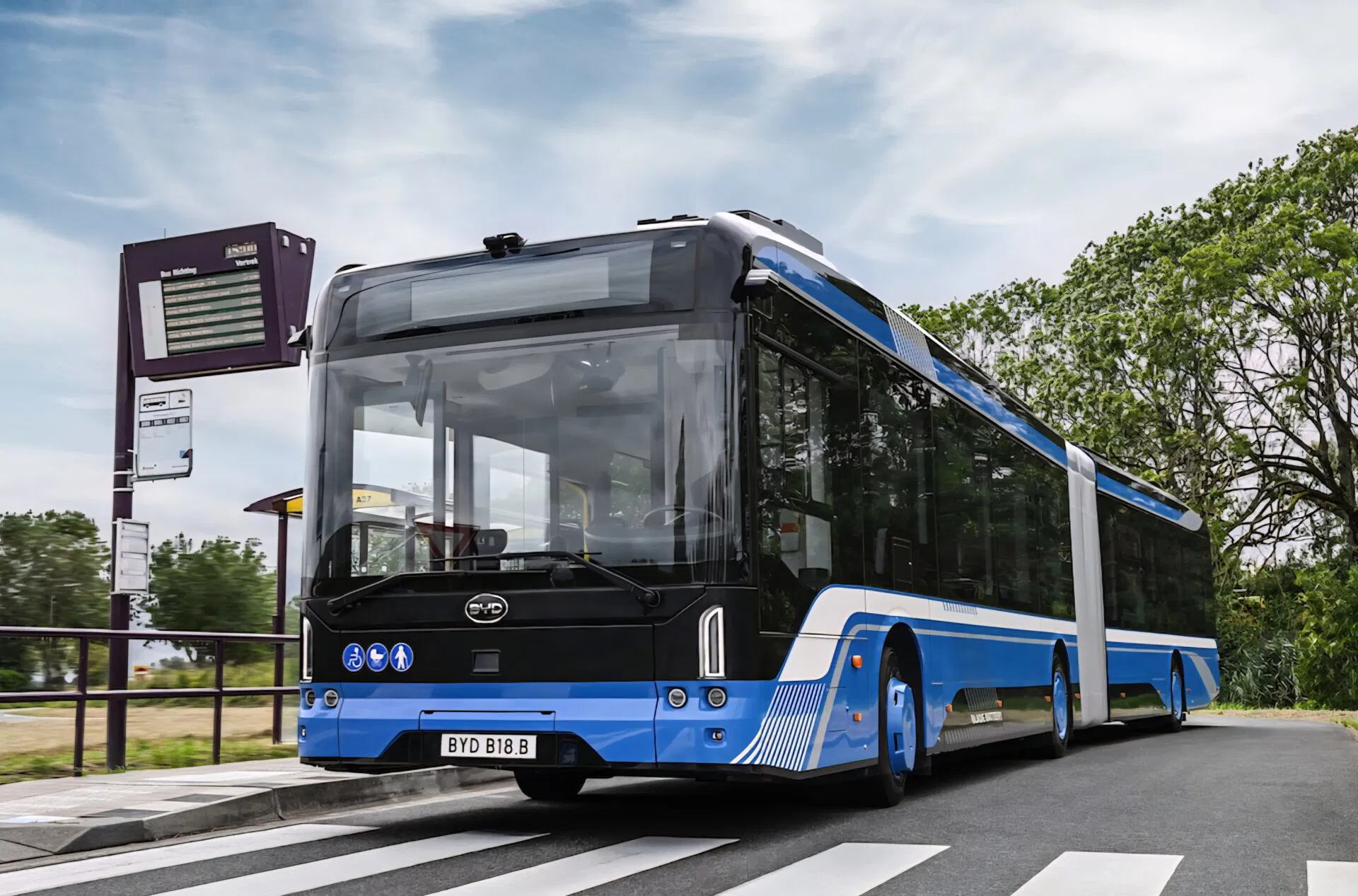
The transformation of market power, and the weakening and loss of position of European players, is further intensified by the fact that the rise of Chinese manufacturers is no longer merely a statistical curiosity, but a reality felt in everyday operations as well. Their advantages in price competition, production volume and technological preparedness are placing pressure on traditional European brands that is beginning to reshape the structure of the continent’s entire bus industry. More and more manufacturers are experiencing first-hand that what only a few years ago seemed like a distant competitive threat has now become a direct and rapidly strengthening market reality.
While Europe is still struggling with its own transition difficulties, a different kind of problem has emerged in China. The domestic market has effectively become saturated in recent years. Thanks to huge, state-driven electric-bus procurements in the recent past, city bus fleets in many major Chinese cities are now 100% electric, or very close to that level, and because these fleets are relatively young, demand for new buses has fallen by orders of magnitude. The Chinese electric-bus market has therefore slowed significantly, with the number of newly sold e-buses falling to roughly one-third of the peak years of 2016-2018. Manufacturing capacities, however, remain enormous, meaning that Chinese plants could now produce far more buses than there is real demand for on the domestic market. A good example is Yutong, currently the world’s largest bus manufacturer, which sold nearly 71,000 buses worldwide in its best year to date, 2016, but in recent years has “only” produced annual sales of around 40,000 units. Seen from Europe, that is still an astonishing volume, but it clearly shows how much unused production capacity the company has.
The logical consequence is that Chinese manufacturers are looking ever more aggressively for new target markets to absorb their excess capacity – and because of its size, purchasing power and political expectations, the European market is one of the most attractive targets. The combination of exporting buses and components, and “semi-local” production models based on European assembly plants, poses a serious challenge for European manufacturers. Moreover, industry surveys suggest that the majority of players in the European automotive industry already expect a Chinese brand to become the EU’s largest electric-vehicle seller by 2035.
For European bus manufacturers, all of this means that a large part of the technologies developed at enormous cost and optimised for the diesel era are effectively becoming sunk costs. Experience gained in body safety, ergonomics and passenger comfort can partly be carried over into the new era, but the knowledge accumulated in conventional drivetrain development is losing its value. Meanwhile, in the new areas of competition – battery chemistry, energy density, charging time, weight distribution and thermal management – Chinese manufacturers often start from a position of advantage, relying on larger series, cheaper production and a more experienced supplier network.
At the same time, however, the European bus industry is struggling with systemic difficulties that are becoming especially visible in the electric-bus market. More and more operators are facing serious delivery delays, capacity shortages or the fact that the manufacturer of the vehicles they ordered becomes insolvent in the meantime. In such situations, replacement orders almost invariably end up with Chinese rivals, which are able to take over the task thanks to fast production response, stable capacity and short delivery lead times. In the longer term, it is increasingly becoming clear that the key players in the electrification of European public transport – especially in the case of high-volume procurements with tight schedules – may be Asian, primarily Chinese, manufacturers. This is supported not only by their industrial-scale production capacity and favourable cost structure, but also by the fact that their technological reliability, battery systems and the maturity of their drivetrain solutions now represent an attractive, risk-reducing alternative for many European operators. Reports also suggest that they have generally understood the importance of high-level after-sales services.
Based on current trends, the decline of the European bus market is not primarily measurable in unit numbers, but in influence, technological autonomy and industrial weight. If European manufacturers cannot substantially reduce the production costs of electric buses, cannot offer a competitive price-to-value ratio and cannot reliably meet increasingly strict operator expectations, then the continent’s cities will switch in ever greater numbers to technology of Chinese origin. In the short term, this may even be favourable for operators – lower prices, shorter delivery times and proven platforms – but over a longer time horizon it carries a very real danger: Europe could easily become critically dependent on external suppliers for the renewal of its city bus fleets. This is risky from the perspectives of industrial policy, employment and security of supply alike.
The economic background is not favourable for European players either. The vast majority of the continent’s bus manufacturers operate with an average profit margin of only 2.5-3%, which provides extremely limited room to finance the investments needed for technological change. Although some manufacturers have reached peaks of 8-10% in exceptional years, intensifying competition, the rapid rise of zero-emission technologies and costly development work have eroded profitability. By contrast, Chinese manufacturers typically work with significantly higher margins, giving them much greater financial room for manoeuvre in price competition, financing technological developments and expanding capacity. This is further reinforced by various forms of Chinese state support and targeted industrial-policy incentives, which for years have artificially improved the competitive position of Chinese e-bus manufacturers – and have created a competitive advantage increasingly seen by European manufacturers as unfair. European companies, however, have nowhere left to retreat. With current profit margins, stagnation or slow adaptation could easily lead to the permanent loss of their industry positions.
For European bus manufacturing to enter the next decade renewed rather than as a player being pushed out, rapid, decisive and coordinated progress would be needed in several key areas. First and foremost, the competitive disadvantage that has developed in battery technologies would have to be reduced, production costs would have to be cut radically, and product-development cycles would have to be shortened dramatically. All this would have to be done while manufacturers remain competitive in public-procurement price competition, even as significant resources must be redirected into research and development, primarily in electronics, software and energy management.
Current trends, however, point to exactly the opposite. If manufacturers fail to act in time, their market share will collapse rapidly, Chinese imports and Chinese assembly within the EU could dominate the market, and the outflow of jobs and technological know-how could accelerate.
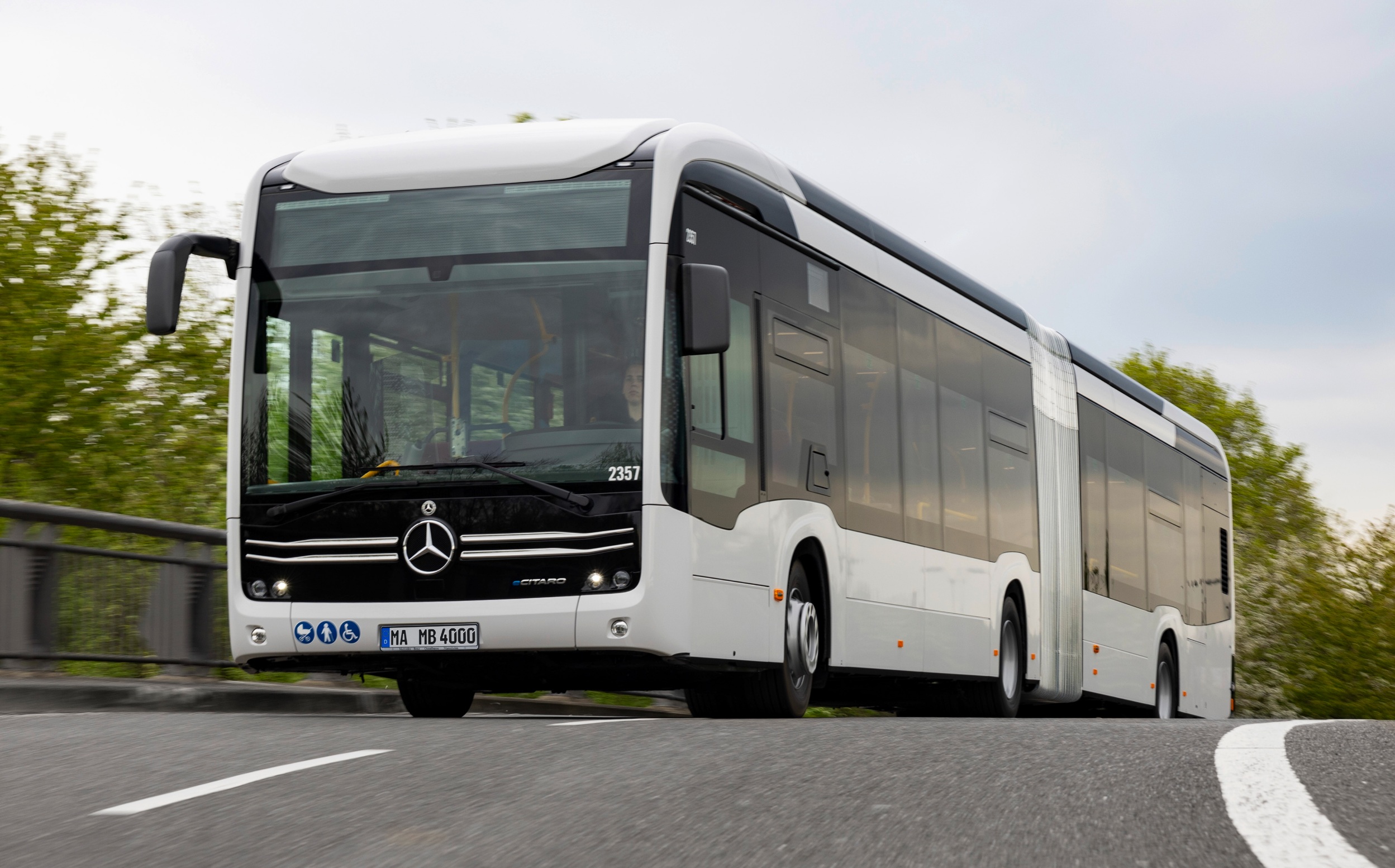
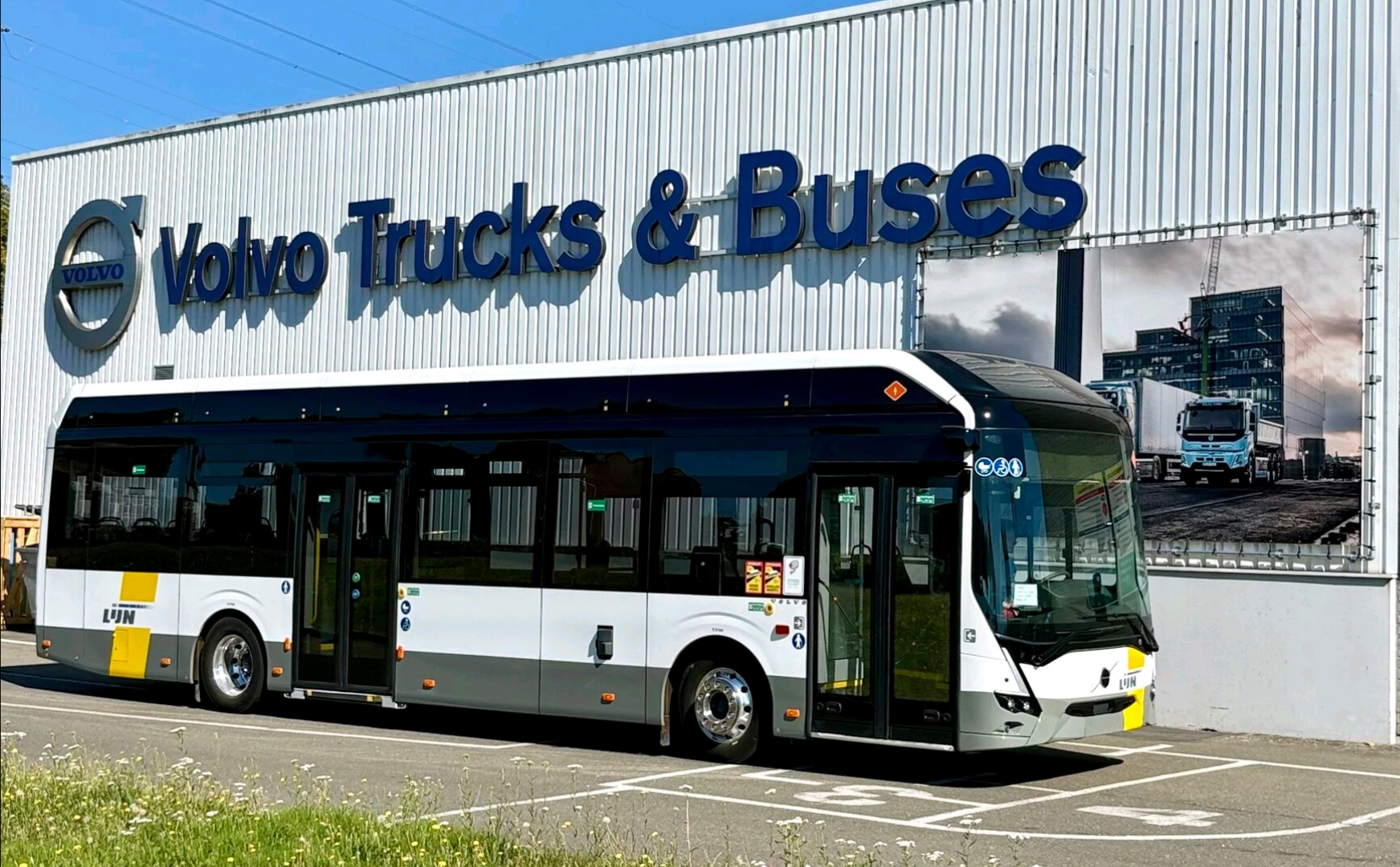
The retreat is already clear. A significant part of the Daimler Buses product range is no longer manufactured in Europe at all, and in the suburban-interurban segment the group, considered one of the flag-bearers of the European vehicle industry, relies almost entirely on models produced in Turkey. MAN manufactures 100% of its internal-combustion buses in Turkey – including Neoplan models – and it is becoming increasingly difficult to rule out that the Turkish plant may later also become involved in the production of MAN electric city and suburban buses. Volvo and Scania have also closed their European bus plants, and have largely downgraded themselves from bus manufacturers to chassis suppliers. In essence, they are trying to preserve their viability by partially abandoning European bus manufacturing – and this further weakens the continent’s industrial autonomy and strategic weight. Volvo has retained its own models in the city and suburban electric segments, but no longer manufactures them in Europe, having entrusted production to Egypt’s MCV, a clear sign that the company no longer saw a realistic opportunity to maintain local bus production given Europe’s high cost levels.
Meanwhile, Van Hool has gone bankrupt, VDL’s capacities and market significance are steadily declining, its bus-manufacturing division has been loss-making for years, and Solaris is being forced to narrow and rationalise its product range, losing its former flexibility. Iveco has not only launched production in Turkey, but the company itself is also coming under Indian ownership, further increasing European bus manufacturing’s dependence on external players.
This clearly indicates that Europe’s manufacturing structure is falling apart, and that the continent is rapidly losing its industrial autonomy. Moreover, outsourcing is gradually diluting what used to be premium-level European quality. Manufacturers are entrusting more and more partial tasks to their production units or partners outside Europe, and are simplifying components one after another – not out of efficiency, but out of necessity. The end result can be felt in many models: the former additional service life has disappeared, and durability and the perception of quality have declined.
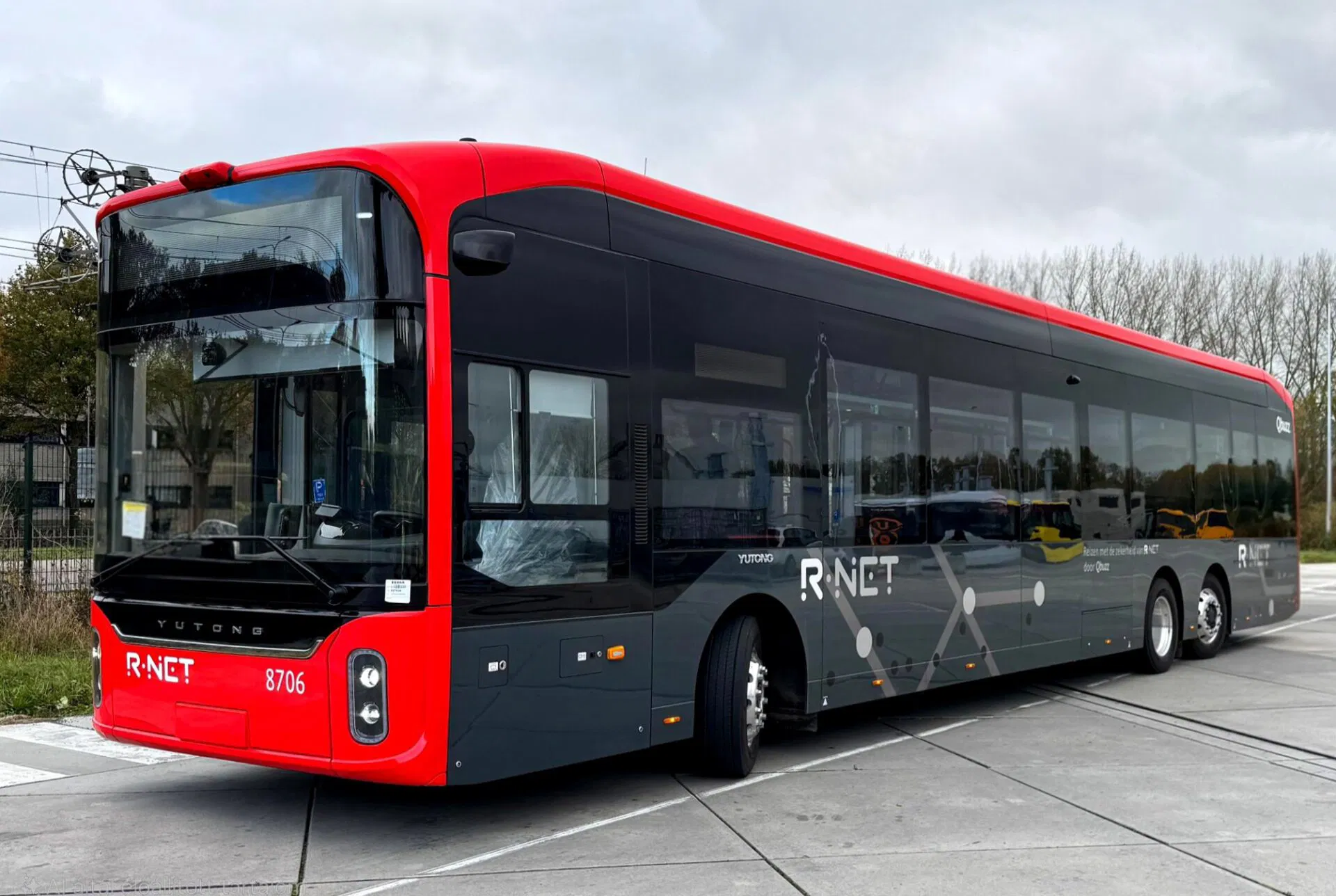
At the same time, Chinese manufacturers have not only caught up, but in many respects have reached the level of the Europeans. BYD and Yutong now present models at European exhibitions that can stand their ground against any European competitor in quality, technology and design alike. The difference is most visible in price tags and production volume. The quality gap has closed: the quality of European types has deteriorated, while that of Chinese models has improved rapidly. The price difference still favours the Chinese – not drastically, but sufficiently for operators under cost pressure to see ever fewer rational arguments for more expensive European models.
The lack of a strategic response is no accident. A genuine, coordinated European industry response would require manufacturers, legislators and operators alike – but the short-term interests of all three groups of actors run counter to long-term industrial-policy objectives. Manufacturers cannot afford radical quality improvements or cost reductions, because these would result in an immediate fall in profits. Operators will not buy more expensive European buses purely on industrial-policy grounds. And the legislator has no real tool to force this through – and often does not even see clearly enough what market players have long since been sensing. Moreover, it is not even certain that the political will to intervene exists. The current institutional environment tends to follow market movements rather than shape them, and therefore offers little real possibility of meaningfully slowing or reversing the process.
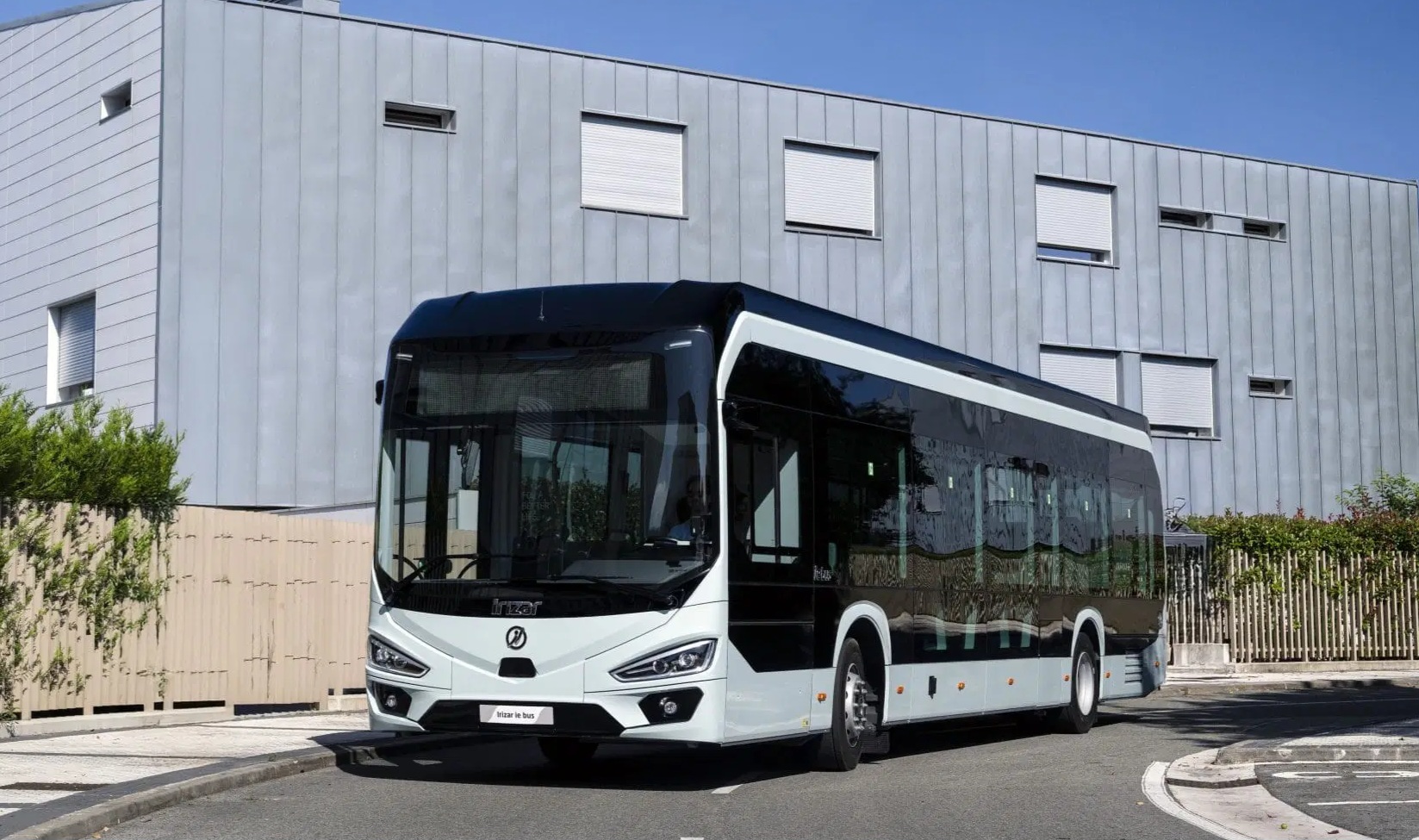
European bus manufacturing is thus balancing on an ever-narrower plank. Every year, the band within which it can remain competitive becomes narrower, and sooner or later that plank will run out completely. Under the current business, regulatory and market logic, the continent’s bus manufacturing could easily be reduced within 10 to 20 years to the level of local, low-volume bodybuilders – a structure whose signs we can already see today, especially in the Spanish market. In parallel, the decisive share of large-series, industrial-scale production may pass permanently into Asian hands.
This article has been translated using AI-powered tools. While we strive for perfect accuracy, some nuances may differ from the original Hungarian version.
 Related Articles


