![Magyarbusz [Info]](/mbi/header-logo.png)
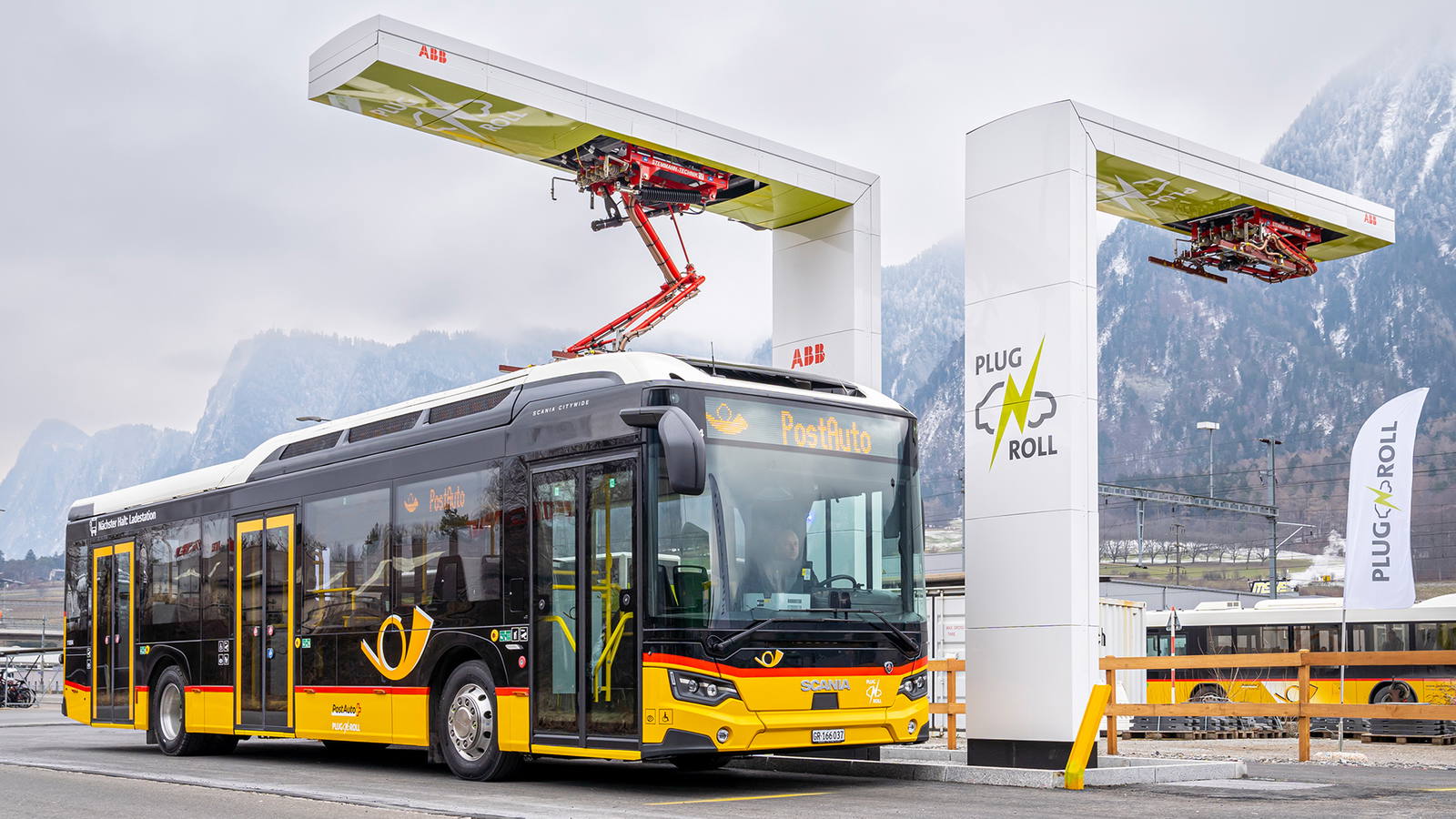
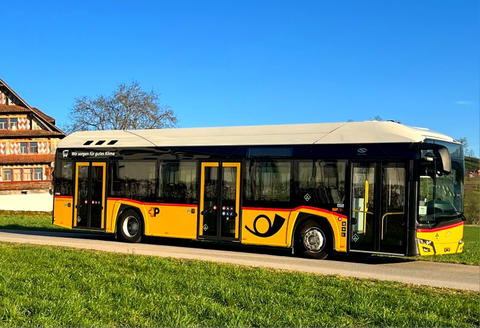
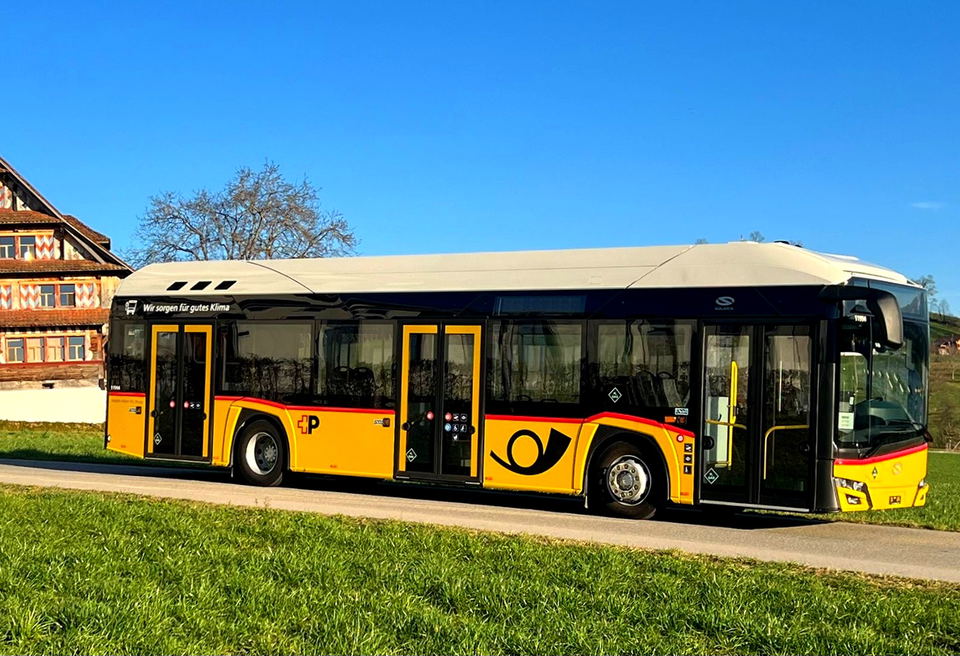
Swiss PostAuto aims to replace its entire 2,400-strong fleet with electric buses by 2040
 Ludányi József
Where there is money, there is usually no shortage of horsepower, and while Switzerland certainly has no lack of the former, the largest bus operator in the Alpine country’s public transport network, PostAuto, nevertheless believes in gradual progress and a carefully considered approach to fleet greening rather than an abrupt switch. Instead of forced electrification, the company intends to increase the share of electric vehicles in its fleet within the framework of a carefully developed fleet policy. According to the company’s plans, the first 100 buses with alternative drivetrains — electric and hydrogen-powered vehicles — are expected to enter service by the end of 2024, while by 2030 the operator expects to have 1,000 zero-emission buses. PostAuto expects its entire fleet of 2,400 vehicles to be free of harmful emissions only by 2040.
In shaping its electric fleet policy, PostAuto has taken political and social expectations into account, but, while remaining grounded in reality, it is making the pace of its fleet greening depend more on the practical applicability of the technology and on its development. The timetable for PostAuto’s transition to alternative drivetrains is currently determined by two main factors: on the one hand, the client’s requirements and the level of co-financing, and on the other, the fact that, as a general rule, a “PostBus” must remain in service with the company for 12 years. It is therefore important to procure vehicles that are genuinely capable of completing this service life at reasonable operating costs.
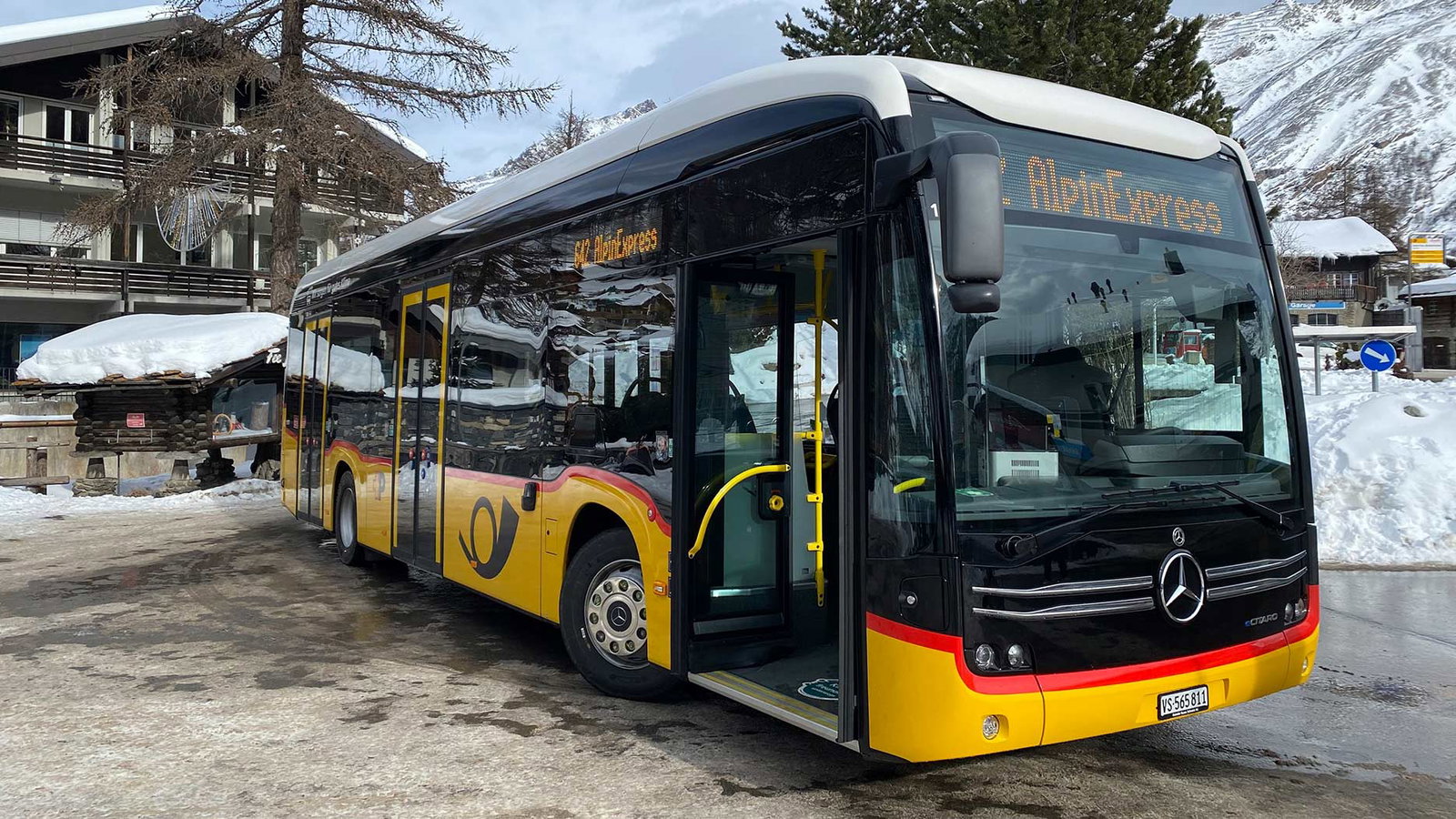
According to the company, battery-electric buses can currently offer a solution for decarbonising its fleet, primarily thanks to their technological maturity, efficiency and the wide choice of models available. PostAuto believes, however, that these vehicles are not yet suitable for all topographical conditions, either because their range is insufficient or because difficult terrain places excessive strain on the batteries and the drivetrain. For this reason, PostAuto has consciously decided to remain open and cautious in its choice of new technology, while also closely monitoring the development of fuel-cell drivetrains and synthetic fuels. The company expects the battery capacity of electric buses to increase significantly over the next few years, which will in turn improve vehicle range and economic viability, opening up the possibility of profitable operation in more and more service areas.
According to the operator, one of the most critical elements among the issues surrounding the operation of battery-electric buses is the energy storage system, including its service life, recyclability and environmental impact. In the case of NMC batteries, currently the most widespread type in European electric buses, a 3-tonne battery pack requires roughly 50 kg of lithium, 80 kg of cobalt, 200 kg of nickel, 110 kg of manganese and graphite anode material. A significant share — around 20% — of the total environmental burden of battery-electric buses comes from raw-material extraction and battery production. The greatest environmental impact is caused by lithium extraction and by the generation of the electricity needed to assemble the battery. According to the company, the lifetime environmental impact of battery-electric buses is 40% higher than that of diesel buses.
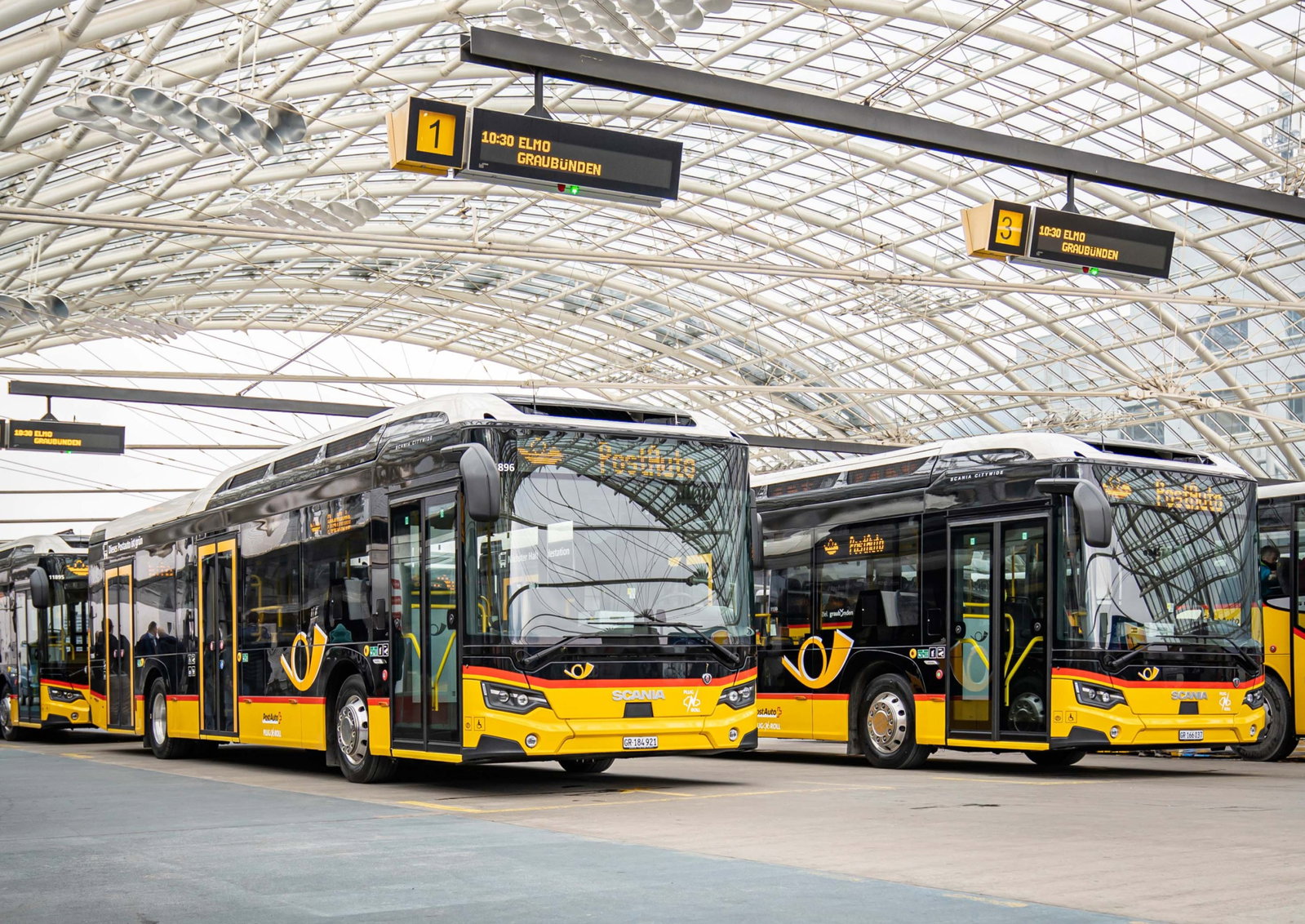
From a social perspective, cobalt extraction is the biggest problem. The politically unstable Democratic Republic of the Congo dominates half of the global market, and one third of Congolese cobalt is of particularly questionable origin: it comes from unofficial production in which this component of energy storage systems — which is also toxic if touched or inhaled — is mined under inhumane conditions, using forced labour and child labour.
For this reason, PostAuto requires in its procurements that the vehicles have a battery recycling plan, so that as much lithium, nickel, manganese and other metals as possible can be recovered from end-of-life units. It also expects its future electric buses to be fitted with batteries that are less dependent on cobalt. (On today’s market, this is mainly addressed by cobalt-free LTO or LFP batteries, although the former, due to its characteristics, is mostly suitable only for bus types optimised for fast charging, while the latter is primarily sourced from China.)
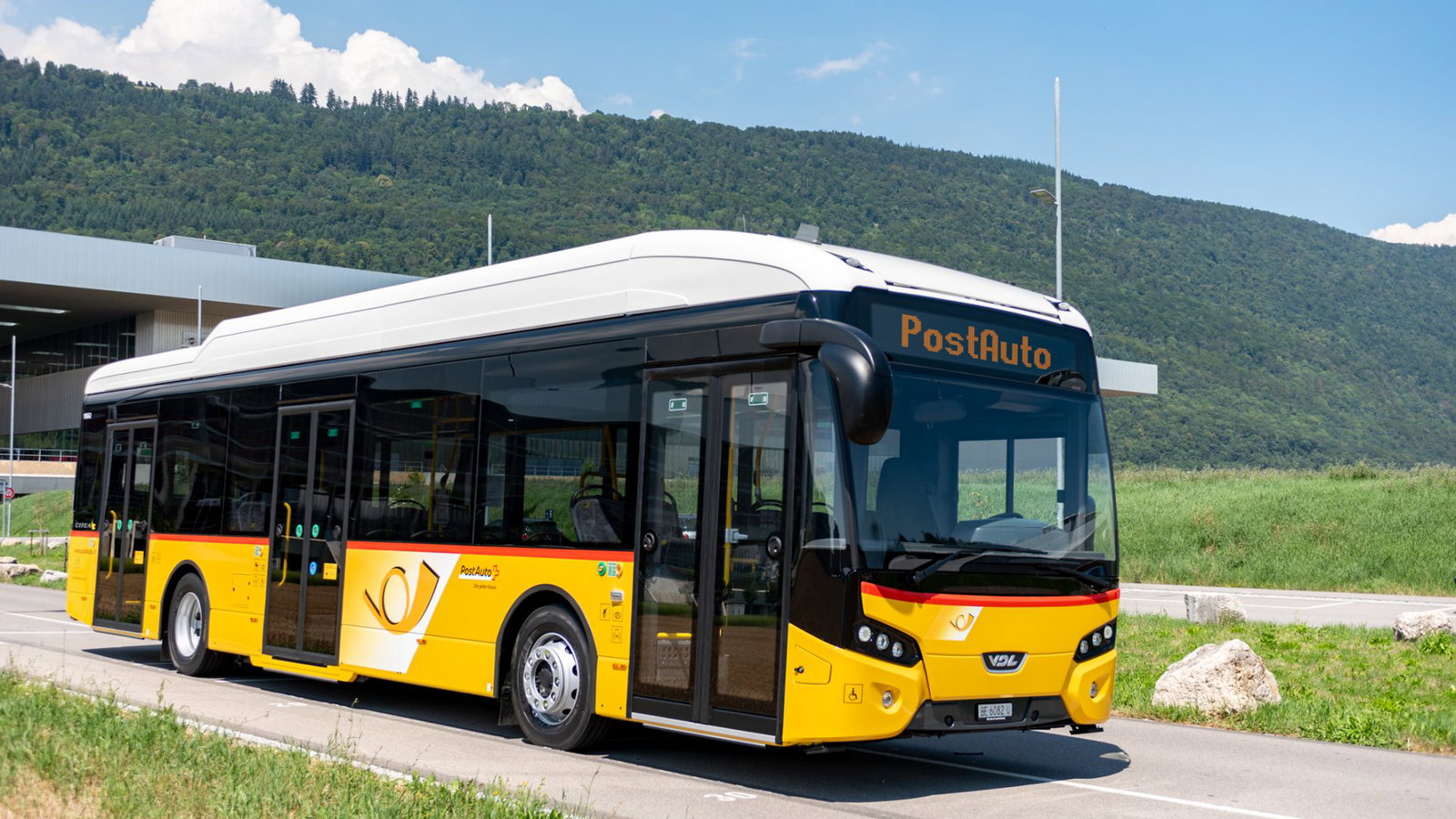
The transport company calculates that a battery-electric bus currently costs around twice as much as a diesel bus of similar size: PostAuto is budgeting 600,000 Swiss francs for solo buses and 800,000 Swiss francs for articulated vehicles. The propulsion system also requires a substantially higher investment than putting buses with internal combustion engines into service. At the same time, because the drivetrain is simpler, more reliable and requires less maintenance, operating such buses involves lower maintenance costs: 0.35 Swiss francs per kilometre for solo buses and 0.40 Swiss francs per kilometre for articulated vehicles. Fuel costs per 100 kilometres, however — including depreciation and maintenance of the charging infrastructure, energy, grid costs, taxes and service costs — are still currently about twice as high for a battery-electric bus as for a diesel of similar size. PostAuto is calculating with 70 Swiss francs per 100 kilometres for 12-metre solo electric buses and 105 Swiss francs per 100 kilometres for articulated vehicles.
According to a study cited by PostAuto and prepared by the Swiss Federal Office of Energy, a battery pack for buses today can be expected to achieve a mileage of 350,000–400,000 kilometres over its service life, assuming 1,000–1,500 charge/discharge cycles. The service life of energy storage systems benefits most if the state of charge is kept continuously between 20% and 80%, and if fast charging is avoided where possible, especially when the batteries are cold.
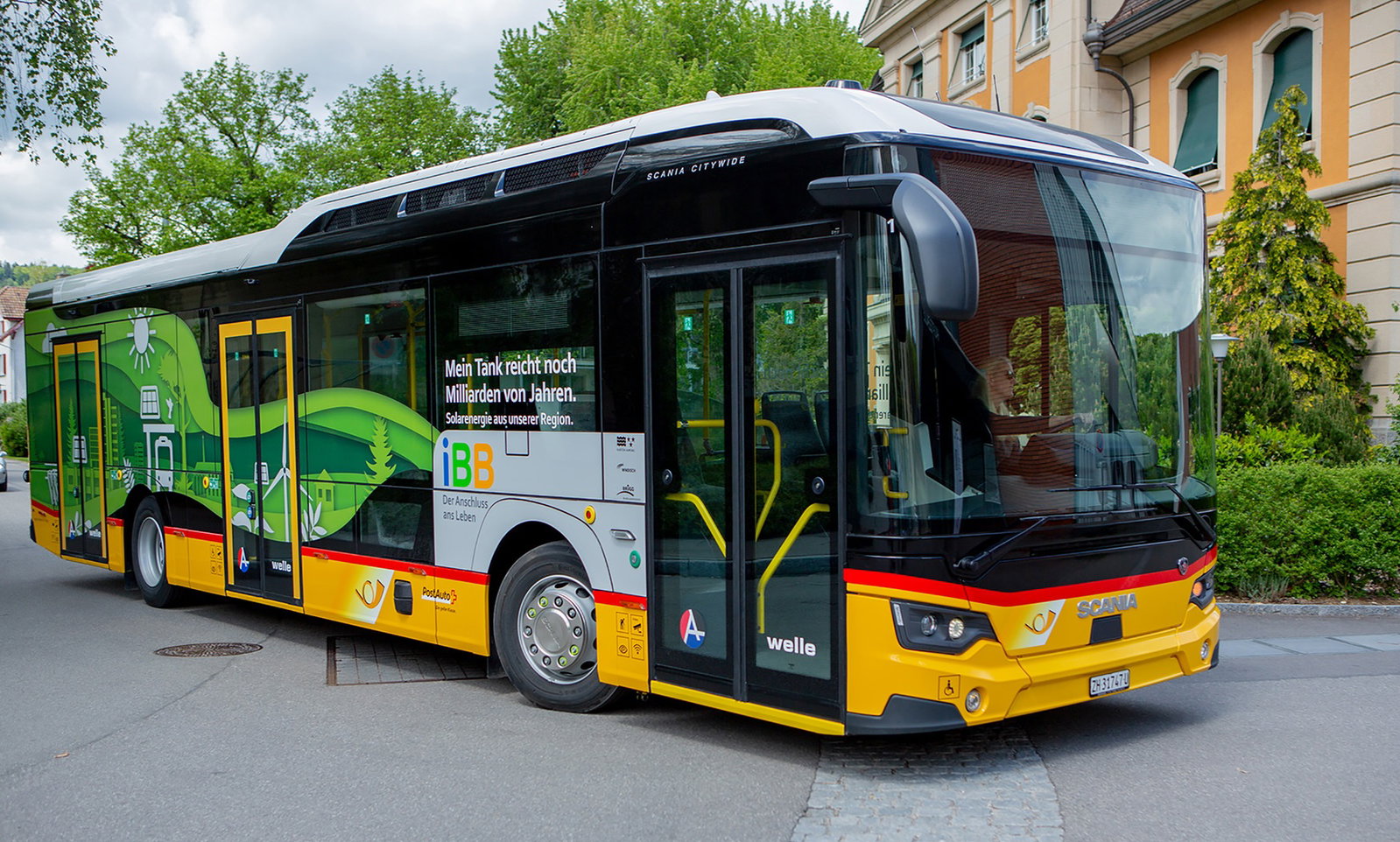
It is important to note that the concerns raised by PostAuto do not mean the company is arguing against electric buses — after all, it plans to procure such vehicles in their thousands. However, a point-by-point assessment of the potential problems and pitfalls certainly suggests a more realistic approach than electric-bus procurements that are often pushed for political reasons, are poorly thought through in terms of applicability and long-term operating costs, and serve more as a matter of appearances.