![Magyarbusz [Info]](/mbi/header-logo.png)
European bus industry: factory closures, electrification and new challengers
 Ludányi József
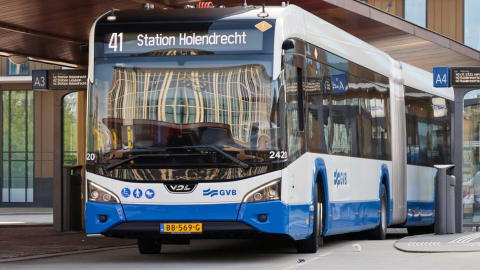
The European bus industry is undergoing both technological and structural transformation. While the rise of electric buses is accelerating year by year, the manufacturing side of the sector is also being continuously reshaped. According to the latest figures from the European Automobile Manufacturers’ Association (ACEA), the number of bus assembly plants operating in the European Union and the United Kingdom has fallen only marginally compared with last year, but the effects of the major restructuring seen in previous years remain clearly visible. ACEA’s summary also shows, however, that the bus remains a key pillar of public transport in the European Union.
The figures clearly show that the role of the bus remains indispensable in European public transport. According to ACEA data, 55.7% of all public-transport journeys in the European Union – around 32.1 billion trips a year – are made on urban and suburban buses. Buses and coaches also carry out 428 billion passenger-kilometres annually, representing 8.2% of the EU’s total inland passenger-transport performance.
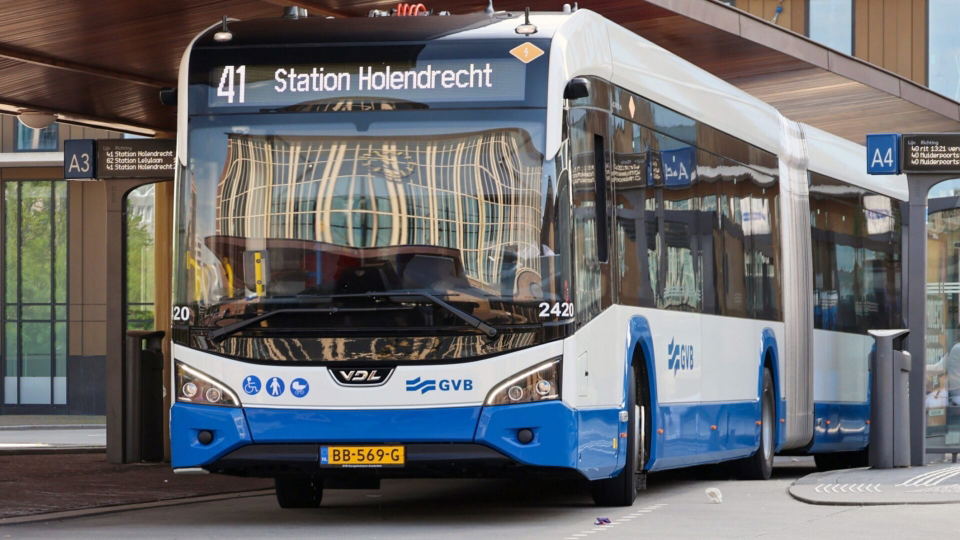
There are currently 699,238 buses in the M2 and M3 vehicle categories operating on EU roads, with the average age of the fleet standing at 12.2 years. Category M2 covers vehicles with a maximum permissible gross weight of up to 5 tonnes that are classified as buses, while category M3 includes buses over 5 tonnes, including midi, rigid, articulated and double-deck models. Fleet renewal remains brisk: in 2025, a total of 38,238 new buses and coaches were registered in the member states. Diesel power still dominates among new vehicles, accounting for 62.1% last year. At the same time, the transition to electric drive continues to accelerate; battery-electric and plug-in hybrid buses together already accounted for 23.8% of new bus sales. The impact of this is increasingly visible in the overall fleet as well, with 3.5% of the buses operating on European Union roads now electrically powered.
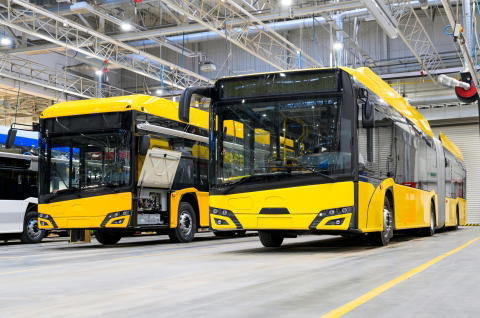
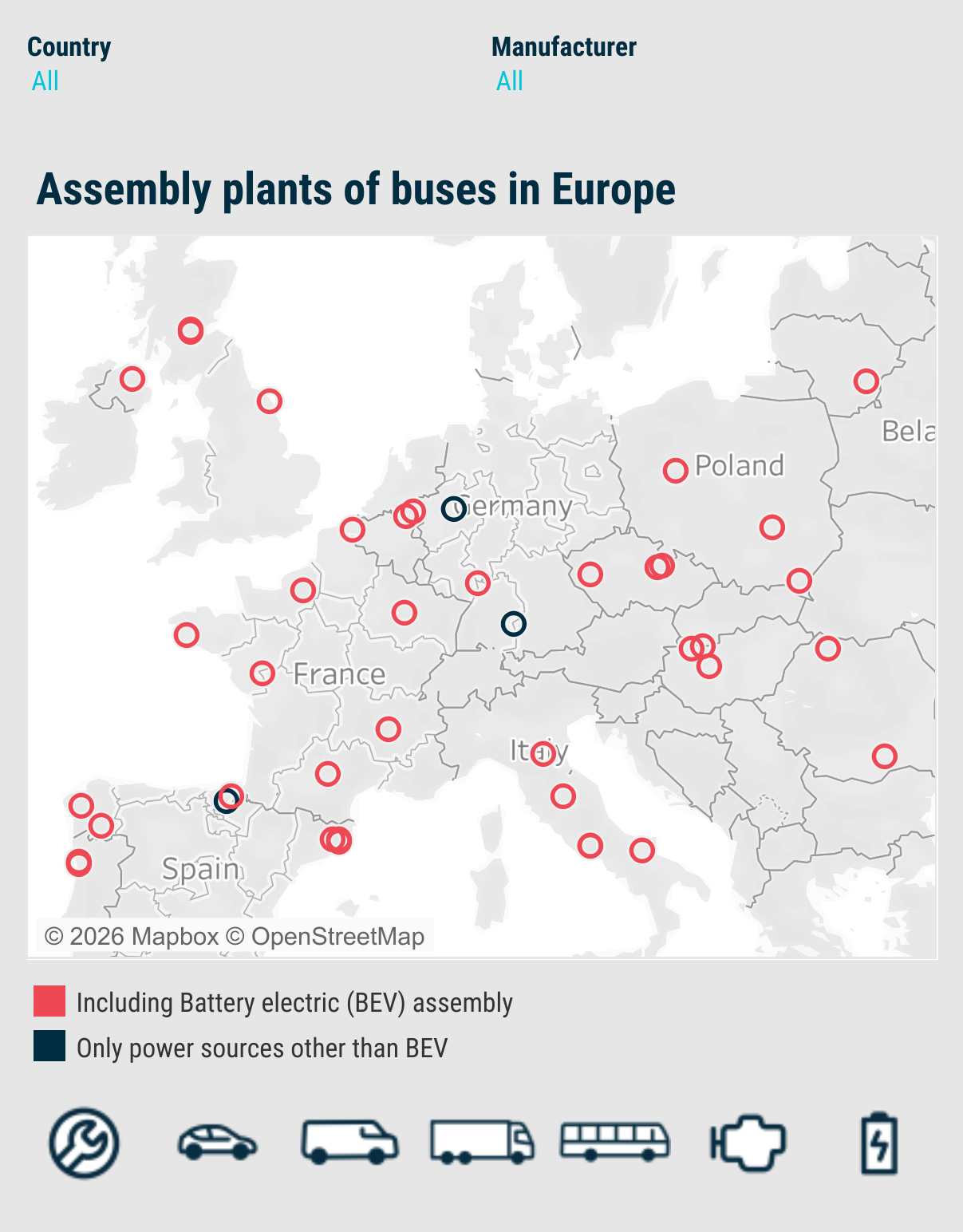
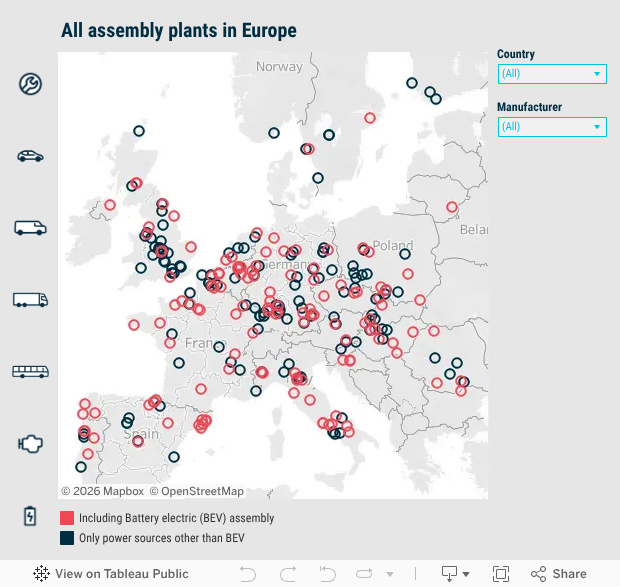
The most interesting change, however, can be seen on the manufacturing side. According to ACEA, there are currently 42 bus assembly plants operating in the European Union and the United Kingdom. Although at first glance this does not seem a low number, only a few years ago there were more than 50 such plants in the region. The factory closures, corporate bankruptcies, production reorganisations and partial outsourcing of manufacturing seen in recent years clearly illustrate the profound structural transformation of European bus production.
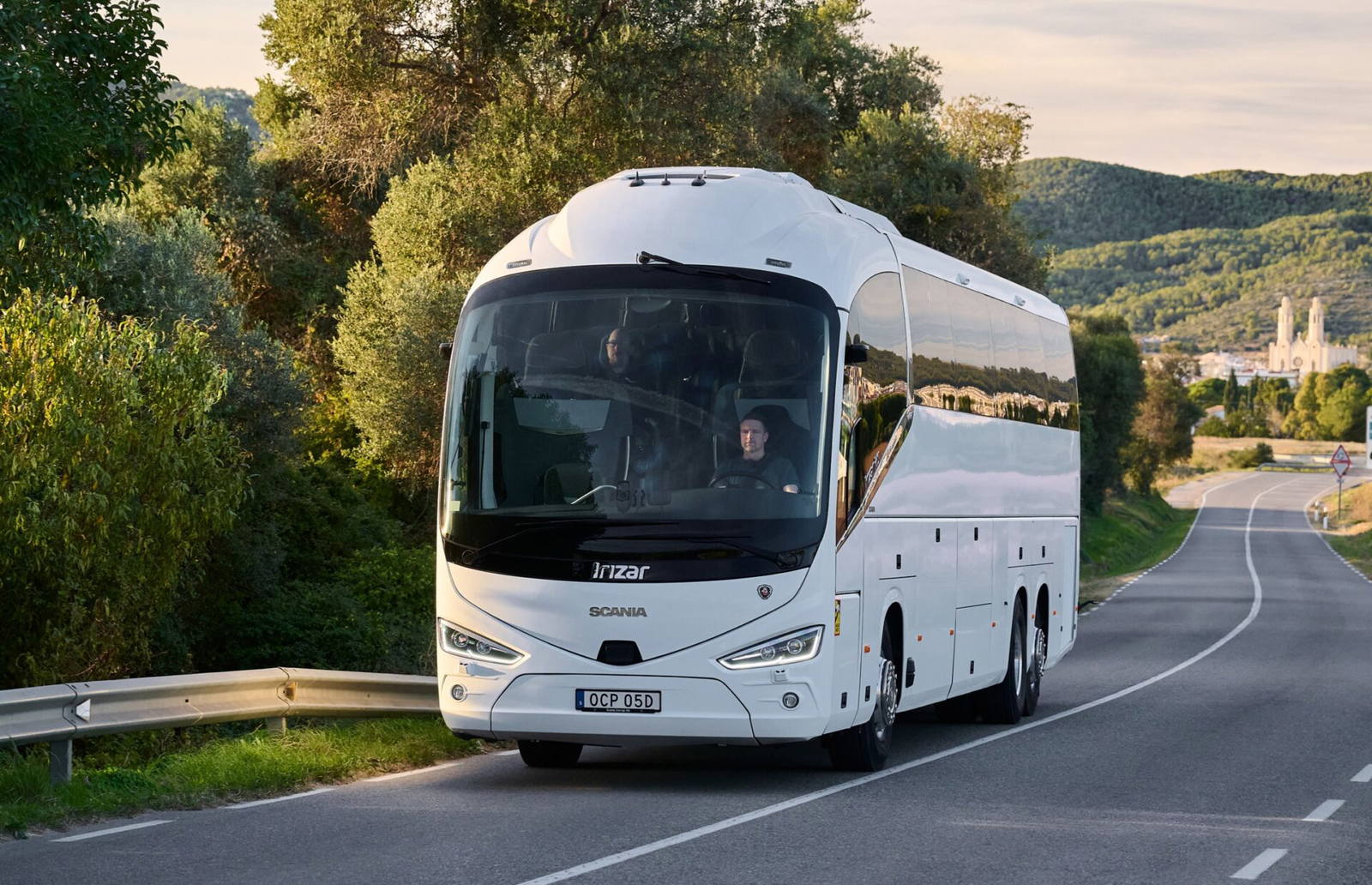
The transformation has affected a number of well-known manufacturers. At Van Hool’s plant in Lier, Belgium, bus production came to an end following the company’s bankruptcy, while Volvo and Scania have also discontinued the manufacture of their own bus bodies in Europe. In Poland, Arthur Bus went bankrupt, while in Spain Sunsundegui – which had also been preparing to produce Volvo’s new-generation coaches for the European market – entered liquidation. In parallel, several major manufacturers have reorganised their production. European bus manufacturing is increasingly being structured around a handful of large international manufacturing groups, while smaller or less competitive independent players are gradually disappearing from the market.
The roots of this process, however, go deeper. European bus manufacturing was first shaken by the shock caused by the coronavirus pandemic: falling order volumes, disrupted supply chains, shortages of raw materials and components, and surging energy costs significantly narrowed manufacturers’ financial room for manoeuvre. On top of this came the transition to zero emissions, which fundamentally rewrote the industry’s previous operating model. The competitive advantages Europe had built up during the diesel era – in-house engines, gearboxes, drivetrains and a mature supplier base – lost much of their value with the rise of electric buses. In the new era, battery technology, energy management, software-based control, charging strategy and cost-efficient series production have become the decisive factors, and developing these capabilities is extremely capital-intensive.
As a result of the technology shift, the geographical structure of production is also changing. Larger manufacturing groups are increasingly outsourcing some of their capacity to lower-cost countries, while Chinese and Turkish bus manufacturers are steadily strengthening their presence in the European market and winning more and more orders in public tenders and fleet-renewal programmes. The lost European production capacity is therefore being partly replaced by these players, clearly indicating that the centre of gravity in European bus manufacturing is gradually shifting and that the market is becoming increasingly open to manufacturers from outside the continent.
Despite all this, the European bus industry continues to carry out significant export activity. According to ACEA data, a total of 23,144 buses and coaches were exported from Europe in 2025, with a value of around €920 million. This remains a substantial performance, but it also clearly highlights the shift in the global balance of power: while European manufacturers are present on the world market primarily with high-value-added, lower-volume production, the Chinese bus industry now has manufacturing capacity and export potential that are orders of magnitude greater. Based on current market trends, moreover, there is little sign for now that this gap is narrowing; on the contrary, the expansion of Chinese and other Asian manufacturers in Europe is continuing to accelerate, while the European bus industry remains under considerable pressure to adapt.