![Magyarbusz [Info]](/mbi/header-logo.png)
Market gap in Europe – what is behind Marcopolo’s return?
 Ludányi József
The COVID-19 pandemic caused one of the biggest shocks in the history of the European bus and coach industry. Demand for intercity and touring coaches effectively disappeared for years, and this segment has still not fully regained its former balance. Although, after years of stagnation, the market now appears to be reviving, the recovery continues to be constrained by a severe shortage of production capacity. The European bus manufacturers that have remained standing are simply unable to meet the increased demand – even though several years have passed since the pandemic subsided, long lead times are still typical, sometimes even for small fleets of just a few vehicles. The contraction in market supply is also striking: around one-fifth of the players still active in the intercity and touring coach segment in 2019 have now disappeared, creating favourable opportunities for new entrants. This is the situation now being exploited by Brazil’s Marcopolo, which has substantial production capacity and a product range meeting European standards. Moreover, the European market is by no means unfamiliar territory for the company, as it was an active player in the continent’s bus industry for nearly two decades. Now, recognising the changed market conditions, it is planning a strategic return to Europe, a move that could shake up the entire segment.
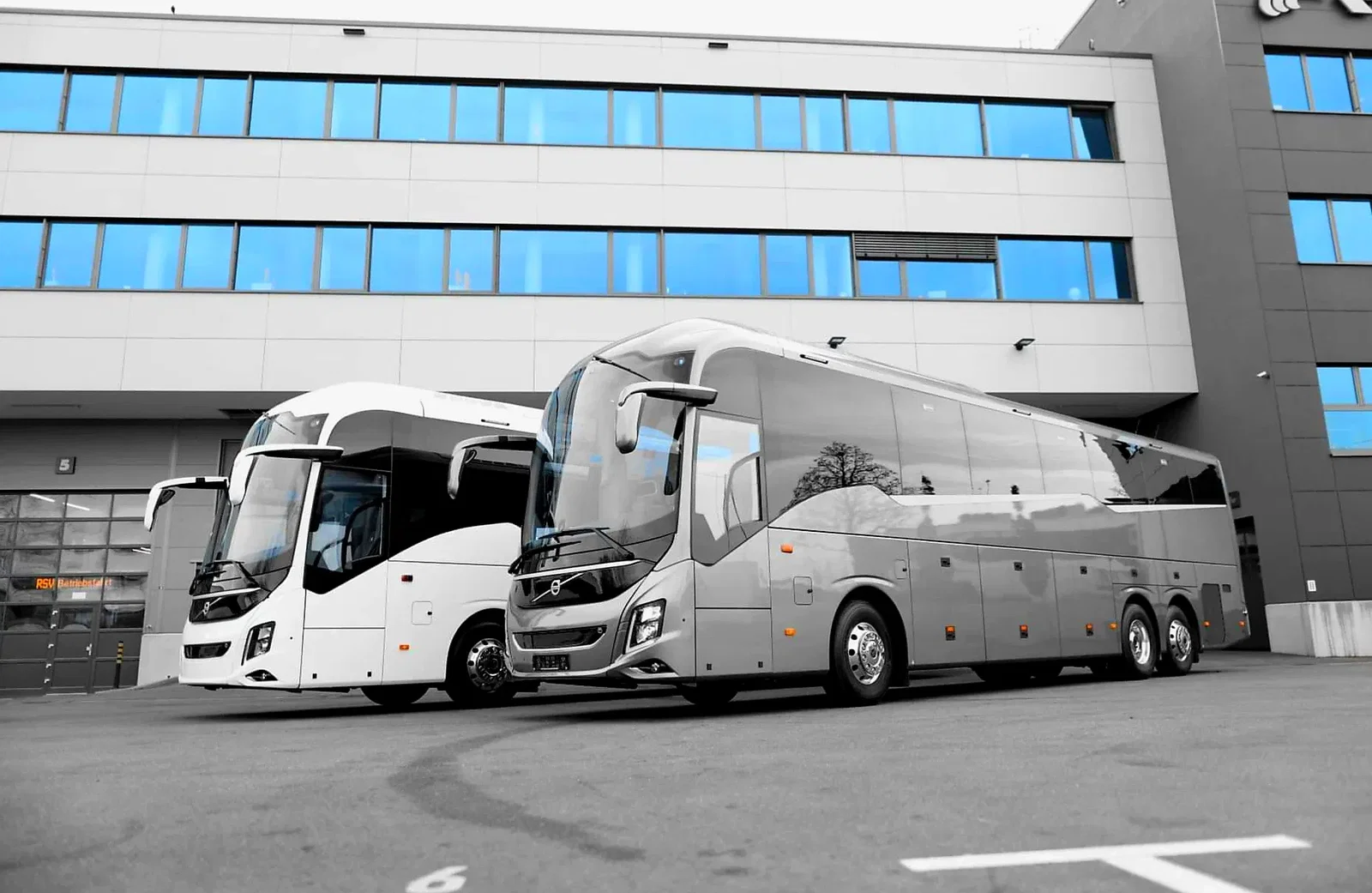
The reasons for the drastic reduction in capacity can be clearly traced through the industry’s recent years. Even the largest manufacturers were unable to shield themselves from the effects of the crisis; Volvo Buses and Scania both decided, partly because of falling sales and long-term profitability issues, to withdraw from bus manufacturing in Europe and involve external, smaller bodybuilders in serving their markets. In the case of Belgium’s Van Hool, the collapse of the coach business ultimately led to the company’s complete bankruptcy, as this segment was the manufacturer’s primary source of revenue precisely during the critical period. During the pandemic, orders virtually dried up, while more than 500 completed vehicles and huge inventories accumulated in production. The company thus suffered losses of around €250 million, further exacerbated by inflation, disruptions to supply chains, rising wages, and significant increases in the prices of energy carriers and components.
Spain’s Sunsundegui met a similar fate, also brought to its knees by the post-pandemic fall in demand. The manufacturer, which specialised specifically in intercity and touring coaches, ran into serious financial difficulties as export markets declined, as did Nogebus, which eventually closed its doors for good because of the economic consequences of the coronavirus pandemic. Iveco Bus is no longer operating at full strength in the coach segment either, with its former flagship model, the Magelys touring coach, having been dropped from the range several years ago. Irizar is in a strong economic position, but according to our information its European capacity is fully booked, meaning customers wishing to renew their fleets with the Basque manufacturer’s attractively styled models can only obtain vehicles after a long wait. As a result, there are now very few players left in Europe capable of meeting the revived demand for conventional intercity coaches in large series and at short notice.
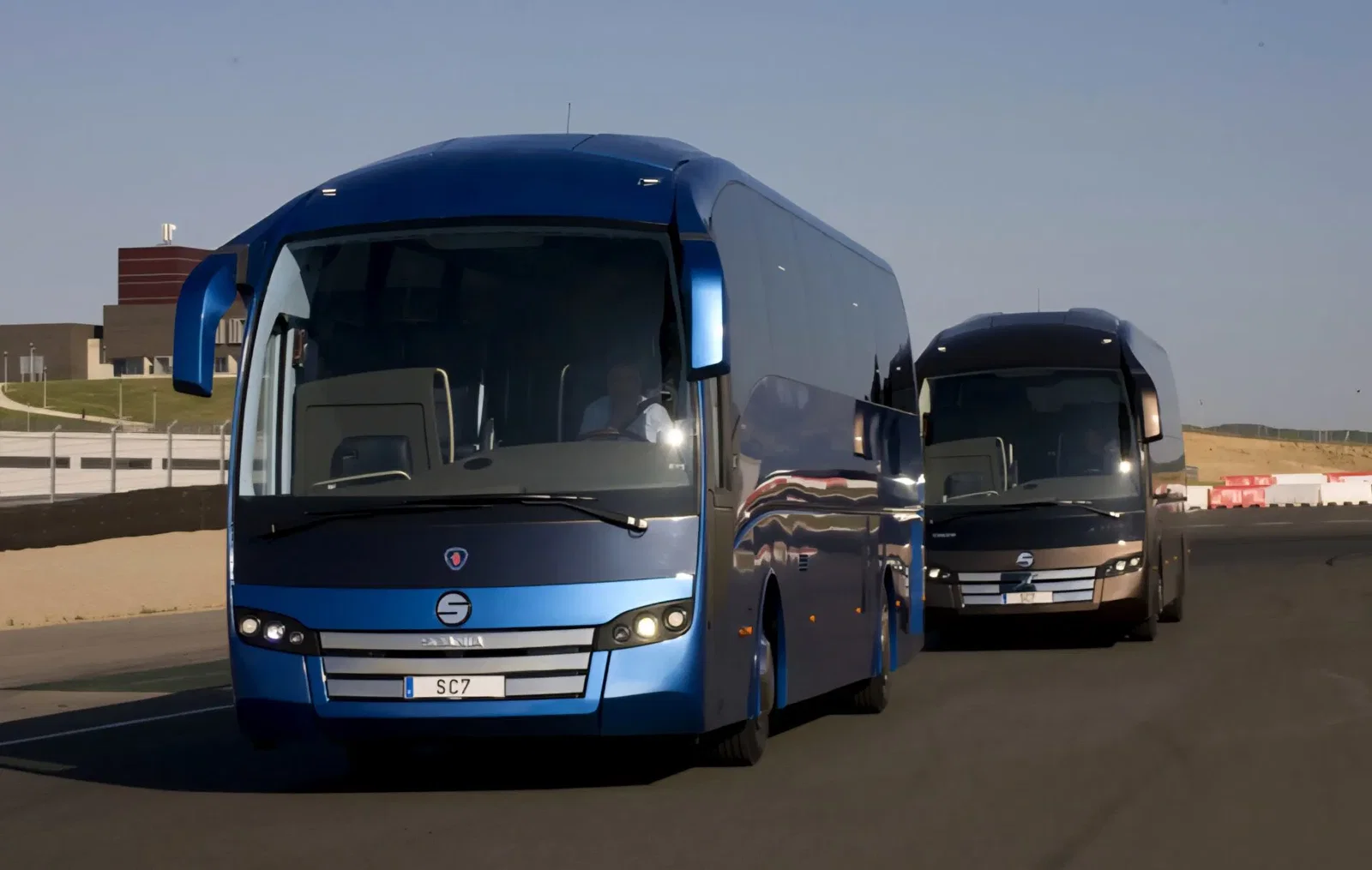
The pandemic and the period that followed have therefore fundamentally redrawn the map of European bus manufacturing. The overwhelming majority of the continent’s surviving manufacturers have focused their resources on electric city buses, while intercity and touring coaches have been pushed into the background following the wave of development seen in the second half of the 2010s. EU decarbonisation targets, support for zero-emission fleets and the dominance of urban procurement have pushed manufacturers’ strategies in a single direction – and so the supply of conventional intercity coaches fitted with internal combustion engines has shrunk drastically, leading to significant delivery delays and order backlogs in the tourism and interurban segments.
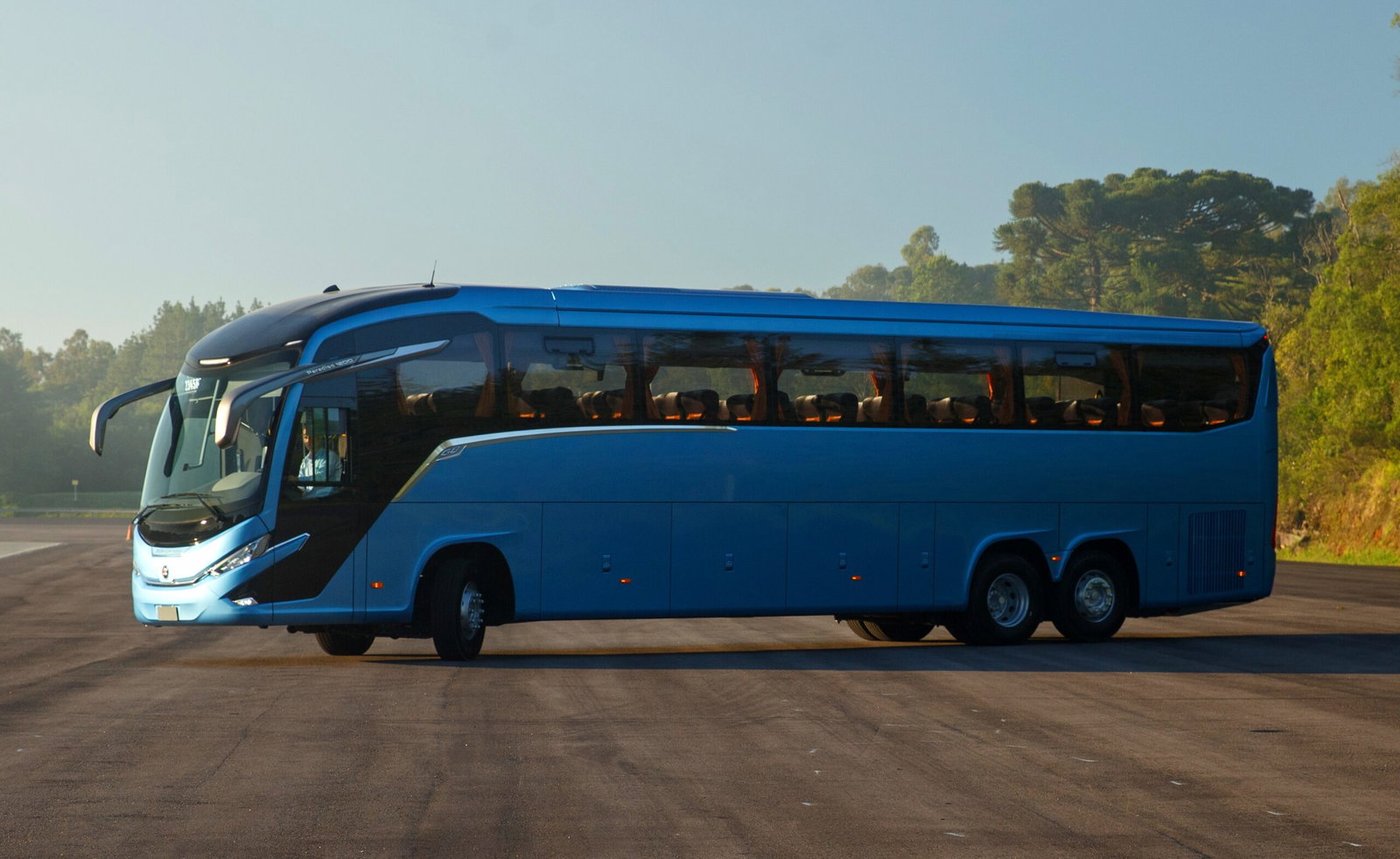
In this situation, Marcopolo’s return appears to be a logical move. As one of the world’s largest bodybuilders, the South American manufacturer has stable capacity, a modern production background and a cost-effective manufacturing structure, while it has precisely identified the market gap – the segment that European manufacturers have been forced to neglect. According to the company’s own assessment, a decisive factor was that in recent years a significant void has opened up in the market with the closure of European production capacity by the two major players, Volvo and Scania, while the production capacity of smaller independent bodybuilders is already heavily stretched.
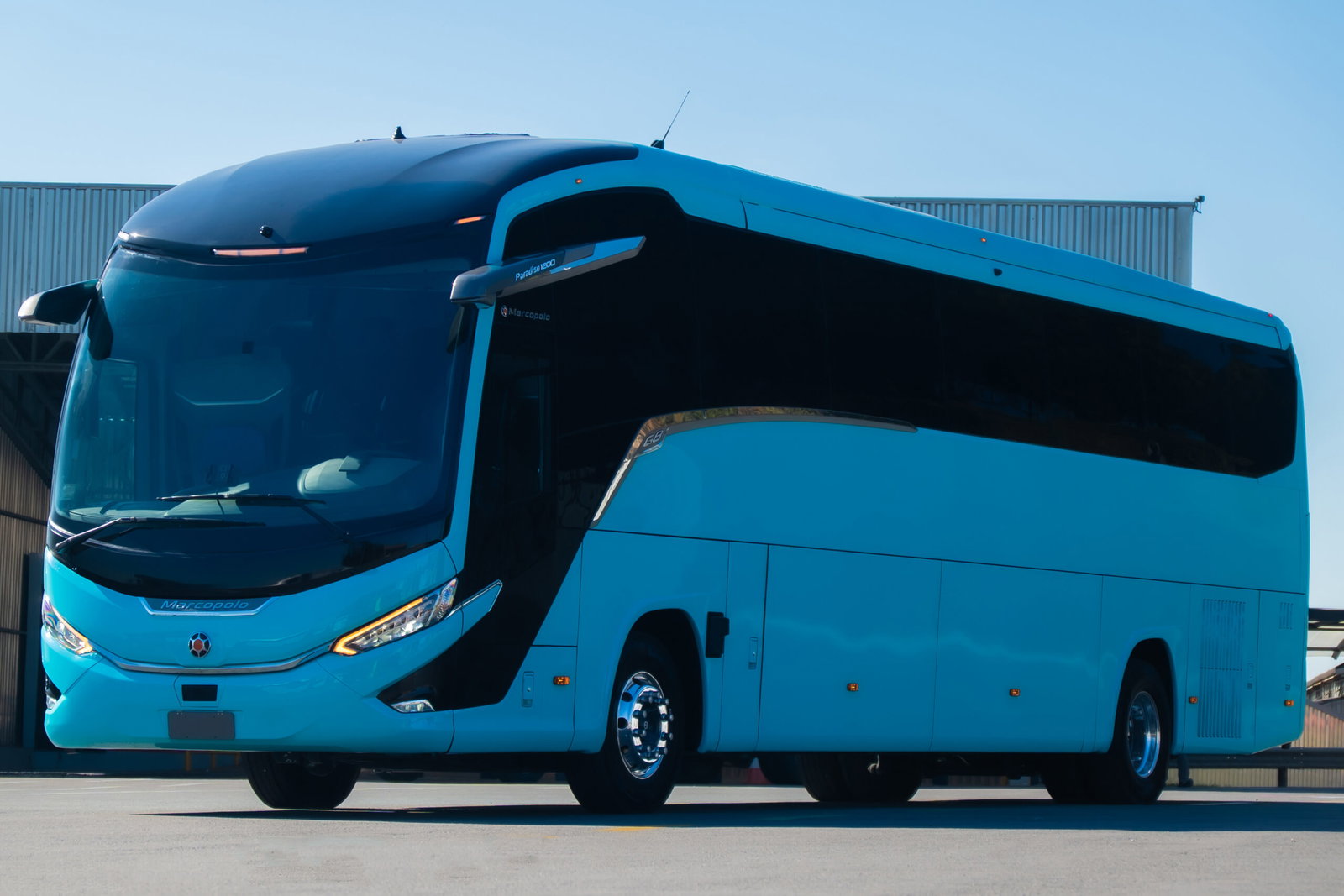
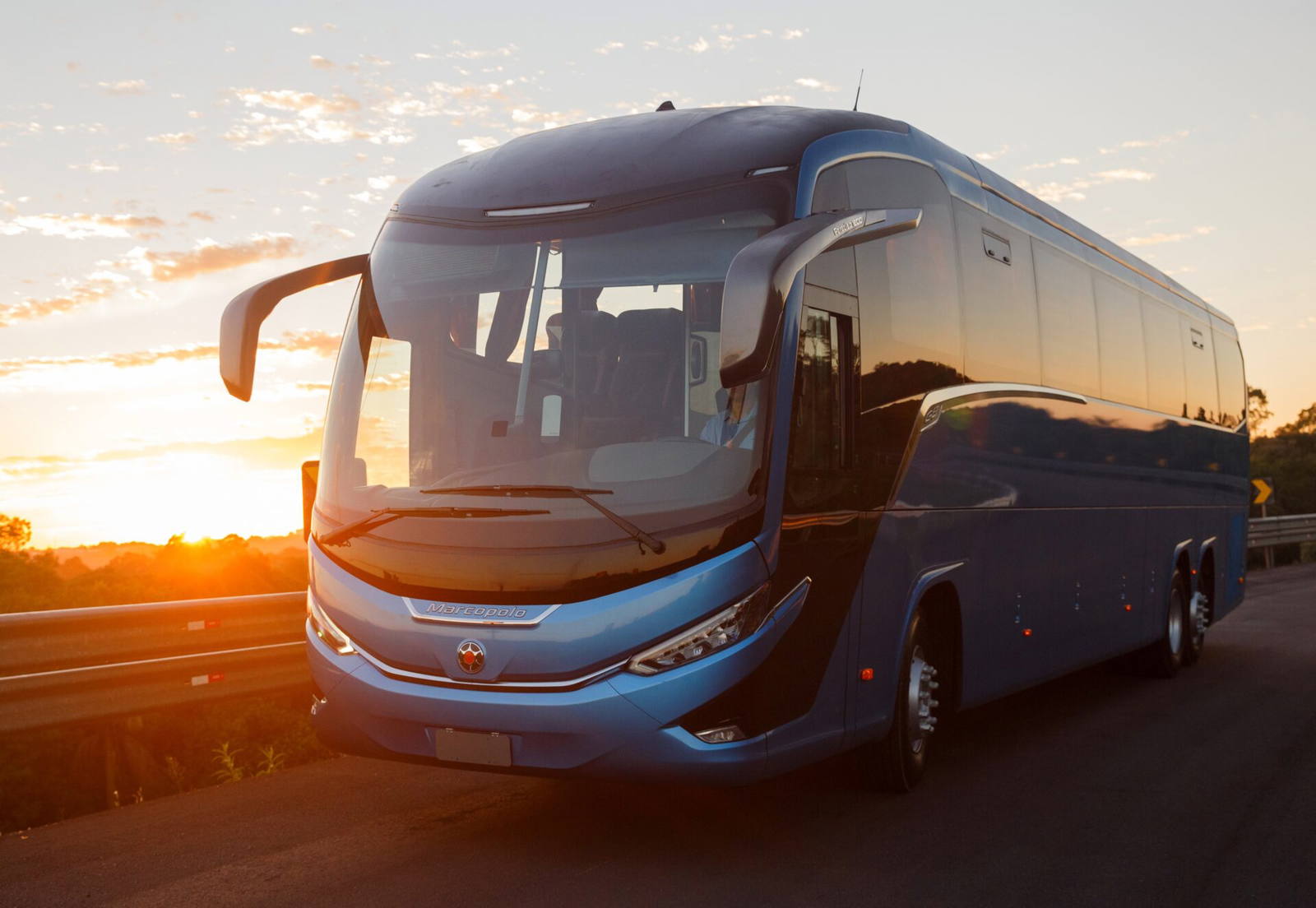
Marcopolo now intends to take advantage of this market gap – not entirely unexpectedly, as the company was already present as an exhibitor at Busworld Europe 2023, foreshadowing its return to Europe. Over the past two years, the Brazilian manufacturer has carried out comprehensive market research on the continent, which is considered one of the strictest markets in the world in terms of safety, reliability and energy efficiency. As a result, it has begun the testing and type-approval processes for the European version of the two-axle Paradiso G8 1200 touring coach, the first concrete step in Marcopolo’s new long-term strategy in Europe. As in its home market, the company will offer chassis-based designs on the Old Continent, in certain markets as a preferred partner of Volvo. The cooperation is not exclusive, however: according to Marcopolo representatives, in line with its traditions the company will also work with other chassis manufacturers, and if the market launch proves successful, it is also open to establishing a new European production base in the longer term.
In the launch phase, therefore, the vehicles will continue to be built in Brazil, which entails higher logistics and import costs, but at the same time creates an opportunity to gain a more thorough understanding of the market, map customer requirements and lay the foundations for a future European production structure. The company’s industrial background gives it considerable room for manoeuvre; three large manufacturing units operate in Brazil, with total capacity of up to 20 buses per day. Specific volumes planned for the European market have not yet been made public, but the production background needed to ramp up volumes quickly is in place. According to current plans, the first European deliveries are expected in early 2027.
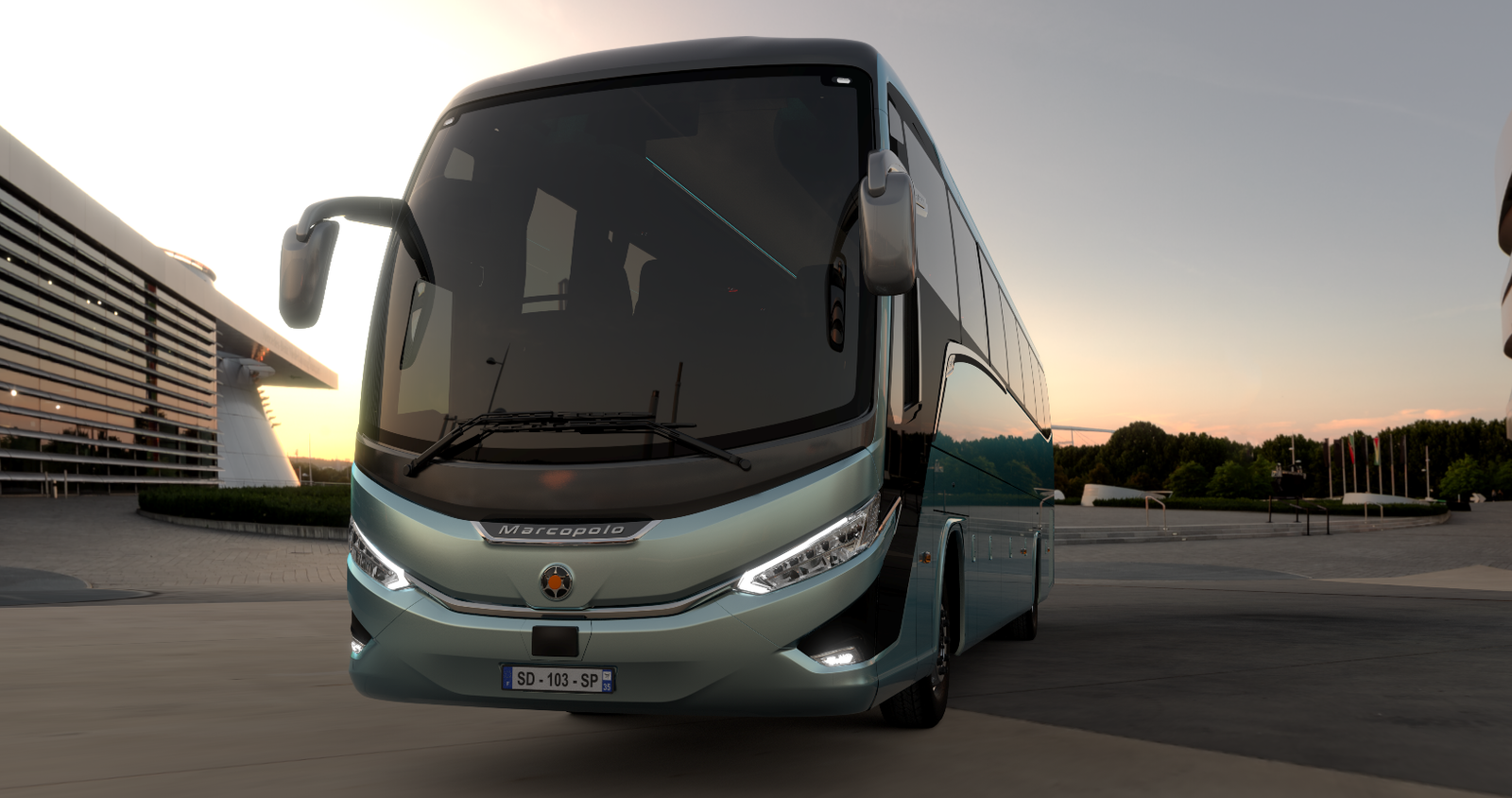
It should be noted that this “market gap” is in fact much more than a simple business opportunity. In recent years, a lasting, structural shortage of supply has developed in Europe’s intercity and touring coach segment, deepened further by European manufacturers’ capacity reductions and strategic shift in focus. Marcopolo can now reappear in this environment – at a time when demand is already growing, but supply is still unable to keep pace. If the company can transfer its South American manufacturing scale, experience and build quality to the European market, this could not only bring a new player into the competition, but also fundamentally reshape the balance of power in the European intercity coach market within a short period of time.