![Magyarbusz [Info]](/mbi/header-logo.png)
Cautious pace, unchanged goals – how PostAuto’s electrification strategy is progressing
 Ludányi József
Although Switzerland’s financial room for manoeuvre is exceptional even by European standards, the electrification programme of the Alpine country’s largest bus operator in public transport, the federally owned PostAuto, was until recently progressing at a deliberately restrained pace. The current situation clearly shows, however, that the speed of the transition is determined not directly by the amount of funding available, but by the framework for using those funds, the expectations of the contracting authorities and the limits of the technology’s practical applicability. At the same time, signs of gradual acceleration have also emerged recently – one only has to think of the current procurements and the recently concluded framework agreement for 115 Solaris buses. Pure battery-electric vehicles still account for only a limited share of the fleet of more than 2,300 vehicles, while the target of full decarbonisation by 2040 remains unchanged. According to the company’s approach, the success of electrification will be ensured not by a rapid increase in vehicle numbers, but by the gradual development of systems that can be operated reliably and economically over the long term – something clearly confirmed by PostAuto’s responses to our enquiries.
Following the approach outlined in our earlier article on PostAuto, we contacted the company directly on several issues in order to gain a more accurate picture of the current status of the transition and the expected direction over the coming years, with particular regard to the development of the fleet structure, the financing and operating framework, and the main factors shaping the practical implementation of electrification.
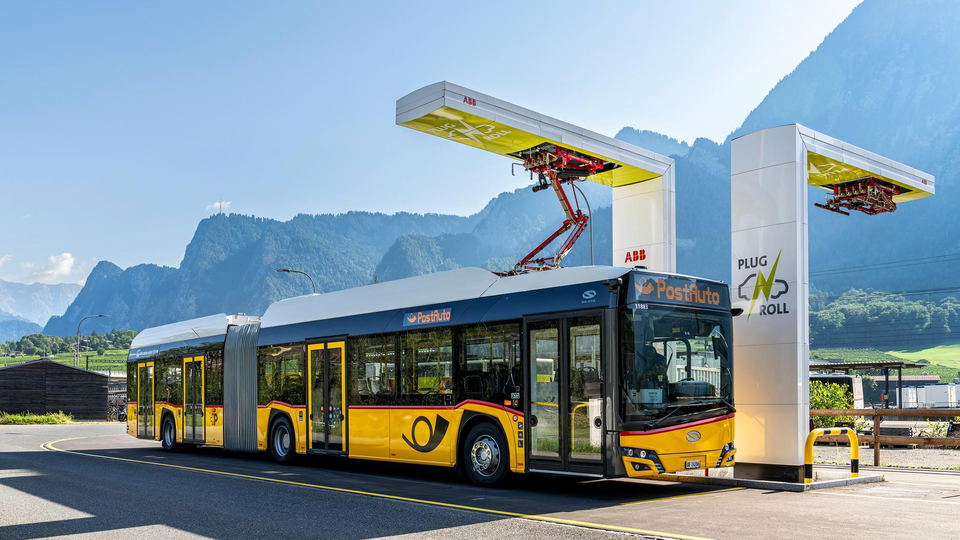
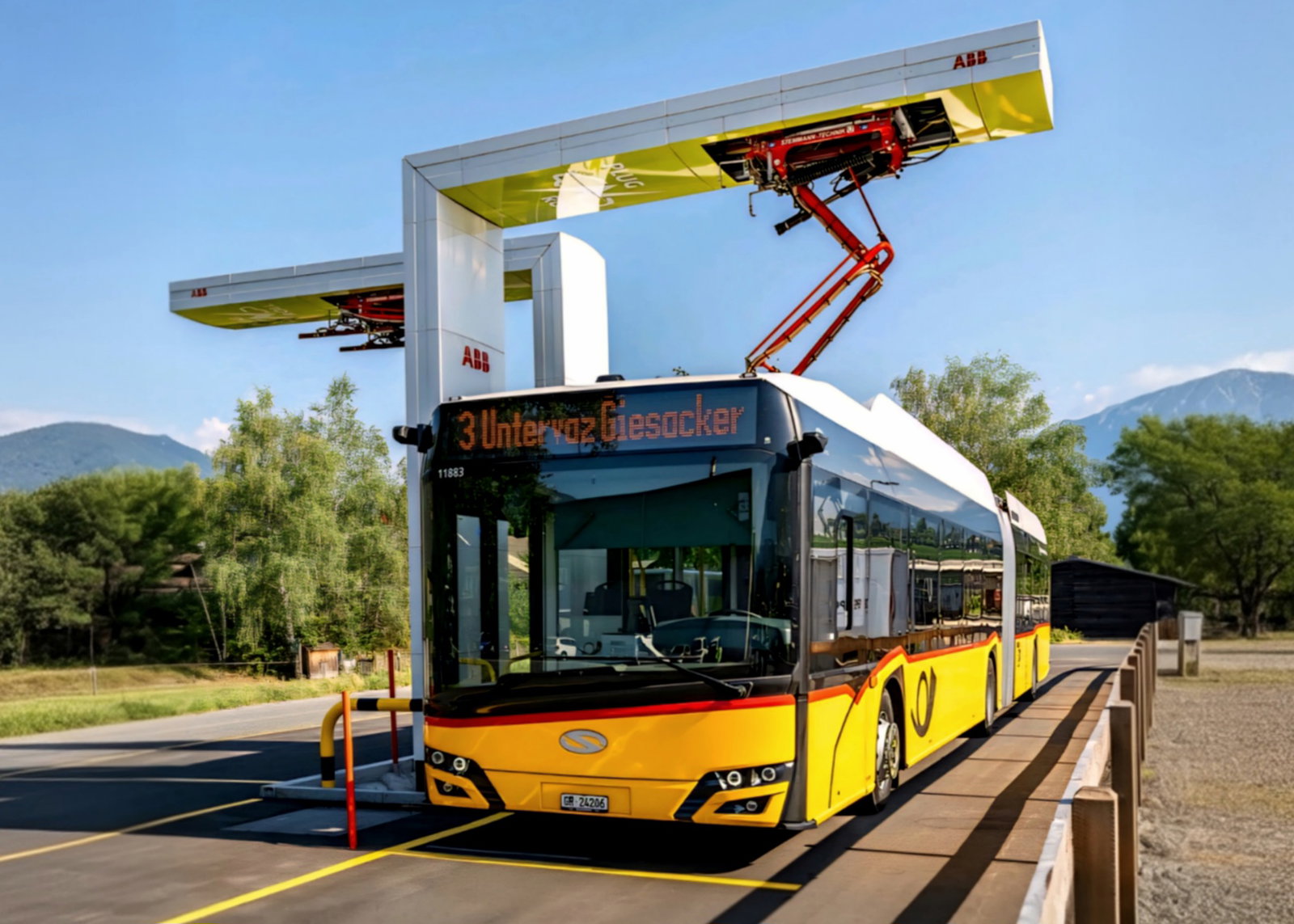
According to data provided to us by the company, PostAuto currently operates a fleet of around 2,390 vehicles, including 175 pure battery-electric buses and a single hydrogen-powered vehicle, while there are no plug-in hybrid buses in the fleet at all.
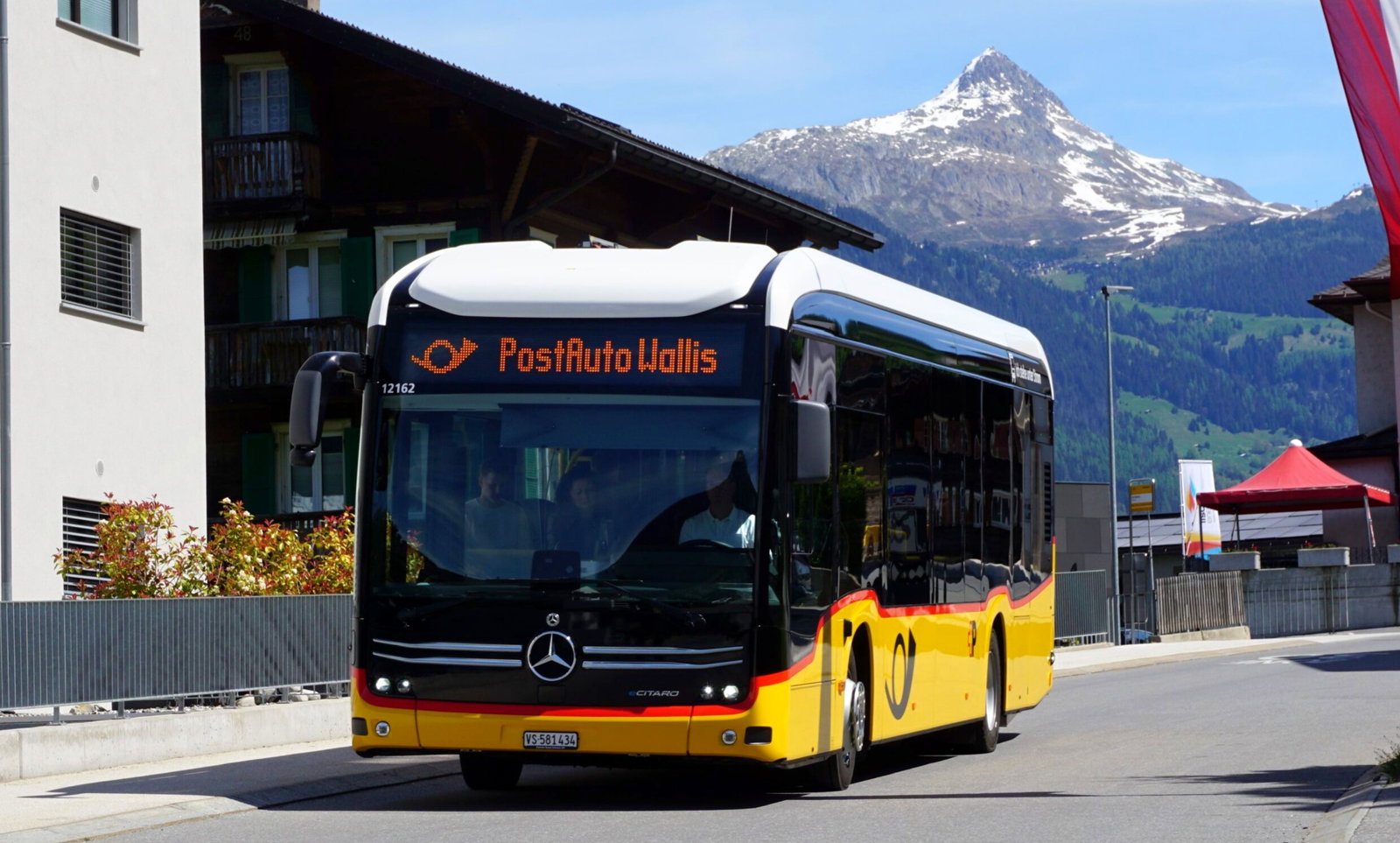
PostAuto’s long-term objective remains the conversion of the entire fleet to zero-emission operation, although a certain degree of caution is now evident in how the timetable is assessed. The company stressed that the full transition had previously been forecast for around 2035, but it now believes this deadline could be pushed back. The main reason is not technological, but financial: as a regional public service operator, the company provides its services on behalf of the Swiss cantons, which are also responsible for co-financing those services. The purchase of vehicles and the construction of the necessary charging infrastructure entail significant additional costs, so the pace of the transition depends to a large extent on the degree to which the cantons are willing to contribute to their financing. At the same time, the company confirmed that the goal of full decarbonisation remains unchanged, even if its timing may become more flexible under current circumstances.
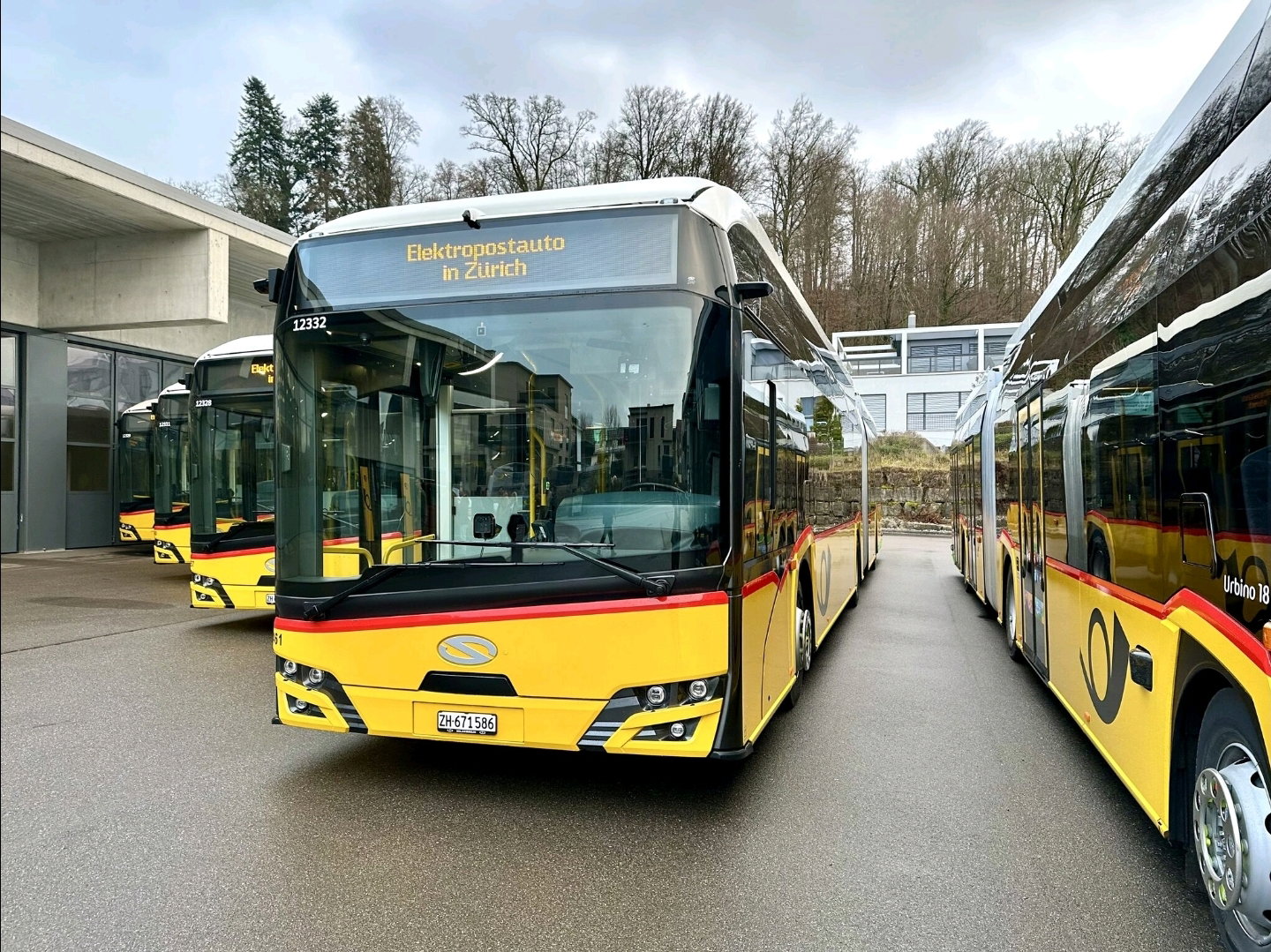
With regard to practical operating experience, PostAuto gave a fundamentally positive assessment of the suitability of battery-electric buses, even under Alpine conditions. The company has been operating electric buses for several years in areas with considerable differences in elevation, such as Saas-Fee and Flims, where the vehicles perform reliably not only in summer but also in winter conditions. In some cases, the specific characteristics of mountain operation can even prove advantageous: thanks to recuperation on downhill sections, the vehicles are able to feed energy back into the batteries, which has a favourable effect on range and energy consumption.
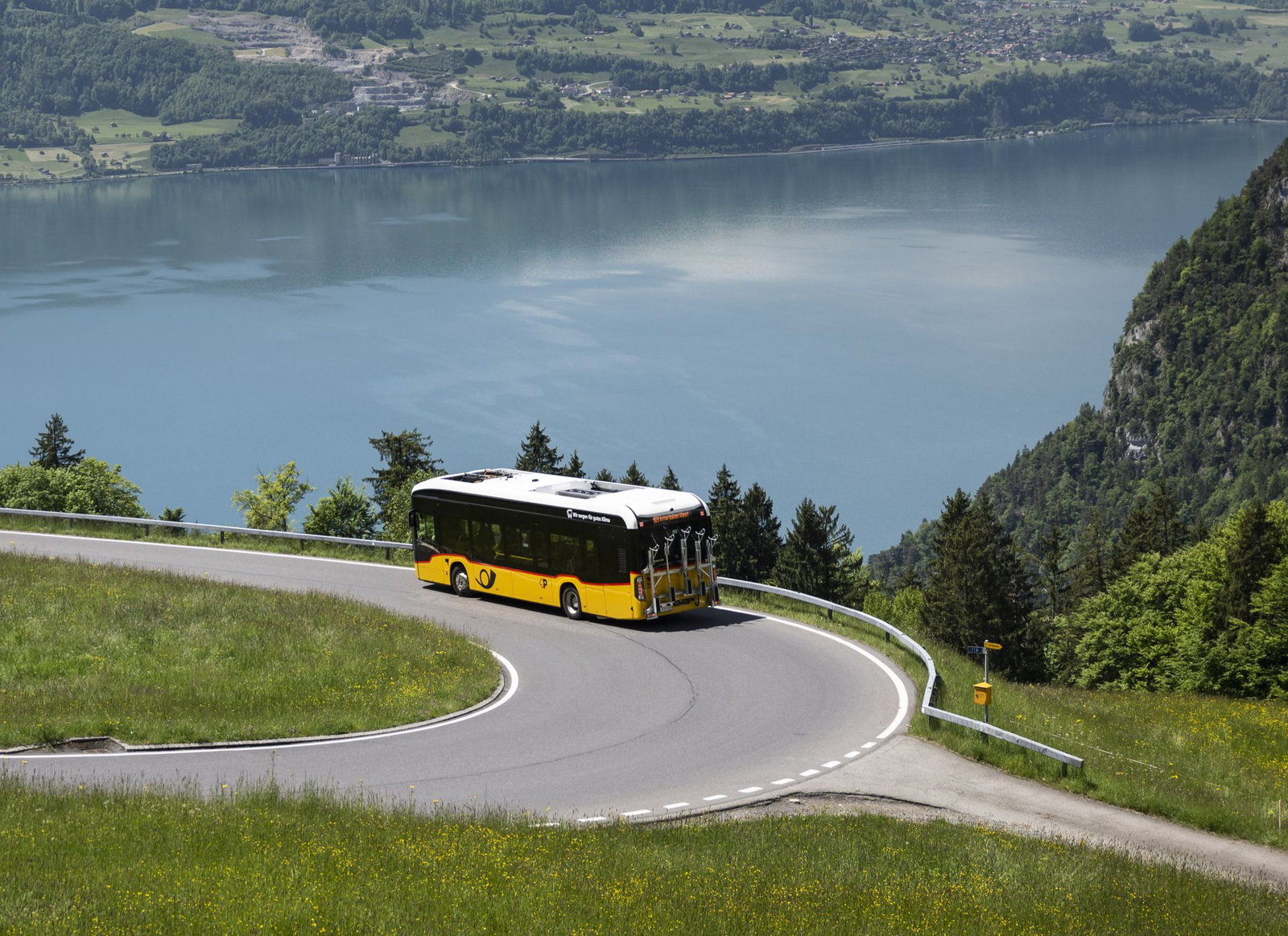
At the same time, the company emphasised that, with the current electric fleet numbering around 175 vehicles, this can no longer be described as a trial phase or an especially cautious introductory stage. In the early period, the range of suitable vehicle types was still limited, but by now the reliability of battery-electric buses has reached the level of diesel vehicles. Nevertheless, the pace of electrification is still not determined solely by technical factors: operations depend to a significant extent on public funding, meaning that some cantons are moving ahead with the transition faster, while others are proceeding more cautiously and at a slower pace.
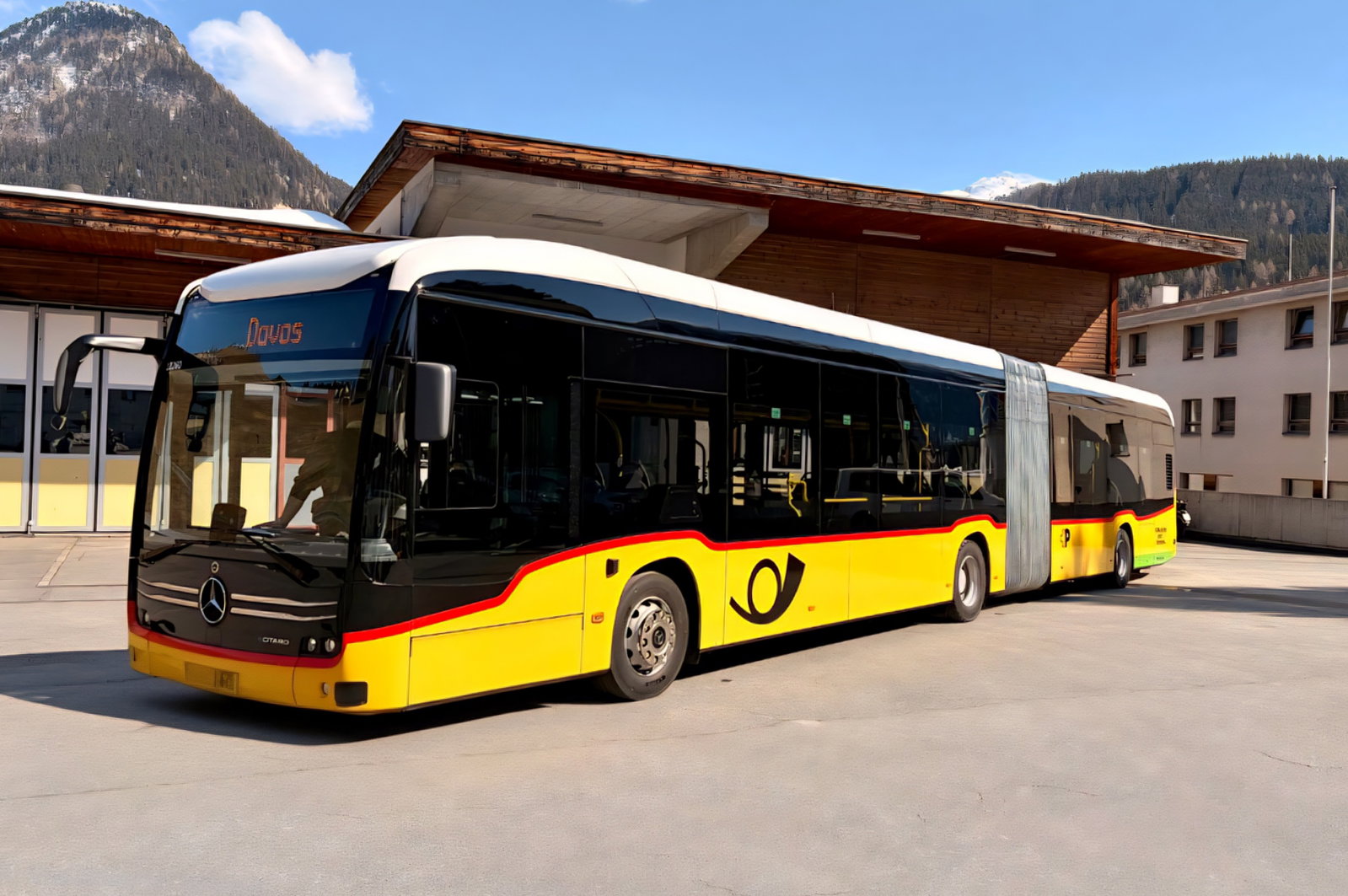
As far as alternative drivetrains are concerned, PostAuto is currently placing a clear emphasis on battery-electric technology. Hydrogen-powered buses are at present regarded as a viable solution only to a limited extent. Their economical operation requires a dense refuelling infrastructure and the availability of green hydrogen, neither of which is currently in place in Switzerland. In addition, the range of hydrogen buses on offer is more limited and their purchase cost is considerably higher than that of battery-electric vehicles, while their range does not provide a meaningful advantage in terms of operating requirements. This also steers procurement decisions towards battery-electric technology.
In terms of technology choices, PostAuto is currently building its electric fleet primarily around batteries with NMC chemistry, while stressing that it remains open to the use of other battery technologies in the longer term. Sustainability and ethical considerations linked to supply chains are playing an increasingly important role in procurement, particularly with regard to the problems surrounding cobalt extraction. The company pointed out that around half of the global cobalt market is supplied by the politically unstable Democratic Republic of the Congo, where a significant share of the raw material is still mined under questionable conditions; around one-third of Congolese cobalt comes from informal mining operations in which workers operate in extremely risky, often life-threatening conditions.
According to PostAuto, however, industry-level initiatives are already under way with the aim of improving working conditions, while high raw material prices are also pushing manufacturers to continuously reduce the cobalt content of batteries. The company expects that fully cobalt-free batteries may also appear in the coming years.
Accordingly, PostAuto also applies several criteria in its own procurement practice: in future it intends to further strengthen its efforts aimed at responsible raw-material sourcing; it expects its suppliers to have concepts in place for battery recycling so that as much lithium, nickel, manganese and other raw materials as possible can be recovered; and in vehicle procurement it gives preference to technologies that seek to reduce cobalt content. In addition, it continuously monitors developments in the battery industry and incorporates the experience gained in this way into future procurement decisions.
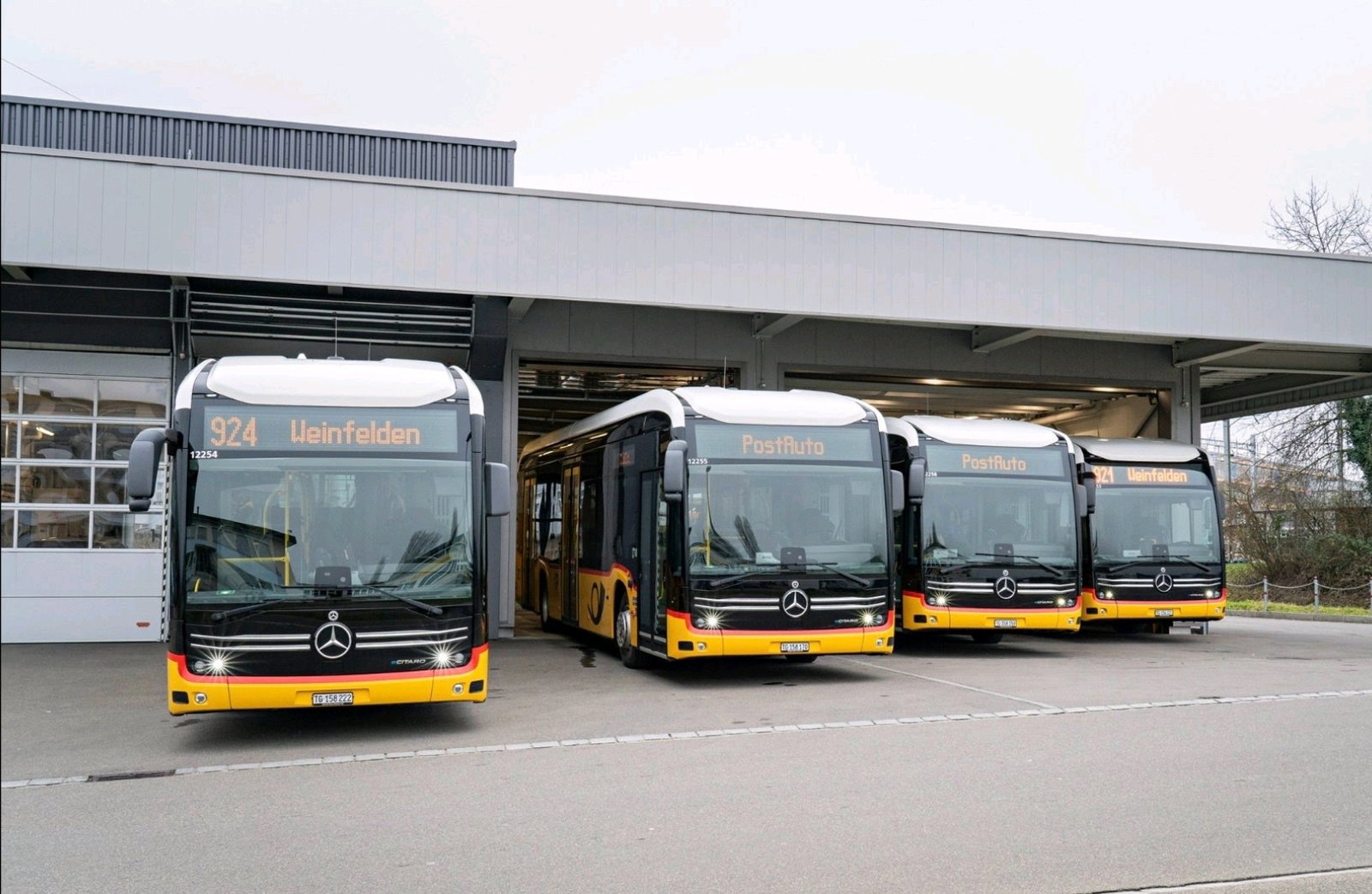
Regarding vehicle procurement practice, the company highlighted that large-scale fleet renewals are always carried out through public procurement procedures based on strict, predefined criteria. Purchase price is not the only factor in decision-making: at least as important are the operability of the vehicles over their full life cycle and the availability of a service and maintenance background.
In this context, the question also arises of how to assess the role of the global supplier base, particularly Chinese manufacturers, which have become increasingly prominent in the European electric bus market in recent years. According to PostAuto’s experience, these players currently face limitations primarily in the area of service support: their European presence and service networks are not yet always capable of meeting the requirements of large-scale public service operations, and as a result they have typically not made it onto the final shortlist of bidders so far.
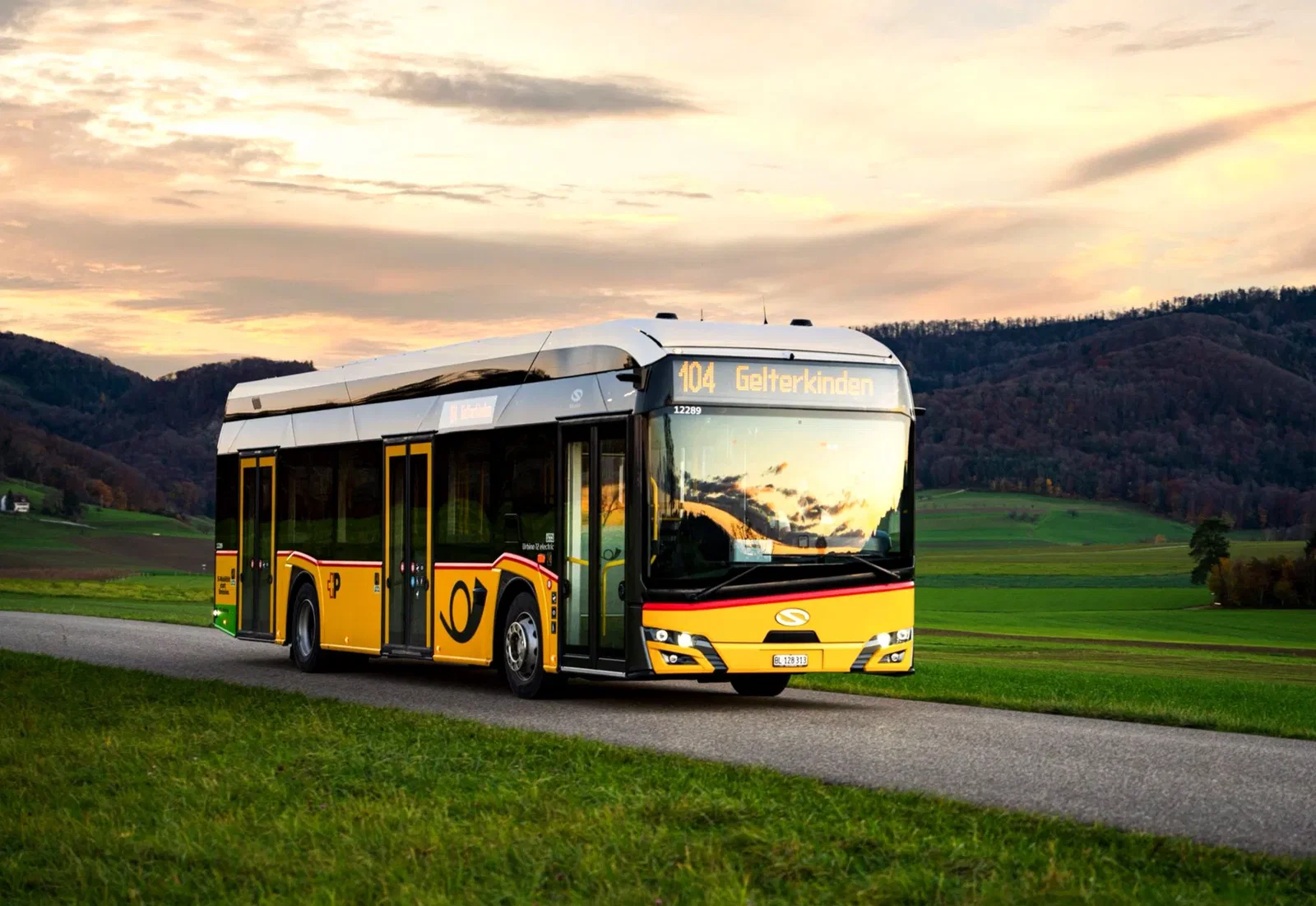
According to PostAuto’s plans, a further 116 pure battery-electric buses could enter service during 2026, bringing the number of electric buses close to 300 by the end of the year. The new vehicles will be deployed in the operating environments of more than a dozen Swiss towns and cities, giving the company the opportunity to gather further comparable operating experience under differing topographical, traffic and climatic conditions.
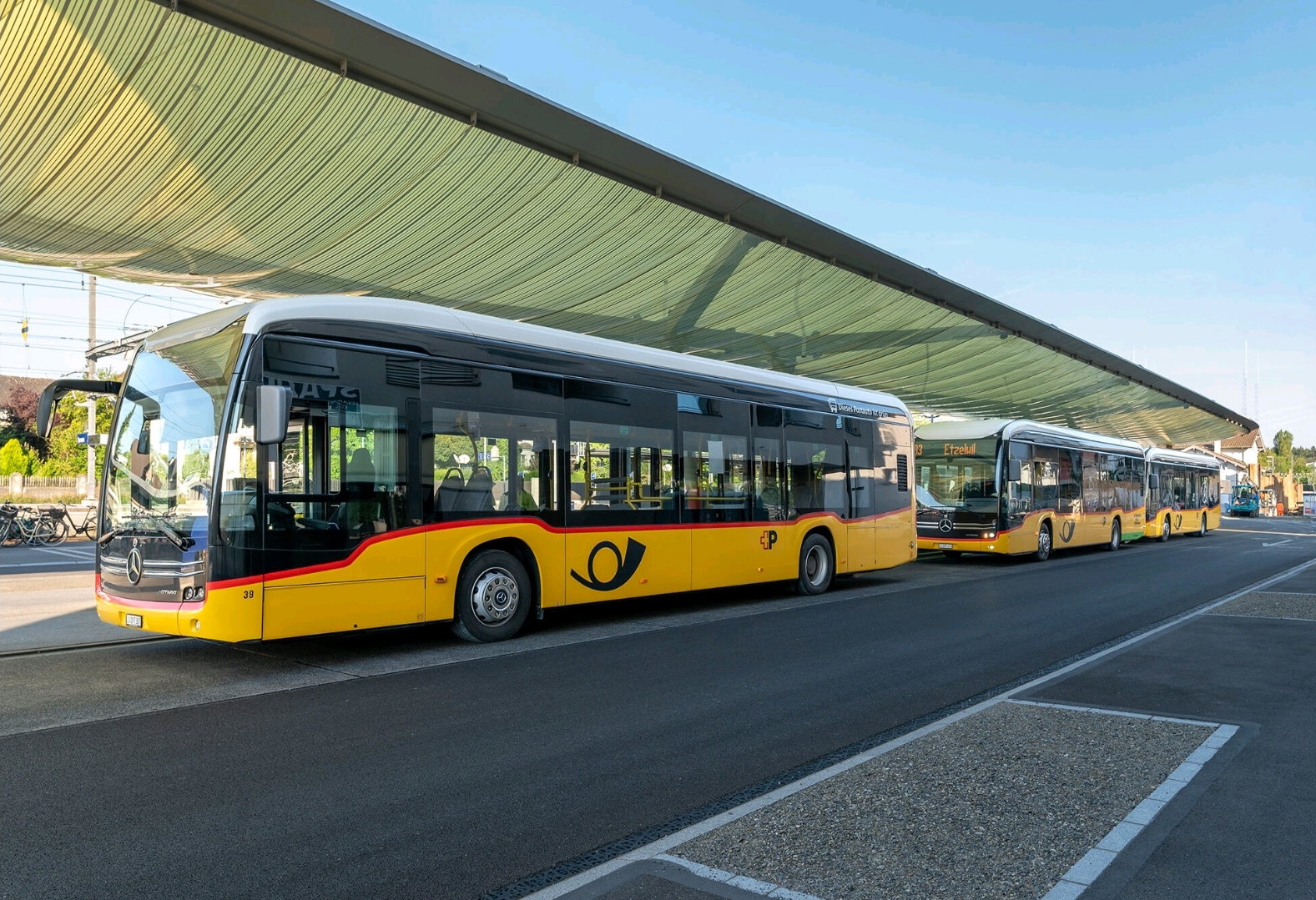
PostAuto’s considered, decentralised deployment model is intended to ensure that fleet expansion is scheduled not solely on the basis of vehicle numbers or political and social expectations, but primarily by taking account of real-world data on consumption, availability and maintenance. Accordingly, the introduction of electric buses is not being carried out as a campaign-style fleet conversion, but as a gradual process controlled from both technical and economic perspectives.