![Magyarbusz [Info]](/mbi/header-logo.png)
Too heavy, too long? – New EU size restrictions for zero-emission vehicles hit a roadblock
 Ludányi József
As European freight transport and bus services urgently strive to adapt to the European Union’s newly adopted climate regulations, the necessary modernization of the legislative framework is progressing more slowly than anticipated. The European Automobile Manufacturers’ Association (ACEA) – which includes members such as DAF Trucks, Daimler Truck AG, Ford Trucks, Iveco Group, MAN Truck & Bus, Scania, Volkswagen Commercial Vehicles, and Volvo Group – recently issued a sharp critique of member states for their inability to reach an agreement for months on the reform of the Weights & Dimensions directive, which regulates road vehicle weight and size limits.
The current EU regulatory system – primarily designed for diesel-powered vehicles – specifies the maximum gross weight, axle load, and length that a truck or bus can operate with on European roads. However, vehicles equipped with zero-emission drivetrains, such as battery or hydrogen fuel cell technology, are significantly heavier and differ in size from traditional models. Due to strict size and weight limits, these vehicles can currently carry fewer goods or passengers, thus operating under less favorable economic conditions.
The amendments proposed by the European Commission aim to offset this competitive disadvantage. The proposal suggests increasing the allowable gross weight for zero-emission vehicles by 2 tonnes, raising the current 40-tonne limit to 42 tonnes for alternative-powered trucks. Additionally, the upper limit for rear axle load would rise from 11.5 tonnes to 12.5 tonnes, considering the extra weight of batteries or hydrogen tanks. Regarding length, the regulation would allow zero-emission vehicles to be up to 90 centimeters longer, enabling a tractor-trailer combination to extend from 18.75 meters to a maximum of 19.65 meters.
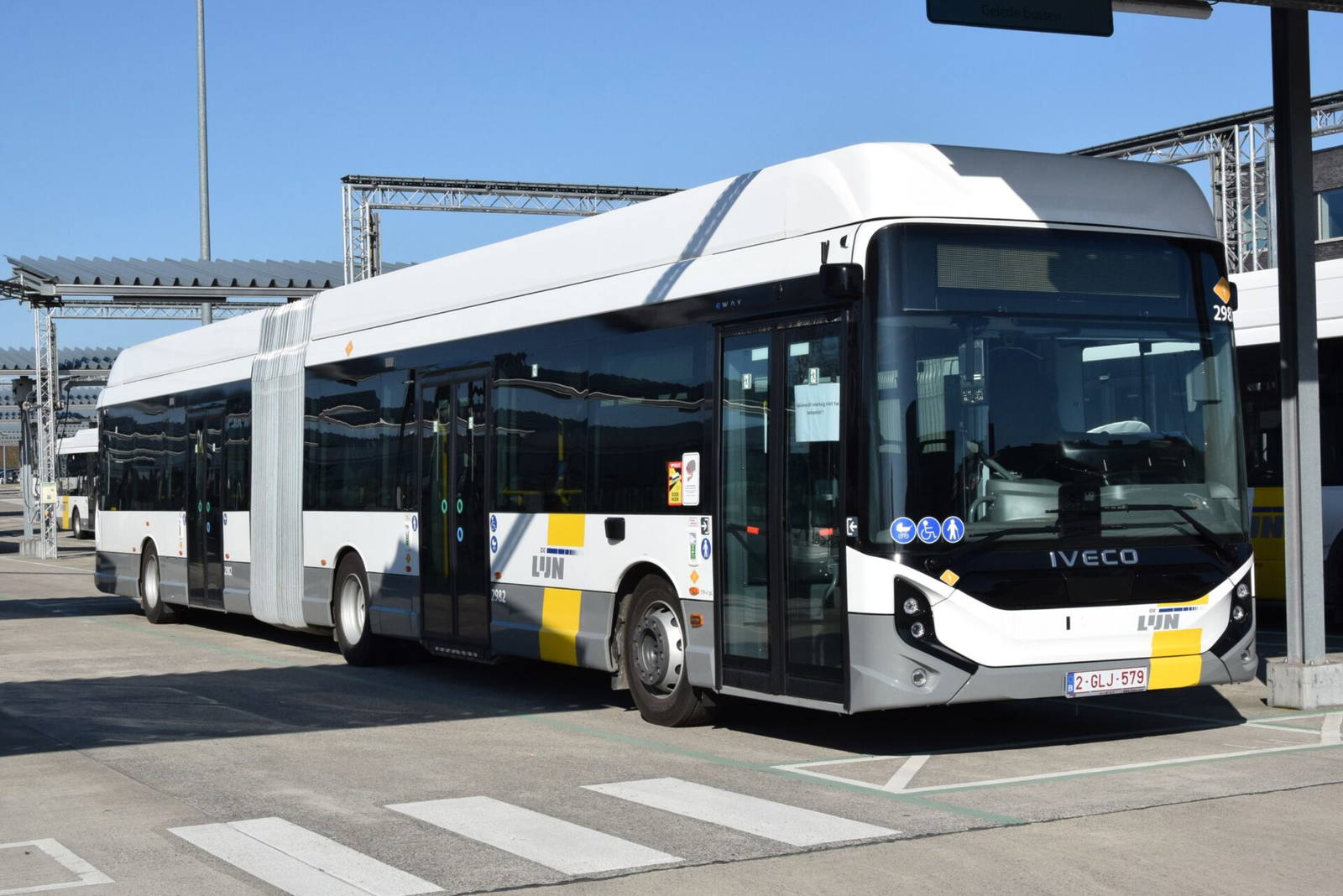
This easing of restrictions would also apply to long-distance and urban buses, where the permissible maximum vehicle weight could similarly increase by up to 2 tonnes. However, the longer designs would require a special approval process or national assessment, taking into account the space demands of different propulsion technologies.
While both the Commission and the European Parliament support the reform, a deadlock has emerged in the Council, which consists of member states. Some countries, such as the Netherlands and Sweden, approach the amendments with an industry-friendly and technology-supportive mindset, while others, including France and Austria, primarily express infrastructure and traffic safety concerns. Critics worry that heavier vehicles could accelerate road wear, and longer rigs might pose greater risks in urban environments. Additionally, there is fear that favoring road transport might reduce the shift of freight to rail, which many member states view as crucial for climate protection.
Due to political divisions, adoption of the directive is currently stalled, even though the new EU CO₂ emissions regulations adopted at the end of 2023 mandate that by 2030, at least one-third of newly registered heavy-duty vehicles must have zero-emission propulsion. According to ACEA, adapting the regulatory environment to new technologies is essential to meet this requirement; otherwise, demand for zero-emission vehicles might fall short, jeopardizing the EU’s climate goals.
Under the current EU regulations, two-axle solo buses can operate with a maximum gross weight of 19.5 tonnes. The weight limit for three-axle solo buses up to 15 meters long is 26 tonnes, while for three-axle articulated buses up to 18.75 meters long, the maximum permissible gross weight is 28 tonnes. For vehicles equipped with alternative drivetrains, such as electric or hydrogen systems, the existing regulations allow for an additional load of up to 2 tonnes if justified by the vehicle’s approval documentation. Consequently, a zero-emission three-axle solo bus can currently weigh up to 28 tonnes, and an articulated bus up to 30 tonnes.