![Magyarbusz [Info]](/mbi/header-logo.png)
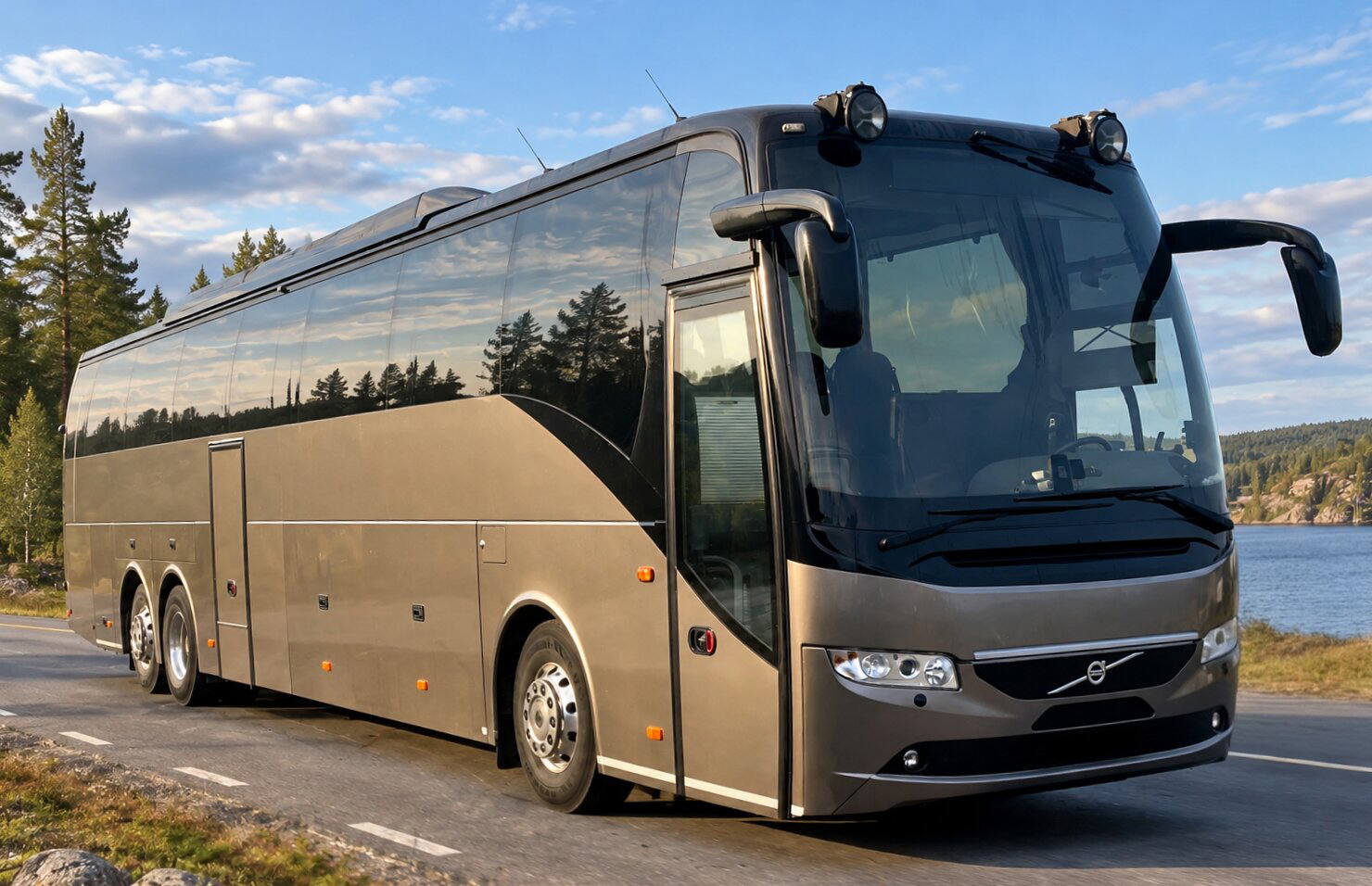
Volvo Buses and Carrus step up a gear: Volvo 9700 UpGrade production starts at another plant
 Ludányi József
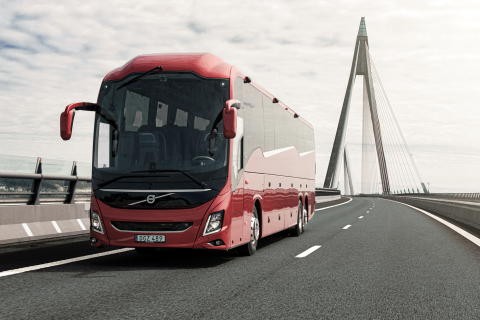
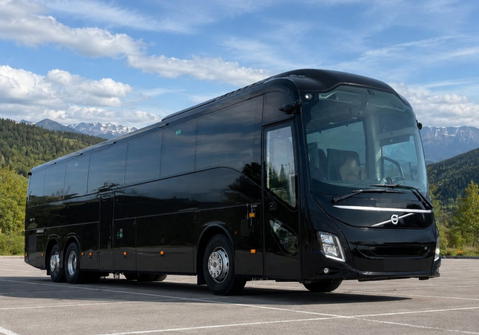
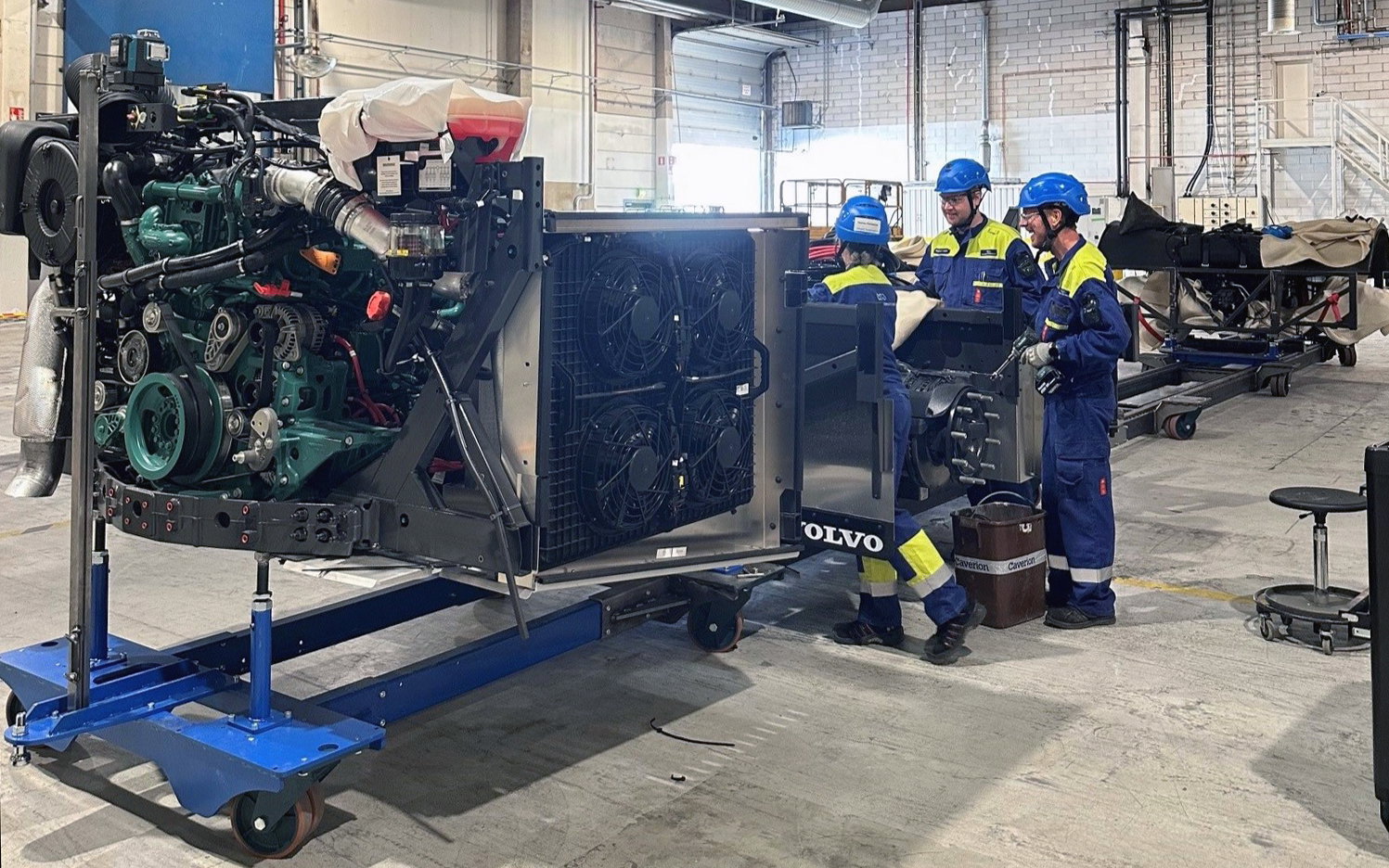
Series production of the Volvo 9700 UpGrade has begun at Valmet Automotive’s plant in Uusikaupunki, Finland. Production, launched in September, is the result of the long-term cooperation between Valmet Automotive and Carrus Delta announced in the spring, under which the Finnish contract manufacturer is joining the production of single-deck diesel and fully electric long-distance coaches for Volvo Buses. Above all, the move represents a capacity increase: due to rising demand, Volvo Buses and its long-standing Finnish partner Carrus Delta are bringing in a second production base with a much larger industrial background for the manufacture of the 9700 model family.
In the barely six months since the April announcement, the necessary technology transfer and production preparations have been completed. Series production began in early September in Uusikaupunki, where Valmet Automotive is responsible for body construction, painting and final assembly of the vehicles. The first completed buses could leave the plant before the end of 2026, while production volumes are set to increase gradually from early 2027. No specific unit figures have been disclosed for the time being, but the aim of the capacity expansion is clearly to meet growing demand more quickly.
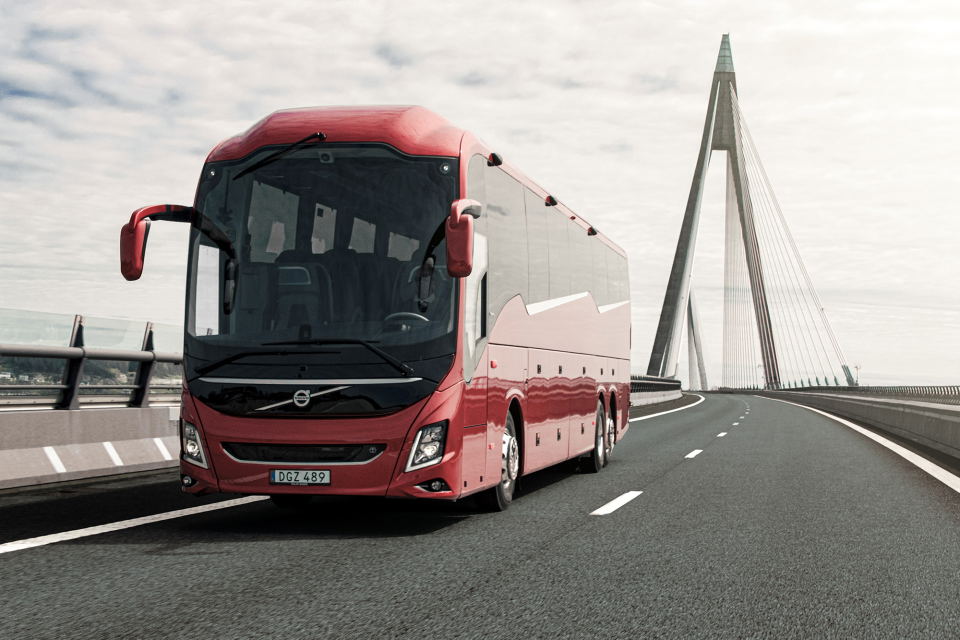
The newly launched Finnish production also clearly shows that Volvo Buses is reorganising and strengthening the manufacturing background of its long-distance and touring coach range from several directions at once, following the fundamental changes brought about by the closure of the Wrocław plant in Poland in 2024. At the same time, it is not the latest, third-generation Volvo 9700 that is being built in Uusikaupunki. Volvo originally intended to arrange European production of the successor to the type previously manufactured in Wrocław with the involvement of Spain’s Sunsundegui, but the programme ultimately failed because of the Spanish bodybuilder’s financial difficulties and a technology transfer that proved far more complex and costly than expected. The programme was then moved to Mexico, where the new, third-generation 9700 design itself was also created. This is an important distinction, because the second-generation 9700 still being produced in Finland and the new third-generation model are two different designs. Series production of the latter will start at Volvo’s plant in Tultitlán, Mexico, and the first units specifically intended for the European market are expected to arrive before the end of 2026.
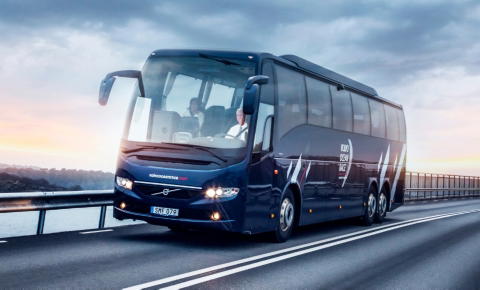
In parallel with this, the upgraded UpGrade version of the previous, second generation of the 9700, introduced in 2013, will remain in production in Finland. The design is built by Carrus Delta under Volvo licence and is sold primarily in Northern European markets. However, the Lieto-based company’s capacities have proved increasingly tight in recent years, so the production base is being expanded first with the involvement of Kiitokori, and now with Valmet Automotive joining as a contract manufacturer.
The Uusikaupunki programme, however, is no longer solely about the diesel 9700s. The agreement also covers fully electric single-deck coaches, meaning that electric long-distance coaches derived from the 9700 design and built on Volvo’s BZR Electric driveable chassis may also be produced here.
The capacity expansion is also noteworthy because Volvo Buses’ coach offering is meanwhile growing from another direction as well. Based on the Swedish manufacturer’s B13R chassis, Marcopolo is also bringing the Paradiso G8 1200 to the European market, with the series-production-ready version unveiled in September at the FIAA trade fair in Madrid. As a result, within a short period of time the European launch of the new Mexico-built Volvo 9700 is ramping up, production capacity for the earlier 9700s built in Finland is expanding, production of the electric version is getting under way, and the Volvo-chassis-based Marcopolo is also entering the European touring coach market.
For Valmet Automotive, bus manufacturing also represents a new business area. Founded in 1968, the Uusikaupunki plant has gained experience over recent decades in the contract manufacture of passenger cars for brands including Saab, Porsche and Mercedes-Benz. Under the strategy adopted by the company in 2025, it now intends to apply this industrial background beyond the automotive industry as well as in new areas of vehicle manufacturing. The newly launched series production of Volvo buses is one of the first tangible results of this transformation.