![Magyarbusz [Info]](/mbi/header-logo.png)
Volvo 9700 production resumes, European exports could start at the end of the year
 Ludányi József
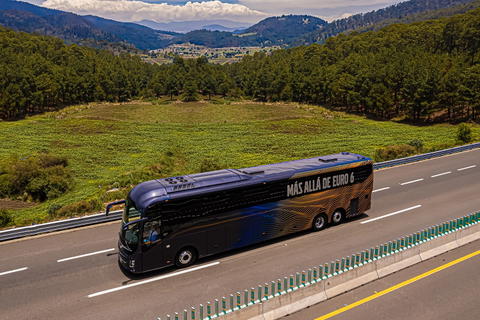
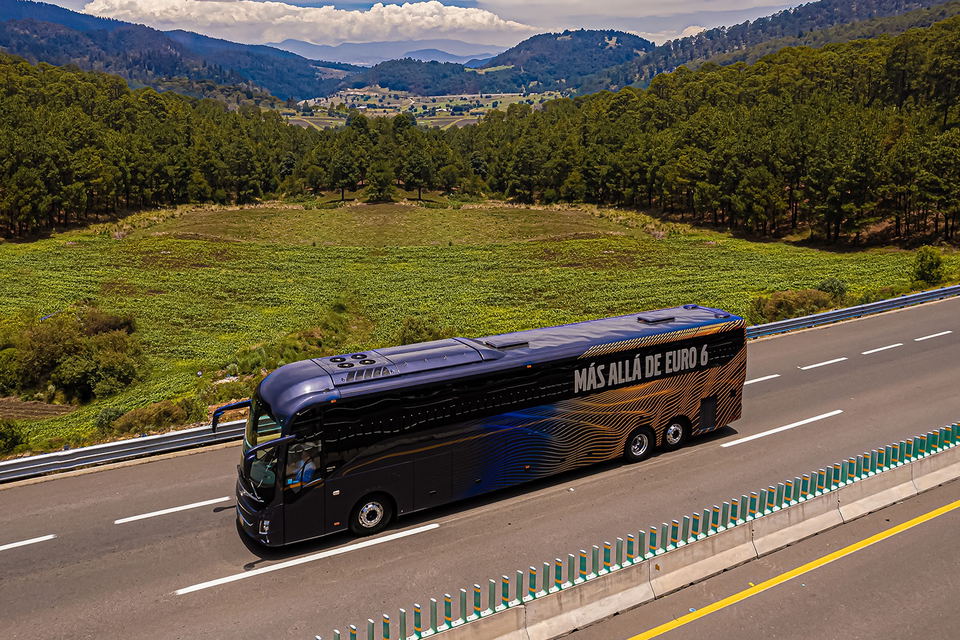
After a break of more than two years, series production of the Volvo 9700 coach has resumed, although this time a completely new chapter is beginning in the model’s history: Volvo Buses has moved production of the model, previously built in Europe, across the Atlantic to the company’s plant in Mexico. The Swedish manufacturer also confirmed the actual start of production in response to an enquiry from our portal. With this, following the shutdown of its own European body manufacturing and the collapse of the planned cooperation with Spain’s Sunsundegui to continue production of the 9700/9900 model family, Volvo has taken an important step towards strengthening its presence once again in the European intercity and coach market.
According to Volvo Buses, plans for the European launch of the Mexican-built 9700 are progressing in line with the original schedule, and production of the first buses has already begun. According to information obtained by our portal, two prototypes have now been completed, and their target markets are already known: one vehicle will go to Italy, the other to France. Volvo initially plans to market the 9700, built in Tultitlán, Mexico, in a total of five European countries. We will soon have the chance to see the result of the company’s new production programme up close ourselves: at the invitation of Volvo Buses, we will visit Gothenburg in early October, where the manufacturer will present one of the overseas-built 9700s at its event on 2 October.
The choice of the Mexican production base – as we have written before – is by no means accidental. Series production of the Volvo 9700 has essentially been moved to the place from which the roots of the current design originate: from a technical and structural point of view, the model introduced in 2018 is closely related to the Volvo 9800 developed specifically for the Mexican market. A new generation of the latter has since been unveiled, and the production line for intercity buses and coaches at the Tultitlán plant has already been prepared for its series production as well, primarily serving the local market. This means the new 9800 for the Mexican market and the 9700 series exported to Europe can be built side by side at the same production site.
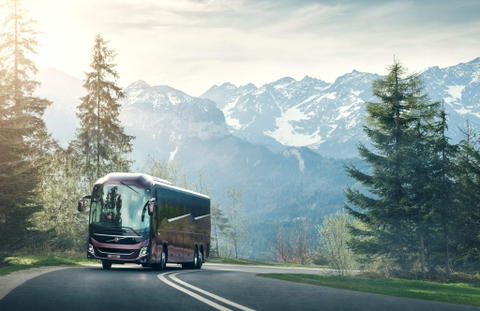
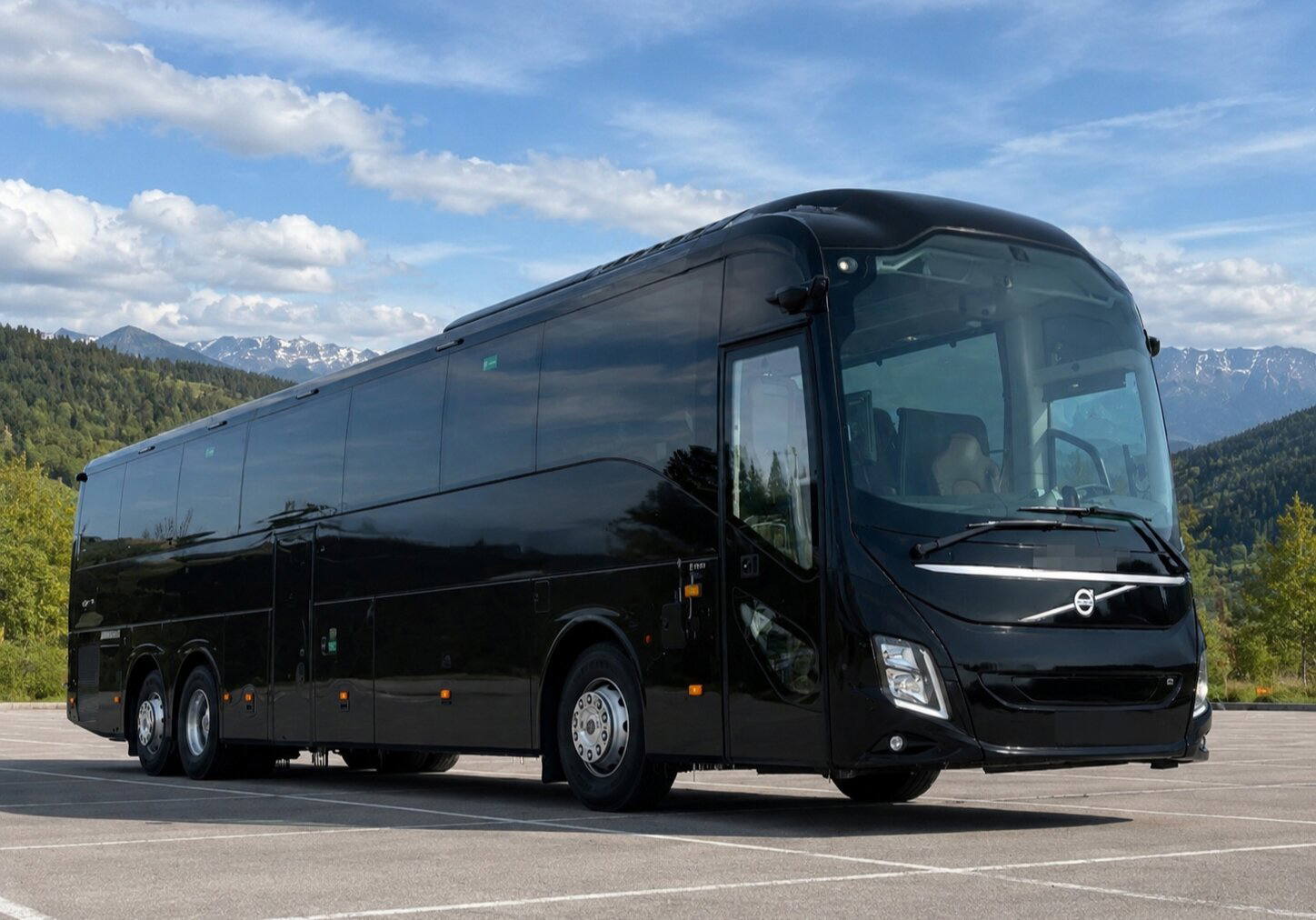
The Volvo 9700 intended for Europe, however, will not yet adopt the styling of the new 9800 generation. In response to an earlier enquiry from our portal, Volvo Buses said the model’s exterior design will remain largely unchanged, meaning that the units built in Mexico will continue to follow the European design language familiar since 2018. From this perspective, the relocation of production has not required fundamental design changes either, as Tultitlán relies largely on the same suppliers and components that were previously involved in European production. Under the new production structure, Volvo will initially make the 9700 available on the European market in four basic variants, meaning that, as a first step, it is not seeking to restore the full previous model range. The focus will be on the versions expected to attract the highest demand, with the line-up potentially expanded later depending on market requirements.
Volvo plans to begin exporting the Mexican-built 9700s to Europe by the end of this year. The ramp-up will be modest at first: around 30 buses are expected to arrive in Europe in the first year, after which production could gradually be increased to around 200 units per year. The programme’s primary target markets will be Italy, France, the United Kingdom and the Scandinavian countries – in other words, largely those markets where Volvo has traditionally held strong positions in the intercity and coach segment. With the ramp-up of production in Tultitlán, brand-new examples of the 9700 may therefore gradually return to European roads after a hiatus of more than two years.
The cover image is an illustration.