![Magyarbusz [Info]](/mbi/header-logo.png)
From the Finnish Carrus workshop to the Mexican production line – the story of the European version of the Volvo 9700
 Ludányi József
Series production of the current generation of the Volvo 9700 family will resume in the final quarter of 2026 – surprisingly, not in Europe, but at the plant in Tultitlán, Mexico, specifically tailored to the needs of the European market. The reintroduction of the model marks a new chapter in a development and production process spanning several decades, whose foundations can be traced back to the activities of Finland’s Carrus Oy AB. Carrus was formed through the merger of three Finnish companies known as independent bodybuilders – Ajokki Oy, Delta Oy and Wiima Oy – which for a long time built bodies on Volvo and Scania chassis, primarily for the Finnish and Swedish markets. By the 1990s, Carrus had become a major player in Scandinavian bus manufacturing, partly thanks to its close cooperation with Volvo Bus Corporation. The first generation of the Volvo 9700 did not appear as a standalone development, but as the continuation of a bodybuilding tradition based on the Carrus school of engineering. But how did series production of the 9700 end up overseas – and what long road has this model, now with almost a quarter of a century behind it, travelled so far? Below we review the main milestones in the history of the 9700: its journey from its Finnish beginnings to Mexican production, spanning several continents, design languages and production systems.
The previously purely bodybuilding-based cooperation between Carrus and Volvo moved to a new level in 1998, when Volvo Bus Corporation acquired a majority stake in the Finnish company. Through the acquisition, Volvo gained not only production capacity, but also access to a base of engineering and manufacturing expertise founded on decades of experience in developing and producing vehicles optimised specifically for the particular requirements of the Scandinavian market – including winter operation and long service life. Over the past five decades, Volvo has also expanded its global presence by acquiring several long-established independent bodybuilders, including Sweden’s Säffle Karosseri AB in 1981, as well as Germany’s Drögmöller and Denmark’s Aabenraa Karrosseri in 1994. The birth of the Volvo 9700 family, however, was primarily the result of Carrus’s legacy and the close partnership established with it.
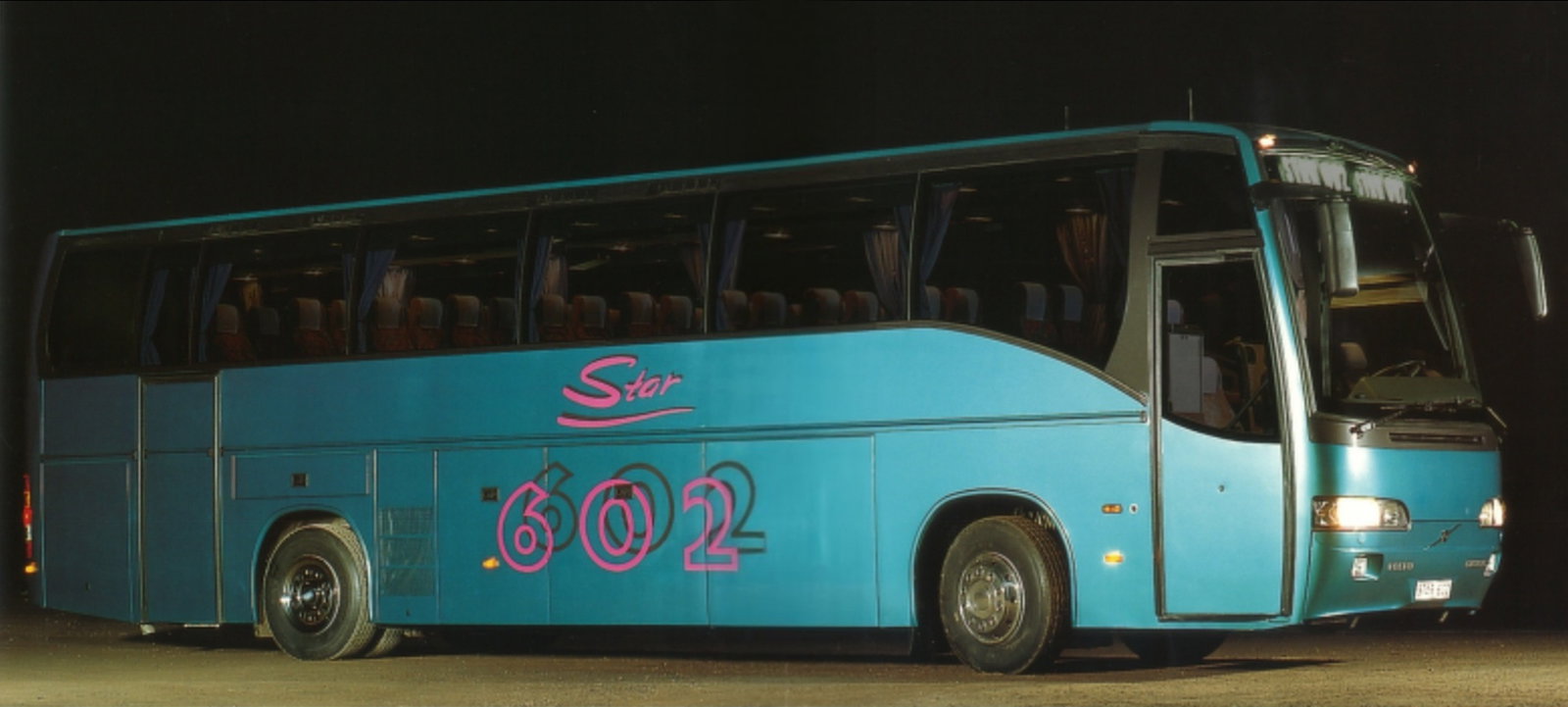
After the acquisition, the Finnish company retained its independent name until 2004, after which it continued operating as Volvo Bus Finland Oy. Following the change of ownership, production continued at the Finnish sites – mainly in Lieto, Tampere and Turku. As part of the strategic cooperation, development began on a modern coach design that eventually debuted in 2001 under the name Volvo 9700, and can be regarded as the direct technical successor to the modular Star, Vector and Regal models previously produced by Carrus.
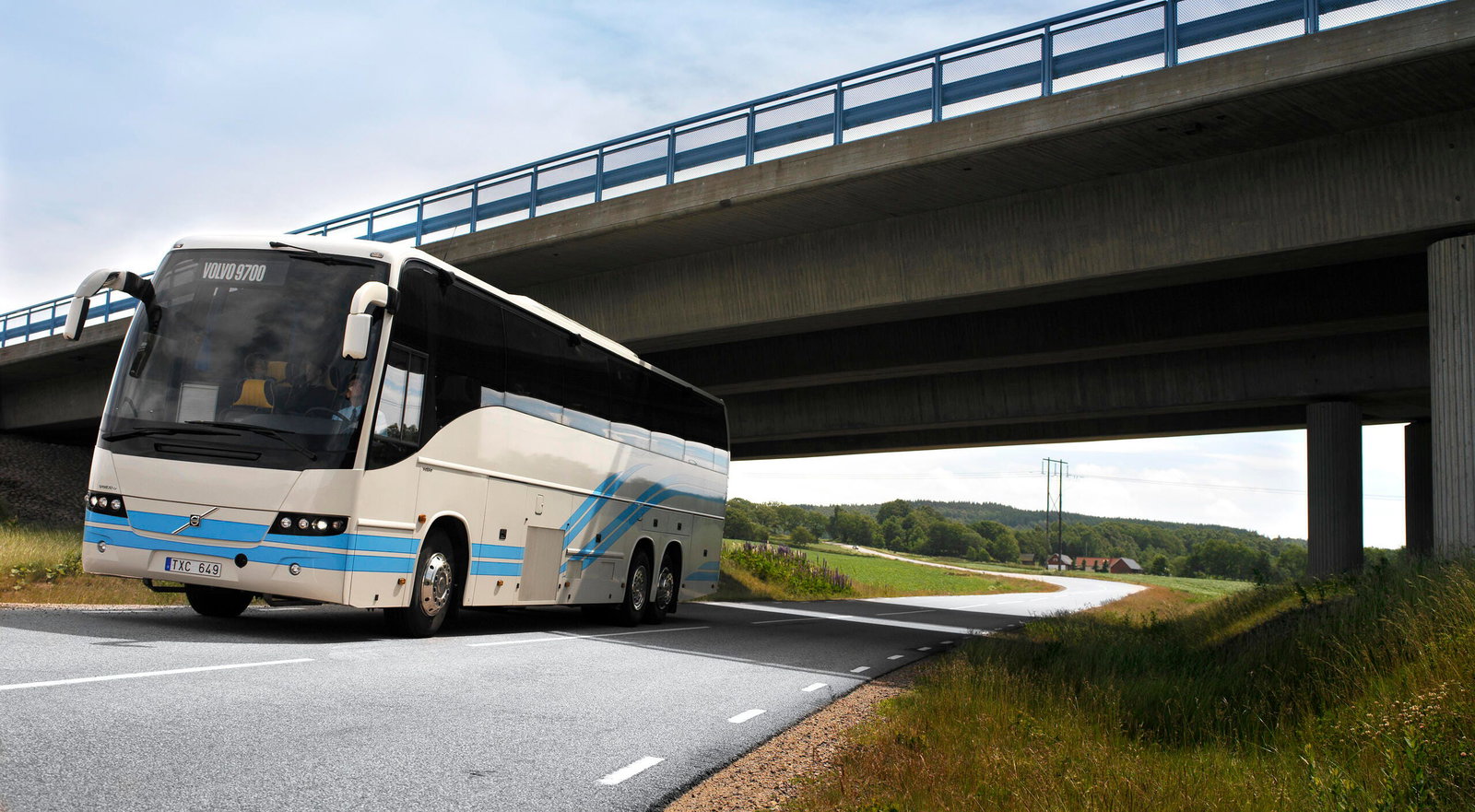
Preparations for the development of the Volvo 9700 had already begun in the late 1990s, building on the professional background of the Finnish production base that was still operating under the Carrus name at the time. The aim was to create a unified, modular long-distance coach family that would replace the role of earlier predecessor models with differing model designations, such as the Carrus Star, Regal and Vector. These models were typically built on Volvo B10M and later B12B chassis, in several length variants and with different front and rear-end designs. The segmented range and the variety of body versions still suited customer requirements well at the time, but by the early 2000s Volvo saw the way forward in introducing a standardised design under its own brand name. The result was the Volvo 9700, which was still based on the body concept developed by Carrus engineers, but entered the market under the Volvo brand as the manufacturer’s own model.
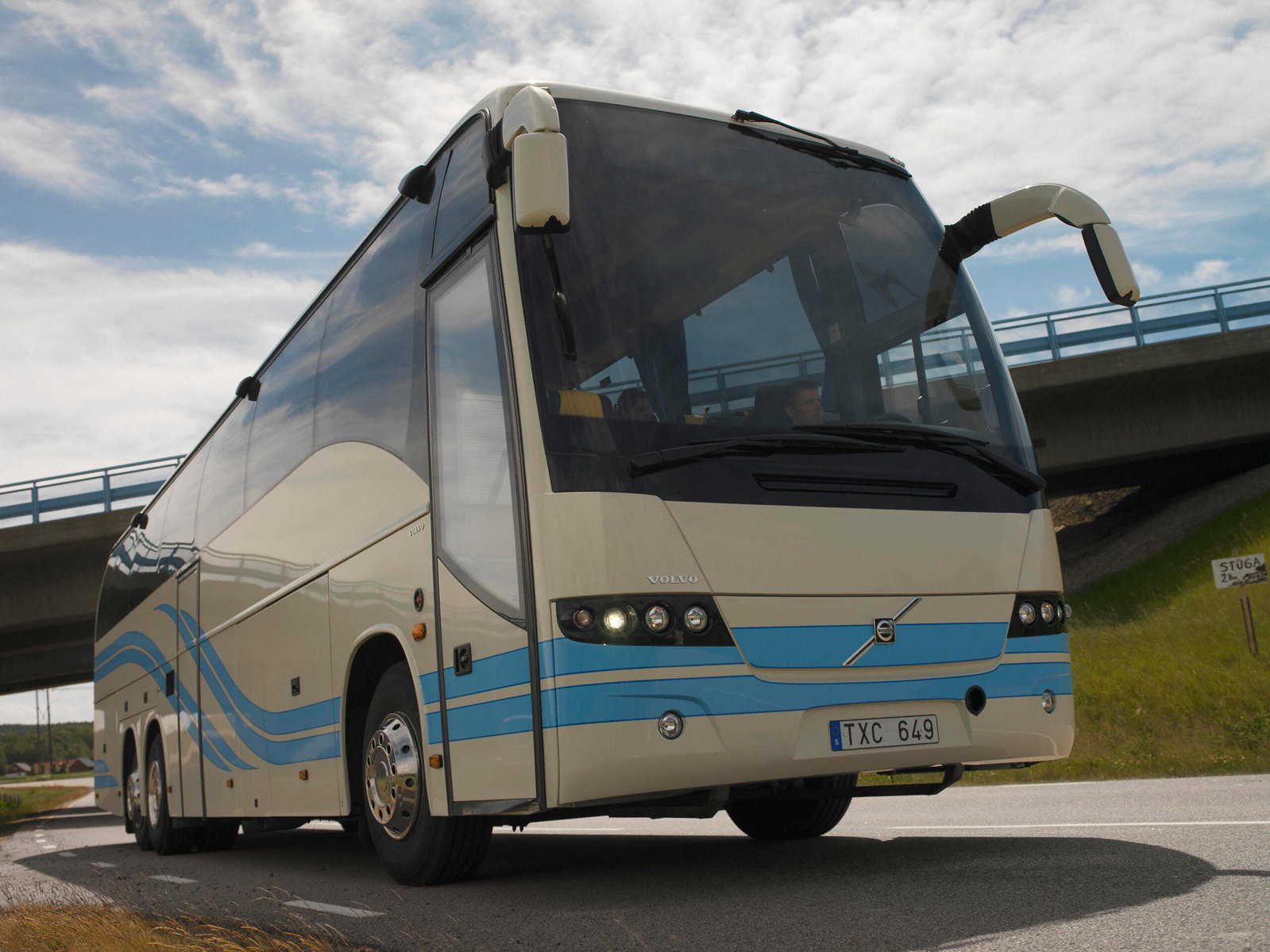
In parallel with the introduction of the model, production of the predecessor models was gradually discontinued, while Volvo sought to establish a unified image for its long-distance range with the 9700. The design was based on the rear-engined Volvo B12B chassis, but it was also available in a mid-engined version, built on the B12M chassis – primarily as a configuration intended for regional service. In all versions, the body followed Carrus’s proven manufacturing traditions: the front and rear-end geometry, window layout and frame structure all bore the hallmarks of the earlier Finnish school of design.
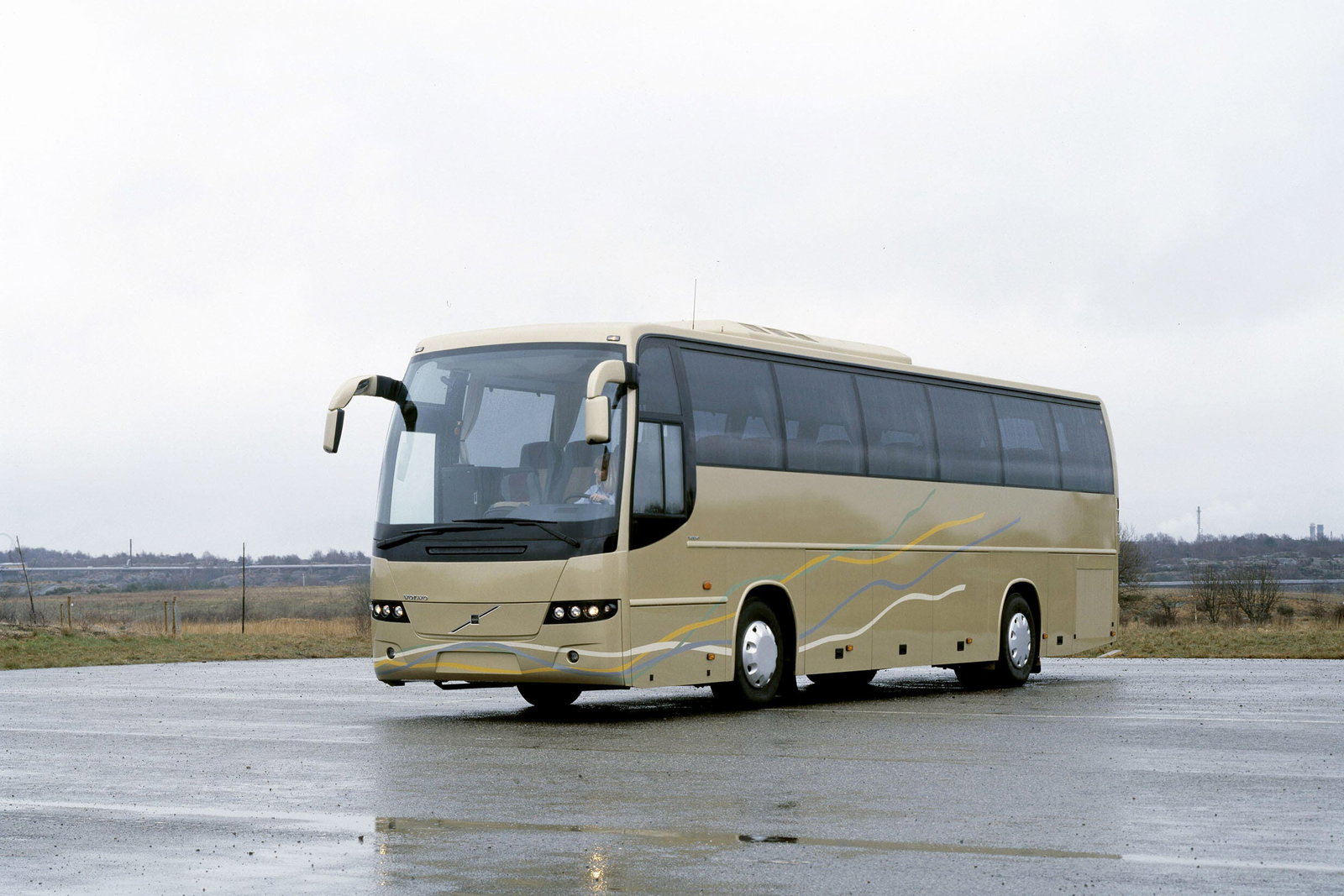
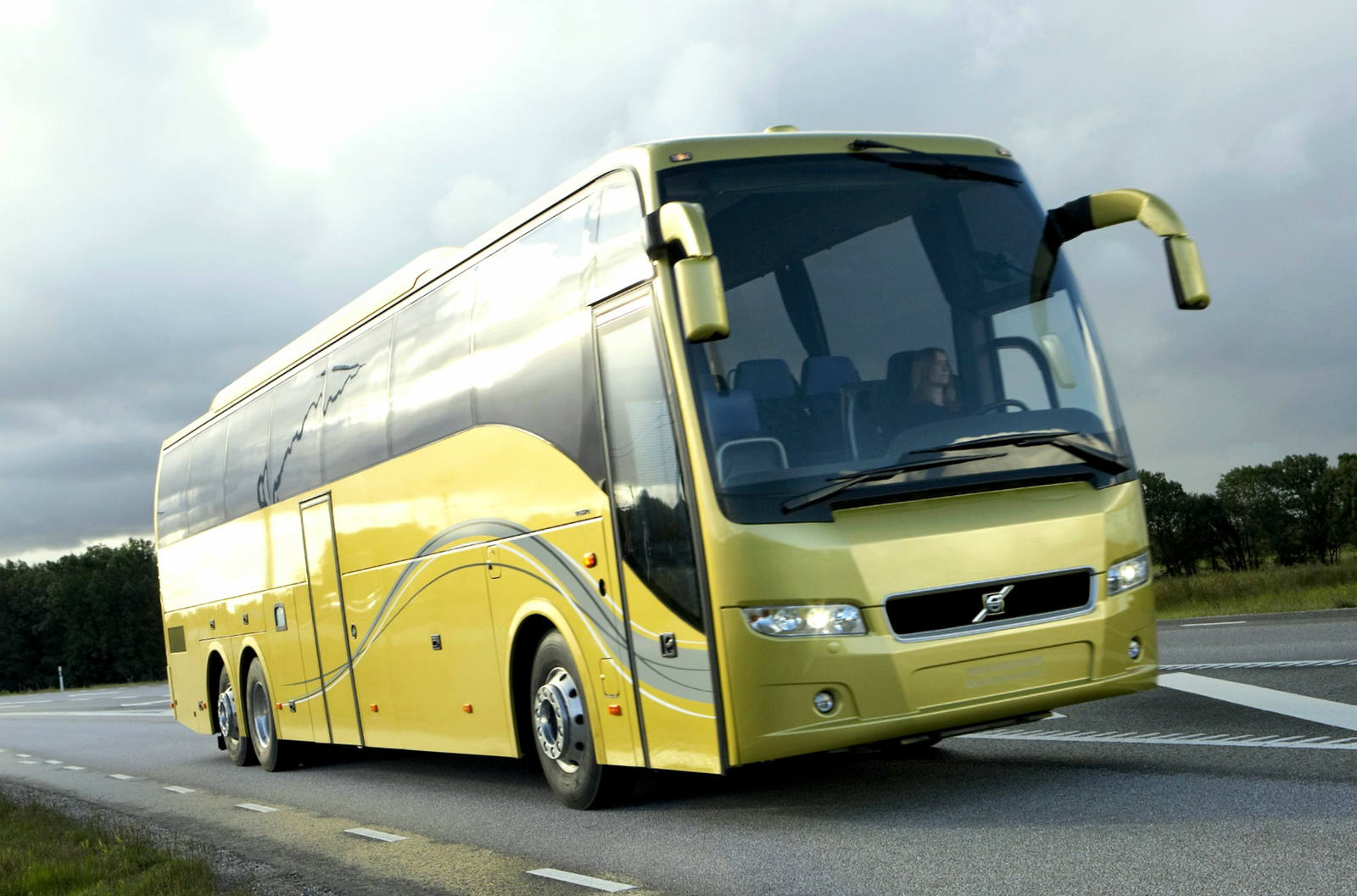
The first generation of the Volvo 9700 family was based on the manufacturer’s so-called TX platform, which meant a stainless-steel lattice structure, an integral body, and a design guaranteeing rollover safety in accordance with the UNECE R66 standard. With its low maintenance requirements, high corrosion resistance and modular structure, the design met the expectations placed on premium long-distance coaches. The central element of the driveline was Volvo’s DH12, a 12-litre inline six-cylinder diesel engine, available with power outputs of 340, 380 or 420 horsepower and torque ratings between 1200 and 2000 Nm. At launch, the engines complied with the Euro 3 emissions standard and could also be ordered optionally with a particulate filter and oxidation catalyst. The range initially also included mid-engined layouts; these versions were built in lengths between 10.3 and 15 metres, primarily to serve interurban and regional traffic. Over the model’s later career, however, these gradually moved into the background, and the focus of production shifted to rear-engined configurations between 12.2 and 13.8 metres in length.
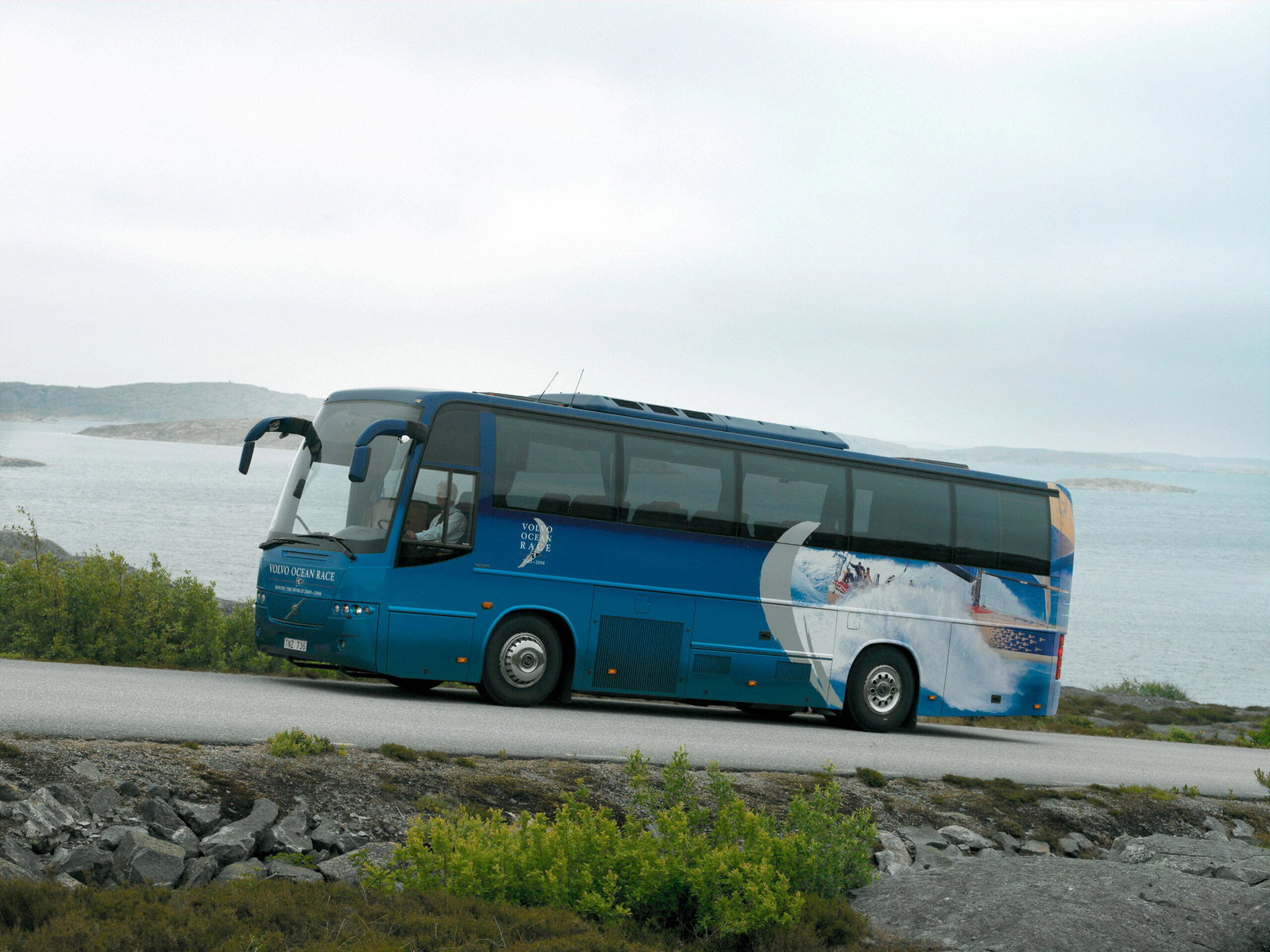
In terms of transmissions, several solutions were available for the Volvo 9700: alongside manual ZF and Volvo (EGS-VR) gearboxes, the automated I-Shift system was offered, as well as a fully automatic transmission, each supplemented by an integrated retarder. The vehicles were equipped throughout with electronically controlled air suspension and independent front suspension, which significantly improved ride comfort and handling. Safety equipment was also considered modern: EBS electronic braking was part of the standard equipment, while ESP stability control, hill-hold assist and an engine-integrated engine brake system were available as options. Three-axle versions were built with an actively steered tag axle, improving manoeuvrability even in tight turns.
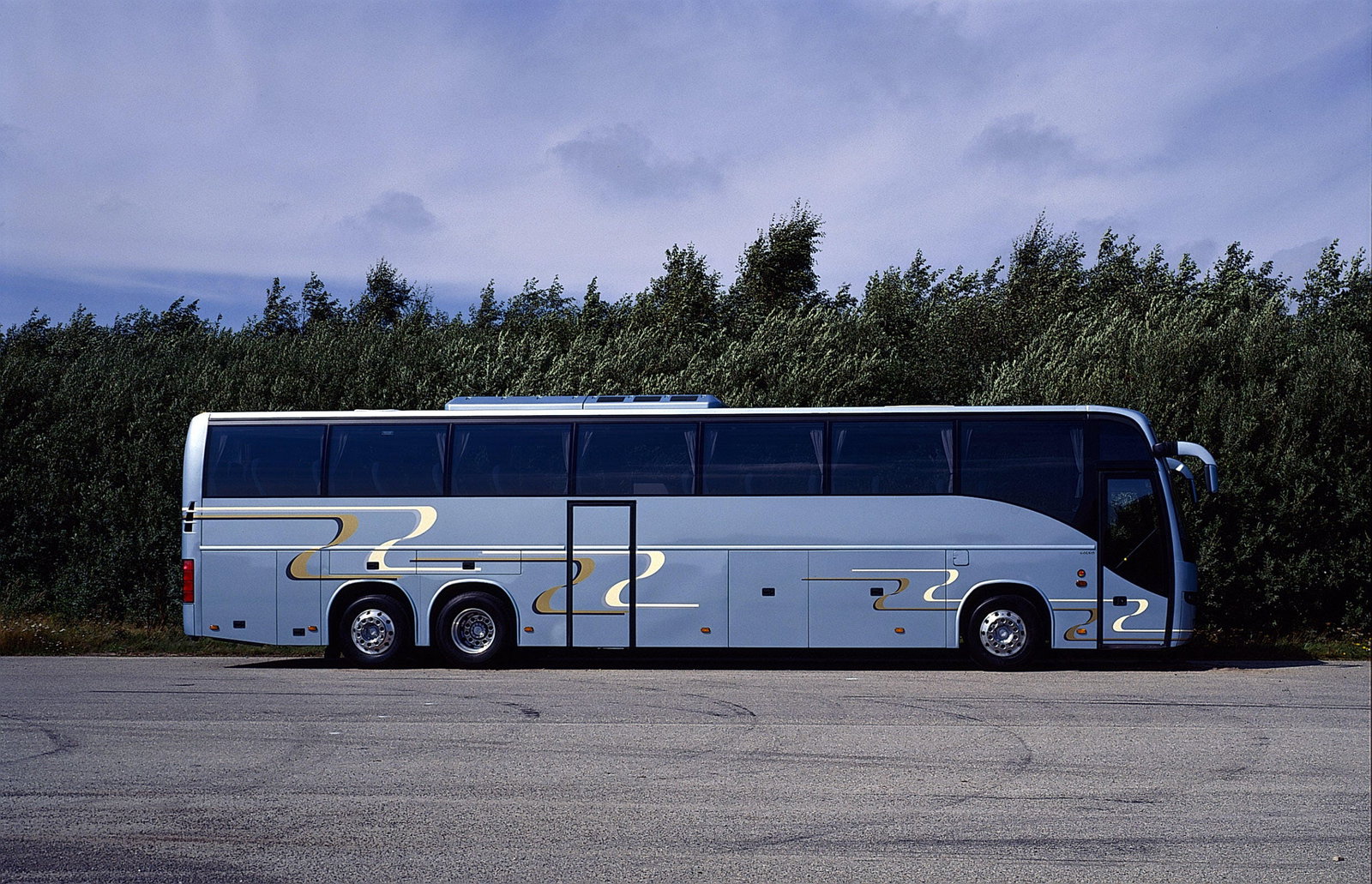
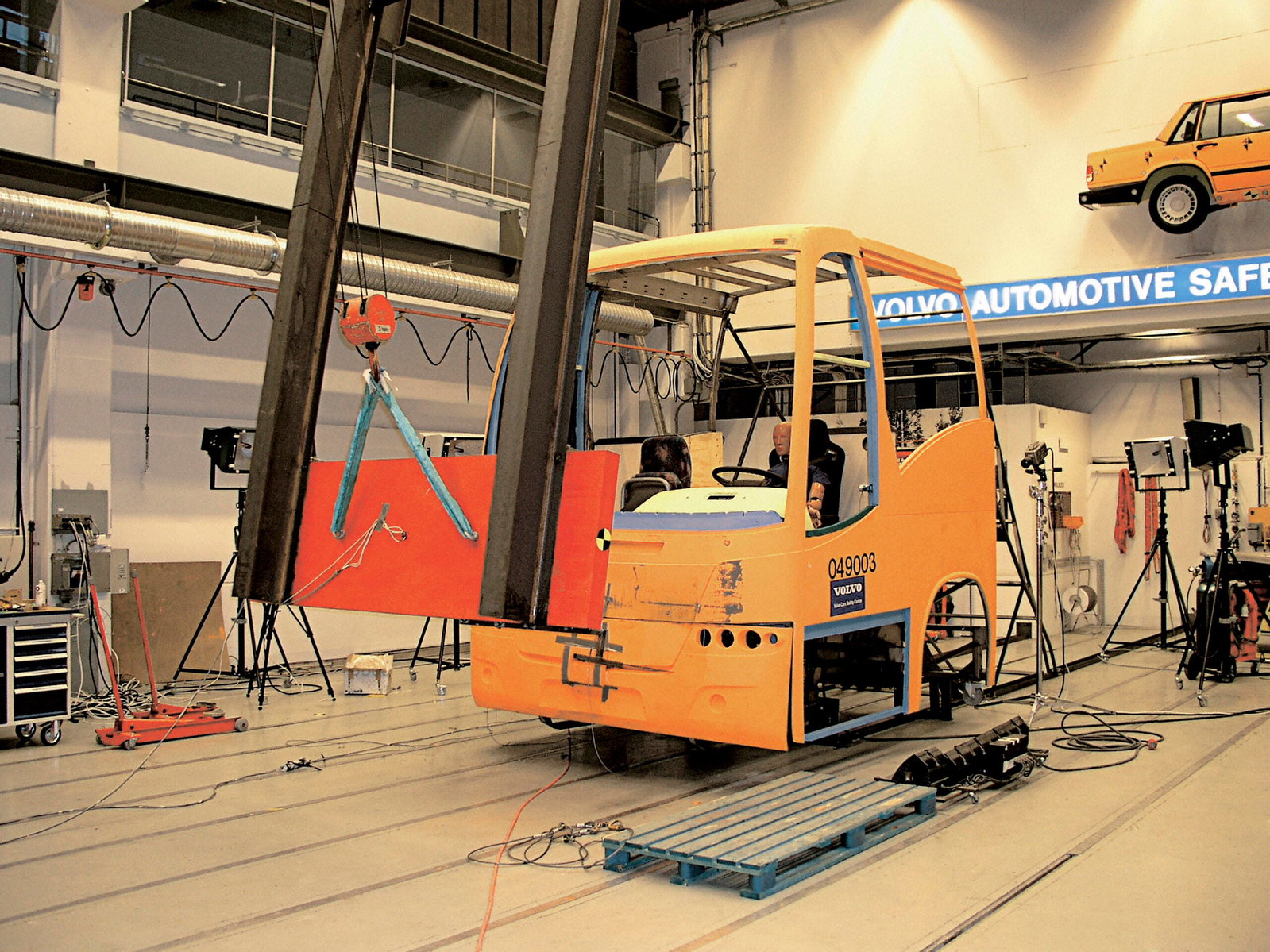
The model was built with a width of 2.55 metres and in height variants of 3.40 (S), 3.60 (H) and 3.80 (HD) metres. The maximum permissible gross weight of the three-axle version reached 26,500 kilograms. Luggage compartment capacity in the mid-engined versions – thanks to the different layout – could be as much as 17 m³, while the rear-engined versions typically offered 11.5–13.5 m³. In addition to rollover safety, Volvo paid particular attention to collision protection: the first-generation 9700s were also tested according to the UNECE R29 standard applicable to trucks, meaning that, through reinforcement of the front structural zone, the type also met the cab protection requirements expected in frontal collisions.
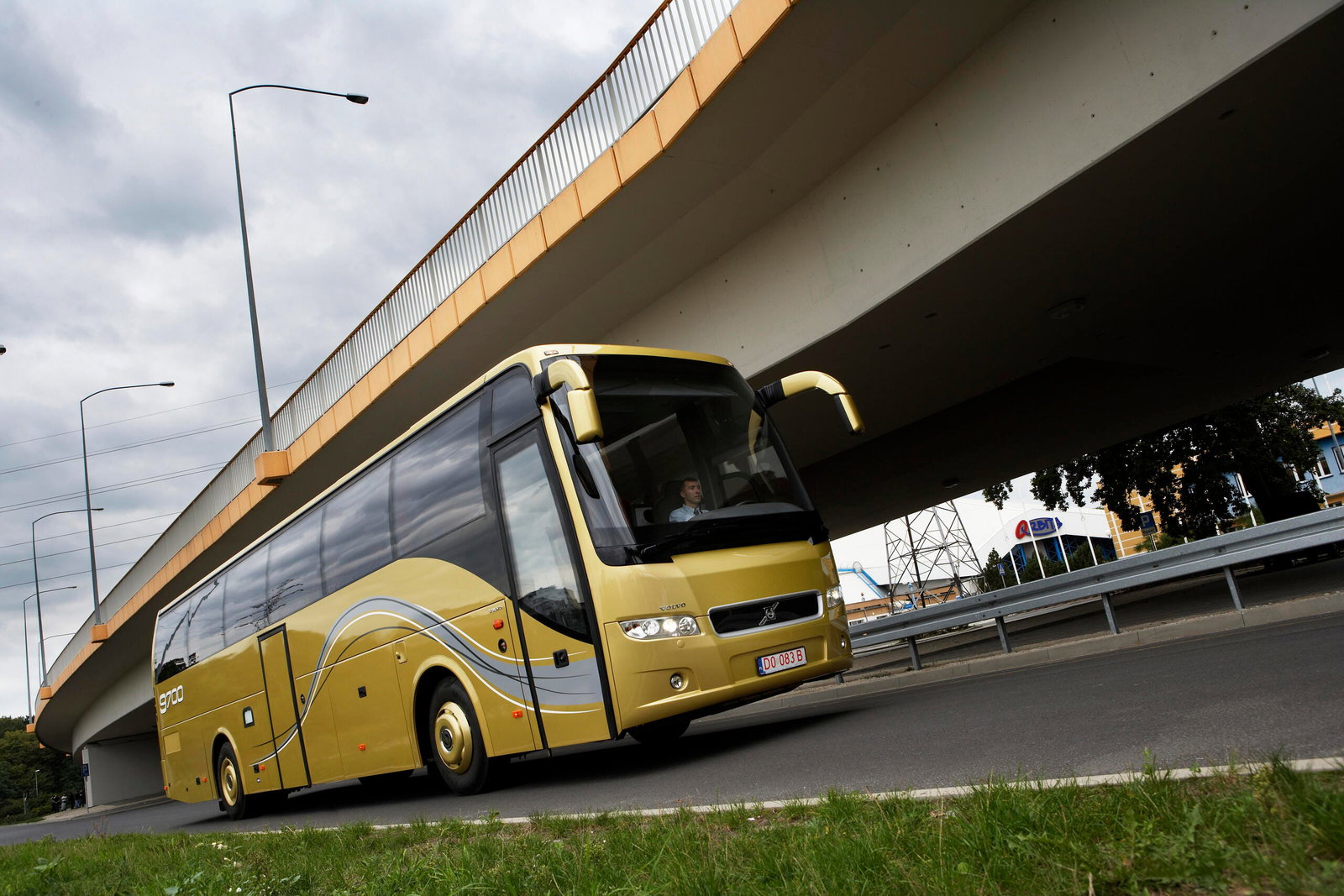
Series production of the first generation of the Volvo 9700 began in the summer of 2001 with the 9700H and 9700HD variants, while production of the lower-built 9700S models started in the autumn. The Carrus plant in Lieto produced all three height variants (S, H and HD), while Carrus Oy Ajokki in Tampere specialised exclusively in building the 9700H and 9700S models. Production was concentrated at the Lieto and Tampere sites that had passed to Volvo with the acquisition of Carrus, while the Carrus plant in Turku – in smaller volumes – played only a supplementary role, mainly in the case of specially configured vehicles. Following the model’s market success, geographical expansion of production also began in 2003: the Volvo Polska Sp. z o.o. plant built near Wrocław, Poland – established as a greenfield investment in the late 1990s – gradually took over supply for the continental markets, while the Finnish facilities continued to focus on the Nordic region. Initially, only the 9700H and 9700HD types were produced at the Wrocław plant, in rear-engined form on the B12B chassis.
The Polish plant did not offer alternative drivelines, although in 2004, at customer request, a small series of 9700S models adapted to the Volvo B7R chassis was also produced in Finland. In addition, a few examples were built on the B9R chassis – presumably entirely for testing purposes. The vehicles produced in Finland and Poland differed not only in driveline configuration, but also in the availability of length variants. While in Finland virtually any customised size up to 15 metres could be built, the models produced in Wrocław were available only in standard lengths – typically 12.2, 13 and 13.8 metres.
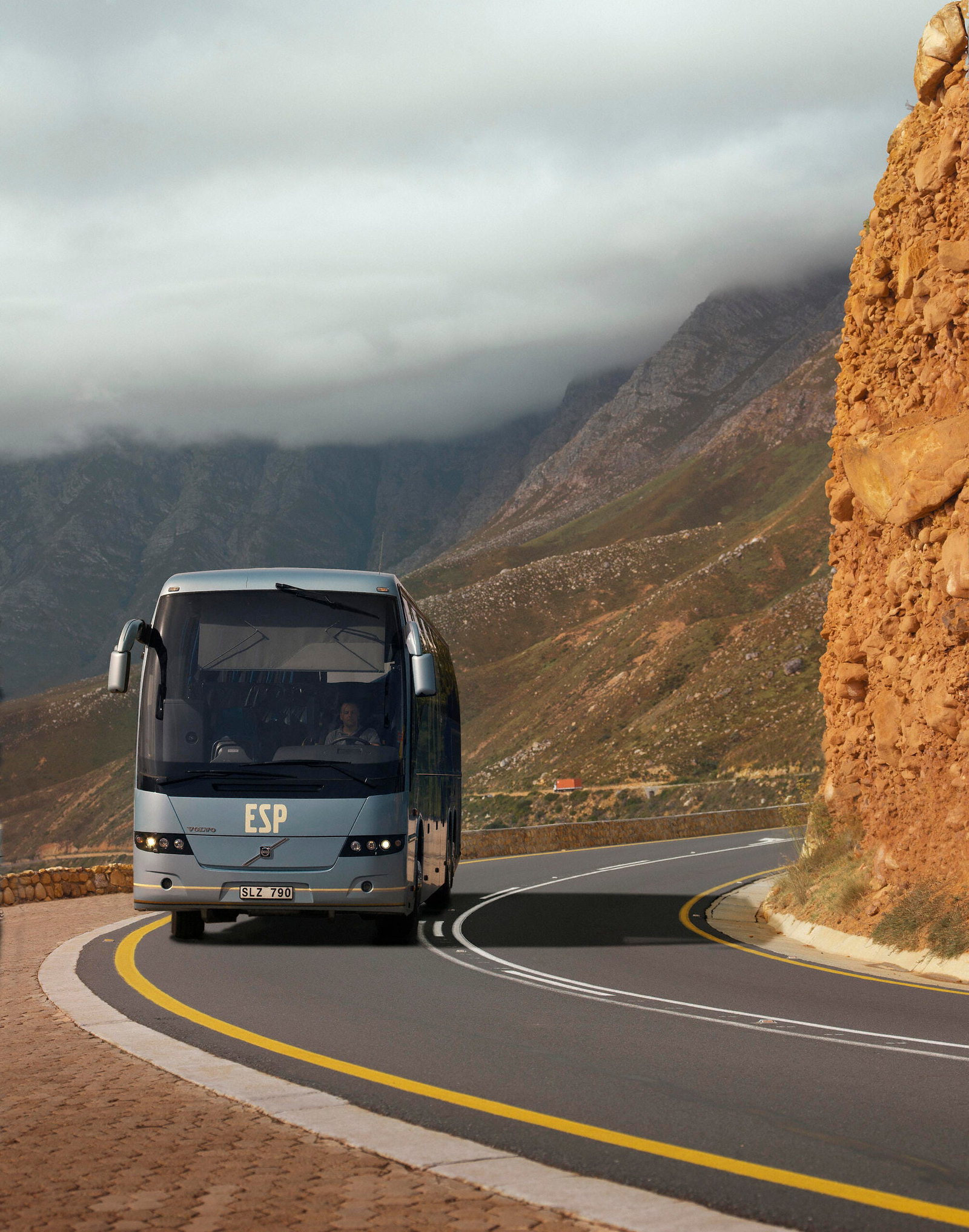
In 2006, the first major model update arrived in the history of the Volvo 9700 family, often referred to in the literature as the second generation. The modifications did not affect the chassis structure or the model range, but the vehicle body – especially the front and rear-end design – underwent a significant transformation. The new design language resulted in a cleaner, more aerodynamic appearance with integrated LED daytime running lights, as well as revised bumpers and windscreen curves. The rear lamp units were placed higher for better visibility, while the passenger compartment gained new luggage racks, more modern roof panels and refreshed decorative elements.
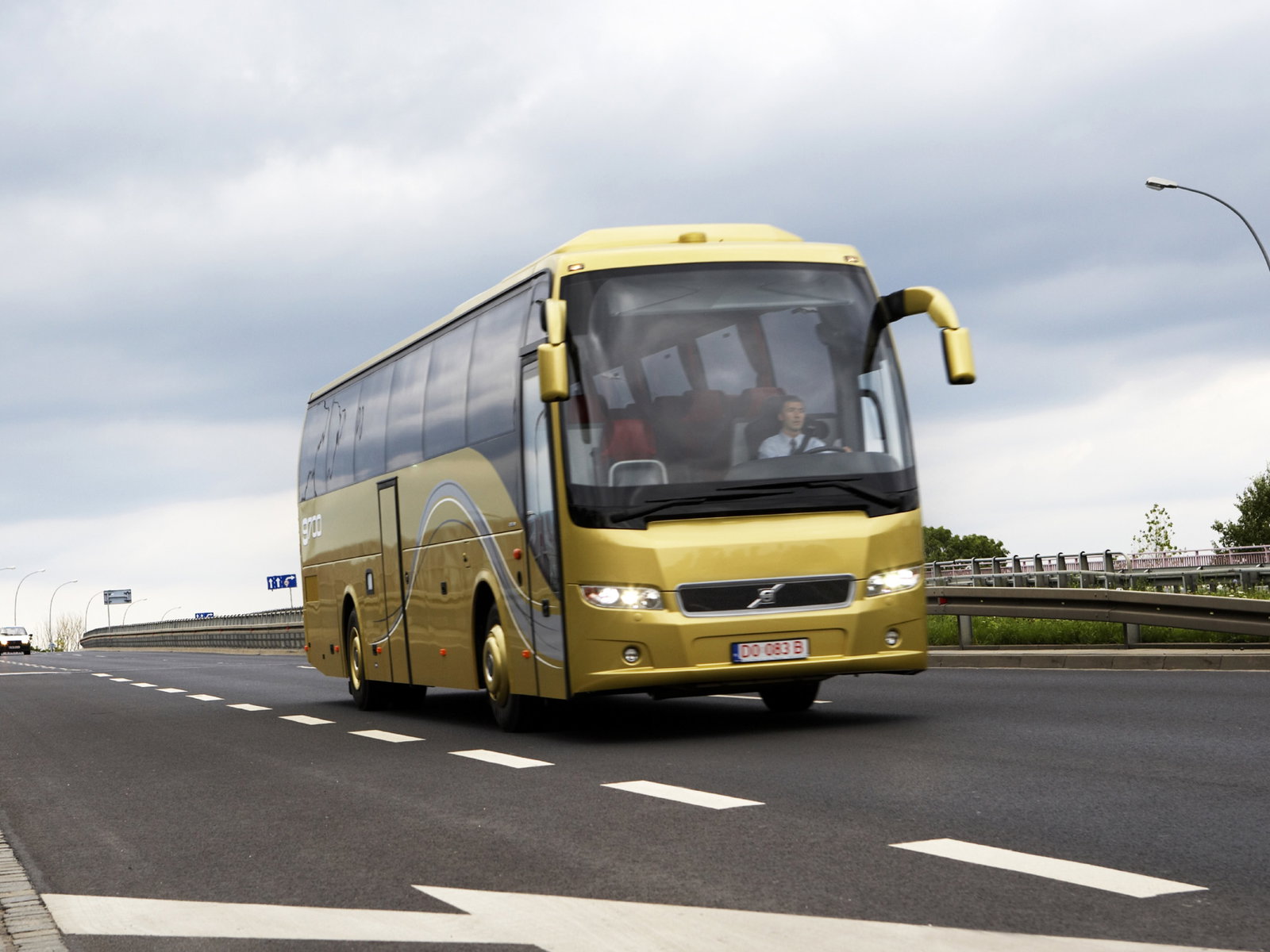
The model range continued to consist of three main versions: the 9700S (3.40 m), the 9700H (3.60 m) and the 9700HD (3.80 m), differentiated primarily by floor height and intended use. The length range was essentially the same as that of the previous generation: the rear-engined versions (B12B, later B13R) were typically built in lengths between 12.2 and 13.8 metres, while the mid-engined, B12M-based versions were available in sizes from 10.4 to 15.0 metres. The type continued to be built on a semi-integral frame structure made of stainless steel, providing a long service life and a high degree of corrosion resistance, while also meeting the UNECE R66 rollover safety requirements.
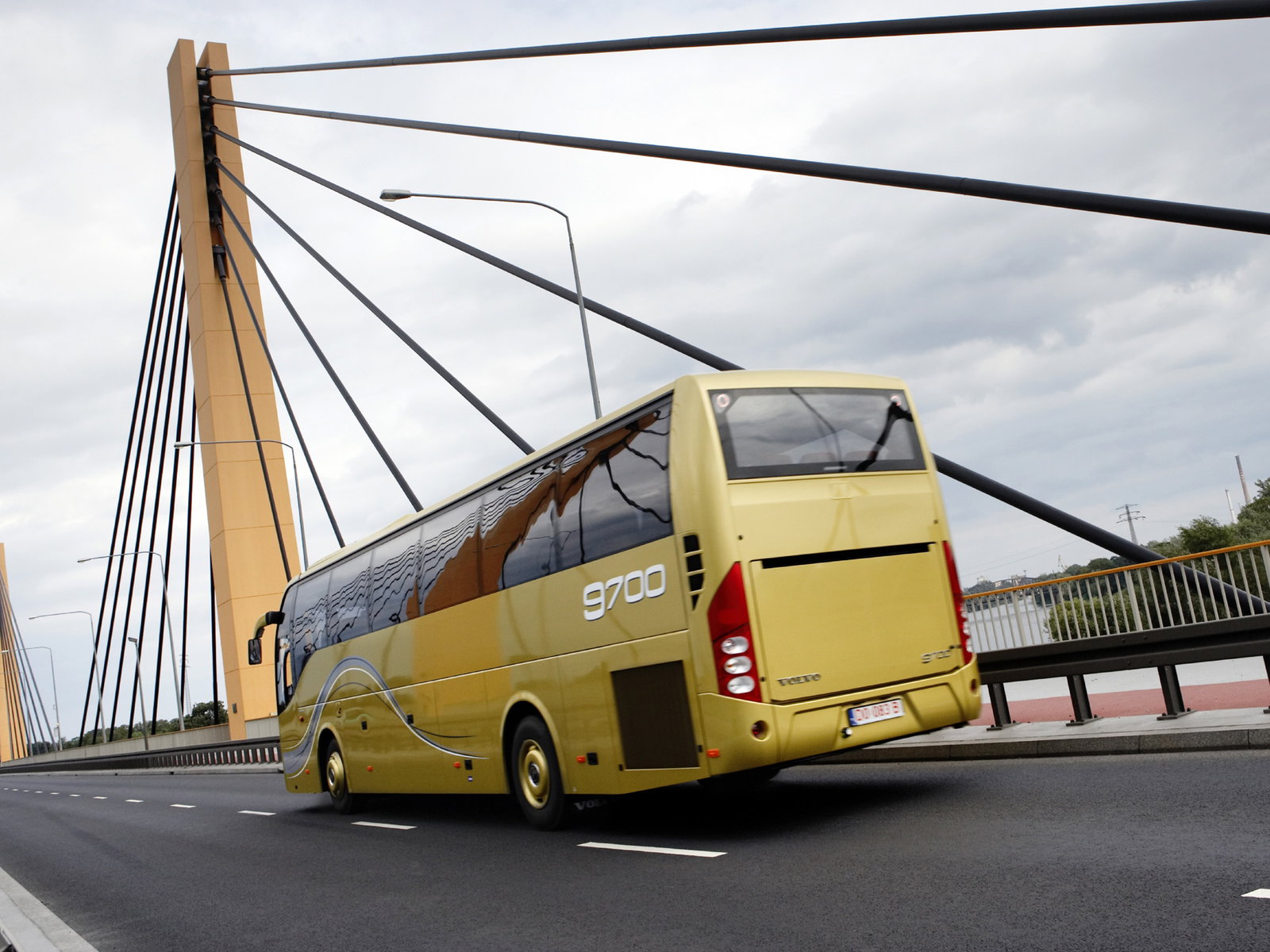
The basis of the driveline was initially still Volvo’s 12-litre inline six-cylinder diesel engine (DH12), which in the new generation was available with Euro 4 and, optionally, Euro 5 emissions classification, in three main power ratings: 340 hp (1700 Nm), 420 hp (2000 Nm) and 460 hp (2200 Nm). Environmental compliance was ensured by an SCR system, which used AdBlue additive to convert nitrogen oxides into harmless nitrogen and water vapour. The engine could be paired with Volvo’s 12-speed I-Shift automated transmission, as well as with a conventional automatic gearbox, both with an integrated retarder system, or, in the case of the I-Shift driveline, with Volvo Engine Brake continuous braking.
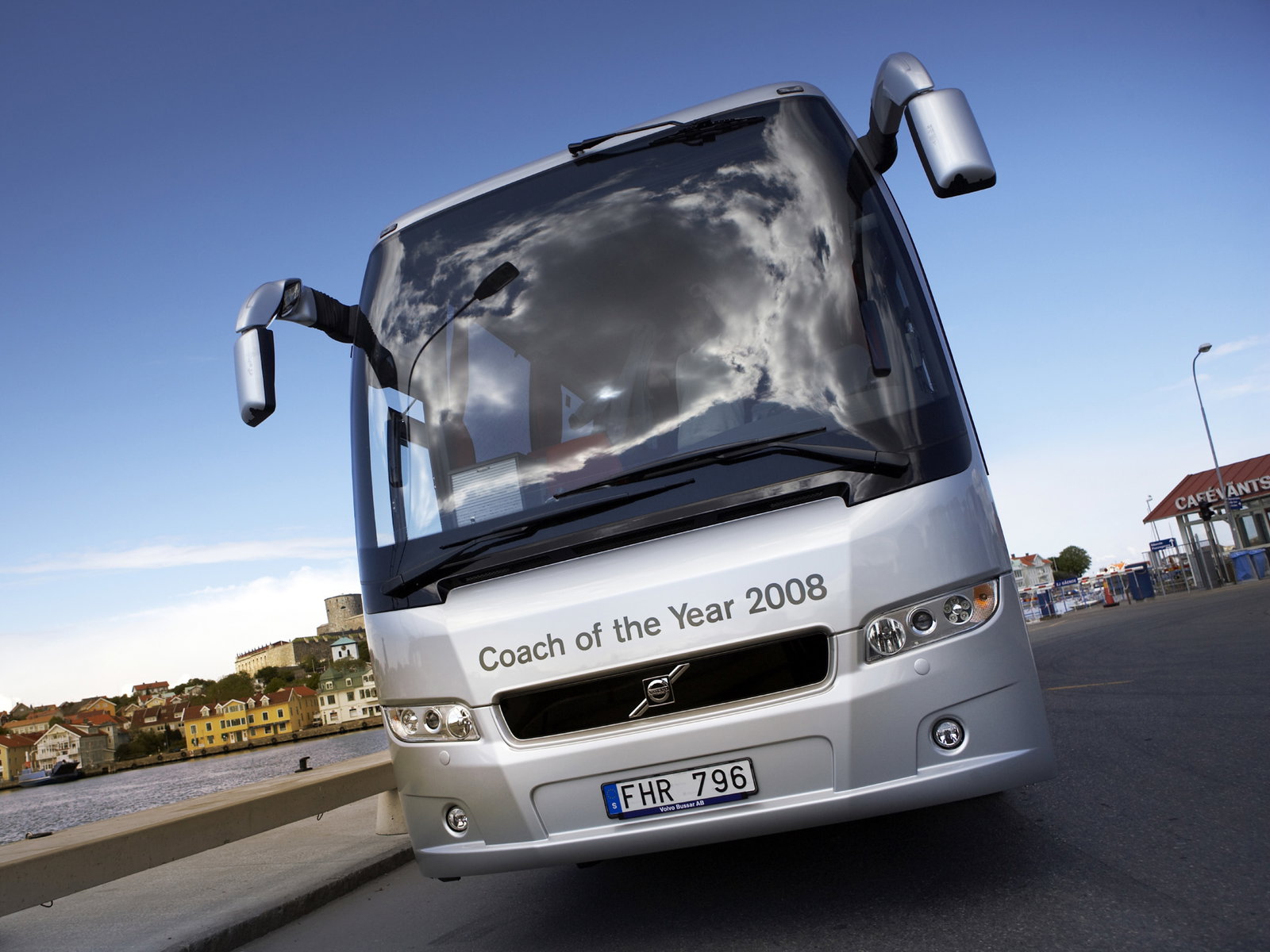
The second-generation model also brought a major step forward in collision protection. The vehicle’s front-end design incorporated FIP (Front Impact Protection) and Knee Impact Protection systems, which officially met the frontal impact protection requirements of the UNECE R29 standard. These were complemented by the optionally available FUPS (Front Underrun Protection System), which provided lower steel-beam protection against smaller vehicles underrunning the coach.
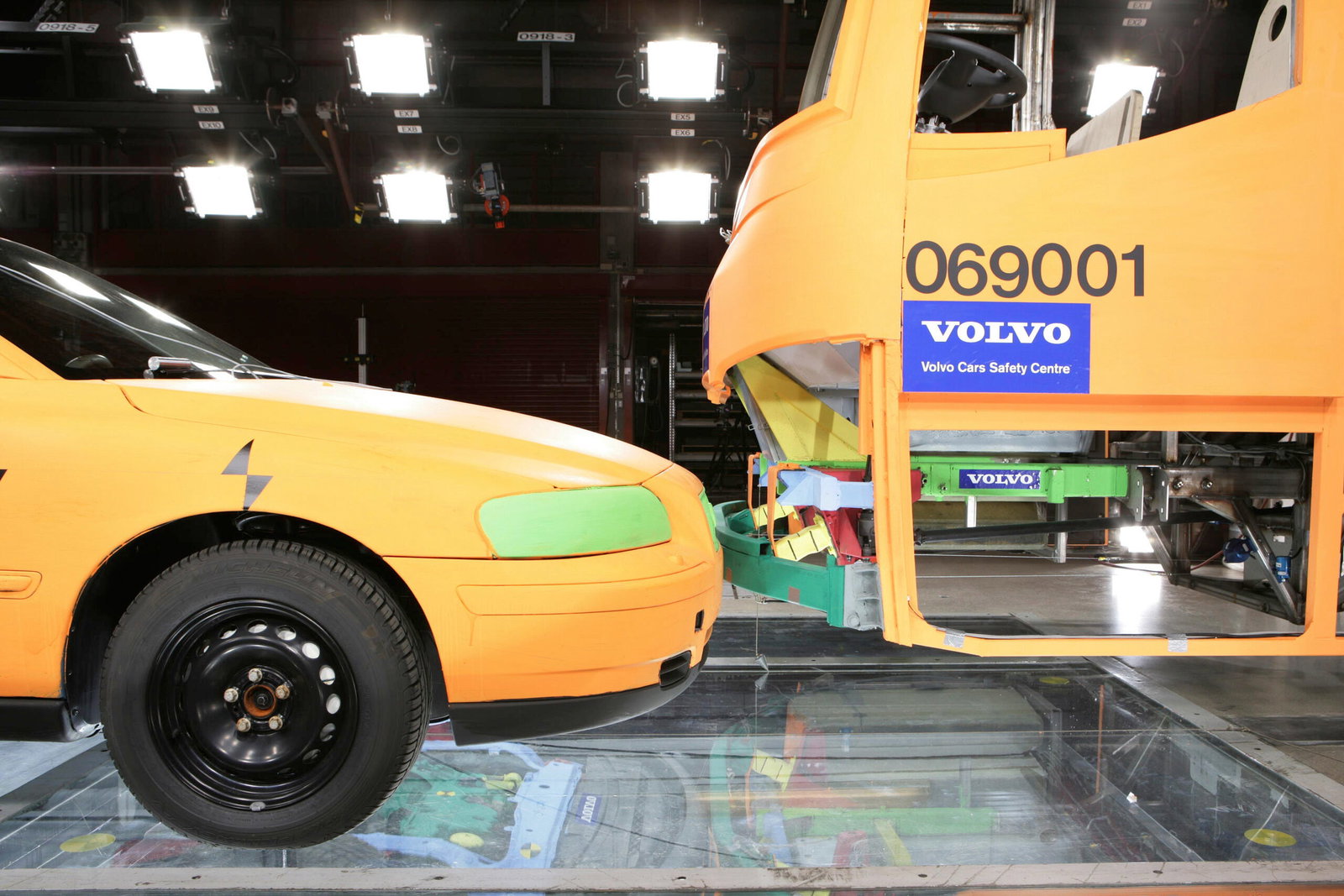
During the production period of the second generation, significant structural changes took place in Volvo’s Finnish production organisation. In 2008, the company announced that it would sell its smallest European production base, the Turku body plant, to a Finnish private investor group consisting of former Volvo Buses Finland executives and external investors. From a strategic point of view, Volvo considered it more efficient to sell the plant and buy back the bodies externally under licence, while keeping the commercial rights to the model in-house.
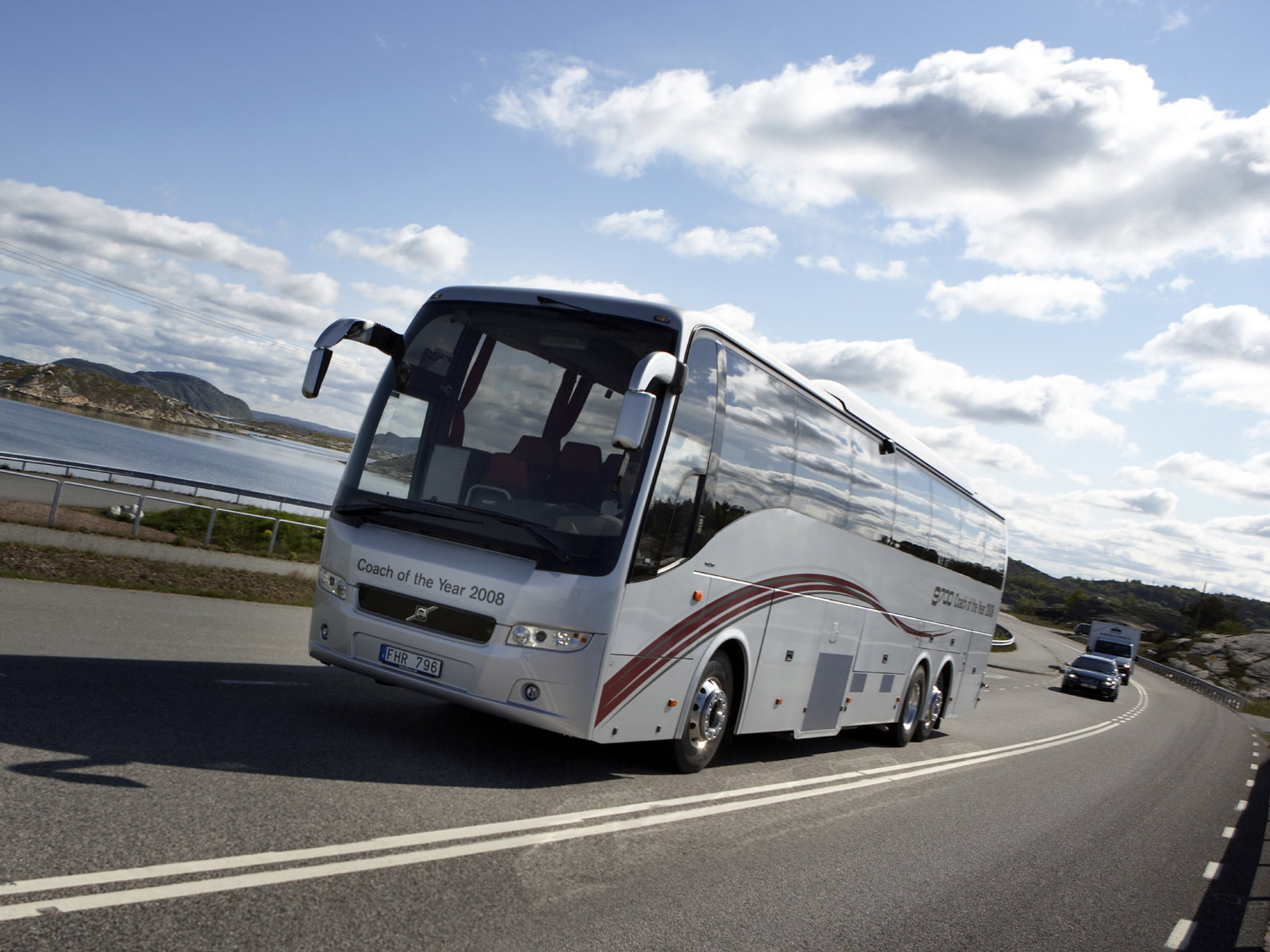
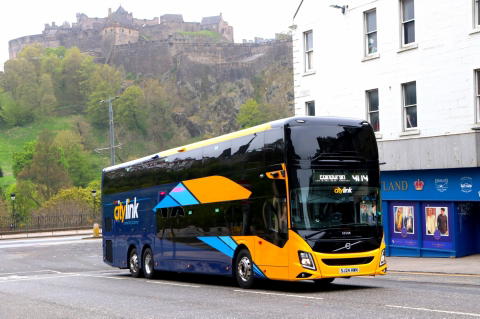
The decision was closely linked to Volvo’s efforts to rationalise its European operations. By then, the centre of gravity for production of the 9700 had clearly shifted to Wrocław in Poland. As a result of weaker demand in the Nordic markets and intensifying competition, the Carrus plant in Tampere eventually closed, while the Lieto site returned to Finnish ownership and continued operating as Carrus Delta Oy. From then on, the Turku and Lieto plants produced Volvo 9700 models for the Scandinavian region under licensed contract manufacturing arrangements. After a few years of operation, however, the Turku production base definitively gave up bus manufacturing, while Carrus Delta remained in partnership with Volvo. The factory still keeps Scandinavian-specification versions of the former, now discontinued S, H and HD models in its range, and it is also where Volvo’s first double-decker model for the European market, the 9700 DD, is built, available in 4 and 4.25 metre-high versions.
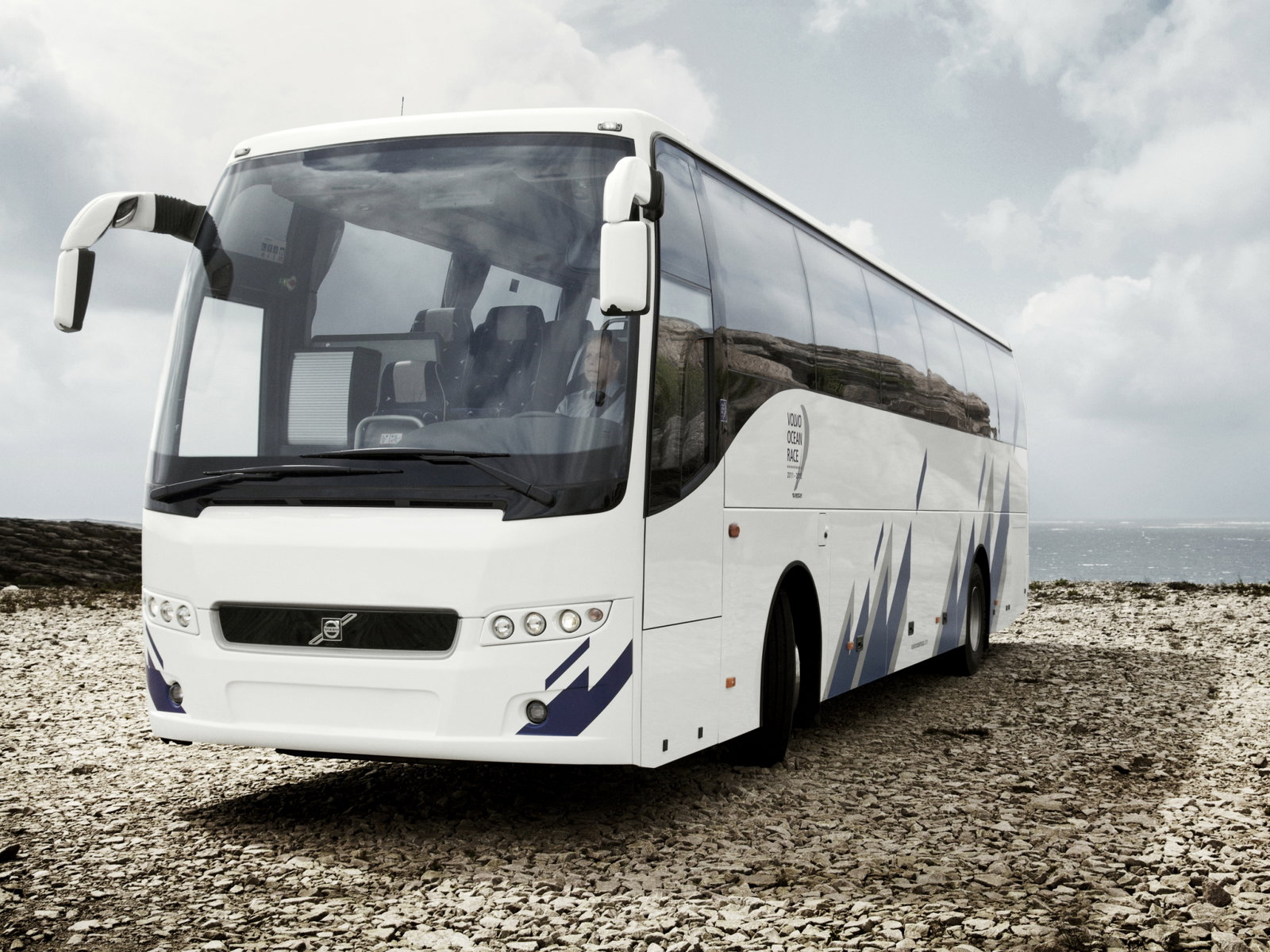
As an interesting footnote, the Volvo 9500, unveiled in Hanover in 2010, deserves mention. It was produced exclusively at the Polish plant as a simplified, attractively priced version of the second-generation 9700H. Initially, the model was available only in a 12.2-metre version, built on the B9R chassis so as not to compete internally with the 9700; later, however, the range was expanded with versions based on the Euro VI B8R chassis as well. The model was also visually distinct, receiving, for example, simpler headlights.
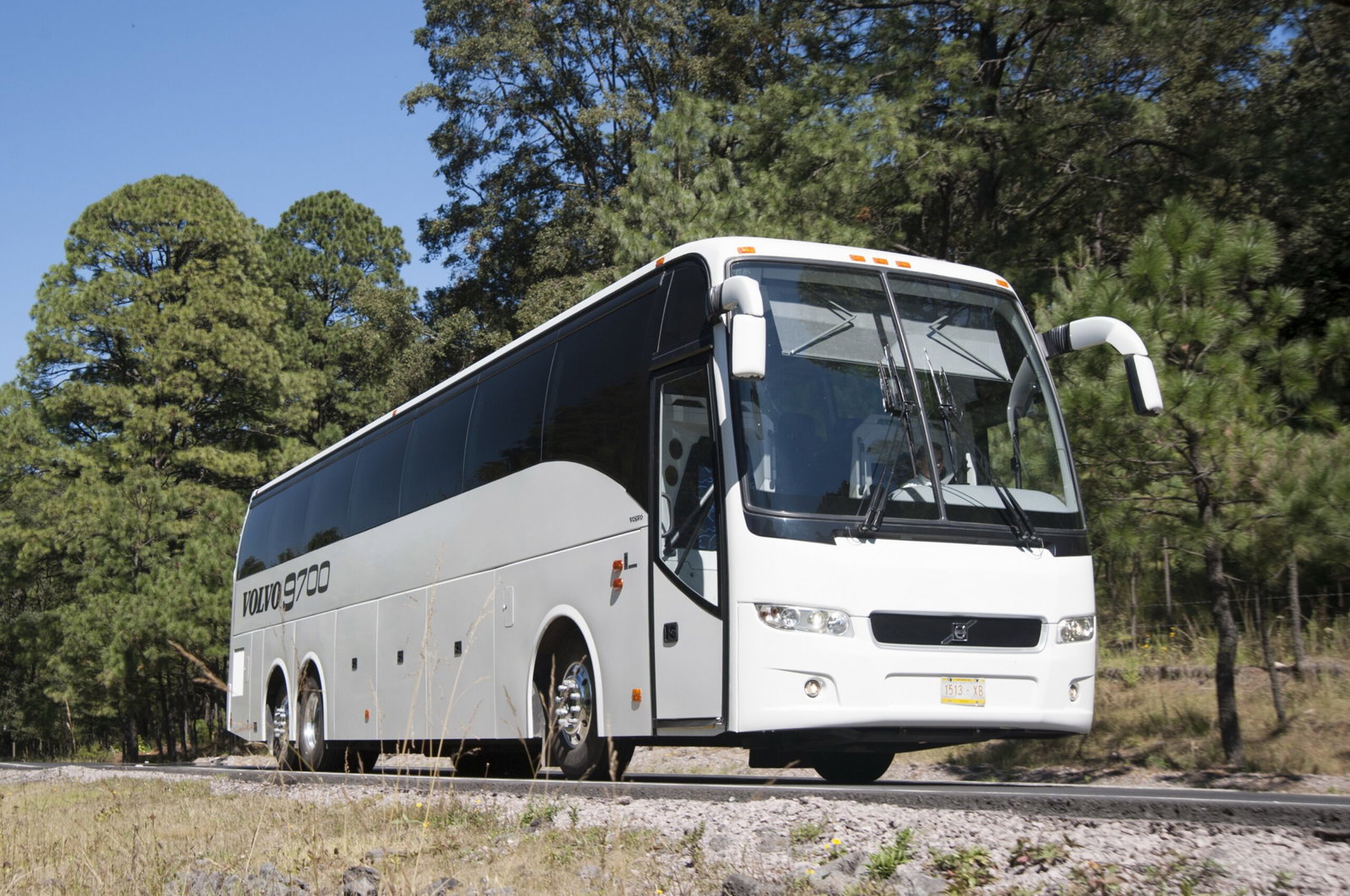
While Volvo’s European plants were striving for standardisation and cost optimisation, from the early 2000s the company was also building up significant capacity in Tultitlán, Mexico, where Latin American versions of the early 9700 models were initially produced – visually similar in design to the first-generation European S and HD versions. The 9700 Grand, introduced in 2013, was already a type developed entirely for the local market. It was based on the B13R chassis and was available in Grand S (Select) and Grand L (Luxury) versions. Its direct successor was the Volvo 9800, introduced in 2015 – and this model also serves as the basis for the current, third-generation European version of the 9700 family.
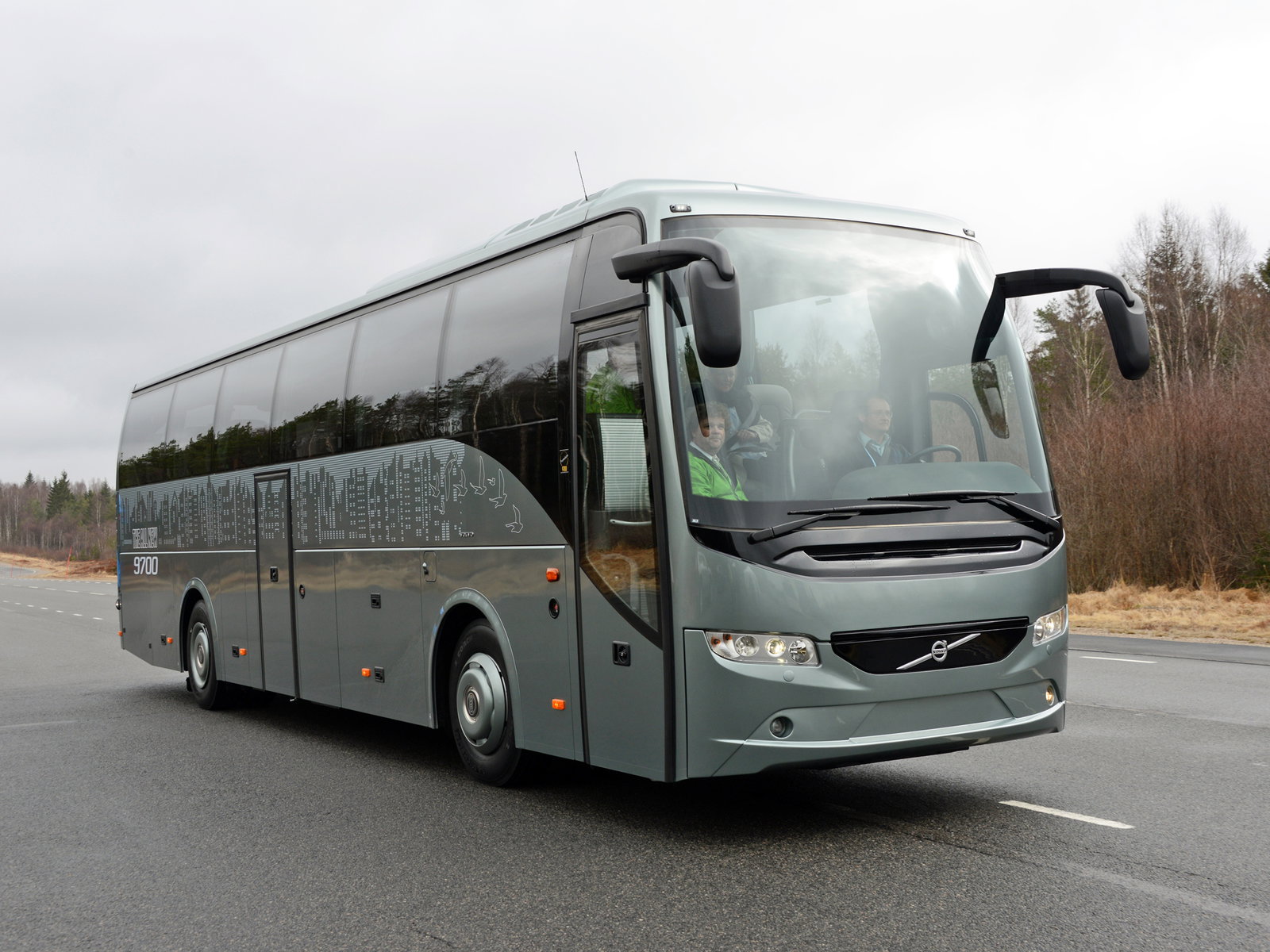
The peak of the second-generation update came in November 2012 with the presentation of the Volvo 9700 UG, or 9700 Upgrade. Series production of the refreshed model began in early 2013. The new generation underwent a significant visual transformation, receiving a more modern front and rear design, a revised rear windscreen, new sidewall solutions and aerodynamic mirror arms. Inside, completely newly developed passenger seats appeared; thanks to their slimmer design they provided more legroom while also offering better lateral support. In the Nordic regions, the type was initially still available on the previous Euro 5/EEV-rated B9R and B13R chassis, while in the rest of Europe it was marketed exclusively with Euro 6-certified B8R and B11R chassis – introduced in autumn 2013 as the new emissions standards came into force. The 9700 Upgrade served as a kind of transitional model bridging the period between the second and third generations.
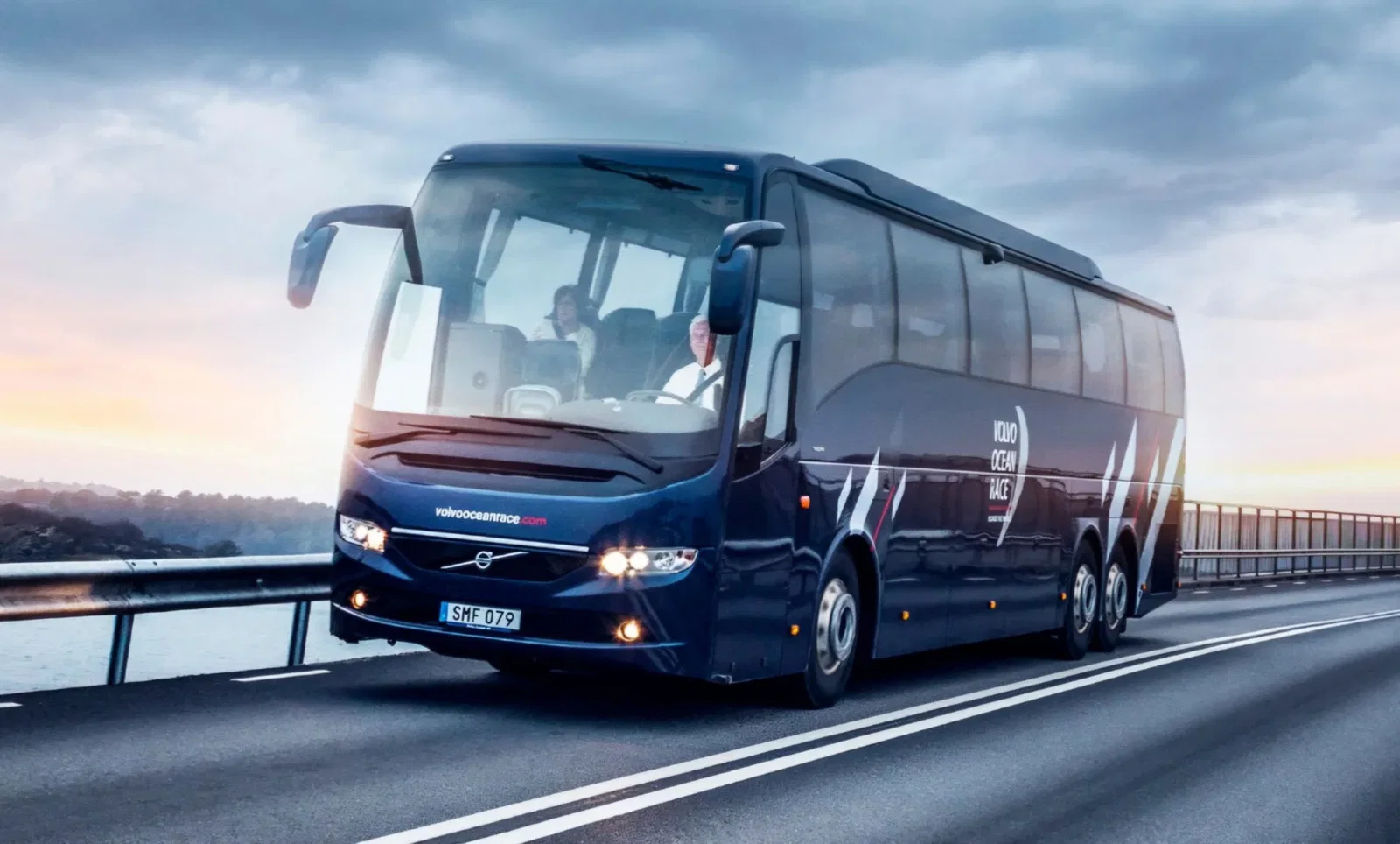
This generation still appears in the Carrus Delta Oy range, with the 9700H UpGrade version being produced on the B13R platform renewed in 2022, in cooperation with Kiitokori Oy, a company specialising in bespoke vehicle bodies. This version is built specifically for the Scandinavian market, typically on the basis of individual orders. At the same time, the 9700 family is also present on other continents: in North America, for example, Prevost, a Volvo subsidiary, offers a three-axle, 13.7-metre version with styling similar to the European model, built to a technical specification adapted to local regulations and fitted with a split windscreen.
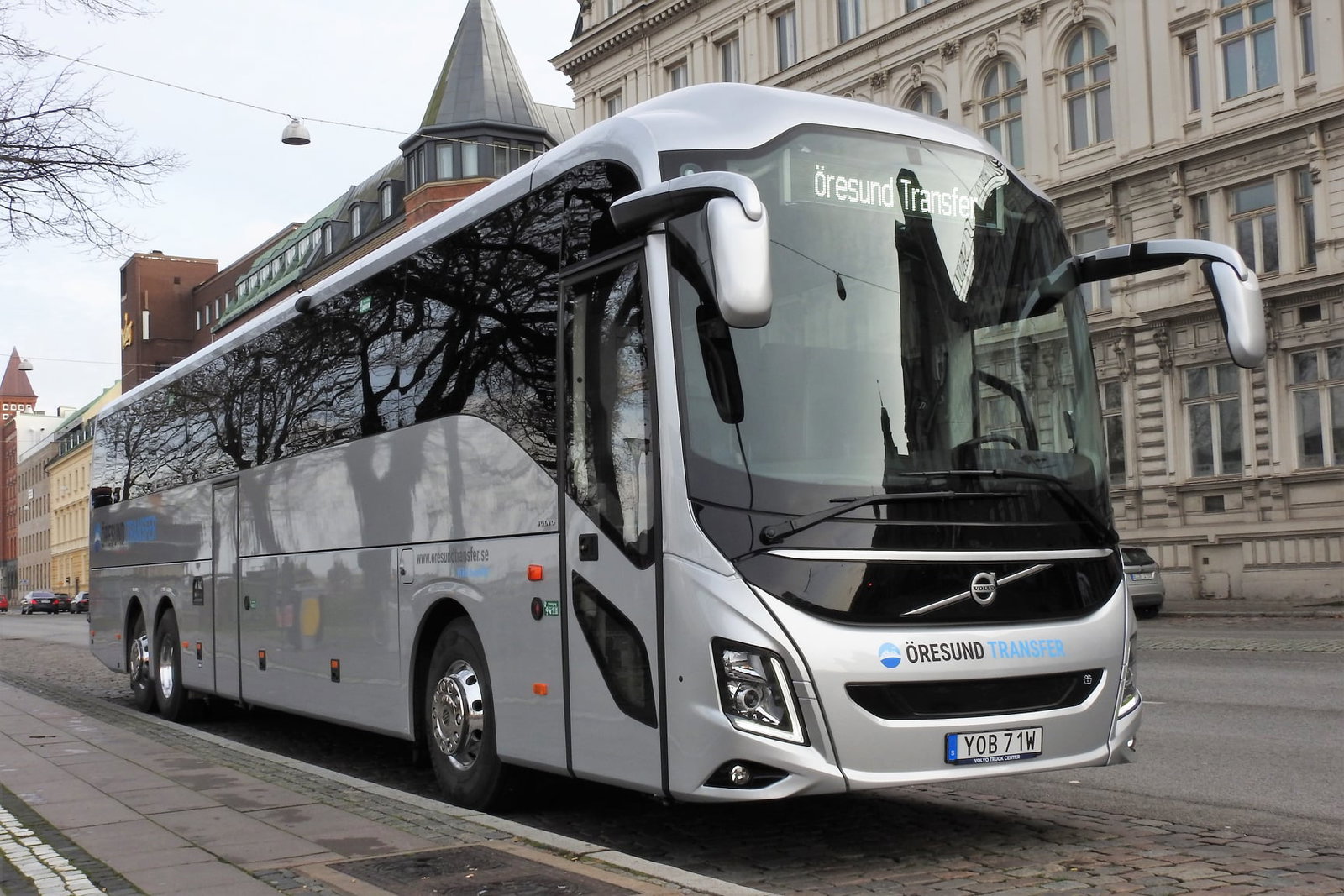
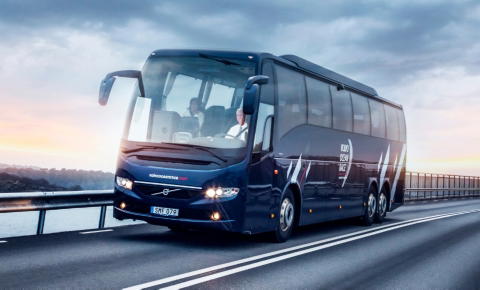
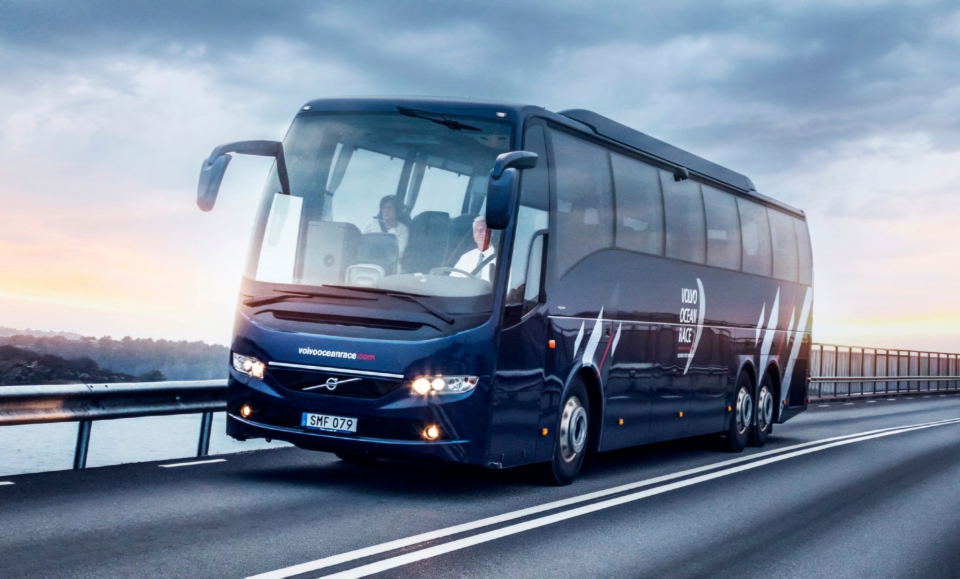
The third generation of the Volvo 9700 family debuted in 2018 on the European market as a completely new design. The type was not an evolved version of the previous generation, but was based on an entirely newly developed platform, which also provided the design basis for the premium sister model presented alongside the 9700, the Volvo 9900. This represented a particularly significant shift, as the two types had previously followed different paths: while the 9700 was born as a Finnish Carrus development, the 9900 was built on the legacy of Germany’s Drögmöller.
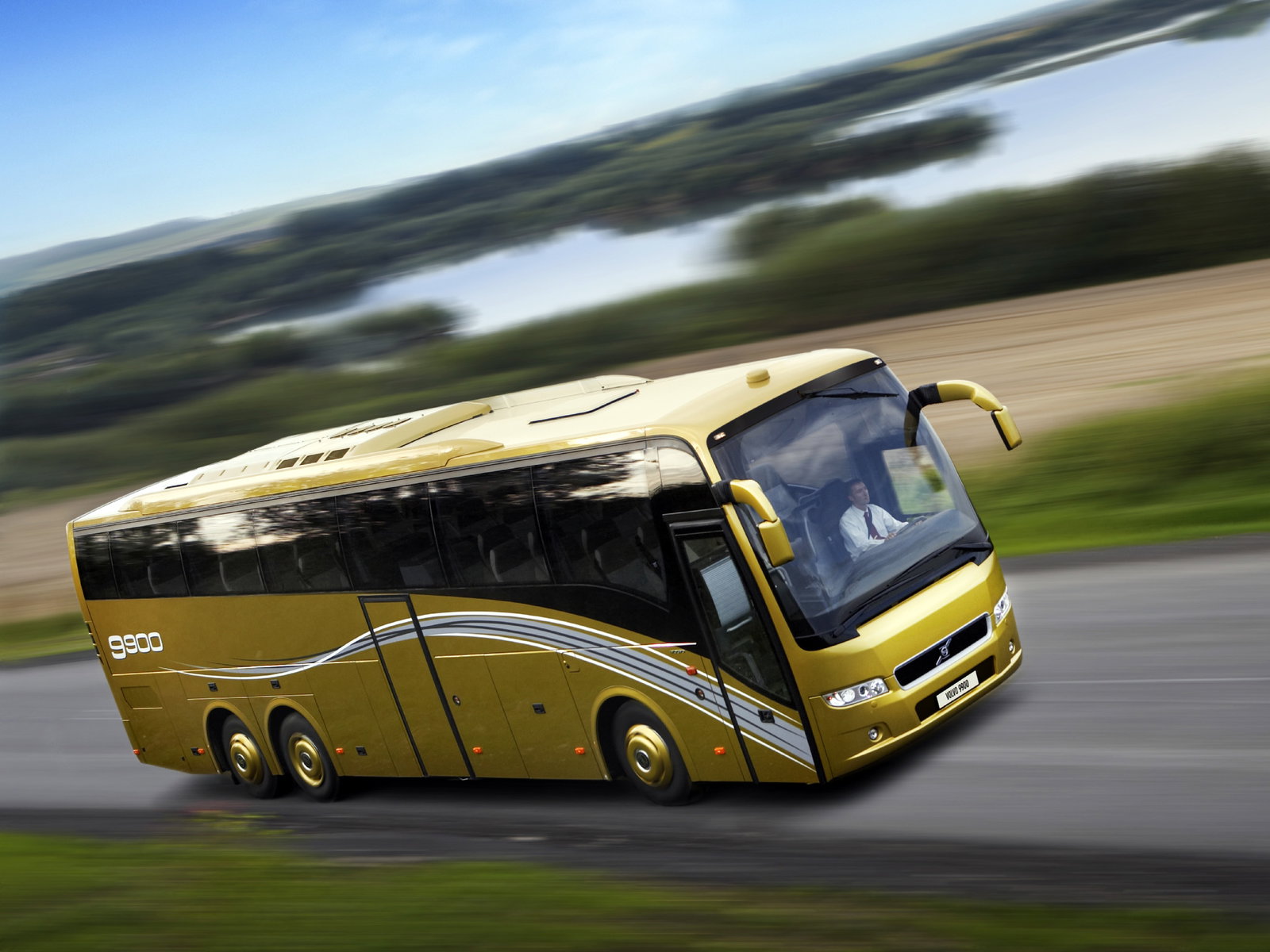
The two models now rested on common technical foundations, but striking differences could also be observed in their design – especially in the character of the roofline and side profile. Series production of the third generation was carried out exclusively at Volvo’s last remaining European body manufacturing unit, the plant near Wrocław in Poland, until spring 2024, when the company stopped European bus body production and closed the plant.
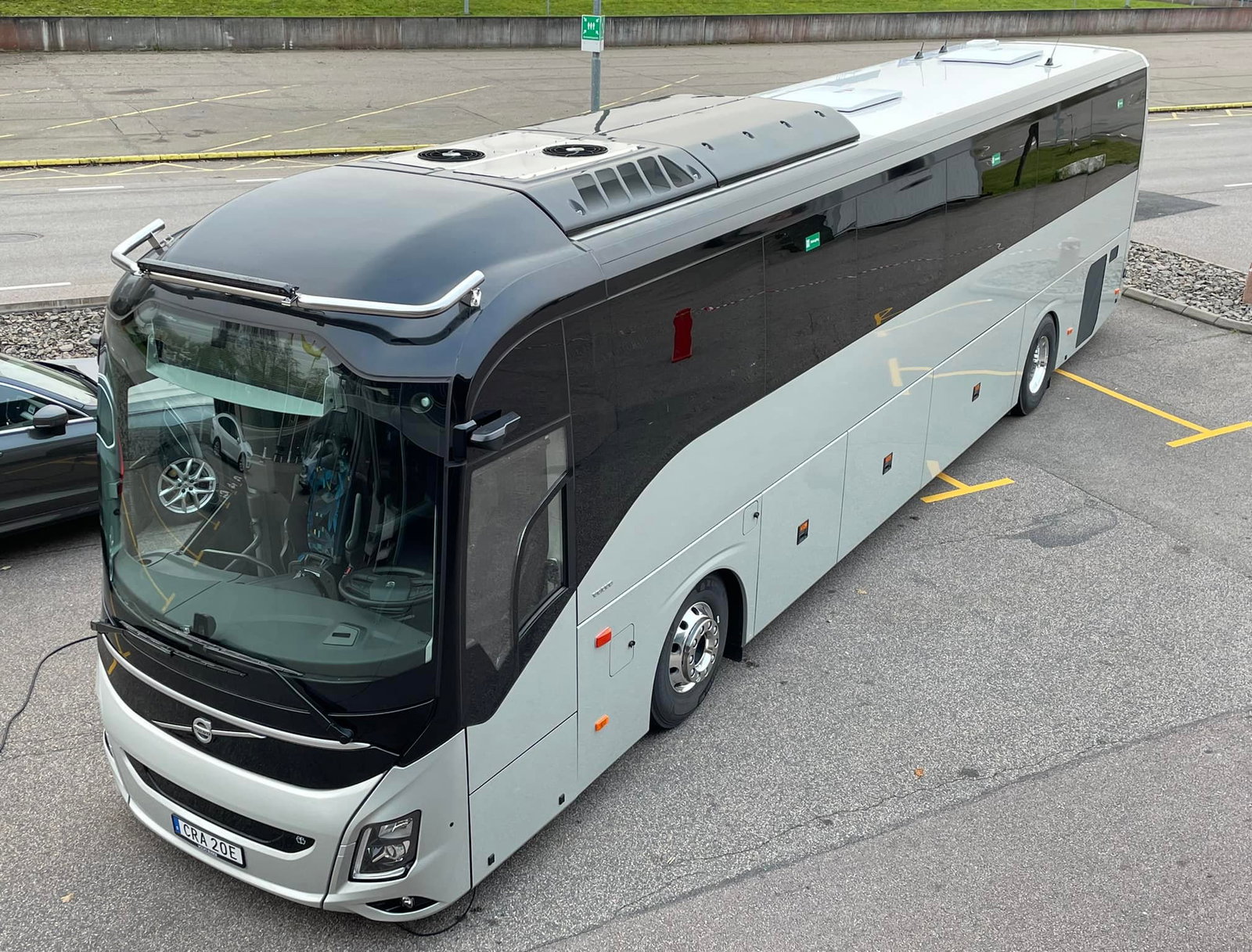
Volvo initially intended to reorganise production under a licensing arrangement, with the 9700 and 9900 types to be continued by Spain’s Sunsundegui. However, the project failed within a short time due to the complexity of the production technology and the scale of investment required – incoming orders were cancelled, and Sunsundegui entered financial crisis. After this, Volvo Buses decided to move production of the third-generation 9700 model intended for the European market and built on the Volvo B13R chassis entirely to its plant in Tultitlán, Mexico. This step was justified not only strategically, but also technologically: the type’s technical basis is the Volvo 9800 design, which has already been on the Latin American market for years, meaning that the manufacturing know-how required for series production was already in place.
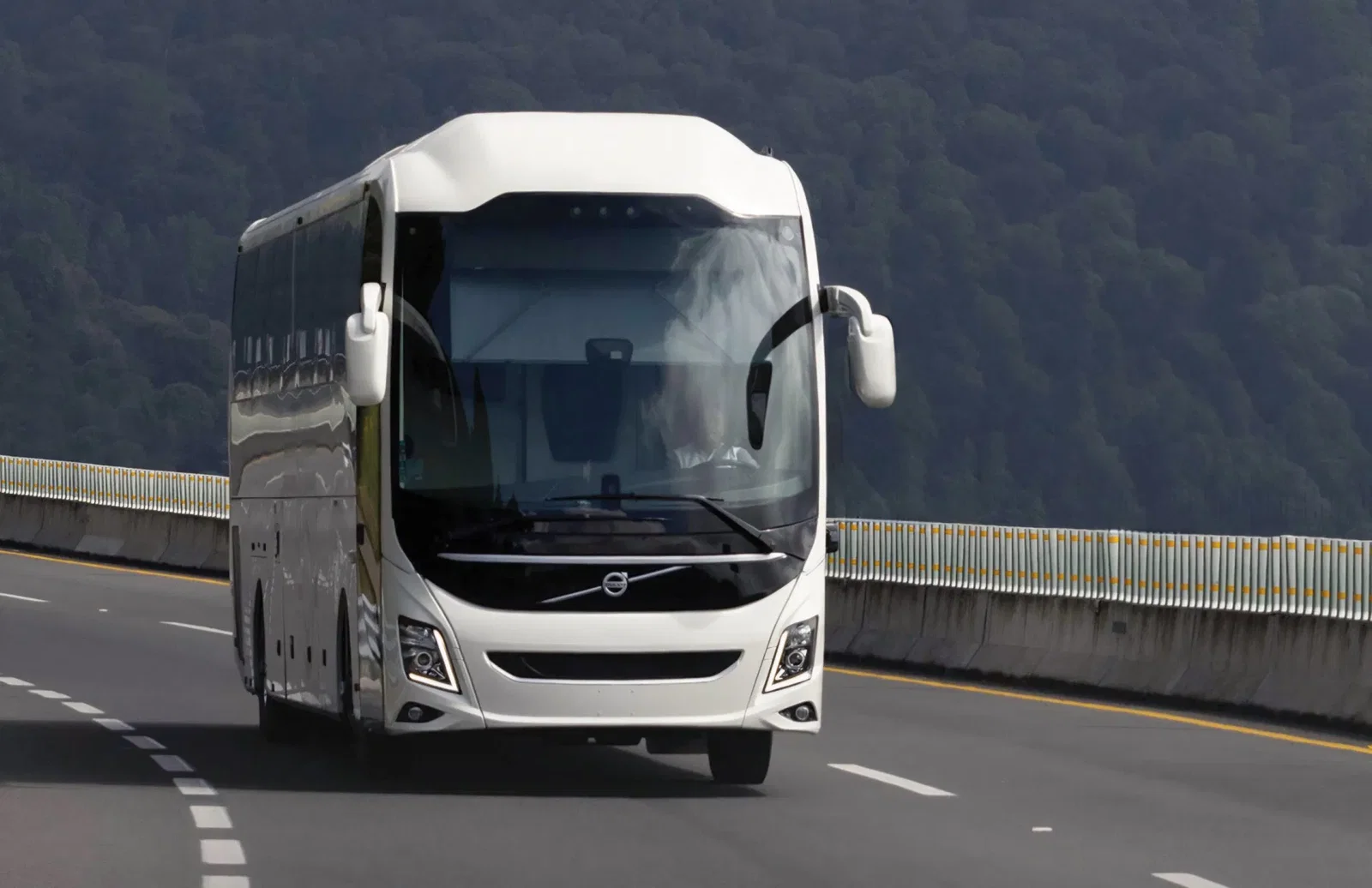
Production of the new 9700 for the European market will begin in small volumes at the end of 2026, then gradually expand the following year. In the first phase, four basic variants will be built, aligned with the configuration requirements of the key markets that remain priorities for Volvo.
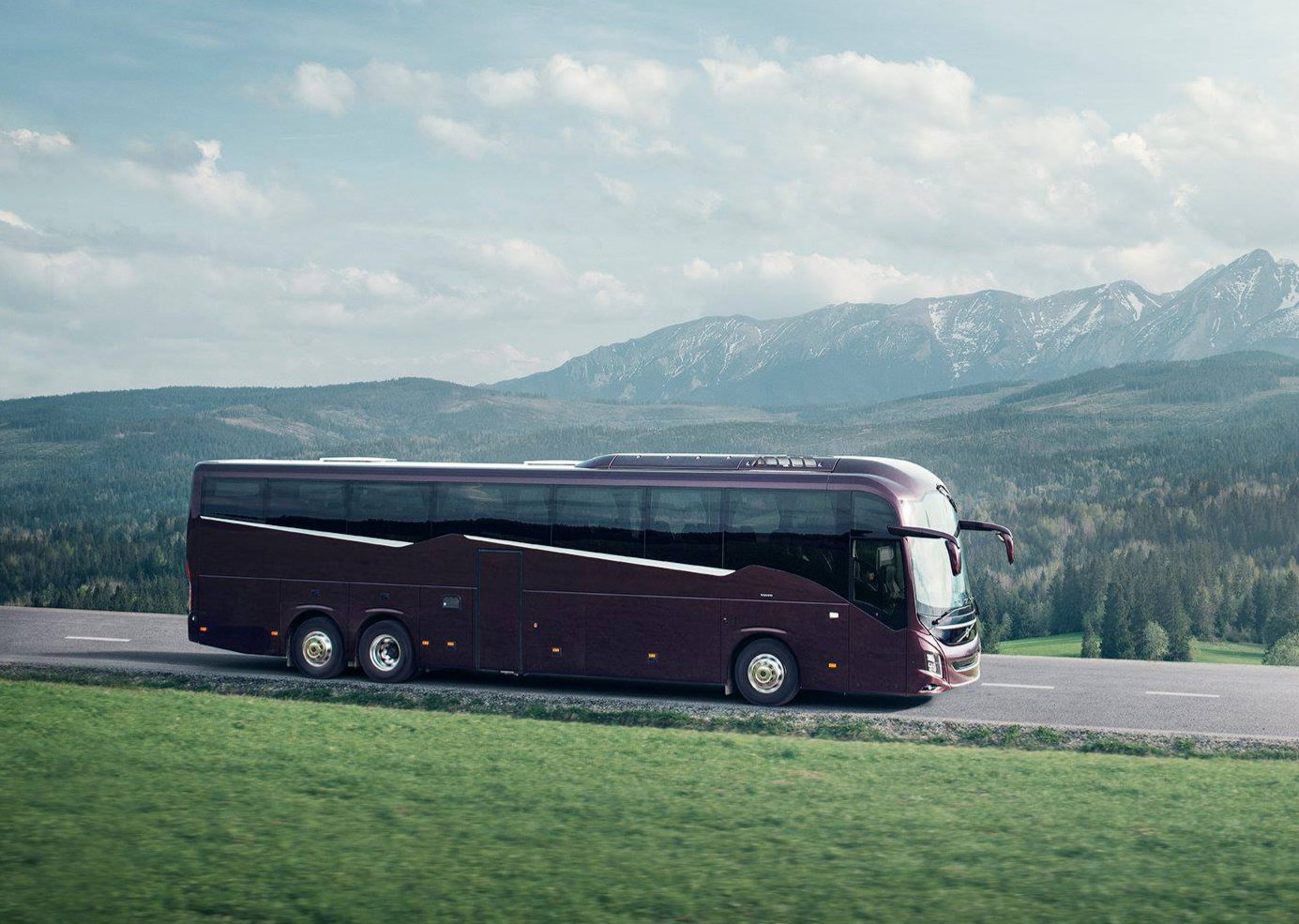
In future, the clear focal point of Mexican production capacity will be the 9700 family, while the manufacturer has not yet made a final decision on the fate of the Volvo 9900 model, which until now sat at the top of the European range and carried forward Drögmöller’s theatre-floor coachbuilding tradition.