![Magyarbusz [Info]](/mbi/header-logo.png)
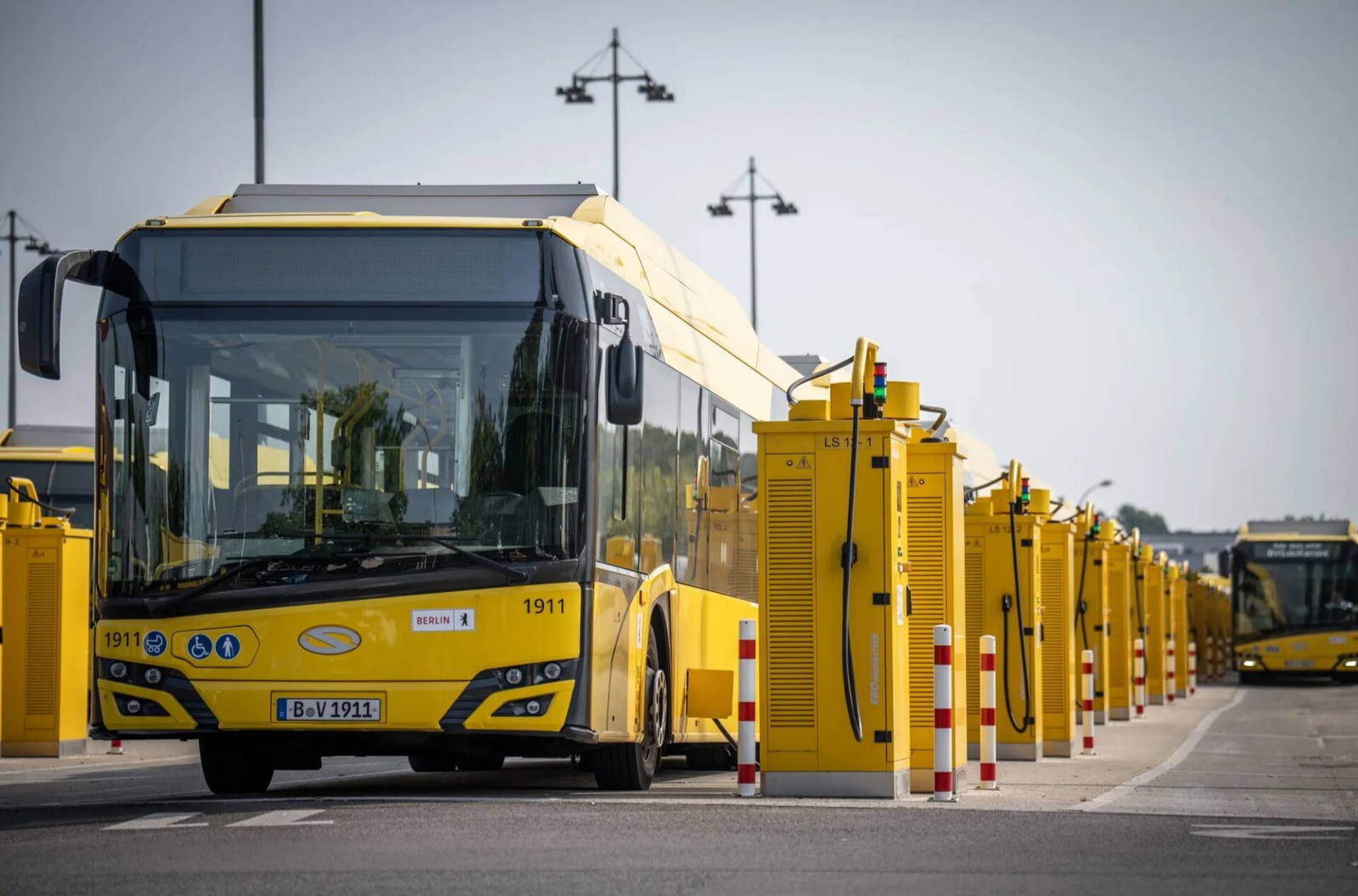
Berlin’s BVG supports the switch to electric buses with a free simulation tool
 Ludányi József
Ordering electric buses is relatively straightforward; deciding what battery size, how many vehicles and what charging infrastructure will be needed for an electric fleet to operate reliably and economically in day-to-day service is a far more complex task. This is where Berlin’s public transport operator, BVG, aims to help: together with the Technical University of Berlin (TU Berlin) and the Reiner Lemoine Institute (RLI), it has developed a freely accessible, web-based simulation platform.
The tool, called WeBus, is the result of the E-Bus 2030+ research project, and perhaps one of the most appealing aspects of the whole development is that the finished system is not being kept in-house: other transport operators, municipalities and industry stakeholders can also use it free of charge. What is more, the source code of the software running in the background is publicly available as well. The project was supported by Germany’s Federal Ministry of Transport with €1.259 million under its electromobility funding programme.
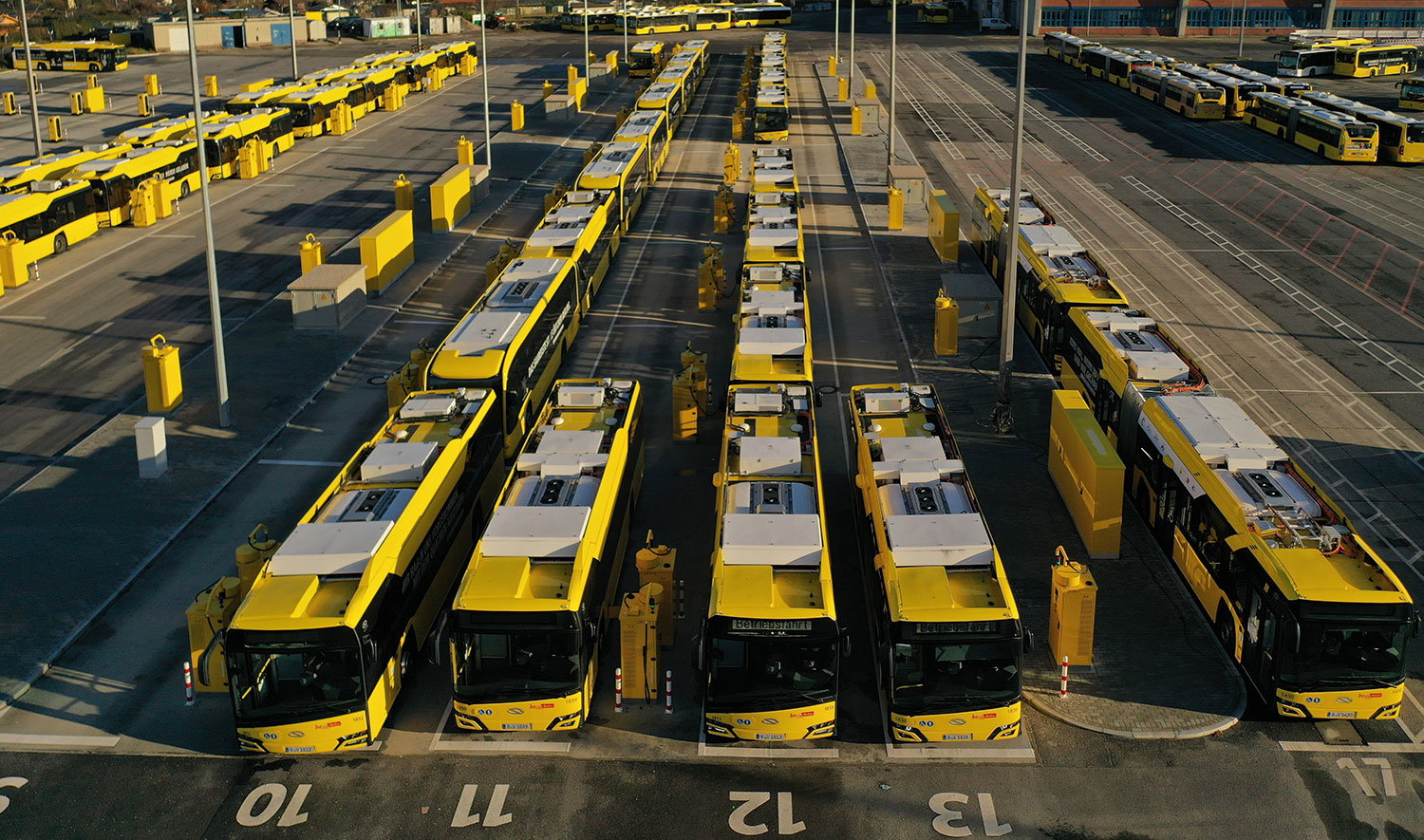
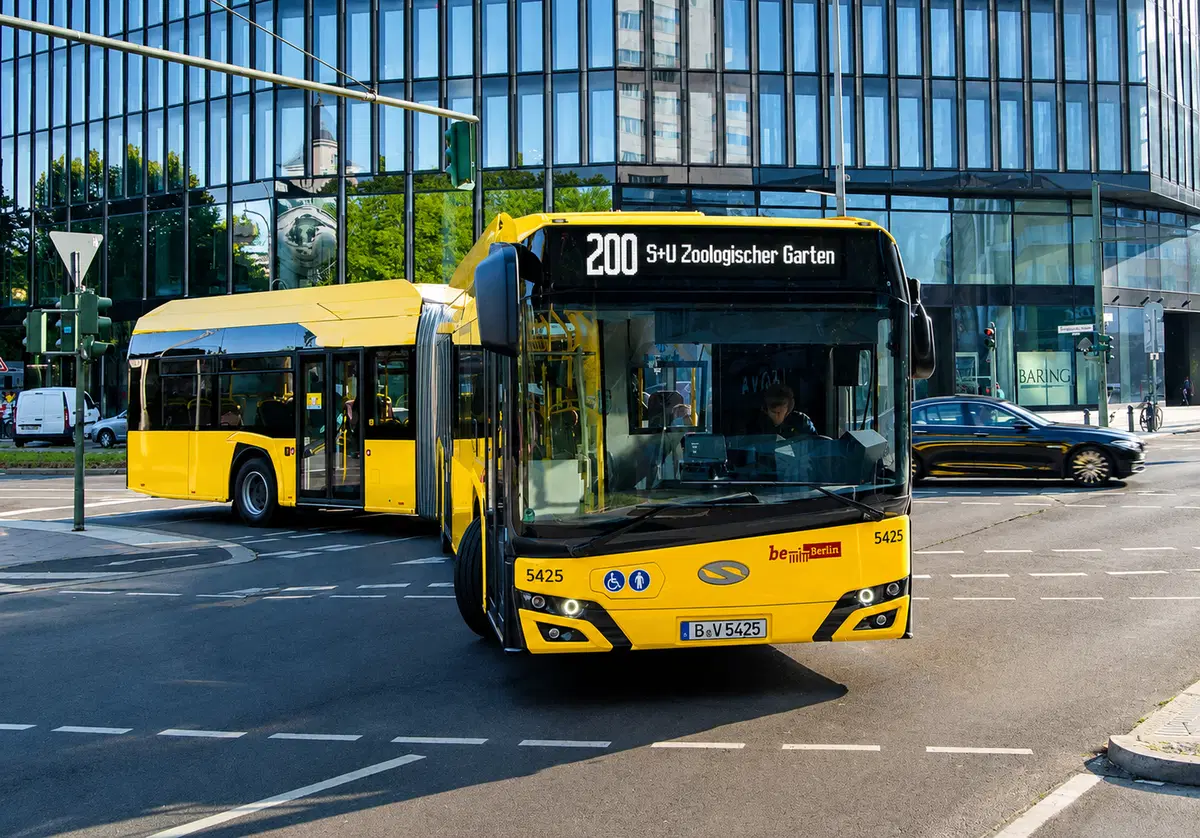
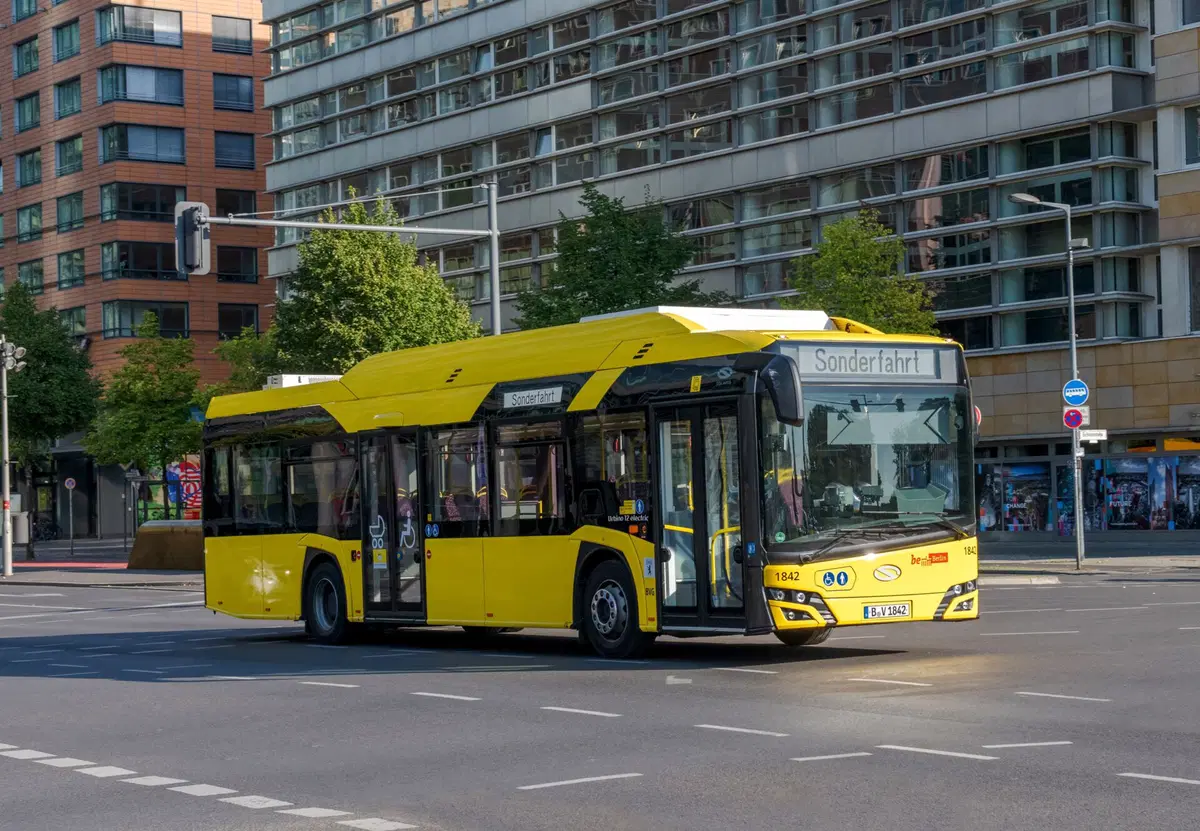
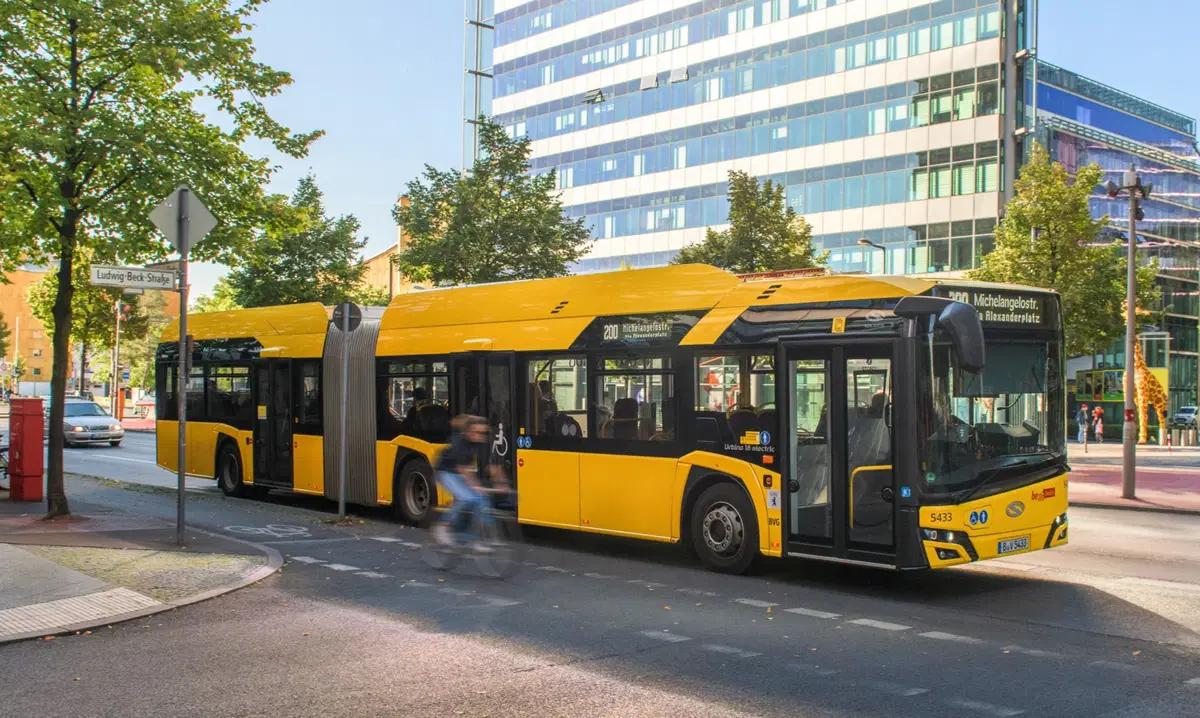
For BVG, which took part in the development, this is by no means just a theoretical matter. Berlin currently has 277 electric buses in operation, and a further 270 Solaris Urbino 18 electric articulated buses will arrive over the next year and a half, bringing the electric fleet to almost 550 vehicles. In parallel with this expansion, new depots designed specifically for electric buses are being built, existing garages are being upgraded, and a high-power fast-charging network is being installed at 20 termini. In other words, Berlin’s transport operator is encountering in practice exactly the questions WeBus was designed to model: from selecting the right charging strategy and sizing the infrastructure through to organising the vehicles’ daily operation.
The purpose of WeBus is to enable operators preparing for the transition to electric buses to model different electrification scenarios, making it clear before actual investment decisions are made what consequences a given technical or operational choice will have.
Among other things, the platform allows different battery capacities, charging strategies and infrastructure variants to be compared. Users can examine, for example, whether a given network can be served solely with depot charging, or whether daytime, on-route fast charging is also required. In the latter case, the system can also optimise the network so that, wherever possible, charging equipment has to be installed at as few termini as possible.
One of the key features of WeBus is that it does not treat the vehicle, the charging infrastructure and operations as separate elements, but models them as a single interconnected system. This is important because the viability of an electric bus system is often determined by details that may appear less spectacular at first glance.
The model therefore takes into account not only the timetable, range and charging times. The simulation can also incorporate, among other factors, the time spent cleaning vehicles, reassigning them and moving them within the depot, the available space, and the actual charging characteristics of the batteries.
Nor does using the tool necessarily require advanced simulation expertise. According to the developers, the interface guides users through the process step by step and also provides default values for the necessary parameters.
Operators’ own timetable data can be uploaded in several formats. In addition to simple CSV tables, the system can handle VDV-compatible “.x10” files, while ready-made scenarios created from publicly available GTFS timetable data can also be used.
At the end of the calculation, WeBus shows, among other things, the required fleet size, energy consumption and the expected requirements for charging infrastructure. It also produces an estimate of total cost of ownership, allowing different technical solutions to be compared from an economic perspective as well. The results are displayed both graphically and on a map.
Several open-source developments, each also available separately, operate in the background. These include the Reiner Lemoine Institute’s SimBA system, which primarily models fleet electrification and different charging strategies, as well as eFLIPS, developed by TU Berlin, which can be used for the simulation, planning and sizing of electric vehicle fleets and bus depots.
The platform may be of particular interest to small and medium-sized transport operators. In many cases, these are precisely the organisations that lack the in-house engineering and IT capacity needed for such detailed preliminary modelling, even though a poorly chosen battery size, charging concept or infrastructure layout can determine the costs and operability of an electric bus system for many years.
One of the most forward-looking aspects of the development is that the knowledge gained with public funding and the completed software are not being treated as a closed system, but are being given back to the sector. At a time when Europe’s transport operators are all trying to learn the new rules of operating electric buses, a freely usable and further developable planning tool is probably worth far more than if the results of the same project were to remain confined to a few research reports.