![Magyarbusz [Info]](/mbi/header-logo.png)
The bus can protect you, but only if you stay in your seat – why the seat belt is a matter of life and death
 Ludányi József
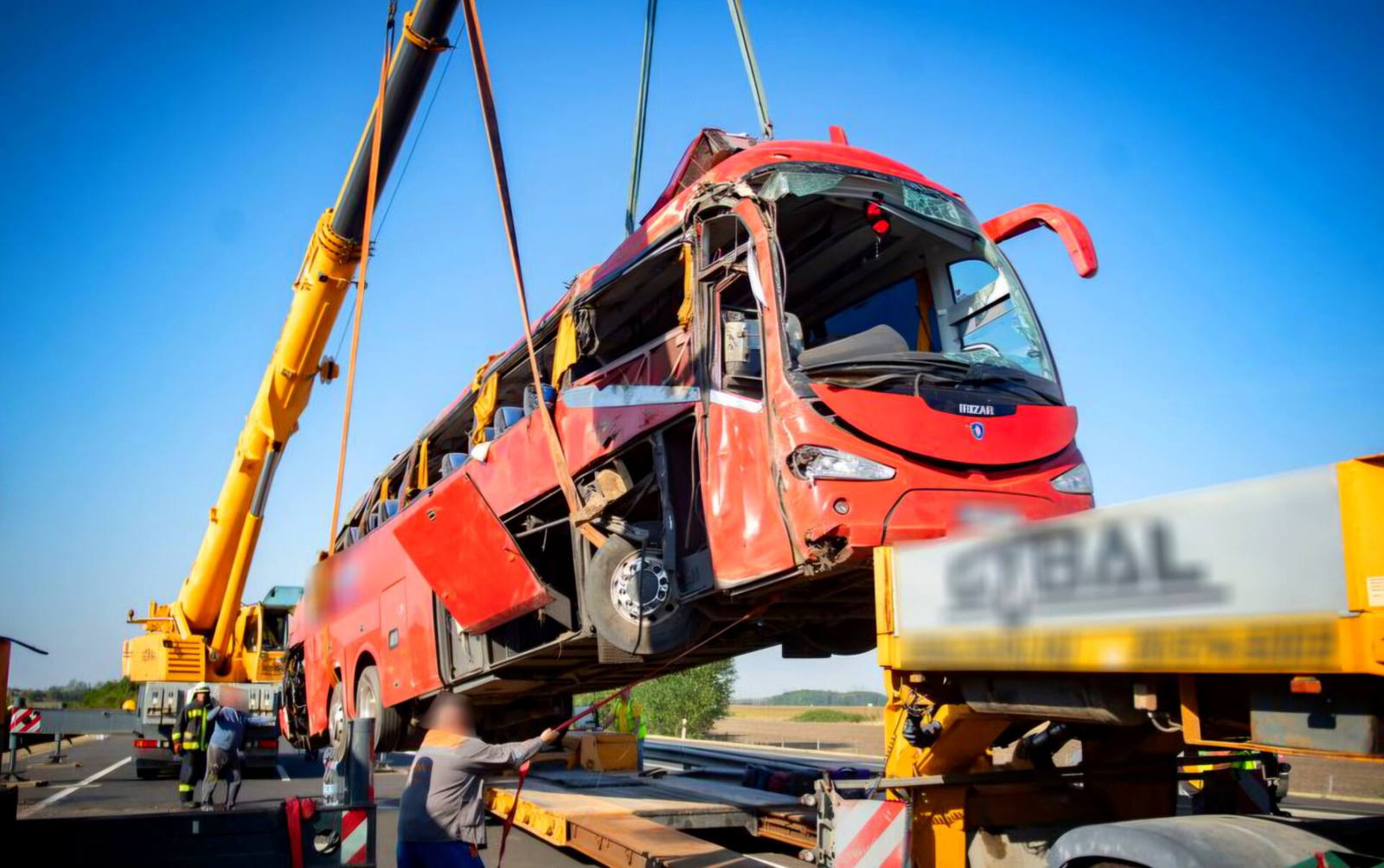
News of the tragedy on the M3 motorway in the early hours of Sunday has been widely reported in the Hungarian, Polish and regional press. There were 59 people travelling on the Polish-registered Irizar coach that overturned near Mezőkeresztes; 12 of them lost their lives and 47 suffered injuries of varying severity. The rescue operation was made particularly difficult by the fact that, when the vehicle overturned, several passengers became trapped under the bus.
The exact circumstances of the tragedy are still under investigation, so at present it is not known how many of the victims and injured passengers were wearing seat belts. For that reason, we do not wish to draw far-reaching conclusions from this specific case, and of course blaming the victims cannot be the aim. Looking at the distressing images of the wreckage, however, it is hard to avoid the impression that in a coach considered modern, and made by one of Europe’s most respected manufacturers, 12 people should not have died in such an accident if everyone had fastened their seat belt as required. The events therefore once again highlight the importance of using this passive safety device, which, in the case of buses and coaches, is still nowhere near as routine or widespread as it is in passenger cars – typically, even people who always buckle up in a car often do not do so on a bus. In addition to comfort considerations, this is mainly explained by the sense of safety created by the size of buses, but that feeling can be deceptive: although the large dimensions and the raised passenger compartment above the luggage hold can indeed provide protection in a collision with a passenger car, and the significant mass difference between the two vehicles also works in favour of the bus passengers, this advantage no longer applies in a collision with a vehicle of similar size or a solid fixed object (such as a bridge pillar). In a rollover, without a seat belt, that very height can become one of the most significant risk factors. Without wishing to alarm anyone, for the sake of our own safety we must accept that rollover is indeed a realistic accident scenario for long-distance coaches, and one that occurs much more frequently than it does with passenger cars.
In the case of coaches travelling on main roads and motorways bordered by ditches, a very high proportion of accidents caused by drivers falling asleep or becoming unwell – drivers who, let us say it plainly, are often overworked, tired, and treated by tour organisers merely as a kind of “talking accessory” to the bus – involve the vehicle leaving the road and entering a ditch. And driving into a ditch, given that buses are taller than they are wide and are therefore inherently more prone to rolling over, has a good chance of ending in a rollover, even though the latest active safety developments (see, for example, here and here) are already designed to help prevent this as well. If we add to this the fact that, among bus accidents involving relatively limited bodywork damage but, in proportion, a high number of fatalities and/or serious injuries, rollover incidents account for an exceptionally large share, it becomes clear just how important seat belt use is. A typical example was the tragic case in December 2016, also in the Mezőkeresztes area, which claimed five lives and in connection with which we also dealt with the subject at the time.
Both in Hungary and abroad, there have already been numerous serious bus accidents in which passengers were thrown out of the passenger compartment as the vehicle overturned, and then became trapped under a vehicle with an unladen mass of as much as 17-18 tonnes. Investigations into several previous cases have established that the unfortunate passengers were ejected from the vehicle because they were not using the seat belts available to them. In rollover accidents this is particularly important, because the primary function of the belt is to keep the passenger in their seat.
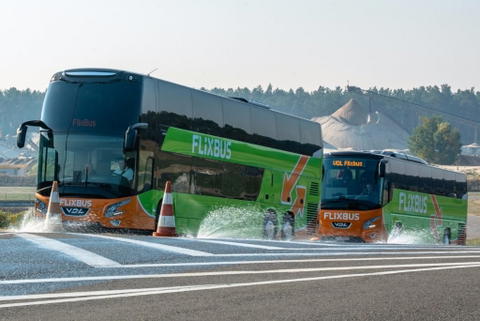
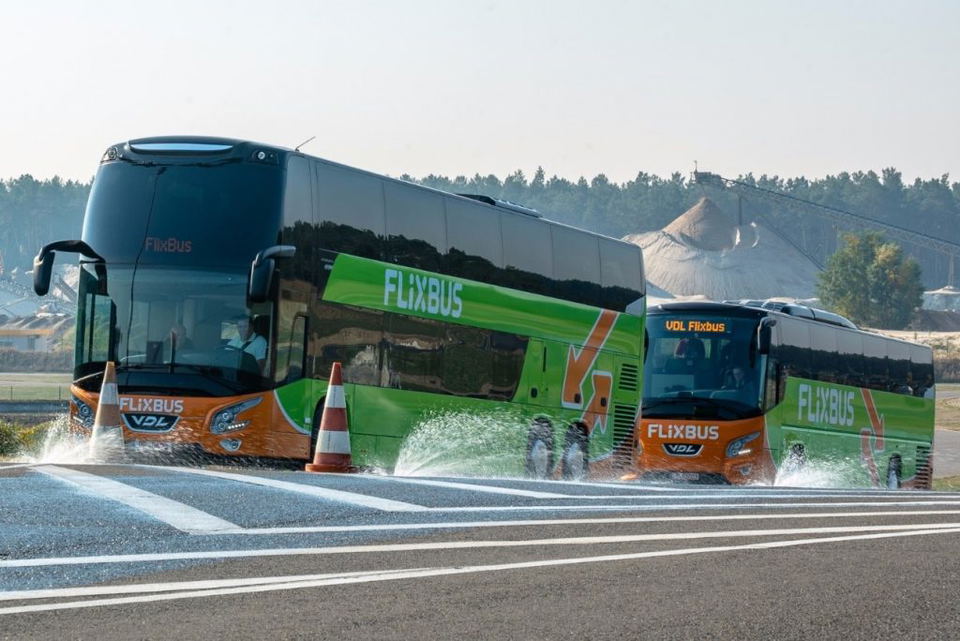
More and more bus and coach operators are also trying to draw passengers’ attention to this problem. FlixBus, for example, has launched a dedicated campaign to encourage the use of seat belts, while on board, drivers also remind passengers of the importance of buckling up through announcements and stickers. The company’s safety expert, Thorsten Meyer, likewise stressed at the Safety Day event visited by Magyarbusz [Info] in Brno in 2024 that wearing a seat belt is one of the simplest and most effective things passengers can do to protect themselves in the event of an accident.
This is precisely why it is especially important to emphasise that on long-distance buses and coaches travelling at higher speeds – up to 100 km/h on motorways – everyone should use the seat belt available to them. On these M3/Class III vehicles, which by their design and operation are fundamentally intended to carry seated passengers, the seat belt fitted to the seat is an important part of the occupant protection system. Its use while travelling is mandatory for good reason: in a serious collision or rollover, it can save lives.
The shocking images from the scene of Sunday’s accident clearly show that the coach body was subjected to extremely significant forces. Although we do not yet know the vehicle’s speed at the time of the accident or the precise dynamics of the rollover, it is notable that the main roof structure of the superstructure did not collapse over a significant part of the passenger compartment, and the basic geometry of the body also remained recognisable. At the same time, the right-hand side of the vehicle was severely damaged, especially in the section behind the rear axle group, where substantial structural deformation can be seen.
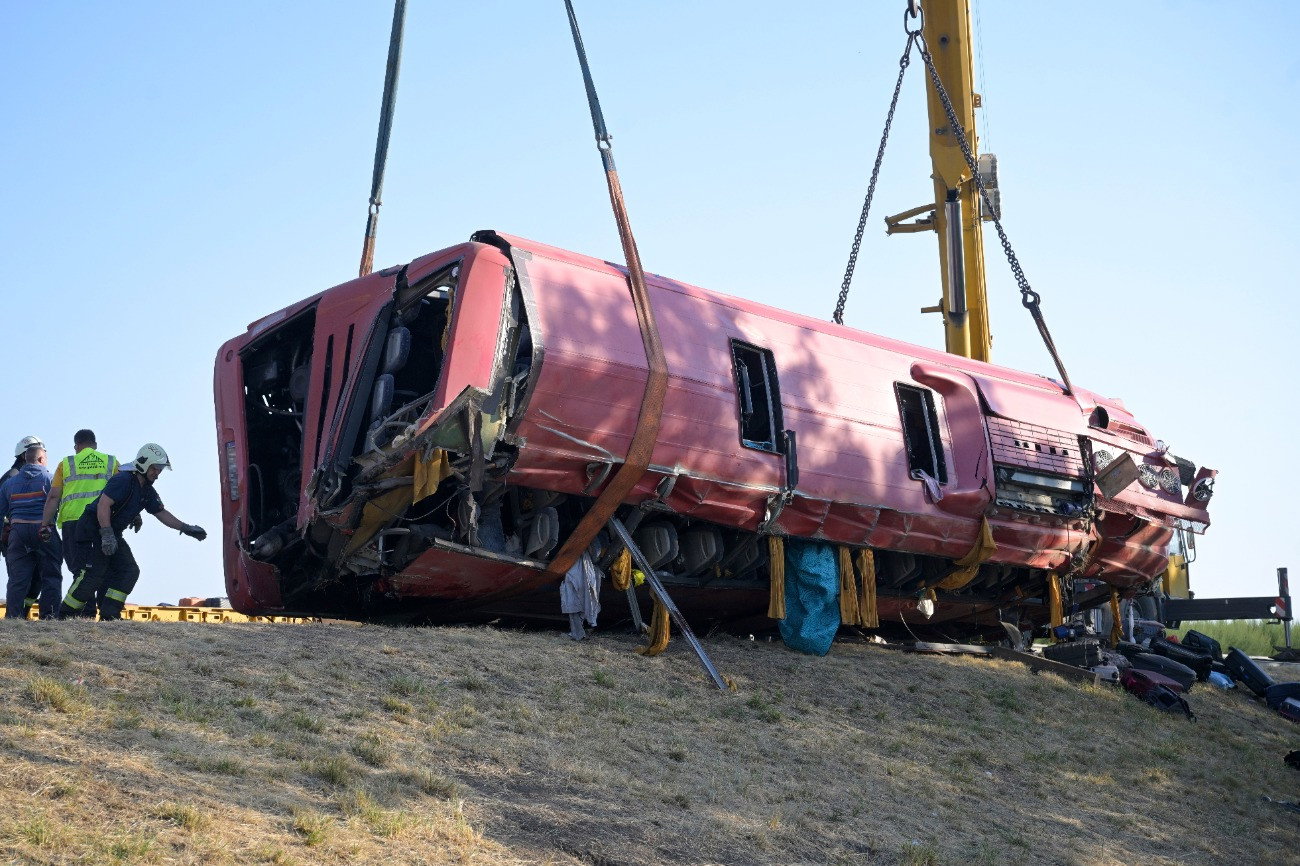
The design of the three-axle Irizar i6 involved in the accident meets the requirements of UNECE Regulation No. 66 on the rollover safety of buses and coaches, one of the most important aims of which is to ensure that, in a rollover, the deforming body structure does not intrude into the defined survival space for passengers. Based on the available photographs, a significant part of the superstructure retained its structural integrity despite the extreme load, meaning that the design was fundamentally able to maintain the protected space it was designed to preserve. Determining whether the survival space specified by the regulations remained intact along the vehicle’s entire length and at every point, however, would require a detailed technical examination of the wreckage.
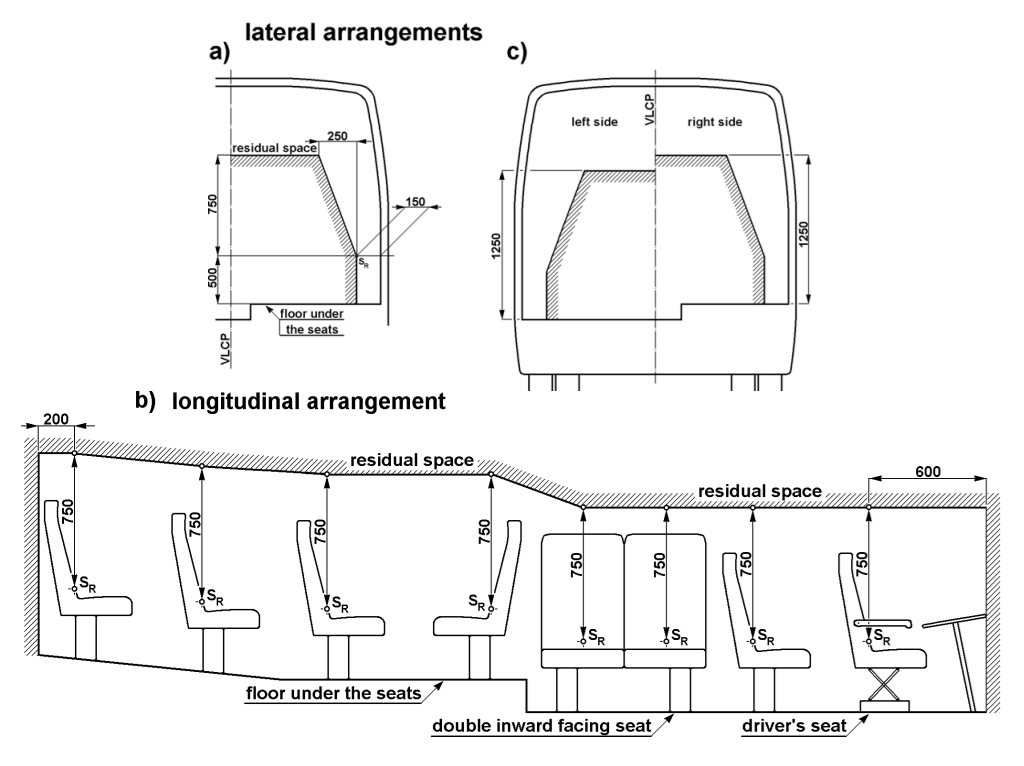
The dimensions of the survival space defined by UNECE Regulation No. 66 (Source: unece.org)
Bus and coach manufacturers naturally pay particular attention to ensuring that their vehicles provide passengers with the greatest possible protection even in a collision or rollover. To this end, buses and coaches must comply with numerous international safety requirements (in Europe these are regulated by the UNECE regulatory framework already mentioned), which govern, among other things, the strength of the superstructure, the load-bearing capacity of seats and their anchorage points, and the design of seat belts and their anchorages; indeed, there is now a separate regulation for child seats as well. These requirements have become steadily stricter over recent decades, so in newer designs passive safety is already one of the fundamental development criteria.
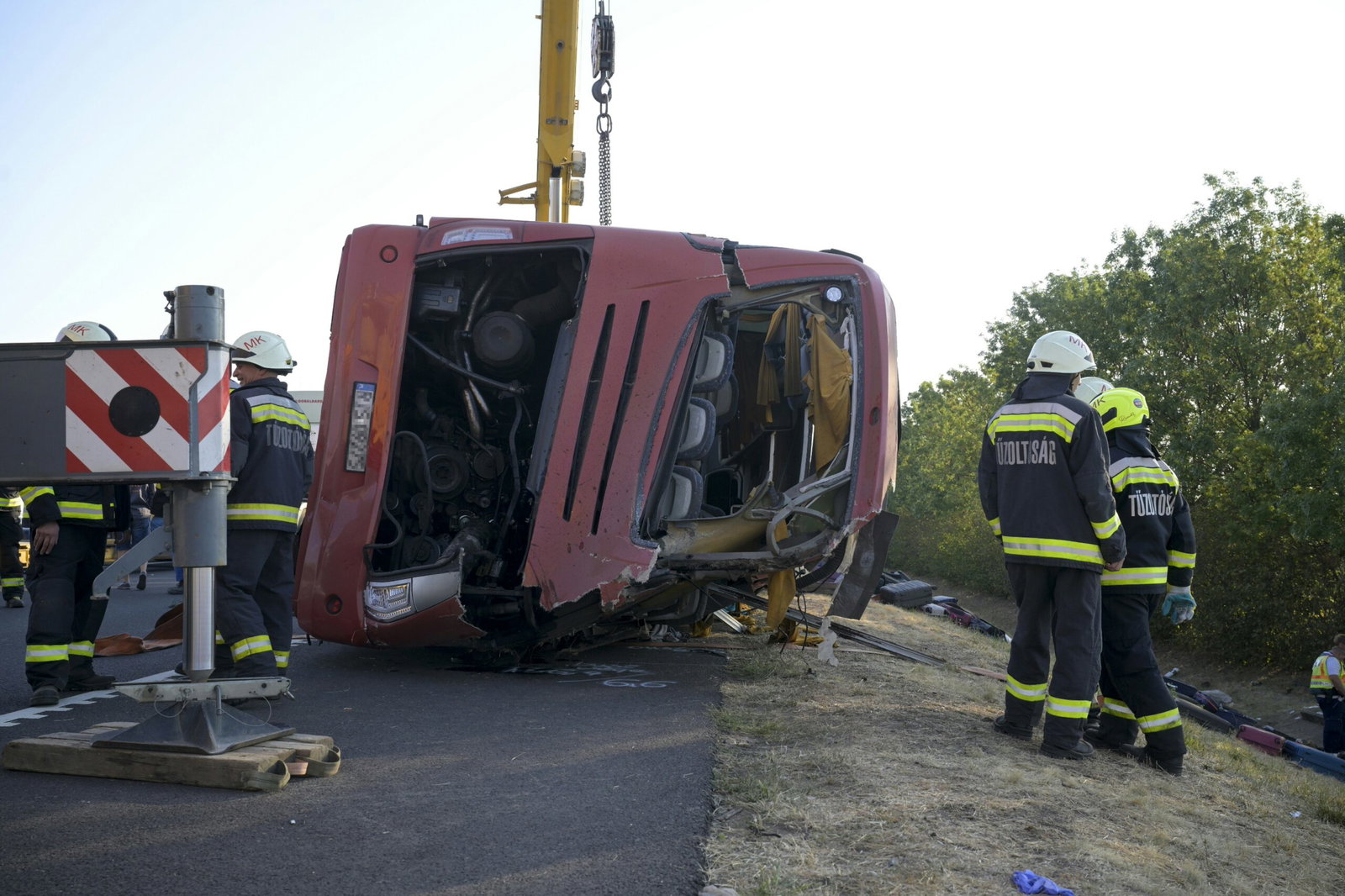
Rollover safety is particularly important from this point of view. It is not enough in itself for the body structure to withstand the impact: the superstructure must deform in such a way that the prescribed survival space for passengers remains, as far as possible, intact. For that, however, the passenger must also remain within this protected space – and this is where the rollover safety of the body structure is directly linked to the use of seat belts.
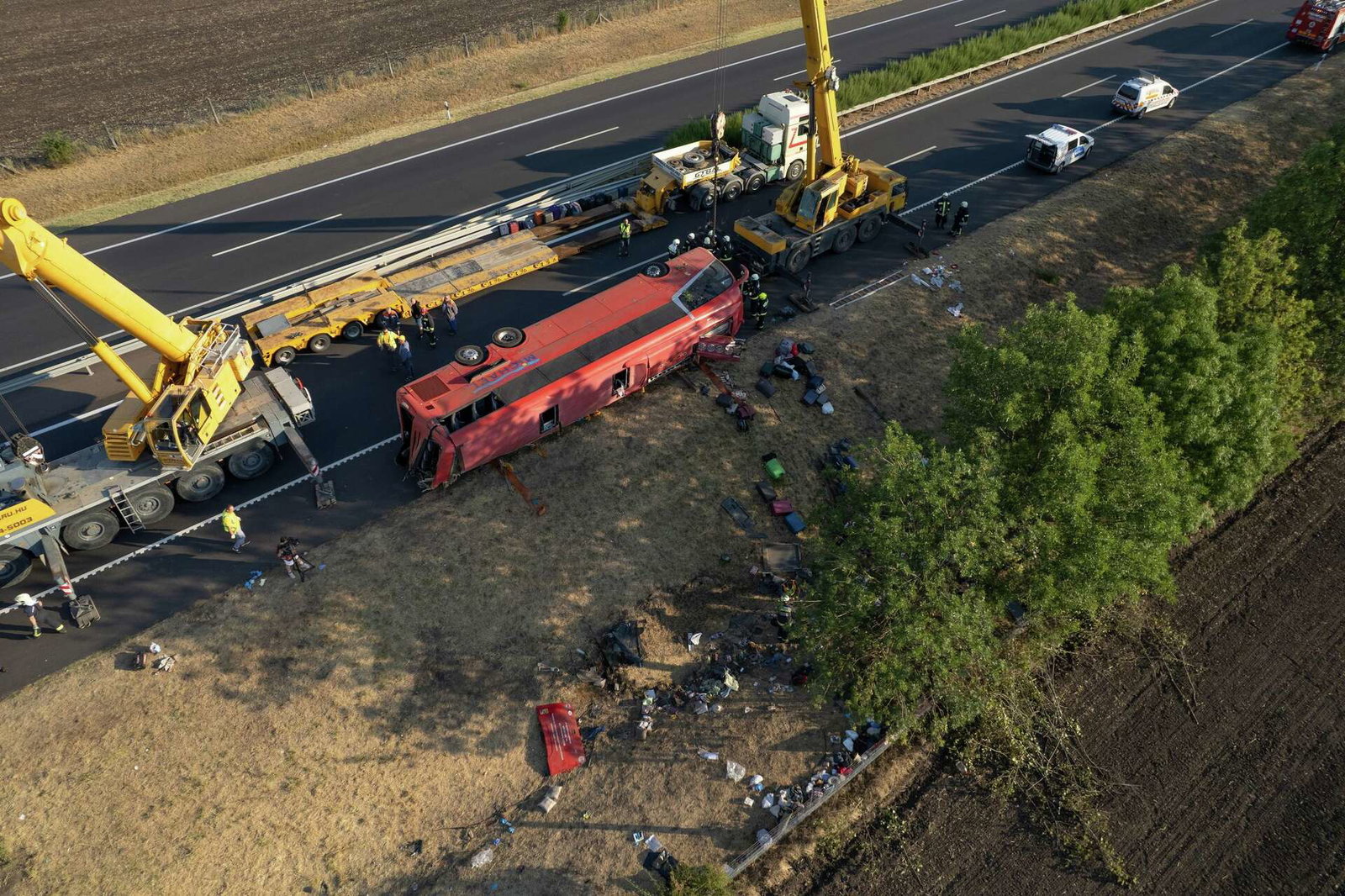
The question may arise as to why a bus overturning can result in unbelted passengers falling out of the passenger compartment, and in extreme cases even having the vehicle itself roll onto them. In the case of coaches, two factors are especially significant in this respect: the generally higher travelling speed and the tall construction of the vehicles. A coach travelling on a motorway does not simply tip over onto its side. If it leaves the road at high speed, enters a ditch and then overturns, the vehicle carries a significant part of its kinetic energy into the rollover as well. As a result, passengers are subjected simultaneously to sudden deceleration, lateral acceleration and the rotation of a vehicle moving in a corkscrew-like motion.
Even a simple rollover onto the side can pose a serious danger. The aisle of a high-floor single-deck coach can be well over one and a half metres above the road surface. If the rows of seats are located on a raised platform, roughly another 200 mm must be added to this, and even then we have only reached the floor level of the seating area. The seat cushion itself is another 400-500 mm higher, which means that the passengers’ centre of mass, located around the pelvis, can be almost two and a half metres above the ground. Anyone can see that falling from this height with considerable force – and onto an uneven surface – already presents a serious risk of injury. Yet during a rollover, an unbelted passenger seated on the upper side may effectively fall across the passenger compartment towards the other side from an even greater height than this. Moreover, this is not a simple fall inside a stationary vehicle: while the body rolls onto its side, the body of an unbelted passenger does not automatically follow its movement because of inertia, but continues moving through the passenger compartment and may strike the seats, the side wall, the windows, the luggage racks (whose edges can be particularly dangerous in such situations) or even other passengers.
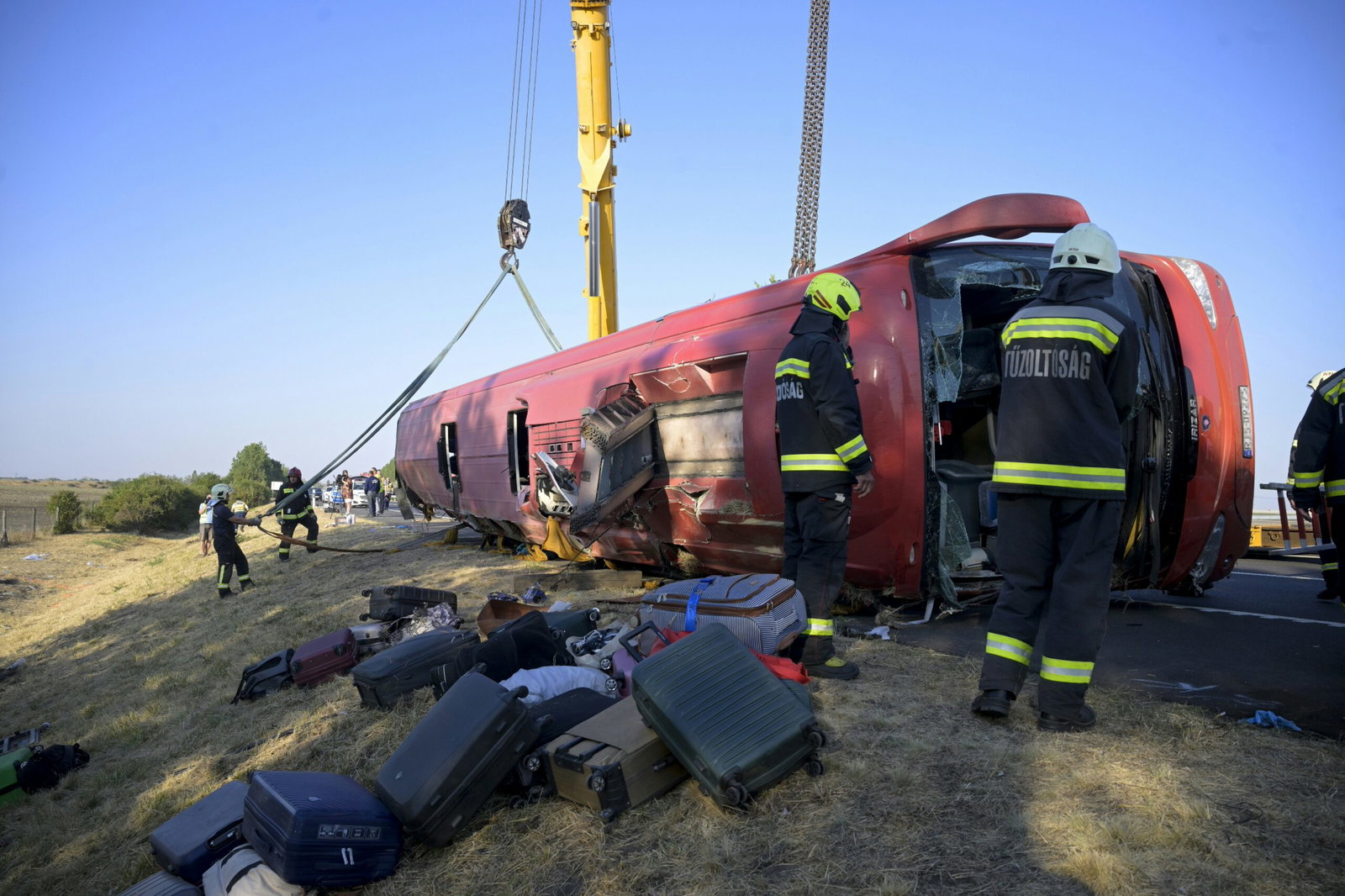
The situation of those seated on the side onto which the bus rolls is no less dangerous. They do not fall across the full width of the passenger compartment, but they are located directly next to the side wall that strikes the ground. In addition to passengers seated on the opposite side falling onto them – and here, too, it is worth considering that even a child can exert a serious impact force, not to mention a man weighing 90-100 kg – the side windows may shatter on impact, and the side wall and roof structure may deform. As a result, an unbelted passenger may be thrown against the window or side wall, and in extreme cases may be partly or completely ejected from the vehicle through the broken window. This is one of the most serious dangers of a rollover, and the movement of the bus may not necessarily have ended at that point: a person ejected from the vehicle may end up beside the body while the multi-tonne coach continues to roll or slide. In such a situation there is also a risk that the passenger will end up under the vehicle.
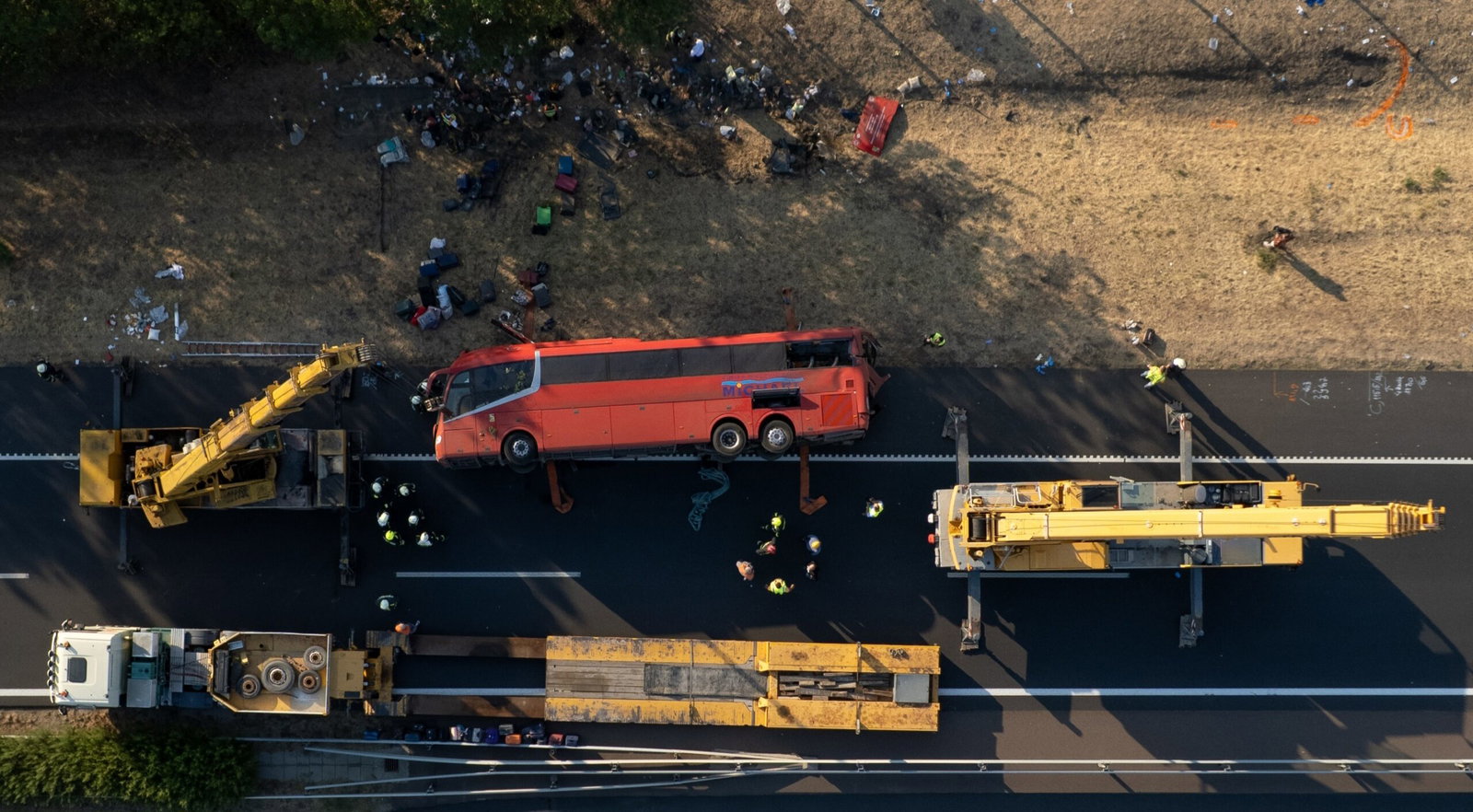
Accidents involving a vehicle running into a ditch are therefore particularly dangerous. On sloping, uneven terrain, a large coach with a high centre of gravity can more easily get into a situation in which the body strikes the ground on its side with high energy; without a seat belt, nothing then keeps the passenger’s movement tied to the seat.
This, of course, does not mean that the rollover of a lower-built interurban bus travelling at a lower speed could not be serious or even fatal. In the case of large coaches, often operating international services, however, high-speed motorway travel, the elevated passenger compartment and the resulting greater fall height can together lead to particularly severe consequences. That is why, in these vehicles, the seat belt is not some unnecessary inconvenience: in a rollover, it plays a fundamental role in keeping the passenger in their seat and, as a result, within the survival space provided for them by the vehicle body.
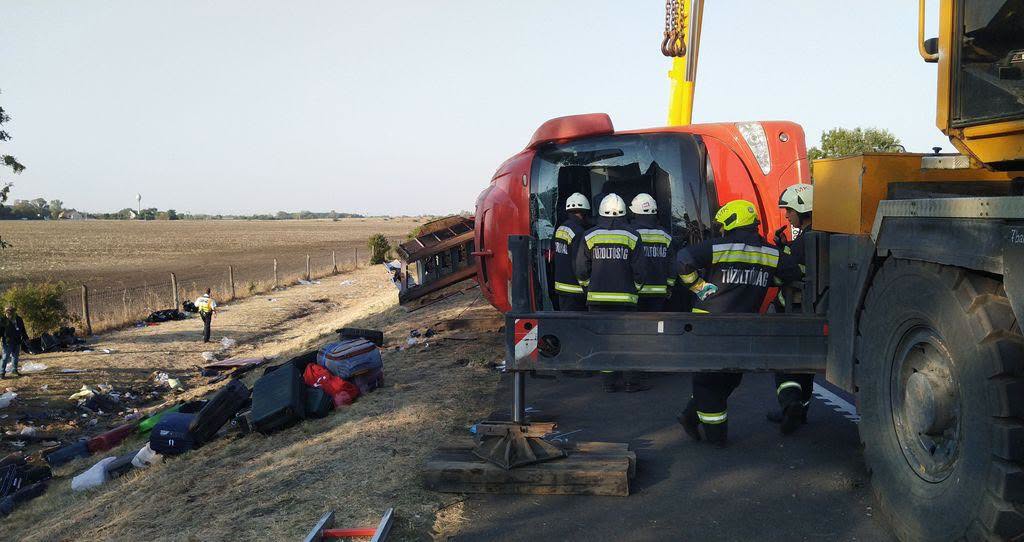
A seat belt on its own cannot, of course, prevent a serious road accident, and wearing one is not an absolute guarantee that someone will emerge from such a situation without injury. Its role, however, is beyond dispute: in a collision, and especially in a rollover, it significantly increases the chance that the passenger will remain in their seat and therefore within the survival space designed into the vehicle and protected by its structure. Engineers and manufacturers put a great deal of work into ensuring that the body of a modern coach protects those travelling in it even in such an extreme event – but as passengers, we must also make use of that protection.
Establishing the circumstances of Sunday’s tragedy is the task of the authorities, and until the investigation is concluded, it would not be right to speculate on what role seat belt use may have played in individual injuries or fatalities. The accident was presumably made worse by the fact that it happened at night, meaning that most passengers, who were likely asleep, had no opportunity to grab hold of anything at the last moment. One general lesson, however, is worth repeating again and again regardless of this case: if a seat belt is available to us on a bus or coach, we should always fasten it and remain belted throughout the journey. It takes only a few seconds, and in the best case we will never need the belt to do its job – but if we do, it may save our life.
Cover image: Imre Tóth, photos: Zoltán Máthé