![Magyarbusz [Info]](/mbi/header-logo.png)
Bi-Articulated Buses Caught Between Legislation and Infrastructure – European Practice and Opportunities in Hungary
 Ludányi József
The question of whether buses longer than 18.75 metres – primarily bi-articulated buses – can be registered for operation in Hungary is often interpreted as an example of the „inconsistency” of Hungarian legislation or the incompetence of decision-makers. This interpretation is, however, misleading. Under the fundamental European Union legislation governing road transport, vehicles of this size are, as a general rule, not permitted to participate in road traffic. At the same time, the relevant EU directives and regulations delegate the possibility of granting exemptions to the Member States. Accordingly, individual Member States may authorise the operation of longer vehicles through national decisions. At present, some form of legal framework allowing the operation of bi-articulated vehicles exists in 15 European countries, while in the remaining states such vehicles are still not part of regular road transport practice. Consequently, the Hungarian situation should not be regarded merely as an issue of national legislation, but rather as a complex technical and regulatory matter embedded in the broader European legal framework, where road safety, infrastructure suitability and approval procedures all play a decisive role. During the preparation of this article, our editorial team contacted the two manufacturers currently producing bi-articulated buses in Europe – Hess and Solaris – as well as the public transport operators DPP in Prague and DPB in Bratislava, both of which already operate such vehicles. In addition, we requested official statements from the Hungarian Ministry of Construction and Transport, the National Transport Authority, and BKV in order to identify the legal, technical and institutional barriers that currently prevent the registration of bi-articulated vehicles in Hungary, and to explore under what conditions their future introduction could realistically become possible.
In order to assess the issue properly, it is essential to clarify exactly what the European Union’s legislation on road vehicle dimensions does – and does not – provide. According to point 1.1 of Annex I to Council Directive 96/53/EC on the maximum authorised dimensions and weights of road vehicles, the maximum permitted length of vehicle combinations within the European Union is 18.75 metres. This harmonised length limit was not established primarily on the basis of vehicle engineering considerations, but rather with regard to the characteristics of road infrastructure and the road safety and traffic management implications associated with larger vehicle dimensions. However, Article 1(3) of the Directive explicitly states that these provisions do not apply to articulated buses consisting of multiple sections.
Article 4(4) of the Directive provides Member States with additional flexibility by allowing them to authorise, within their own territory, the operation of vehicles or vehicle combinations used for transport whose dimensions differ from the values specified in points 1.1, 1.2, 1.4–1.8, 4.2 and 4.4 of Annex I, provided that such operations concern national transport activities which do not significantly affect international transport or competition. Consequently, it can be concluded that, at EU level, there are no harmonised and mandatory dimensional limits specifically applicable to multi-section articulated buses or similarly designed trolleybuses. Their authorisation therefore falls primarily within national competence. However, the existence of this national competence does not automatically mean that such vehicles can be placed into service. In practice, the extent to which this legal flexibility can be utilised largely depends on the homologation procedures available to manufacturers and on the technical and administrative requirements that must be fulfilled before such vehicles can be introduced to the market. To better understand these aspects, the experience of vehicle manufacturers is particularly instructive.
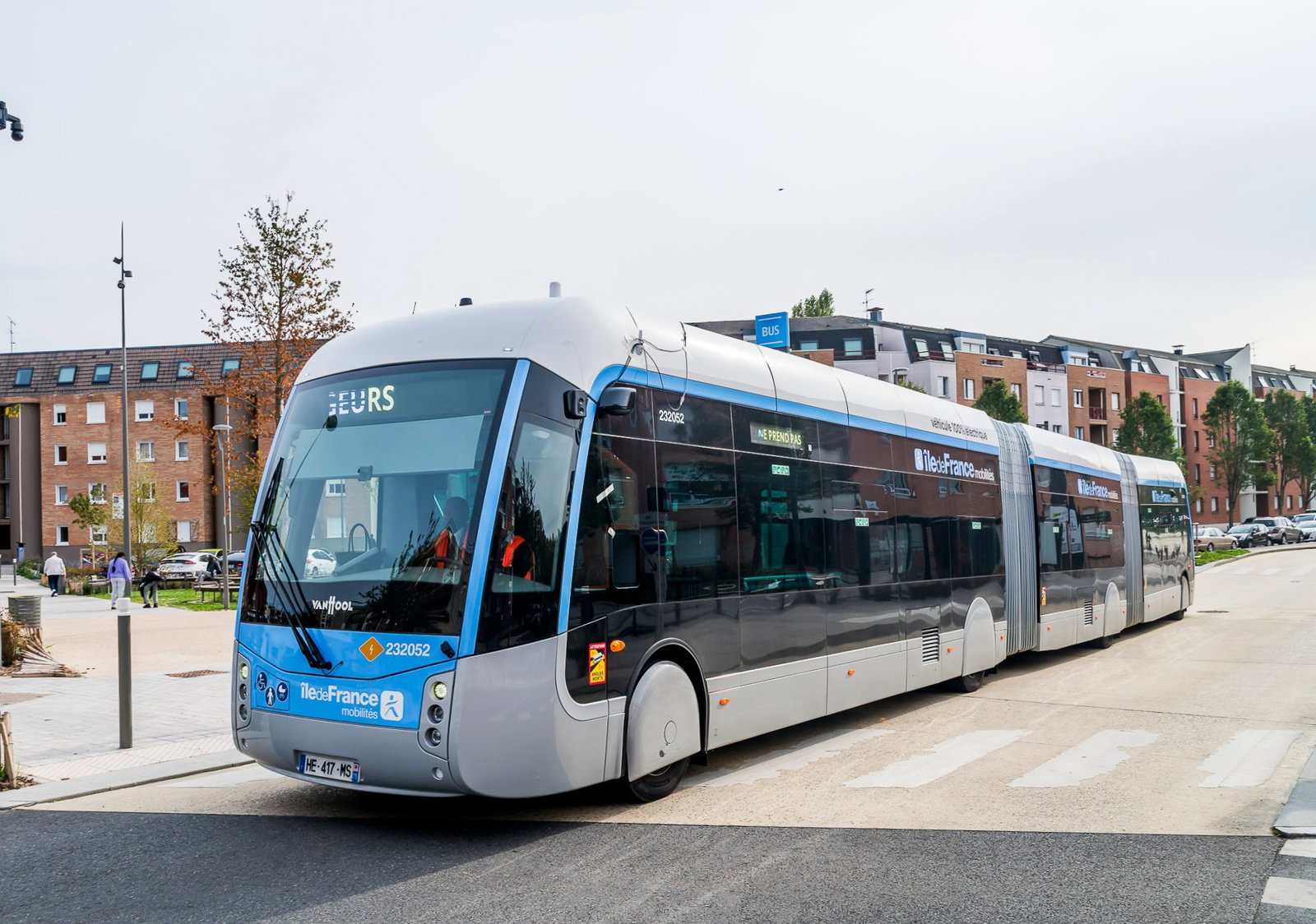
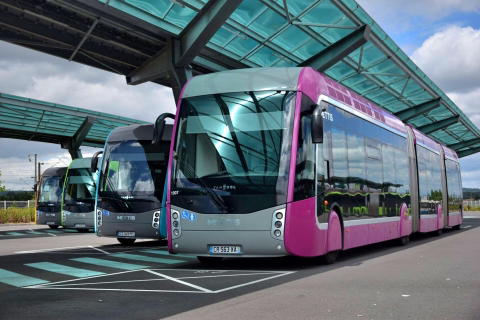
Following the „departure” of Van Hool, only Solaris and Hess currently offer extra-long electric buses and trolleybuses on the European market.
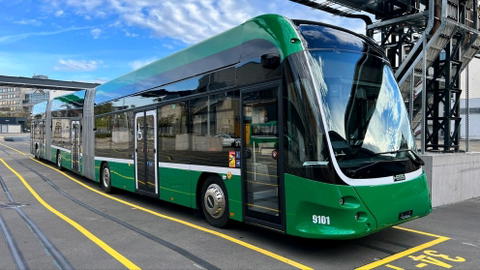
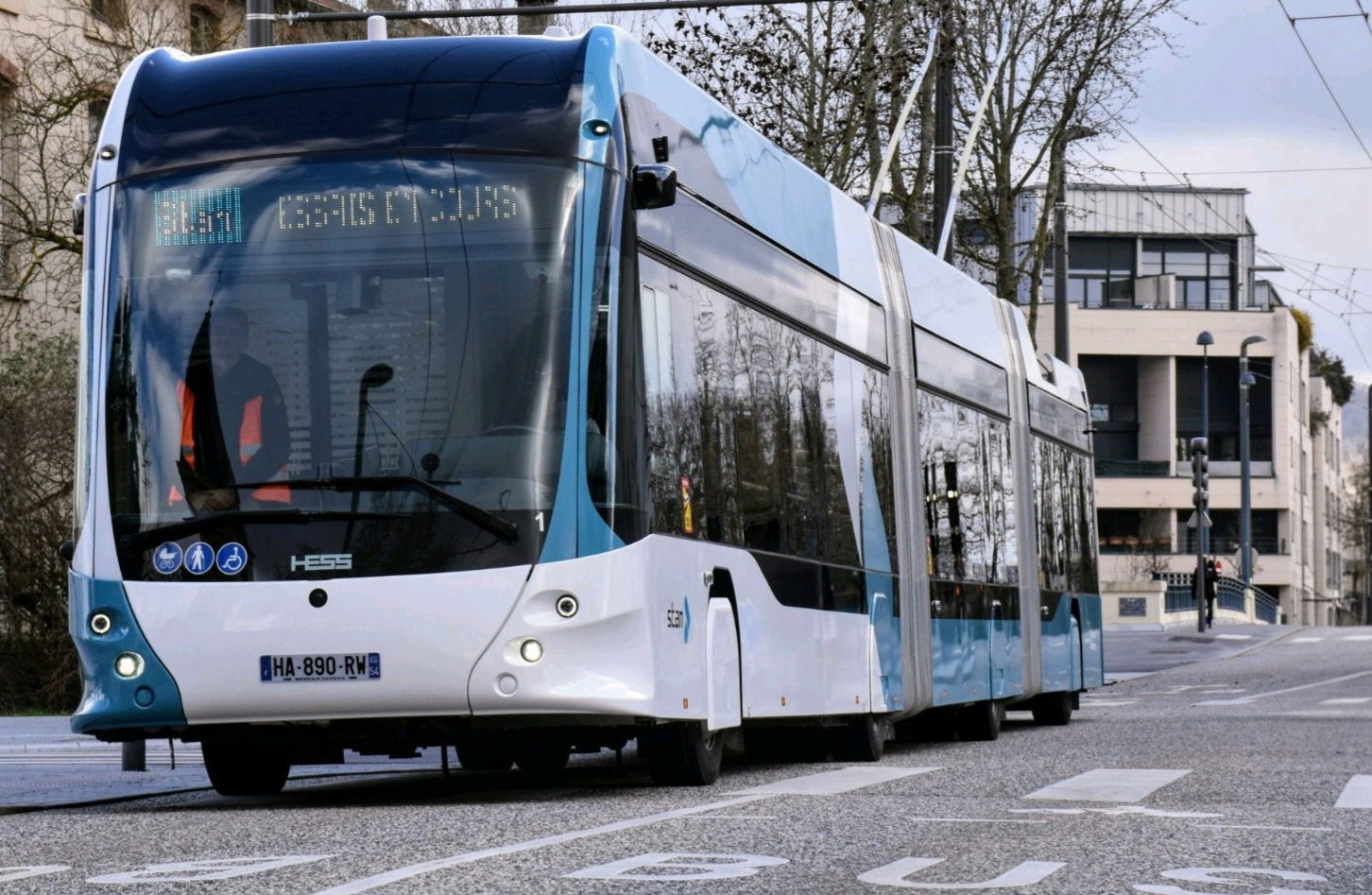
Since the bankruptcy of Van Hool last year, only two active European bus manufacturers possess genuine series production and operational experience in this highly specialised segment: Hess and Solaris. The Swiss manufacturer’s vehicles are in operation not only in several Swiss and Austrian cities, but also in France and Australia, while Solaris has established a significant presence in the European bi-articulated vehicle market thanks to several major contracts awarded in recent years. In its response to our enquiry, Hess AG confirmed that, for bi-articulated vehicles exceeding 18.75 metres in length – typically 24–25 metres – the standard EU approval procedures alone are insufficient. Since the fundamental European legislation governing vehicle dimensions does not allow such vehicles to enter service automatically, every such vehicle requires a national exemption or individual approval procedure.
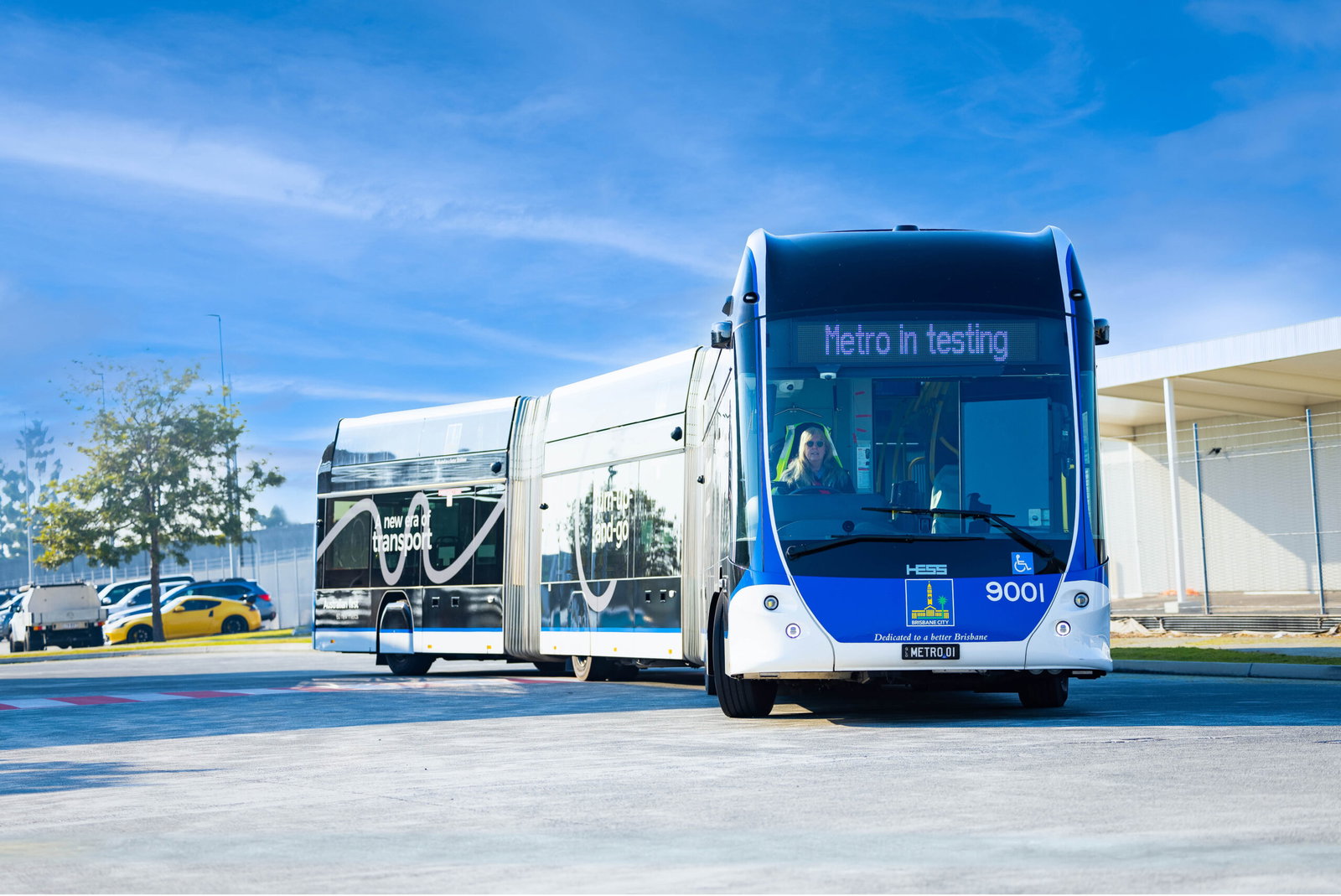
According to the Swiss manufacturer, the challenges encountered during the approval process are by no means purely legal in nature. From a technical perspective, the key issues concern the compatibility of the vehicle with the urban infrastructure in which it will operate. These include, among other things, the design of bus stops, the negotiability of medium- and small-radius curves, the assessment of vehicle overhang, and – in the case of battery-electric buses or trolleybuses – the suitability of charging and overhead line infrastructure. From an administrative standpoint, Hess highlighted the complexity of approval procedures involving multiple authorities, further complicated by the absence of harmonised EU regulations for oversized vehicles and the extensive road safety, environmental and infrastructure compatibility documentation required for authorisation. As a result, approval procedures are generally time-consuming and may often take many months to complete. Hess also pointed out that, for bi-articulated vehicles, the geometric and design parameters applicable to conventional 18.75-metre articulated buses are not used. Requirements concerning turning radius, axle loads, vehicle overhang and other dimensional characteristics are determined individually by the competent national authorities during the approval process, primarily on the basis of road safety considerations and the characteristics of the local infrastructure. In this respect as well, there is no harmonised EU-wide regulatory framework for bi-articulated vehicles. The manufacturer further emphasised that, although these vehicles belong to the M3 vehicle category for passenger transport with a maximum authorised mass exceeding five tonnes and therefore receive EU type approval under Regulation (EU) 2018/858, this approval only covers general technical and safety compliance. Approval for vehicle lengths exceeding 18.75 metres is not included within the scope of EU type approval and therefore always requires a separate national exemption.
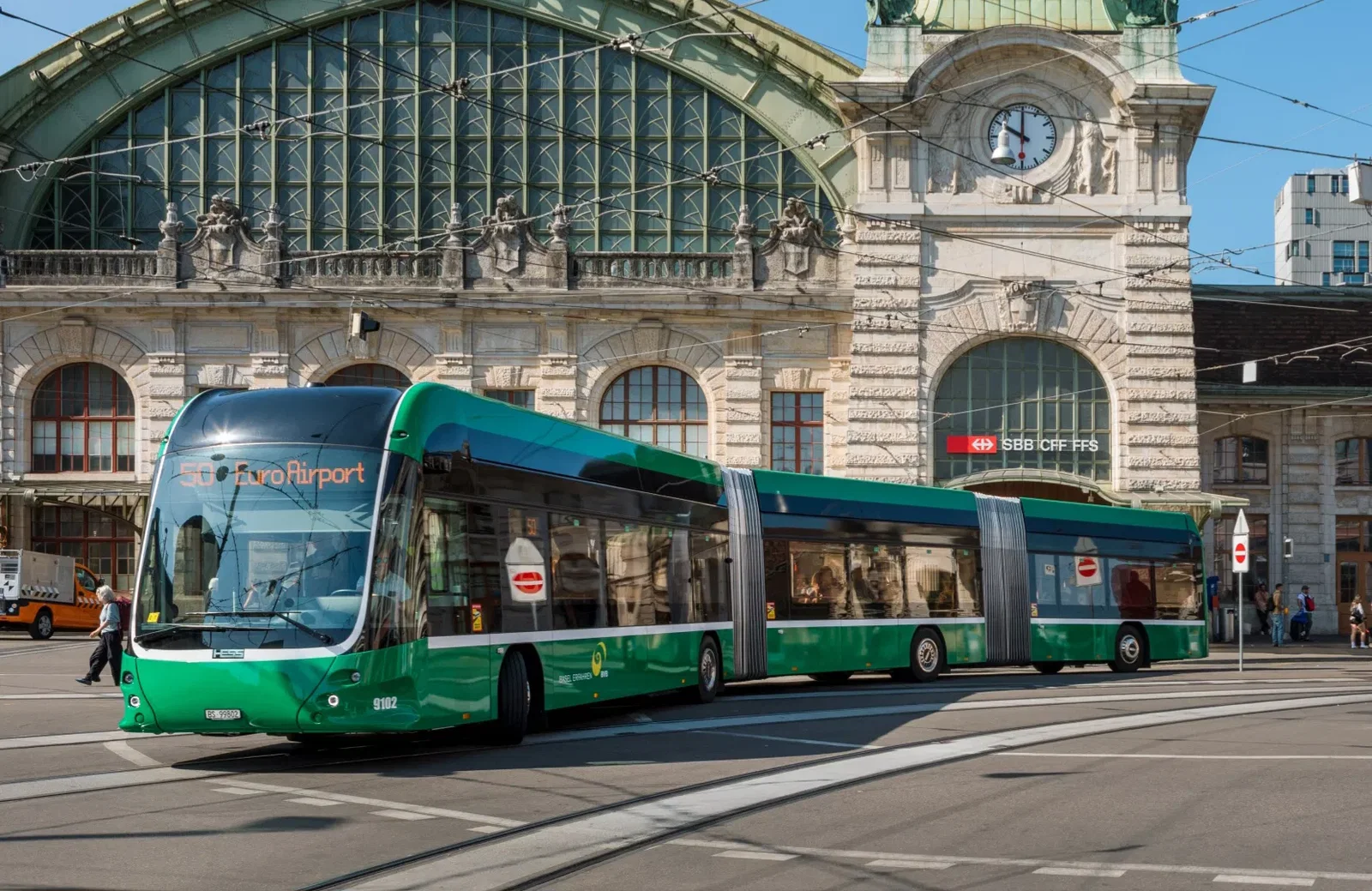
According to Hess, the operation of articulated vehicles does not generally grant unrestricted network-wide operating rights in most European countries. Authorisation is typically limited to specific routes or sections of routes that have been assessed in advance as suitable for accommodating vehicles of this size. Fully unrestricted operation is only encountered in exceptional cases, primarily in countries such as the Netherlands or certain regions of Scandinavia, where the road and stop infrastructure has been designed from the outset for high-capacity, long vehicles. Hess noted that approval practices differ considerably from country to country. In Switzerland, a pragmatic approach generally prevails, combined with strict infrastructure assessments and regular exemption procedures. France has traditionally shown openness towards experimental and pilot projects, although these require comprehensive safety and compliance documentation. Austria, by contrast, typically follows more formal and often more time-consuming approval procedures. According to the company’s experience, the countries that prove to be the most cooperative are those where high-capacity, BRT-style transport systems already form part of the existing or planned urban transport network.
The information provided by Solaris’ homologation department largely confirms the experience described by Hess. According to the company, in the case of bi-articulated vehicles exceeding the general EU length limit of 18.75 metres—such as 24-metre vehicles—the harmonised EU procedures alone do not provide automatic authorisation for operation. Consequently, approval is always complemented by a national decision in practice. Solaris also noted that it is pursuing Whole Vehicle Type Approval (WVTA) for its 24-metre vehicle family, enabling the company to issue a Certificate of Conformity (CoC) for the complete vehicle. However, in line with the European legal framework, this documentation also contains a supplementary remark stating that the permitted vehicle length exceeds the standard EU limit and that additional local requirements must therefore be fulfilled.
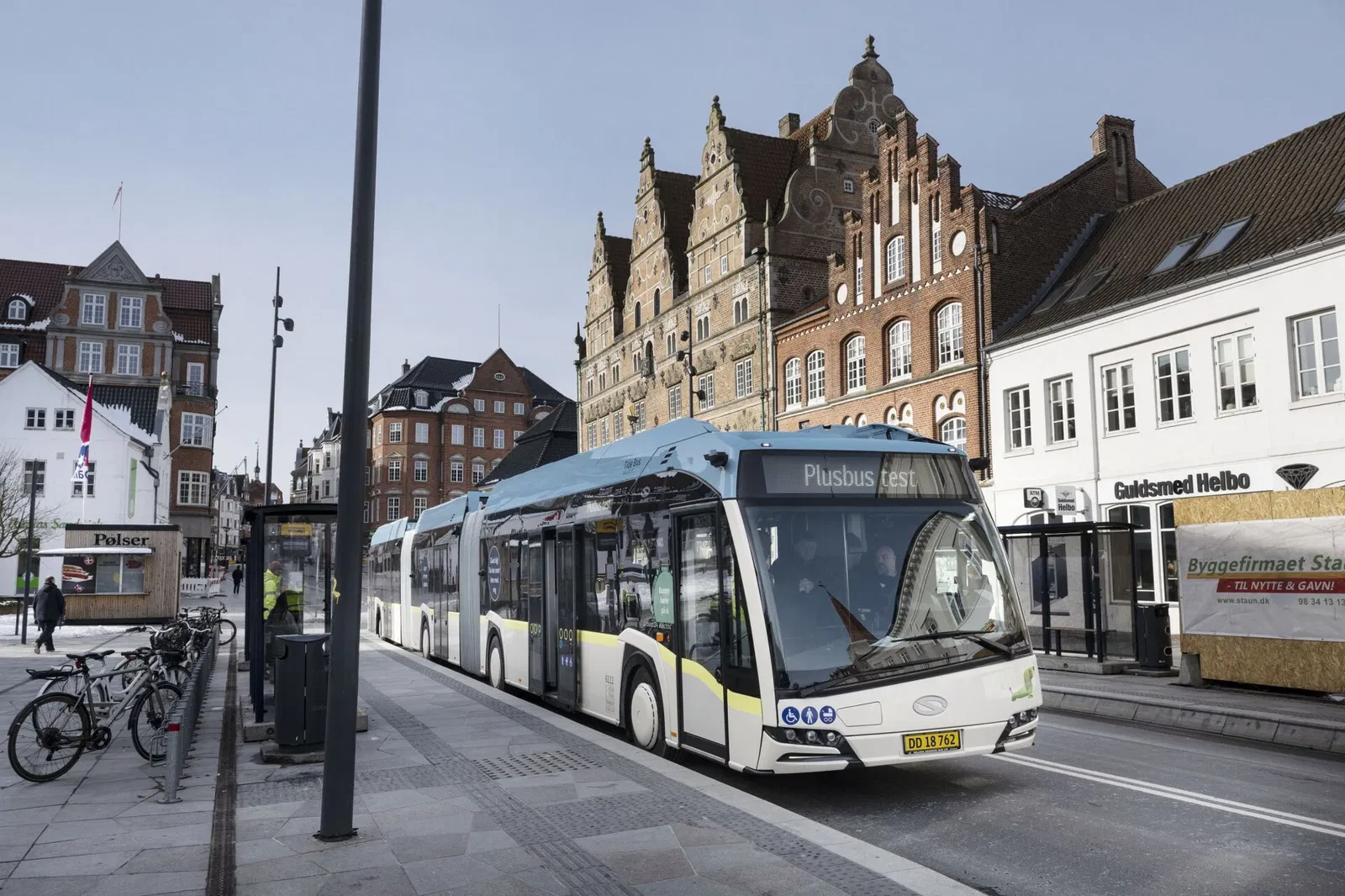
According to the Polish manufacturer, and similarly to Hess, the standard geometric and construction parameters applicable to conventional 18.75-metre articulated buses are not used for bi-articulated vehicles. Compliance is demonstrated through test reports and certificates issued by authorised technical organisations, taking into account the specific characteristics of the individual vehicle, since no harmonised EU requirements exist in this field. Solaris also confirmed Hess’ experience that the scope of operation varies from country to country: in some markets, oversized vehicles are restricted to designated routes, while elsewhere they may be deployed more extensively where suitable infrastructure is available. The manufacturer highlighted that in countries where such vehicles are already in regular service—such as the Czech Republic, Slovakia and the Netherlands—approval procedures for additional projects have generally become more predictable and straightforward.
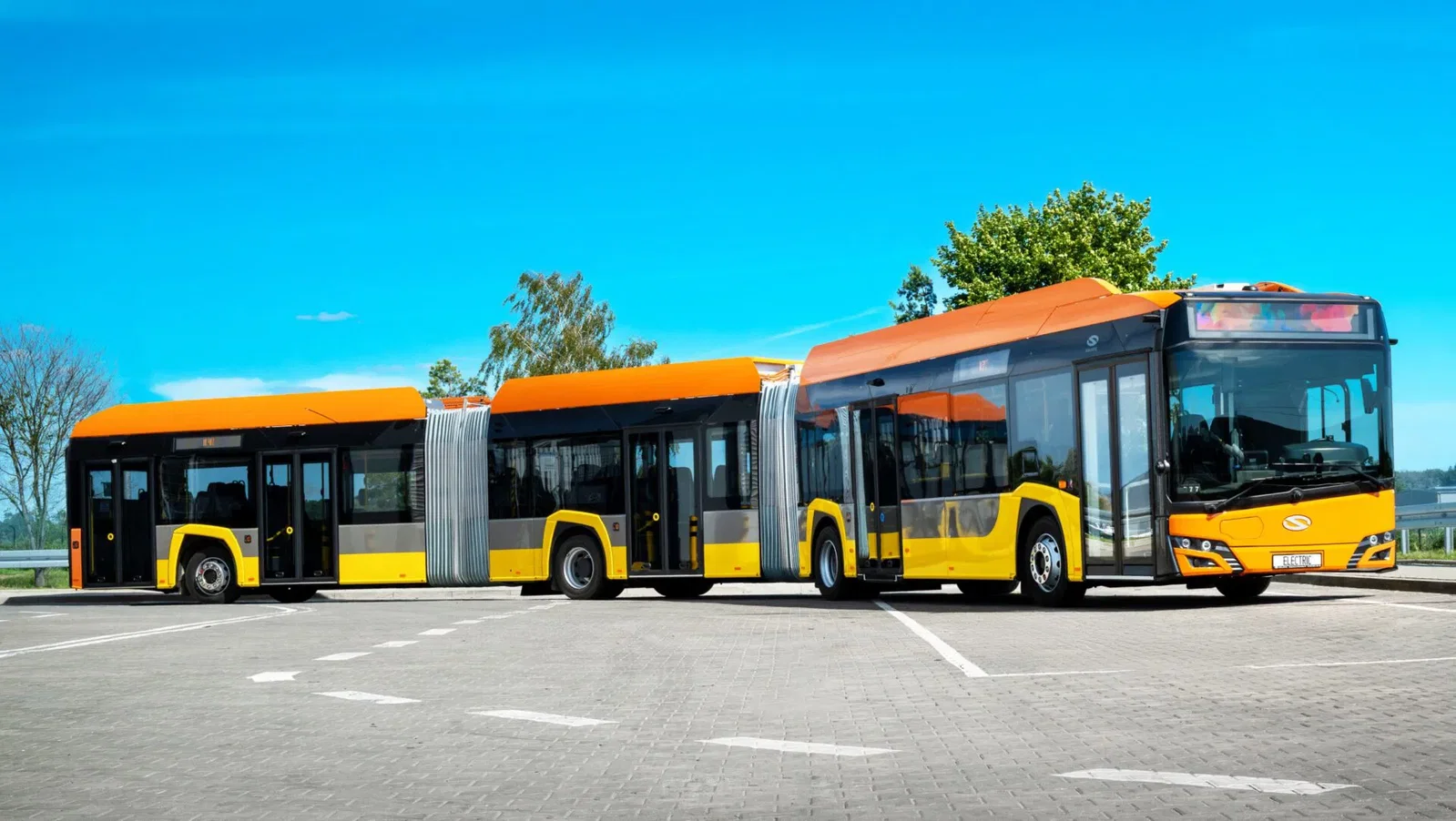
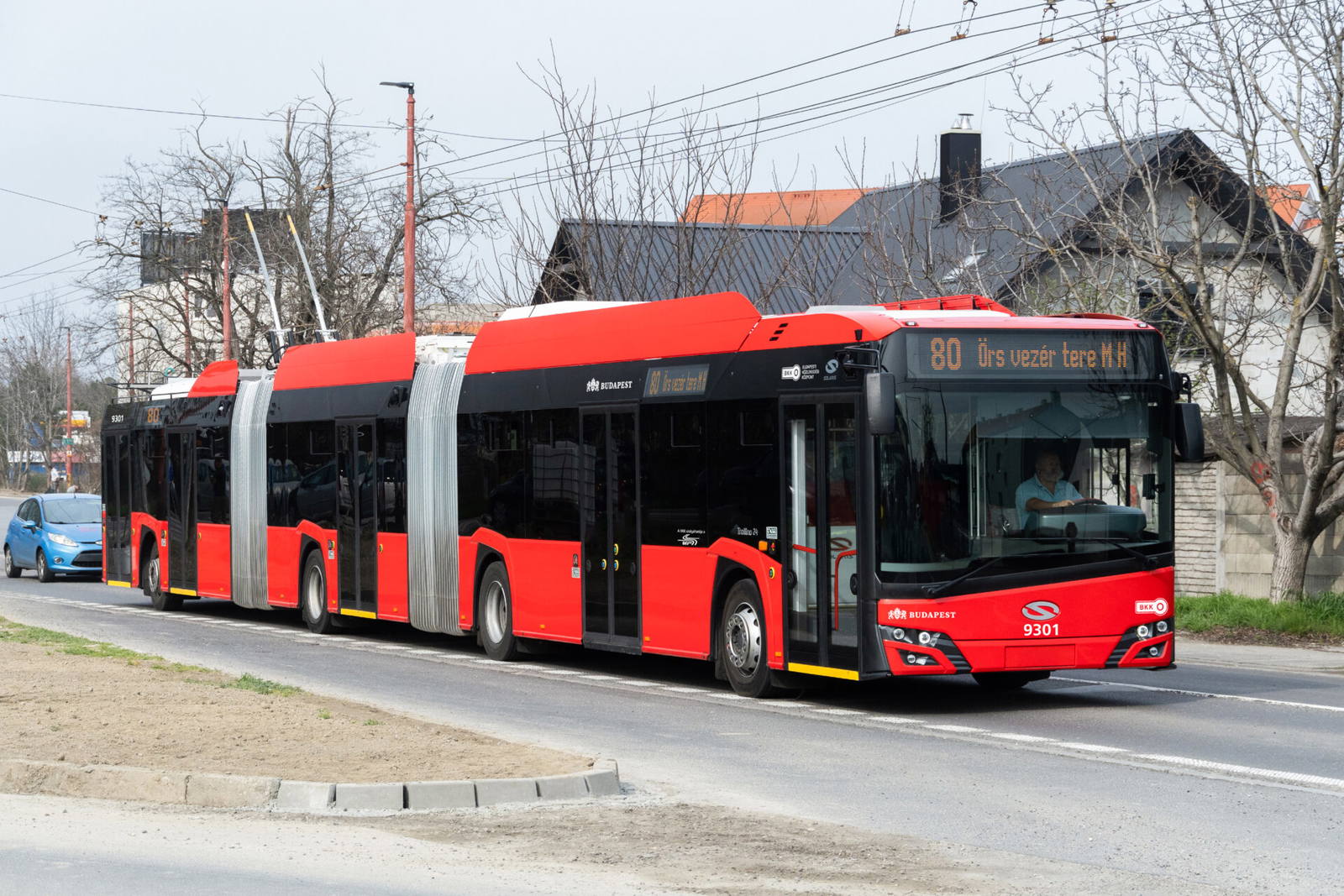
Having reviewed the manufacturers’ perspective, we contacted Central European operators that already use 24–25-metre bi-articulated vehicles in everyday service. In our region, the pioneers have been Dopravný podnik Bratislava (DPB) and Dopravní podnik hlavního města Prahy (DPP): the former introduced 16 Solaris trolleybuses in 2024, while the latter placed 20 nearly 25-metre-long Solaris trolleybuses equipped with battery-powered off-wire capability into service. According to DPB, these vehicles initially presented new technical and operational challenges, as they represented an entirely new design previously absent from the fleet. However, following the introductory period and after almost two years of operational experience, vehicle availability and reliability have improved considerably. Today, according to the operator, the bi-articulated trolleybuses have clearly proven their value. Their significantly increased passenger capacity contributes substantially to the performance of urban public transport, while the vehicles have become a reliable part of the fleet.

The operator emphasised that, despite their size, the vehicles offer remarkably good manoeuvrability. According to DPB, the bi-articulated trolleybuses operate throughout the vast majority of the network without difficulty, with only a few exceptions resulting from specific geometric constraints. Vehicle length is regarded not as a problem but simply as an operational characteristic. In their experience, once drivers have received appropriate training, day-to-day operation presents no particular difficulties. The vehicles are currently driven by a small group of specially trained drivers. The oversized trolleybuses are assigned exclusively to the heavily used Route 71, enabling these drivers to become thoroughly familiar with the route and with those sections requiring increased attention.

According to DPB, the approval procedure was carried out in accordance with Slovak and European legislation without requiring any amendments to the applicable legal framework. Since trolleybuses in Slovakia are classified as guided transport vehicles, the approval process was governed primarily by legislation relating to railway and urban guided transport systems. Before entering passenger service, the vehicles successfully completed all prescribed empty-load, full-load and passenger service trials. From an infrastructure perspective, the bi-articulated trolleybuses are technically capable of operating across almost the entire DPB trolleybus network, with only a few technical exceptions. Nevertheless, scheduled operation is currently limited to the line for which they were originally procured.

From an operational perspective, the most significant advantage is undoubtedly the substantially increased passenger capacity. According to DPB, the higher capacity makes it possible to transport more passengers without increasing service frequency, thereby contributing to smoother traffic flow and improved passenger comfort. At the same time, the vehicles place greater demands on the electrical power supply, particularly when several high-capacity trolleybuses are operating simultaneously on the same section of the network. From a maintenance perspective, the vehicles’ length and number of axles require specialised workshop infrastructure. However, personnel costs per passenger space are more favourable, as the increased capacity is still provided by a single driver. Similar conclusions were reached by Prague’s Dopravní podnik hl. m. Prahy (DPP), which also introduced twenty 24-metre-long Solaris bi-articulated trolleybuses with battery-powered off-wire capability in 2024. According to the company, these vehicles provide the greatest benefits on routes where extremely high passenger volumes coincide with short headways. Based on DPP’s calculations, the bi-articulated trolleybuses offer approximately 30% greater passenger capacity than conventional 18-metre articulated vehicles.
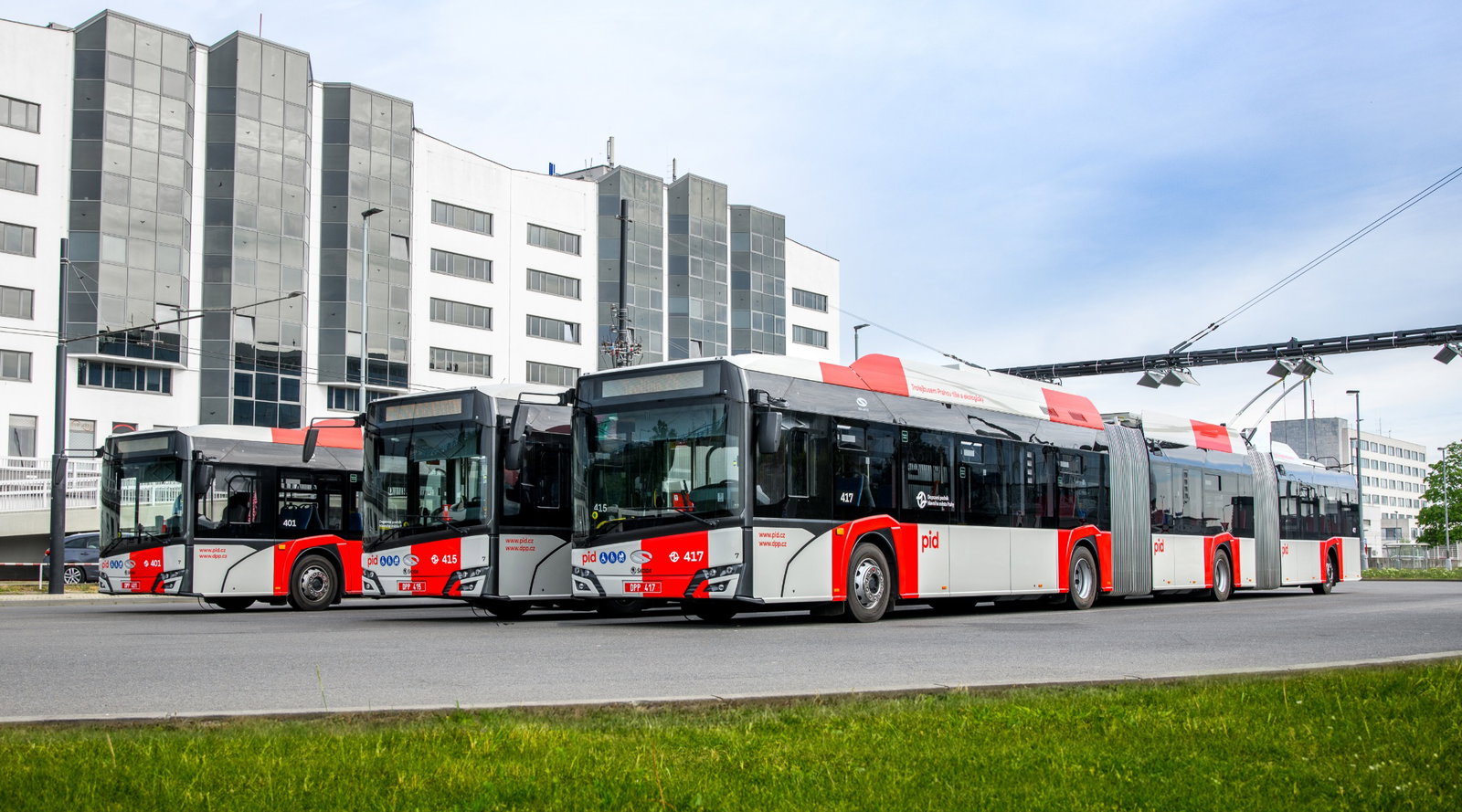
DPP pointed out that, due to their size, these vehicles require more space in certain traffic situations. This is partly attributable to the steered fourth axle which, although significantly improving manoeuvrability, also produces greater rear overhang when negotiating curves than conventional buses. According to the operator’s experience, the vehicle’s behaviour most closely resembles that of a 15-metre three-axle rigid bus equipped with a steered rear axle. With appropriate caution, the vehicles can safely operate on any route suitable for conventional articulated buses. However, reversing manoeuvres—both on public roads and within depots—should be avoided wherever possible. Driver feedback indicates that operating bi-articulated trolleybuses requires increased attention as well as dedicated training. Their introduction also required certain infrastructure modifications, particularly regarding the length of bus bays and the width of specific turning lanes. Nevertheless, DPP emphasised that, following appropriate preparation, the vehicles can be operated safely and predictably in an urban environment, although during the introductory period the risk of minor accidents may temporarily increase at infrastructure-sensitive locations.

From a regulatory perspective, the Czech system has its own particular characteristic: trolleybuses are legally classified as guided transport vehicles. Consequently, their operation falls under legislation governing rail-based transport and is only permitted on designated trolleybus infrastructure, including so-called virtual trolleybus routes. At present, DPP operates its 24-metre trolleybuses exclusively on Route 59 (Nádraží Veleslavín – Václav Havel Airport). Vehicle homologation was provided by the manufacturer. However, because of the vehicles’ exceptional dimensions and weight, additional operating permits requiring annual renewal were also necessary. During the first year these permits were issued by the Prague transport authority, while subsequent authorisations have been granted by the Czech Ministry of Transport. According to DPP, discussions are currently underway to simplify the legal framework, as the existing approval requirements are largely derived from legislation originally intended for oversized freight transport.
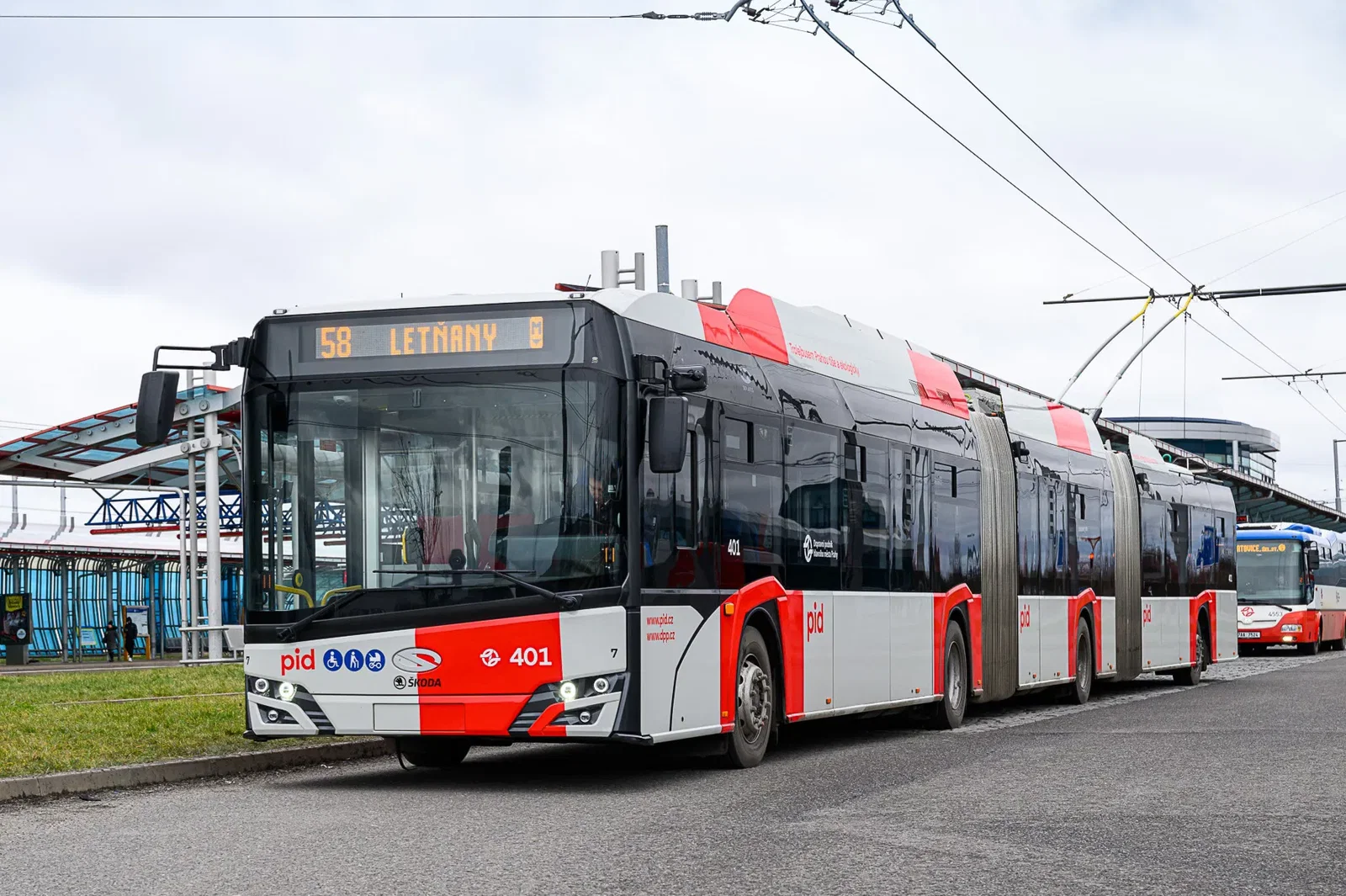
From an operational standpoint, DPP likewise identified the significantly increased passenger capacity as the greatest advantage, allowing substantially more passengers to be transported without increasing the number of drivers. From an environmental perspective, the operator highlighted the replacement of diesel-powered vehicles, the elimination of local emissions and reduced noise levels, although these benefits are generally inherent to trolleybus operation itself. Lower energy consumption primarily results from the transition to electric propulsion. At the same time, maintaining the infrastructure involves additional costs, while vehicle maintenance requires new expertise and specialised staff training. Since the fleet is still within its warranty period, major repairs are currently carried out predominantly by the manufacturer.
Alongside the experiences of foreign manufacturers and operators, the issue of bi-articulated buses also has historical precedents in Hungary. At the end of the 1980s, BKV briefly tested the Ikarus 293 bi-articulated prototype without passengers. Even after the turn of the millennium, the company continued to examine the potential application of high-capacity vehicles measuring 24–25 metres in length. In 2007, BKV played a leading role in the Budapest demonstration programme of a Volvo 7500 bi-articulated bus borrowed from Gothenburg. Four examples of this type entered service in Gothenburg in 2006, followed by a further seven in 2007 and a final batch of ten vehicles in 2011. These final vehicles already featured the redesigned front end later introduced on the Volvo 7900 model family, while their bodies were manufactured by the now-defunct Swedish company Säffle Karossfabrik AB, then part of the Volvo Group.
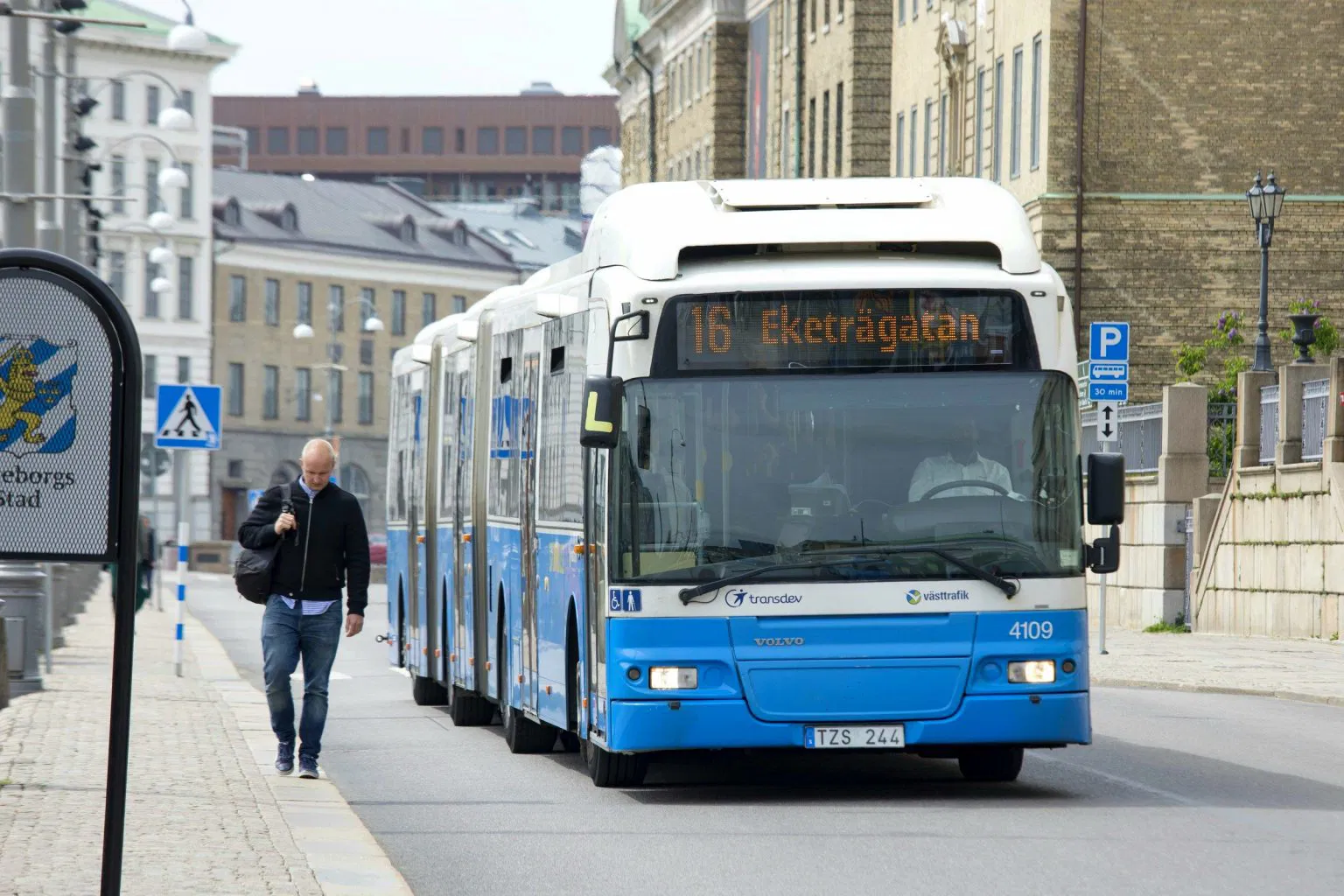
The Budapest demonstration was organised by Alfa Busz Ltd. in cooperation with Volvo Hungária. The 24-metre vehicle—which represented the maximum permitted length for bi-articulated buses in Sweden at the time—was tested on Budapest Routes 7, 200 and 200E under real urban traffic conditions. Although the trials provided valuable technical and operational experience, they ultimately did not result in either a procurement decision or any further examination or wider application of bi-articulated buses in Budapest. Approximately ten years later, BKV launched another test project. The details and conclusions of that programme are described more precisely in the transport operator’s current response to our editorial team. In its statement, BKV also noted that, prior to the reconstruction of Metro Line M3, the possible deployment of bi-articulated buses on the planned metro replacement services was considered in anticipation of increased passenger demand. As part of the preparatory work, BKV’s bus division requested a professional assessment from FŐMTERV. Based on its evaluation of bus stops and the infrastructure along the proposed routes, FŐMTERV concluded that the dimensions of bi-articulated buses would have required modifications at several locations. Not only would the geometry of certain bus stops have needed to be redesigned, but depot capacity would also have had to be expanded to accommodate the considerably longer vehicles. The study further pointed out that, under the provisions of the applicable Hungarian KöHÉM Regulation, the operation of bi-articulated buses would only have been possible within the legal framework governing oversized and overweight vehicles.

According to BKV, preparations were also underway in parallel for the acquisition of two second-hand bi-articulated vehicles from the Netherlands. However, due to the identified infrastructure-related and legal obstacles, the company ultimately decided against purchasing oversized vehicles in larger numbers. Of the two Van Hool newAGG300 bi-articulated buses that arrived in Hungary in 2016, one was eventually converted into a play bus and has since become a popular attraction at BKV open days and other public events, while components from the second vehicle have been used to maintain the Van Hool buses operated by the South Pest bus depot.
The company also emphasised that, within Budapest’s public transport system, decisions concerning the structure of the bus network, service schedules and vehicle sizes are made not by the operator but by the transport authority. Consequently, determining on which routes the future deployment of bi-articulated buses should be examined falls primarily within the competence of the Budapest Transport Centre (BKK). Although BKV did not elaborate on this aspect in its response, from a professional transport planning perspective the most realistic application of bi-articulated buses in Budapest would likely be on the high-capacity bus corridors along Rákóczi Road.
Finally, we naturally also contacted the competent ministry and the transport authority regarding the issue. In their responses, both the Ministry of Construction and Transport (ÉKM) and the National Transport Authority (NKH) confirmed the fundamental principles of the European legal framework: as a general rule, EU legislation sets the maximum authorised length of road vehicle combinations at 18.75 metres. However, the relevant Directive does not automatically apply to articulated buses and trolleybuses consisting of multiple sections, while the possibility of granting exemptions is delegated to the Member States. Accordingly, the Hungarian legal framework treats the operation of longer vehicles not as a general entitlement but as an individually assessed exception.
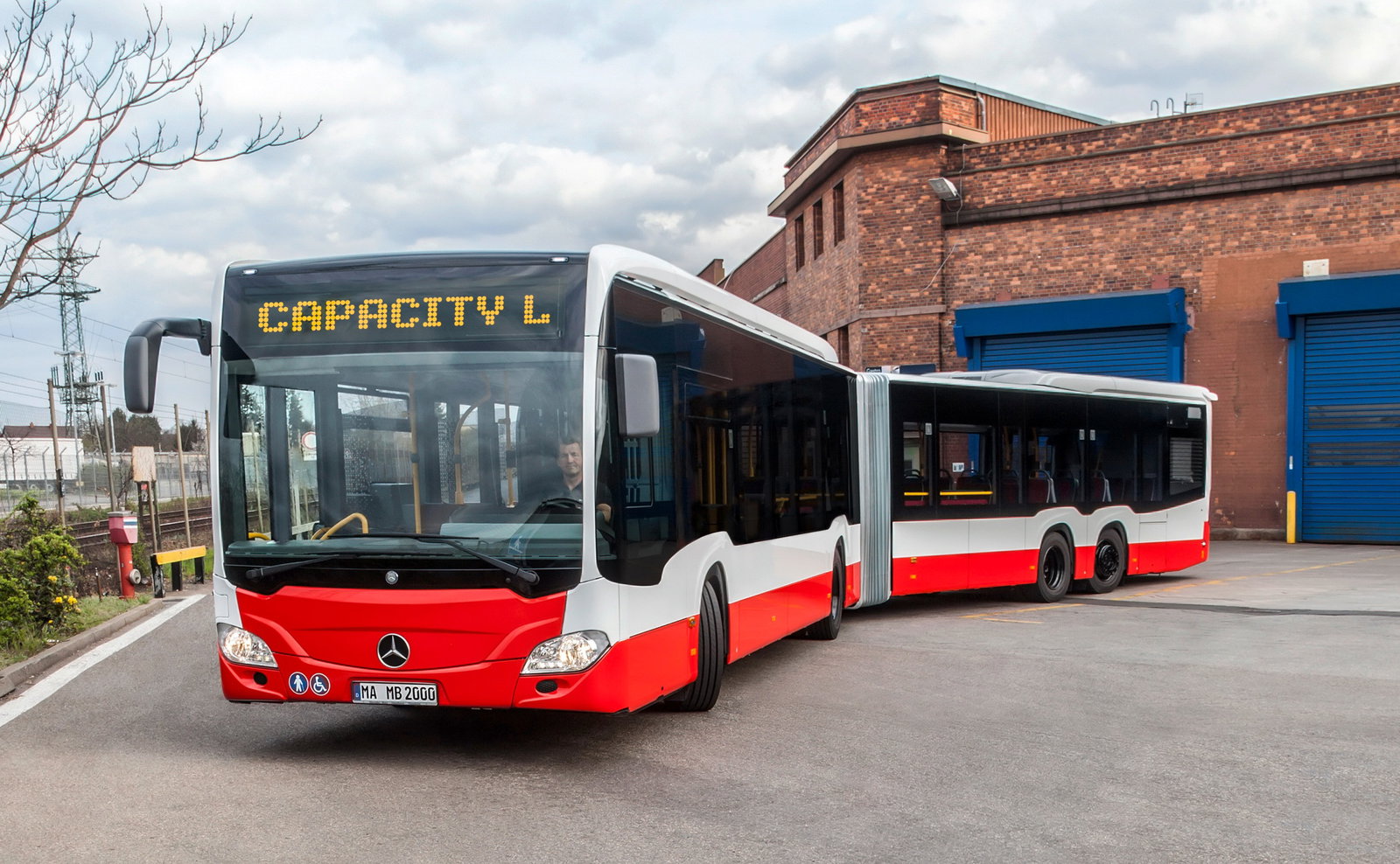
Accordingly, it can be concluded that no mandatory international dimensional limits exist for multi-section articulated buses and trolleybuses. In theory, vehicles exceeding 18.75 metres in length—including the typically 20–21-metre-long four-axle articulated buses—could be operated on Hungarian roads. However, this would require amendments to Hungarian legislation, primarily to Government Decree 6/1990 (IV.12.) KöHÉM. Although the regulation permits vehicle lengths of up to 24 metres, the operation of longer vehicles is not a general right but is subject to an individual route-specific approval procedure. In addition to technical approval, authorisation from the relevant road authority is required in every case, specifying the exact routes on which the vehicle may operate. According to both the Ministry and the National Transport Authority, there are no technical barriers from a vehicle engineering perspective: current vehicle manufacturing technology would allow the production of longer, larger and even more capable vehicles that could operate safely, reliably and in compliance with environmental requirements—even if their length exceeded 18.75 metres. Achieving this would simply require the aforementioned amendments to Hungarian legislation. Consequently, the key issue is not the technical design of the vehicle itself but its compatibility with the existing road infrastructure and the management of the resulting road safety risks.

When assessing whether such vehicles can be introduced into road traffic, the primary consideration is therefore whether a longer vehicle can be accommodated safely within the existing road infrastructure: whether it can negotiate curves, junctions and roundabouts without encroaching on intersections or adjacent traffic lanes; whether it is capable of accessing urban and industrial areas; and whether the existing bus stops and parking facilities are suitable for vehicles of this size. Before any operating route can be approved, a formal route inspection must be carried out involving not only the operator but also the relevant road authorities, the police, the fire service and the public space authority. This assessment determines unequivocally whether an oversized bus can safely operate on the proposed route.
In its concluding remarks, the Ministry of Construction and Transport (ÉKM) and the National Transport Authority (NKH) stated that the current Hungarian legal framework does not allow the regular operation of vehicles longer than 18.75 metres on the basis of standard series approval. They also emphasised that amendments to the legislation would only be justified if a genuine and demonstrable domestic transport demand emerged for multi-section articulated buses, trolleybuses or four-axle articulated buses. At the same time, both the Ministry and the Authority expressed their openness to the launch of a pilot project involving buses and trolleybuses exceeding 18.75 metres in length. Such a project would require thorough road safety preparation and the close involvement of the transport authority, KTI, BKK and the relevant road authorities, given that no comparable trial has ever previously been conducted in Hungary.
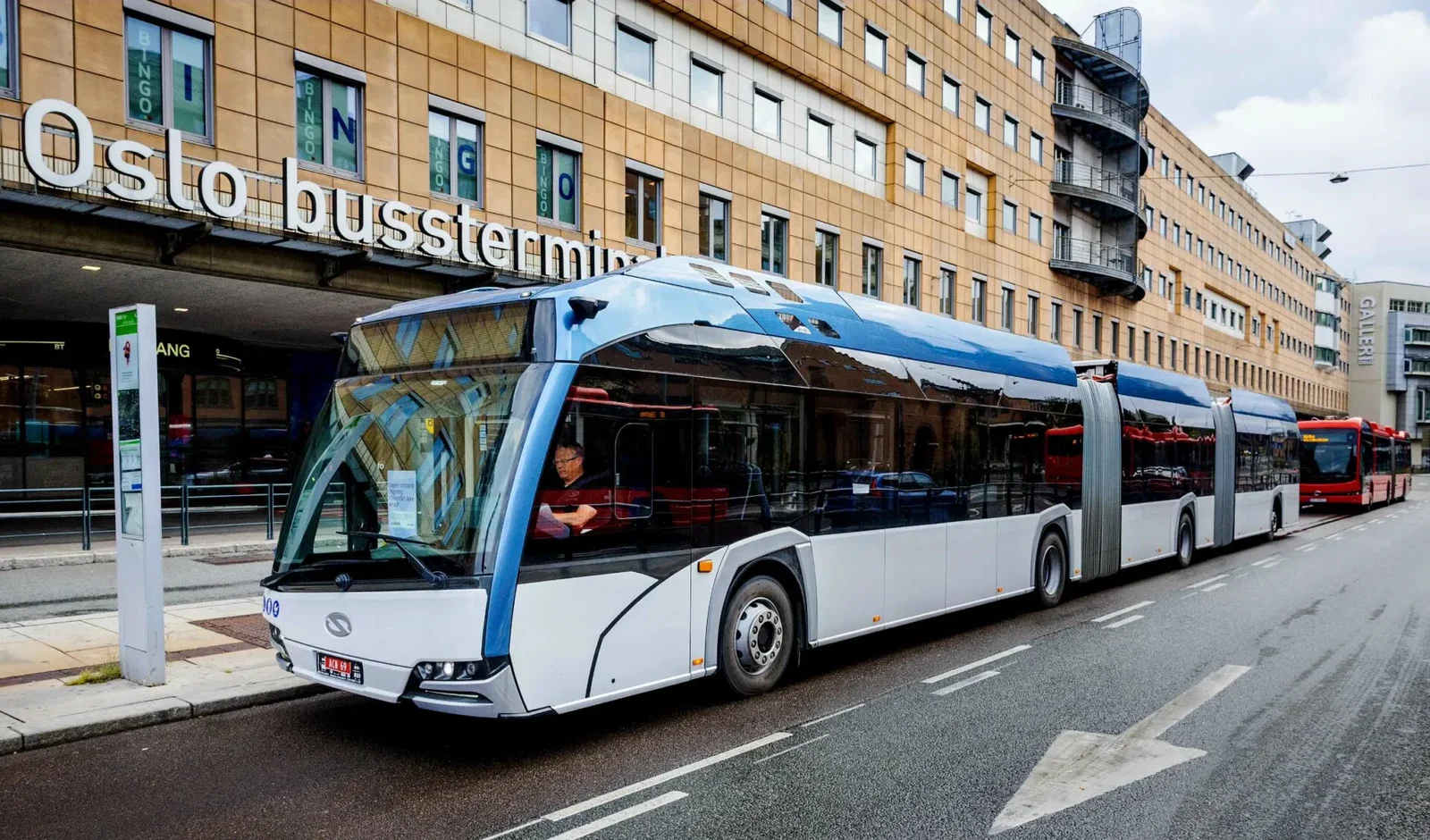
…according to Ruter’s trials, these bus giants could significantly increase capacity on Oslo’s busiest routes, although their introduction would require substantial infrastructure upgrades. (Photos: Teknisk Ukeblad)
Considering the positions expressed by manufacturers, operators and public authorities, it can be concluded that the operation of buses and trolleybuses longer than 18.75 metres—primarily bi-articulated vehicles—is not the result of a legislative „anomaly”, but rather reflects the treatment of a specialised vehicle category that the European Union has deliberately chosen not to regulate comprehensively through harmonised legislation. The experience gained by manufacturers (Hess and Solaris) and operators (Prague and Bratislava) demonstrates that bi-articulated vehicles are technically viable and can be operated successfully in everyday service. Their approval, however, always remains subject to individual national—and often local—requirements, and they are generally deployed only on carefully selected high-capacity routes. The Hungarian regulatory framework follows the same logic: it currently does not permit the general operation of vehicles longer than 18.75 metres on the basis of series approval, but in principle, amendments to Government Decree 6/1990 (IV. 12.) KöHÉM, combined with appropriate professional preparation, could open the way for the future introduction of longer buses.
At the same time, any future introduction in Hungary would involve far more than simply amending legislation. It would also require a substantial infrastructure development programme. Numerous bus stops would need to be extended and upgraded to accommodate these exceptionally long vehicles safely and in compliance with regulations. In many locations, traffic engineering measures—including the redesign of signalised intersections—would also become necessary. Vehicle recovery would present an additional challenge, as the dimensions and weight of these buses require specialised heavy-duty recovery equipment together with an appropriately prepared support infrastructure. Consequently, any future Hungarian project would also involve considerable investment and operating costs that cannot be overlooked.

The photo shows Geneva’s first Hess lighTram bi-articulated bus during emergency testing carried out as part of the homologation process. During these trials, technical staff perform a towing manoeuvre simulating real-life operating conditions. Owing to the vehicle’s length of approximately 25 metres and its considerable weight, this is a particularly complex procedure requiring specialised recovery equipment. (Photo: Jeremy Camfferman)
Hungary is therefore not „prohibited” from operating four-axle extended articulated buses or bi-articulated vehicles, but their introduction cannot yet be regarded as a routine solution. Should Budapest or another Hungarian city seriously consider introducing 20–24-metre buses or trolleybuses in the future, the logical first step would be a carefully prepared pilot project on one or two clearly defined high-capacity corridors. This could subsequently be followed by targeted amendments to the legal framework and the gradual adaptation of the necessary infrastructure. Ultimately, the key question is therefore not whether bi-articulated vehicles „may” operate in Hungary, but rather where, under what conditions, and with what cost-benefit ratio their introduction would actually be justified.
During the preparation of this article, we would like to express our sincere appreciation to Hess AG, Solaris Bus & Coach, Dopravní podnik hl. m. Prahy, Dopravný podnik Bratislava and BKV Zrt. for their professional assistance and for the comprehensive responses they provided to our enquiries. We also extend our special thanks to the Hungarian Ministry of Construction and Transport and the National Transport Authority for clarifying the legal and regulatory background and for making their official positions available to us.
Cover photo: illustration. Original photograph by Gergő Garamvölgyi.