![Magyarbusz [Info]](/mbi/header-logo.png)
More than vehicle replacement: how Luxembourg’s national railway is electrifying its bus fleet
 Ludányi József
There is certainly no one-size-fits-all recipe for electrifying bus fleets today. Some transport companies are trying to switch to the new drive technology in a short period of time by procuring large numbers of electric buses, while others are proceeding much more cautiously, in several stages. Experience in recent years has also shown that replacing the vehicles alone does not amount to a successful transition: where infrastructure, energy management, maintenance or the reorganisation of operations fails to keep pace with the transformation of the fleet, the shift can easily cause serious difficulties.
In international practice, there are more and more examples of transport companies giving the general public a look behind the scenes and explaining in an accessible way what happens during such a transition at depots, in workshops, or in dispatching and planning systems. In Hungary, all this often still seems to be treated as some kind of internal matter: operators are not infrequently difficult to get to talk, even with a little prompting, about how these systems work in day-to-day practice, despite the fact that most of them ultimately operate with public funds and in the public interest. Yet sharing such experience can be interesting not only for passengers, but also reveals a great deal from a professional point of view about how well a given technological change works in practice.
Luxembourg’s national railway, CFL (Société Nationale des Chemins de Fer Luxembourgeois), is a good example of this more open style of communication, though it is by no means alone in taking this path. The examples of Hamburg’s Hamburger Hochbahn and vhh.mobility, Freiburg’s VAG and the transport authority Île-de-France Mobilités also show that an increasing number of transport players are trying to familiarise the public not only with vehicle procurement, but also with the less visible side of operations. CFL has now provided a detailed insight into the electrification of its own bus fleet, also showing what largely invisible background processes are needed for the electric transition to work in everyday operation.
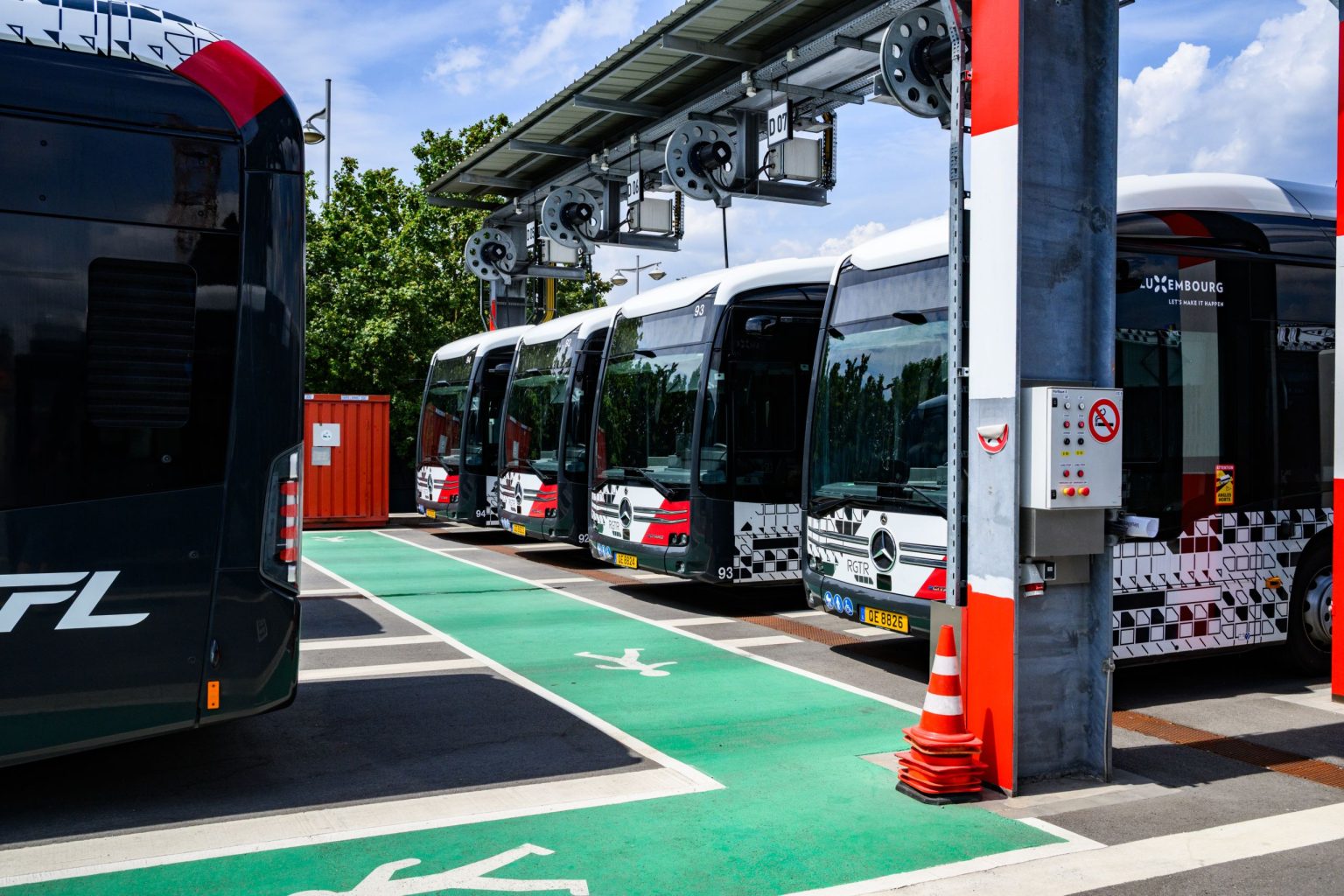
The company, which carries out significant bus operations in addition to rail passenger and freight transport, has chosen a more considered, gradual transition: it does not intend to replace its 83-vehicle bus fleet all at once, but has been building up the vehicle fleet and support systems required for fully electric operation step by step since the first two electric buses entered service in 2019. The buses primarily operate on certain routes of Luxembourg’s national and regional transport network, the RGTR, including in areas and on routes once served by narrow-gauge railway lines. The objective, however, is clear: by 2030, the entire bus fleet will be replaced by electrically powered vehicles.
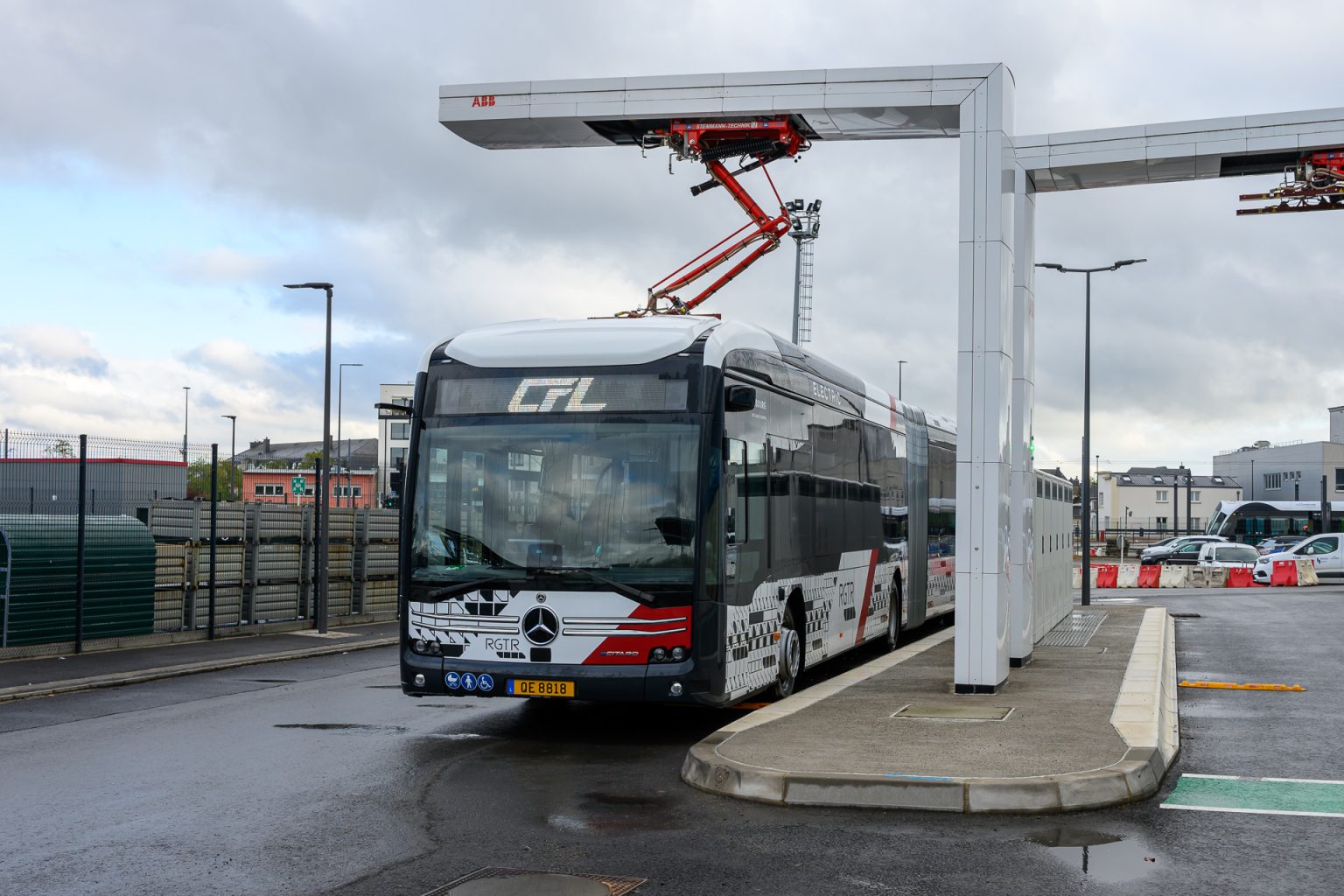
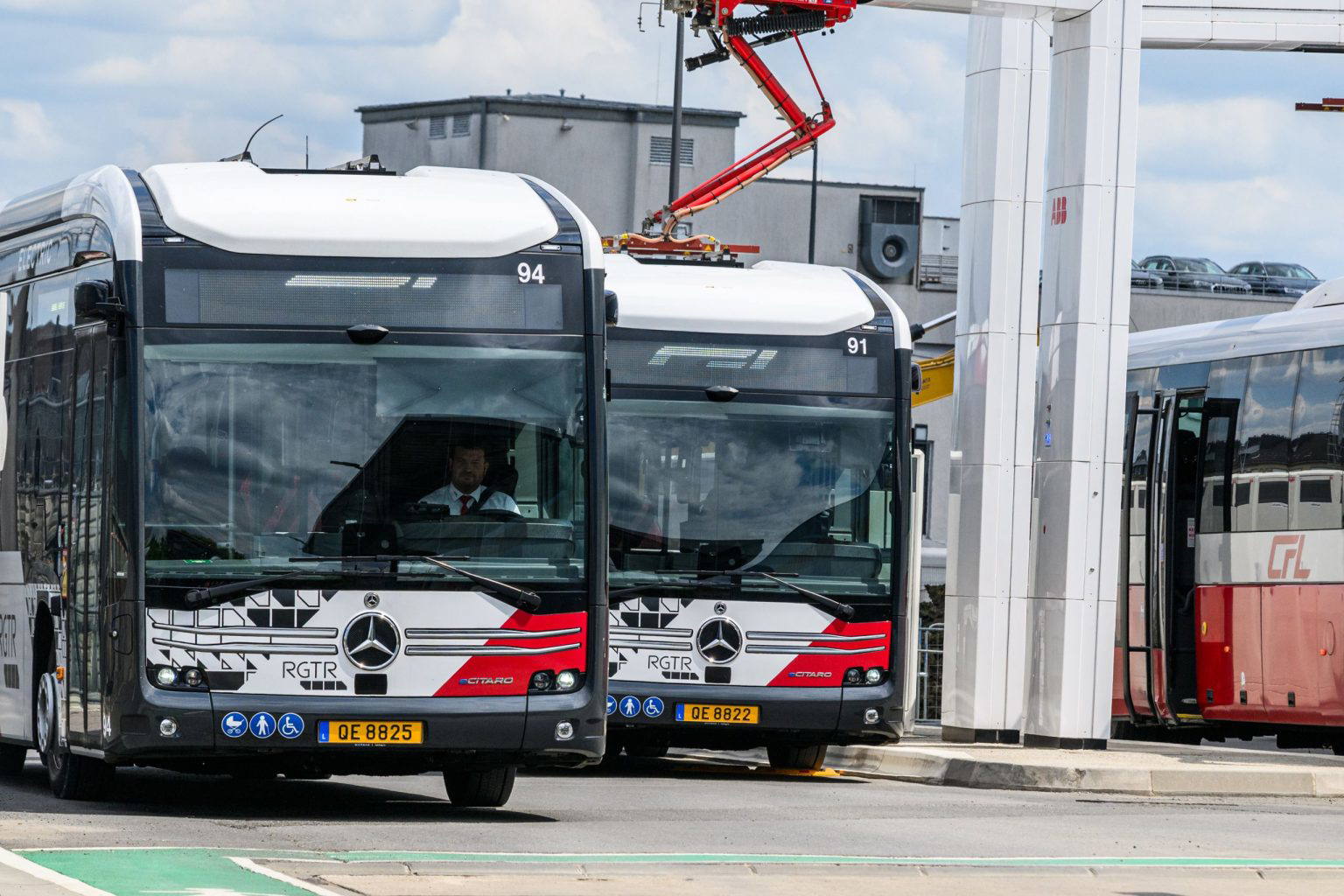
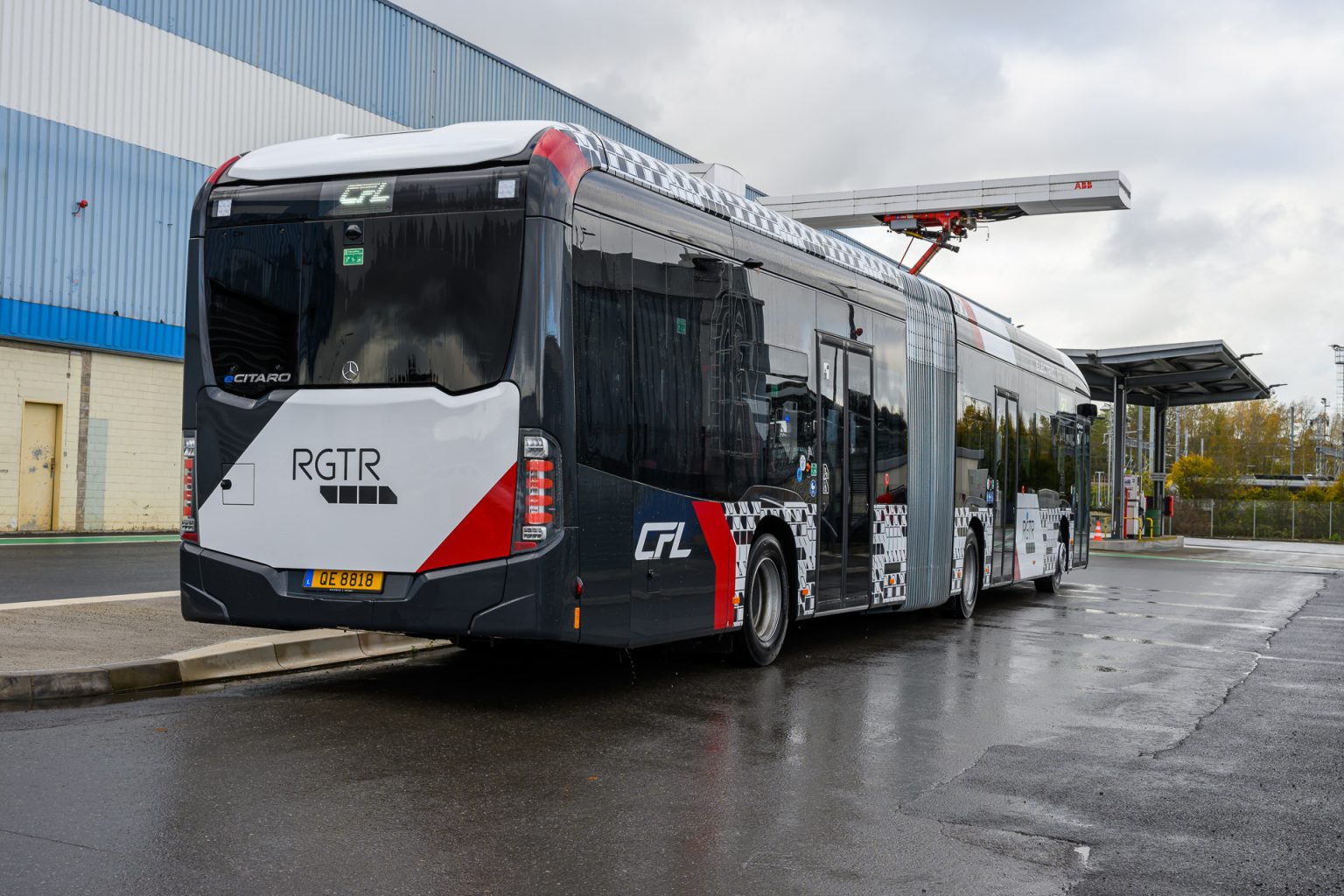
The transition began with the entry into service of two electric buses in 2019, followed by a further 12 electric vehicles in 2025. The process really gathers pace this year: delivery of another 12 Mercedes-Benz eCitaro buses has been scheduled for summer 2026, with six 12-metre solo buses and six 18-metre articulated versions arriving. This will expand CFL’s electric fleet to 26 vehicles.
The next stage will follow as early as the beginning of 2027, when 14 Volvo electric buses will arrive: ten 15-metre, three-axle 8900E models and four 18-metre 7900 EA buses. According to CFL, these will already benefit from the advances in battery technology that have taken place in the meantime, offering higher capacity and greater range. Once the currently known deliveries have been completed, the number of electric buses will rise to 40, meaning that nearly half of the current fleet could already be purely electric.
The essence of CFL’s approach, however, is shown not primarily by the number of buses procured, but by what is happening in the background. The company sees electrification not as a simple vehicle replacement, but as a transformation affecting the entirety of bus operations. In parallel with the arrival of the vehicles, it is therefore adapting the charging infrastructure, maintenance, vehicle and crew scheduling, and energy use to the requirements of electric operation.
Together with its suppliers, CFL has, for example, modified the software used to manage vehicle and staff scheduling. The various systems no longer have to take into account only which bus and driver are available and when, but also how much energy is in the given vehicle’s battery, when and for how long it can be charged, and what state of charge is required to carry out the next duty.
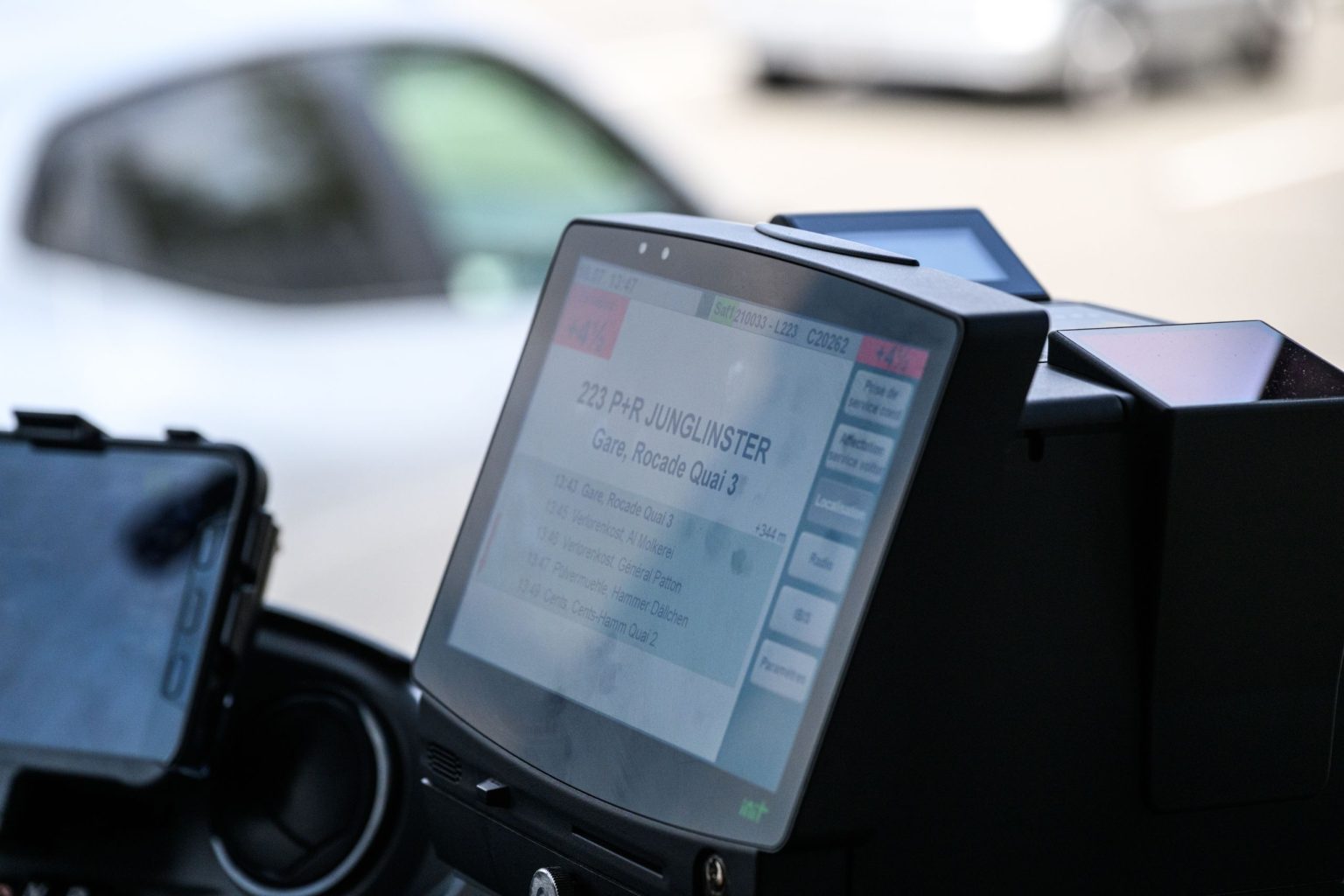
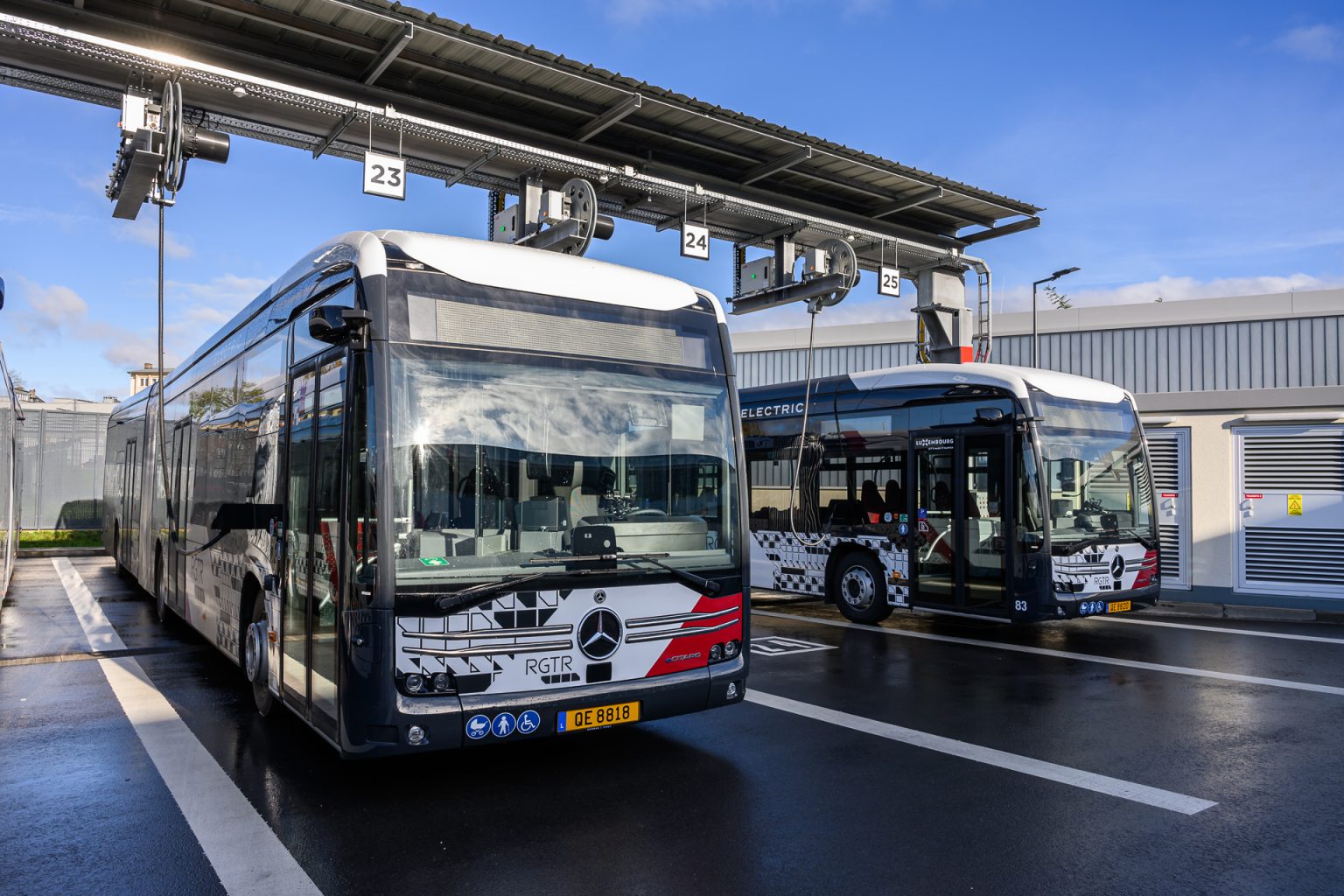
The same level of awareness is also evident in the charging strategy. When a bus is connected to a charger, the system calculates the amount of energy required for the next duty and then schedules charging accordingly, where possible for periods when electricity prices are lower. The aim, therefore, is not for every vehicle to depart with a 100% charge every time.
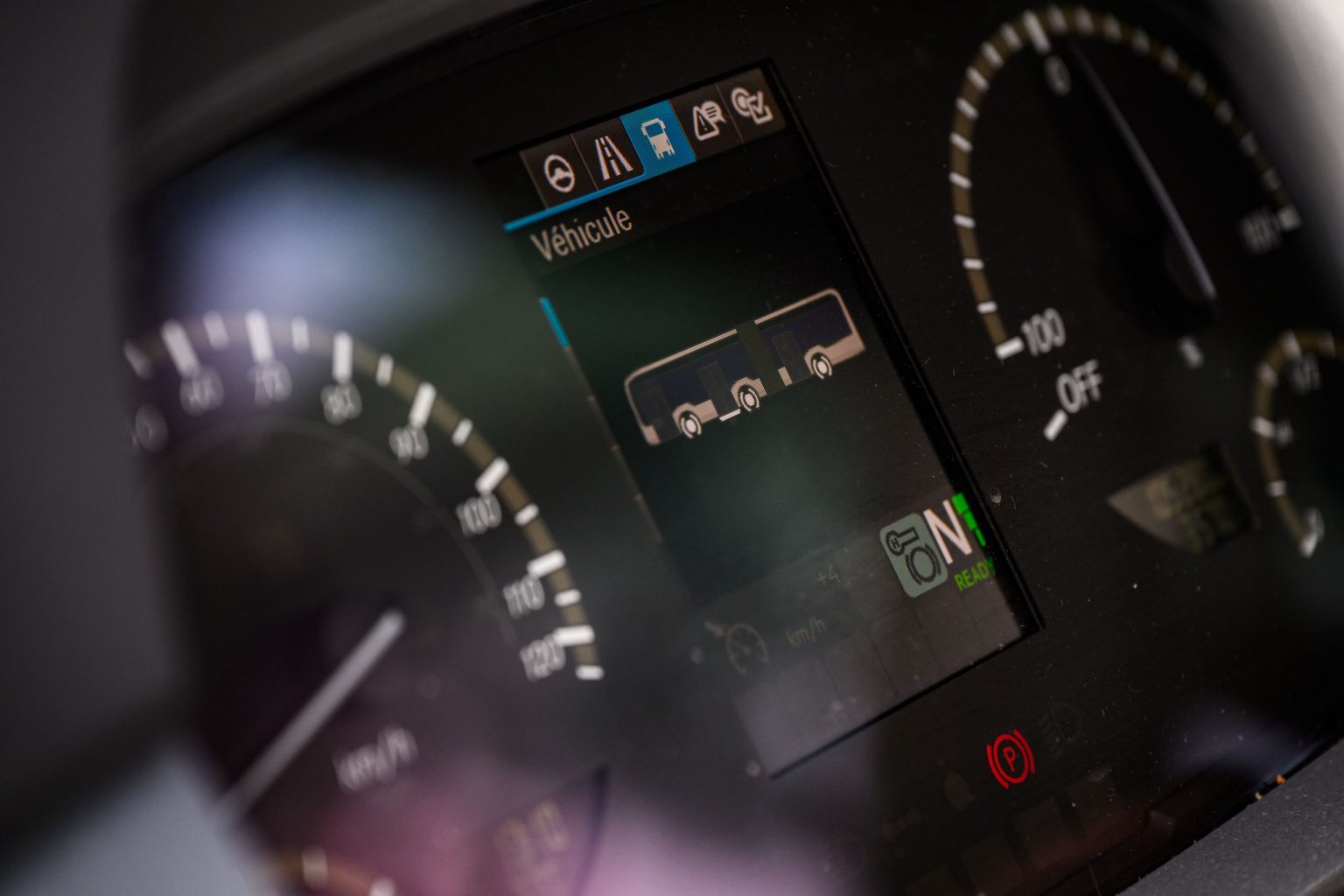
Indeed, CFL specifically tries to avoid charging to the maximum in order to extend battery life. For similar reasons, pantograph fast charging is also used only to a limited extent. Although higher-power charging can transfer a significant amount of energy into the battery in a shorter time, the company says it also places greater stress on the battery, so where the operating schedule allows, it opts for a gentler charging method.
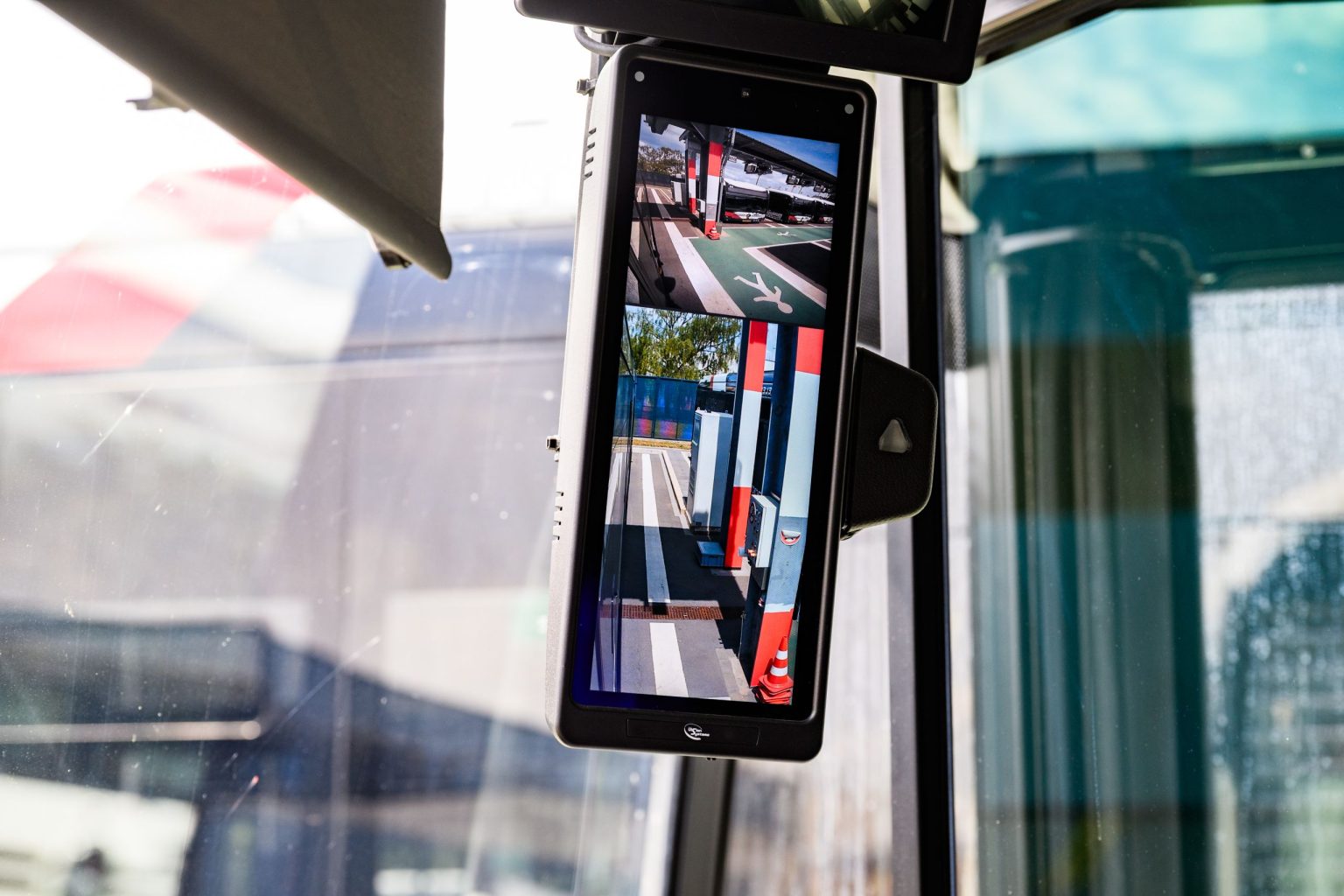
Optimising energy use begins before the bus even departs. Heating, air conditioning and other comfort systems are switched on automatically about half an hour before pull-out, while the vehicle is still connected to the external power supply. This means that the energy required to bring the passenger compartment to the right temperature does not reduce the battery’s state of charge while the bus is on the road.
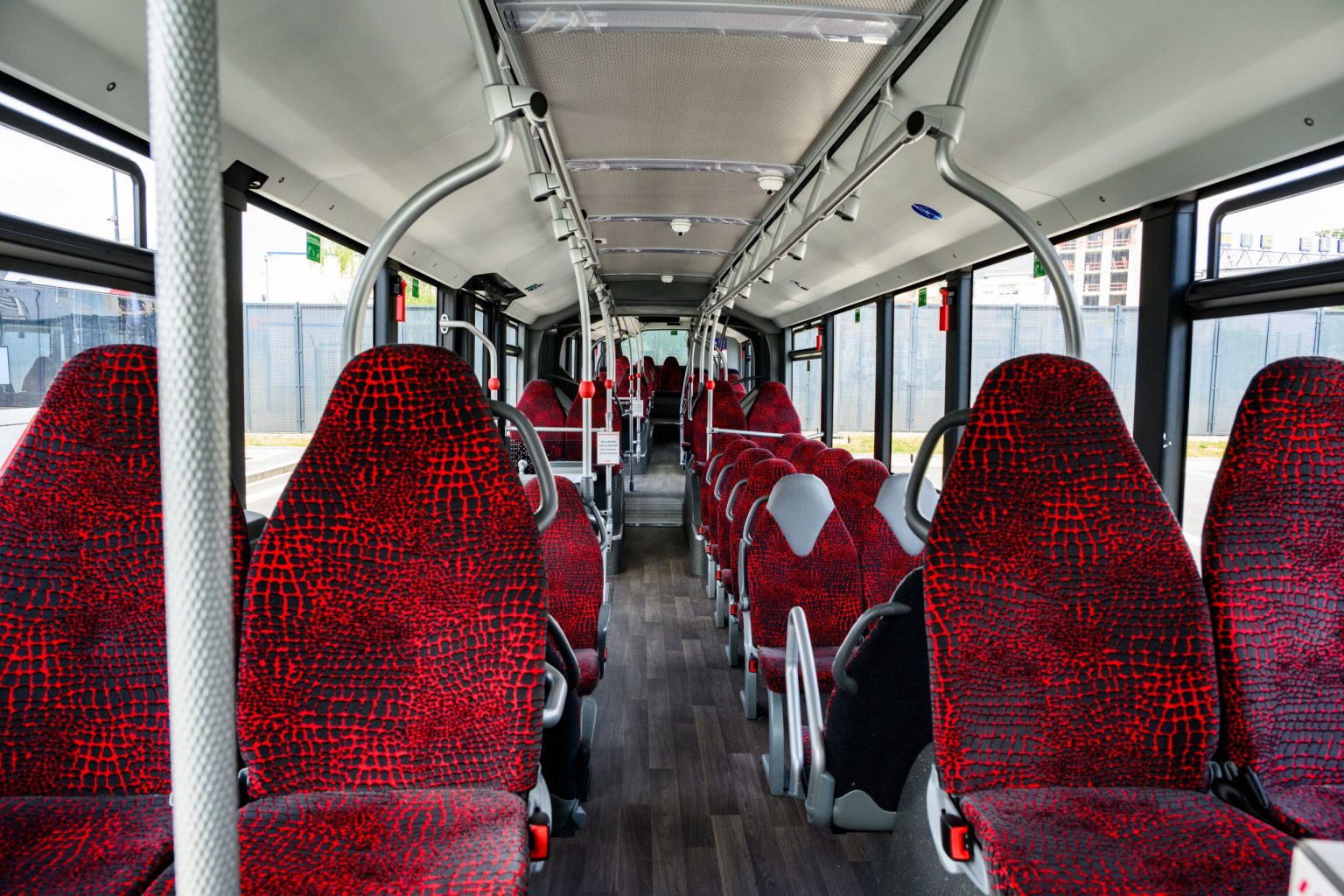
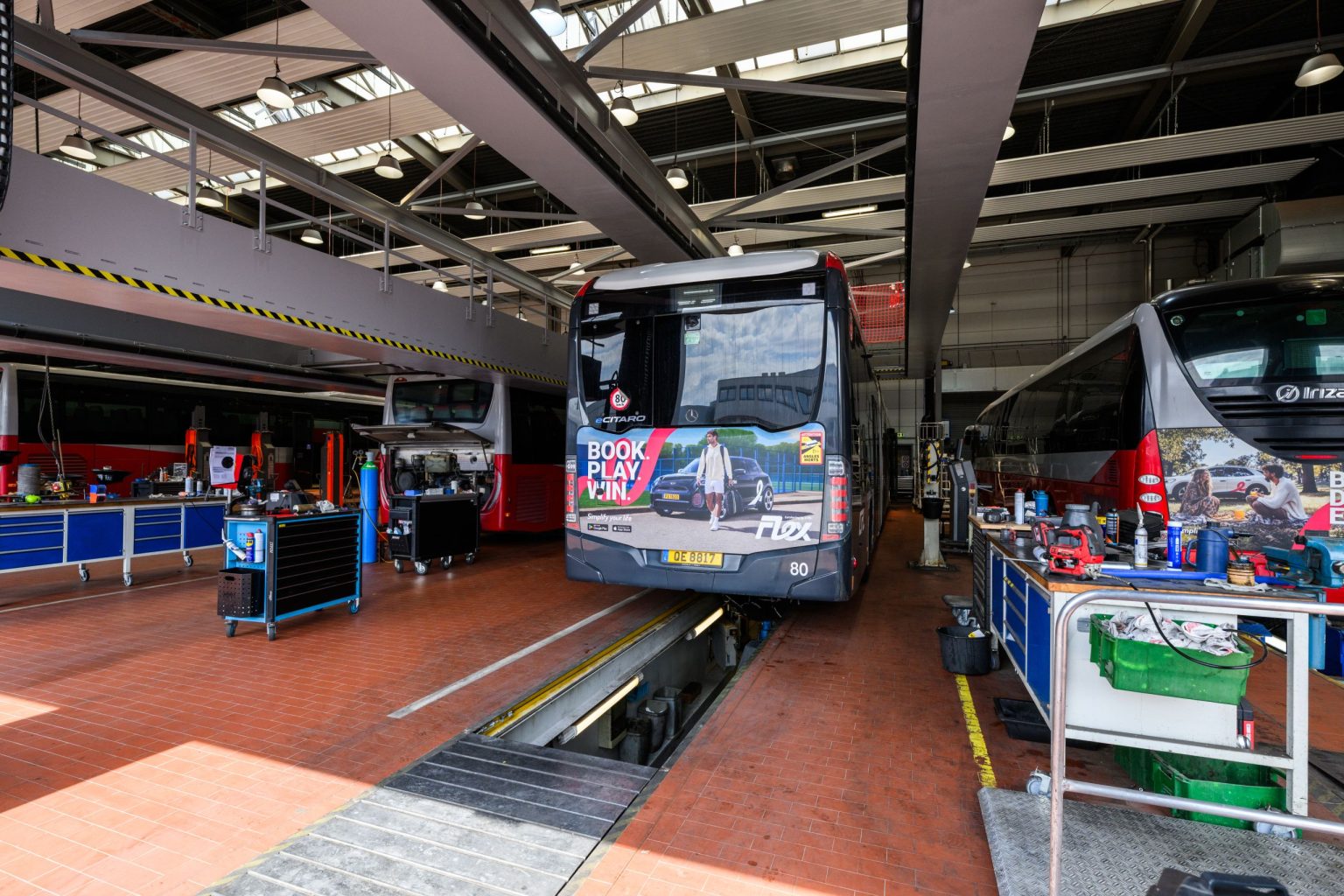
Maintenance must also change in step with the technological transition. Staff at CFL’s bus workshop are being continuously trained to handle the new vehicles, while a new hall and workshop are planned in Bonnevoie. In addition, decentralised charging infrastructure is being set up in Echternach and in the Mertert-Wasserbillig area, meaning that the support systems required for fully electric operation will not be organised solely around a single depot. For its electric buses, CFL is working on the basis of a planned service life of eight years and an annual mileage of around 90,000 kilometres, which corresponds to approximately 720,000 kilometres per vehicle over the full life cycle.