![Magyarbusz [Info]](/mbi/header-logo.png)
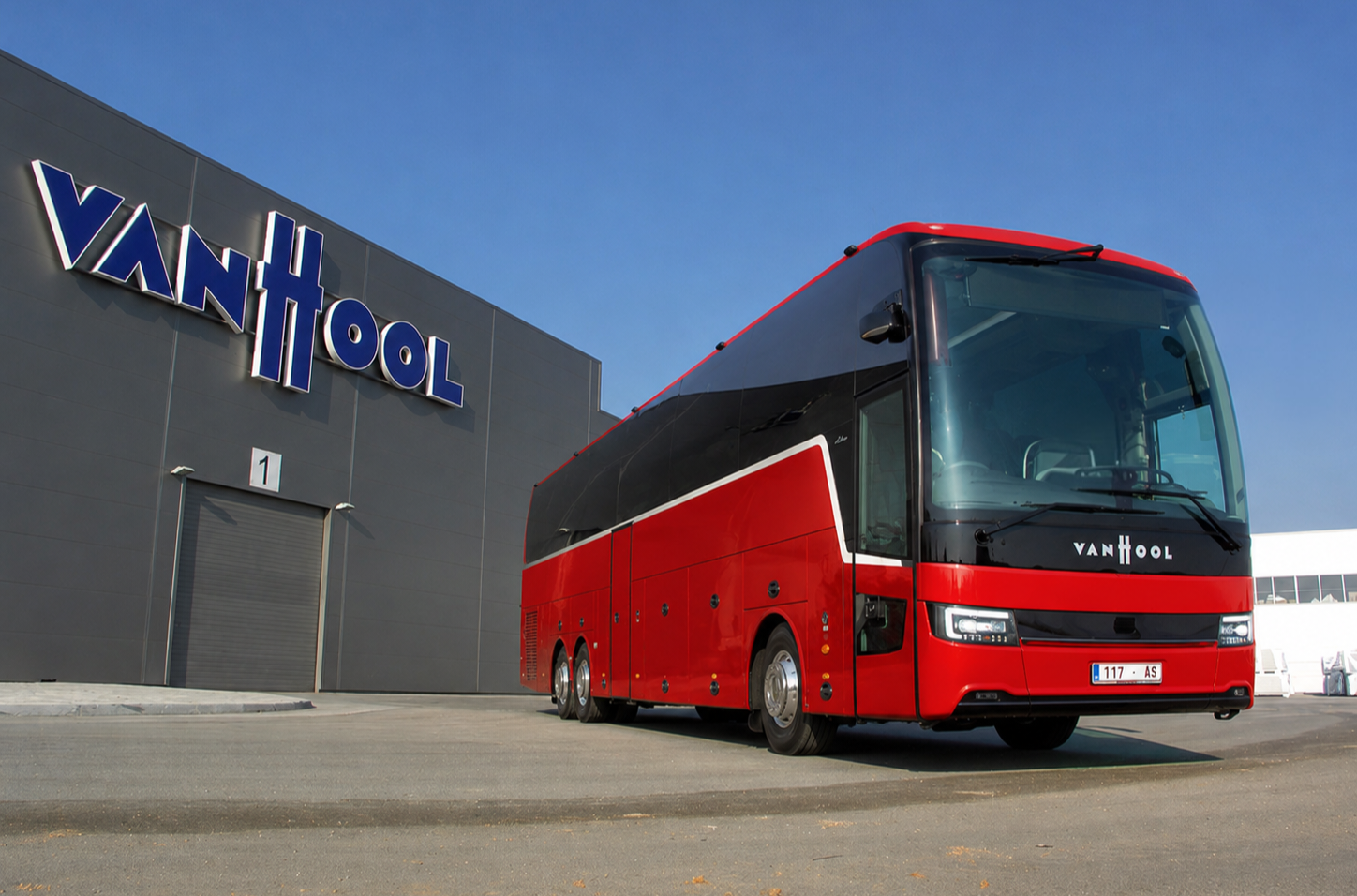
Is the Van Hool brand name disappearing step by step? Another sign of VDL’s strategy
 Ludányi József
Just over two years have passed since the Dutch VDL Groep acquired the bus and coach business of the bankrupt Van Hool. The decisions made since then increasingly point to a consistent direction. First, production of city buses was discontinued, then the coach range was significantly reshaped, and now the Van Hool name has also disappeared from the name of the Macedonian subsidiary. Although VDL continues to stress that the brand will remain, the developments raise the question: in the longer term, could Van Hool also gradually be absorbed into the VDL brand family?
The process essentially began immediately after the acquisition. Although VDL took over Van Hool’s bus and coach business, one of its first decisions was to end production of city buses. One of the main reasons for this was that Van Hool’s urban models would have directly competed with VDL Bus & Coach’s own Citea product family, so maintaining two rival model ranges in parallel would not have been justified from a business perspective. The company then shifted the focus to intercity and touring coaches, but it has gradually rationalised the offering in this segment as well. VDL phased out those Van Hool models that overlapped with its own Futura product family, while the range primarily retained the types with which the two brands can complement each other and cover different segments of the market.
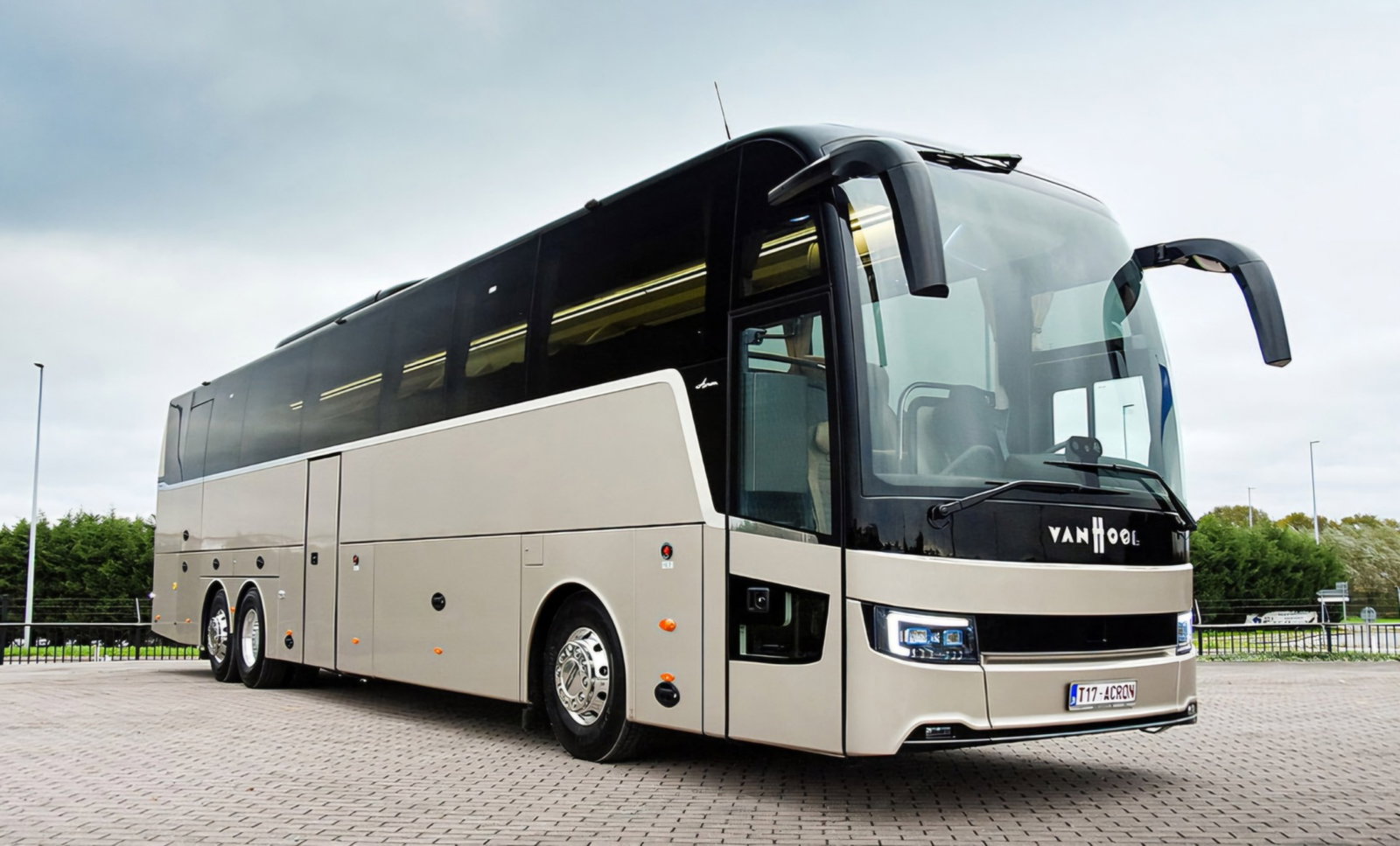
This integration has now reached another stage. Following the acquisition, VDL initially renamed the North Macedonian subsidiary VDL Van Hool Macedonia, but the company has now changed its name again: it will officially continue operating as VDL Bus Macedonia. At first glance, this may seem like a purely administrative change, but in reality it fits well into VDL’s gradual integration strategy. According to the company, the business will now continue as part of the VDL Bus Group, which was created by combining VDL Bus & Coach and Van Hool’s bus and coach operations.
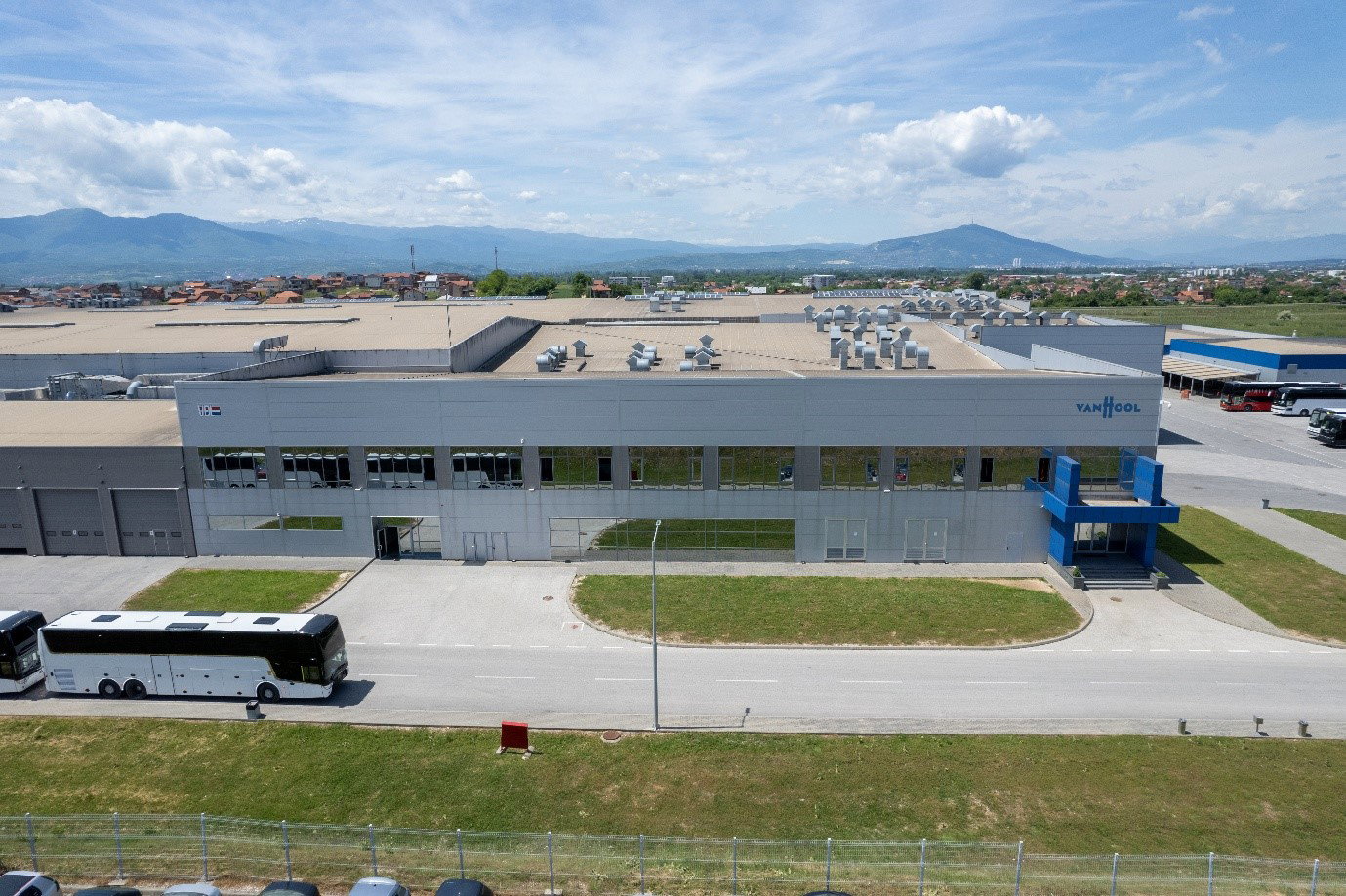
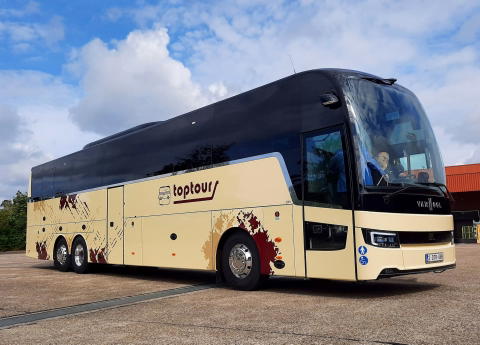
Official communications continue to emphasise that the Van Hool brand will remain, even as the Van Hool name gradually disappears from company names. In essence, the brand name can now be encountered only on the buses and coaches themselves — a name that once stood for one of Europe’s most respected bus and coach manufacturers.
At the same time, VDL officially continues to argue that the integration does not mean the end of the Van Hool brand. According to the company, the two brands will continue to develop with their own clearly recognisable identities, along a shared vision focused on modern, sustainable and efficient mobility solutions. The company also stresses that production will continue unchanged at the Skopje plant, where Van Hool-branded buses and coaches will still be built.
The process, however, is by no means unusual in VDL’s history. In the group’s previous acquisitions — including Berkhof, Jonckheere and Bova — dual branding initially appeared, for example as VDL Berkhof, VDL Jonckheere or VDL Bova, but later the original brand names gradually moved into the background and the VDL name came to the fore across the board. A similar change also took place in the product range: some types disappeared, while others were incorporated into the VDL portfolio. A good example is the Bova Futura, which later became the VDL Futura, or the Jonckheere Ambassador, which likewise lost its independent brand identity. VDL’s earlier acquisitions therefore show that, in takeovers, the company’s strategic goals have primarily been business development, expanding production capacity, acquiring technological know-how and reaching new markets — rather than maintaining the acquired brands or their full model ranges unchanged over the long term.
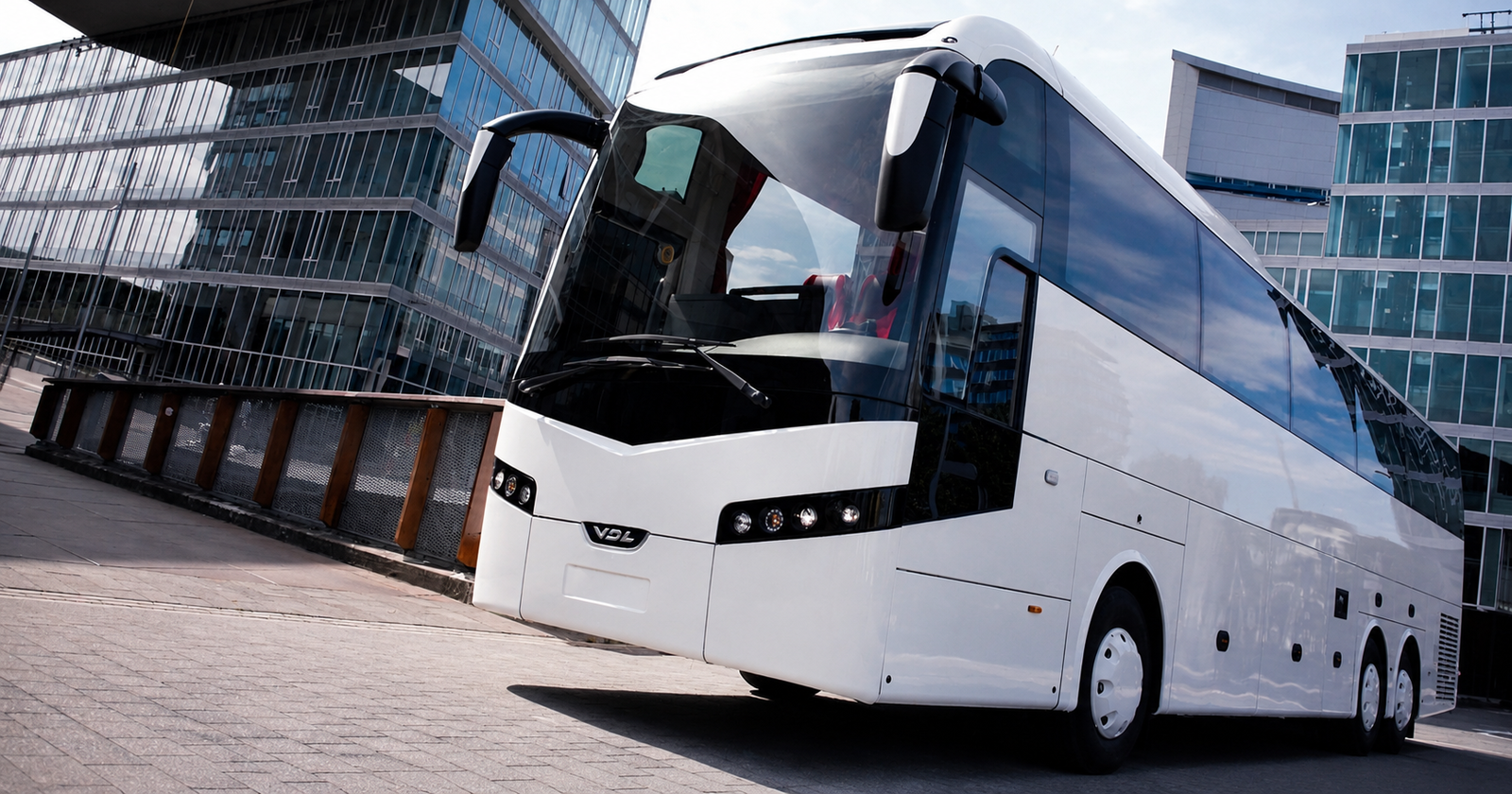
A Jonckheere SHV already marketed with VDL branding; the type was later removed from the VDL range…
Of course, at present there is no official announcement suggesting that the Van Hool brand will be discontinued. At the same time, the steps taken over the past two years clearly point towards ever closer integration. In the short term, it would hardly be in the company’s business interest to eliminate the brand, since the Van Hool name still represents significant value in the premium coach market, and many operators have a particular attachment to the marque.
In the longer term, however, several questions arise. For the time being, it is not known what future VDL envisages for Van Hool’s product development. While the company’s development resources are visibly focused primarily on its own Citea and Futura product families, it is questionable whether maintaining and financing a separate Van Hool model range will be justified in the longer term.
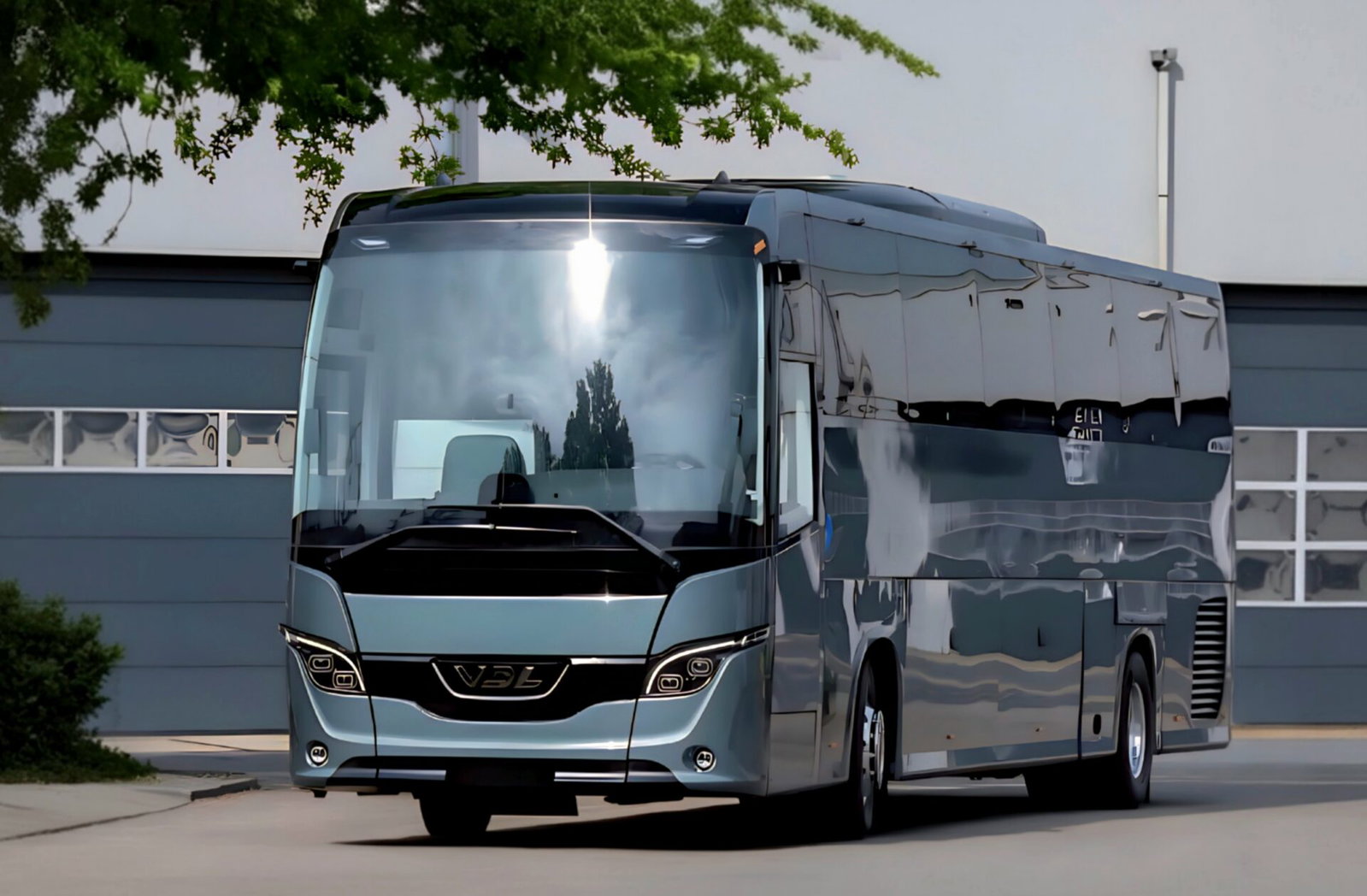
…the legacy of the Bova Futura, however, lives on: its successor, sold as the VDL Futura, remains a key member of the company’s coach range
According to industry sources, one of the most important aims of acquiring the plant in North Macedonia was not merely to preserve Van Hool’s production capacity, but also to enable VDL to transfer an increasing share of production of its own buses and coaches to Macedonia in the future. Labour costs there are only a fraction of Dutch and Belgian wages, which could provide the group with a significant cost advantage. This is also supported by VDL’s earlier announcement that it plans to further develop the Skopje plant. According to the company, as a result of business restructuring and modernisation, the site will play a strategic role in the group’s future manufacturing processes.
This factory had already played a key role in Van Hool’s operations. In the 2010s, the Belgian manufacturer struggled with persistent financial difficulties; its Belgian plants were not only unable to generate a profit, but were also loss-making at operating level. Launching production in North Macedonia marked a strategic turning point, as reports said the average hourly wage there was only about one tenth of Belgian wages, while general operating costs were also far lower. For many years, the substantial cost savings helped keep Van Hool’s operations sustainable and allowed it to offer its buses and coaches at more competitive prices. It is therefore no surprise that VDL also sees the Skopje plant as a strategic asset, one that could play an important role in the production of its own buses and coaches in the future.
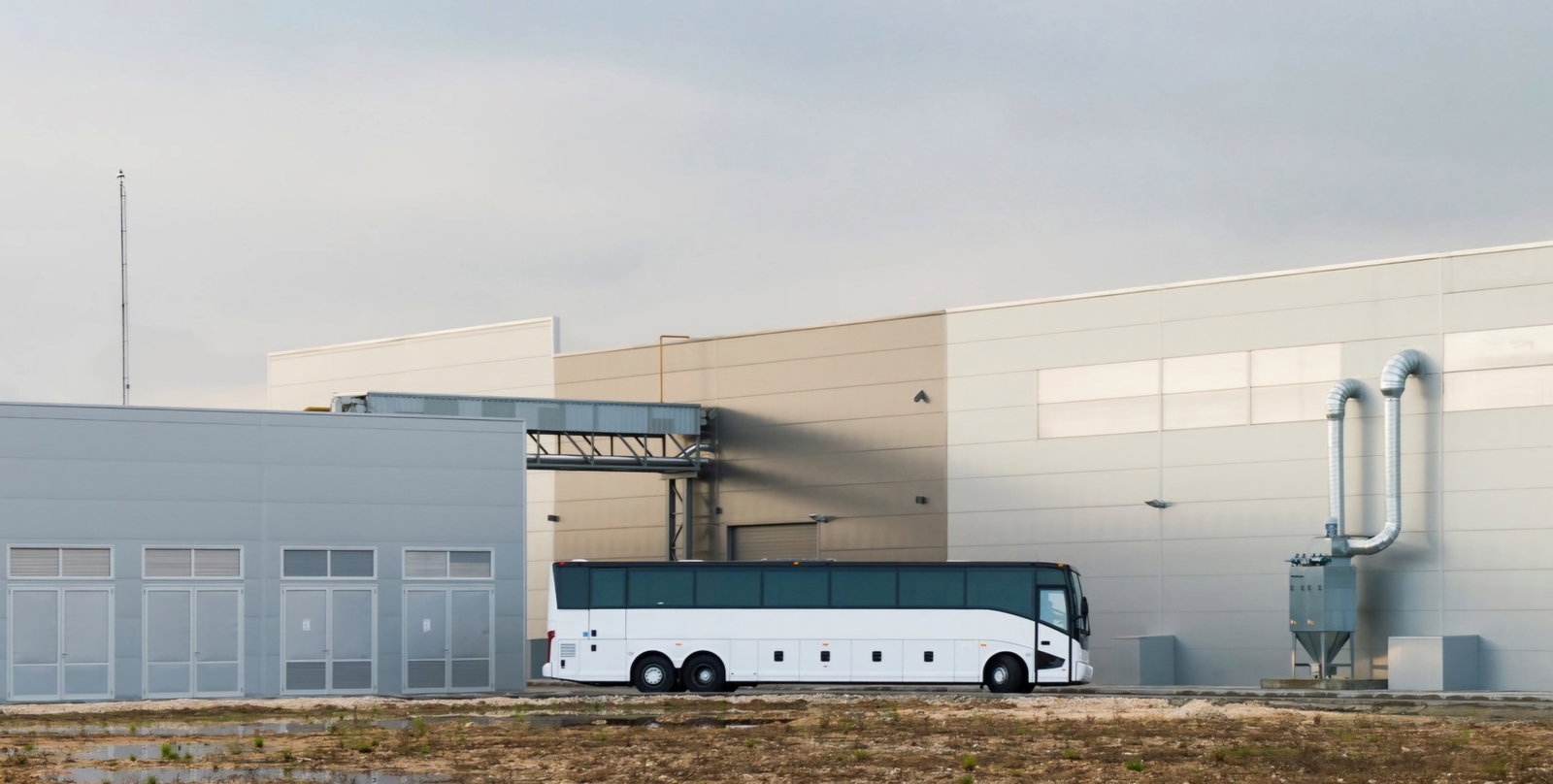
The 78,000-square-metre plant, created in two phases with a total investment of €42 million, is capable of producing 900–1,000 buses and coaches a year, giving it a capacity that even exceeds VDL’s recently opened, ultra-modern assembly plant in Roeselare. The site, which employs around 1,350 people, currently builds the T15 Acron and T17 Acron long-distance coaches for the European market, the Astron T16 and T17 variants that represent the top of the T-series, the TDX25 and TDX27 versions of the TDX Astromega double-deck coach family, as well as the TDX21 Altano, a “one-and-a-half-decker” with a lowered driver’s cab. The North American market, meanwhile, is represented by the CX45, the only remaining member of the CX model family still in production.