![Magyarbusz [Info]](/mbi/header-logo.png)
It is not enough to build buses – Europe’s bus industry needs to rethink how it operates
 Ludányi József
The problem facing European bus manufacturing today is no longer simply that more and more Chinese buses are appearing on the continent’s roads. The real issue runs far deeper: the industry’s cost structure, development pace, production model and, in part, even its business mindset still carry the legacy of an era that is rapidly disappearing. While the market has fundamentally changed in just a few years, a significant share of European manufacturers have only partly managed to adapt. What is more, they are having to invest huge sums in new technologies precisely at a time when their traditionally low profitability and intensifying price competition are limiting their financial room for manoeuvre.
The particular paradox of the situation is that all this is happening not in a shrinking market, but in one that is growing spectacularly. More and more electric buses are being sold in Europe year after year, and in the city bus segment battery-electric drive has become one of the defining technologies within just a few years. Growth did not stall in 2026 either: in the first six months of the year, 8,141 battery-electric buses were registered in Europe, almost one and a half times as many as a year earlier, while among city buses the share of battery-electric models has already exceeded 60%. In other words, demand is there, the market is expanding, and the question is much more about who will benefit from this growth in the longer term. And this is where the situation becomes truly uncomfortable for Europe’s bus industry.
China’s advance is no longer a theoretical threat
Only a few years ago, the presence of Chinese manufacturers in Europe could still be discussed as a future threat. That period is now over. Chinese companies are no longer preparing to conquer the European market; they have become key players in it, and particularly in the electric city bus segment they have built up positions that traditional European brands now have to take into direct account.
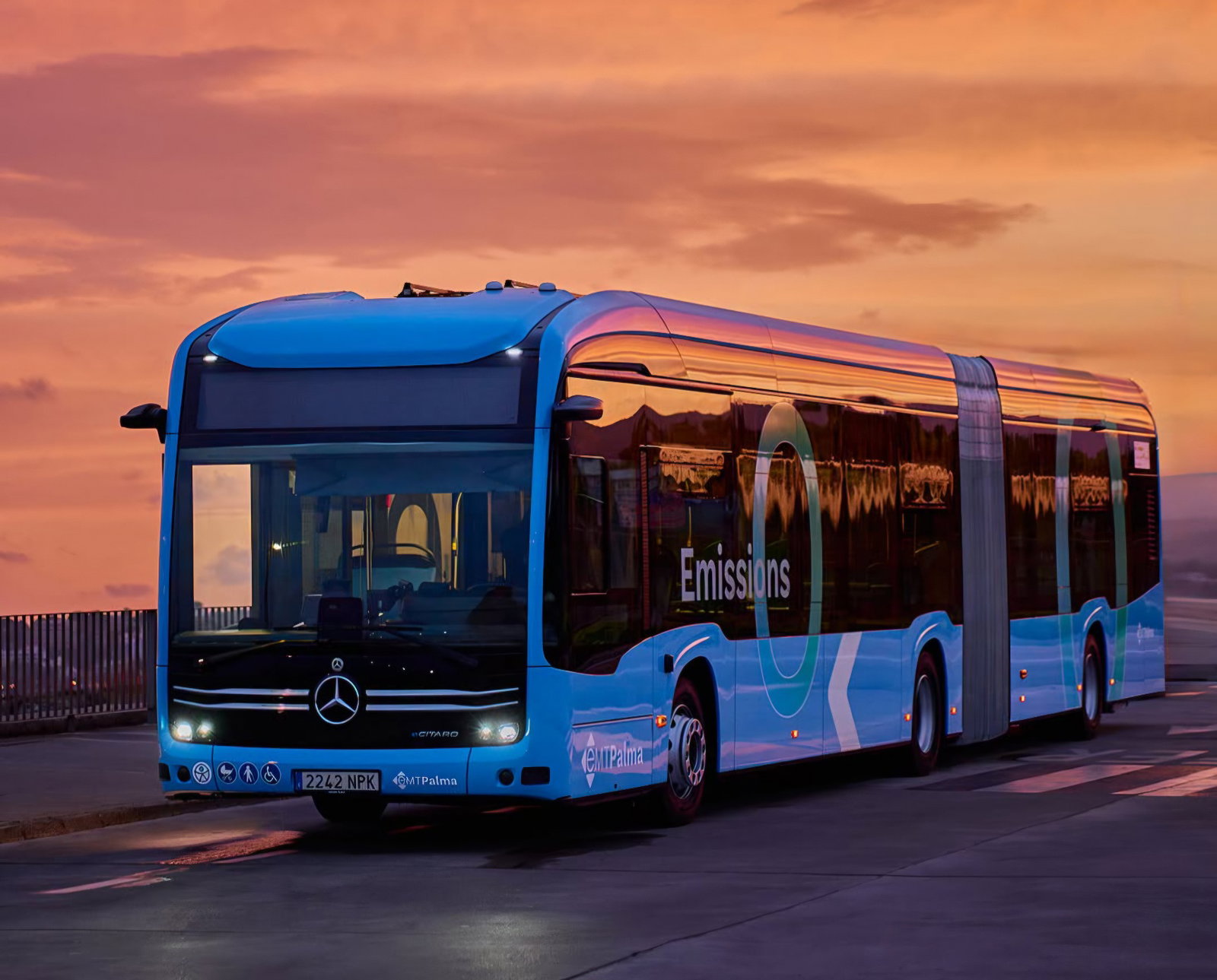
The most visible example of this is Yutong. The Chinese company, regarded as the world’s largest bus manufacturer, led the European electric bus market in 2025 as it had in 2024, and in the first half of 2026 it accelerated its expansion even further. Between January and June, 1,636 Yutong electric buses were registered in Europe, compared with 852 in the same period of the previous year. The manufacturer has therefore practically doubled its sales volume, and in just six months came close to matching its full-year 2025 result of 1,801 units. As a result, Yutong alone accounted for more than 20% of Europe’s 8,141-unit electric bus market in the first half of the year.
Of course, this is by no means about a single Chinese manufacturer: BYD has also become one of the largest suppliers of electric buses on the European market, while other brands such as King Long, Higer, Zhongtong, Golden Dragon and CRRC are becoming increasingly visible as well. Moreover, new challengers with large production capacities may soon join the Chinese players, as Indian manufacturers (JBM, Switch Mobility), Vietnamese manufacturers (VinFast) and Brazilian manufacturers (Marcopolo) are already at the door – or, to be more precise, at Europe’s largest bus exhibitions – and are eager to carve out their own slice of the European market.
It would be a mistake, however, to measure the significance of this process solely by sales figures. The success of Chinese manufacturers has long since ceased to rest exclusively on lower purchase prices. It is accompanied by high productivity, short delivery times, mature electric drivetrains, advanced battery technology, long warranty packages and a gradually expanding European parts and service network. For a European operator, the decisive question in the end is not on which continent the manufacturer is headquartered, but how much the vehicle costs, when it arrives, how much downtime it suffers due to faults, how much energy it consumes, how its battery ages, and how quickly parts or a service technician arrive in the event of a problem. In fewer and fewer of these areas can the historic advantage of European brands be taken for granted, and this is fundamentally changing the competition.
Some of the advantages of the diesel era have simply disappeared
One root of the problem is the technological transition itself. For decades, traditional European bus manufacturers accumulated immense expertise in the development of diesel engines, gearboxes, axles and complete drivetrains. A key part of the competitive advantage of the largest vehicle-industry groups was precisely that, in addition to the bodywork, they could also develop and produce the most important mechanical units within their own corporate groups. The supply chain, production plants and the development organisation itself were all adapted to that world.
Electric drive, however, has fundamentally rearranged this value chain. Competitiveness today is determined much more by battery technology, power electronics, energy management, software, thermal control, charging strategy and the most efficient possible integration of all these elements. Much of the know-how that European manufacturers accumulated in conventional drivetrain development has, of course, not become worthless, but it no longer provides the kind of distinctive competitive advantage it did twenty or even ten years ago.
China, meanwhile, has built up a vast industrial ecosystem across almost the entire electromobility value chain. Behind Chinese bus manufacturers there is not only lower-cost production, but also battery cell manufacturing, a power electronics base, electric drive systems, raw material processing and enormous domestic production volumes. What is more, all this is not solely the result of market processes: for a long time, the Chinese state supported the strengthening of the electric vehicle and battery industries through deliberate industrial policy, direct and indirect subsidies, preferential financing, research and development incentives, and the creation of huge domestic demand.
By contrast, European bus manufacturers have had to finance a significant part of the transition essentially from their own operations, and in an industry that has traditionally had low profitability. While they still had to maintain and develop their existing product ranges, they simultaneously had to finance the development of new electric platforms, drive systems, battery integration and software solutions, as well as the transformation of production. In other words, a significant share of the costs of the technological transition hit them precisely when their Chinese competitors could already rely on a vertically integrated industrial background, built around large series and supported by the state for many years.
The two sides therefore entered the electric era under fundamentally different conditions. The Chinese model simultaneously provides advantages in technology, procurement, financing and economies of scale, which a European bus manufacturer producing in much smaller series finds extremely difficult to offset on its own. Competition today is therefore no longer simply between individual European and Chinese brands, but between two industrial ecosystems with markedly different backgrounds and financing options.
One of the biggest problems is that European buses are too expensive
For this reason, one of the most important questions for the longer-term competitiveness of European manufacturers is cost. Producing an electric bus is still significantly more expensive than producing a conventional diesel model, while the budgets of transport companies and municipalities are not growing at the same pace. In addition to the vehicles, charging infrastructure, grid connections and in many cases depot conversions also have to be financed, meaning that more and more investment items have to be covered from the same available budget.
In this environment, even a cost difference of a few percentage points can decide tender outcomes. European manufacturers therefore need not merely make individual subprocesses of production cheaper, but rethink the entire vehicle concept. They need simpler platforms that can be manufactured in larger series, fewer component variants, a higher degree of system integration, more efficient battery packaging, more modern electronic architectures and more rationalised procurement systems.
The problem also reinforces itself. Production volumes in European bus manufacturing are extremely low compared with the automotive industry, while developing a modern electric platform requires ever greater investment. Development costs therefore have to be spread across a relatively small number of vehicles produced, which in itself increases the unit cost. This is compounded by the industry’s limited ability to generate earnings: even Daimler Buses, which performed particularly well, posted an adjusted return on sales of 8.3% in 2024 and reached 10% for the first time only in 2025, while other European bus manufacturers operate with substantially weaker profitability, in some cases at a loss. From this relatively narrow financial room for manoeuvre, manufacturers must simultaneously finance the maintenance of their conventional product portfolios and the development of the new platforms, battery systems, electronic architectures, software and production technologies needed for the electric transition.
An unfavourable vicious circle can therefore easily emerge: low volumes limit economies of scale, moderate or in some cases negative profitability narrows the scope for development, and high development costs further weaken the cost position of the products. Chinese manufacturers, by contrast, start from huge domestic volumes and growing export volumes, meaning they can amortise the same or similar technology over far larger series, creating yet another cost advantage. That is why shaving a few percentage points off production costs is no longer enough. The entire industrial model of European bus manufacturing has to be addressed.
But outsourcing production is not a strategy in itself
Some European companies have already responded to high costs, primarily by moving an increasing share of production to lower-cost countries. A significant part of Daimler Buses’ European product range already comes from production in Turkey, while in recent years MAN has not only increasingly concentrated production of its conventionally powered buses in Ankara, but is also assigning a key role to its Turkish plant in the electric transition. Series production of the Lion’s City E also began in Ankara in 2026, and the manufacturer’s first series-production electric coach, the Lion’s Coach E, is also built there. In other words, the role of lower-cost production sites is no longer limited to outgoing or conventional technologies: European manufacturers are increasingly entrusting these plants with the production of their next-generation, zero-emission products as well.
Volvo’s and Scania’s former European complete-bus production has been significantly reduced, and both companies are increasingly thinking in terms of a chassis, technology and systems supplier model. Volvo has entrusted production of its complete electric city and intercity buses for the European market to Egypt’s MCV.
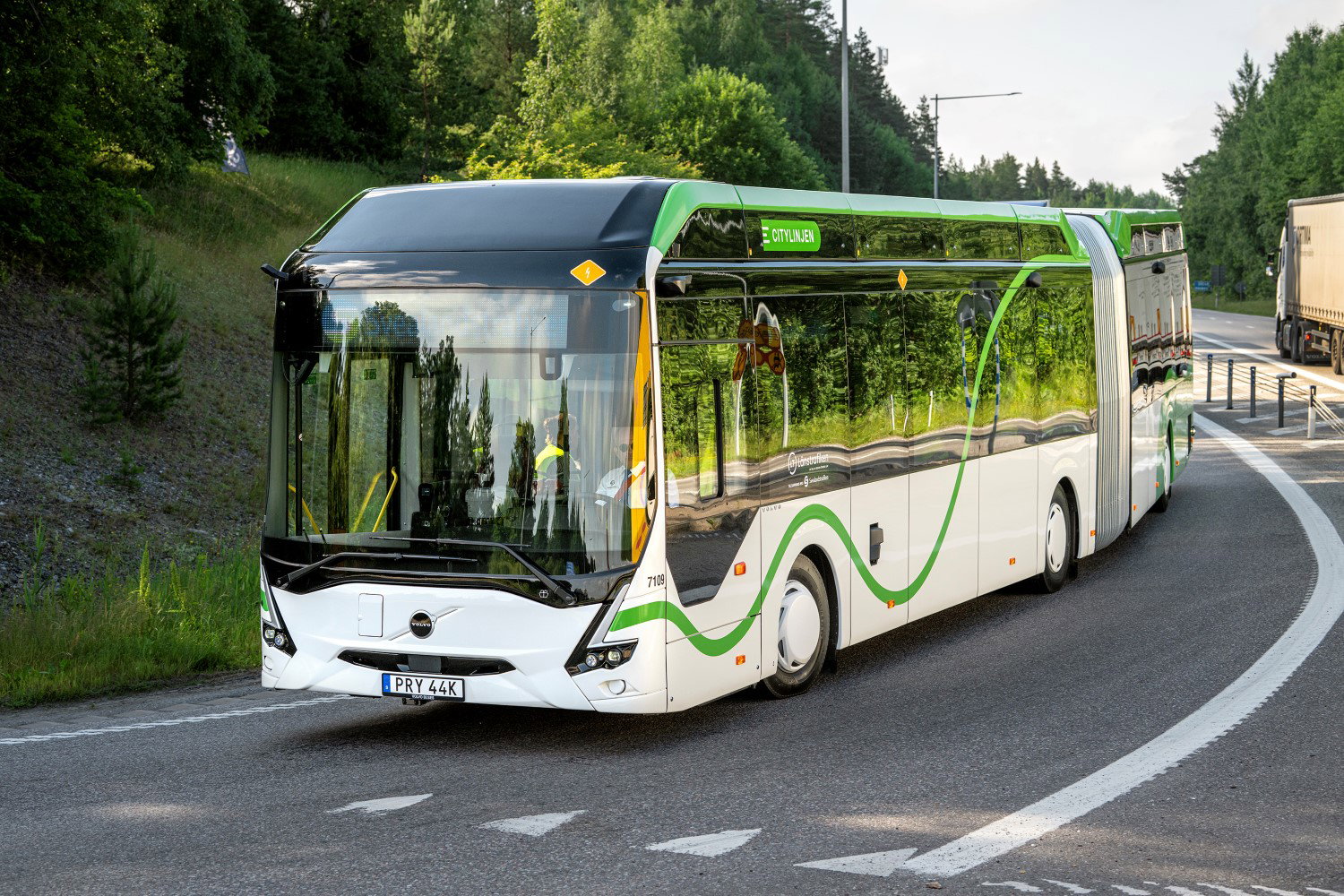
In the short term, this can undoubtedly improve the cost structure, but in the longer term it does not solve the competitiveness problem by itself. If a European company essentially tries to produce the same design with cheaper labour, while its Chinese competitor has organised its entire technological, supplier and production system more efficiently, the difference will sooner or later reappear.
Moreover, the continuous outsourcing of production is also a double-edged sword from an industrial policy perspective. A company’s balance sheet may improve if it moves production to a cheaper country, but Europe’s industrial autonomy does not become stronger as a result. If the continent tries to remain competitive with the Chinese bus industry while gradually dismantling its own manufacturing capacity, it may buy a short-term cost advantage at company level, but at industry level it further increases its own dependence. The question, then, is not how to build the same European bus a little more cheaply. Both the bus and the business model behind it have to be rethought.
With an electric bus, the story no longer ends when the vehicle is handed over
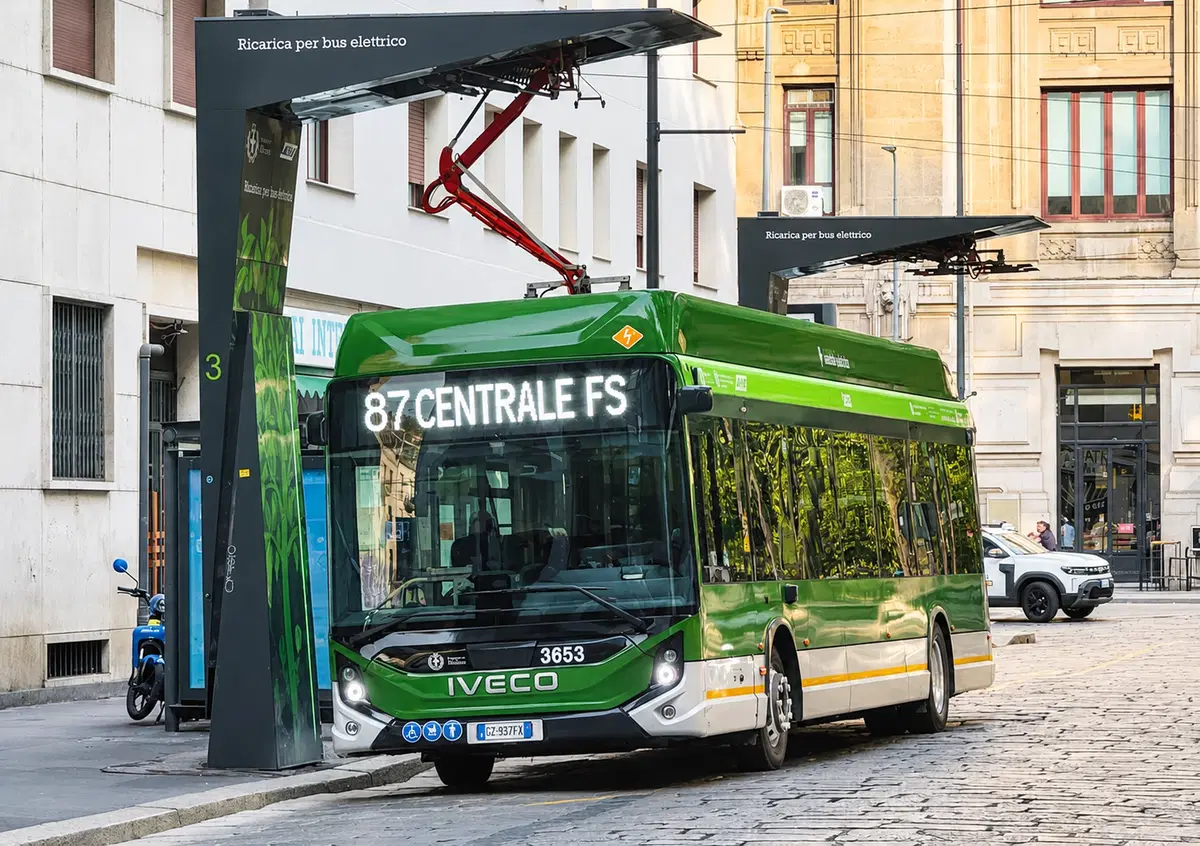
One of the most important consequences of the electric transition is that the vehicle itself has become part of a larger system. An electric bus on its own does not yet make for a functioning electric bus operation. It also requires charging infrastructure, adequate grid capacity, energy management, battery monitoring, fleet management, diagnostics and a proper maintenance background.
This fundamentally changes the role of manufacturers. For the operator, the most important question in the end is not the nominal capacity of the battery or the peak output of the electric motor, but whether the bus can complete its duty on a winter working day, whether it can be dispatched again the next morning, how much energy it consumes, how its battery ages, and how quickly it can return to service after a fault. In the electric bus market, the decision is therefore increasingly determined not by the vehicle’s technical data sheet alone, but by the entire support system behind it.
To achieve this, the manufacturer must offer not only the vehicle, but also suitable charging and energy management solutions, battery warranties, diagnostics, rapid spare parts supply, service support and, where appropriate, financing packages. With the electric transition, the manufacturer’s responsibility therefore increasingly no longer ends when the bus is handed over: it must also take responsibility over the longer term for ensuring that the vehicles it has delivered can genuinely be kept in operation.
In theory, European manufacturers may still have a serious competitive advantage in this area. Their service networks built up over decades, their local presence, their relationships with operators and their knowledge of local transport systems are assets that a newcomer cannot reproduce overnight. But even in this field, European superiority can no longer be taken for granted. One of the keys to Yutong’s expansion in Europe is precisely that it recognised relatively early on that lasting market presence cannot be built simply on delivering attractively priced vehicles from China. The manufacturer therefore relies in several European markets on local importers, sales and service partners, spare parts supply and increasingly strong aftersales support – in other words, it is gradually building the very hinterland that was previously considered one of the strongest defensive walls of the traditional European brands.
This is especially important because Yutong’s success clearly shows that the advance of Chinese manufacturers in Europe can no longer be explained simply by a lower purchase price. The competitive price is accompanied by large production capacity, short delivery times, mature electric technology, long warranty commitments and increasingly serious local support. And if a Chinese manufacturer approaches its European competitors in these services as well, while continuing to show an advantage in price, production volume and delivery capability, then one of the most important traditional competitive advantages of European brands gradually disappears. The question is therefore no longer whether Chinese manufacturers will be able to build an adequate European support network, but whether European players can move forward quickly enough in this area too to preserve the difference.
The price war alone probably cannot be won
It would be a mistake to assume that European manufacturers simply have to become cheaper than the Chinese. Behind China stands a battery-industry, raw material processing and supplier ecosystem, as well as a production volume, that Europe cannot copy within a few years. In addition, Chinese manufacturers have achieved series sizes in their huge domestic market that are difficult to comprehend from a European perspective, even if China’s domestic bus market has slowed significantly in recent years.
Europe therefore does not necessarily have to offer the lowest price. A more expensive European bus can still be the better deal for an operator if it remains in service for longer, suffers less downtime due to faults, receives spare parts more quickly, has a more predictable battery ageing profile, and still has proper manufacturer support after ten to twelve years. A higher purchase price is therefore not necessarily a competitive disadvantage in itself – but the European manufacturer must show ever more clearly what the operator receives in return.
If, however, there is no measurable added value behind the higher price, European origin alone will become an increasingly weak sales argument. And this is precisely where one of the greatest dangers lies. In the course of cost-cutting in recent years, several European manufacturers have simplified their products, introduced cheaper components or relocated production processes, while the quality of products from leading Chinese manufacturers has improved visibly. Two opposing processes are converging: Europe’s premium advantage is shrinking, while China’s quality disadvantage is becoming smaller and smaller. If these two curves meet, the European manufacturer loses its strongest justification for a higher price.
The battery cannot remain a black box
One of the keys to competitiveness is energy storage. Chinese manufacturers widely use LFP technology, which is inexpensive, safe and offers a long cycle life, while some European manufacturers long relied primarily on NMC systems with higher energy density. This is not to say that one technology is better than the other under all circumstances: the choice of the right battery chemistry must be determined jointly by the vehicle’s usage profile, daily mileage, weight, charging options and climatic conditions.
The real competitive advantage therefore lies less and less in the cell chemistry itself, and much more in system integration. More efficient battery packaging, less dead space, better weight distribution, improved thermal management and an energy storage system more deeply integrated into the body structure can all reduce weight, energy consumption and ultimately production cost.
For European manufacturers, it may therefore be dangerous in the longer term to treat the battery simply as a black box that can be bought from a supplier. They do not necessarily have to build their own cell factories, but they will need far greater in-house competence in system integration, control, energy management and managing the battery’s entire life cycle.
Going it alone will become increasingly difficult
All this raises another uncomfortable question for Europe’s bus industry: how long does it make economic sense for every manufacturer to develop the same basic technologies separately? Developing the battery system, electronic system, drive control and software environment of a modern electric bus consumes substantial sums, while in many cases only a few hundred or a few thousand units of a given European model are built each year.
This becomes a truly serious problem when competing with a rival that can spread the same development over substantially larger series. European manufacturers will therefore sooner or later have to consider which areas truly create value through independent development, and which would be more economical to pursue in cooperation with suppliers, technology companies or even other vehicle manufacturers. What is needed is not necessarily joint buses, but ensuring that certain extremely costly core technologies are not reinvented again and again by every manufacturer at its own expense.
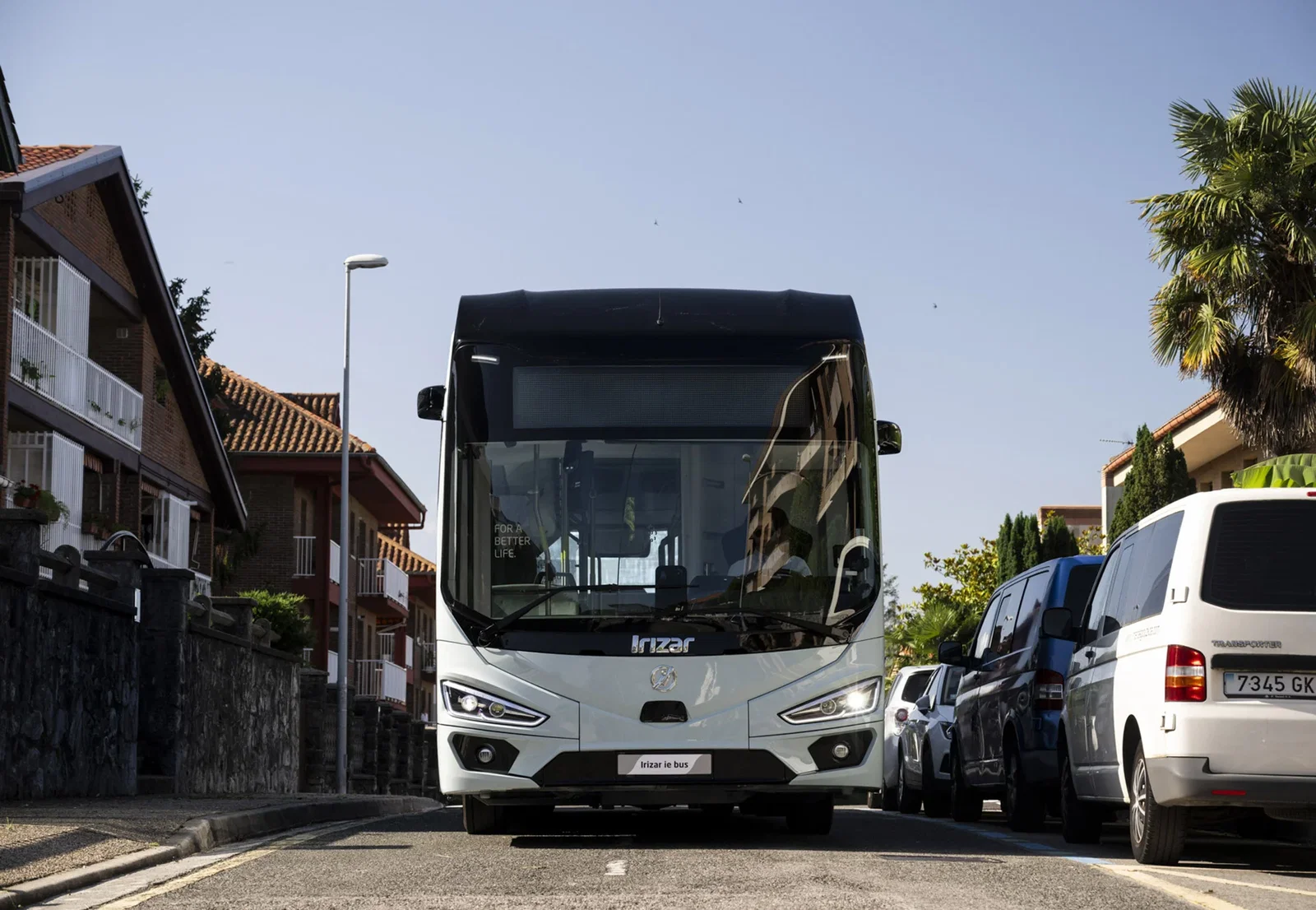
This does not necessarily threaten the independence of the brands either. Significantly different vehicles can be built on the same technological base, while manufacturers can still compete on design, styling, passenger compartment, energy consumption, service and operating characteristics. What was previously primarily an opportunity to share costs may increasingly become an economic necessity as development becomes more expensive and the volume advantage of Chinese manufacturers grows.
Tariffs cannot solve everything
Debates about the future of Europe’s bus industry almost inevitably arrive at the question of market protection. There is a legitimate case for this. From a strategic perspective, it is difficult to justify public transport investments financed from European taxpayers’ money serving, in the long term, to strengthen an industrial ecosystem outside Europe, while the continent’s own manufacturing capacity, supplier network and technological autonomy are gradually eroded.
At the same time, the European Union also bears responsibility here. European manufacturers can rightly be expected to meet ever stricter environmental, safety and sustainability requirements, but these entail significant development and production costs. It can hardly be called a balanced competitive situation if European companies bearing these costs have to compete in the same market with manufacturers from third countries operating in entirely different subsidy, regulatory and cost environments. If the EU regards the survival of its own vehicle industry as a strategic interest, then alongside the requirements it must also create a market environment in which meeting them does not in itself become a competitive disadvantage.
Local added value, the proportion of European components, data security, security of supply, repairability and the full life cycle may all play an increasingly important role in public procurement. These can also be much more sophisticated tools than simple discrimination by place of origin, because they measure real economic and operational value as well.
But neither tariffs nor protectionist public procurement rules will, on their own, create a competitive European bus industry. At most, they can buy it time. If manufacturers do not use that time to reduce their costs, develop their products, modernise their production and strengthen their technological autonomy, they will face the same problem a few years later. Market protection can therefore be no more than one element of a comprehensive industrial strategy, not a substitute for it.
The race is not over yet – but there is less and less time left
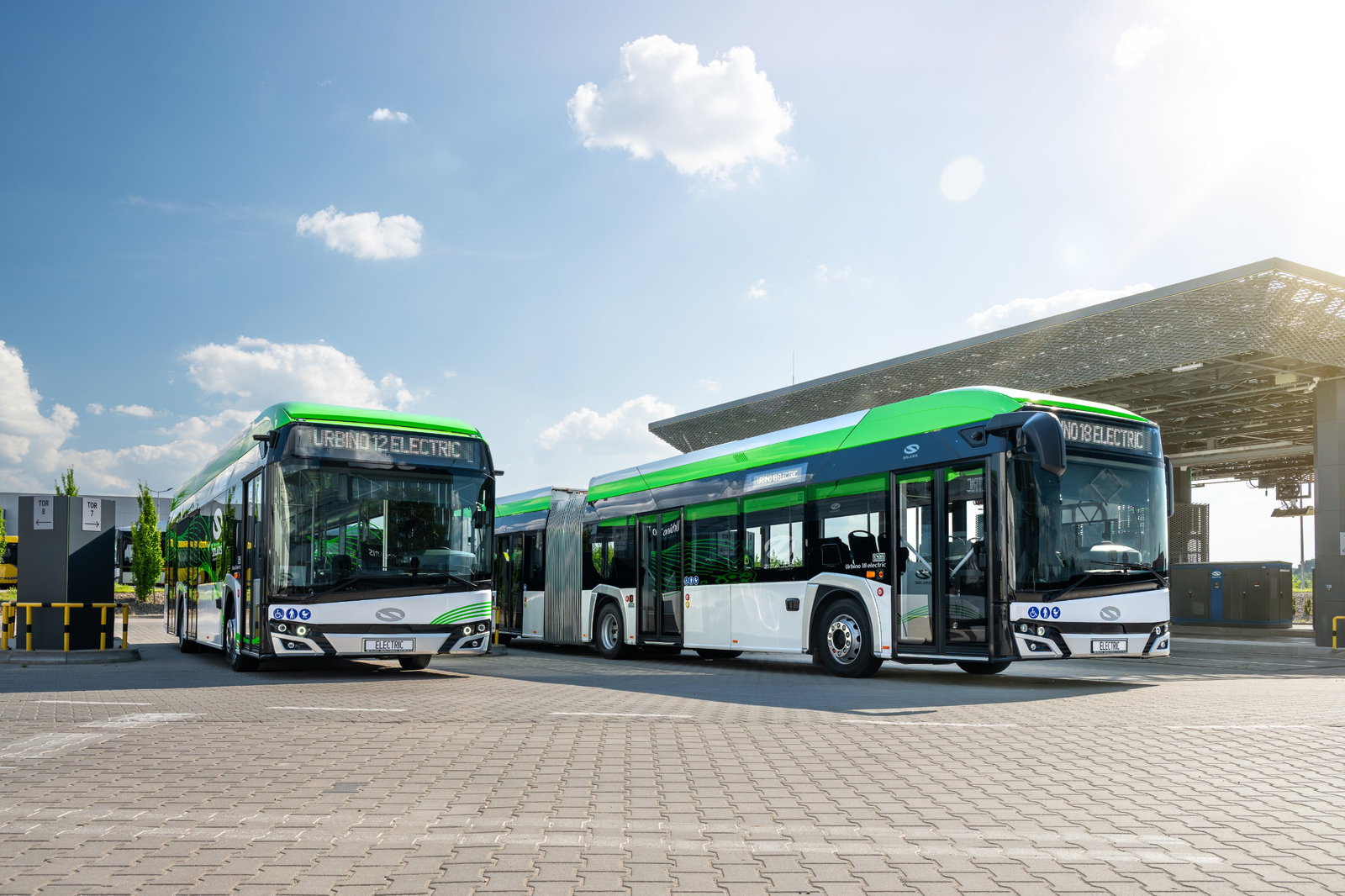
None of this means that the fate of European bus manufacturing has already been decided. The continent still has significant industrial foundations. Daimler Buses, Volvo, MAN, Iveco Bus, Solaris, VDL, Irizar and smaller regional manufacturers have accumulated serious development expertise, decades-long operator relationships and significant service networks. Several European companies have increased their electric bus sales particularly rapidly in the recent period, meaning that in technological terms it cannot be said at all that Europe has already lost this race.
The difference lies much more in the speed of development. While some European manufacturers are successfully increasing production, their Chinese competitors are able to scale even faster. In other words, the debate is no longer about whether Chinese competition will arrive. It has arrived, and today it is already shaping the European market itself.
The real question is whether European manufacturers will make use of the period during which they still have sufficient market weight, technological knowledge, manufacturing capacity and customer base to transform their operations from the ground up. They do not have to copy the Chinese manufacturing model at any cost, but they do have to eliminate the costs and duplications behind which there is no real customer value, accelerate their development processes, and preserve or regain the technological competences that will determine the value of the bus of the next decade. And where it is no longer economical to do all this under their own steam, cooperation may be the only rational path.
Because the current transformation is about far more than replacing the diesel engine with a battery and an electric motor. Europe’s bus industry needs not simply a new drive system, but a new operating model. If it can create this in time, the continent’s manufacturers can remain key players in the global bus industry. If, however, the current structure remains in place while Chinese companies continue to increase their volumes, gradually localise their European presence and build up the same aftersales service background that has until now been one of the most important competitive advantages of European brands, then in a few years’ time the question will no longer be how Europe can regain its lost market share. It will be whether it still has enough industrial capacity of its own to do so.