![Magyarbusz [Info]](/mbi/header-logo.png)
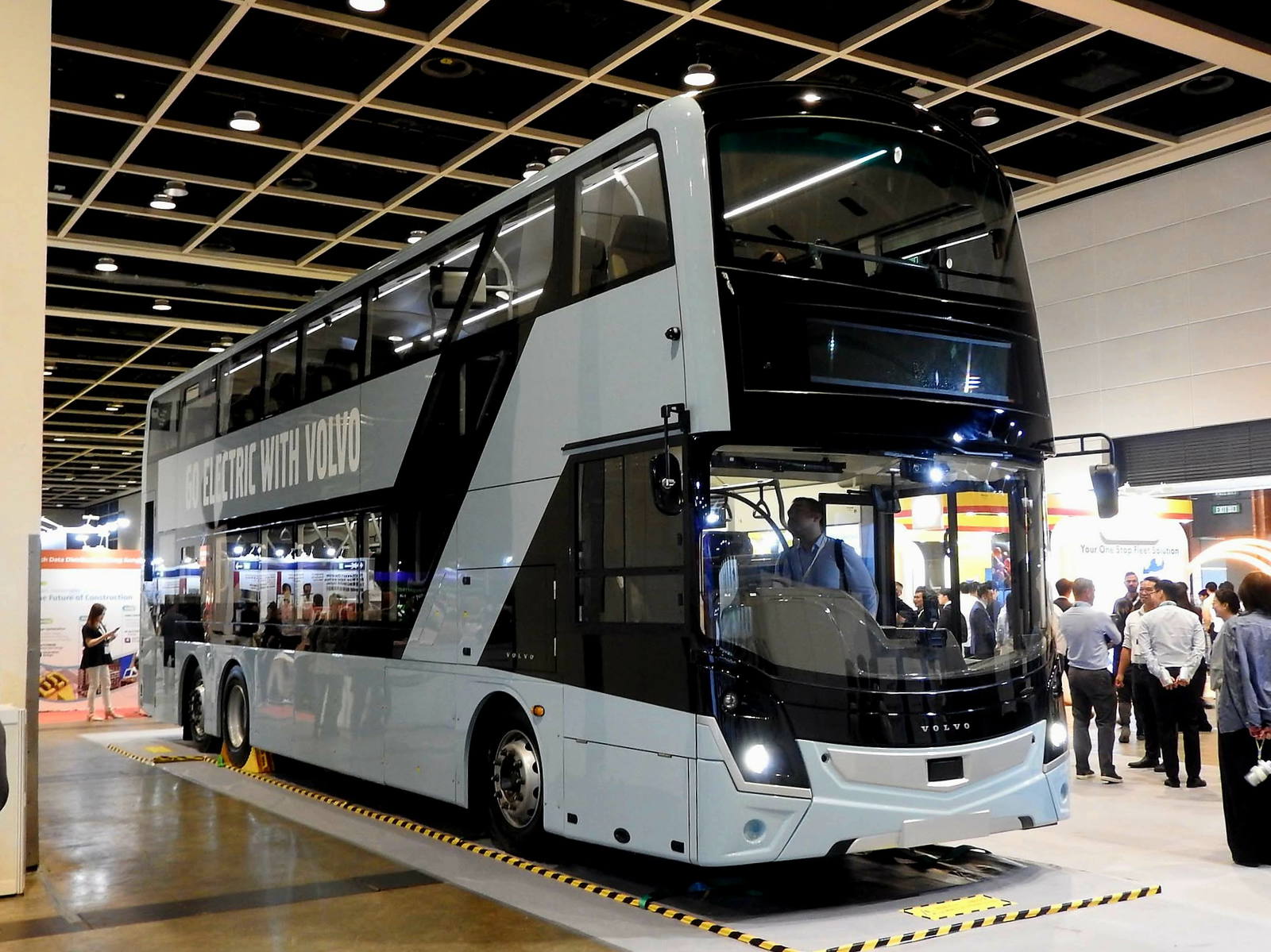
Volvo Buses enters Hong Kong market with tri-axle electric double-decker
 Ludányi József
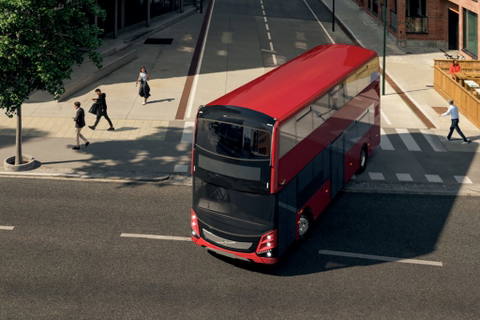
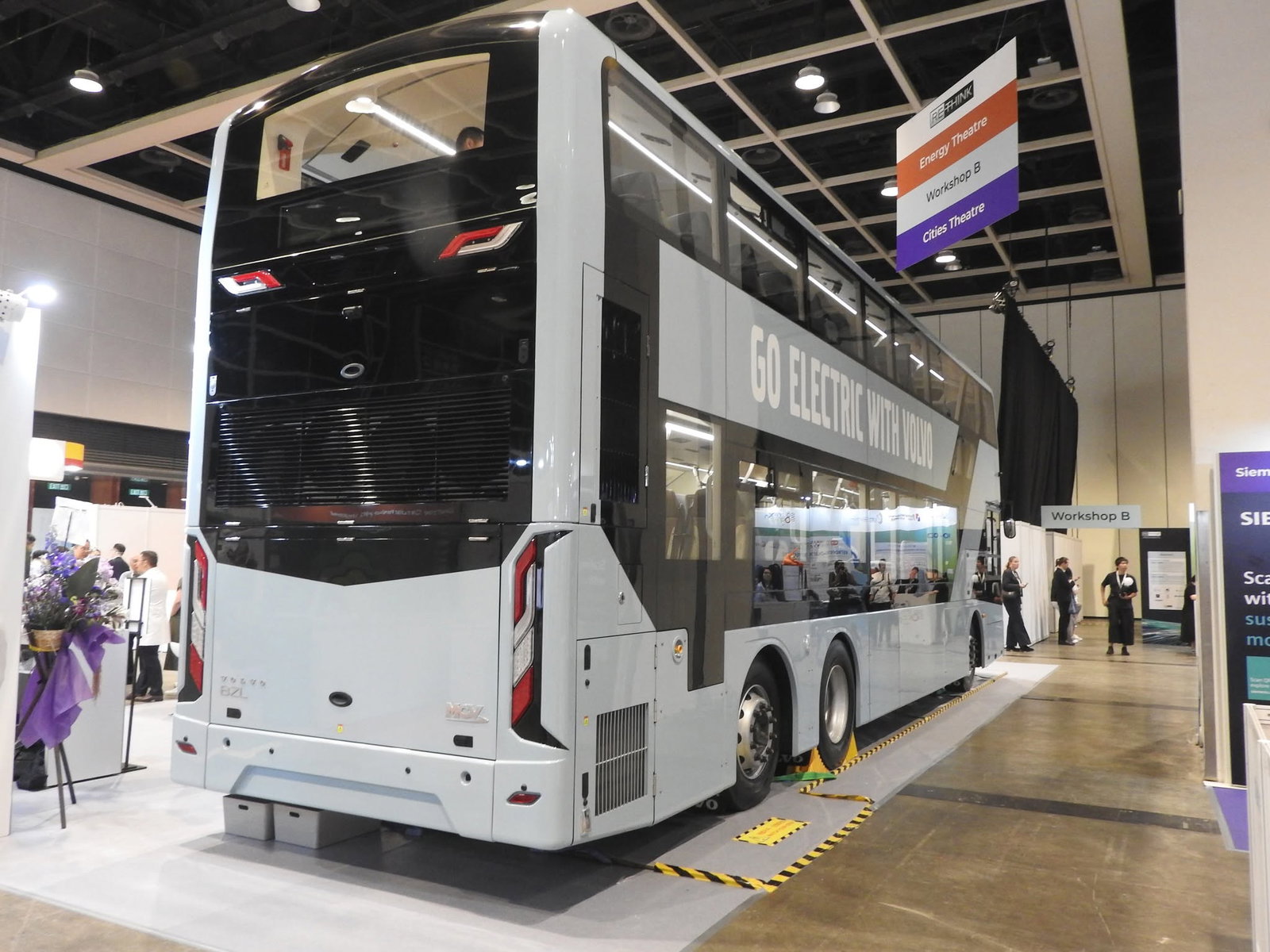
Volvo Buses has unveiled a new battery-electric double-deck bus tailored specifically to the needs of the Hong Kong market. Debuting at the ReThink Hong Kong exhibition, the Volvo BZL DD Electric is notable for being the first tri-axle, 6×2 double-deck version of the manufacturer’s electric BZL platform. The bodywork of the 12-metre vehicle is supplied by Egypt’s MCV, while the driveline and rolling chassis come from Volvo.
With the new model, Volvo joins Wrightbus and Alexander Dennis in Hong Kong’s electric bus market: both British manufacturers already offer tri-axle battery-electric double-deck buses of around 12 metres, adapted to local requirements.
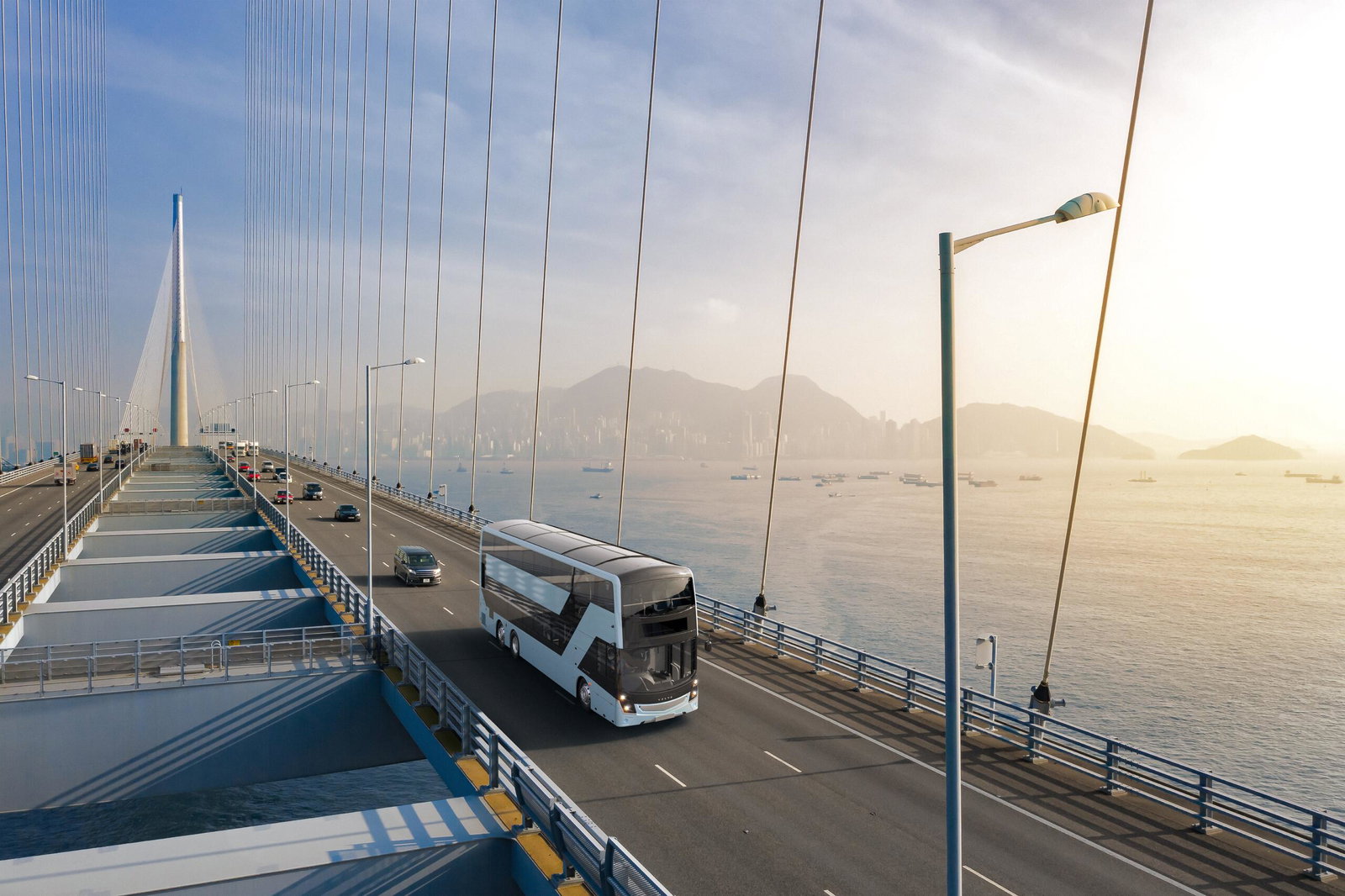
The design of the vehicle has been shaped primarily by Hong Kong’s specific operating requirements. Because of the city’s extremely heavy passenger volumes, high-capacity tri-axle double-deck buses have traditionally been used, while the topography, closely spaced stops and subtropical climate place significant demands on both the electric driveline and auxiliary systems. The new BZL DD is therefore not simply a local version of the two-axle electric double-decker already offered by Volvo in other markets, but a 6×2 configuration with a permitted gross vehicle weight of 24 tonnes. The third axle is especially important because of the electric driveline: alongside the considerable additional weight of the batteries, it allows a higher permitted gross weight and therefore a greater payload, meaning electrification does not necessarily entail a major reduction in passenger capacity.
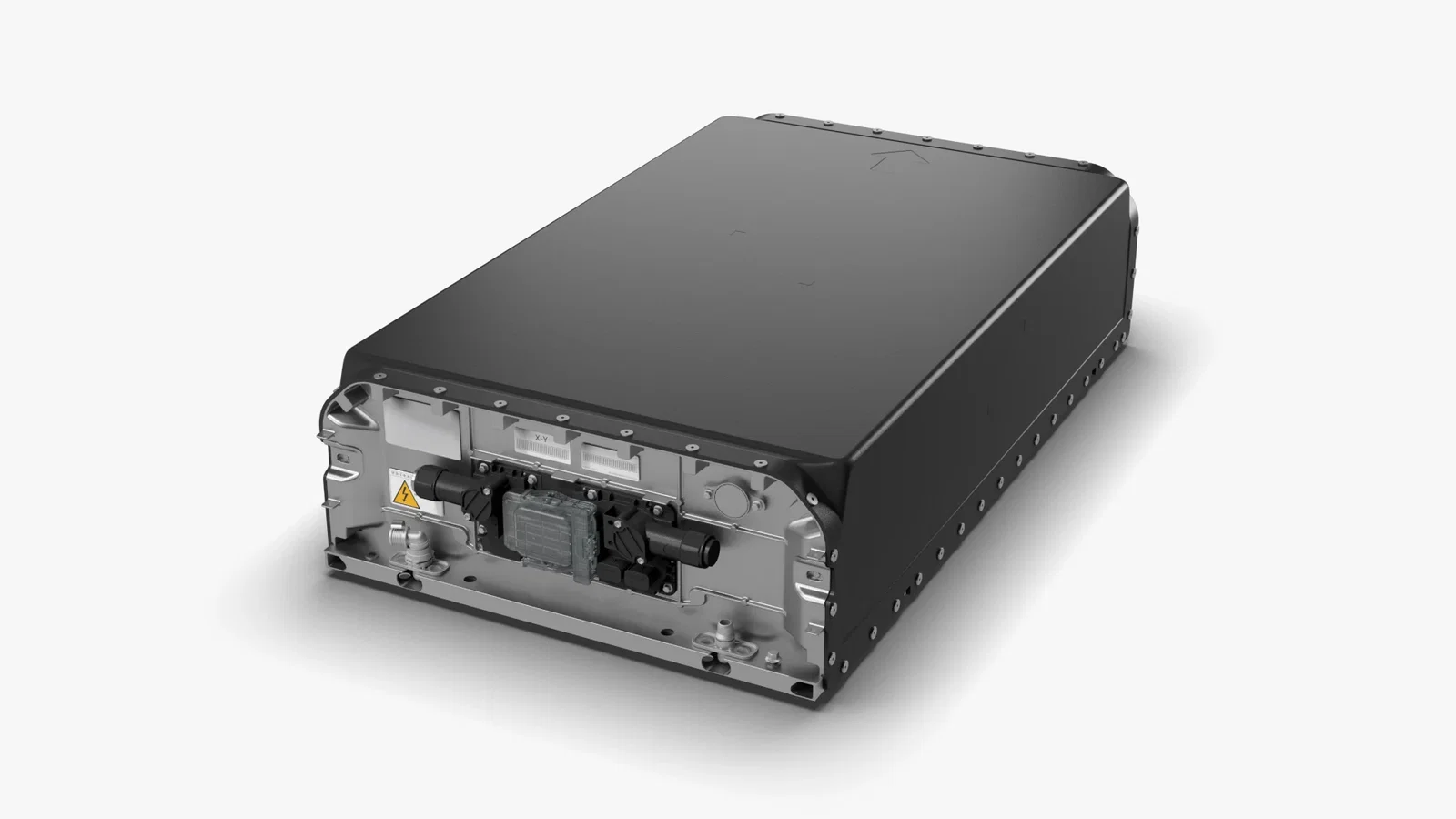
500 kWh LFP, two electric motors
The 12,000 millimetre long, 2,550 millimetre wide and 4,400 millimetre high bus uses an energy storage system based on lithium iron phosphate (LFP) batteries with a nominal capacity of 500 kWh. The vehicle is fitted with flat-pack LFP battery units, each with an energy storage capacity of 39 or 44 kWh and weighing 234.5 and 263 kilograms respectively. Among the advantages of LFP chemistry, the manufacturer highlights high thermal stability and a long service life even with frequent charging cycles. The batteries are protected by a steel safety frame and thermal protection made from heat-resistant materials, while their condition is monitored by Volvo’s own BMS at cell, module, battery pack and overall system level, continuously checking parameters including temperature, current and pressure. A separate liquid-based cooling and heating system ensures the correct operating temperature. The traction system operates at a voltage level of 600 volts.
The vehicle’s twin-motor electric drive is provided by two Volvo EPT802 electric motors, each with a maximum output of 200 kW, giving the system a combined peak power of 400 kW. Maximum torque at the wheels is 31,000 Nm. The driveline is paired with a two-speed automated mechanical transmission, which uses the electric motors to synchronise speeds during gear changes. The system has also been dimensioned for operation under heavy loads on steep routes; the hill-start assist function prevents the vehicle from rolling back on gradients of up to 20 percent.
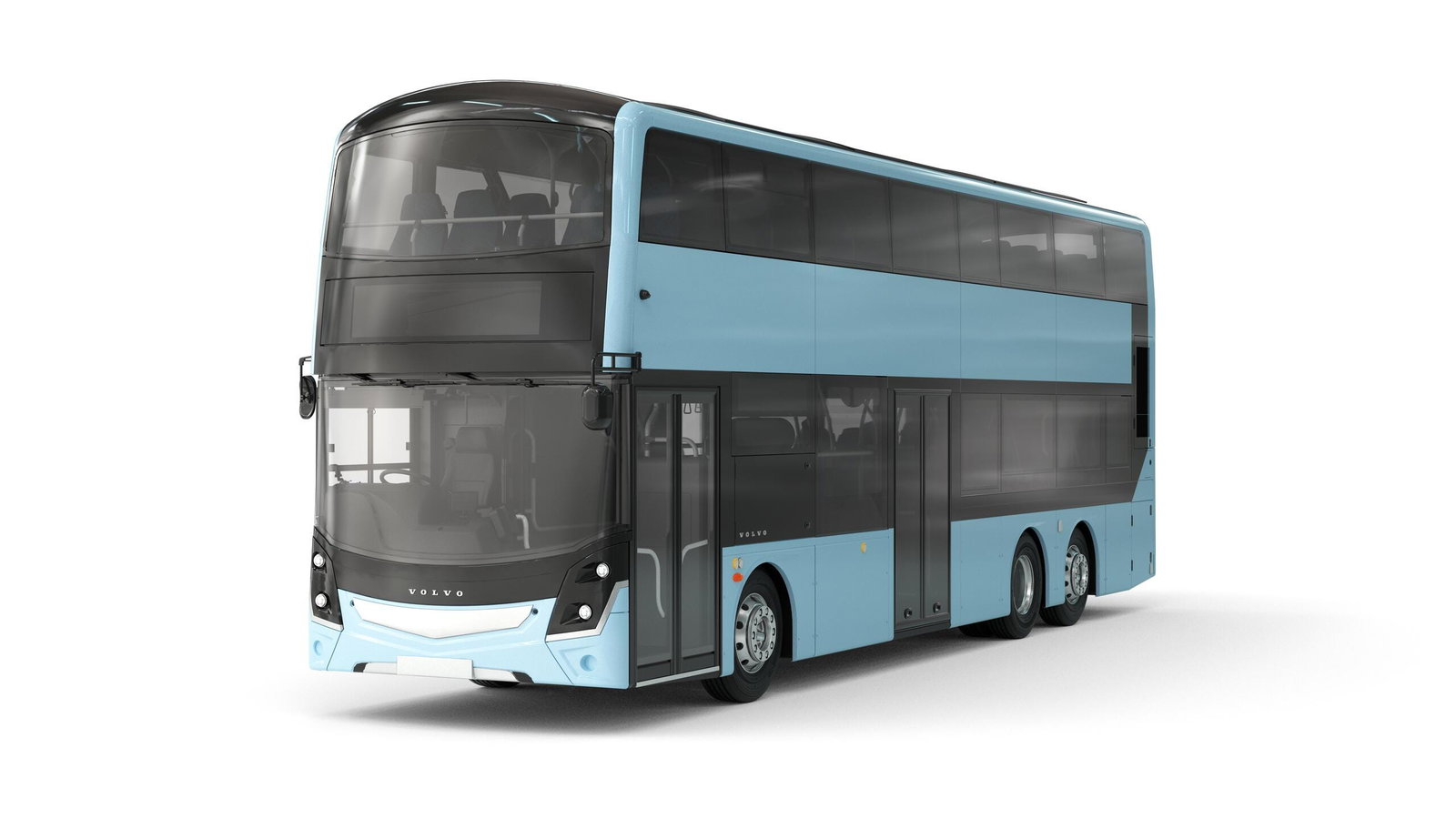
The front axle is a Volvo RFS-L unit, the driven rear axle is a ZF AV133, while the third, trailing axle is of fixed design. Compared with the steered auxiliary axle used on tri-axle buses, this is a simpler and cheaper solution, reducing the additional cost and maintenance requirements associated with fitting a third axle, although it does involve a compromise in manoeuvrability. The vehicle is equipped with electronically controlled air suspension and, of course, disc brakes on all wheels. The electronic braking system (EBS) is accompanied by ABS, traction control and electronic stability control, while during deceleration the brake blending function coordinates regenerative and mechanical braking.
Up to 120 passengers
Volvo’s Hong Kong product page states a maximum passenger capacity of 118, while the detailed technical specification lists 120 passengers, including 82 seats. The small discrepancy between the two factory figures is presumably due to the particular interior layout or configuration.
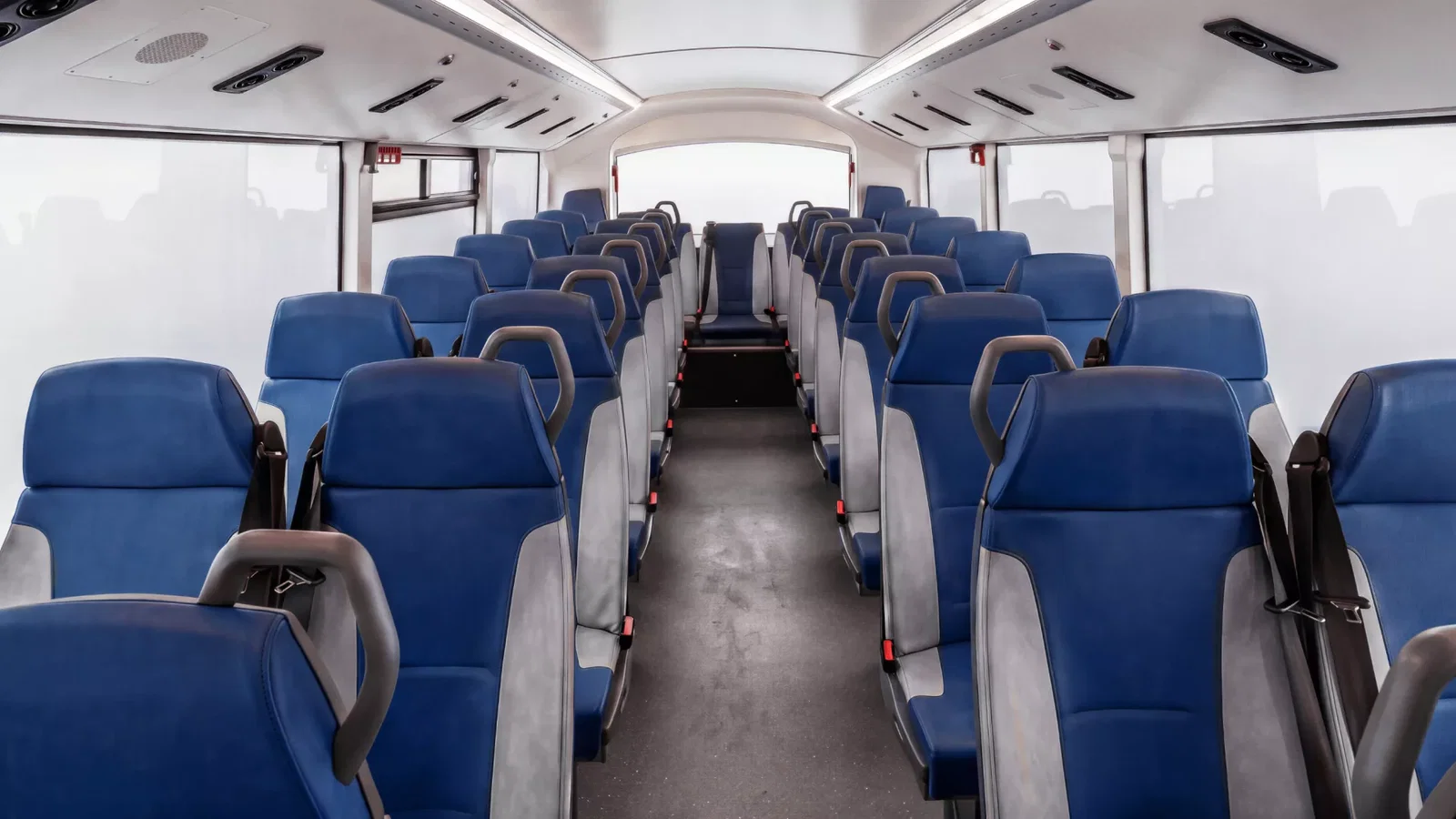
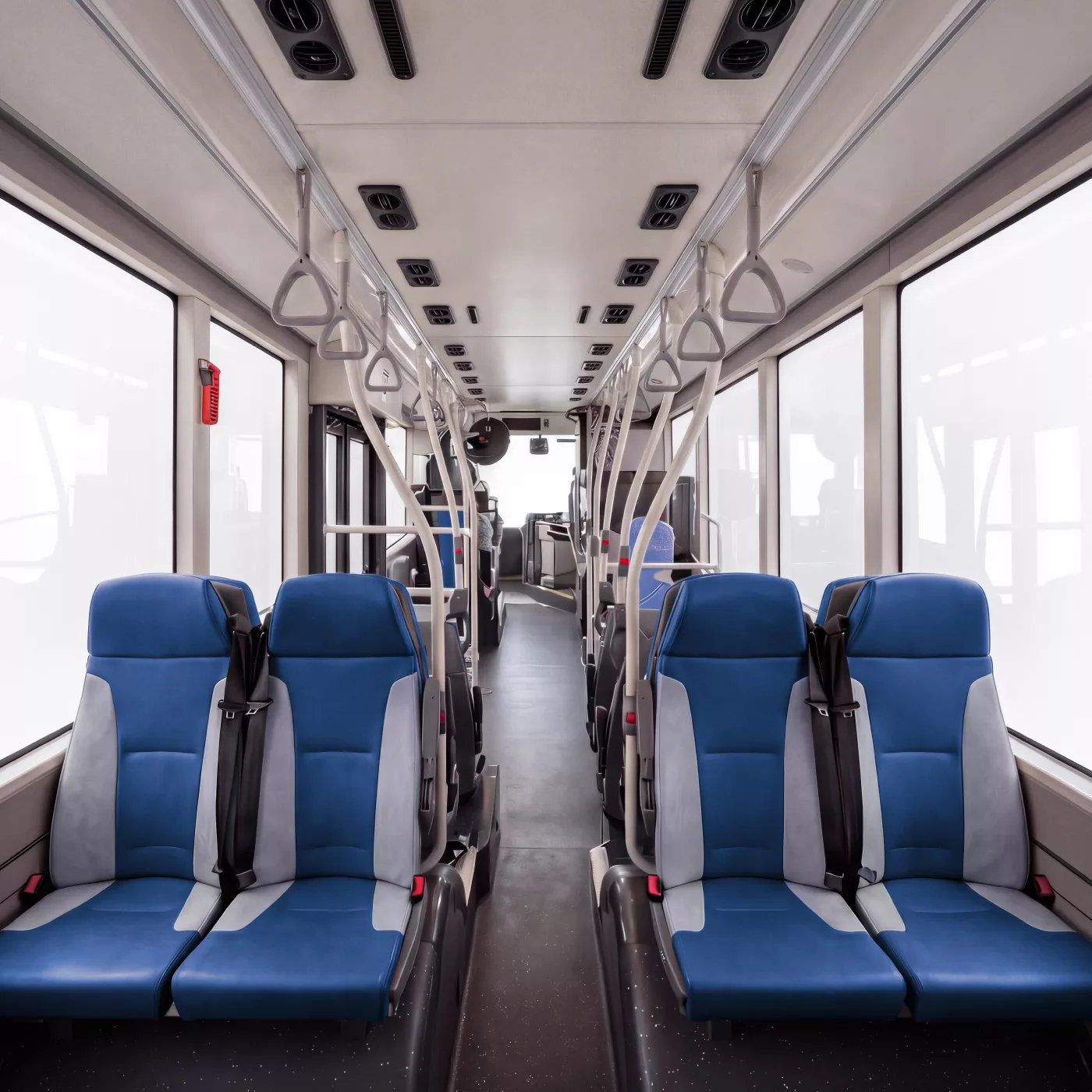
One of the key technical issues in Hong Kong operation is the energy demand of air conditioning. Accordingly, the BZL DD Electric is fitted with a high-capacity Denso electric climate-control system, which is linked not only to passenger compartment cooling but also to battery thermal management. The system uses a high-voltage electric compressor and a dedicated battery-cooling function.
The bus can be charged via a CCS connector at up to 250 kW. In addition to the charging connector located as standard at the left rear, a second socket can optionally be fitted on the right-hand side, although only one can be used at a time. The design therefore primarily supports operation based on overnight depot charging, but the 250 kW charging capability may also allow daytime top-up charging.
Comes with a comprehensive safety package
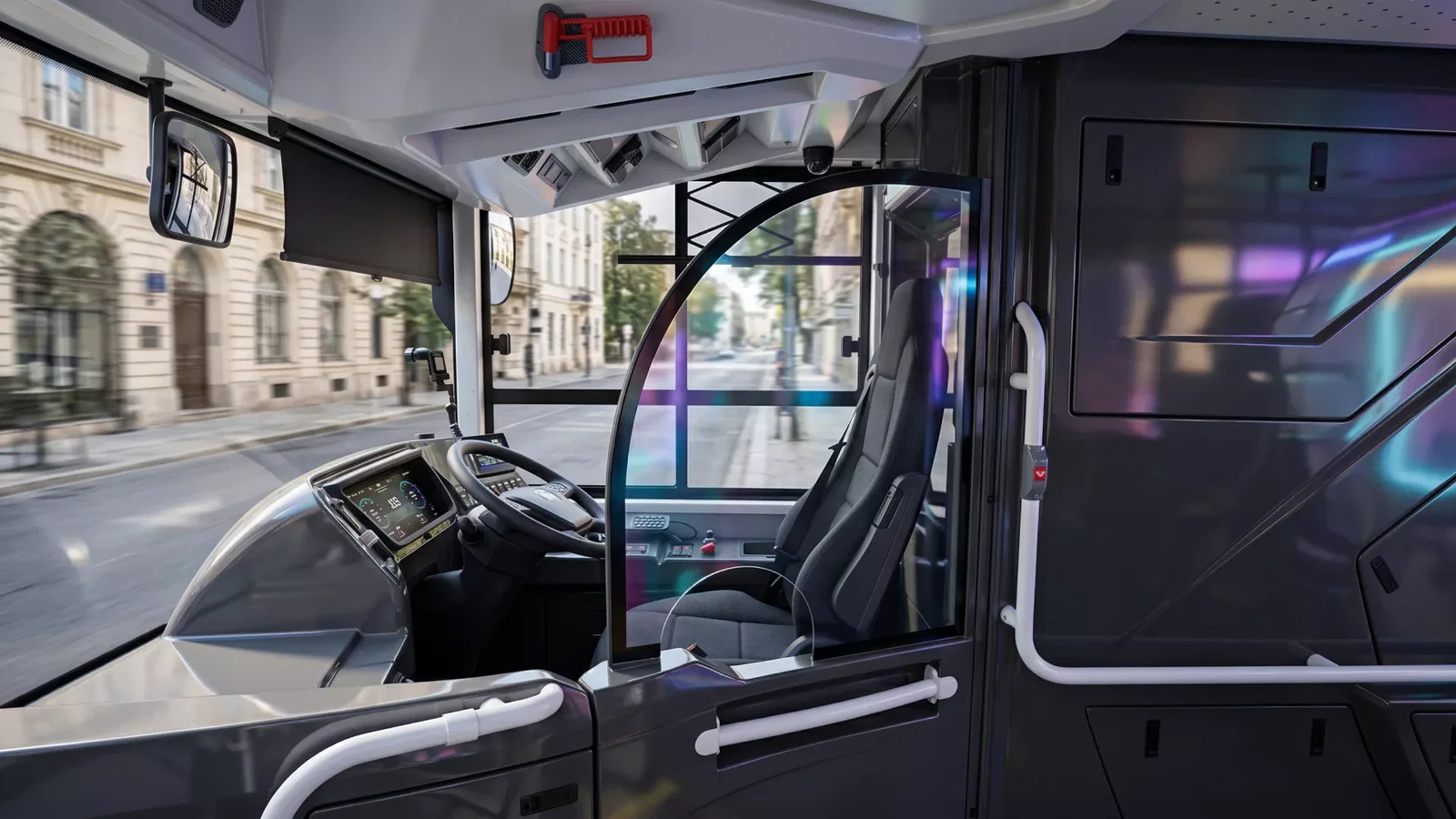
The Hong Kong BZL DD also receives a significant share of Volvo’s current active safety systems. Equipment includes, among other features, collision warning combined with a city emergency braking function, intelligent speed assistance, a system monitoring the risk of side collisions, monitoring of the area directly in front of the vehicle, lane keeping and lane-change support, and a driver alertness monitoring function. Because of the electric driveline, the batteries and high-voltage network also have their own monitoring and protection systems.
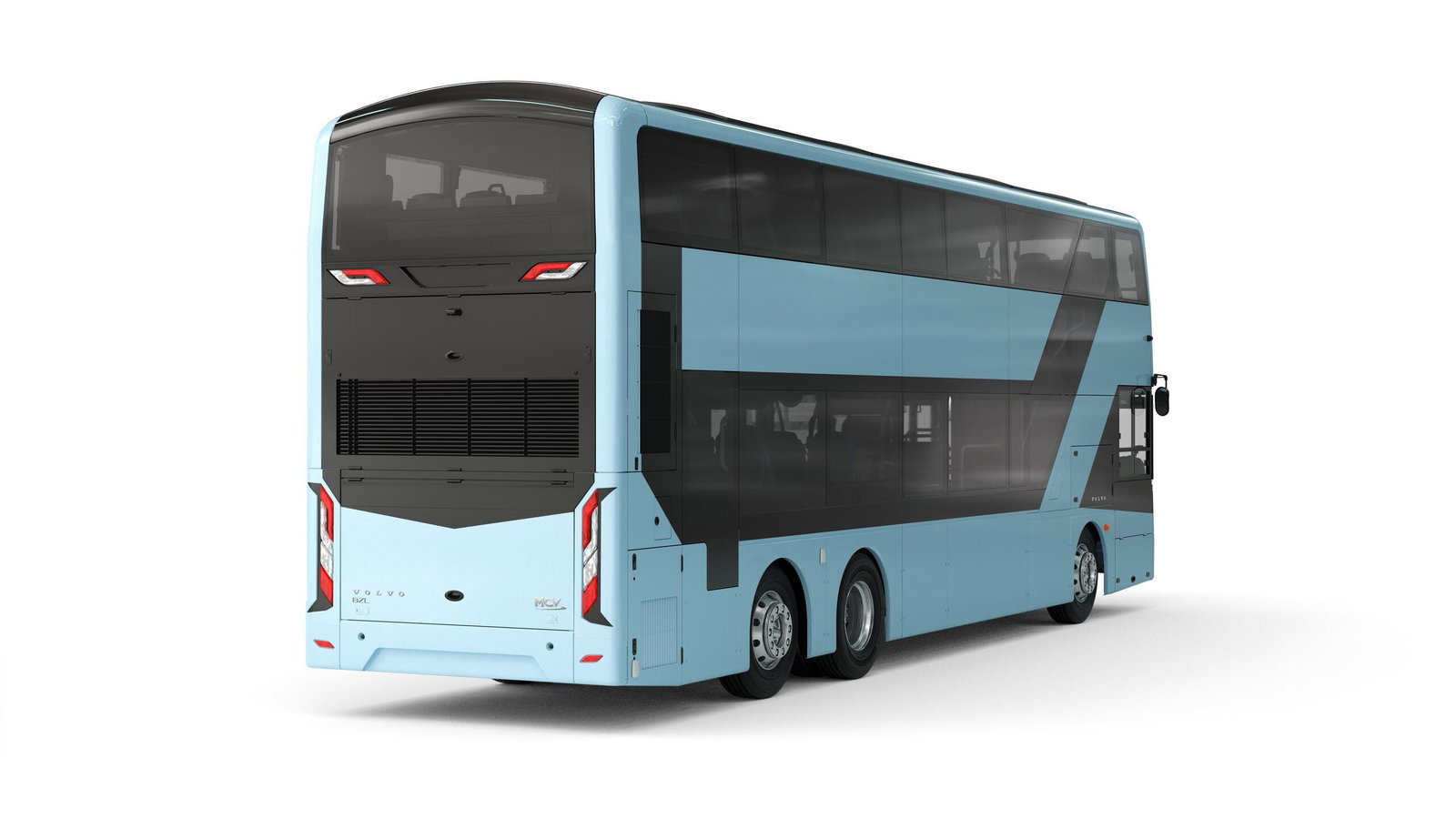
The bodywork of the Volvo BZL DD Electric is built by MCV. The cooperation between the two companies is not new: in recent years Volvo has given the Egyptian manufacturer an increasingly important role in the bodying of complete buses, while Volvo itself focuses primarily on the chassis, electric driveline, energy storage, vehicle control systems and related services.
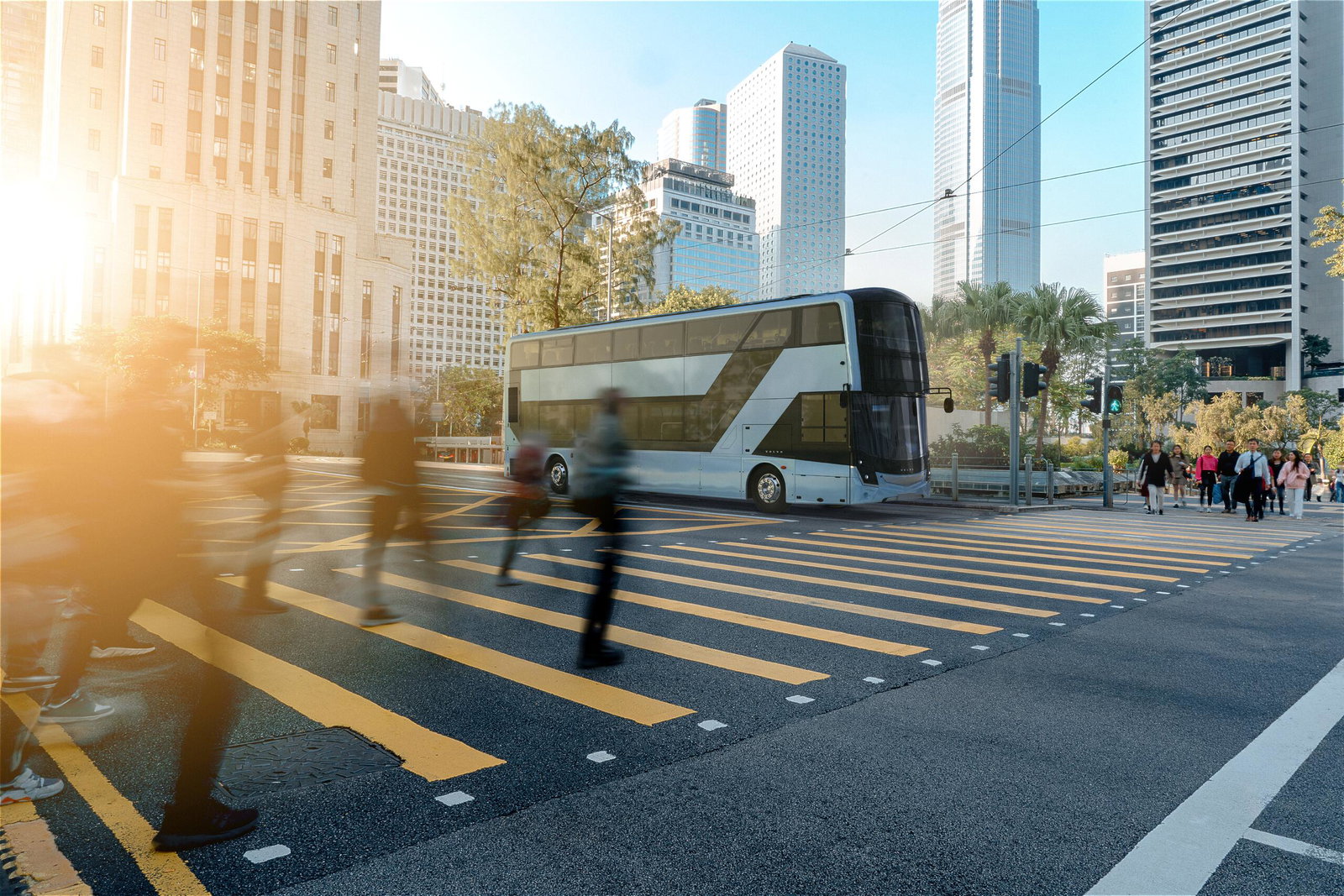
The arrival of the tri-axle version is nevertheless an important expansion of the BZL family. With it, Volvo is entering a high-capacity electric bus segment in Hong Kong where providing passenger capacity comparable to conventional diesel double-deckers is a fundamental requirement during the transition to electric operation. The market significance of the model therefore lies less in the electric driveline itself than in the fact that Volvo is now offering it in a tri-axle design adapted to the specific weight, capacity, climate and performance requirements of Hong Kong operation.
Photos: Andrew Mak, CGI: Volvo Buses