![Magyarbusz [Info]](/mbi/header-logo.png)
Another major trolleybus deal in Bucharest: competition set to open for 100 articulated vehicles
 Ludányi József
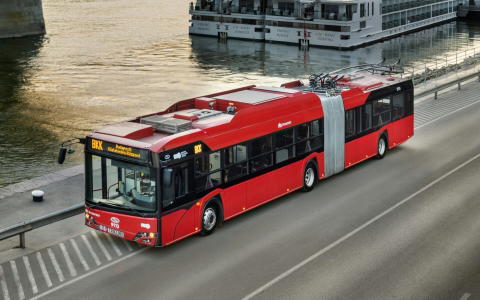
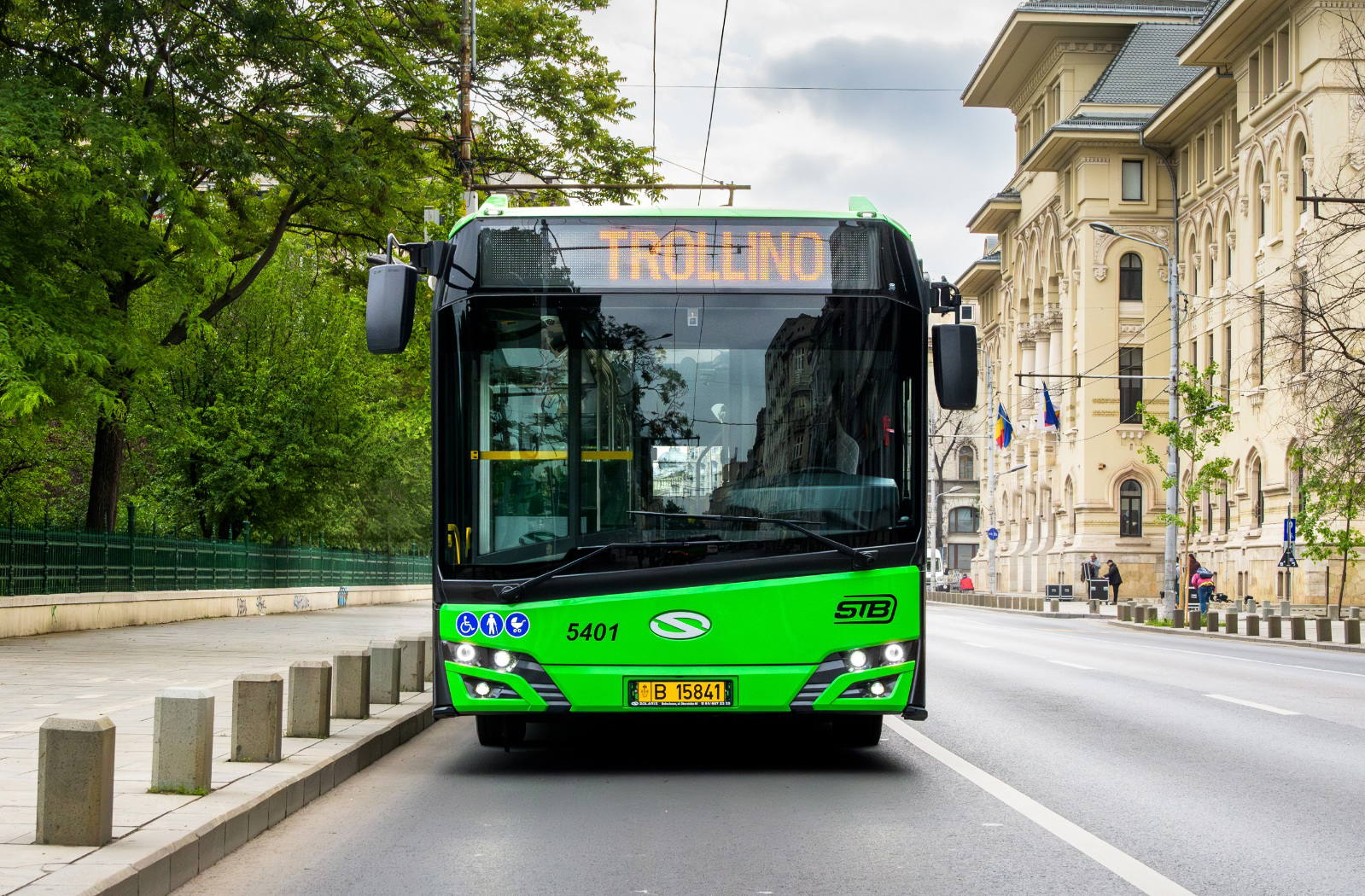
Bucharest has launched another large-scale trolleybus tender: this time, the Romanian capital wants to procure 100 new articulated trolleybuses capable of battery-powered off-wire operation, partly using European Union funding. The latest procurement marks another important step in the renewal of Bucharest’s trolleybus fleet, under which a total of 122 brand-new solo trolleybuses have entered service over the past three years: 100 of them were supplied by Solaris, and a further 22 by Yutong. The city now intends to continue the programme by renewing its articulated fleet, with the new trolleybuses planned for deployment on the busiest routes.
According to the tender notice published on 1 September, the Bucharest municipality plans to procure the 100 articulated trolleybuses in a single lot, and the vehicles must also be capable of battery-powered off-wire operation. A 20-month period has been set for completion of the contract, within which the full vehicle quantity must be delivered in no more than 18 months, with the remaining period reserved for technical inspections, testing and acceptance. The estimated net value of the procurement is 492.8 million lei, equivalent to nearly €93 million, with financing to come partly from EU funds, under the clean public transport support framework of the București–Ilfov 2021–2027 regional programme.
Under the specifications, the vehicles to be procured must be 18-metre, fully low-floor trolleybuses with a capacity of at least 130 passengers. The traction system must be supplemented by an onboard energy storage system enabling the trolleybuses to cover at least 20 kilometres without overhead wires, under normal operating conditions and with all auxiliary systems in use. The vehicles must feature an air-conditioned passenger compartment, accessible design and a modern passenger information system, while onboard CCTV, automatic passenger counting, contactless ticket validation and USB charging options are also required. As part of the safety equipment, the new trolleybuses must be fitted with the mandatory driver assistance and safety systems required under EU regulations, as well as Alcolock, an alcohol interlock system.
In the evaluation of bids, price carries a weighting of 40%, while the remaining 60% will be awarded on the basis of technical and delivery criteria. The largest of these, at 23%, is the comprehensive vehicle warranty: the required minimum is five years, but additional points are awarded for a longer commitment, with the maximum score available for a “full warranty” of at least eight years. A further 15% is allocated to energy efficiency measured in battery operation under the SORT 1 cycle, 12% to vehicle capacity, and 10% to the committed delivery deadline. The tender allows a maximum of 18 months for delivery of the complete 100-vehicle fleet, but to achieve the maximum score, bidders must commit to a delivery time of ten months or less. This latter condition may be particularly favourable to players outside the European Union with substantial production capacity, including Chinese manufacturers. Moreover, Yutong is by no means an unfamiliar name in Bucharest: the Chinese manufacturer’s 22 solo trolleybuses are already in service in the Romanian capital, and the production and delivery of the vehicles took less than six months in total, an unusually short lead time for trolleybus procurements.
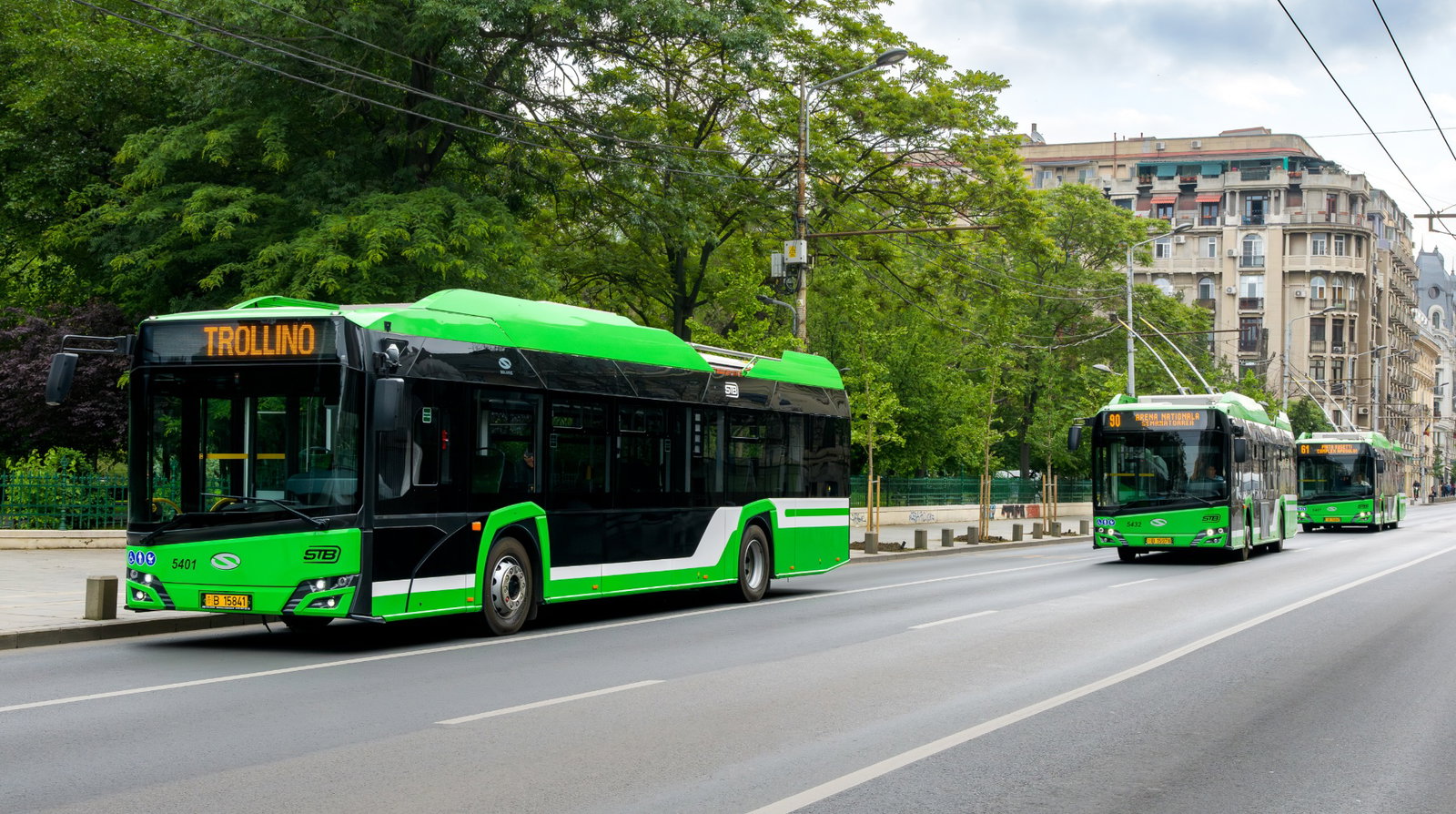
An interesting question in connection with the tender is which manufacturers will compete for the order this time. Neither Solaris nor Škoda took part in Bucharest’s most recent 22-vehicle trolleybus tender. The scale of the current 100-unit articulated order, however, may be more attractive to both Solaris and Škoda, while Yutong’s participation seems almost certain, especially given that the Chinese manufacturer has already successfully gained a foothold in Bucharest’s trolleybus market through the previous tender. The pool of potential bidders could also be expanded by Turkey’s Bozankaya, which has recently been making increasingly active efforts to promote its trolleybuses in the Central and Eastern European region and has appeared in several major public procurement procedures.