![Magyarbusz [Info]](/mbi/header-logo.png)
Otokar settles its penalty debt to Bratislava with three electric buses
 Ludányi József
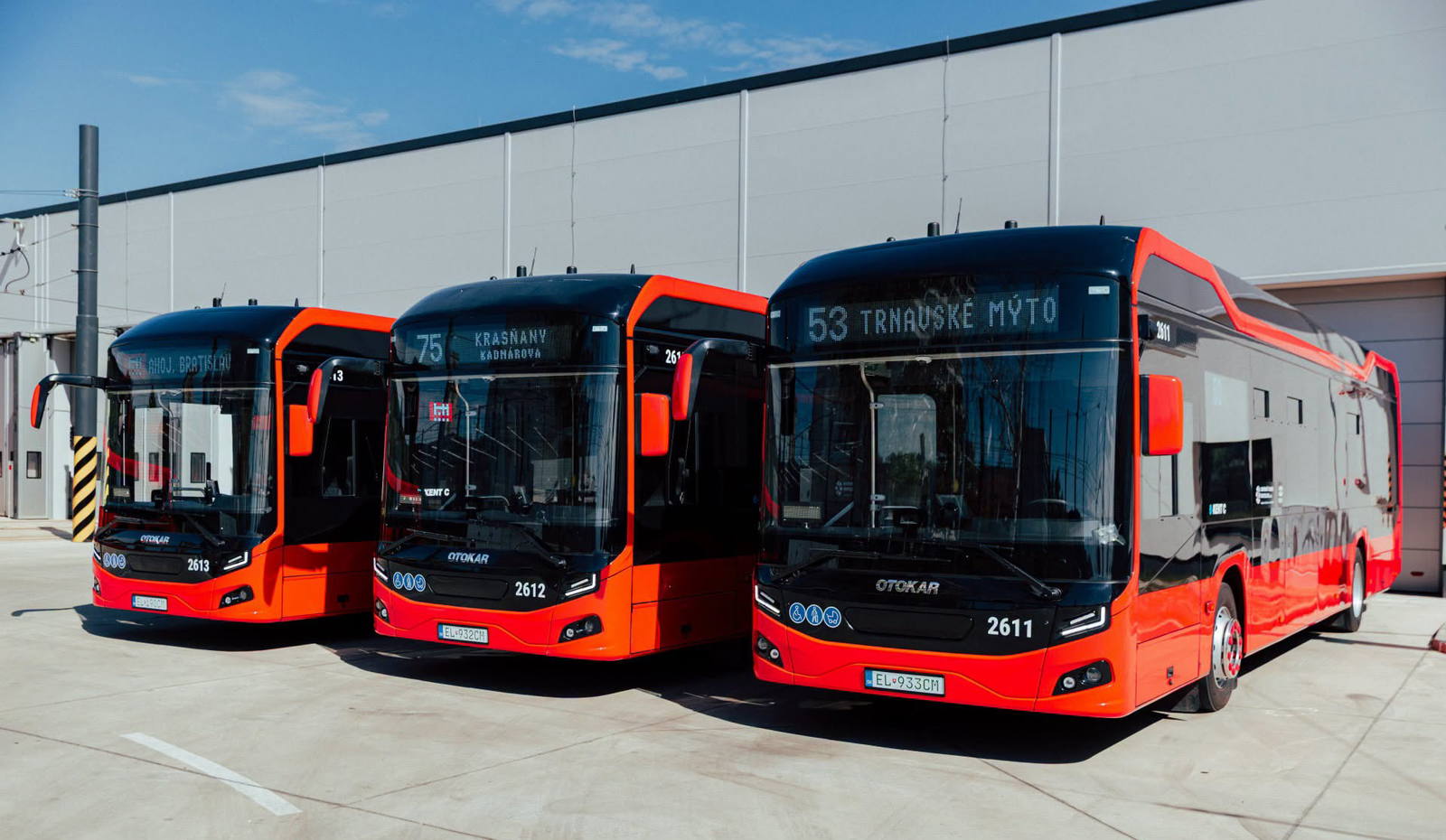
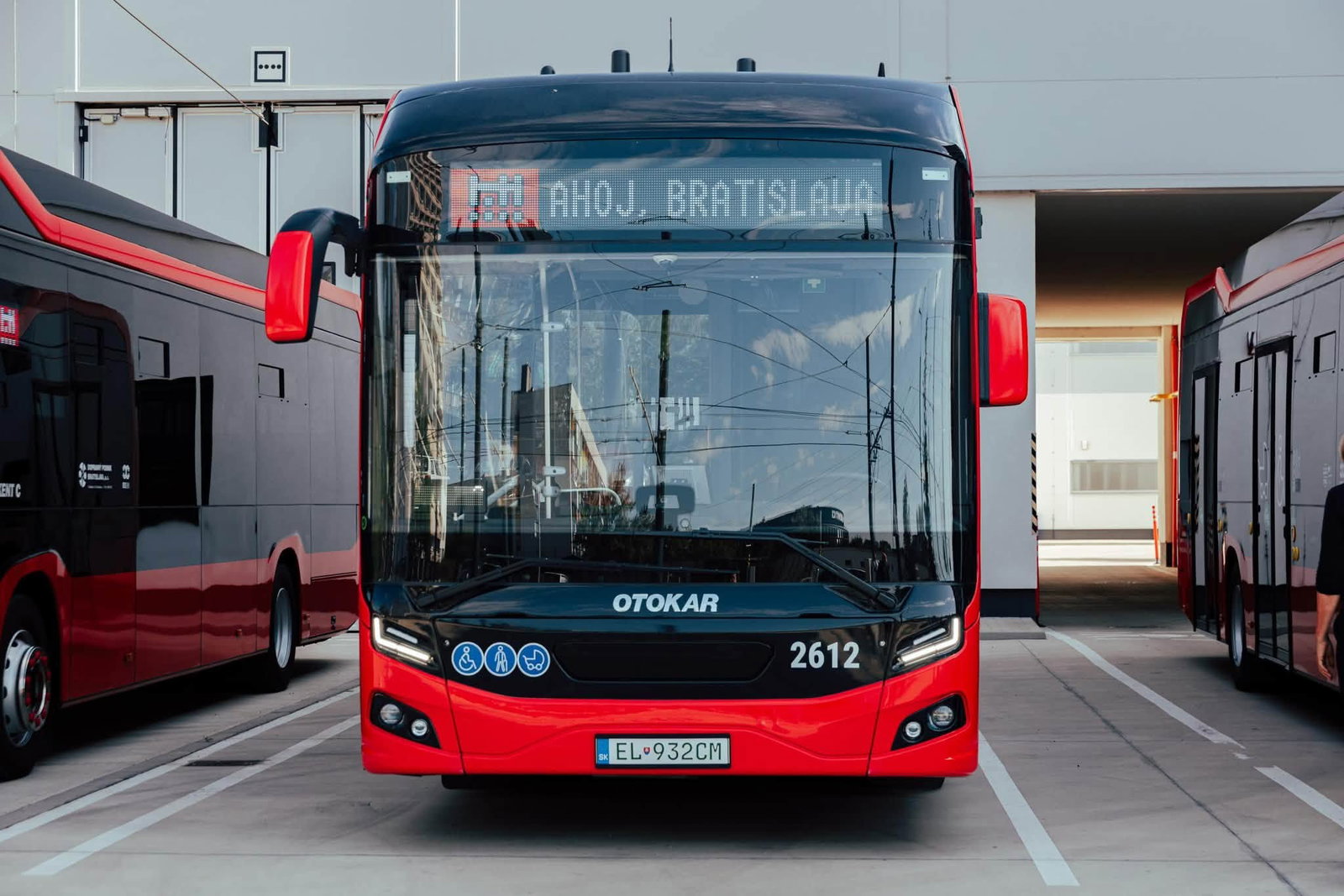
The three Otokar e-Kent C solo electric buses have arrived in Bratislava, acquired by the city’s public transport operator in an unusual way: as compensation for contractual penalty claims accumulated over defects in previously purchased Turkish-built articulated buses. Dopravný podnik Bratislava (DPB) presented the 12-metre electric vehicles on 31 August. Each is valued at €550,000, or €1.65 million in total, but under the settlement concluded last November, the Bratislava operator did not have to pay a purchase price for them. The three e-Kent Cs could soon enter service in the Slovak capital.
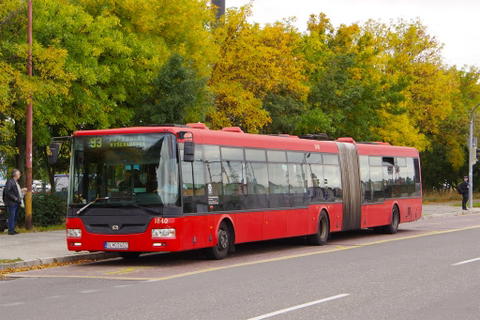
As we reported earlier, the background to this unusual procurement is the contract concluded in 2021 between DPB and Otokar for diesel-powered Kent C articulated buses. Bratislava originally ordered 40 vehicles from the Turkish manufacturer, then expanded the order by a further 31 units, meaning that by the end of 2022 a total of 71 Otokar articulated buses, each 18.75 metres long, had entered service in the Slovak capital.
During operation of the vehicles, however, DPB identified several shortcomings and technical faults, as a result of which it claimed contractual penalties from the manufacturer on three occasions. Otokar disputed the validity of the claims, and the matter turned into a protracted dispute. The parties ultimately reached a settlement instead of going to court: under the agreement signed on 5 November 2025, the Turkish manufacturer will settle DPB’s claims with spare parts worth €1.4 million and three new electric buses. The precise nature of the disputed faults and the amount of the penalties originally imposed were not made public.
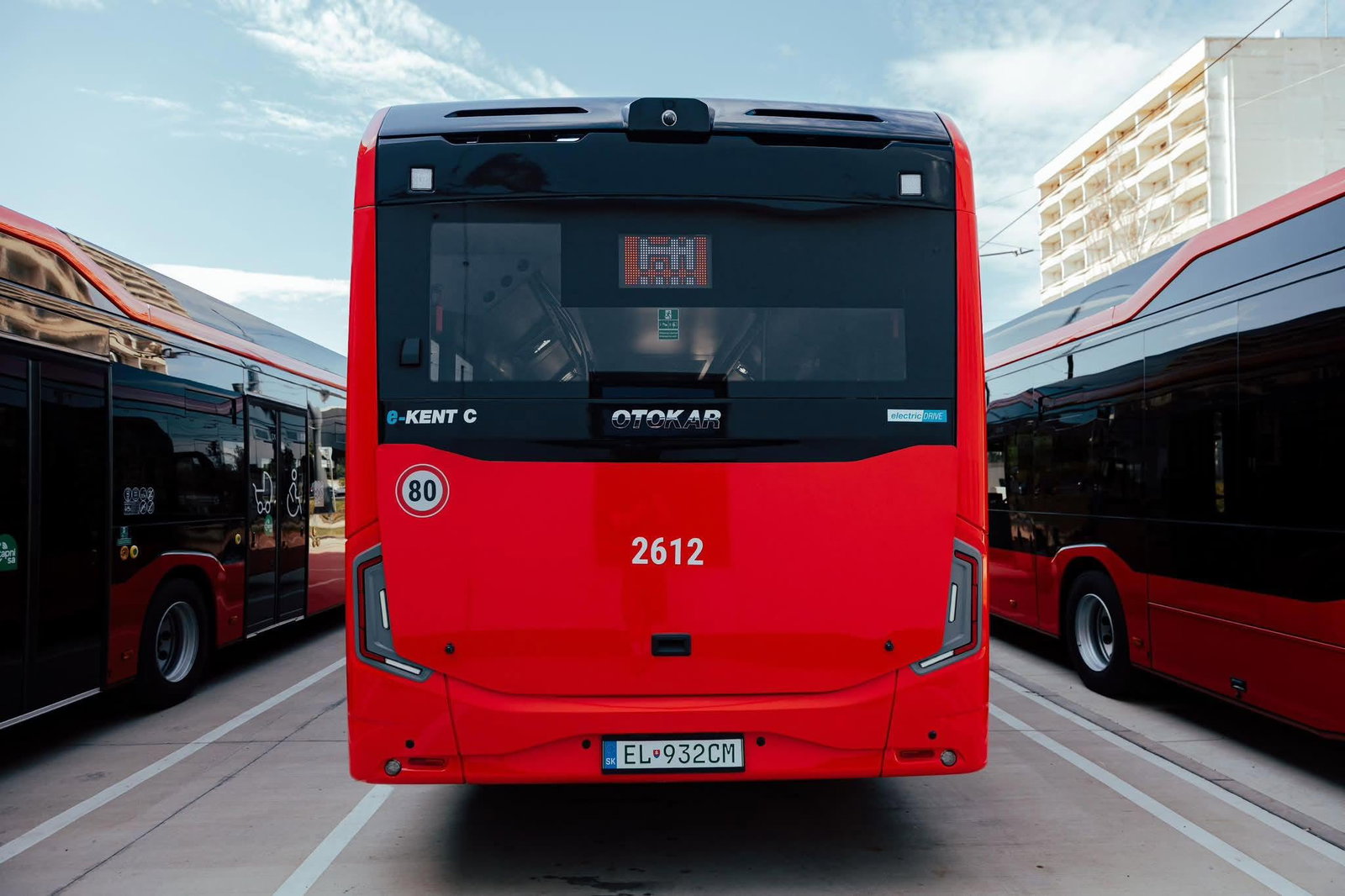
DPB stressed that the agreement with Otokar was not an isolated case: the company strictly monitors the fulfilment of contractual obligations by all its suppliers, and quantifies and enforces any failures. According to the Bratislava transport operator, similar compensation agreements favourable to DPB have already been concluded with other suppliers as well, although details were not disclosed on this occasion.
The three electric buses provided under the settlement have now arrived in Bratislava, where they have received fleet numbers 2611–2613. Along with the vehicles, Otokar also handed over three charging units with CCS2 connectors. DPB intends to use the e-Kent Cs primarily on split duties, allowing the batteries to be recharged during the roughly three-hour layover between the morning and afternoon peak periods. The electric buses may soon appear on routes 53 and 75: the former runs between Vajnory and Trnavské mýto, while the latter connects Dolné Hony and Krasňany.
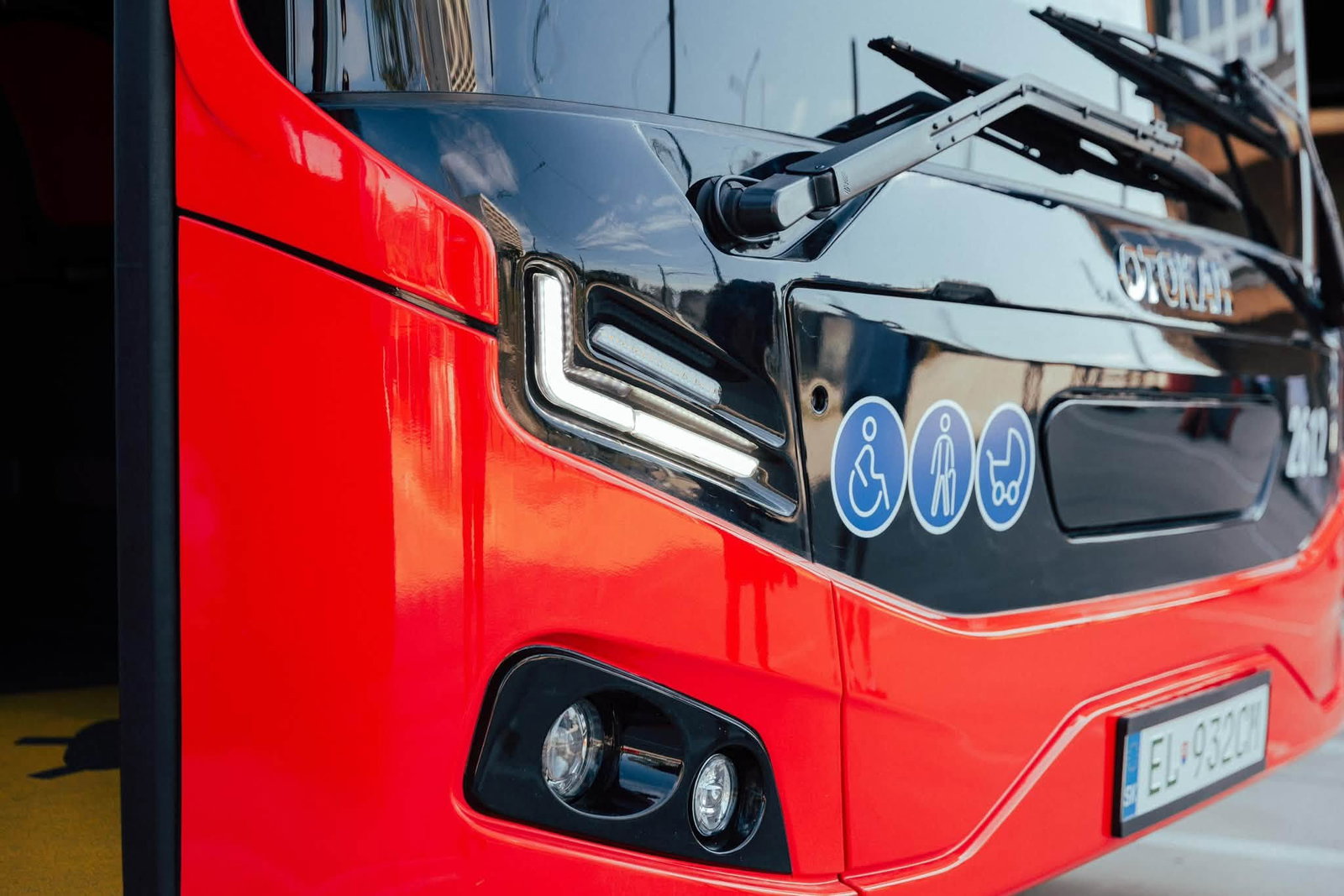
The new Otokars will be based at the Krasňany depot, which was fully modernised last year and, since its conversion, has housed only electrically powered vehicles. Operating battery-electric buses is nothing new for DPB either: the company already has more than eight years of experience in this field, and maintenance of the vehicles is carried out by its own specially trained technical staff.
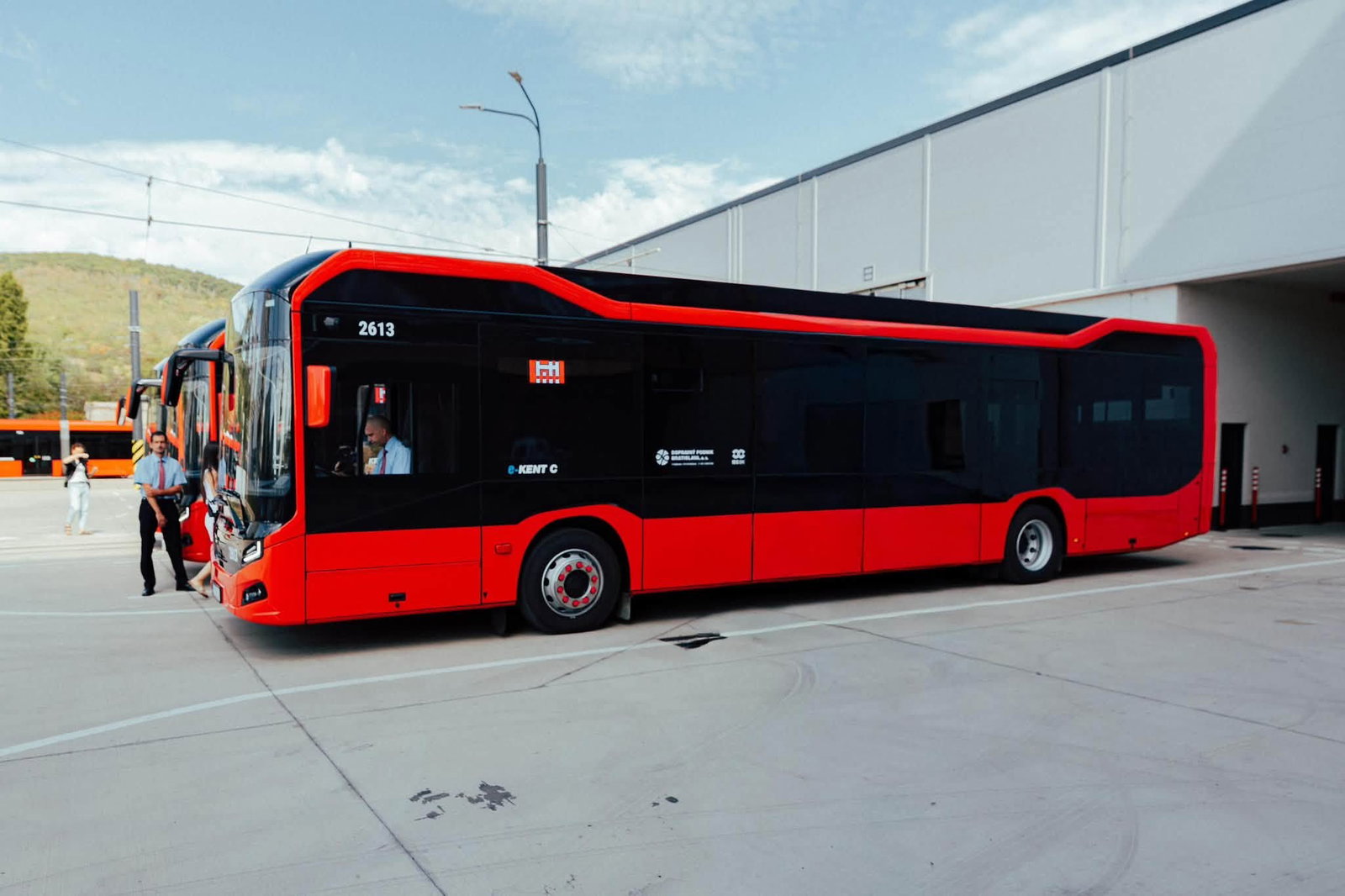
The e-Kent Cs built for Bratislava are 12.13 metres long and are driven by the VEDS HD electric drive system from the former Voith commercial-vehicle division, now operating under the name Driventic. Its permanent-magnet synchronous motor is capable of delivering 310 kW rated output and 410 kW peak output. Energy storage is provided by CATL LFP-chemistry batteries, housed in 15 separate units with a total capacity of 450 kWh. This slightly exceeds the minimum 440 kWh stipulated in the settlement; according to DPB, the vehicles are capable of covering at least 220–230 kilometres on a single charge.
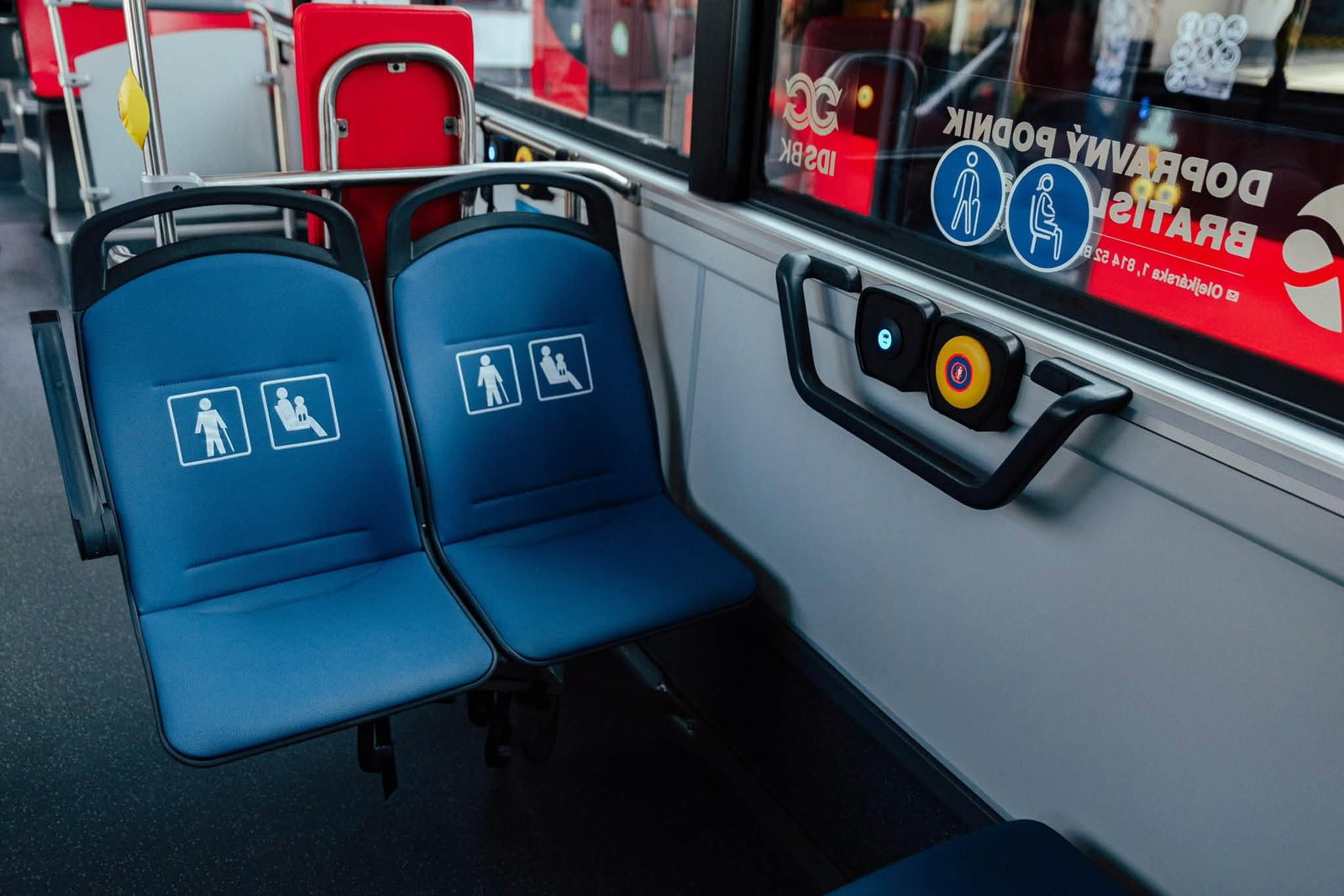
The passenger compartment is fully air-conditioned, while a heat-pump system helps reduce energy consumption in colder periods. Equipment specified for Bratislava includes enhanced heat-protective tinted glazing, large interior passenger information displays, a camera system, and charging points offering both USB-A and USB-C ports. The e-Kent Cs also comply with the European Union’s latest general vehicle safety requirements, and have accordingly been fitted with radar-based sensors and advanced driver assistance systems meeting GSR requirements. Otokar has provided a five-year warranty for the vehicles.
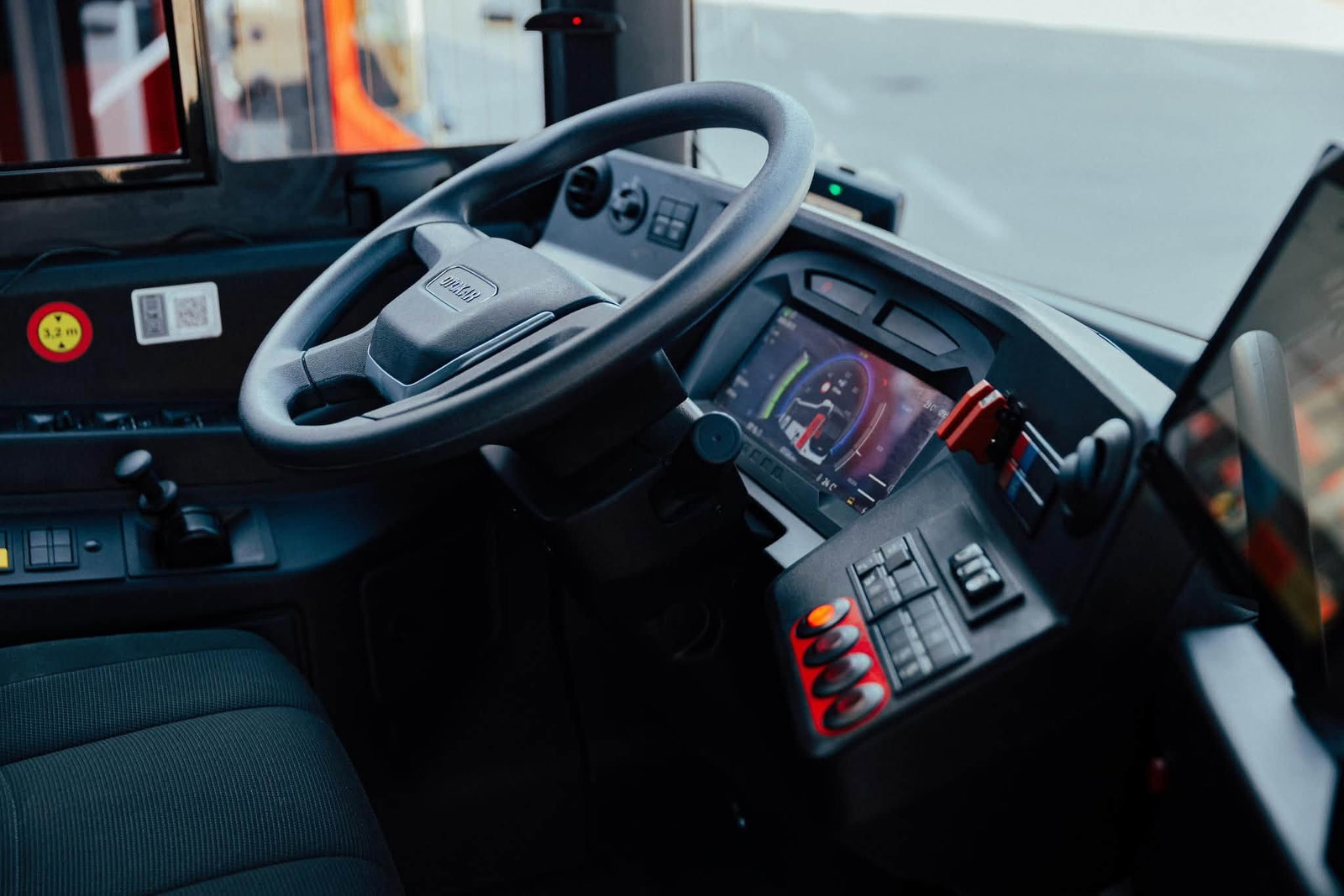
With the handover of the three Otokars, DPB says the share of vehicles operating without local emissions within the company’s total fleet will rise to 46%, although this figure also includes Bratislava’s trams and its trolleybus fleet, which numbers around 170 vehicles. Battery-electric buses still account for a relatively small slice of the fleet: alongside the new Otokars, 16 SOR NS 12 electric buses and two smaller SOR EBN 8 electric buses operate in the city, while the zero-local-emission bus fleet is complemented by four Solaris Urbino 12 hydrogen fuel-cell vehicles.
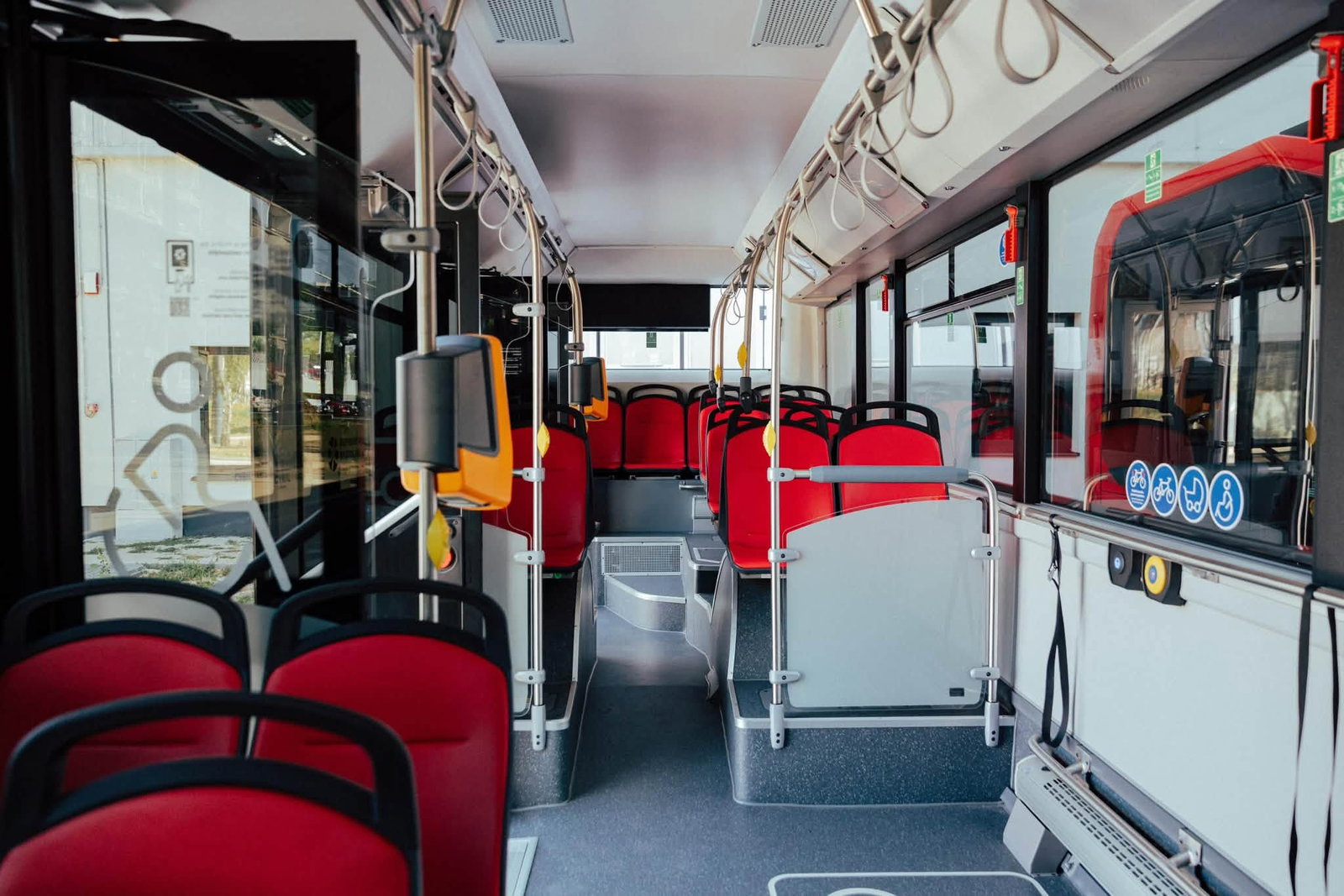
The arrival of the e-Kent Cs is part of a much larger fleet renewal programme. During 2026, DPB will put a total of 126 new buses into service, around 40 of which have already begun operating, while ten new unidirectional trams will also arrive. Next year, the fleet will be expanded with a further ten bidirectional trams. According to the Bratislava transport operator, from 2019 to the end of this year it is putting, or has put, a total of 380 new vehicles into service, more than one hundred of which operate without local emissions. This is particularly significant in light of the fact that DPB dispatches around 550 vehicles on an average day.