![Magyarbusz [Info]](/mbi/header-logo.png)
Another survey confirms: Europe’s bus market is at a peak, alternative drivetrains continue to gain ground
 Ludányi József
Following the first-half European bus market reports from ACEA and the ICCT, our editorial team has also received the latest second-quarter summary of European Bus Data from DVV Media Group, which examines the European market for alternatively powered buses with a maximum permissible gross weight of more than 8 tonnes. It is worth noting at the outset that this analysis uses a broader geographical scope than the previous two: in addition to the 27 member states of the European Union, it also includes the United Kingdom, Iceland, Norway, Switzerland, Serbia and Ukraine, thus providing a more comprehensive picture of developments across the European market as a whole and of the shares held by individual bus manufacturers. The clearly upward trend, however, is consistent across all three surveys: according to DVV Media Group data, 8,141 purely electric buses were registered in the countries covered in the first half of 2026, compared with 5,477 a year earlier, while registrations of hybrid, CNG and hydrogen-powered models also showed significant growth.
According to the summary based on the Hamburg-based DVV Media Group’s European Bus Data database, a record total of 23,154 new buses were registered in the countries examined between January and the end of June 2026, 24% more than in the same period last year. Of these, 11,315 were alternatively powered models with a maximum permissible gross weight of more than 8 tonnes (the report does not cover trolleybuses), including 8,141 purely electric, 1,449 hybrid, 1,328 CNG-powered and 397 hydrogen fuel-cell buses. It is noteworthy that, for all four alternative drivetrains mentioned, significantly more buses were registered than in the first six months of 2025. Growth is particularly striking in the battery-electric bus segment, where the 8,141 vehicles registered in the first half of this year already come close on their own to the 11,607 units registered over the whole of 2025, suggesting that another major record could be set by the end of the year.
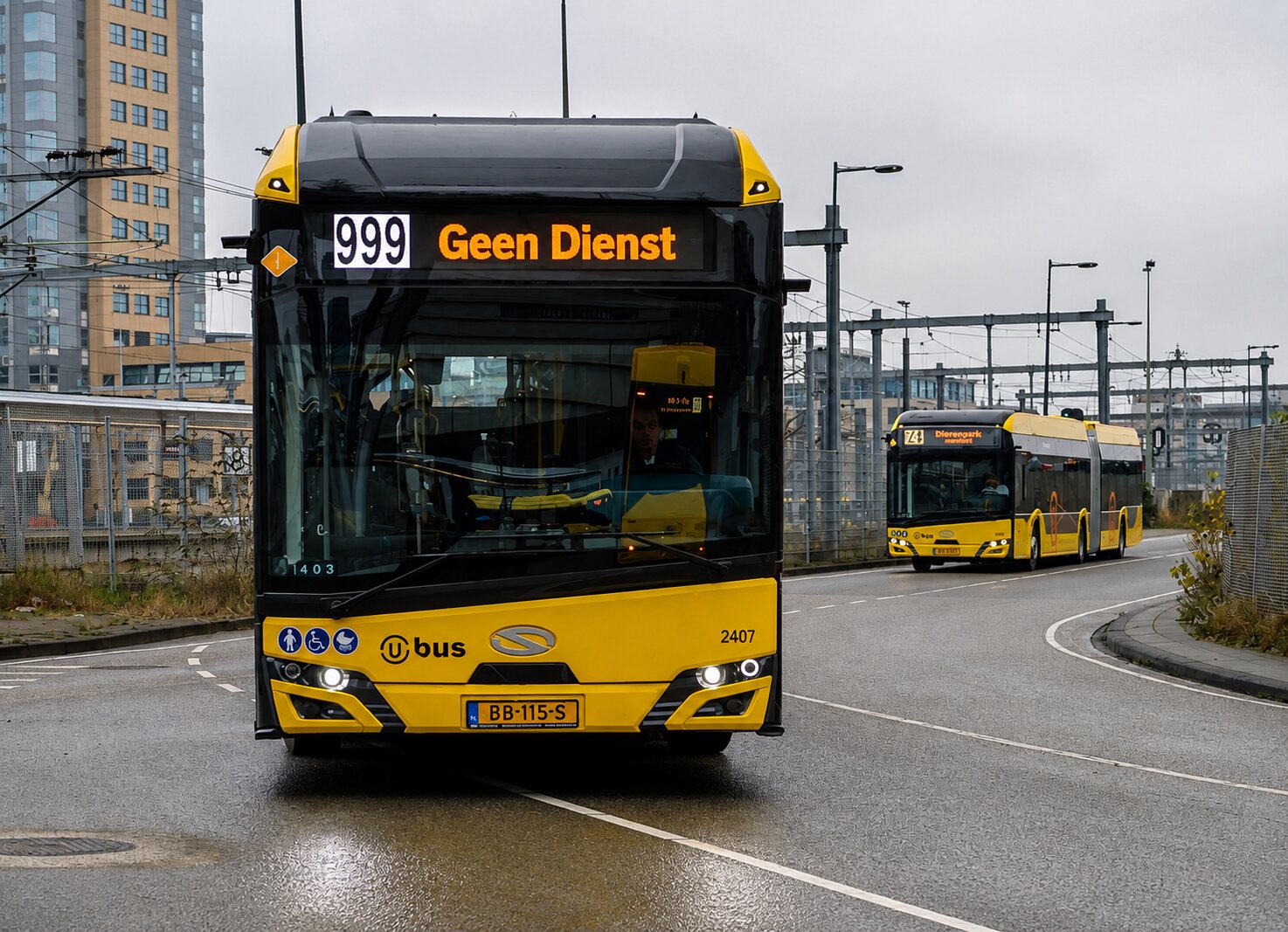
In a breakdown by vehicle class, it is naturally urban models that are driving the market: according to DVV data, a total of 7,877 electric or hydrogen-powered city buses were registered in the countries surveyed in the first half of this year, representing growth of roughly 50% compared with the same period last year. This also means that almost two-thirds of newly introduced local-service buses in Europe are now taking to the roads with battery-electric or hydrogen fuel-cell drivetrains – although the latter account for barely 5% of deliveries, so they should still be regarded as more of a niche segment. Registrations of electric interurban and long-distance buses remain low, but are also showing growth: just over 500 intercity-type and nearly 150 long-distance electric buses received licence plates in the first half of this year. The former sold best in Norway, in France, which maintains an extensive school bus network, and in Italy, while the latter were mainly popular in Portugal and the United Kingdom.
Looking at individual countries, Europe’s largest bus market in the first six months of 2026 was Germany, with just under 3,400 newly registered units, ahead of Italy and France, where fleets grew by 3,200 and nearly 3,000 new buses respectively. At the same time, there are significant differences in the uptake of alternatively powered models: somewhat surprisingly, their largest market in the first half of this year was Italy, where European Union support schemes are being wound down, and where a total of 2,097 alternatively powered buses were registered during the period. Here, too, battery-electric drive clearly dominated, as alongside 1,559 electric buses, “only” 295 CNG-powered, 178 hydrogen fuel-cell and just 65 hybrid buses were registered. The high number of hydrogen-powered vehicles is especially noteworthy, as they account for nearly half of all European registrations in the segment in the first half of the year.
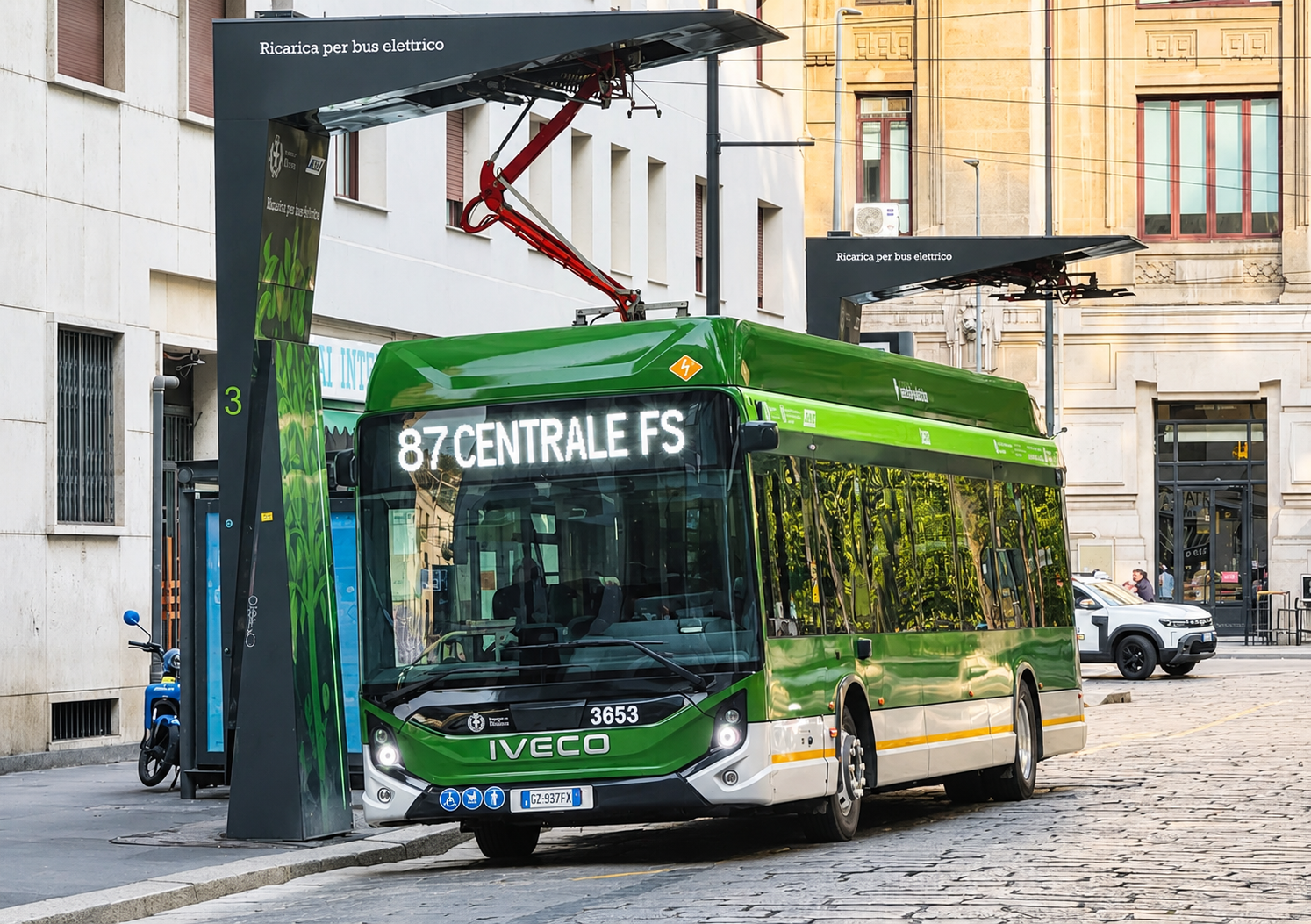
In terms of the introduction of alternatively powered models, Germany finished in second place with 1,311 vehicles, although the market there was dominated by hybrids (718 units) and battery-electric buses (553 units), while CNG and hydrogen-powered models played a much smaller role. Another major surprise in the report is Poland, which has become one of the continent’s key markets in the space of a single year. While only 291 alternatively powered buses were registered in the first half of 2025, the same figure has already risen to 1,264 this year. The increase was driven almost entirely by purely electric buses: their registrations rose from 148 at the same point last year to 1,060 within a year, making Poland the second-largest electric bus market among the countries surveyed, behind Italy. In addition, 119 fuel-cell, 61 hybrid and 24 CNG-powered buses were registered. France finished fourth with 1,105 alternatively powered buses, where a specific market characteristic is that CNG-powered buses continue to play a significant role: 593 such vehicles entered service in the first half of the year, by far the highest figure in Europe. In addition, 337 electric, 148 hybrid and 27 hydrogen fuel-cell buses were registered. The United Kingdom ranks fifth with 1,075 vehicles, where virtually all alternatively powered buses registered were battery-electric models.
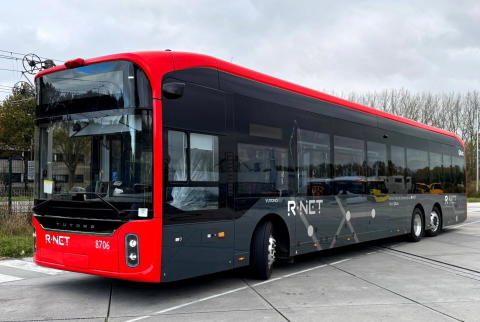
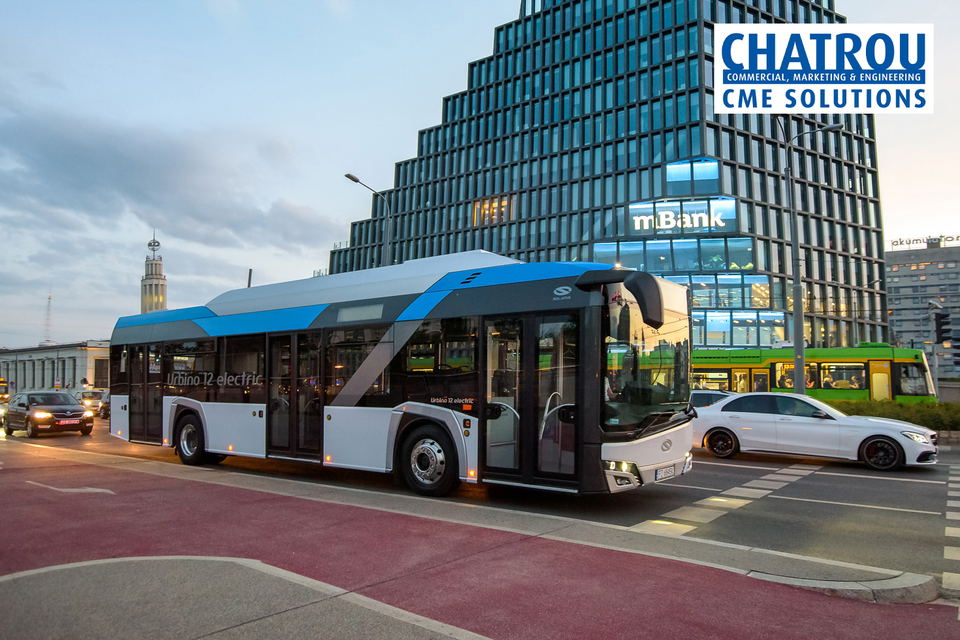
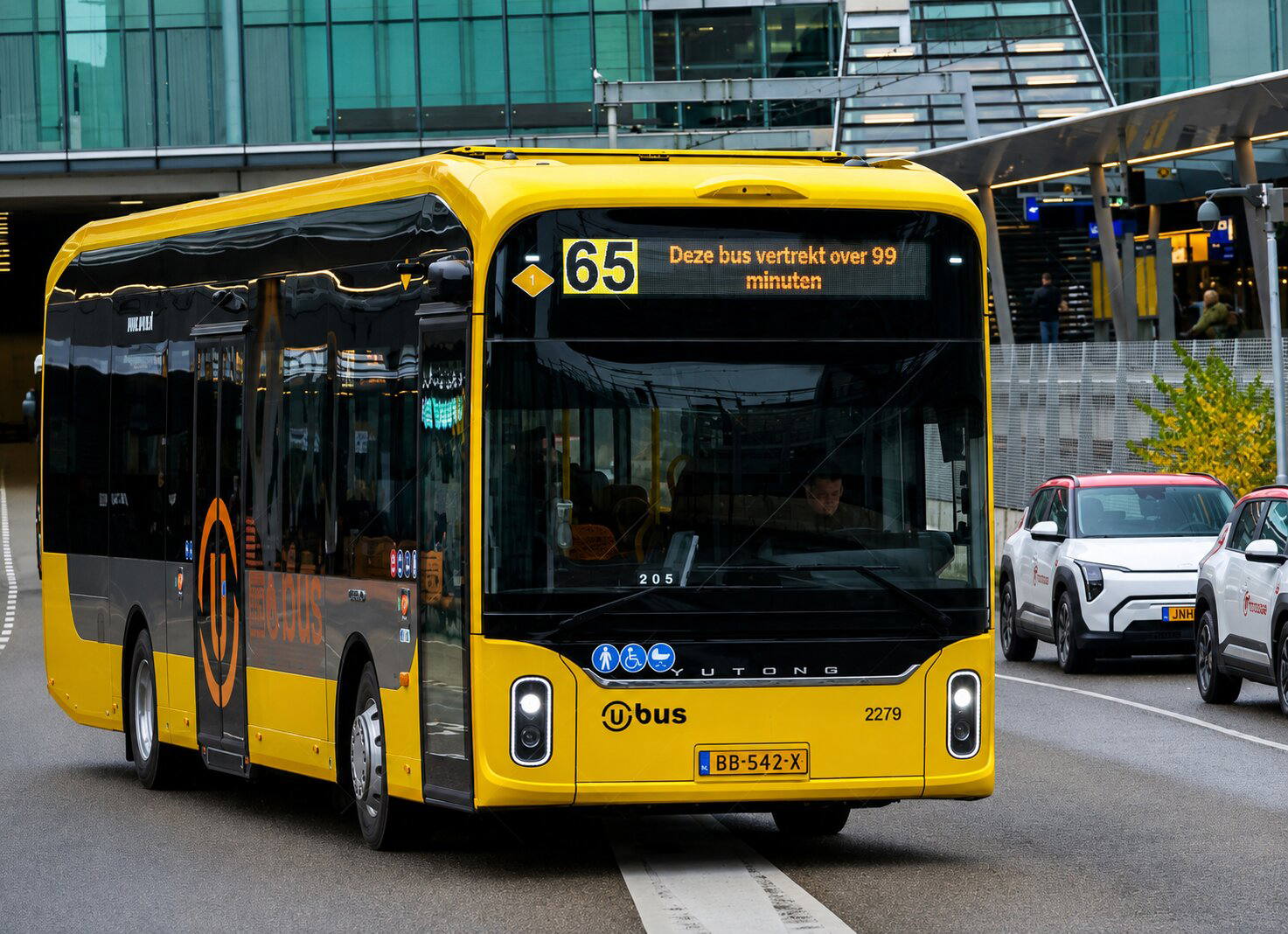
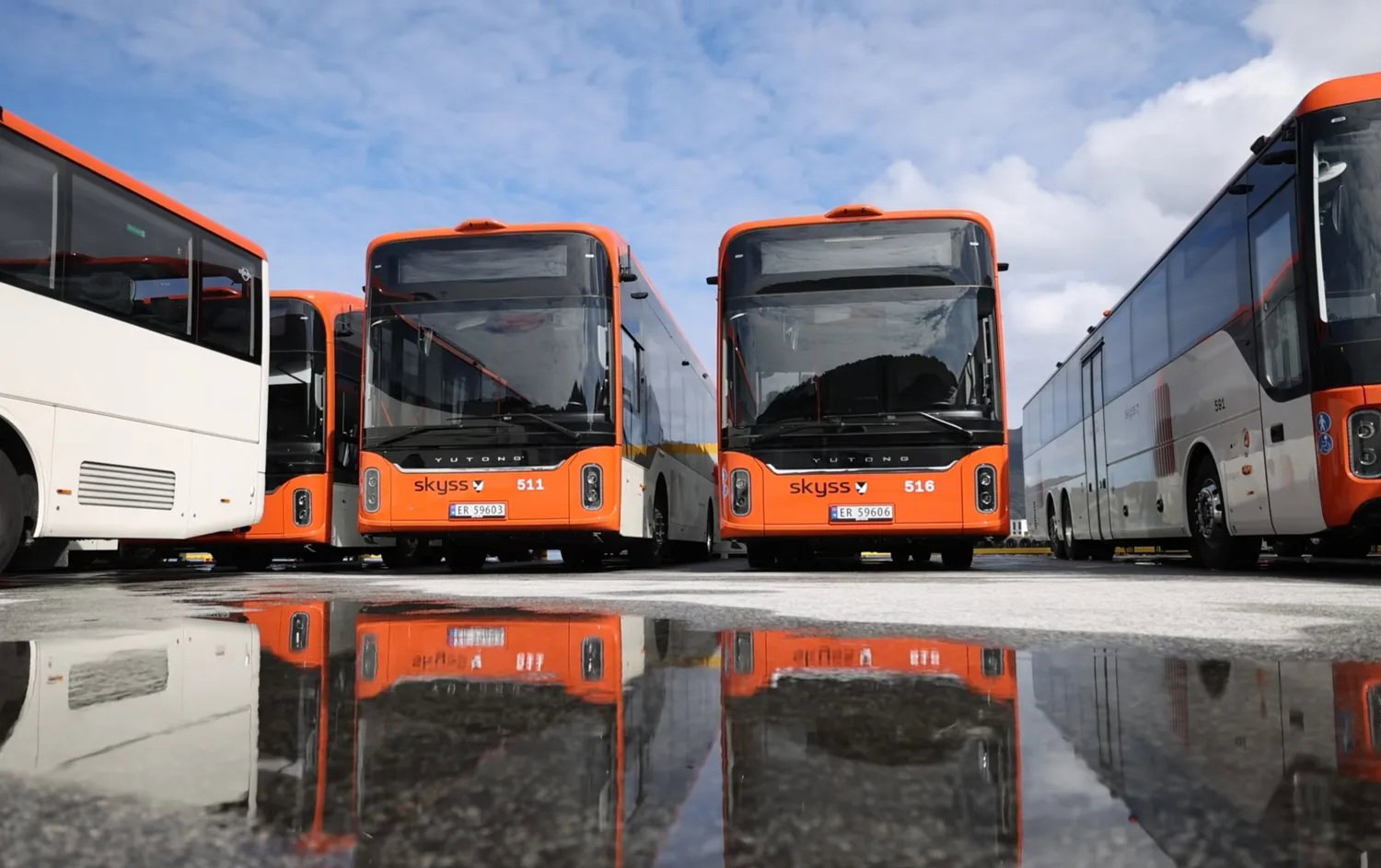
As for the market shares of individual bus manufacturers, China’s Yutong continues to hold its leading position in Europe, at least in the battery-electric bus segment. The corporate giant, regarded as the world’s largest bus manufacturer, saw a total of 1,636 electric buses registered in the countries examined in the first half of 2026, compared with 852 a year earlier – in other words, it practically doubled its result from the first half of last year. In addition, in just six months it almost matched the 1,801 registrations recorded over the whole of 2025. This clearly illustrates Yutong’s European presence, which continues to strengthen at an extremely rapid pace, while local manufacturers are for the time being unable to meaningfully slow its advance. Solaris moved up to second place, climbing from seventh in a single year after increasing its first-half registrations from 357 to 1,022 buses. The third step of the notional podium went to Iveco Bus with 911 registered vehicles, following its performance of 494 units a year earlier, when it was still in fifth place. BYD retained fourth position, increasing its deliveries from 519 to 681 buses, while MAN, despite its generally good first-half results, registered only 584 buses in the first six months of this year after 708 last year, causing it to slip from second place to fifth.
In the second half of the field, the gaps between manufacturers were already much smaller. Mercedes-Benz finished sixth with 553 registered electric buses, followed closely by Wrightbus, which is essentially active only in the British, Irish and German markets and delivered 542 vehicles in the first half of the year. Karsan, with 321 buses, VDL with 202, and Heuliez, which belongs to Iveco Bus but is assessed separately from it, with 173, also made it into the top ten. The following places were taken by Alexander Dennis (157), Volvo (153), King Long (146), Zonson (131), Irizar (109), Golden Dragon (103) and CRRC (100), while the ranking is rounded out by Hess (76), Heuliez, also mentioned independently (72), Oceantia (68), SOR (56), Scania (44) and Anadolu Isuzu (37).
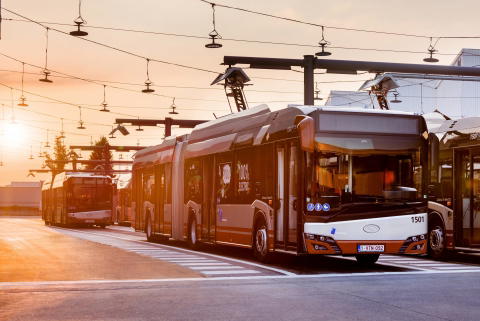
The field in the fuel-cell bus market remains far more concentrated than in the case of electric buses using batteries alone. Solaris retained its market-leading role: while it registered 163 hydrogen buses in the first half of 2025, in the first six months of 2026 that figure had already risen to 256 (mainly thanks to sales in Italy and Poland), further increasing its lead. Second place was taken by Neso Bus, also Polish and positioning itself as a hydrogen bus specialist, with 39 vehicles, thanks to its results in its domestic market. A year earlier, only 14 new buses from the manufacturer had been registered. MCV did not feature in last year’s ranking, but this year immediately secured third place with 36 buses registered, thanks to the large-volume order it fulfilled for Austria’s ÖBB Postbus. Mercedes-Benz deliveries, however, fell from 58 to 34 vehicles, Wrightbus’s result declined from 28 to 21 units, while registrations by CaetanoBus, previously among the segment’s frontrunners, dropped from 14 to just 6 hydrogen buses.