![Magyarbusz [Info]](/mbi/header-logo.png)
Name and logo unveiled for Mitsubishi Fuso and Foxconn’s joint bus manufacturing company
 Patthy Gellért
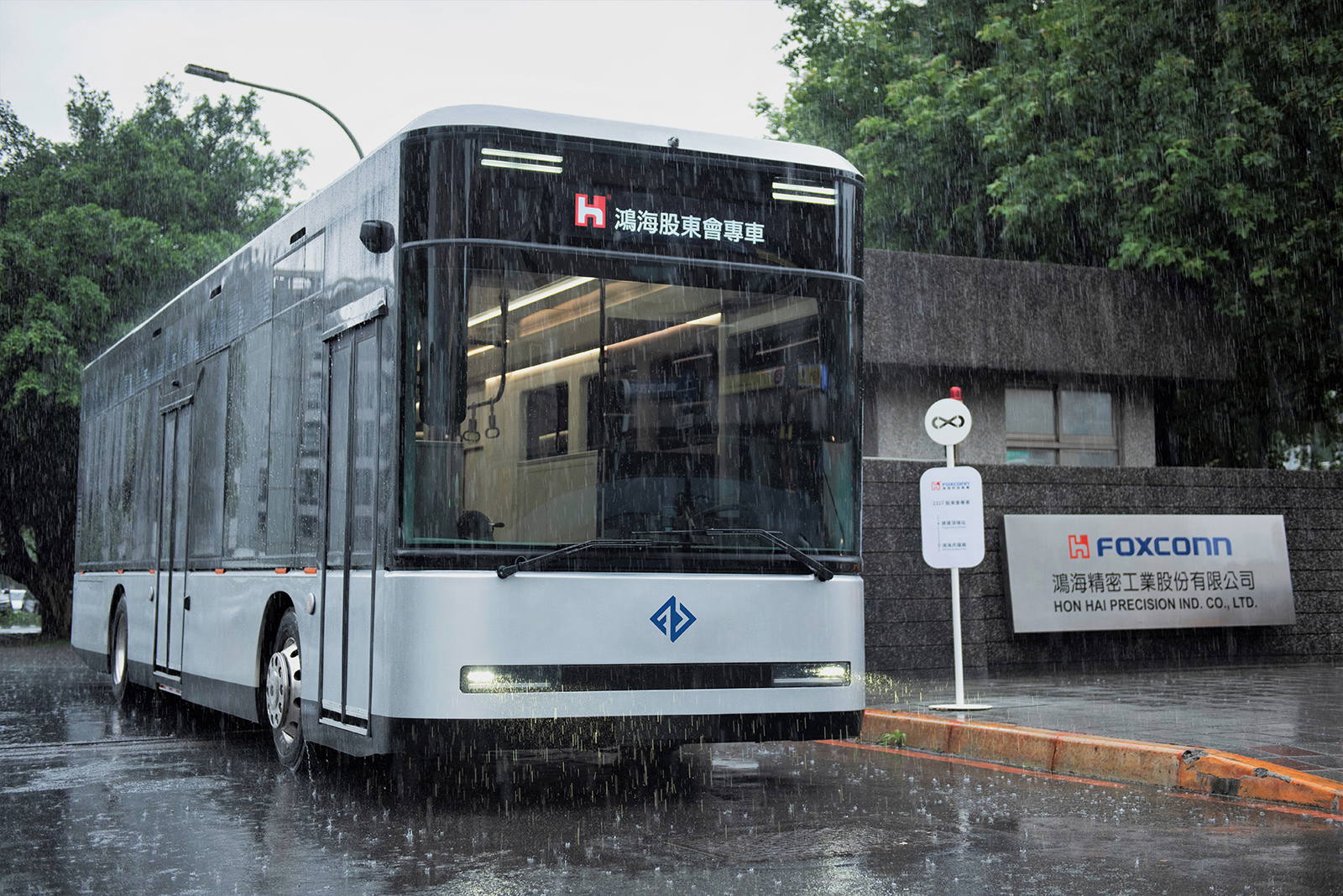
Further details have emerged about the bus manufacturing joint venture being established by Mitsubishi Fuso and Taiwan’s Foxconn: among other things, the name and future logo of the new entity were recently made public. As is known, under the cooperation agreement officially announced on January 22, 2026, following earlier letters of intent, the two companies will jointly develop and manufacture buses in the future for Japanese operators as well as international export markets.
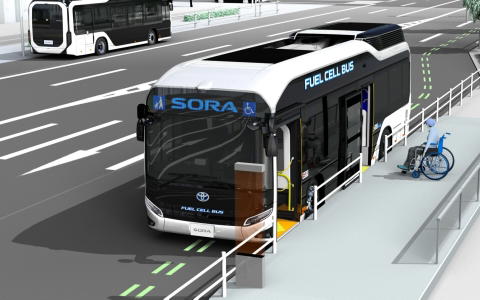
The ownership structure of Mitsubishi Fuso, a company with a history of more than ninety years and one of Japan’s leading commercial vehicle manufacturers, is rather complex. The subsidiary, once an integral part of Mitsubishi Motors, was majority-owned by the Daimler Truck group (and its legal predecessors) for more than the past two decades, but since this April, together with Hino, which functions as Toyota’s heavy commercial vehicle division, it has been part of a holding company called Archion, in which Daimler Truck and Toyota each hold a 25% stake. While electromobility is slowly but surely gaining ground in Japan as well, electric buses are still absent from Mitsubishi Fuso’s range, so the company is now seeking to compete in its home market with the Isuzu-Hino pairing (although the latter, as mentioned, is now considered a fellow group company), as well as with South Korean and increasingly strong Chinese competition, mainly associated with the BYD name, by bringing in Taiwan’s Foxconn, which already has such vehicles, and the Hon Hai Precision Industry Co., Ltd. behind it.
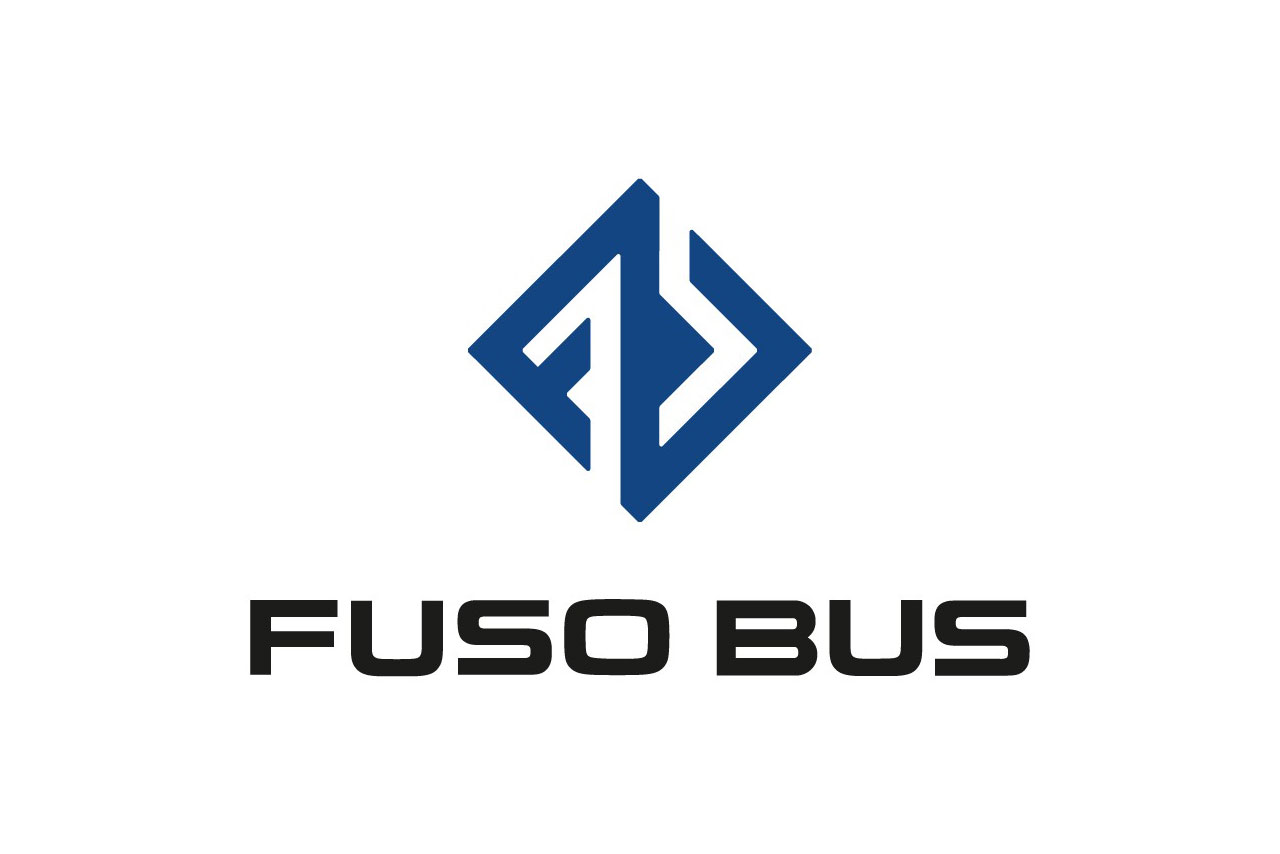
It has now emerged that the new joint venture, owned 50-50 by the parties, will simply be called Fuso Bus (in full official corporate form, Fuso Bus Co., Ltd.), without the Mitsubishi name or its globally well-known three-diamond emblem. Nevertheless, according to official communications, the fairly complex new logo, now with blue rather than red as its base colour, expresses the “trust earned over Mitsubishi Fuso’s long history and a strong will to create the path to the future”. The large “F” on the left side of the emblem naturally refers to the initial of the new brand name, while also being intended to evoke the leaves of the mythical Japanese fusō tree, the original namesake, thereby expressing the passing on of traditions and roots. The lowercase “b” on the right, derived from the word bus, is conceived by its creators as an arrow pointing towards the future, symbolising a sustainable future as the foremost goal of the new company and of the entire bus industry. The company has chosen the English phrase “One journey, infinite stories” as its slogan.
A joint company established specifically for bus manufacturing is scheduled to officially begin operations in the second half of 2026, although its final establishment still depends on the consent of the parties involved and the approval of the board of directors, shareholders and regulatory authorities. Much of its infrastructure will be provided by Mitsubishi Fuso facilities, meaning its administrative centre will be in Kawasaki, while bus production will take place at Mitsubishi Fuso’s Toyama plant. As things stand, the company’s board of directors will also be made up mostly of Japanese executives, headed by President and CEO Katsuhito Takara, as well as Vice Presidents Junichi Yamamoto and Takashi Baba; in addition to them, the official press release named a further five senior officers.
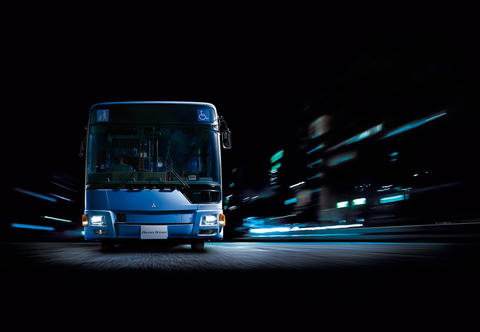
In addition to zero-emission buses, the portfolio of the newly created Fuso Bus will also extend to the development, production and sales of internal-combustion-engine models, as well as the provision of related after-sales services. It is therefore quite conceivable — although this has not yet been officially confirmed — that in the future, product lines that have been well known and established on the Japanese market for decades, such as the Rosa minibus, the urban and suburban Aero Star series and the intercity and coach Aero Ace/Aero Queen model family, will continue to be built under the new brand name.
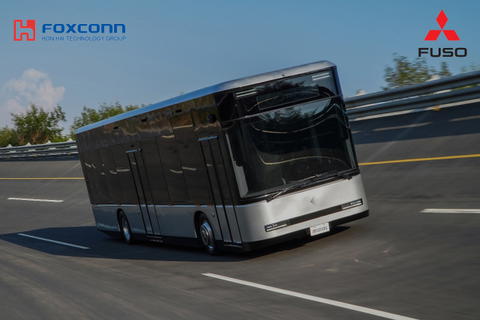
The cover image is an illustration; source of the original image: Foxconn