![Magyarbusz [Info]](/mbi/header-logo.png)
Five years on, Gothenburg’s large-scale electric bus transition shows a positive balance
 Ludányi József
Five years after one of Europe’s largest electric bus fleet transitions carried out in a single step, Gothenburg’s electromobility programme can now be assessed on more than preliminary calculations and a few months of operating experience. The major changeover implemented in the Swedish city at the end of 2020 has since been followed by further procurements, while an increasing amount of data is now available on the operating, environmental and noise-impact experience of the first years. According to Västtrafik, the overall results have been more favourable than expected when the programme was launched, and the experience gained in Gothenburg is now being used in the electrification of another complete urban bus network.
Västtrafik was established in 1998 by the Västra Götaland County Council with the aim of managing public transport in the region through a single organisation. The company began operations in 1999 and today performs transport authority duties across the whole of Sweden’s second most populous county. Beyond Gothenburg, its service area extends to a number of larger towns and cities, including Borås, Trollhättan, Skövde, Uddevalla, Alingsås, Lidköping, Mariestad and Falköping, as well as smaller settlements and rural areas in the region.
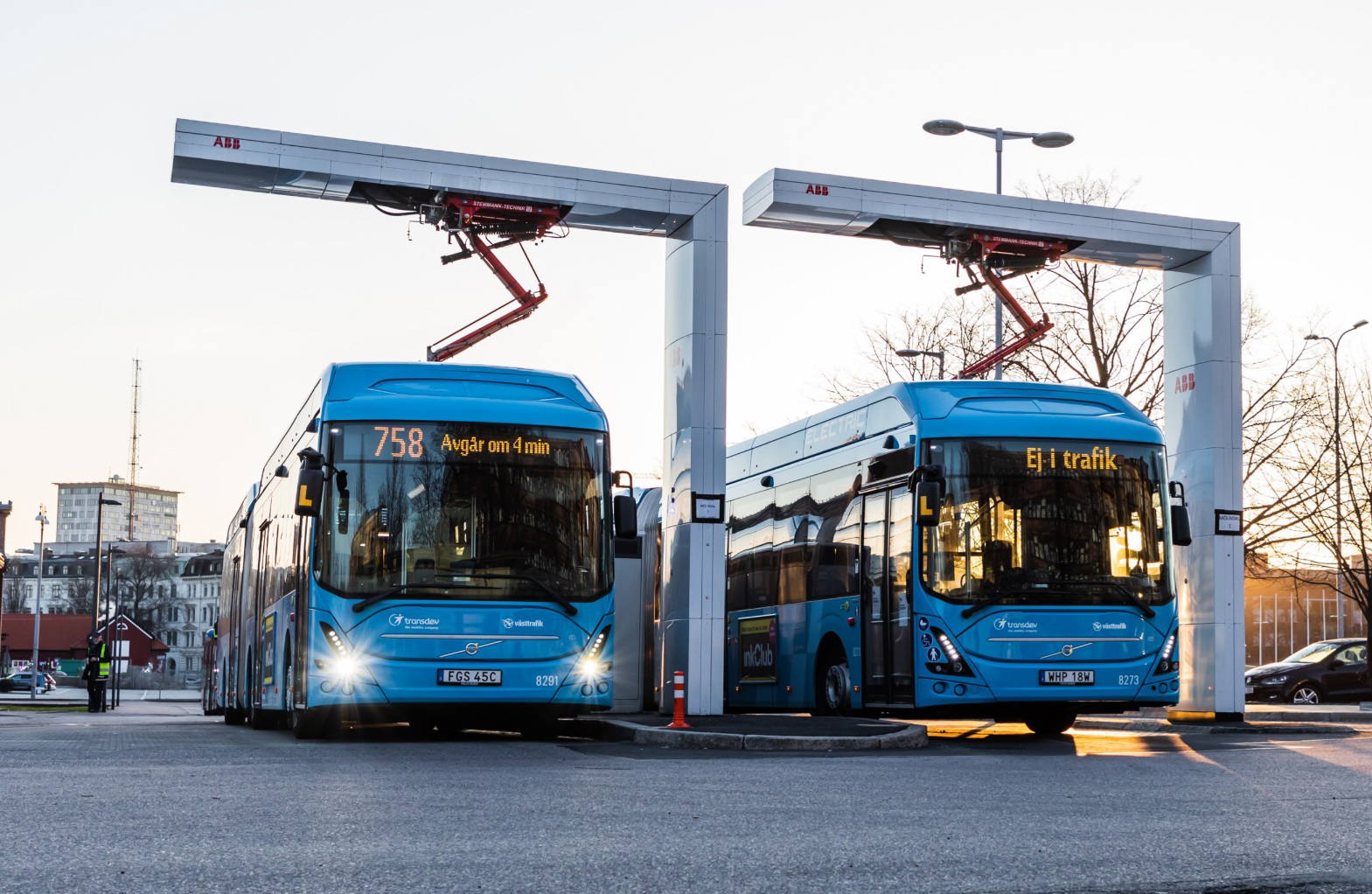
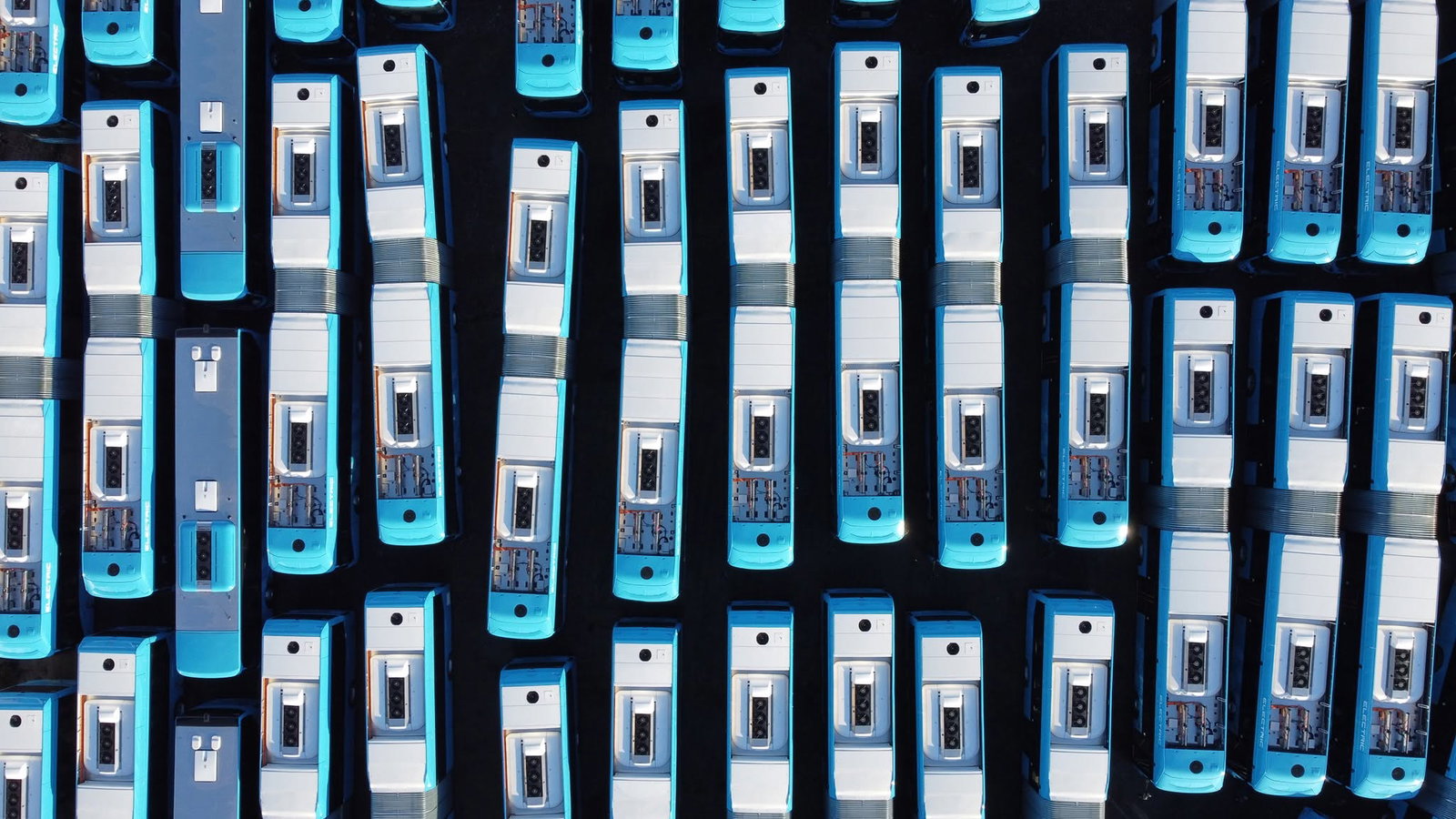
On 13 December 2020, with a single timetable change, Västtrafik put a total of 170 new Volvo 7900 Electric Articulated buses into service in Gothenburg and in the surrounding municipalities of Mölndal and Partille. The scale of the deployment was outstanding even by European standards at the time, especially given that the large-series use of battery-electric buses then had far less practical experience behind it than it does today.
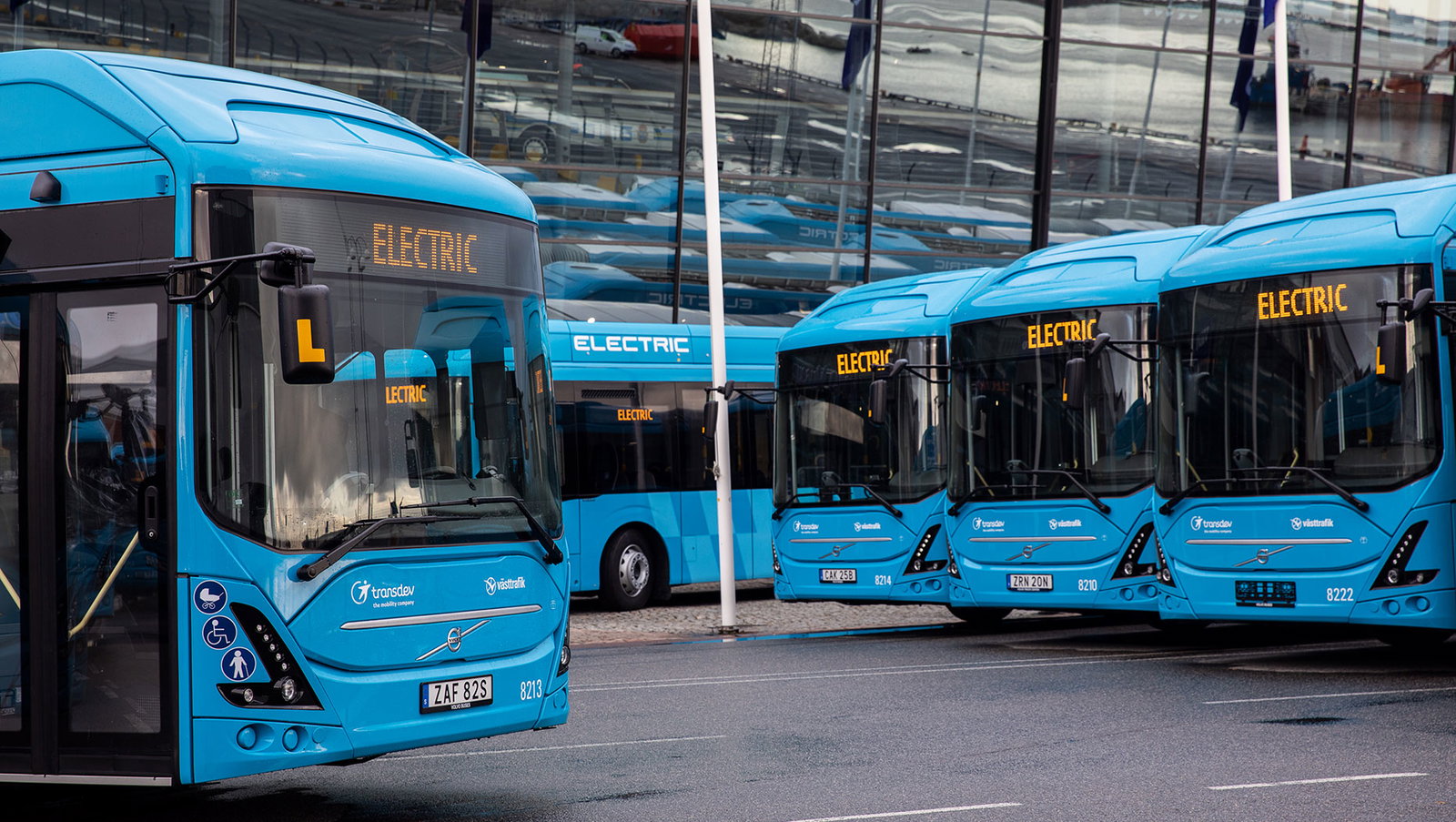
Moreover, the transition did not mean replacing a diesel fleet with inherently high pollutant emissions. Even before the large-scale electrification, Västtrafik’s buses were already using renewable energy carriers, primarily biogas and biodiesel. Nevertheless, a clearly measurable change occurred in the first full year of operation. According to calculations published by the transport company at the end of 2021, nitrogen oxide emissions from bus services fell in a single year from 108 tonnes to 58 tonnes, almost halving. Over the same period, carbon dioxide emissions decreased from 16,500 tonnes to 14,500 tonnes, while particulate emissions fell from around 900 kilograms to 730 kilograms.
In Gothenburg, however, the benefits of electric drive were not reflected solely in emissions figures. In connection with the city’s electric bus programme, researchers at the University of Gothenburg also examined the impact of replacing diesel-hybrid buses with electric vehicles on noise exposure and wellbeing among people living directly alongside a bus route.
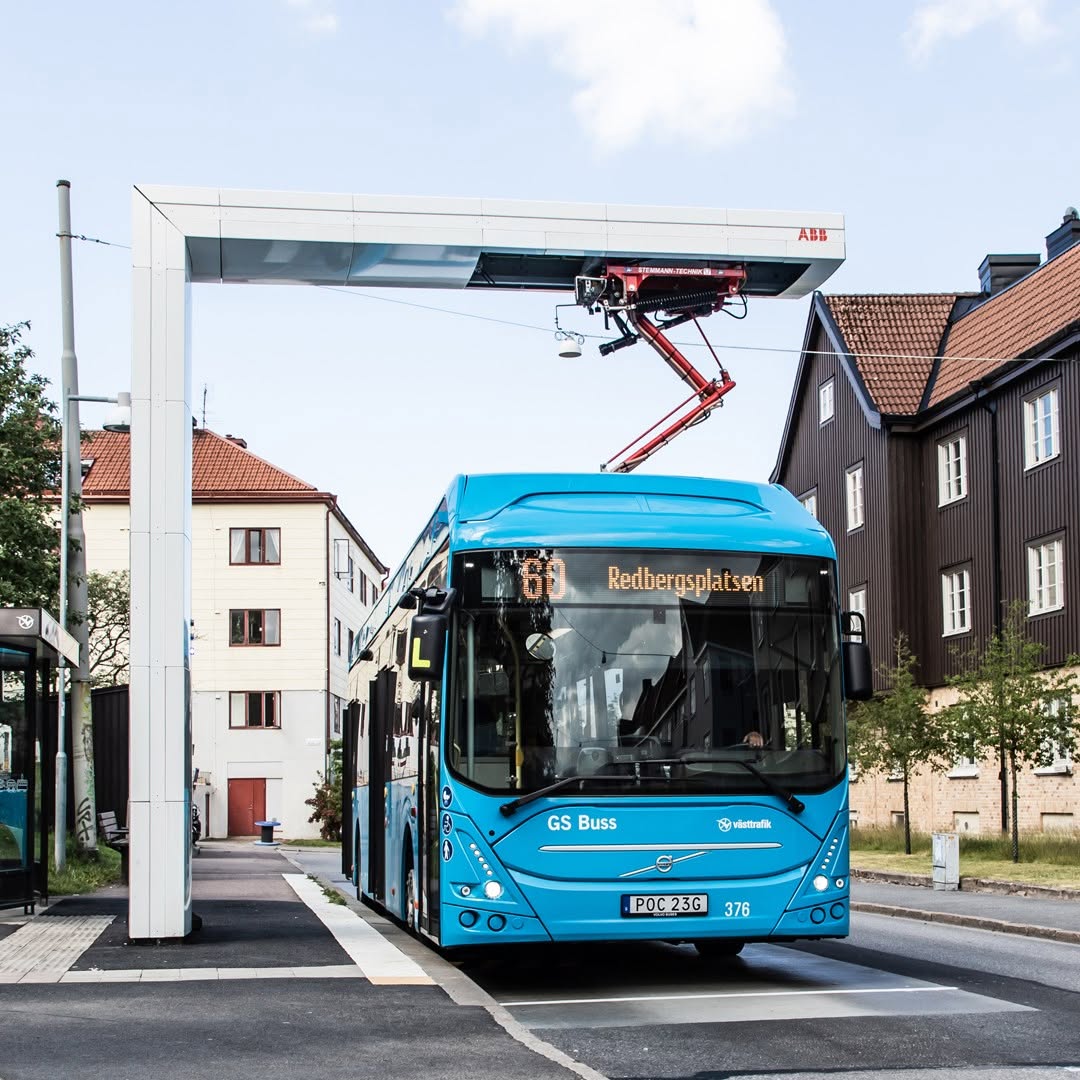
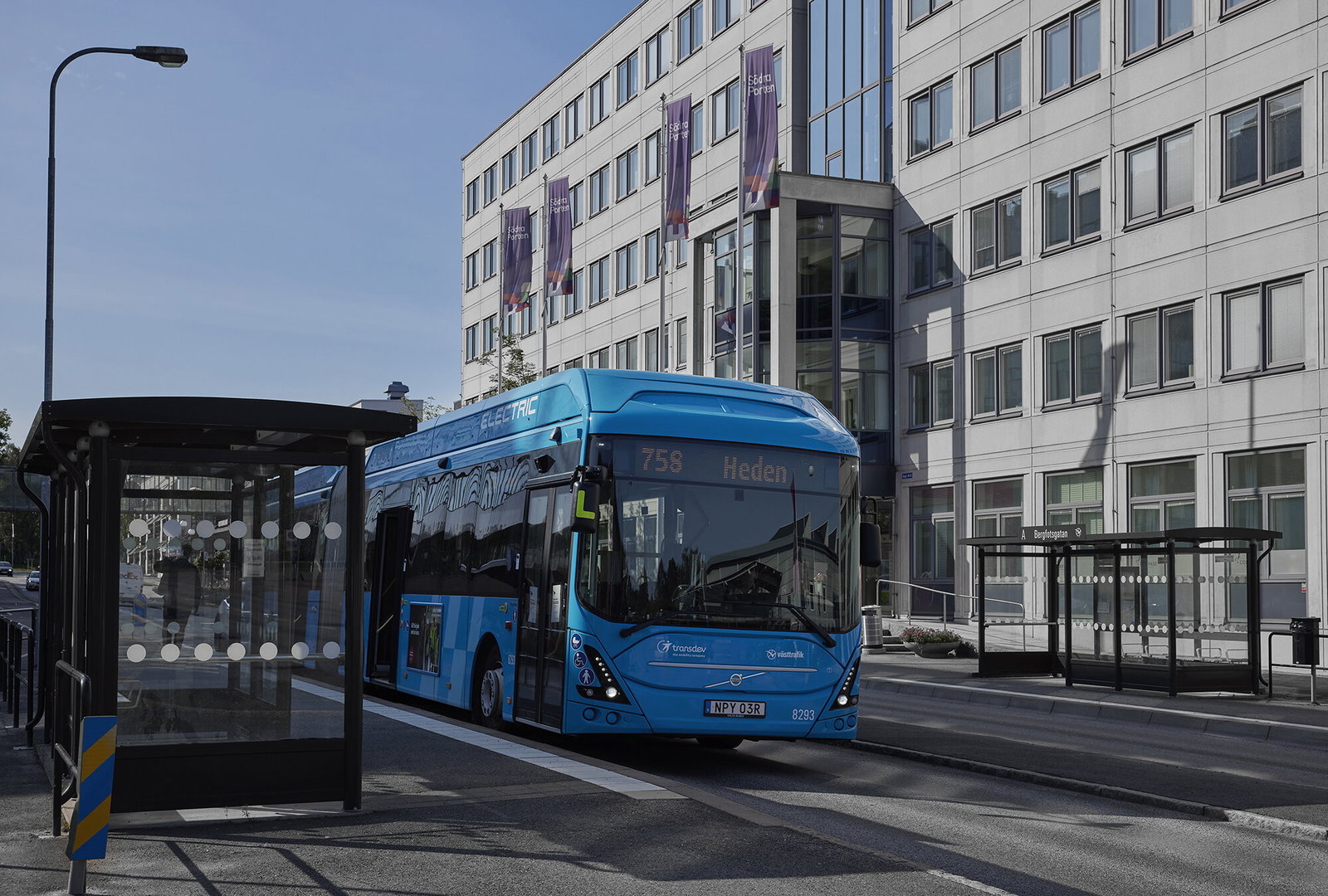
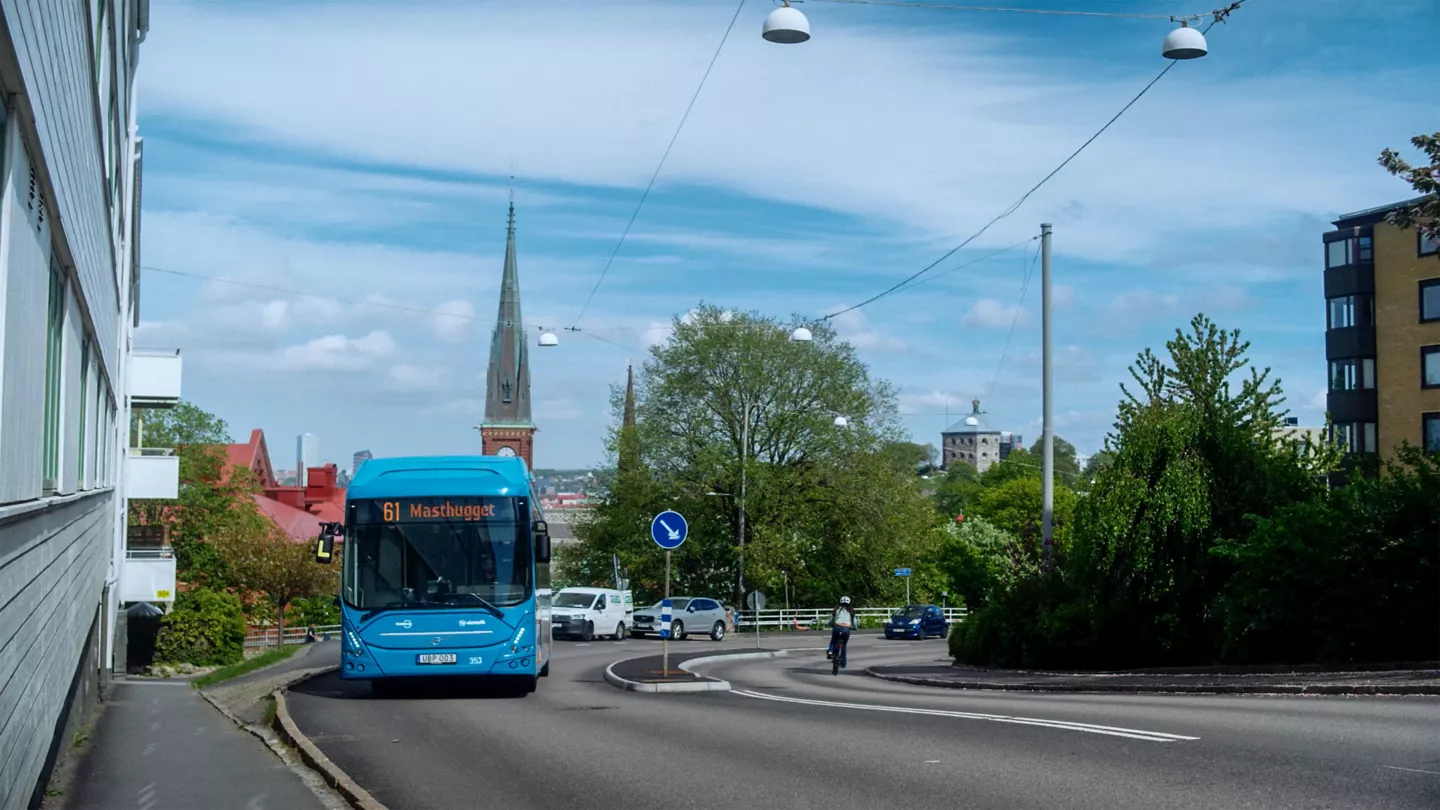
The research was based on experience from an electrification project that preceded the major fleet changeover. On Gothenburg route 60, the replacement of the previously used hybrid buses with fully electric vehicles had already begun at the end of 2019 under the ElectriCity programme. On certain sections of the route, steep gradients had previously resulted in significant noise exposure, mainly in the low-frequency range. This noise range is particularly problematic because building façades and windows dampen it less effectively, allowing it to enter homes more easily. The researchers studied residents living directly alongside the route in the Masthugget and Lunden districts, while residents living farther away from the service were included as a control group. Questionnaire surveys were supplemented by instrumented noise measurements carried out inside homes.
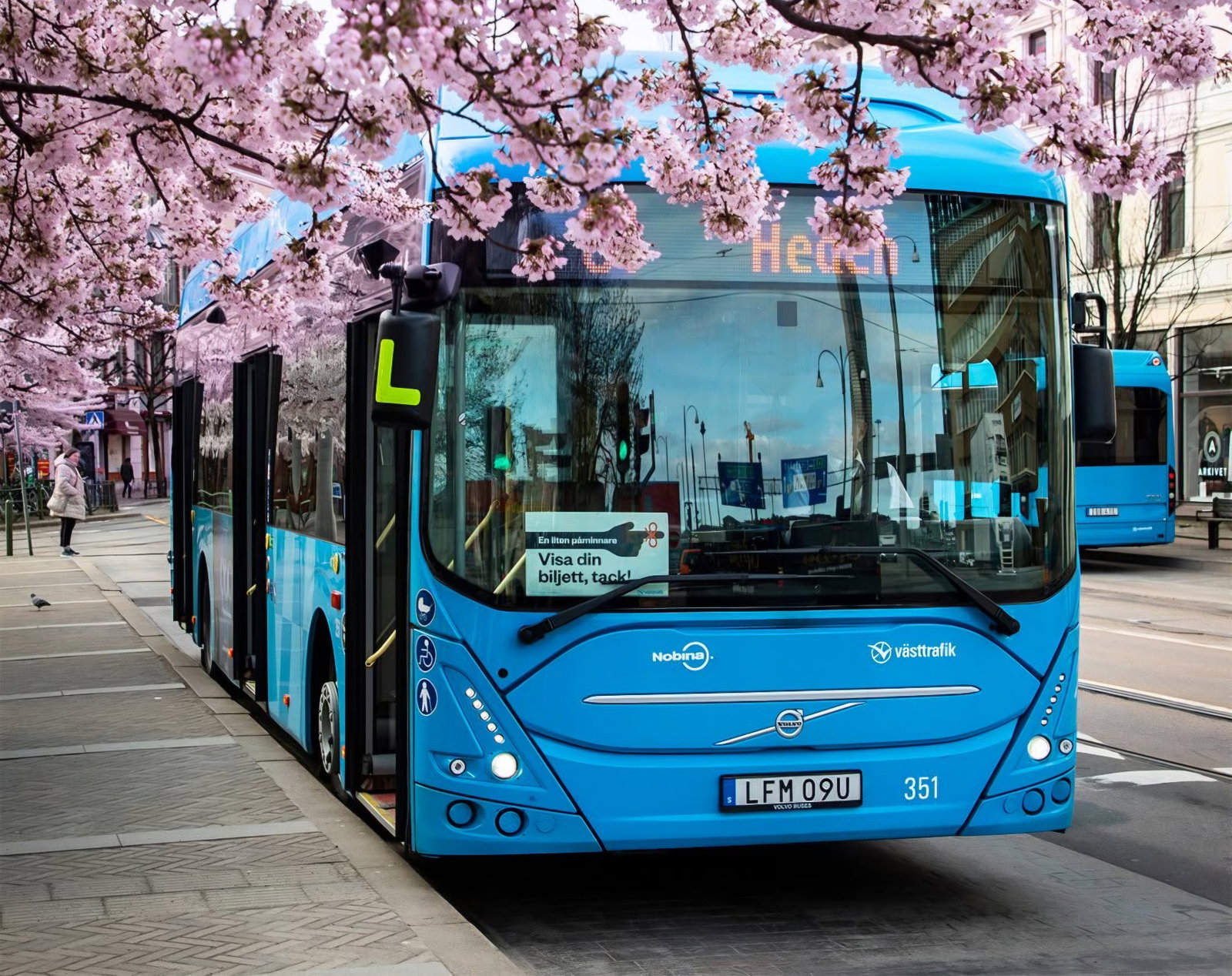
The results showed a considerable difference. The proportion of respondents who perceived bus noise fell from 75% to 39%, while the share of those who were very strongly disturbed by the noise of bus traffic dropped from 26% to just 5%. The change was not only reflected in subjective noise perception: the measurements also showed an actual reduction in low-frequency noise exposure.
The research also found a change in the general wellbeing of the residents studied. The proportion of those who felt exhausted once or twice a week fell from 49% to 39%, which was already in line with the value measured in the control group. The share of respondents reporting low mood decreased from 22% to 17%, and the occurrence of daytime sleepiness also declined. At the same time, the results should be interpreted in the proper context: the study covered the surroundings of one specific bus route in Gothenburg, so its findings cannot automatically be extrapolated to the entire population of Gothenburg.
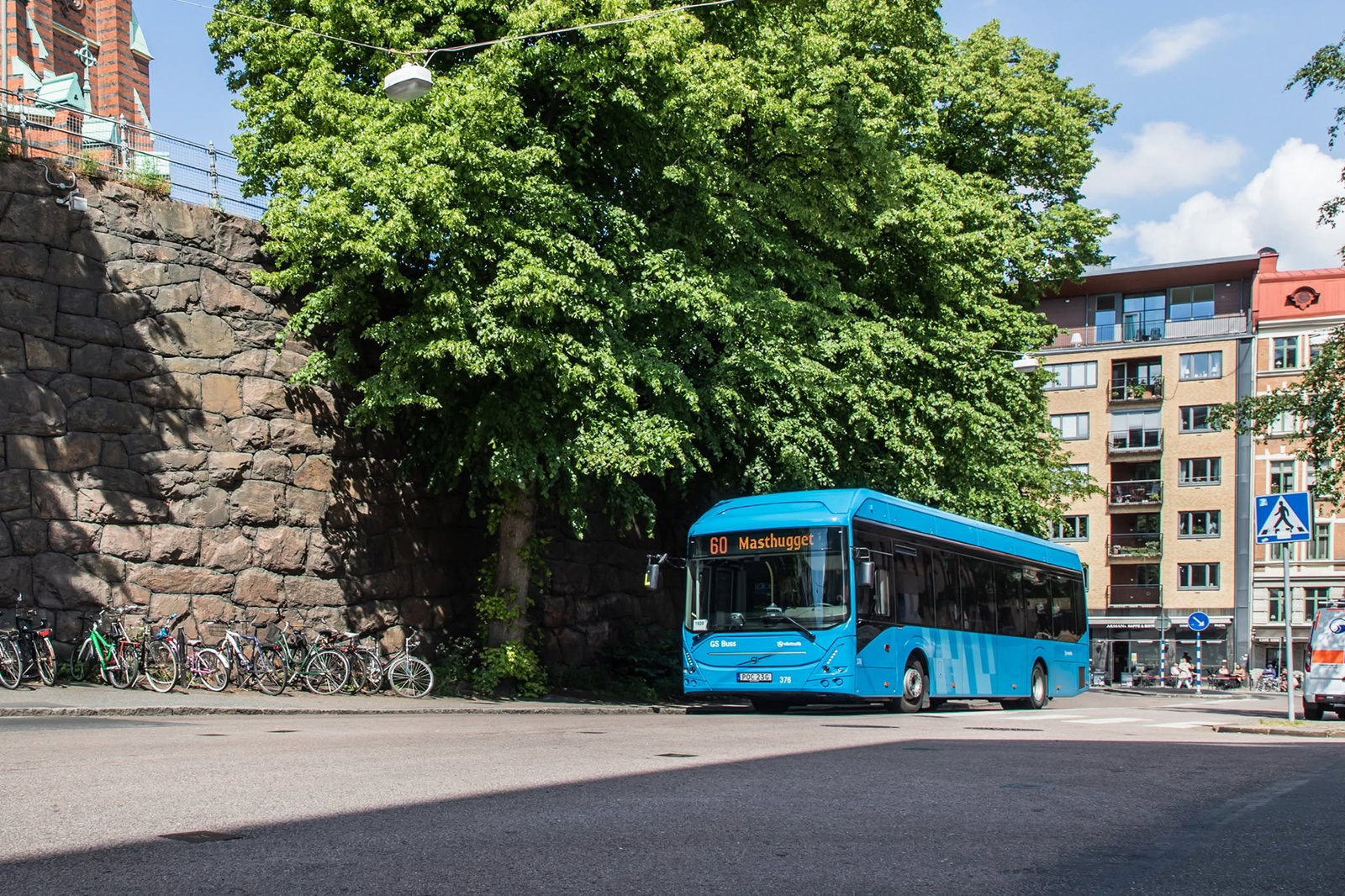
Meanwhile, the 2020 fleet changeover did not remain a one-off project. The electrification of Gothenburg and the surrounding municipalities continued in subsequent years with further phases. In 2022, another 80 electric buses appeared on Gothenburg’s core network and in the city-centre and north-western areas, while in 2023 a further 63 electric buses entered service in Gothenburg and Mölndal. In the same year, another 42 electric vehicles were introduced in the demand-responsive Flextrafik service in the two municipalities. Across Västtrafik’s entire operating area, around 460 electric buses were in service by 2023, meaning that roughly two-thirds of the region’s urban buses were already electrically powered.
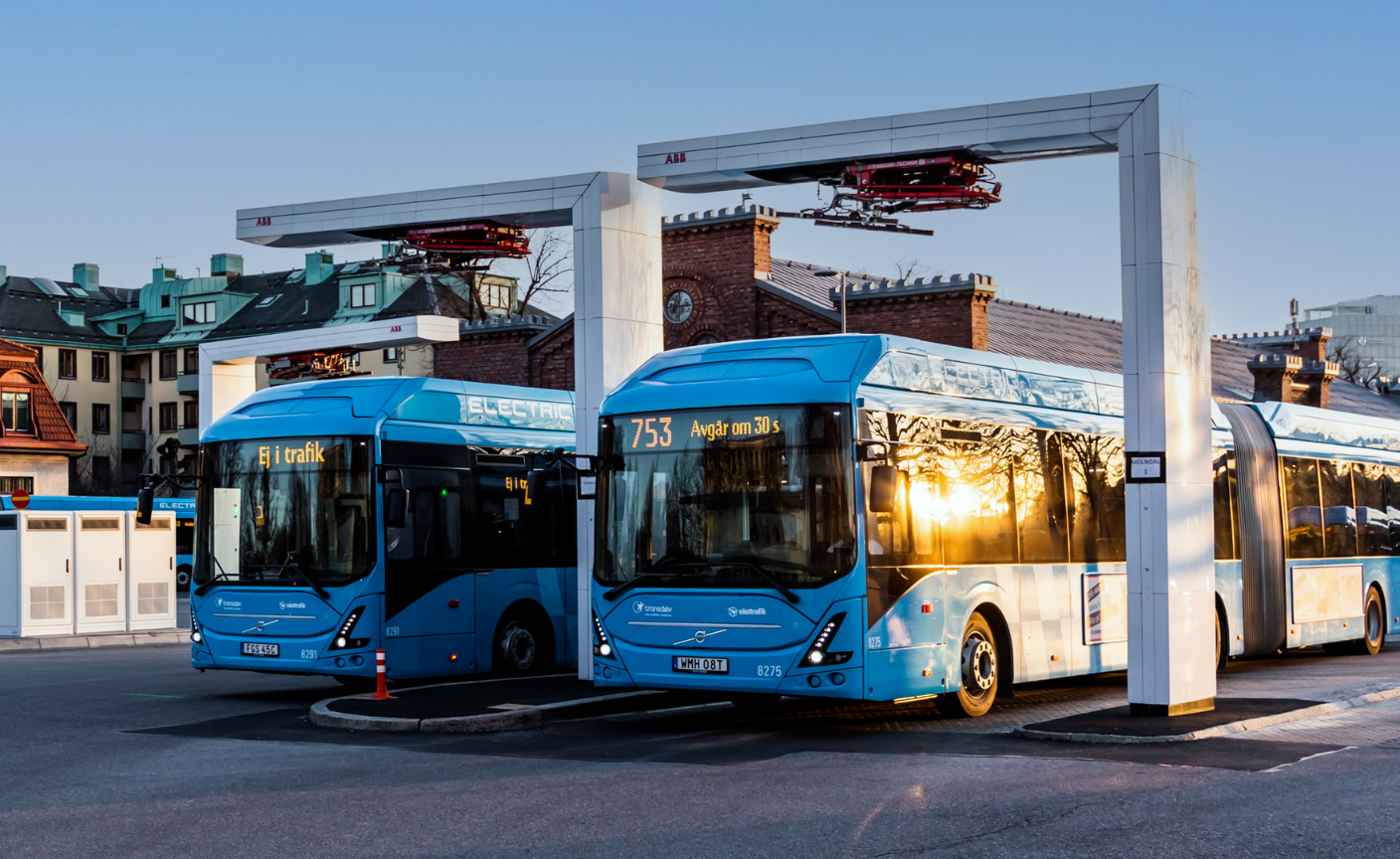
The process has not stopped since. Under Västtrafik’s current plan, all of its urban bus services will be converted to electric operation before 2030. In Gothenburg, a further 53 electric buses are expected to enter service in 2025, followed in 2026 by another 93 electric buses on the network in the Hisingen district. At the same time, electrification has long since moved beyond Gothenburg’s boundaries: in recent years, electric buses have also appeared in urban transport in Trollhättan, Vänersborg, Uddevalla, Skövde, Lidköping, Falköping, Mariestad and Alingsås, among others.
The transition to electric operation also supports Västtrafik’s longer-term climate policy objectives. The company’s goal is to reduce carbon dioxide emissions from public transport per passenger-kilometre by 90% between 2006 and 2035. This is a significant commitment even in light of the fact that, in Sweden, a large proportion of conventionally powered buses already run on renewable fuels such as HVO or biogas. According to Västtrafik, in addition to reducing pollutant emissions, the new vehicles also represent an improvement in passenger comfort, above all thanks to their quieter operation.
The five years of operating experience are particularly interesting because, at the start of the large-scale transition, one of the biggest uncertainties was cost. The purchase price of electric buses was higher than that of conventionally powered vehicles, while operators still had little long-term data on energy consumption, battery behaviour and the operation of charging infrastructure.
In Volvo Buses’ latest retrospective, Lars Bäckström, CEO of Västtrafik, said that when the programme was launched they themselves expected electric operation to potentially be more expensive, but the past five years have not borne this out. The higher initial investment cost has been partly offset by lower operating costs, and based on the experience available today, Bäckström said he would make the 2020 decision again. At the same time, the assessment published by Volvo was not accompanied by detailed, comparable total lifecycle cost data, so it cannot in itself show how the total cost of electric buses differs in proportion from that of the technologies used previously.
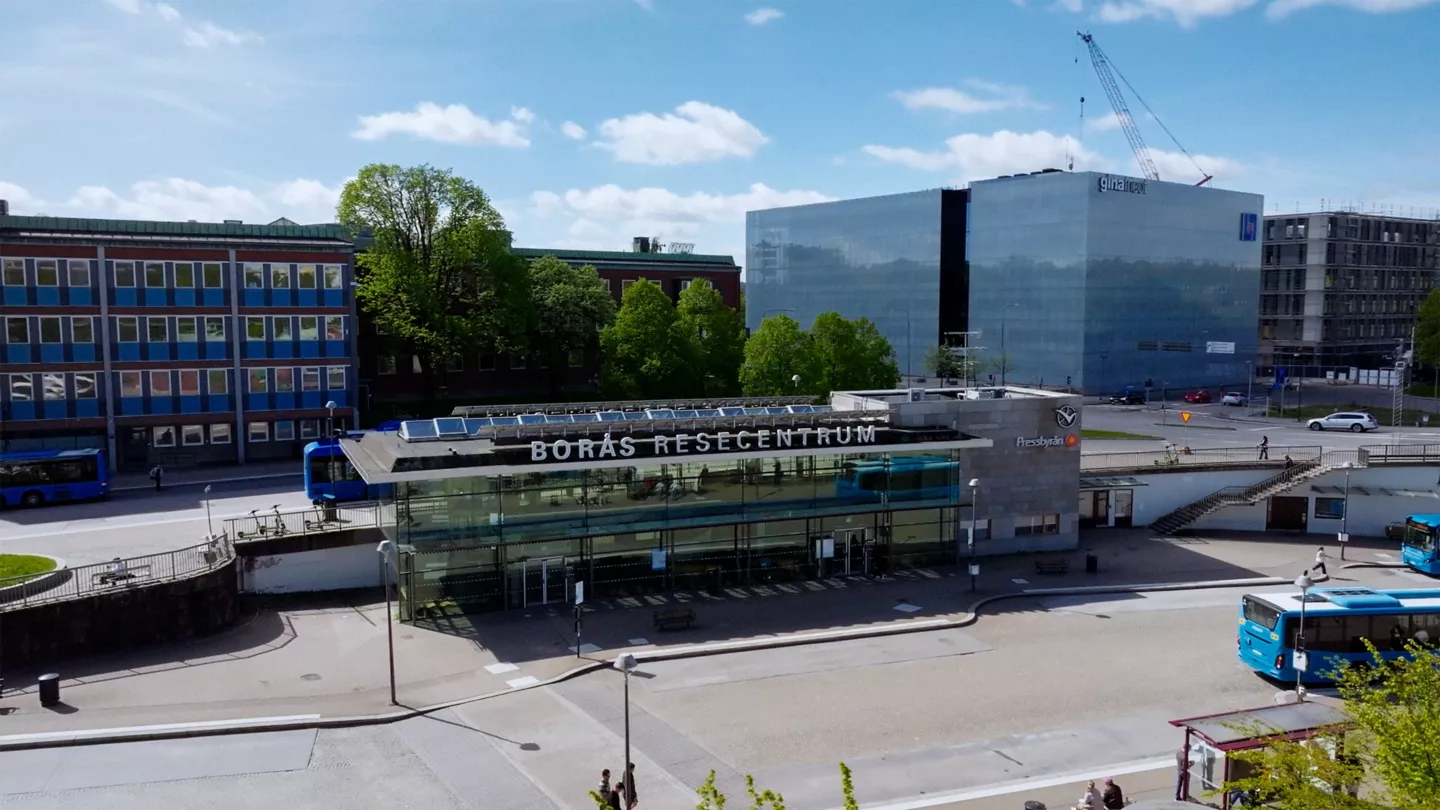
Gothenburg’s experience is now also serving as the basis for another large-scale transition. In 2027, Västtrafik will convert the entire urban bus network in Borås to electric operation, with plans calling for the use of 75 electric buses. The vehicles will again be supplied by Volvo Buses: the fleet will include rigid and articulated Volvo 7900 Electric buses, as well as tri-axle Volvo 8900 Electric vehicles. According to the manufacturer, the transition will affect 12 routes that carry around 10 million journeys a year.
The new, fully electrified urban network will launch in April 2027, with operations to be taken over by Vy Buss. Preparations for the transition are already under way: the restructuring of the urban network will partly begin as early as autumn 2026, while the full introduction of the electric buses will take place the following year.
In the case of Borås, Västtrafik is starting from a very different position than it did in Gothenburg five or six years earlier. Several years of data are now available from Gothenburg operations on battery performance, energy consumption, charging infrastructure and vehicle dispatch matched to passenger demand. Västtrafik is therefore no longer preparing for the mass introduction of a largely unknown technology, but for the continuation of an operating model that has already been tested on a large scale.
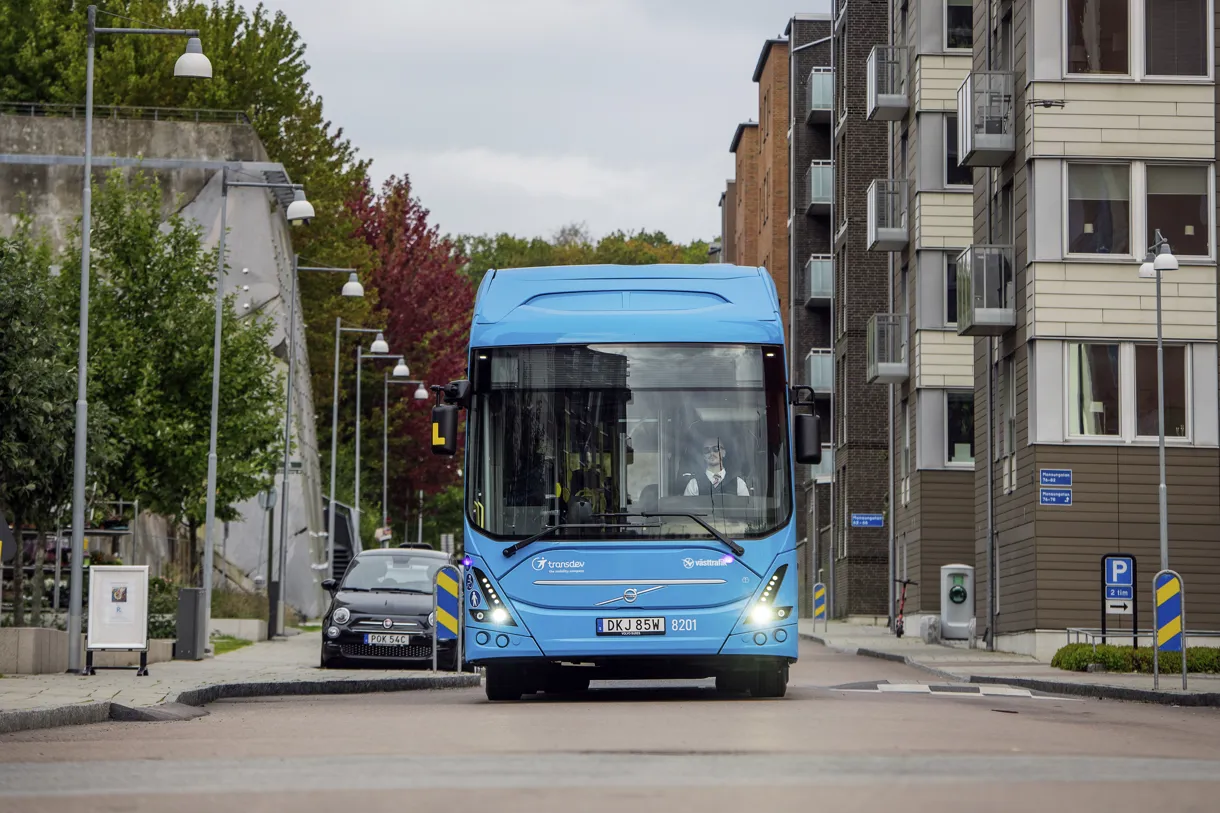
Even so, Gothenburg’s example does not mean that the transition to electric buses can be carried out in the same way, or at the same cost, in every city. Network structure, climate, daily mileage, available charging power, depot characteristics and energy prices all have a fundamental impact on the economics of an electric bus system. Five years on, however, the Swedish experience now amounts to far more than a demonstration project: in Gothenburg, the data on which the region’s next electrification steps are being based have been gathered in everyday, large-scale operation involving several hundred vehicles.
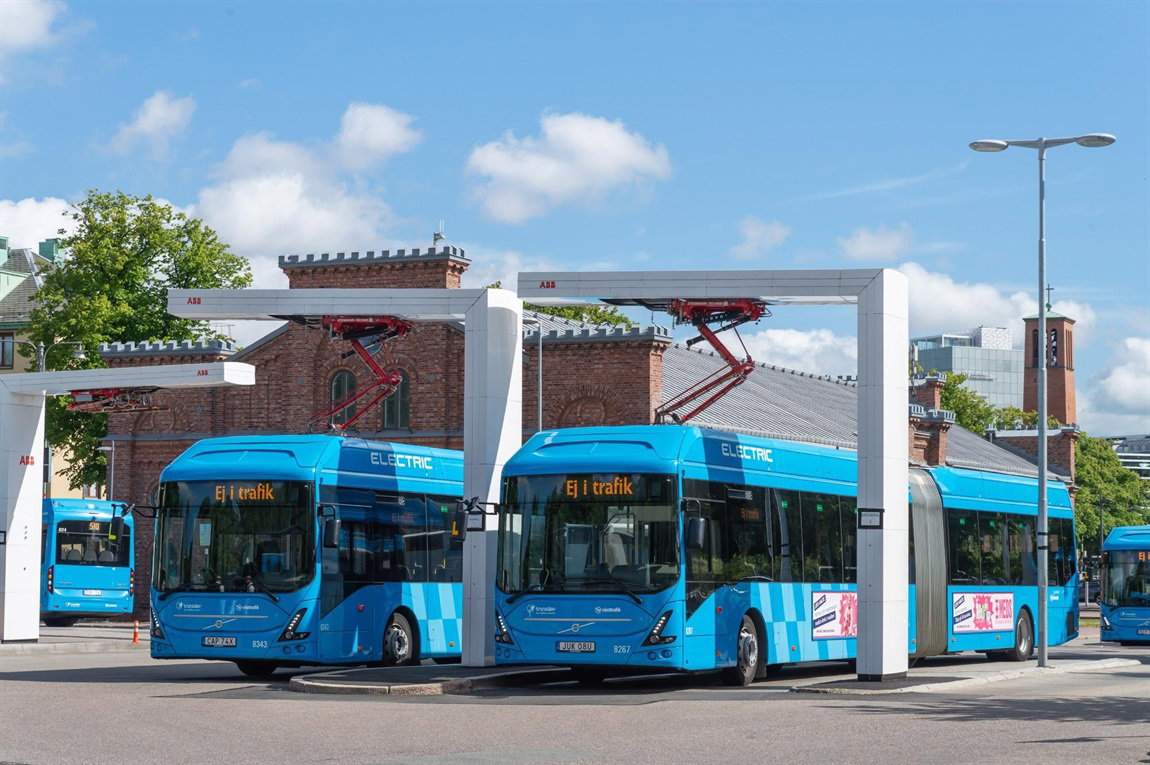
The major fleet changeover of 2020 ultimately became one of the defining steps in a much longer-term transformation. According to Västtrafik’s plans, the whole of urban bus transport in western Sweden could become electrically powered by the end of the decade. Meanwhile, the operating experience accumulated in Gothenburg over the past five years is already being used directly in preparing the next projects.