![Magyarbusz [Info]](/mbi/header-logo.png)
Volvo–Marcopolo Paradiso G8 to make European debut with orders already secured
 Ludányi József
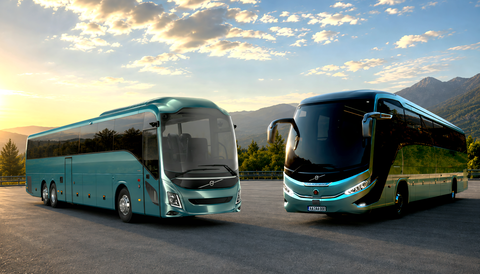
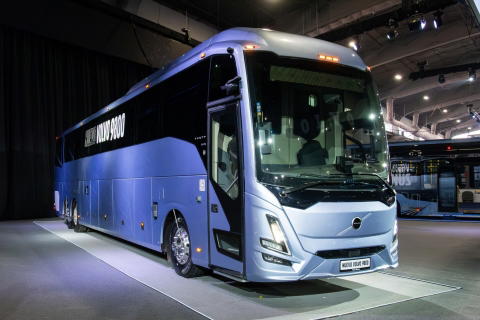
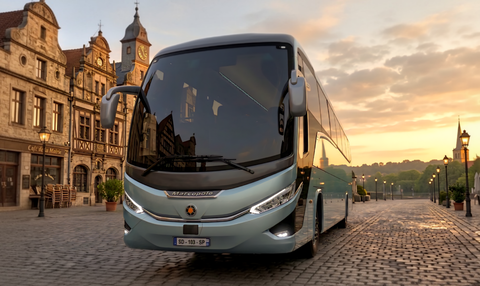
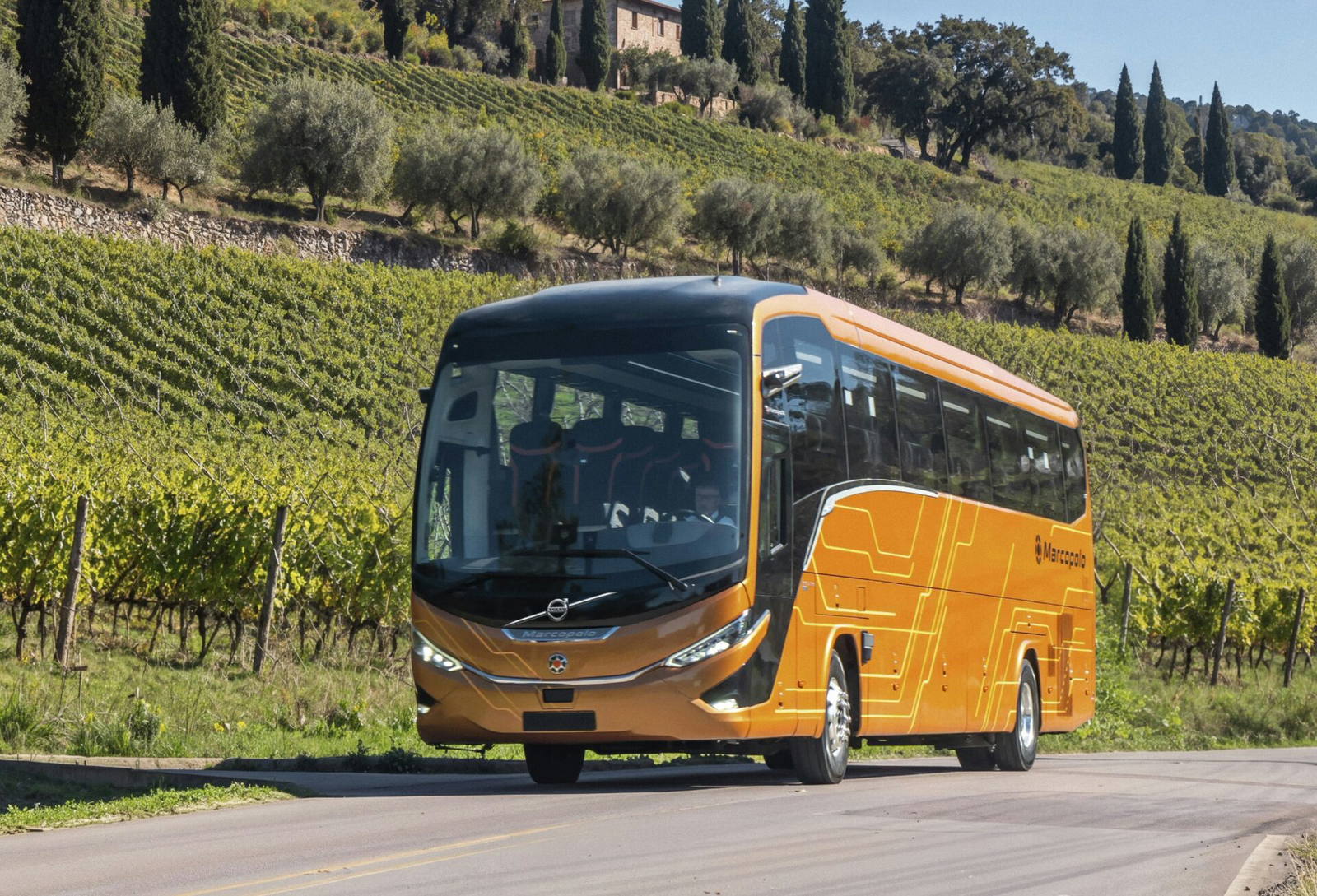
Marcopolo’s return to Europe has reached another important milestone: the Paradiso G8 1200, built on the Volvo B13R chassis and specifically reworked to meet the needs of the European market, will make its physical debut next week at the FIAA trade fair in Madrid. Its market launch, however, has already begun ahead of the premiere, with orders for the new coach received from France, Italy and Portugal, while deliveries of the first units are expected in early 2027.
The latest announcement makes official the plans Magyarbusz [Info] has reported on in detail several times over the past months. Most recently, just a few days ago, we presented the first detailed renderings of the European Paradiso G8 1200 and the key modifications made to adapt the design to the requirements of the Old Continent. Volvo’s statement has now provided further details on the commercial background of the cooperation and the first orders.
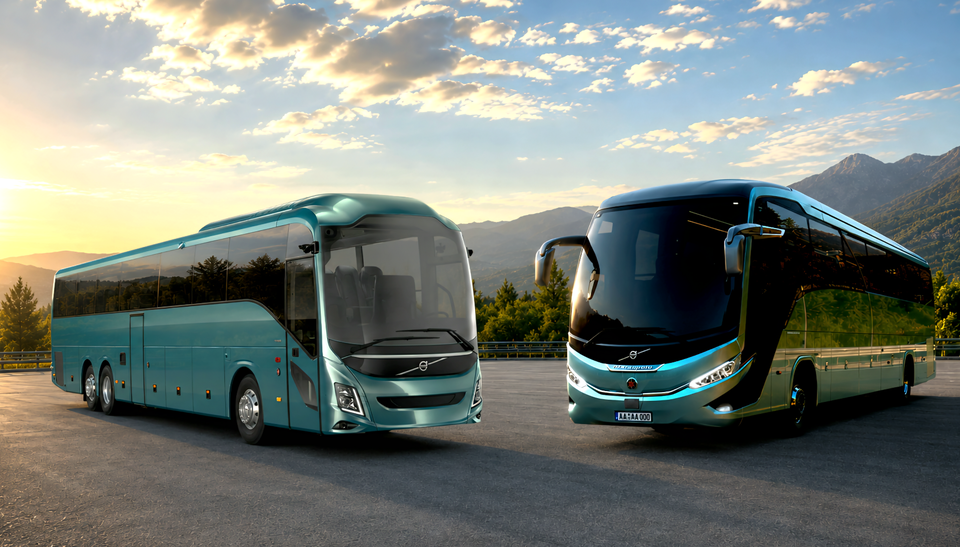
The project is based on a strategic cooperation between Volvo Buses and Marcopolo, one of the world’s largest independent bus body manufacturers. The relationship between the two companies is by no means new, however, as buses with Marcopolo bodywork on Volvo chassis have been produced for various markets for decades. The significance of the European programme is greater than that, though: Volvo can expand its range with a new premium coach solution without having to develop and manufacture its own body for it, while Marcopolo can return to the European market by relying on Volvo’s technical and commercial background.
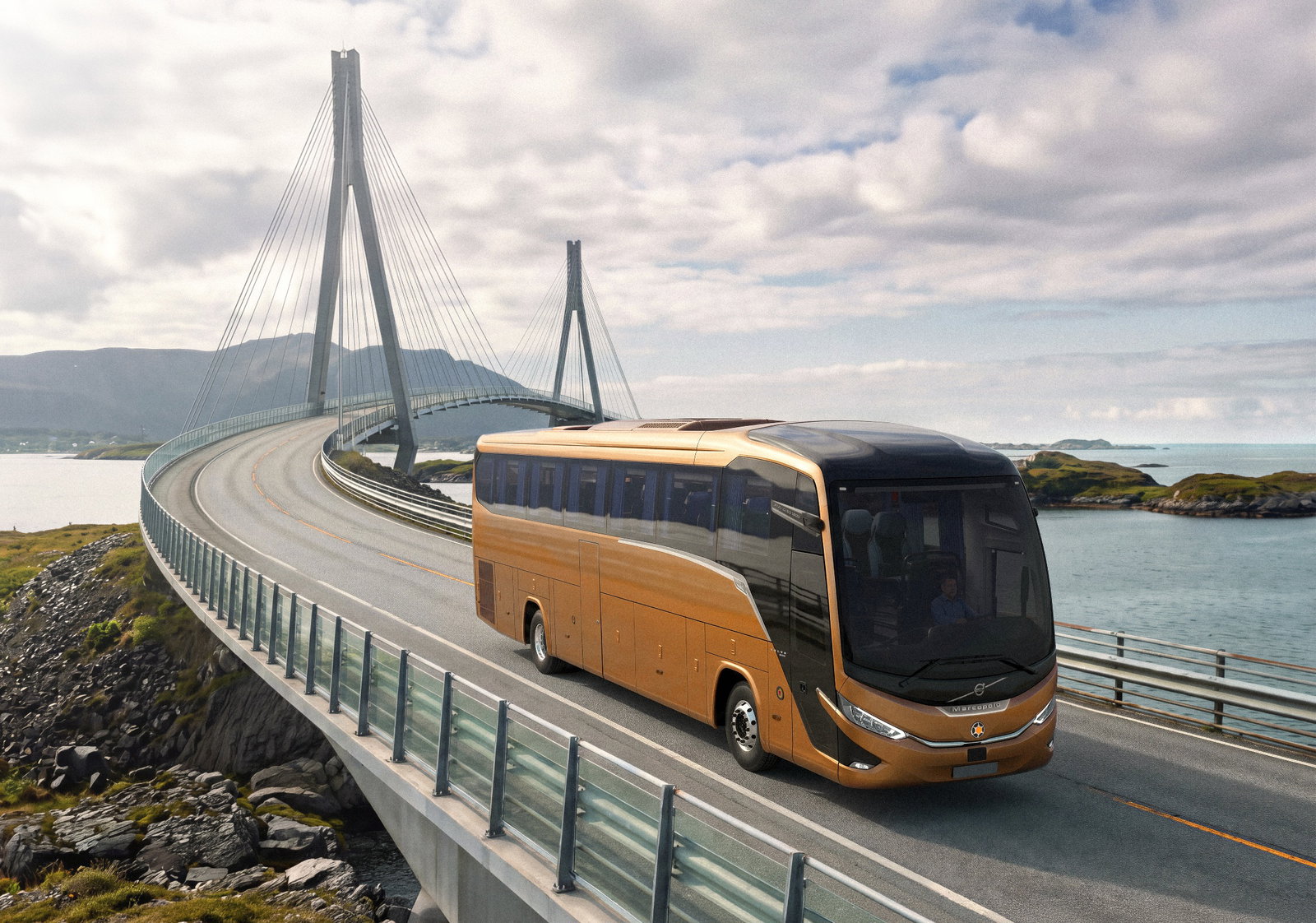
The technical basis is Volvo’s current most powerful long-distance bus chassis family, the B13R. The rear-engined chassis is powered by the 12.8-litre, inline six-cylinder D13K diesel engine, which is available in Euro 6 specification at several output levels; the most powerful version offers 500 hp and peak torque of 2500 Nm. The engine is paired with Volvo’s 12-speed I-Shift automated transmission. The European Paradiso G8 will be available in both two-axle 4×2 and three-axle 6×2 configurations.
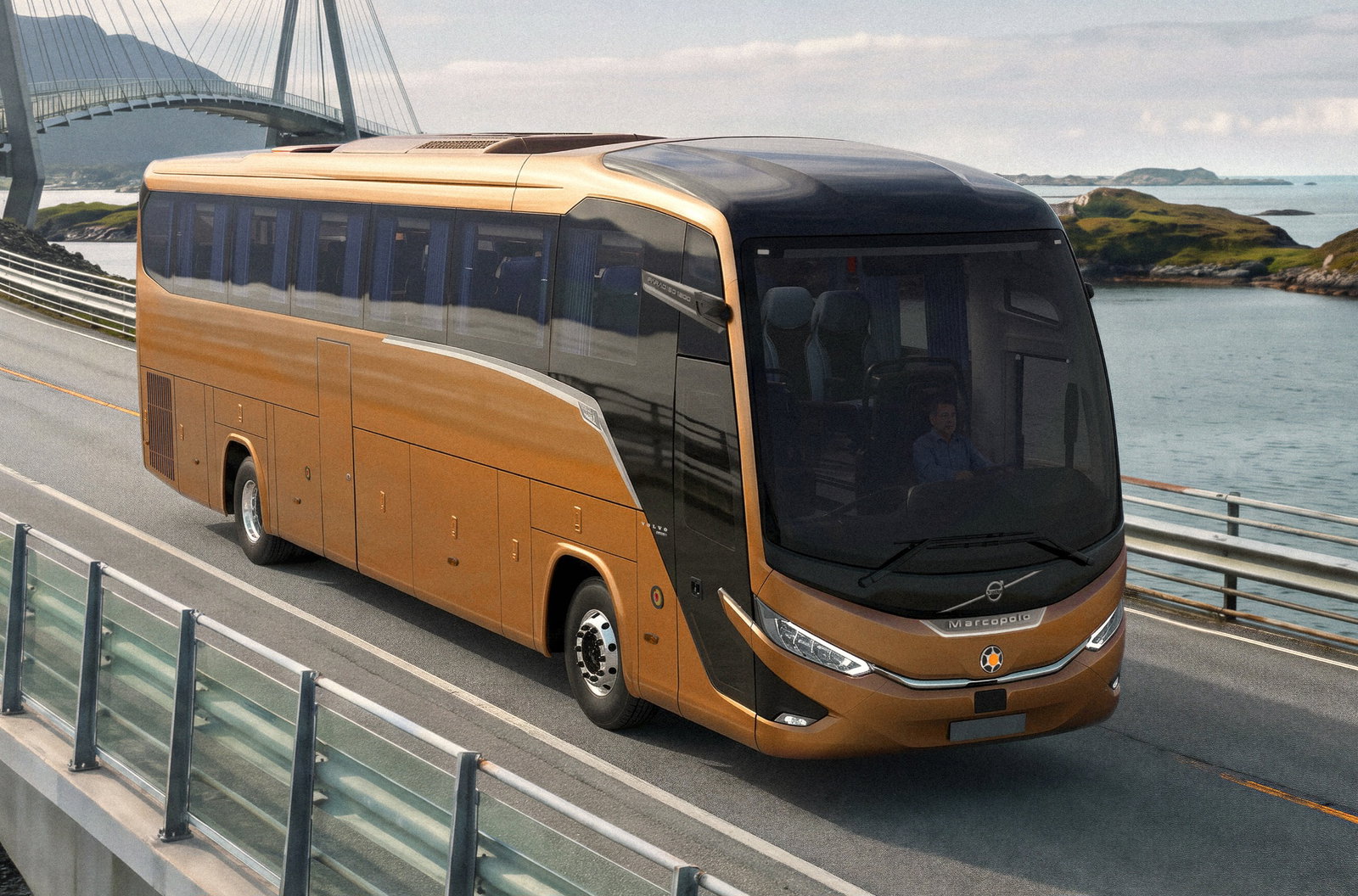
This technical platform will carry the Paradiso G8 1200 body, part of Marcopolo’s current top-of-the-range coach generation, although it has had to be reworked in several areas for the European market. One of the most important changes concerns the vehicle’s width: instead of the 2600-millimetre dimension of the South American version, the European variant will be 2550 millimetres wide. This did not simply mean modifying the outer panels; the frame structure, glazing, interior dimensions and numerous related structural elements also had to be adapted to the narrower body. The front end and passenger compartment of the European version have also been revised. The glazed area of the windscreen has been increased upwards, while the front-end panel extending down from the roof has been reduced in size. In addition to European safety and technical requirements, the latest cybersecurity regulations were also taken into account during development.
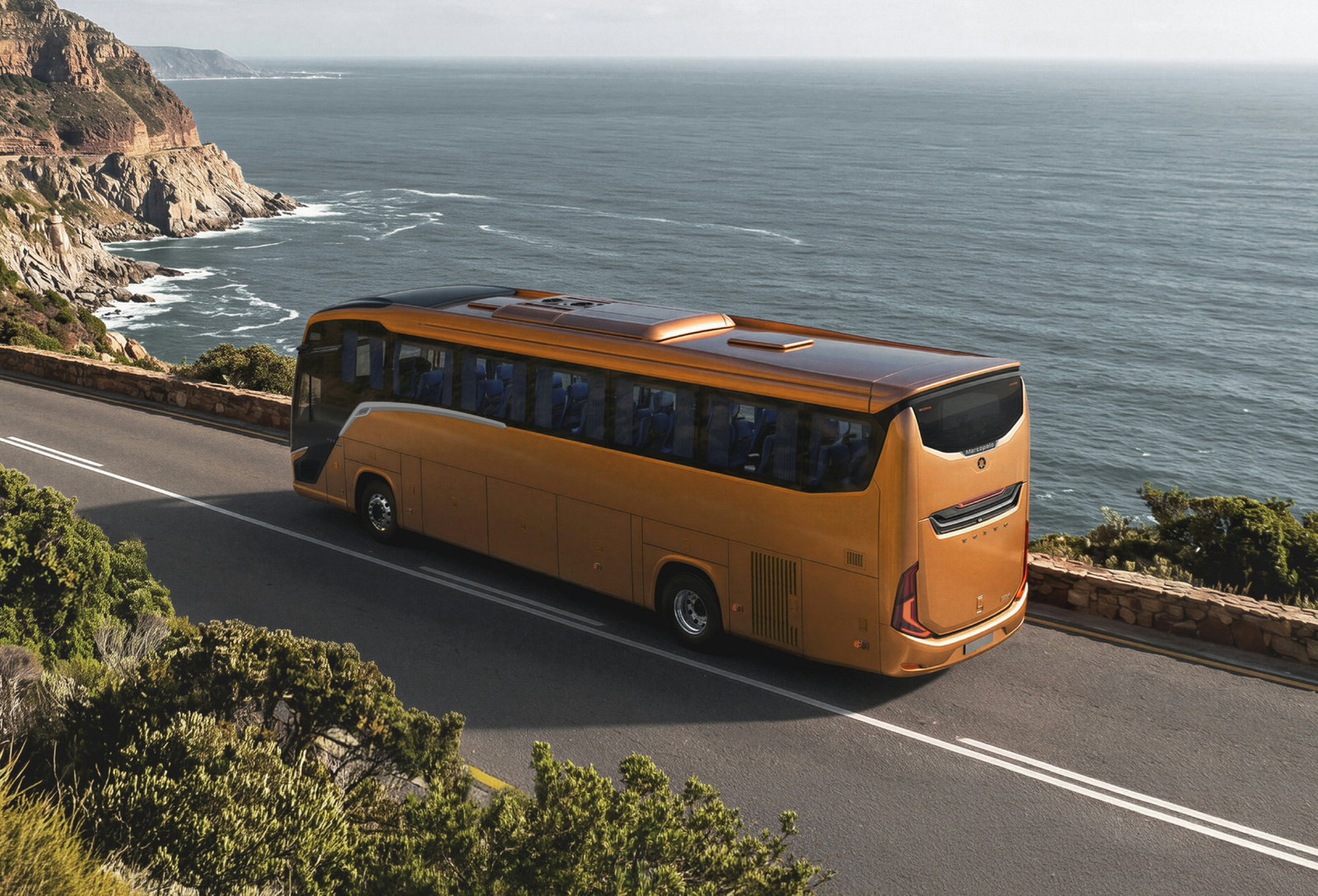
According to Volvo, fuel efficiency, passenger comfort and safety were key considerations in the development of the new model, along with a competitive total cost of ownership. Thomas Nylund, head of Volvo Buses Europe, said the cooperation with Marcopolo further strengthens the manufacturer’s offering in southern Europe. He highlighted that Volvo’s chassis technology, fuel efficiency and safety solutions are being combined with Marcopolo’s expertise in design, comfort and body building, while the partnership also provides greater flexibility in meeting the differing needs of operators.
Volvo has now also given a clearer picture of the sales model. In France and Italy, Volvo Buses will be fully responsible for sales of the complete vehicle, as well as technical and aftersales support, through its own commercial network. In Spain and Portugal, by contrast, Volvo and Marcopolo will handle commercial activities jointly. The companies may later extend the cooperation to further European markets; according to information received by our editorial team, this later expansion could also include Hungary.
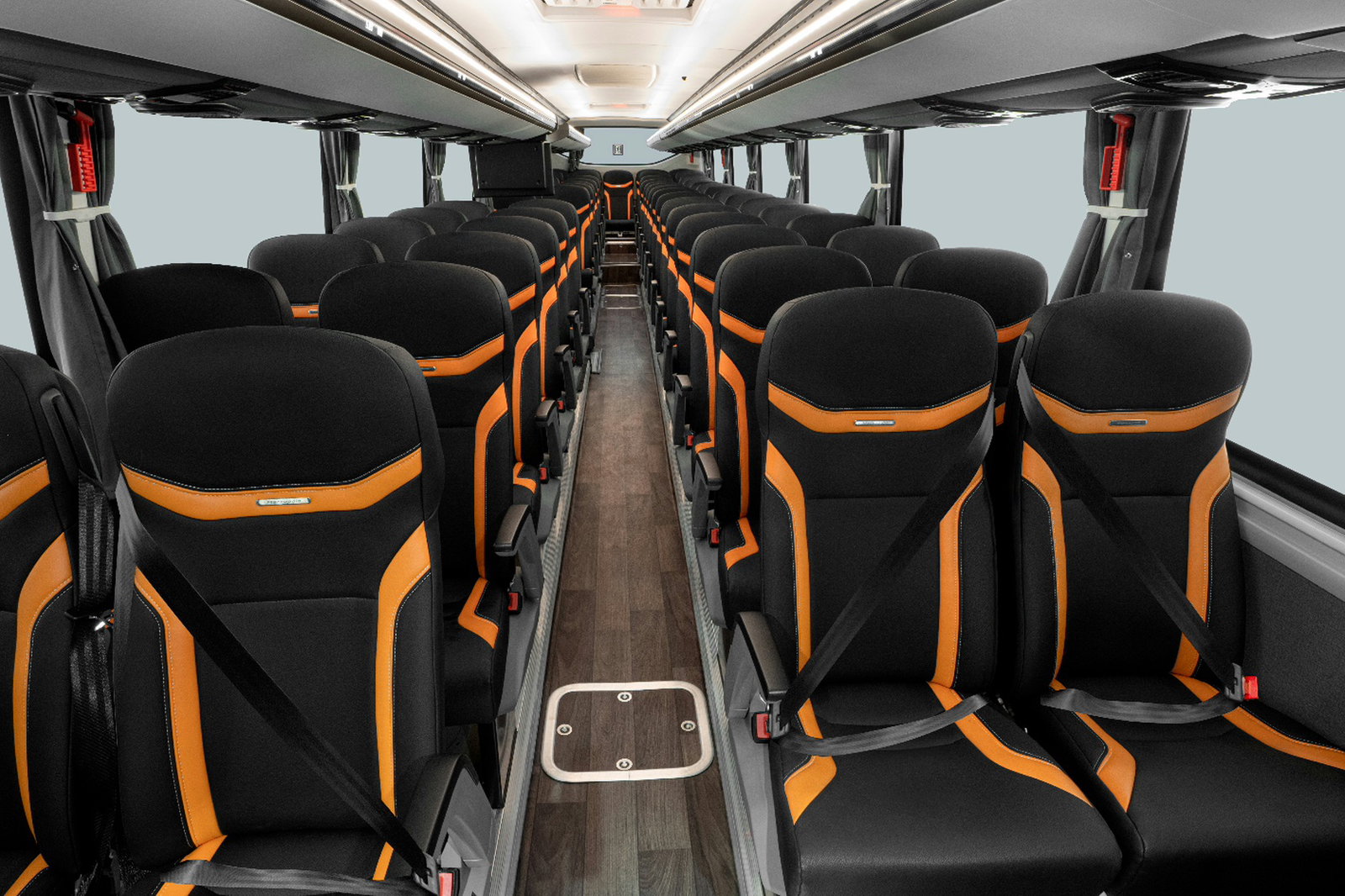
The first orders had already been placed before the official Madrid presentation: the new model has received orders from France, Italy and Portugal alike. For the time being, Volvo has disclosed neither the names of the customers nor the number of vehicles ordered. Deliveries of the first buses could begin in early 2027.
The vehicles’ production process will be split between two continents. The B13R chassis will be manufactured by Volvo in Sweden and then shipped to Brazil, where they will receive the Paradiso G8 1200 body at Marcopolo’s plant and final assembly will be completed. The finished buses will then return to Europe from Brazil. The European market is not unfamiliar territory for the South American manufacturer, however: it previously had its own production base in Coimbra, Portugal, for nearly two decades, before selling it in 2009.
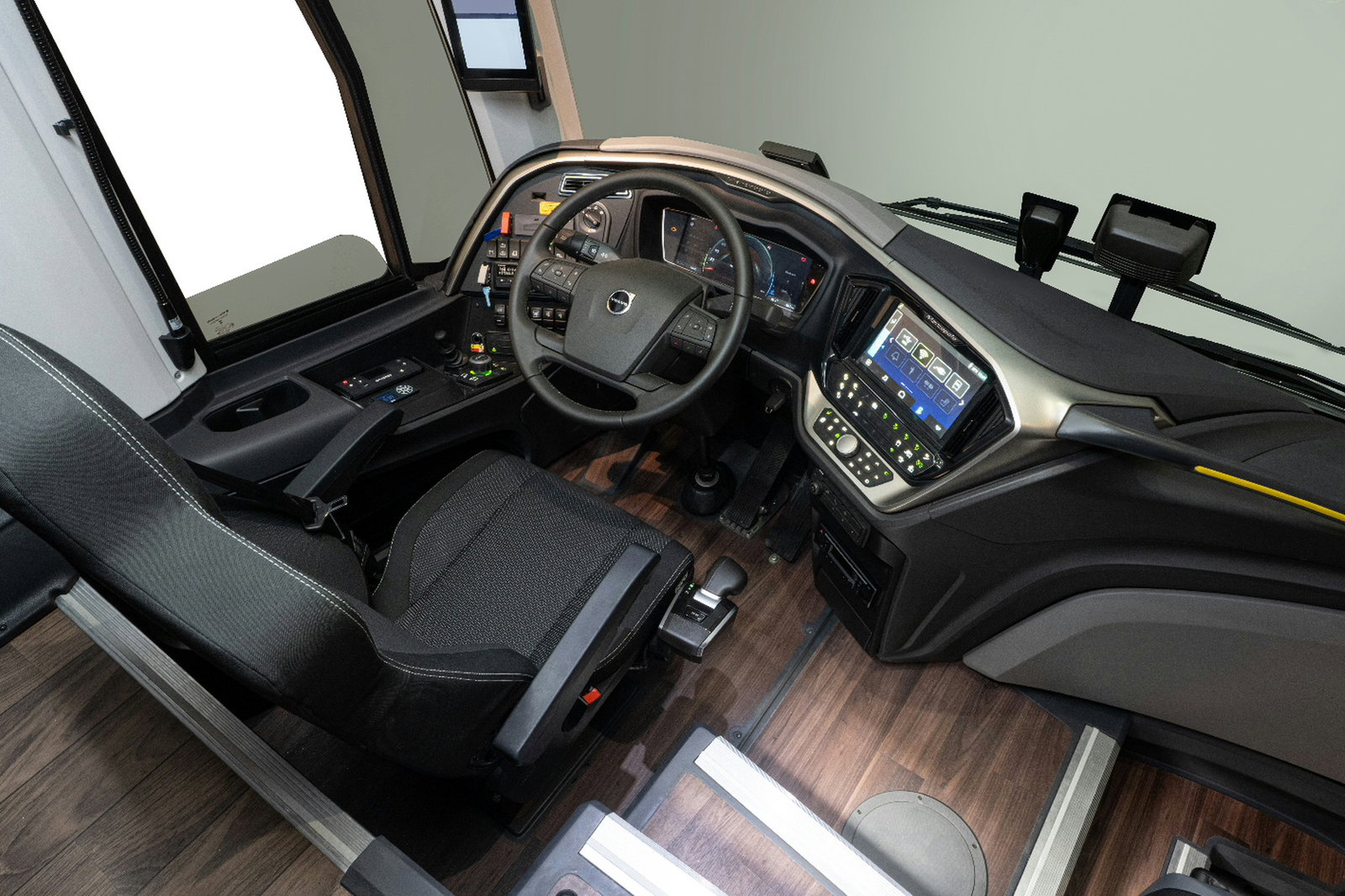
Marcopolo’s return is also an important element of Volvo’s European coach strategy. The Swedish manufacturer previously reorganised the European production of its own complete coaches, and is now partly relying on global partners to broaden its offering once again. With the Paradiso G8 1200, the aim is primarily to build a stronger position in southern European markets, where, judging by the first orders, the new design has already found customers even before its official premiere. The first European example of the Volvo–Marcopolo Paradiso G8 1200 will be seen by the public for the first time at the FIAA trade fair in Madrid at the end of September.