![Magyarbusz [Info]](/mbi/header-logo.png)
Volvo instead of Ebusco: Örebro’s new articulated electric buses for its BRT network enter service 20 months late
 Ludányi József
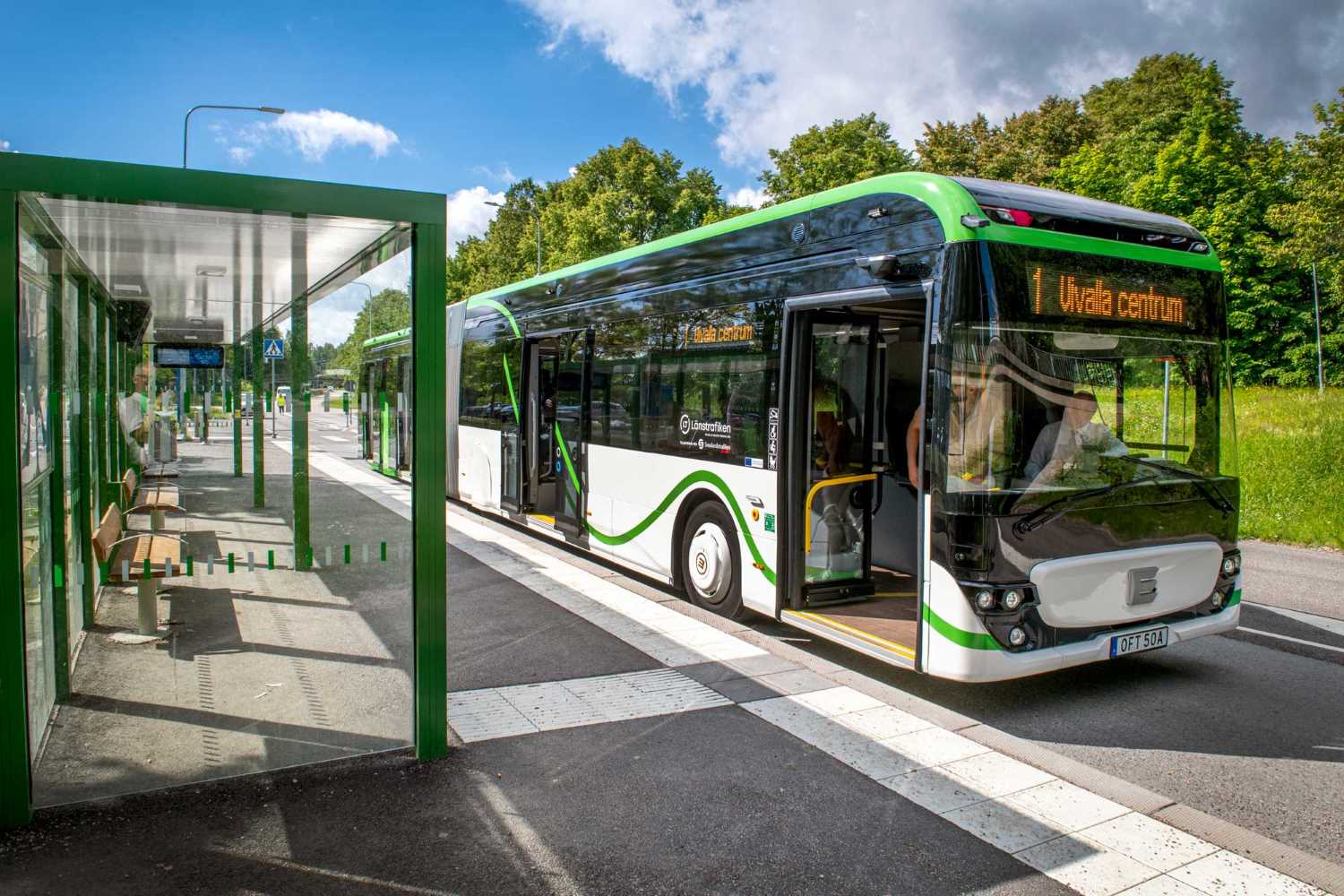
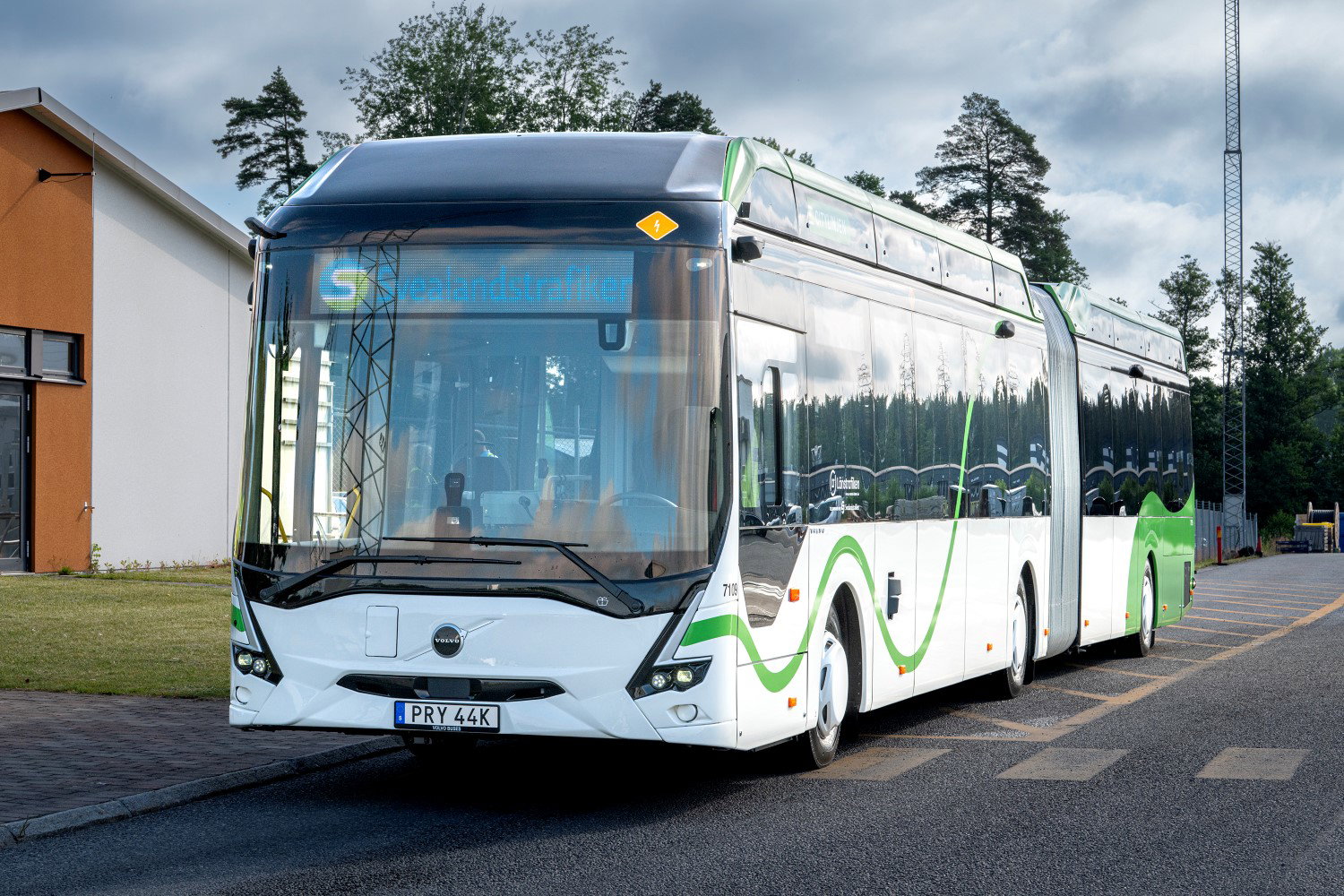
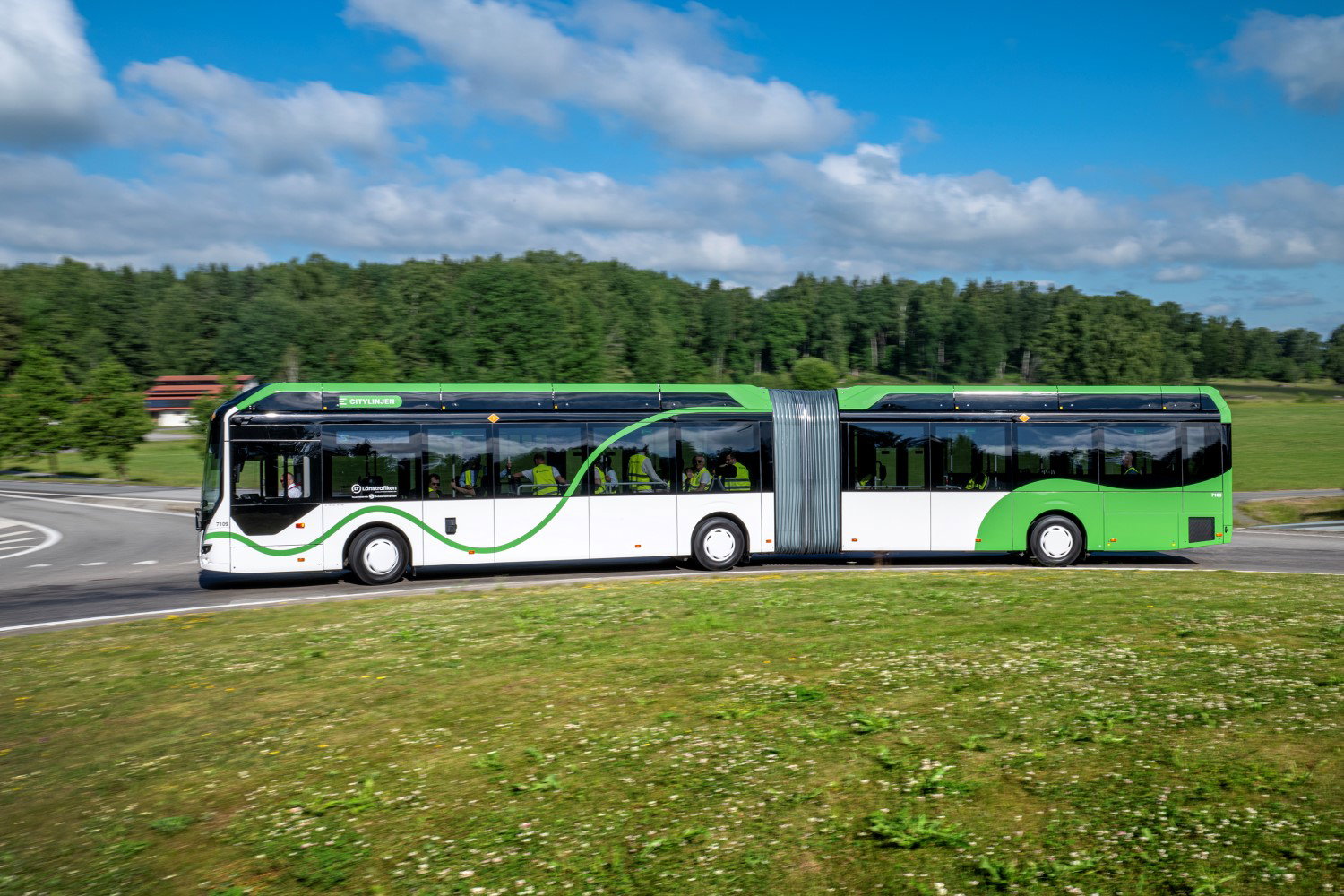
On 17 August, the first batch of 13 new Volvo electric buses procured for Citylinjen entered service in Örebro, Sweden, a city of around 130,000 inhabitants. Citylinjen is the city’s gradually developing BRT-style trunk network, currently made up of bus routes 1 and 2. The two routes connect the outer districts with the city centre and the university area, providing a five-minute headway on their shared section during peak periods. The development of the system is not limited to new vehicles: dedicated bus lanes, traffic-signal priority, modern stops and passenger information, as well as further infrastructure investments, are all intended to make Citylinjen a faster and more predictable alternative in urban transport.
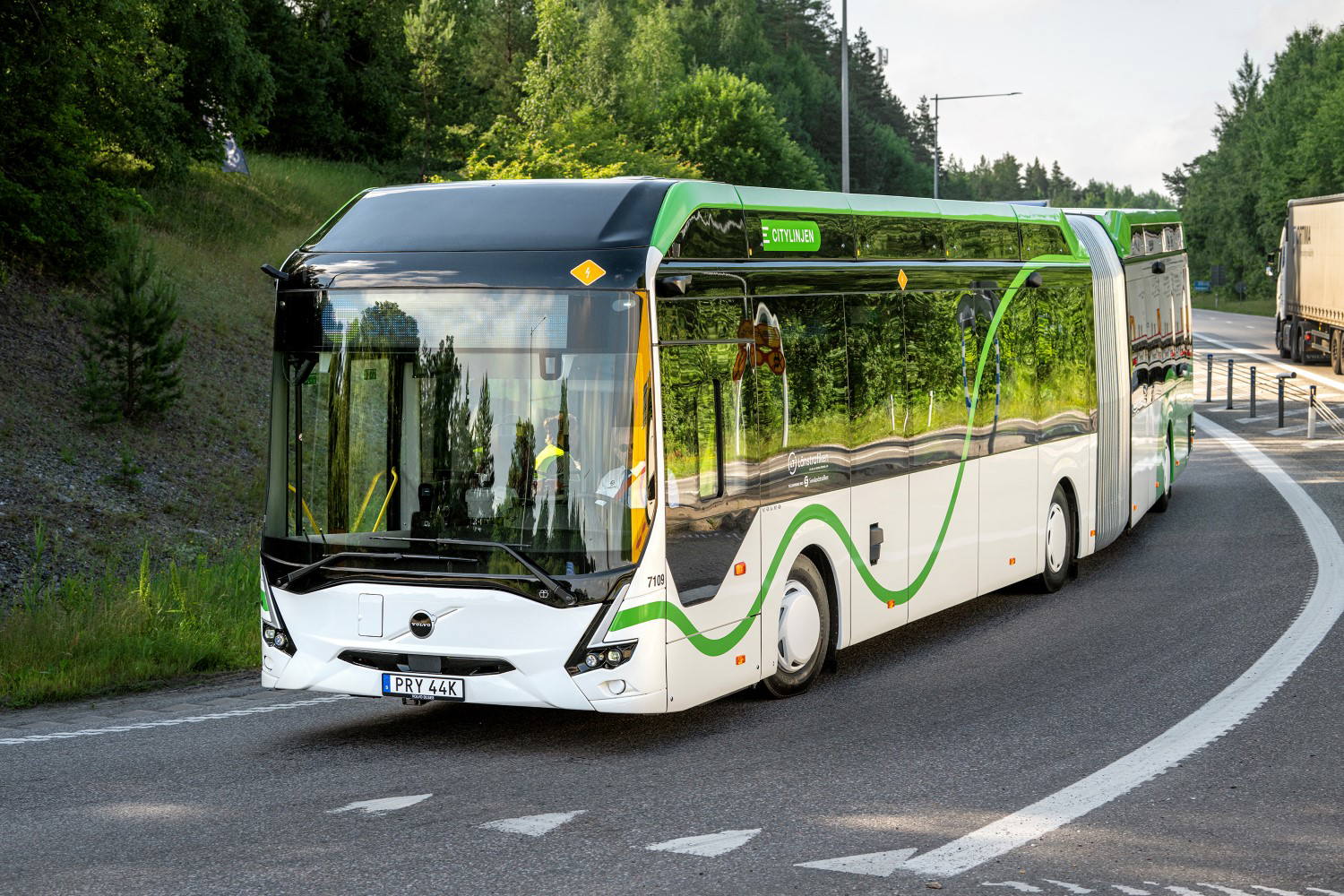
The arrival of the Volvo 7900EA electric buses, manufactured in Egypt, may also bring to a close the rather protracted and troubled backstory of Citylinjen’s vehicle procurement. The BRT system began operation together with Örebro’s new urban bus network on 15 December 2024, but the electric bus fleet originally planned for it was still not available at that point. Svealandstrafiken ordered 23 18-metre Ebusco 3.0 electric buses for Citylinjen back in June 2022, with delivery originally scheduled for the second half of 2023. The Dutch manufacturer, however, was unable to fulfil the order: in the end, only two of the 23 buses were delivered, while the handover of the remaining 21 vehicles slipped further and further beyond the agreed delivery deadline.
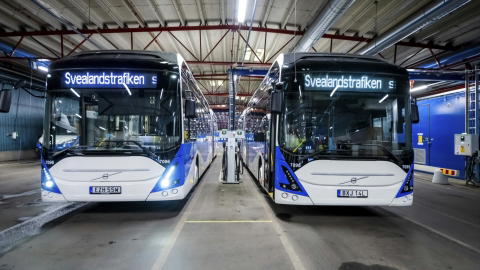
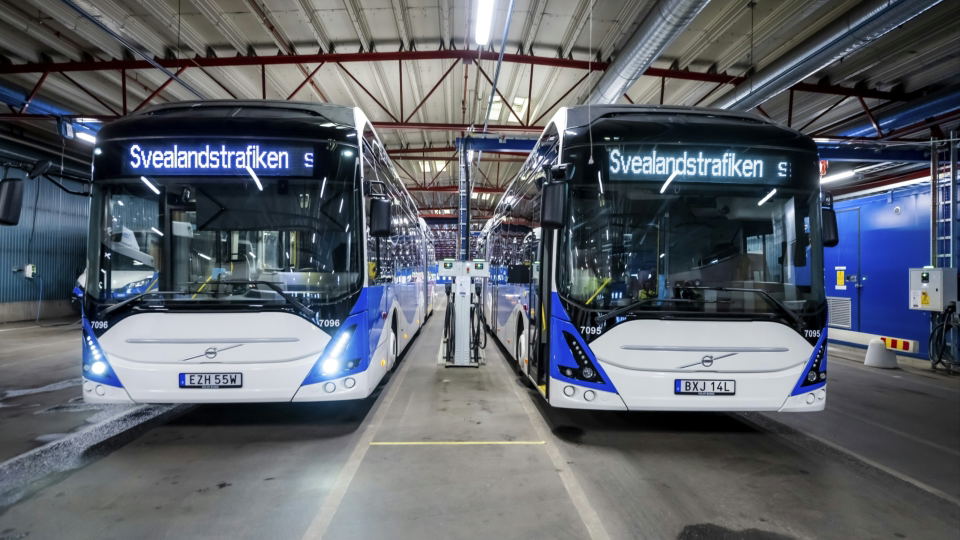
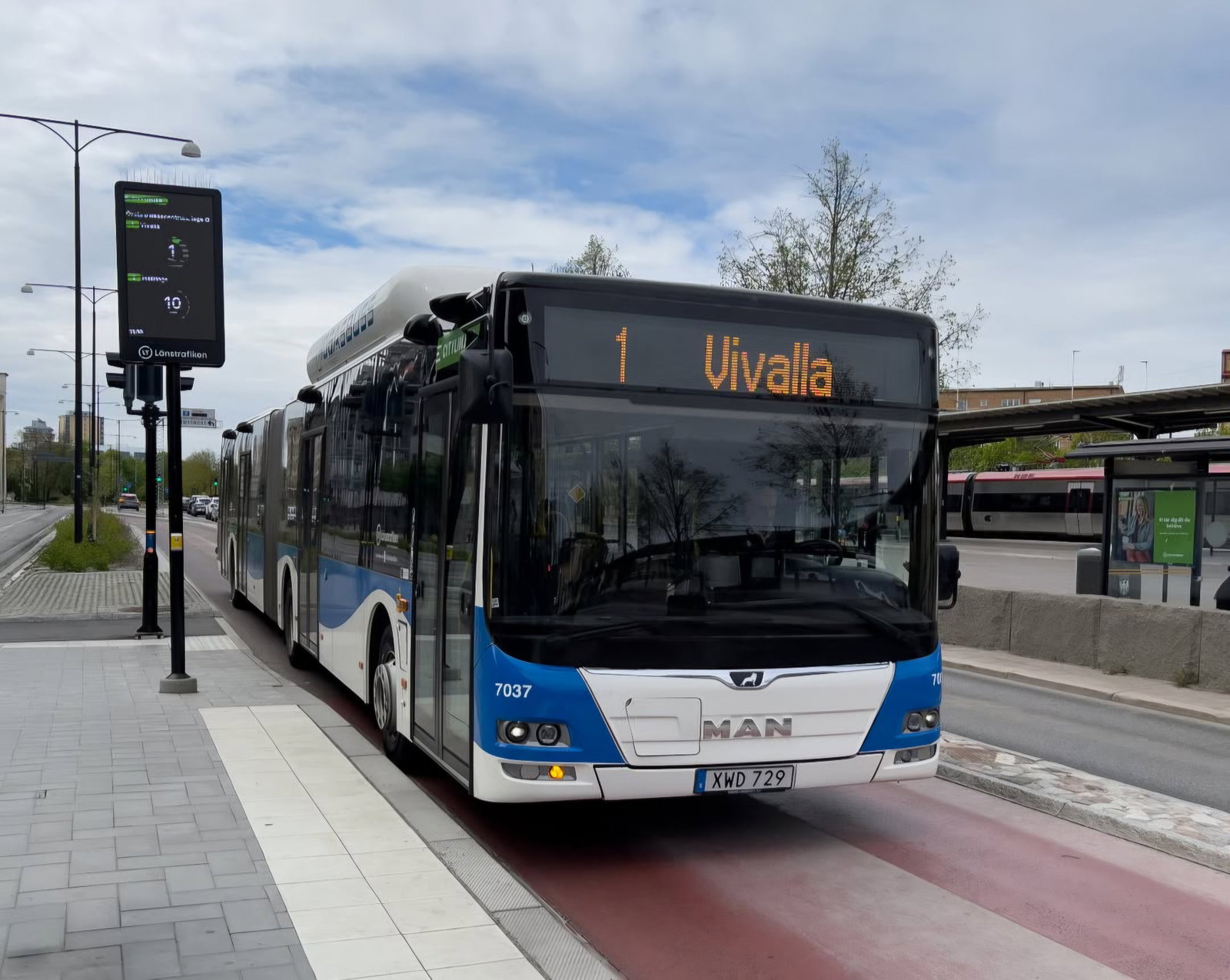
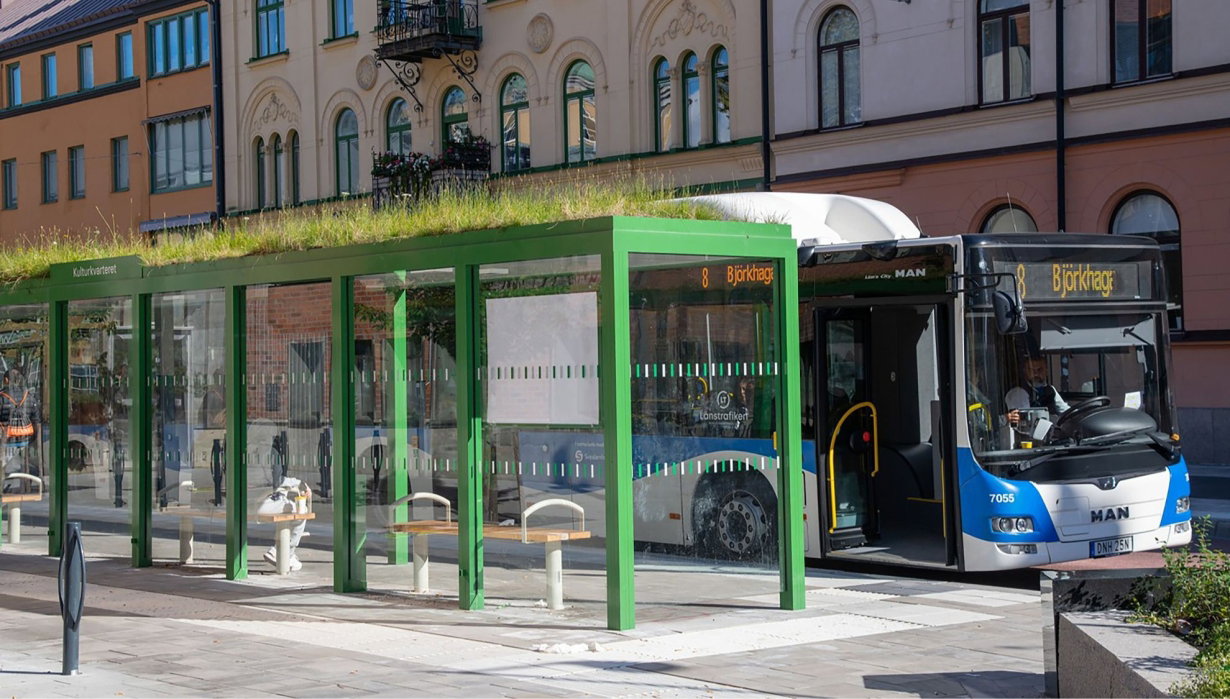
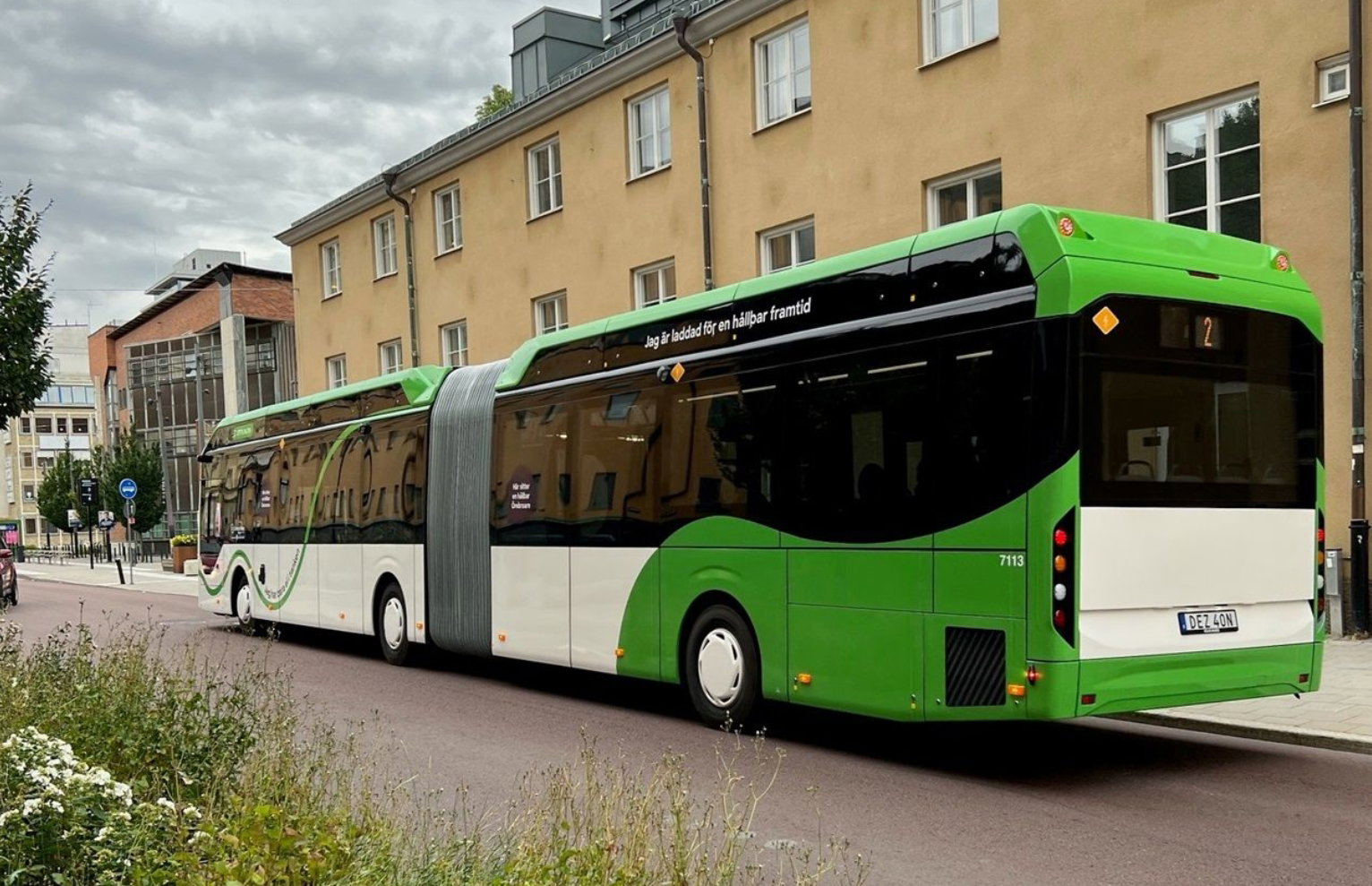
From the start, Citylinjen services therefore had to be maintained using an interim solution: 23 blue-and-white biogas buses selected from Svealandstrafiken’s existing fleet. The vehicles were also fitted with Citylinjen branding elements, while the green-and-white livery originally intended for the system was reserved for the new electric buses. The service was thus able to start in December 2024 with the planned timetable and BRT infrastructure, but without the new electric fleet intended for it.
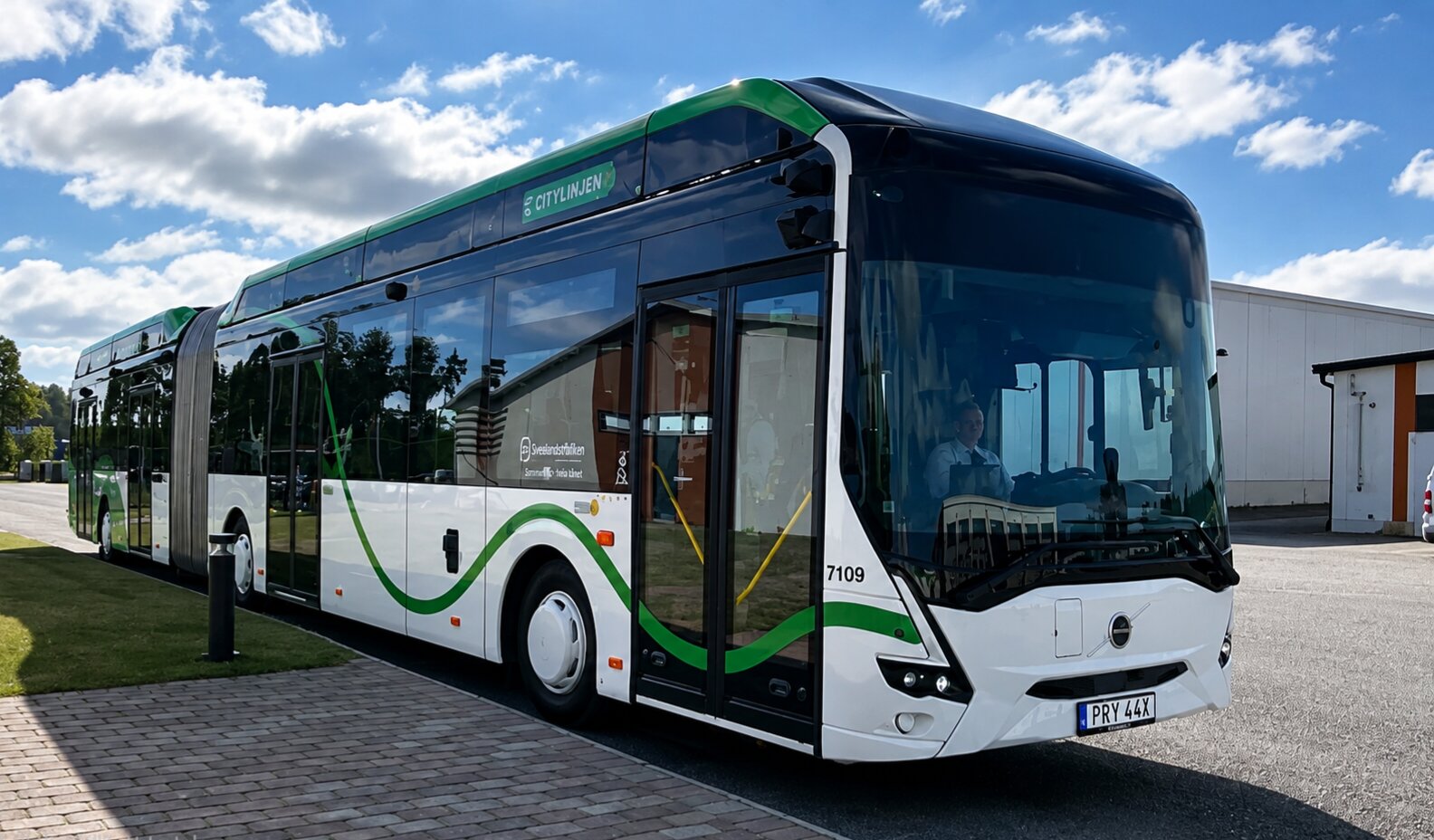
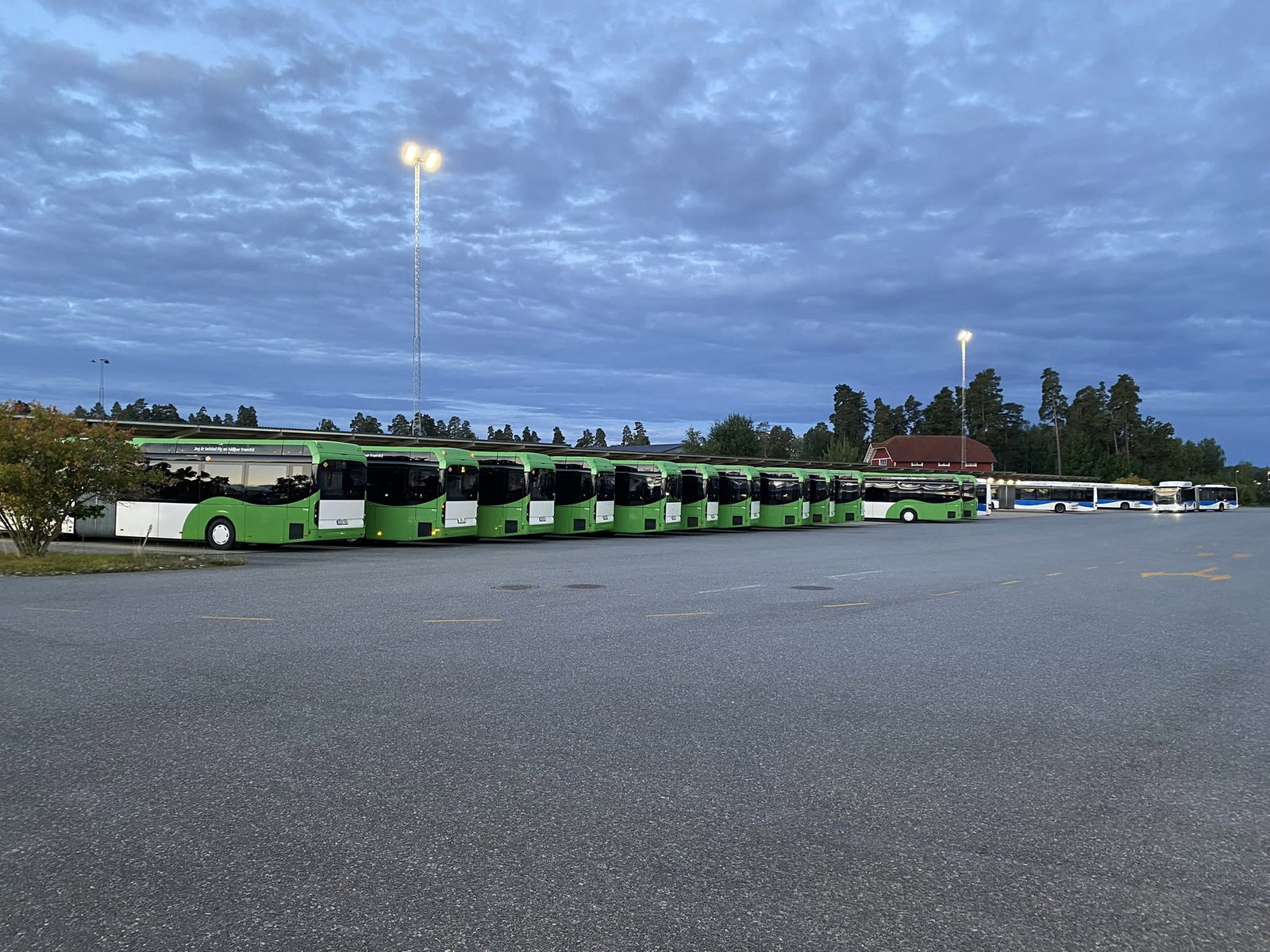
Svealandstrafiken eventually terminated its contract with Ebusco at the end of February 2025, and Volvo Buses was commissioned to replace the missing vehicles. The 13 articulated Volvo 7900EA buses now placed in service are the first tangible result of that switch, and they have also begun the replacement of the biogas buses used on a temporary basis. Citylinjen’s electric bus fleet will be expanded with a further ten new Volvos during the autumn, giving the BRT network a total of 23 new articulated electric buses.
The vehicles are arriving at Svealandstrafiken as part of a larger Volvo order for a total of 106 buses. In addition to the 23 articulated buses for Citylinjen, a further 23 Volvo 7900EA vehicles are intended for urban services in Örebro and Västerås, with delivery due during the remainder of 2026. The order also includes another eight articulated urban electric buses, scheduled for handover in autumn 2027.
Citylinjen itself forms part of a longer-term public transport development programme, the implementation of which was launched in 2021 by Örebro Municipality and Region Örebro län. The aim is to create a high-capacity, fast and predictable bus corridor linking the city’s most important residential areas and major trip generators, while giving public transport priority over private car traffic on as much of the route as possible.
The backbone of Citylinjen is currently made up of two routes. Route 1 runs between Vivalla and Brickebacken, while route 2 connects Mellringe with the university; both routes serve Örebro city centre and the Resecentrum area. Between Tegnérlunden and Universitetsplatsen, the two lines follow the same alignment for around five kilometres, effectively forming a single high-capacity transport corridor on this central section. The timetables have also been adapted accordingly: on the outer branches, buses typically run every ten minutes on weekdays, while on the shared section, routes 1 and 2 alternate to provide a five-minute headway during the morning and afternoon peaks.
The BRT concept, however, is not based solely on a frequent timetable. Along the Citylinjen route, wherever local conditions allow, buses are routed in lanes separated from general traffic, while traffic-signal priority at junctions is intended to reduce waiting times. Compared with a conventional urban bus network, the longer stop spacing, modern stops with a consistent visual identity, real-time passenger information and all-door boarding are all designed to shorten journey times and speed up passenger exchange.
The first phase of the system was implemented between Brickebacken and Tegnérlunden, while the next sections will continue the development of BRT infrastructure towards Mellringe, Vivalla and Lundby. The second phase, running from 2026 to 2029, covers around nine kilometres of route, of which approximately 3.1 kilometres will receive new bus lanes; 14 stops will also be rebuilt. The estimated cost of the investment is SEK 460 million, half of which is covered by state funding. Once the developments are complete, buses will have infrastructure that is partly or entirely independent of conventional road traffic on an increasingly large share of Citylinjen.
The development of Citylinjen will not end with the arrival of the current 18-metre articulated buses. According to longer-term plans, as passenger volumes on the system grow, the use of 24-metre bi-articulated buses may also be put on the agenda. The infrastructure is therefore already being designed with the later introduction of higher-capacity vehicles in mind, clearly showing that in Örebro, Citylinjen is seen not simply as a priority bus route, but as the long-term backbone of the city’s public transport network.