![Magyarbusz [Info]](/mbi/header-logo.png)
Irizar: 137 years of independence and innovation – a bus manufacturer still owned by its employees
 Ludányi József
When we hear the name Irizar today, most of us think of modern coaches – regarded by many as among the most beautiful in Europe – or the manufacturer’s distinctively styled electric city buses. Yet the company’s history began long before the advent of buses. Founded in 1889, the Basque enterprise has been in continuous operation for 137 years, and while it has grown into one of the world’s major bus and coach manufacturers, it has retained its independence to this day. An important factor in this is that the company – in a way that is almost unique in the bus industry – still operates as an employee-owned cooperative. This distinctive corporate governance model has not only failed to hinder development, but has also played a significant role in enabling Irizar to remain an independent company amid the industry transformations, waves of acquisitions and market consolidation of recent decades.
The story of Irizar began in 1889 in Ormaiztegi, in the heart of the Basque Country, where José Francisco Irizar founded a small blacksmith’s workshop. Initially, the business produced and repaired wheels and various iron fittings for horse-drawn carriages and stagecoaches. At the end of the 19th century, this activity was still indispensable, as road passenger and freight transport was carried out almost entirely with horse-drawn vehicles. Thanks to its high-quality craftsmanship, the business soon earned a strong reputation in the region and gradually moved beyond the role of a traditional blacksmith’s workshop. The Irizar family took on increasingly complex work: in addition to manufacturing wheels and structural components, it also began building complete carriages and stagecoaches. These vehicles provided the technical expertise and manufacturing experience on which the company would later build its reputation as a bus bodybuilder. Although no one could have foreseen it at the time, within a few decades the small workshop in Ormaiztegi would grow into one of the best-known bus manufacturers in the world.
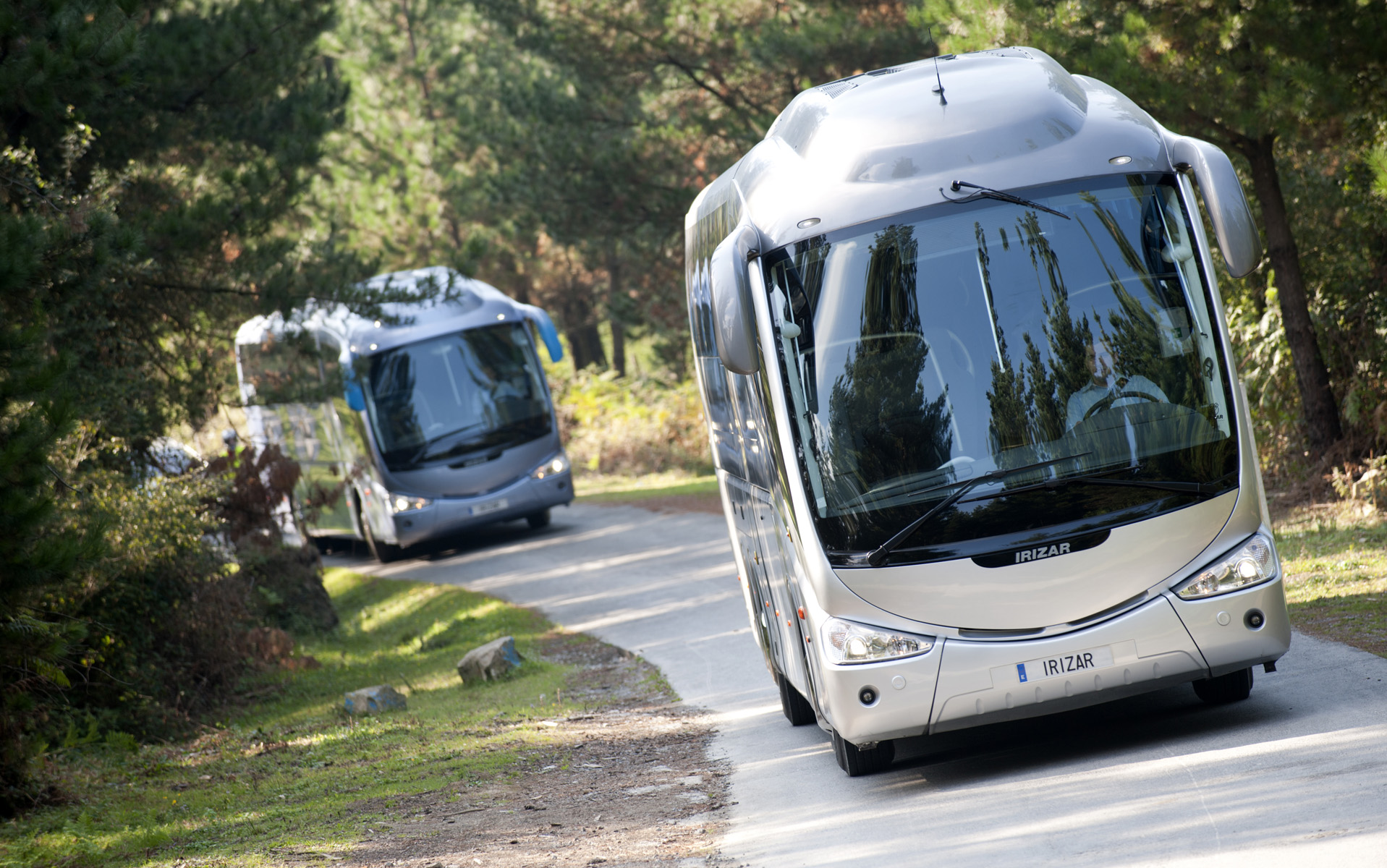
At the beginning of the 20th century, road transport underwent a major transformation: with the appearance of internal combustion engines, horse-drawn vehicles gradually began to be replaced. Irizar’s management quickly recognised that the company’s future lay in adapting to motorised transport. The first major step came at the end of the 1920s, when the company’s first bus was completed. The vehicle, which still had a wooden body and could carry 22 passengers, was a milestone in Irizar’s history, marking the company’s entry into bus manufacturing. In the years that followed, more and more bus bodies were built in Ormaiztegi, while the role of traditional horse-drawn carriages gradually faded into the background.

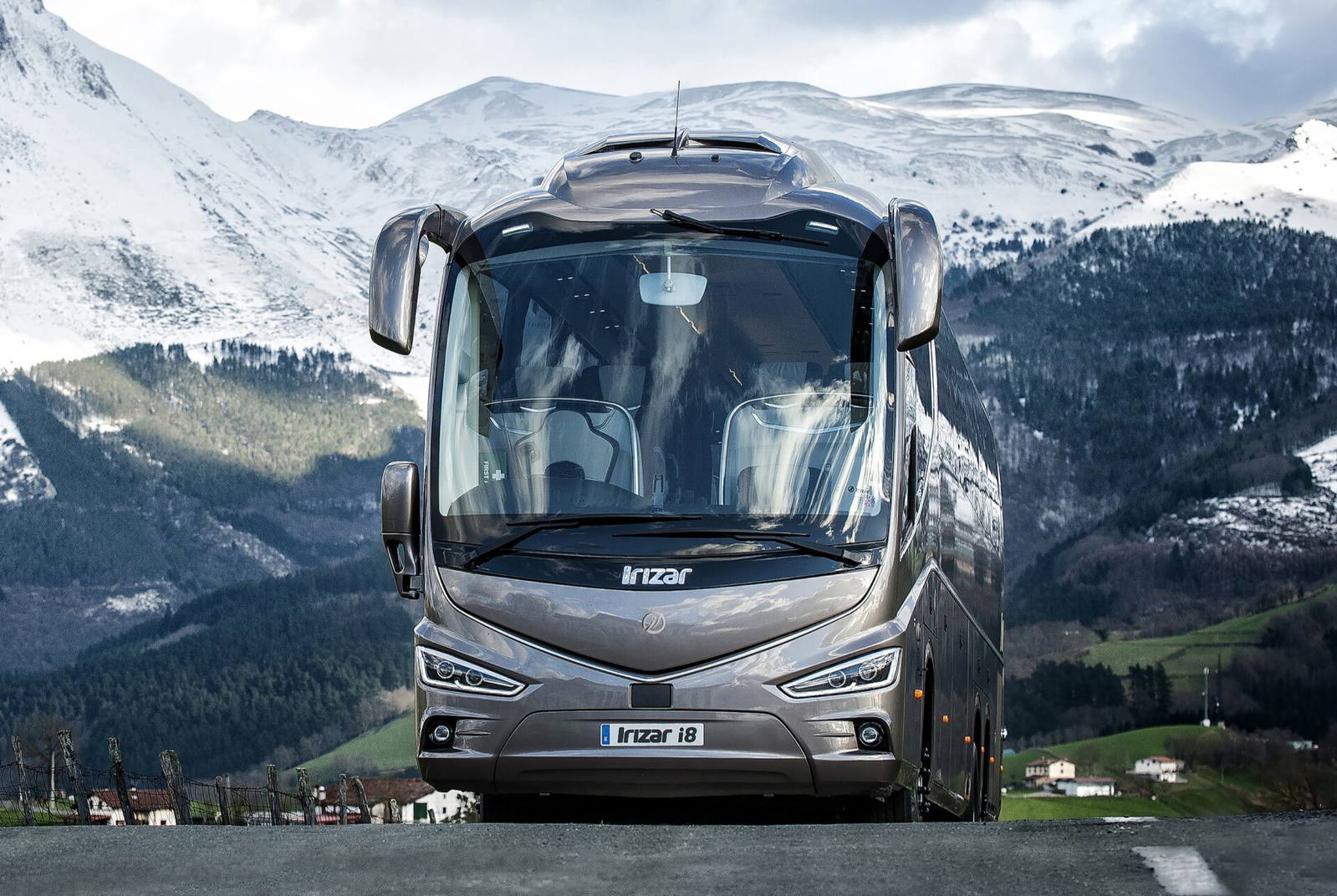
Ormaiztegi – Irizar’s historic home, where the company began in 1889 and where coaches and many conventionally powered models are still built today
This promising development was interrupted, however, by the Spanish Civil War, which broke out in 1936 and had a severe impact on the entire country’s industry. In the years following the war, Irizar also went through a difficult period: because of limited economic opportunities, repair work once again became more prominent, along with agricultural and other metalworking activities. Bus production did not cease entirely, but it was only in the second half of the 1950s that it began to develop significantly again. The company had to adapt to changed circumstances, but the expertise it had previously acquired and its experience in vehicle building enabled it to weather even the most difficult period and return to a path of growth after the war.
By the second half of the 1950s, Spain’s economy was gradually recovering, and demand for road passenger transport began to grow rapidly in parallel. Irizar once again placed increasing emphasis on the development and production of bus bodies, while introducing ever more modern technologies. Growth, however, also brought new challenges; intensifying market competition and the need to secure capital for production expansion called for a new operating model.
One of the most important milestones in the company’s history came in 1963, when Irizar, until then a family business, was transformed into a workers’ cooperative. The aim of the decision was to involve employees directly in shaping and managing the company’s future – in other words, to give them a stake in the company’s success not only as employees but also as owners. The essence of the cooperative model is that employees are also the owners of the company: through their capital contributions they take part in the operation of the business, and they participate democratically in decision-making on the most important issues. The company’s official name also refers to this form of operation. In the name Irizar S. Coop., “S. Coop.” is the abbreviation of the Spanish Sociedad Cooperativa, indicating that the company operates as a cooperative.
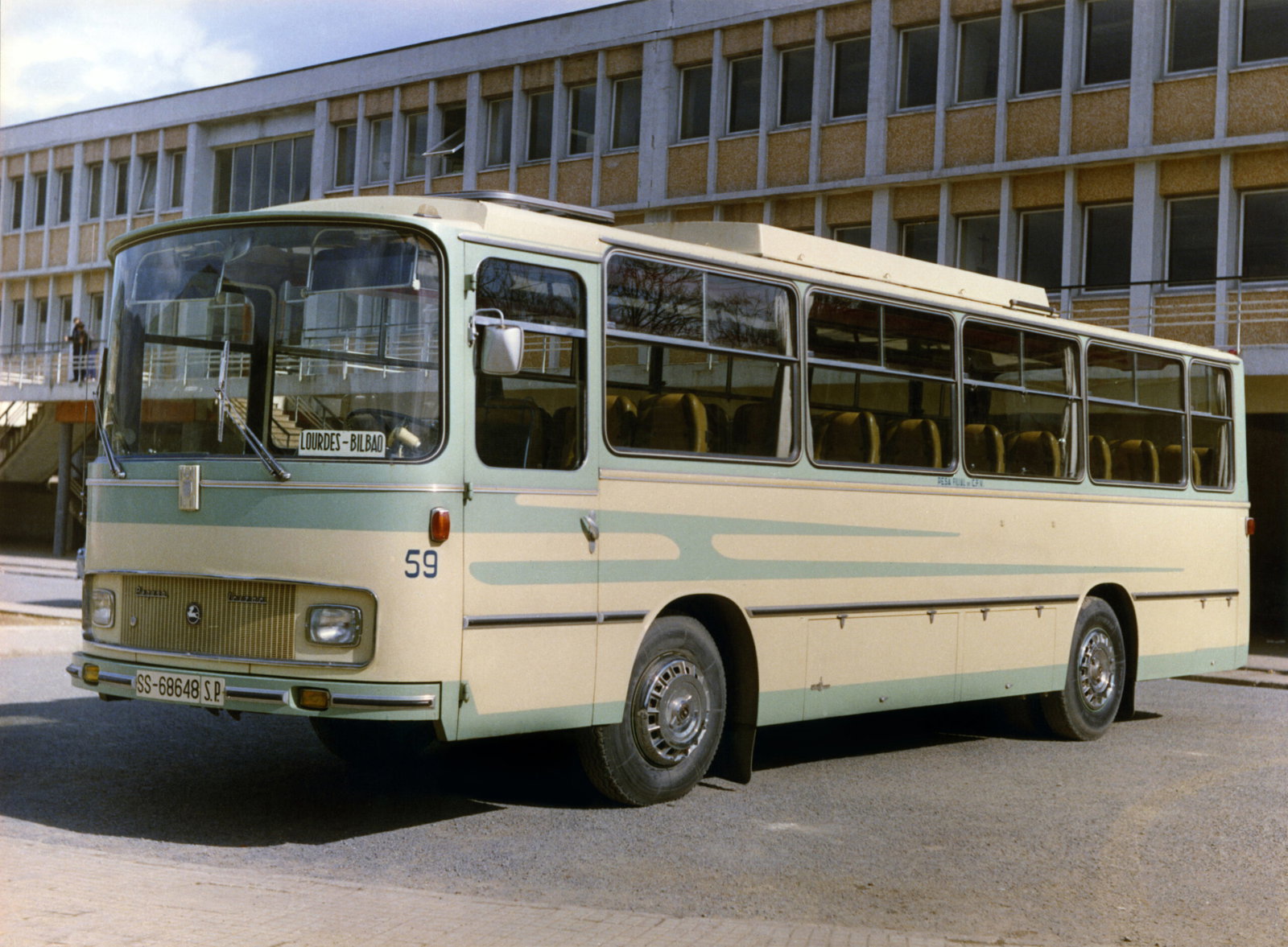
After becoming a cooperative, Irizar joined the Mondragón cooperative system in the Basque Country, which at the time was regarded as one of Europe’s most successful industrial partnerships. Membership provided not only financial and professional backing for the company, but also the opportunity to develop a corporate governance model built on long-term stability and sustainable growth. The capital needed for operations came partly from contributions by employee-owners, while later development was financed primarily from profits generated and reinvested by the company, rather than from external shareholders or multinational investors. This distinctive operating model contributed greatly to Irizar’s ability to preserve its independence in the decades that followed. Although the company left the Mondragón Group in 2008, it maintained its employee-owned cooperative structure unchanged.
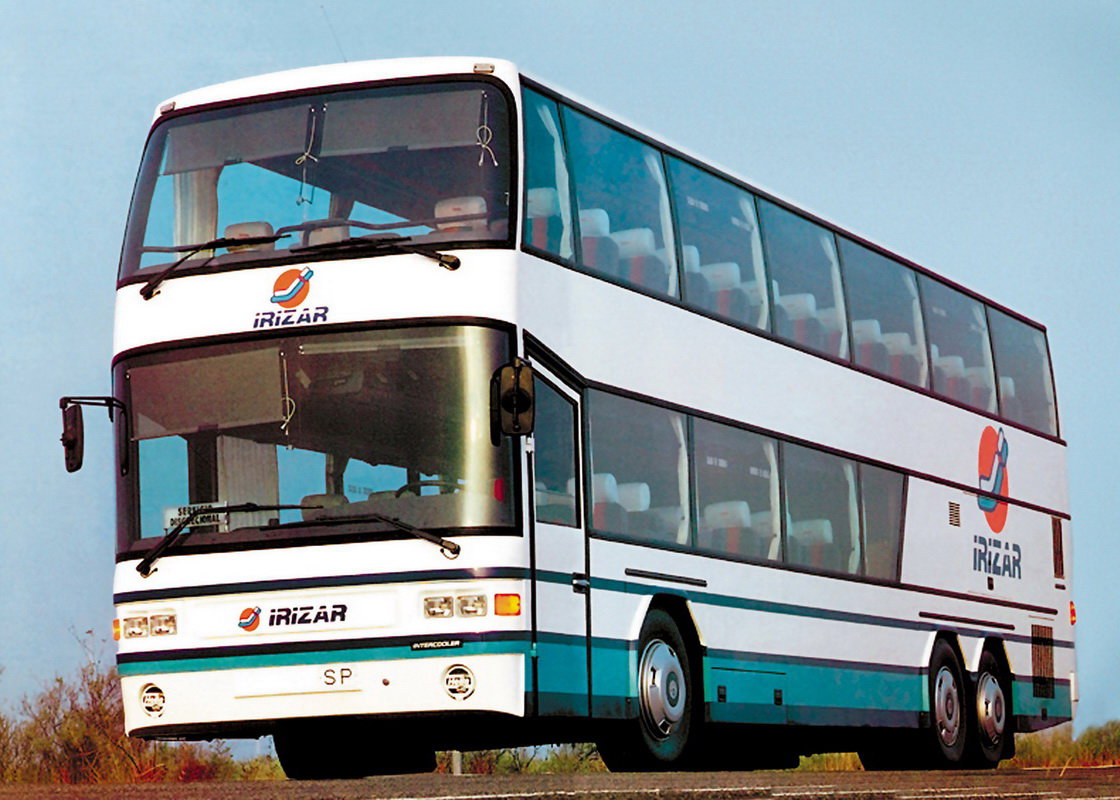
The cooperative model gave new momentum to development. In the years that followed, the model range expanded continuously, production technologies advanced, and Irizar gradually became one of Spain’s leading bus bodybuilders. In the 1960s and 1970s, the company was considered one of the technological frontrunners in its home market; it was the first to offer factory-fitted air conditioning on buses, while also building an increasingly strong reputation for quality and design. In the 1970s and 1980s, it placed the emphasis on continuous innovation, creating the technical and organisational foundations on which it would later build its international expansion. The company’s history has also been marked by a number of unusual projects. One of the most notable came in the second half of the 1980s, when Irizar was contracted to manufacture the body structures for the Lamborghini LM002 luxury off-road vehicle.

The next major turning point came in the 1990s. It was then that Irizar launched its international expansion, which meant not simply export activity but the establishment of a genuine manufacturing presence in key markets. Within a short time it set up subsidiaries in Mexico, Brazil and South Africa, through which the Basque manufacturer, previously known mainly in Europe, gradually became a global player. The company did not merely sell buses abroad; it also built them locally, adapting to the needs and regulations of each market. By the start of its international expansion, the annual production capacity of the Ormaiztegi plant had already reached 1,500 buses, providing a solid basis for further growth.
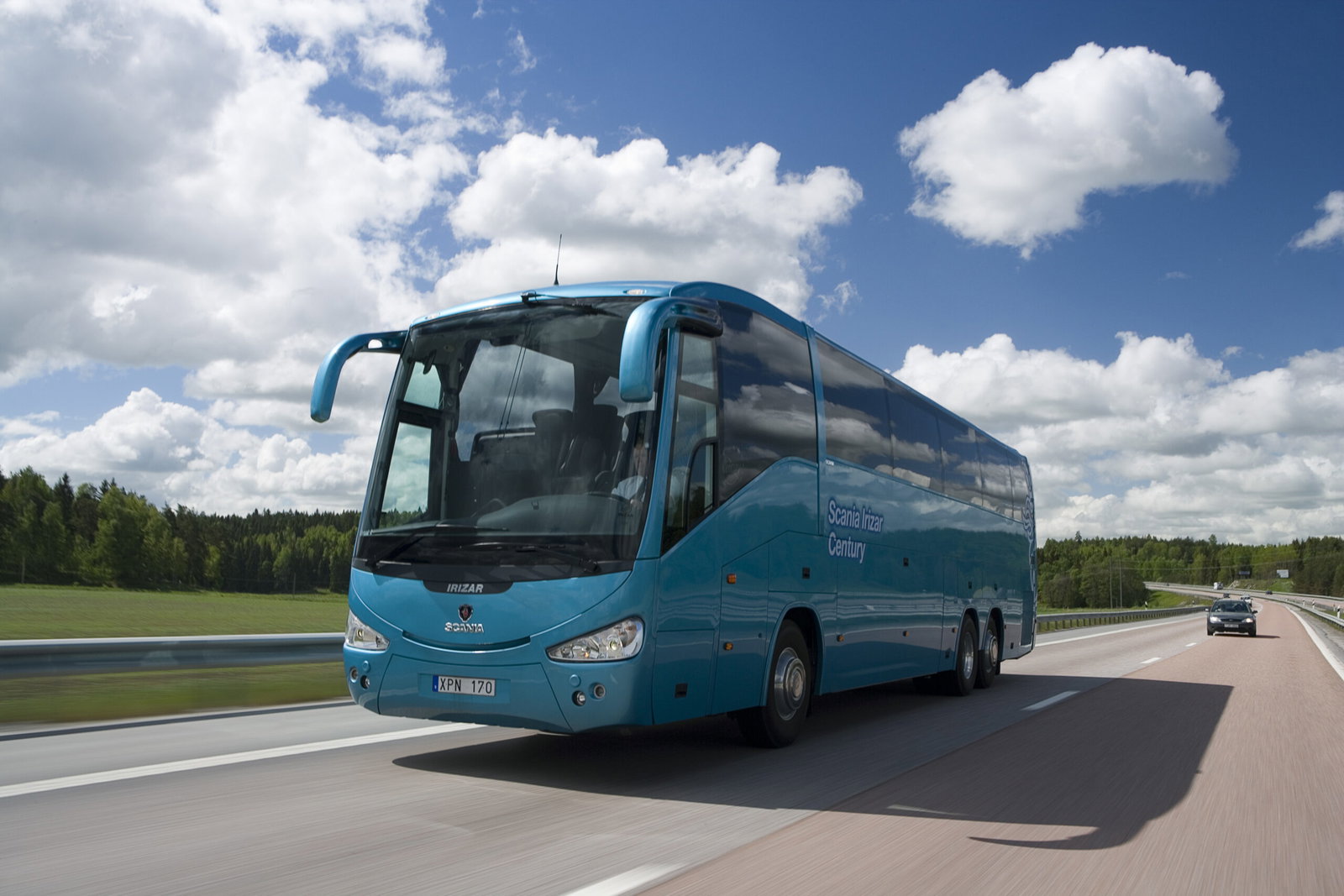
The Century model, one of the defining milestones in the company’s design history, contributed greatly to its international success. The model proved outstandingly successful not only commercially, but also played a major role in making the Irizar name synonymous worldwide with premium coaches. Building on the success of the Century, the PB was unveiled in 2001. With its bold styling and technical solutions, it took the brand to a new level, won numerous international awards and further strengthened Irizar’s position in the premium coach market. The PB later provided the basis for the design language and philosophy of today’s key i-series models, including the i4, i6, i8 and the current i6S Efficient.
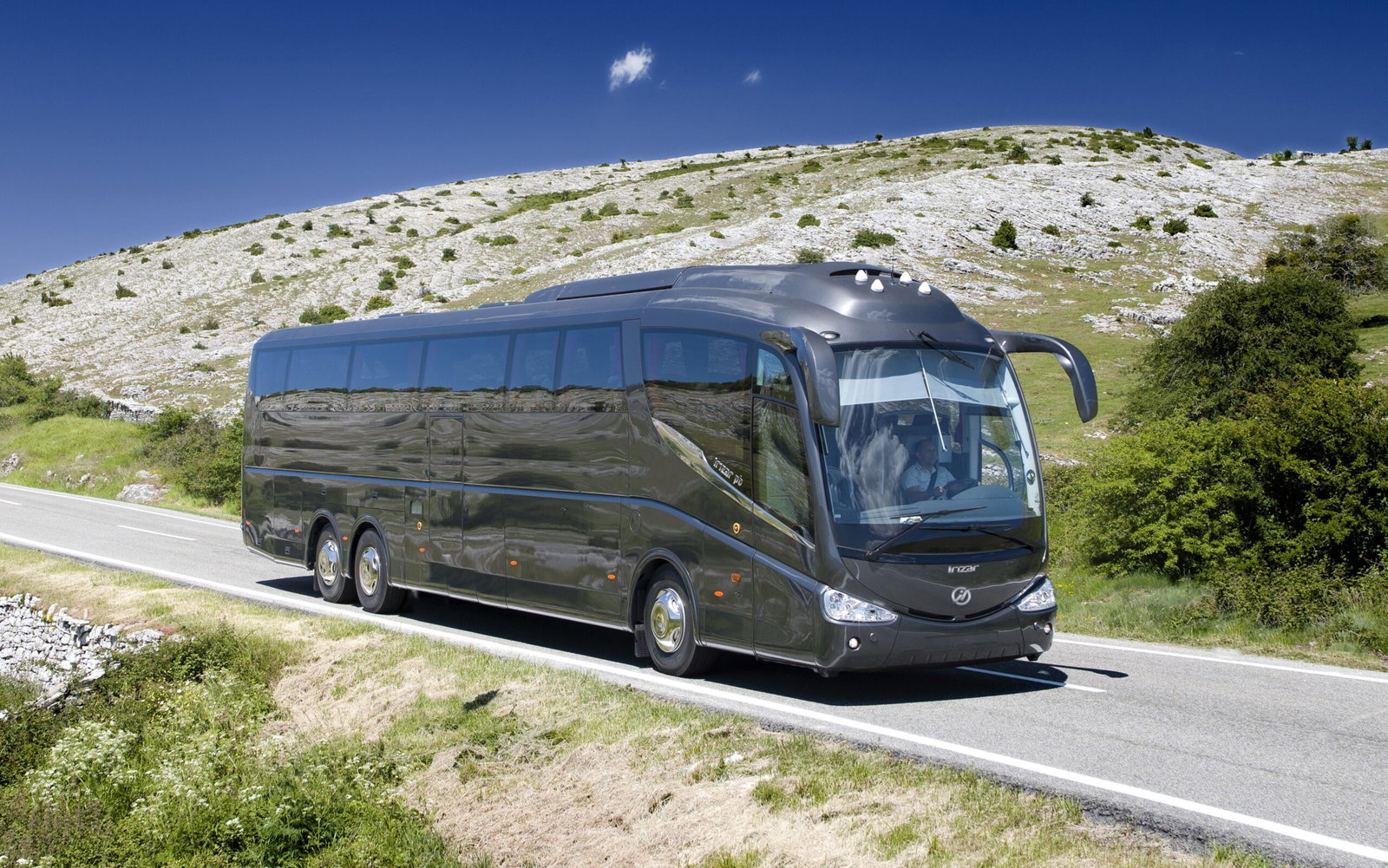
By the end of the 2000s, Irizar had become a successful bus manufacturer present in numerous countries around the world. At the same time, however, the global economic crisis of 2008 shook the vehicle industry to its foundations, and while many bus manufacturers were fighting for survival, Irizar’s management chose a completely different path. It recognised that bodybuilding alone would no longer be sufficient for long-term growth, and in 2009 launched a comprehensive strategic transformation. Having previously focused mainly on producing bus and coach bodies on chassis from other manufacturers, the company began building self-supporting, integral buses of its own design, making Irizar a fully fledged bus manufacturer. This shift not only helped the company successfully weather the crisis, but also laid the foundations for today’s Irizar Group.
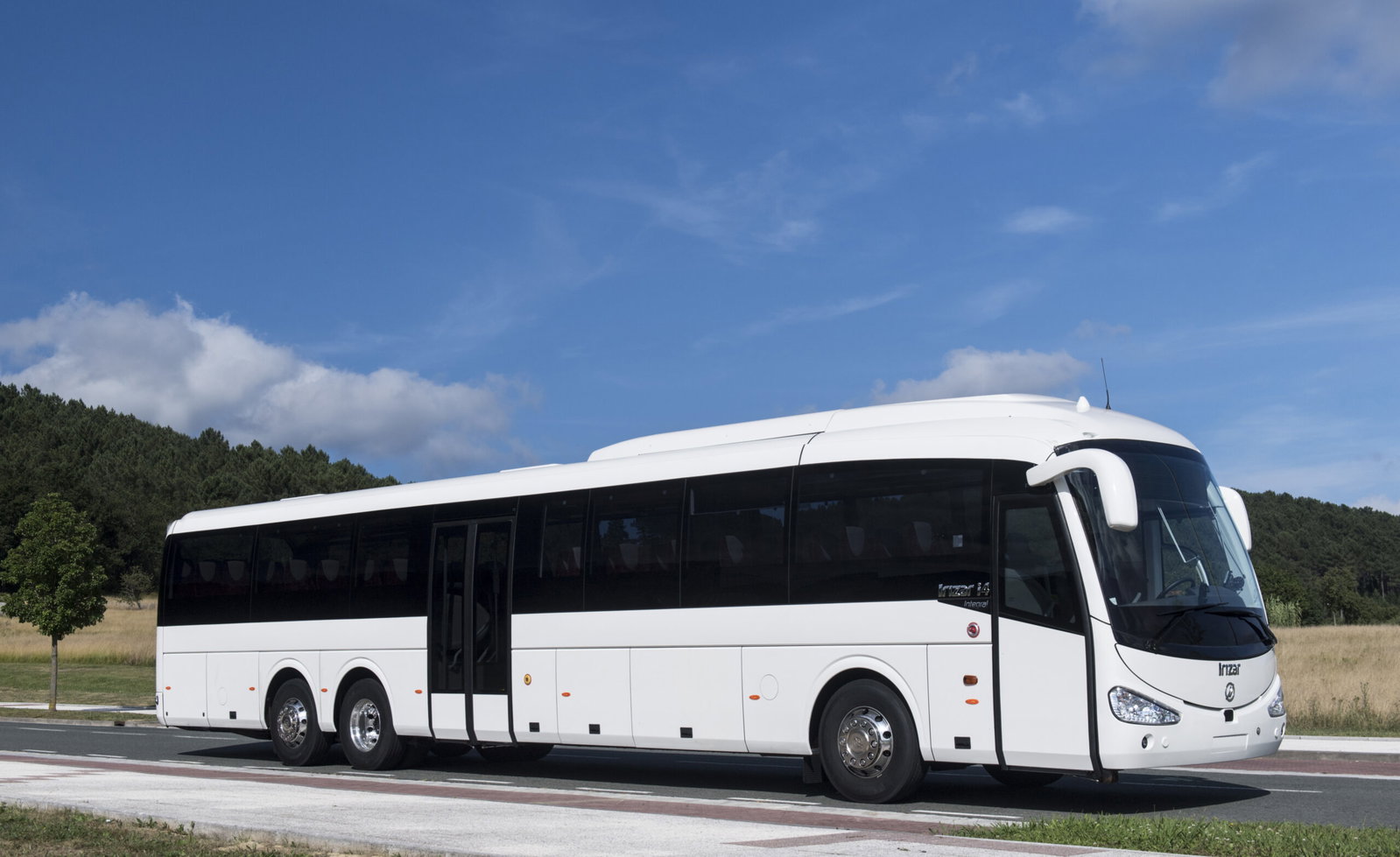
The strategic shift, however, meant even more than that. Irizar recognised that future competitiveness would require not only the manufacture of buses, but also in-house control over the development of key technologies. To this end, it established its own research and development centre, Creatio, and between 2009 and 2013 the group was joined by Jema, specialising in power electronics; Datik, developing intelligent vehicle management systems; and Alconza, a specialist in electric drives. In parallel, the company also turned towards electromobility: Irizar e-mobility was created, developing and manufacturing not only electric buses but also the related charging infrastructure, energy management systems and other intelligent mobility solutions. Irizar was thus among the first in Europe to recognise that the future of public transport would be defined not by vehicles in isolation, but by the complete mobility ecosystem. In the years that followed, the group expanded further with Hispacold, a manufacturer of HVAC systems, and Masats, a major player in the market for bus doors and accessibility ramps.
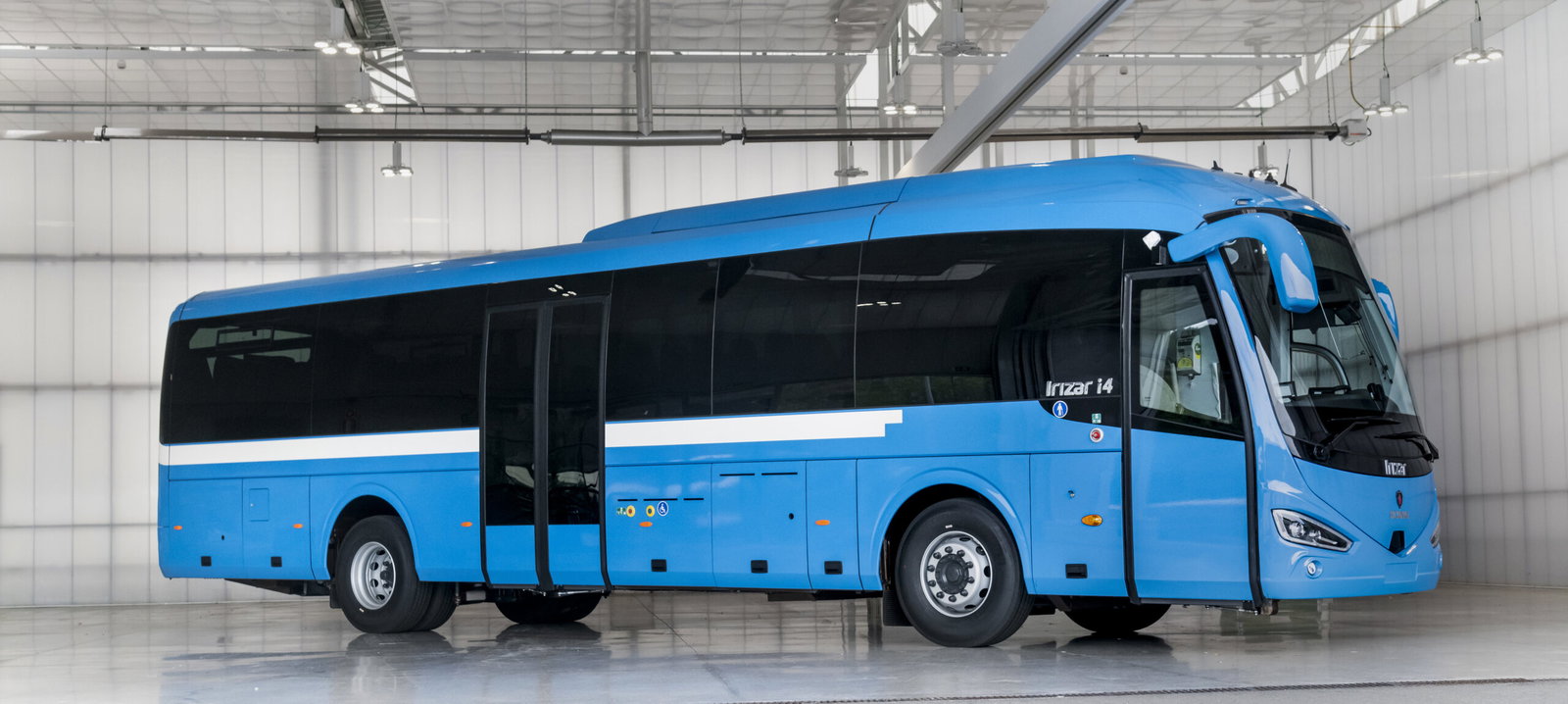
As a result of this transformation, Irizar has developed into an industrial group made up of seven companies. The group now not only manufactures buses and coaches, but also develops and produces many of the key technologies required for modern public transport in-house. Moreover, the companies do not supply components and systems solely for Irizar vehicles, but also provide their products to numerous other bus, commercial vehicle, rail and industrial vehicle manufacturers worldwide.
Today, Irizar is an industrial group with 13 manufacturing facilities, 22 companies, and its own research and development centre, with a commercial presence in more than 90 countries across five continents. Employing nearly 4,000 people, the company generated revenue of more than €1.07 billion in 2024, with the majority of its turnover still coming from the production of buses, coaches and their major components. Irizar currently delivers around 3,000–4,000 buses and coaches worldwide each year.
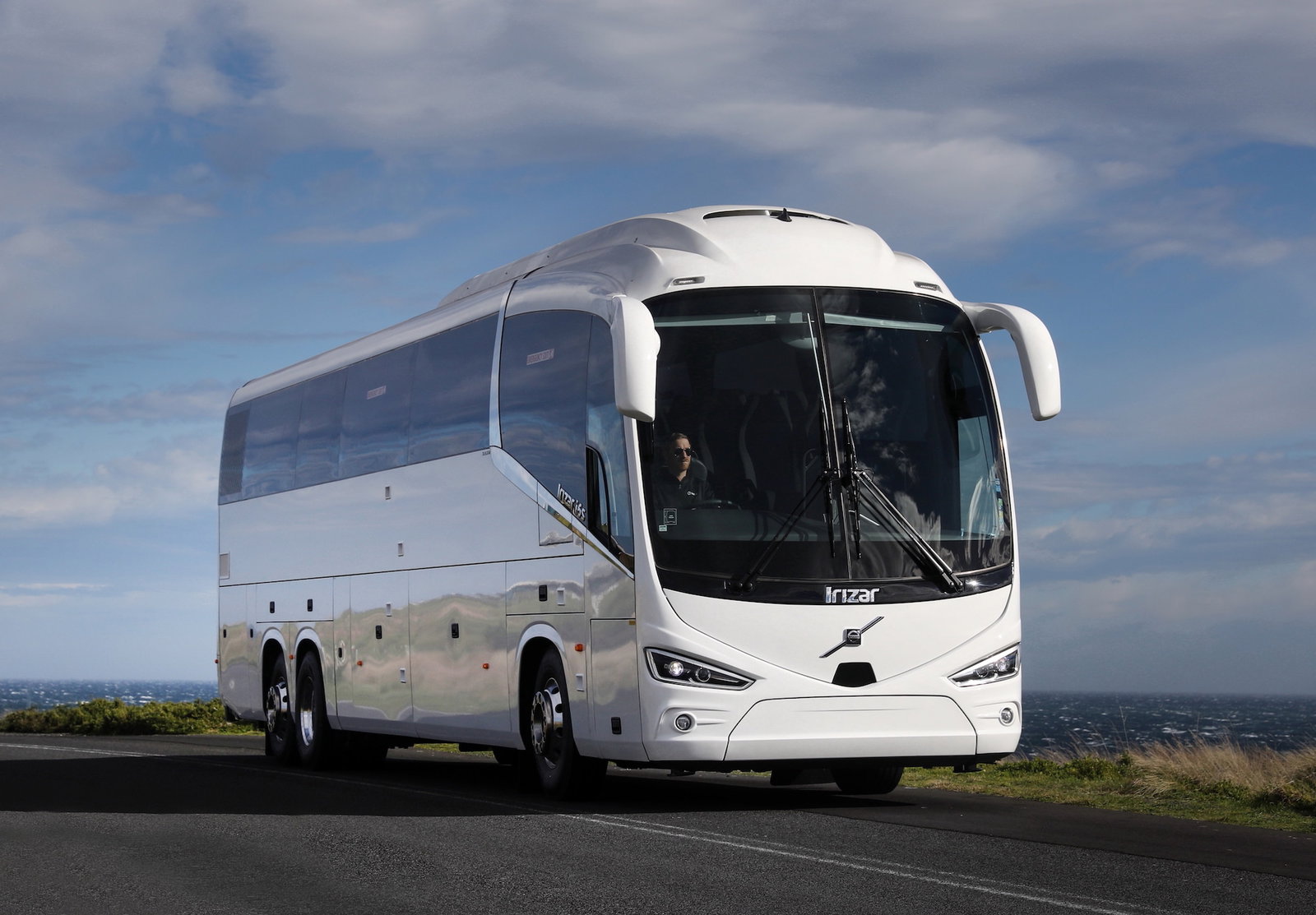
Despite production volumes that are significant even by Hungarian and European standards, Irizar Group CEO Imanol Rego describes the company as a “boutique” manufacturer. In practice, this means that rather than pursuing production volume at all costs, the company focuses on developing high value-added, innovative and premium-quality products. This philosophy is also reflected in Irizar’s long-term strategy: coaches will remain its core business, while growth in the city and intercity bus segments will continue in a measured and carefully controlled manner. According to the company’s management, the increasingly aggressive price competition in the city bus market – particularly the pressure placed on European manufacturers – is no longer in the long-term interests of the European bus manufacturing industry.
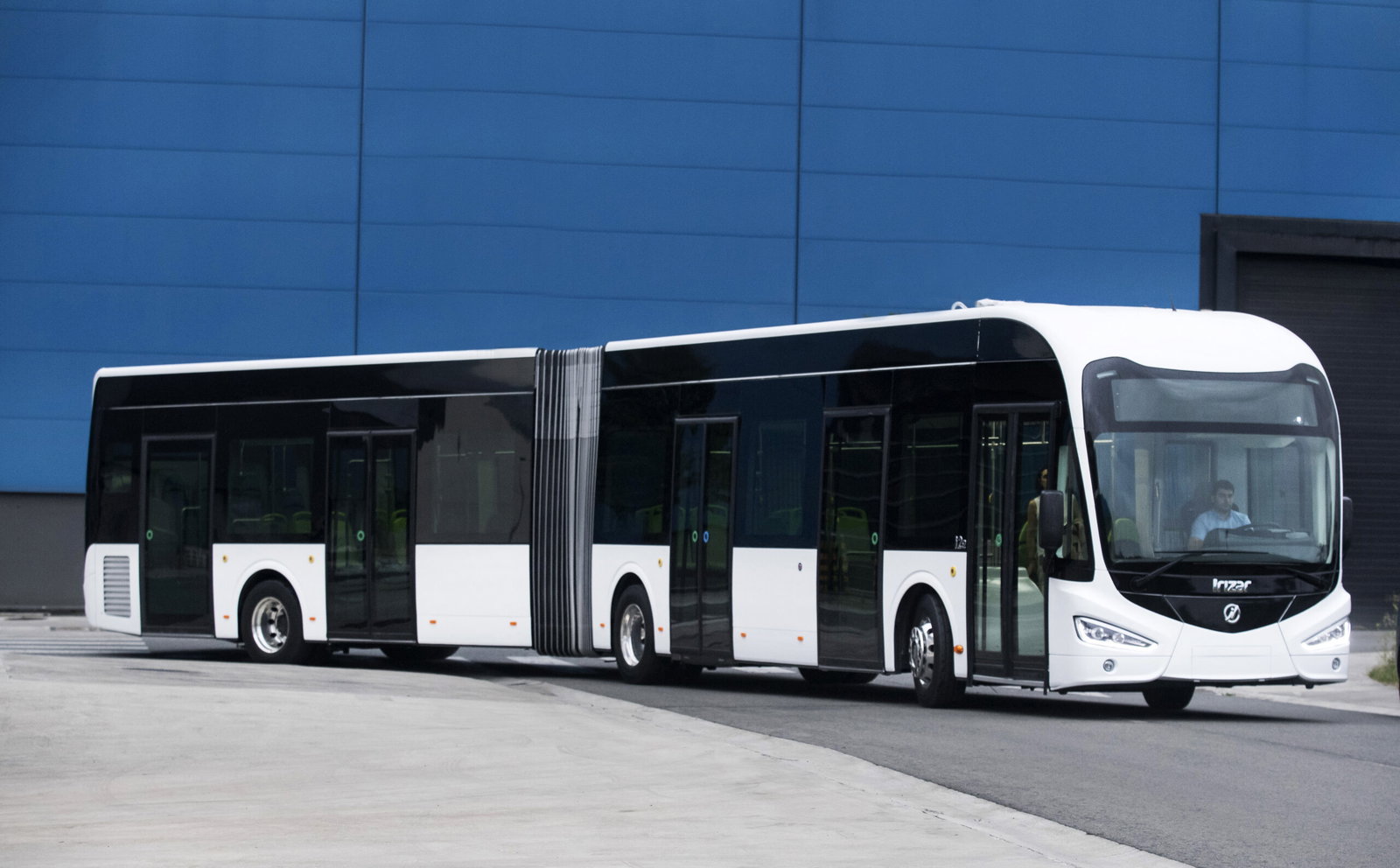
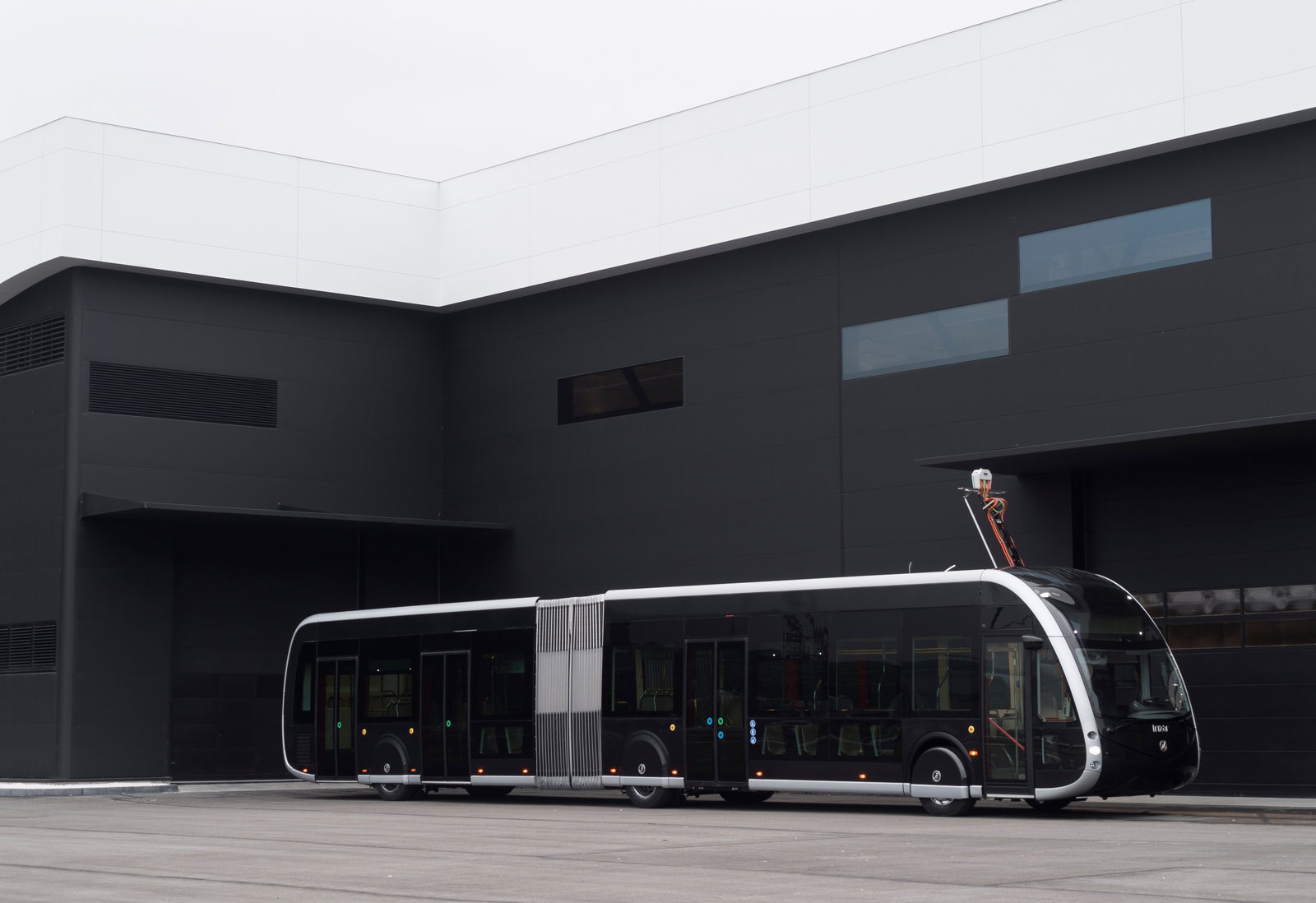
Its product portfolio covers almost the entire spectrum of public transport. Alongside diesel and gas-powered coaches, it offers intercity and long-distance buses, electric city buses and – through the i3 Electric – now an electric intercity bus as well. The company presented its first in-house-developed electric city bus in 2011, and in 2024 launched its first electric intercity bus; since then it has been continuously expanding the model range in this segment. In its development strategy, the company seeks to apply the drive technologies best suited to each area of use, which is why its range includes diesel, biodiesel, CNG, LNG, hybrid and battery-electric drivetrains. In addition, it is currently working on the development of a hydrogen-powered coach, further expanding its range based on alternative drivetrains.
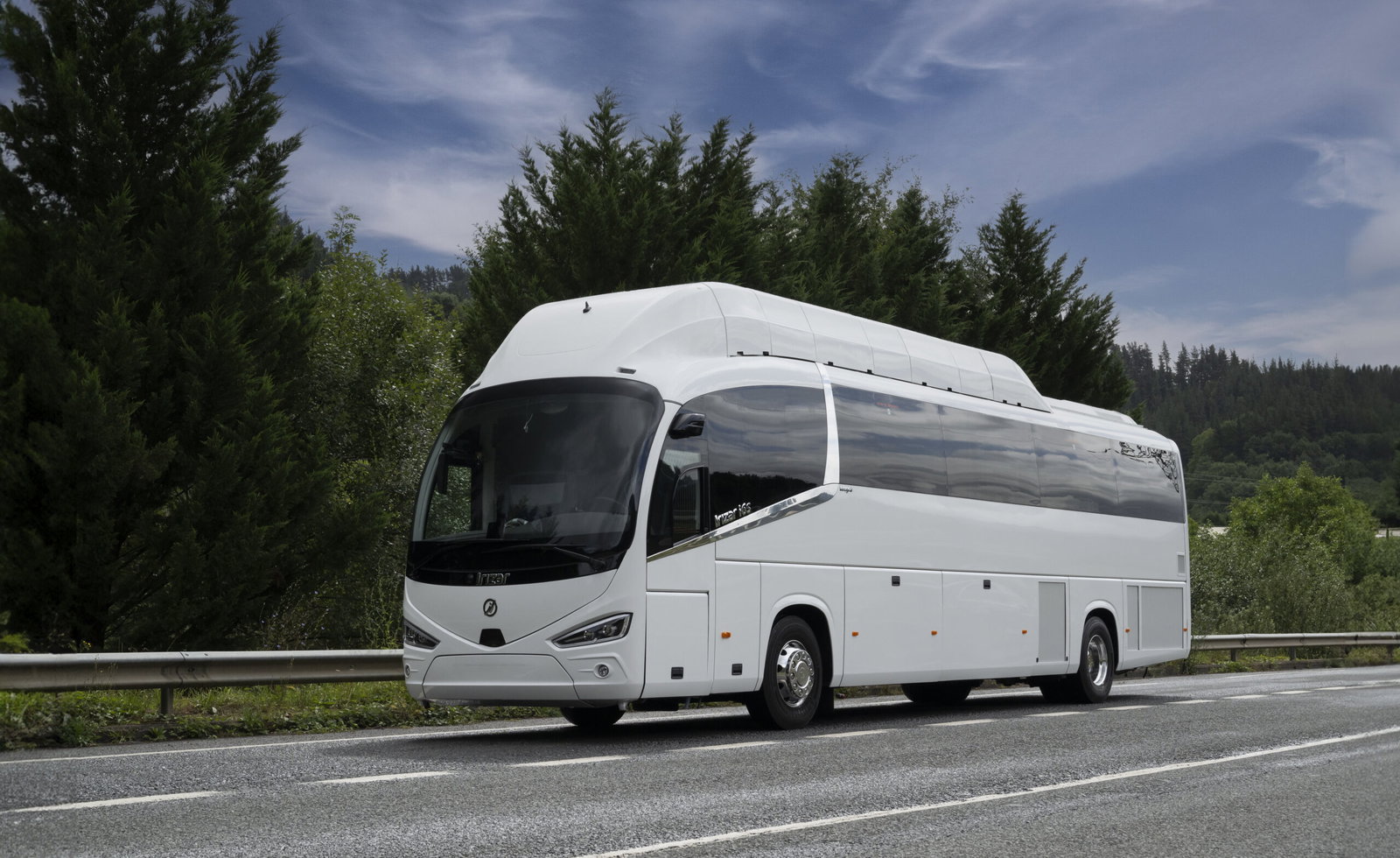
As the company expanded, Irizar’s manufacturing network grew alongside it. Today, the group operates two main bus manufacturing plants in Spain, complemented by production facilities in Mexico, Brazil, Morocco, South Africa and other countries, primarily serving the needs of their respective regional markets.
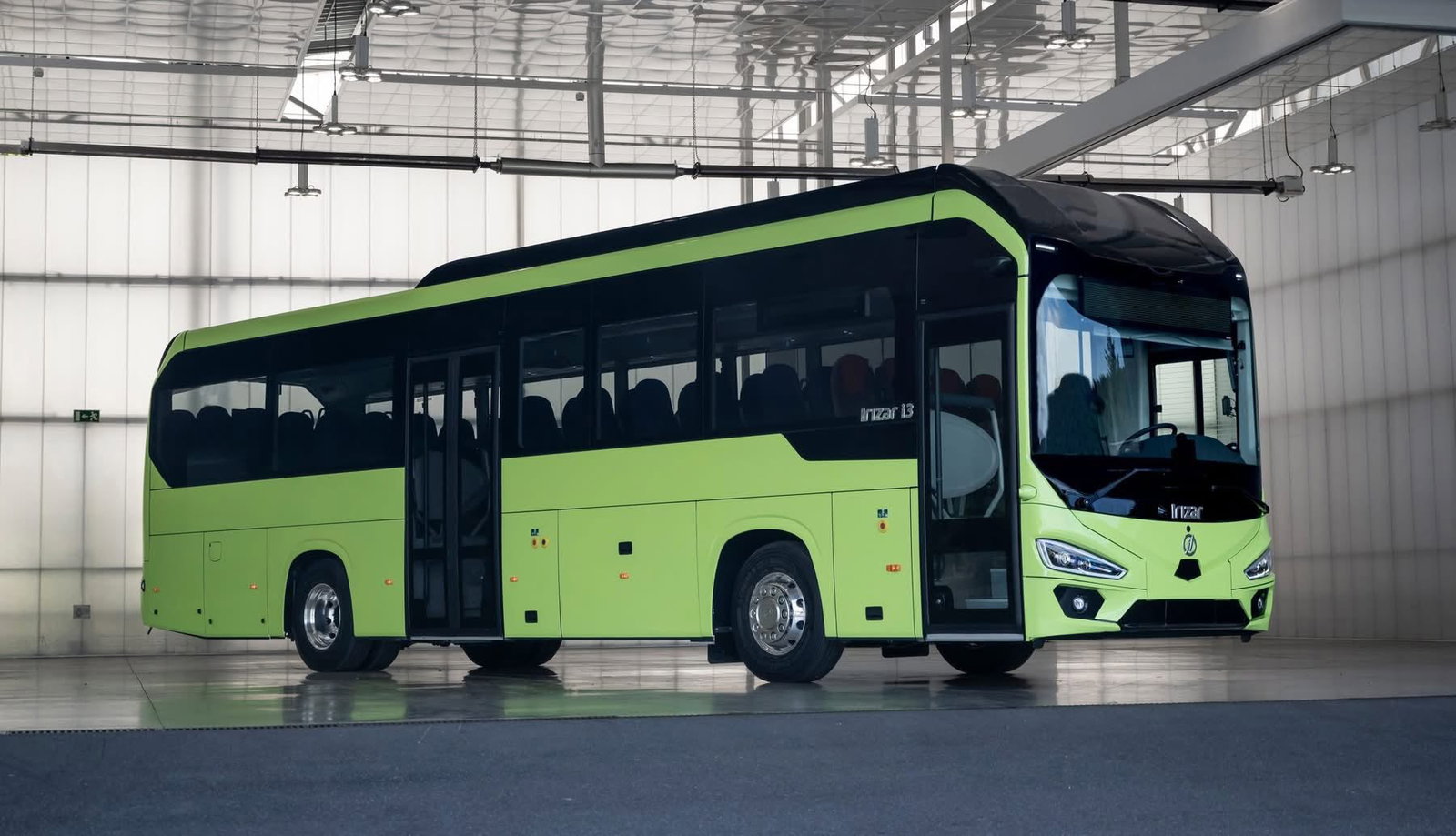
In Spain, however, production is deliberately divided between two facilities. The Ormaiztegi plant remains Irizar’s traditional manufacturing hub, where the company primarily builds its coaches and intercity models. From the low-entry i3 to the i4, i6, i6S Efficient and flagship i8, the entire European coach range is produced here, with the plant’s annual production capacity exceeding 1,000 buses and coaches. The i3 Electric, introduced in 2024, represents an exception, as it can be manufactured at both the Ormaiztegi and Aduna facilities.
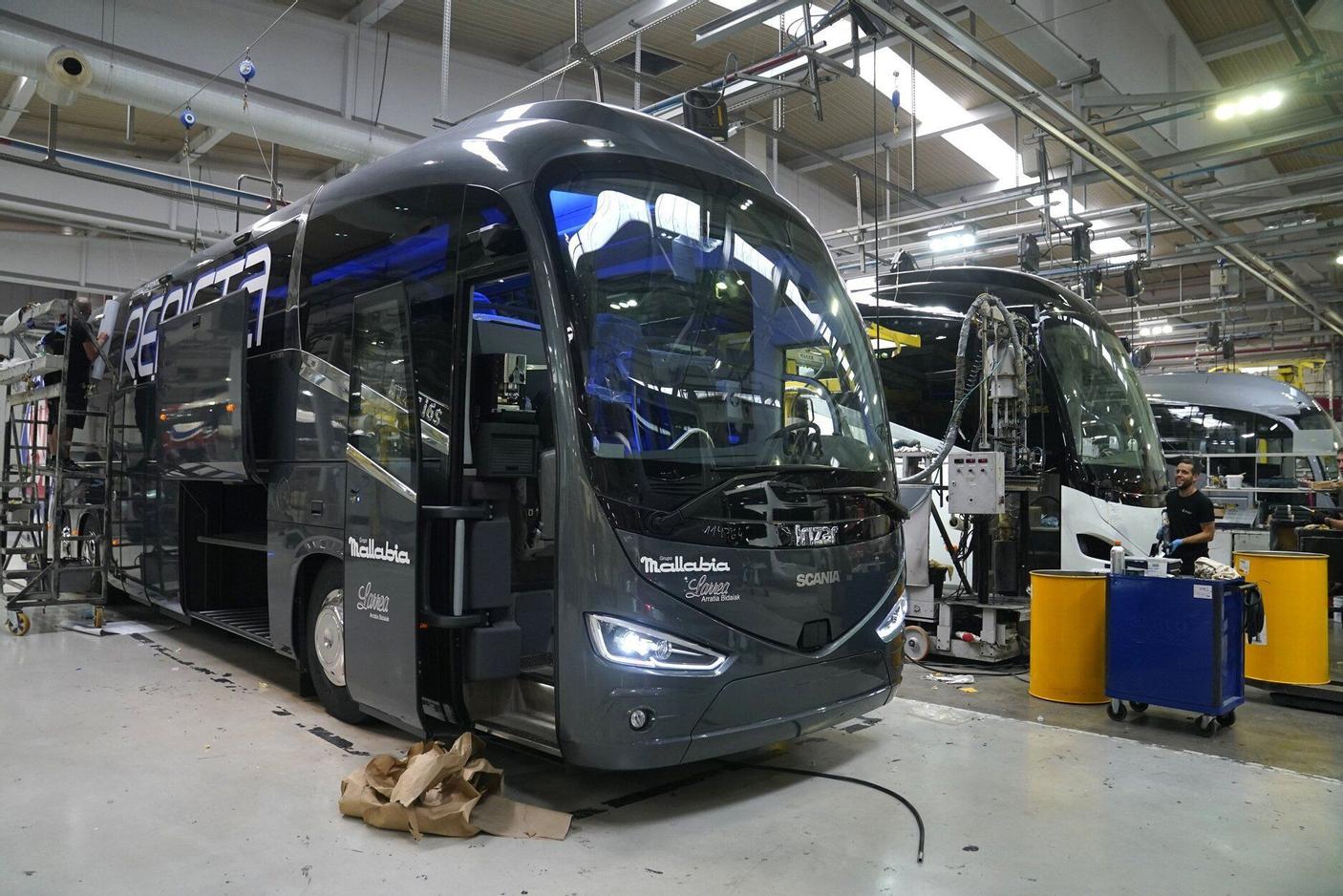
Photo: www.noticiasdegipuzkoa.eus
The Ormaiztegi plant operates six production lines: three dedicated to two-axle vehicles and three to tri-axle models. Conventional body-on-chassis vehicles and Irizar’s own Integral self-supporting models are built side by side on the same lines, in both left- and right-hand-drive configurations. Unlike many manufacturers, Irizar does not simply mount a completed body onto the chassis. Instead, for body-on-chassis models, the body structure is assembled directly onto the chassis throughout the production process. Since the coach market is largely driven by customer-specific requirements, almost every vehicle is built to an individual specification. As a result, the plant’s partially automated paint shop regularly produces highly complex and bespoke liveries.
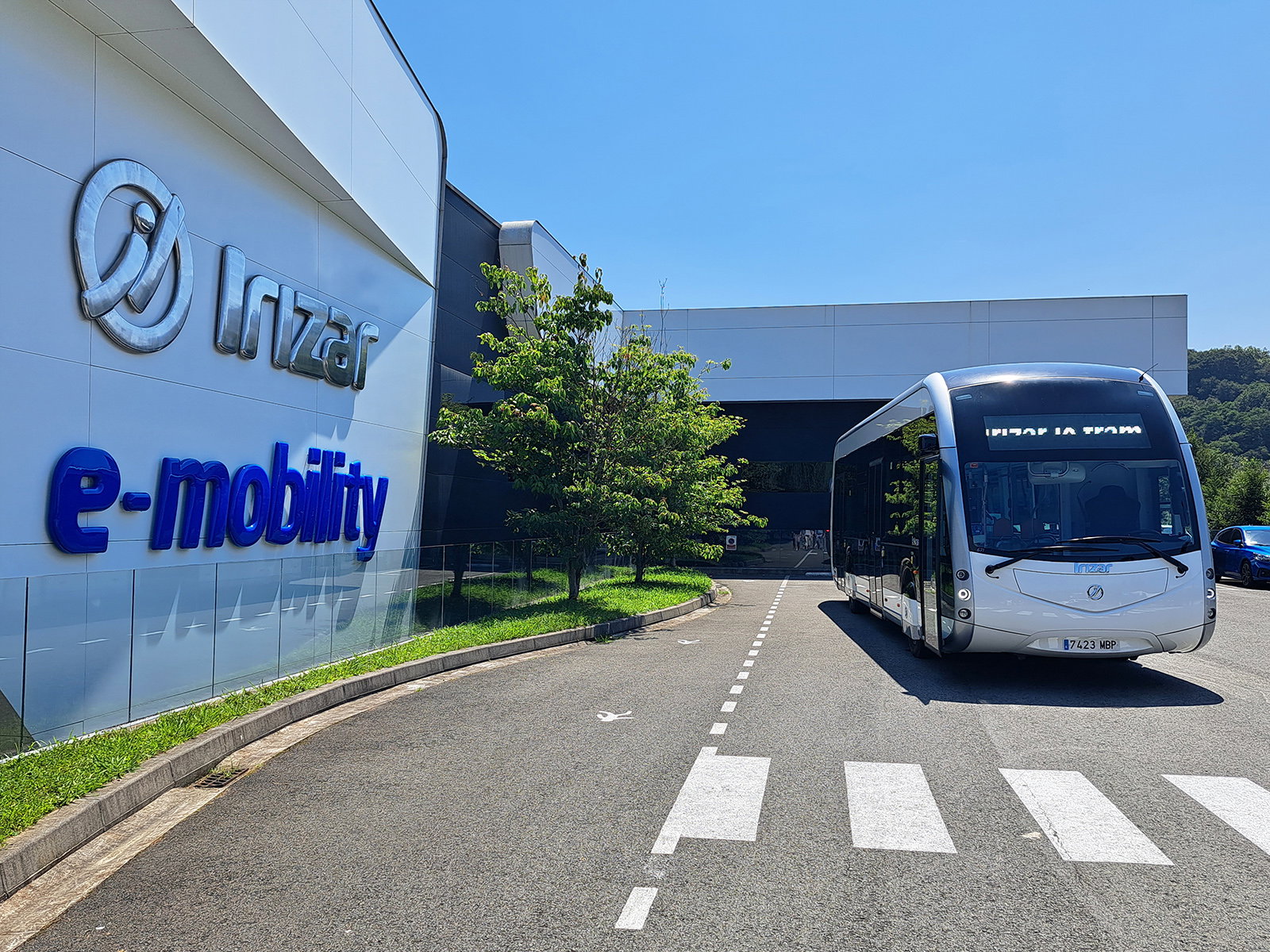
A completely different role is fulfilled by the nearby Irizar e-mobility facility in Aduna. Established as a startup-like company within the Group, it specialises exclusively in the development and production of fully electric city buses and the associated e-mobility solutions. Separating the production of electric city buses from that of coaches also makes technological sense, as the ie bus and ie tram models are built exclusively as integral self-supporting vehicles, unlike Irizar’s coach range, which is also available in conventional body-on-chassis form.
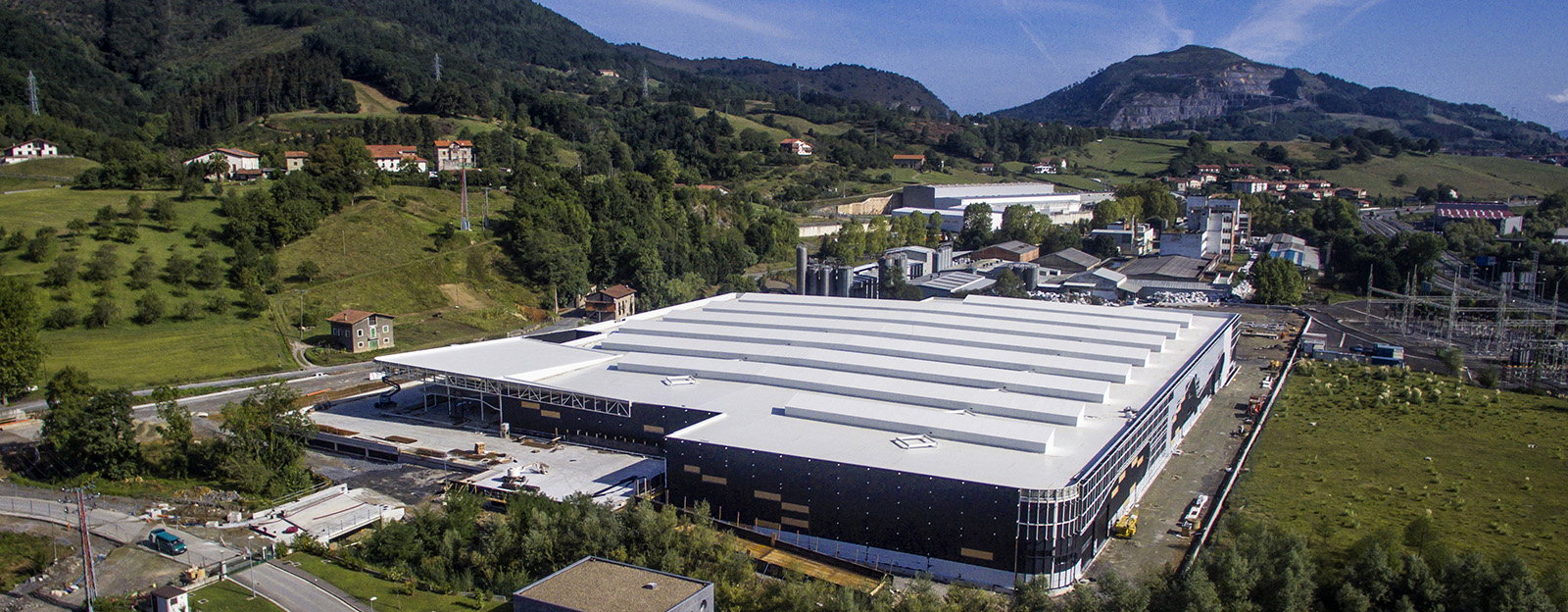
The Irizar e-mobility headquarters and plant in Aduna
The Aduna facility currently has the capacity to produce around 300 buses per year on a single-shift basis. However, the plant was designed from the outset to allow for a transition to two-shift operation and a significant increase in production capacity whenever required. Even so, Irizar’s management remains committed to a strategy of gradual and sustainable growth, and has no intention of accelerating capacity expansion at all costs.
All of this is brought together by the company philosophy built around the triad of “Brand, Technology and Sustainability”. According to the management, sustainable operation means not only the development of environmentally friendly technologies, but also responsibility towards employees; even during economic crises, the company has treated the preservation of jobs as a priority, clearly reflecting the long-term outlook of the employee-owned cooperative model.
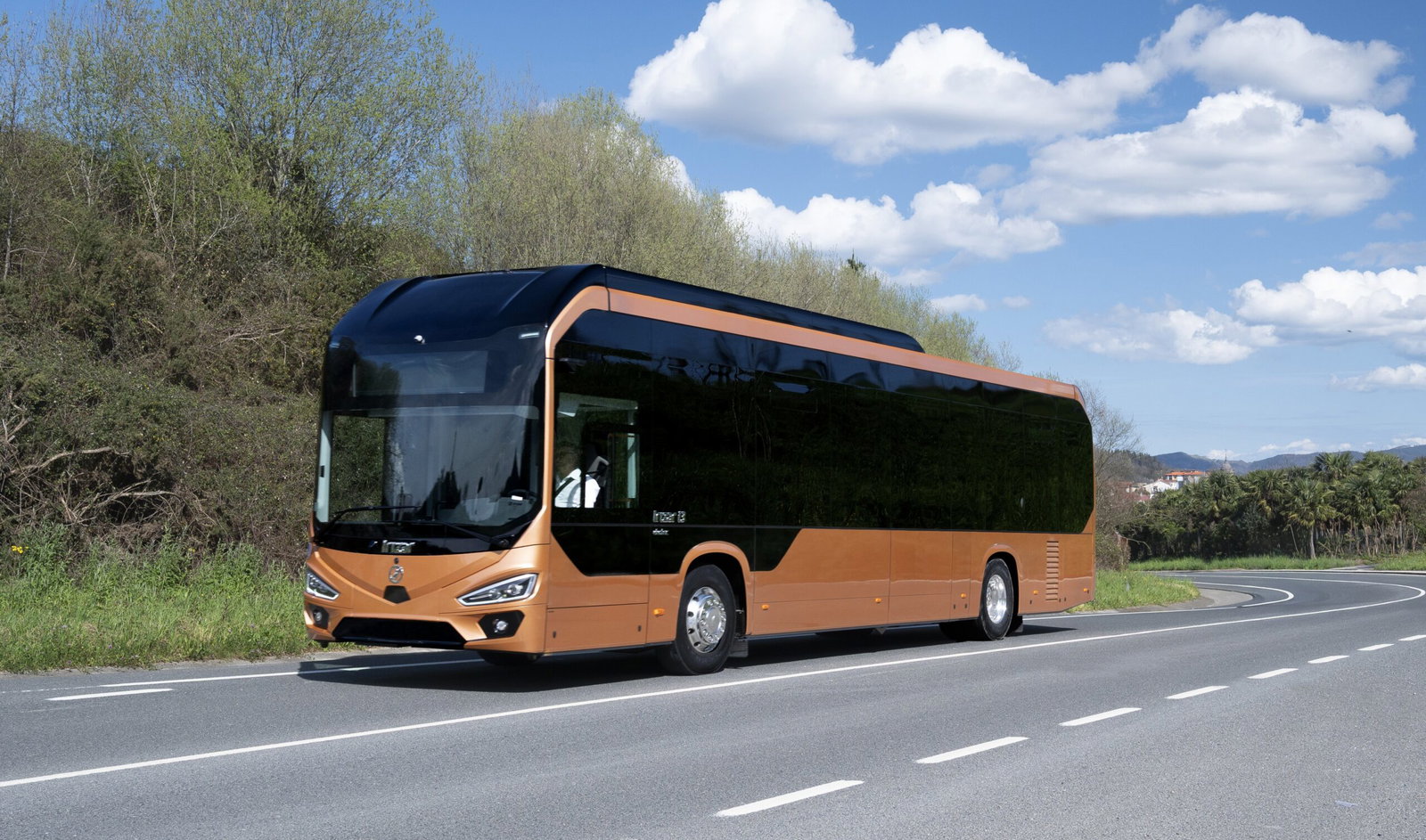
Today, few bus manufacturers can say that they have preserved their independence throughout a 137-year history. Irizar has not only survived the crises and transformations of the industry, but has grown from a small Basque blacksmith’s workshop, as an employee-owned cooperative, into one of the world’s leading mobility groups developing its own technologies. Perhaps it is precisely this long-term thinking, continuous innovation and the active ownership role of its employees that remains one of Irizar’s greatest competitive advantages today.
During our visit to the company, we experienced many signs of this mindset ourselves. Whether we were at the Ormaiztegi or the Aduna plant, almost every employee conveyed a sense of commitment and pride in their work. The surroundings of the two factories reflect the same spirit. The historic Ormaiztegi plant preserves the company’s traditions among the Basque mountains, while the Irizar e-mobility centre in Aduna feels more like a modern technology campus than a traditional bus factory.