![Magyarbusz [Info]](/mbi/header-logo.png)
Scania’s plug-in hybrid powertrain could be the answer to the current limitations of electric coaches
Electric propulsion has fundamentally reshaped the urban bus market in recent years, but electrifying intercity buses and, in particular, coaches is a considerably more complex task. While fully electric propulsion has now become a widely applicable technology for urban buses operating on fixed routes with predictable daily mileage, it still entails far more technical and operational compromises for vehicles covering long distances on variable routes.
The greatest difference lies in the operating profile. The energy requirements and daily mileage of an electric city bus can be planned relatively accurately, while charging can primarily rely on depot infrastructure and, where necessary, on-route fast charging. A coach, by contrast, may have to cover journeys of several hundred or even a thousand kilometres, often on routes that change from day to day. Europe currently lacks a high-power charging network with adequate geographical coverage whose deployment and accessibility generally meet the needs of large commercial vehicles. Moreover, a significant proportion of charging stations built for passenger cars cannot be used without difficulty by a 13–15-metre coach simply because of their physical layout.
Providing long range through batteries also involves compromises. Increasing the required energy-storage capacity raises the vehicle’s unladen weight, which may reduce the available payload and, depending on the installation arrangement, may also affect luggage-compartment capacity. In addition, the vehicle carries the large battery pack even in operating situations where its full capacity is not required. Charging requirements must also be coordinated with driving and rest periods, the passenger itinerary and other route constraints, potentially limiting the traditionally high degree of operational flexibility offered by coaches.
None of this means that fully electric coaches are not viable. They can already be used on well-planned routes with suitable charging support, and their range of applications is expected to expand further as the technology develops. At present, however, they are only suitable to a limited extent for fully replacing the exceptionally broad range of duties performed by diesel-powered coaches.
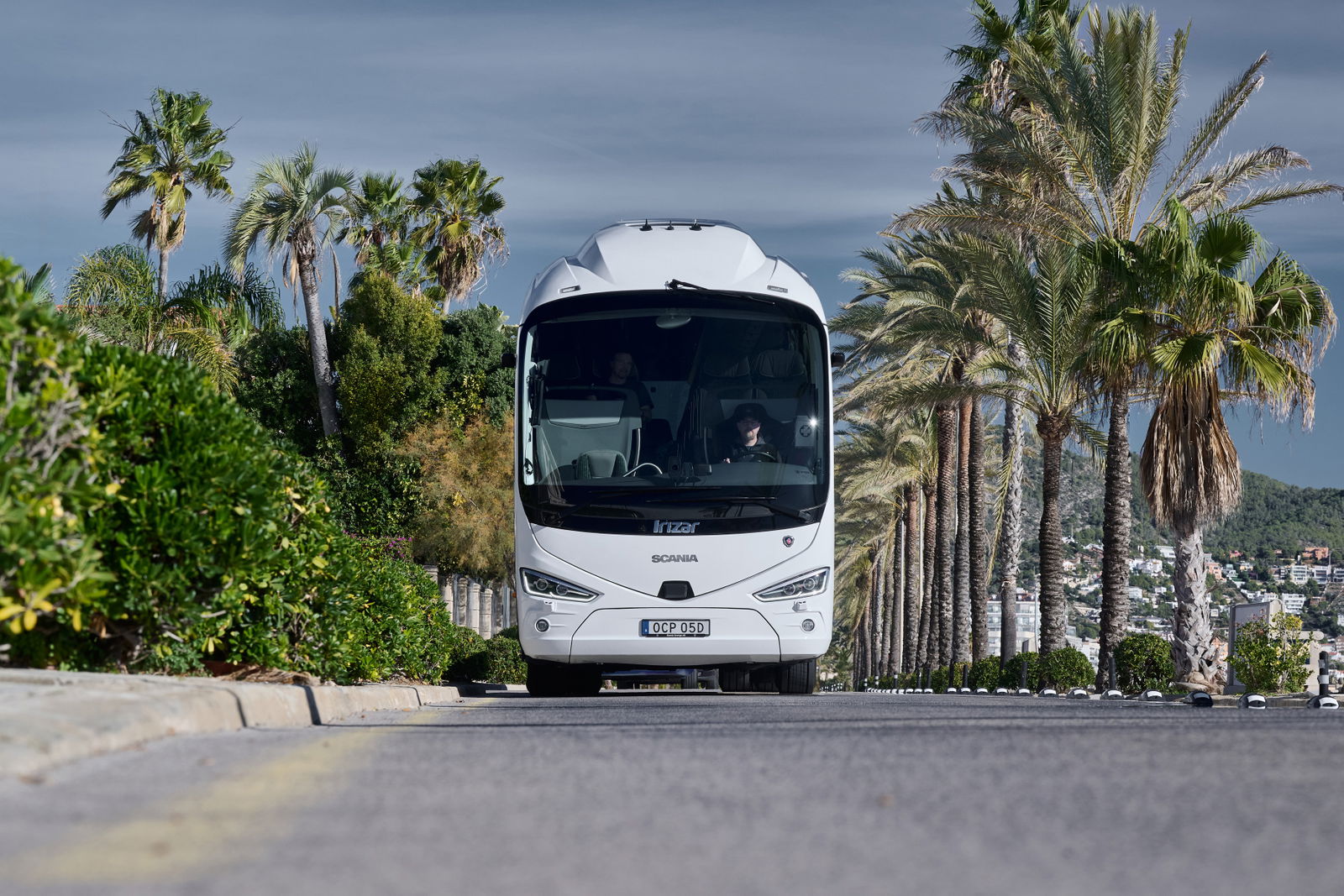
For this very reason, plug-in hybrid propulsion capable of charging from the grid could represent one of the most viable transitional solutions in this vehicle category over the coming years. With a smaller battery pack, urban sections requiring low- or zero-emission operation can be completed entirely electrically, while over longer distances the internal-combustion engine provides the range and operational flexibility expected of coaches. Moreover, the battery cannot be charged solely from an external charger: alongside recuperation of braking energy, its state of charge can also be increased or maintained with the aid of the internal-combustion engine if necessary, allowing the vehicle to retain electrical energy for a later urban section even where no suitable charging opportunity is available en route.
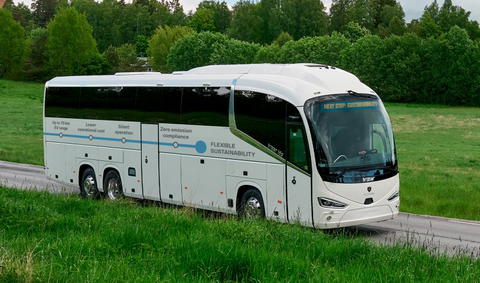
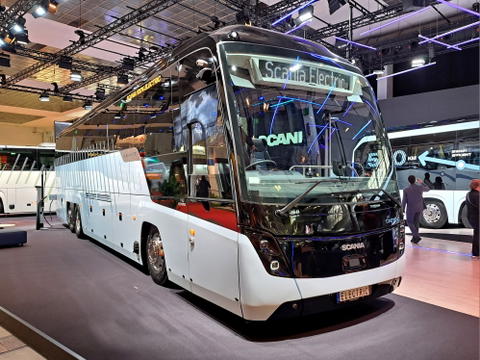
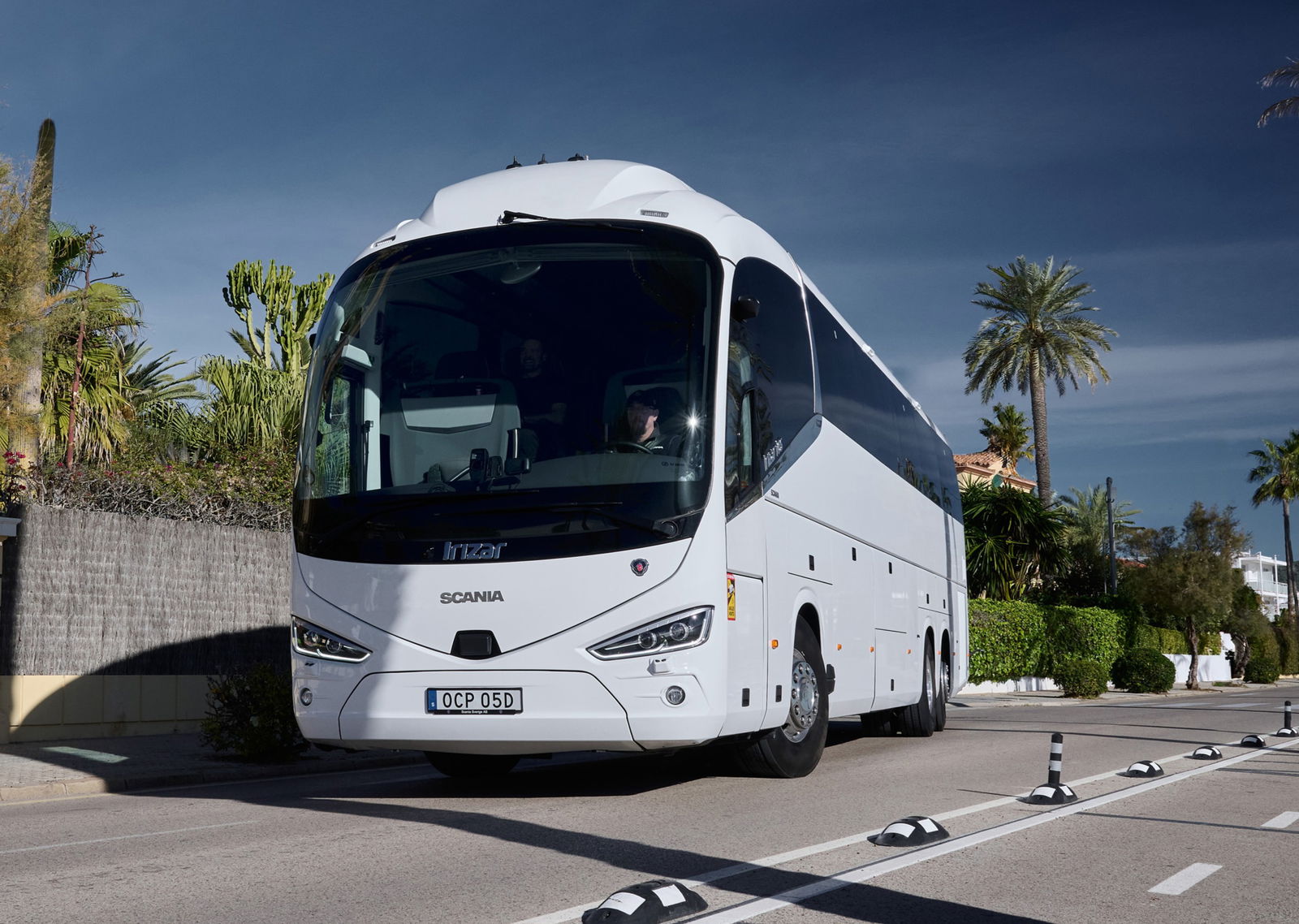
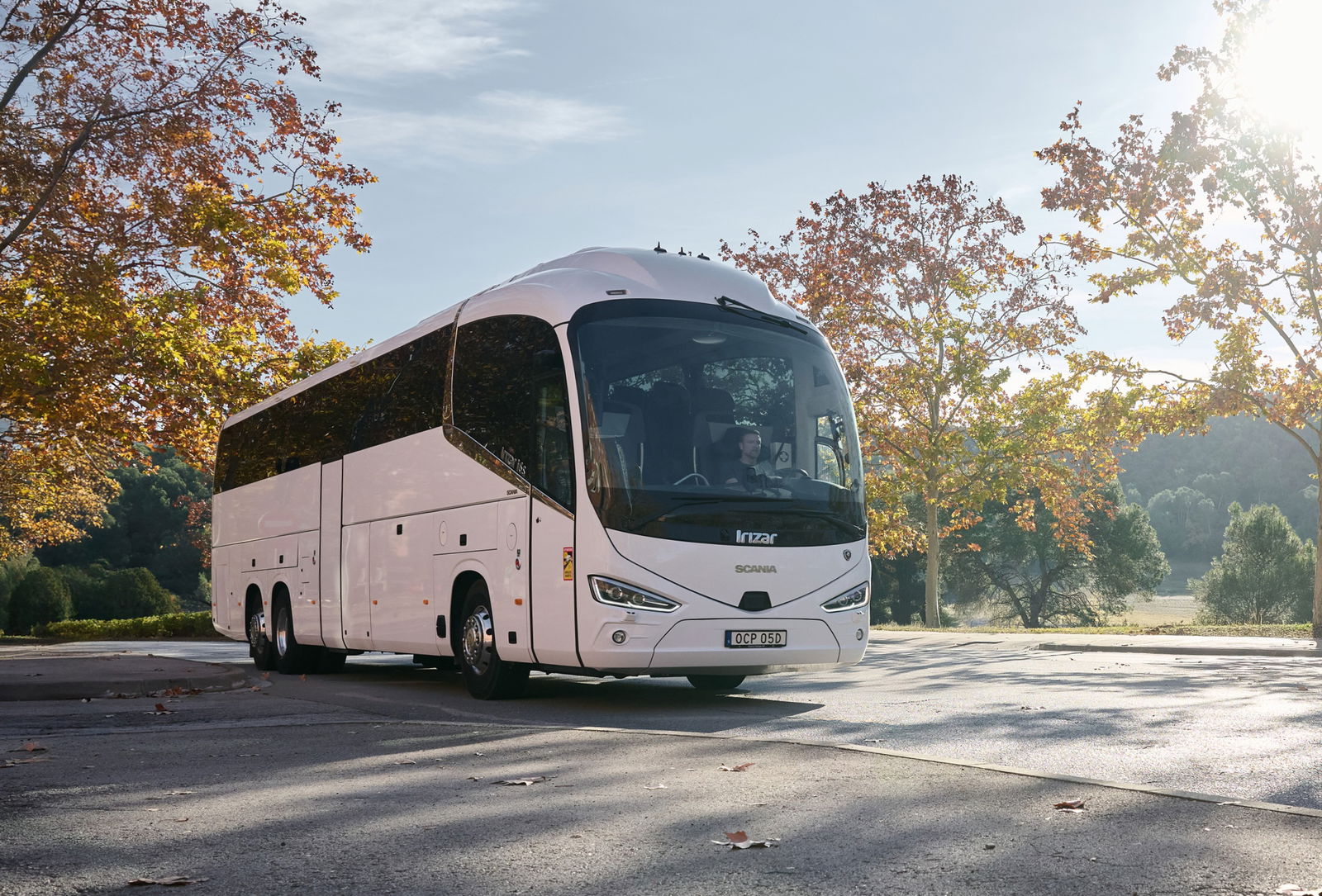
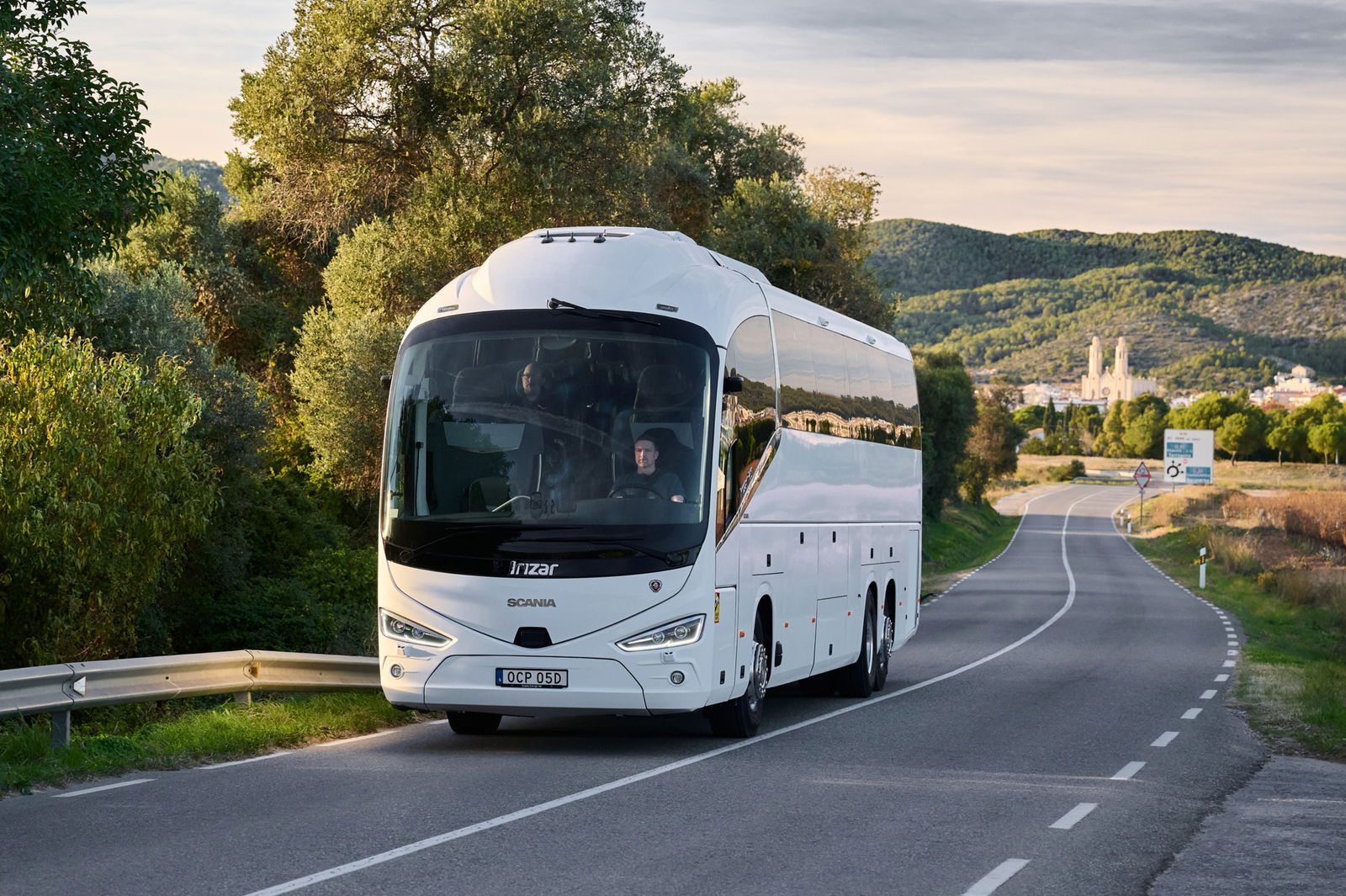
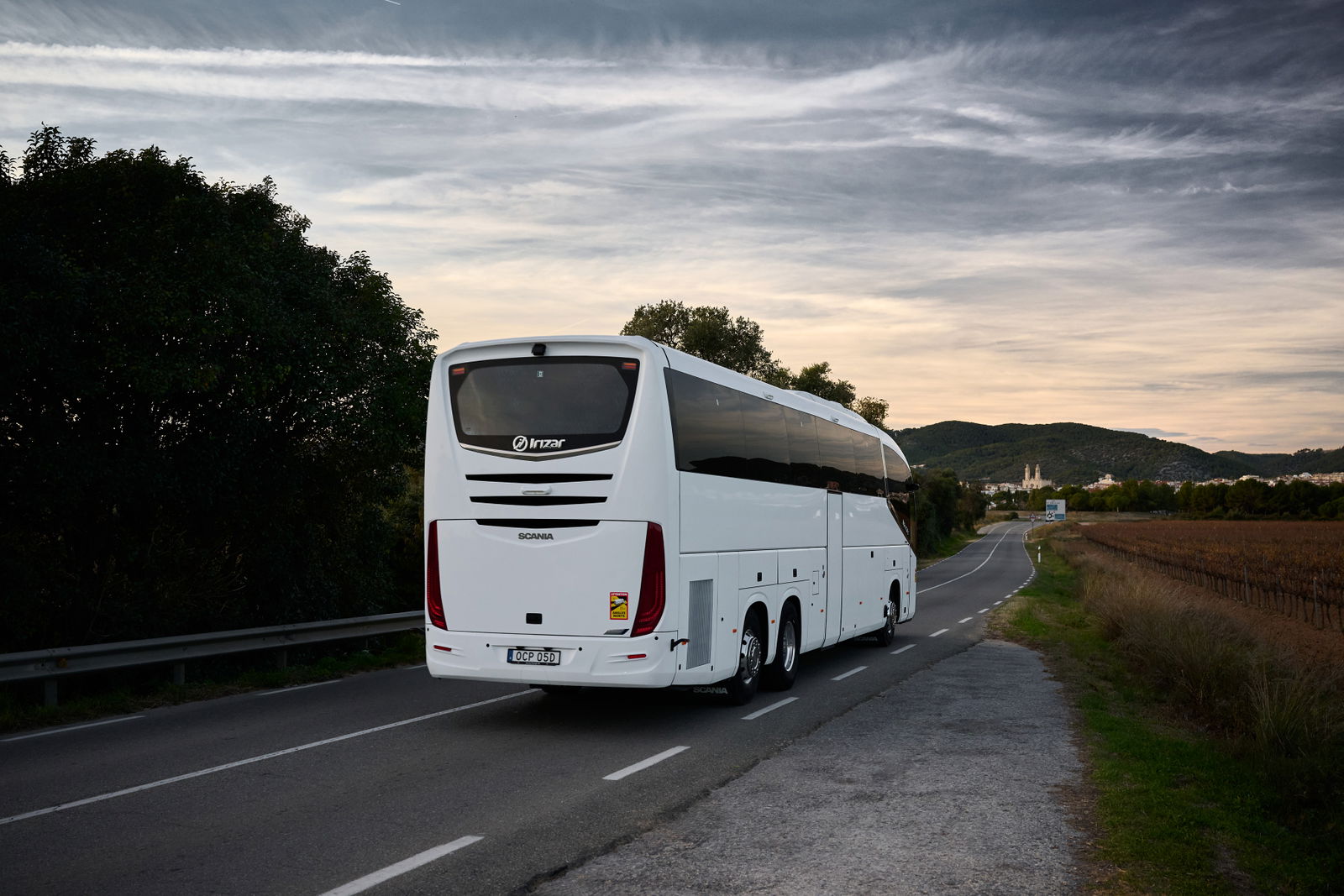
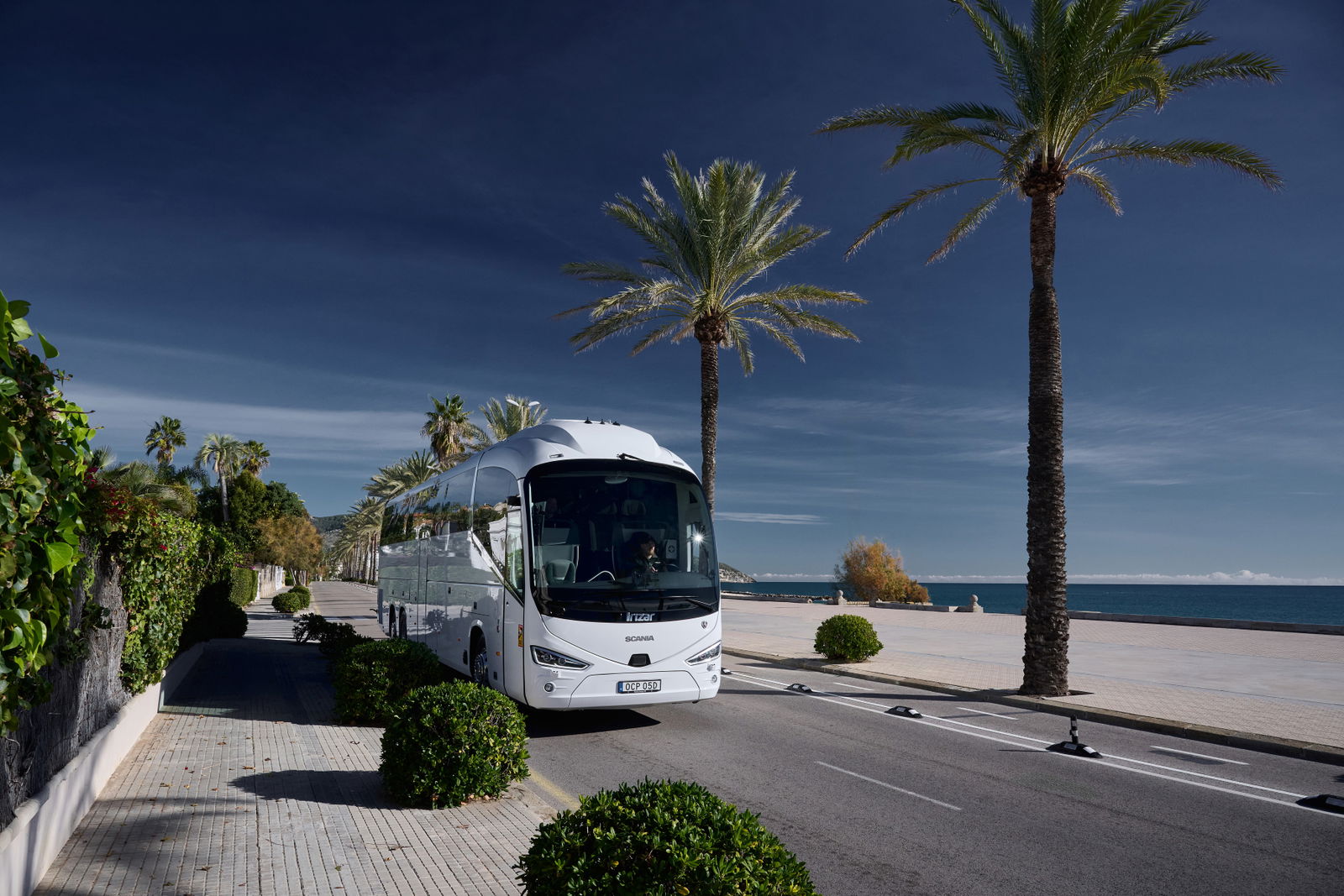
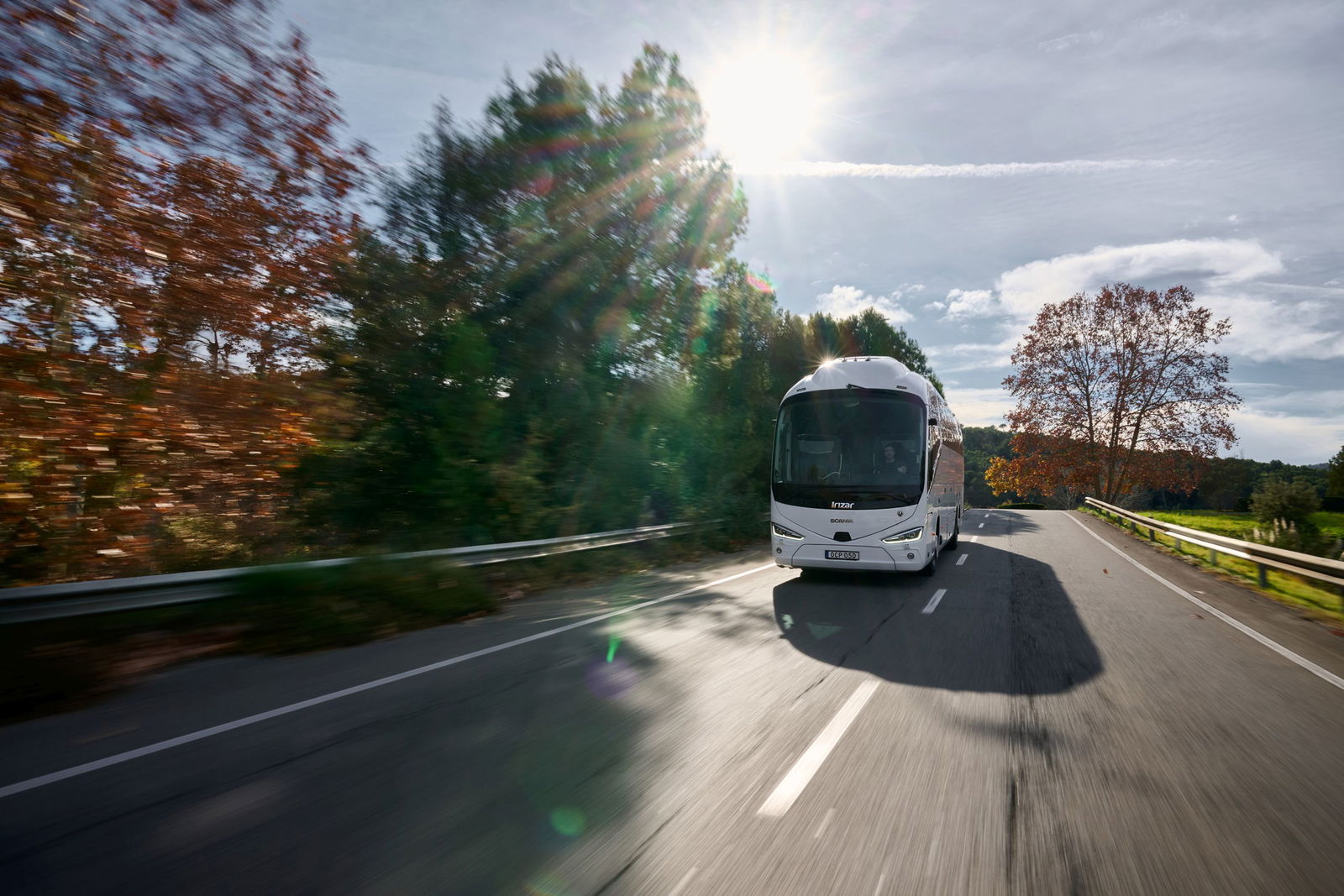
This operating philosophy also underpins the pairing of the Irizar i6S Efficient with Scania’s new-generation plug-in hybrid powertrain, which won the intercity category of the Sustainable Bus Award 2027. The significance of the design lies not simply in its electrifiable powertrain, but in making the benefits of electric operation usable even within the current infrastructure conditions of long-distance transport, without fundamentally sacrificing one of the most important operational advantages of coaches: their high degree of flexibility.
The central components of Scania’s new plug-in hybrid powertrain are the manufacturer’s 13-litre Super diesel engine and a new electrified gearbox unit. The system is available with 420 and 460 hp diesel engines; the award-winning Irizar i6S Efficient uses the more powerful 338 kW, 460 hp version, with maximum torque of 2500 Nm. The engine is also capable of running on renewable HVO fuel, meaning that alongside partial electrification, the powertrain also offers an opportunity to reduce the use of fossil-derived fuel in this respect.
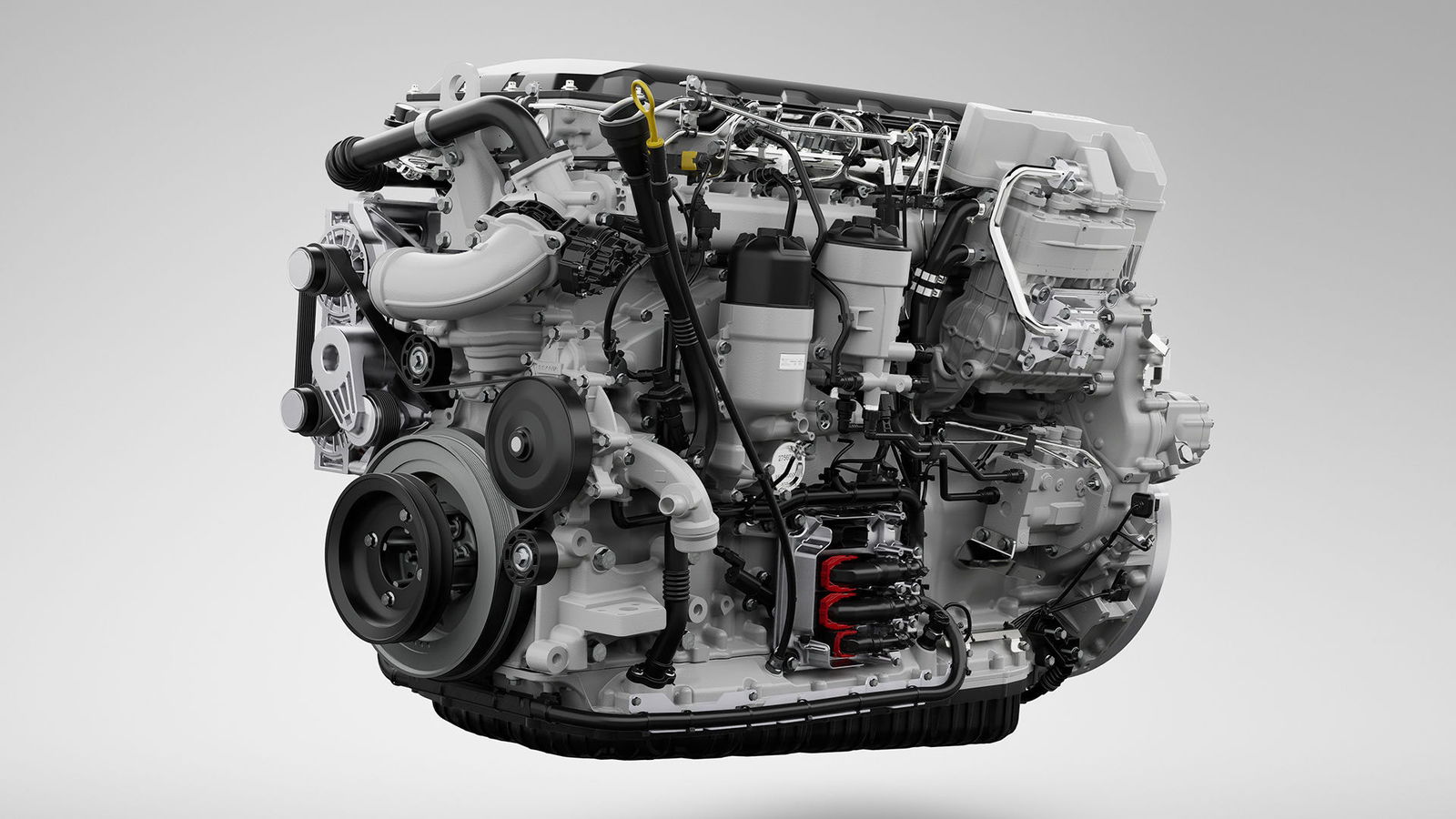
In developing the 13-litre Super power unit, considerable emphasis was placed on extending service life alongside improving efficiency and reducing emissions. The engine features a maximum cylinder pressure of 250 bar, enhanced XPI injection, an optimised high-pressure fuel pump, reduced internal friction and an improved combustion process. Scania states a design life of up to two million kilometres, representing a 25% increase over the previous generation. The engine was developed with increasingly stringent future emissions requirements in mind; this includes Scania’s Twin-SCR exhaust aftertreatment system, which reduces nitrogen-oxide emissions through dual AdBlue dosing.
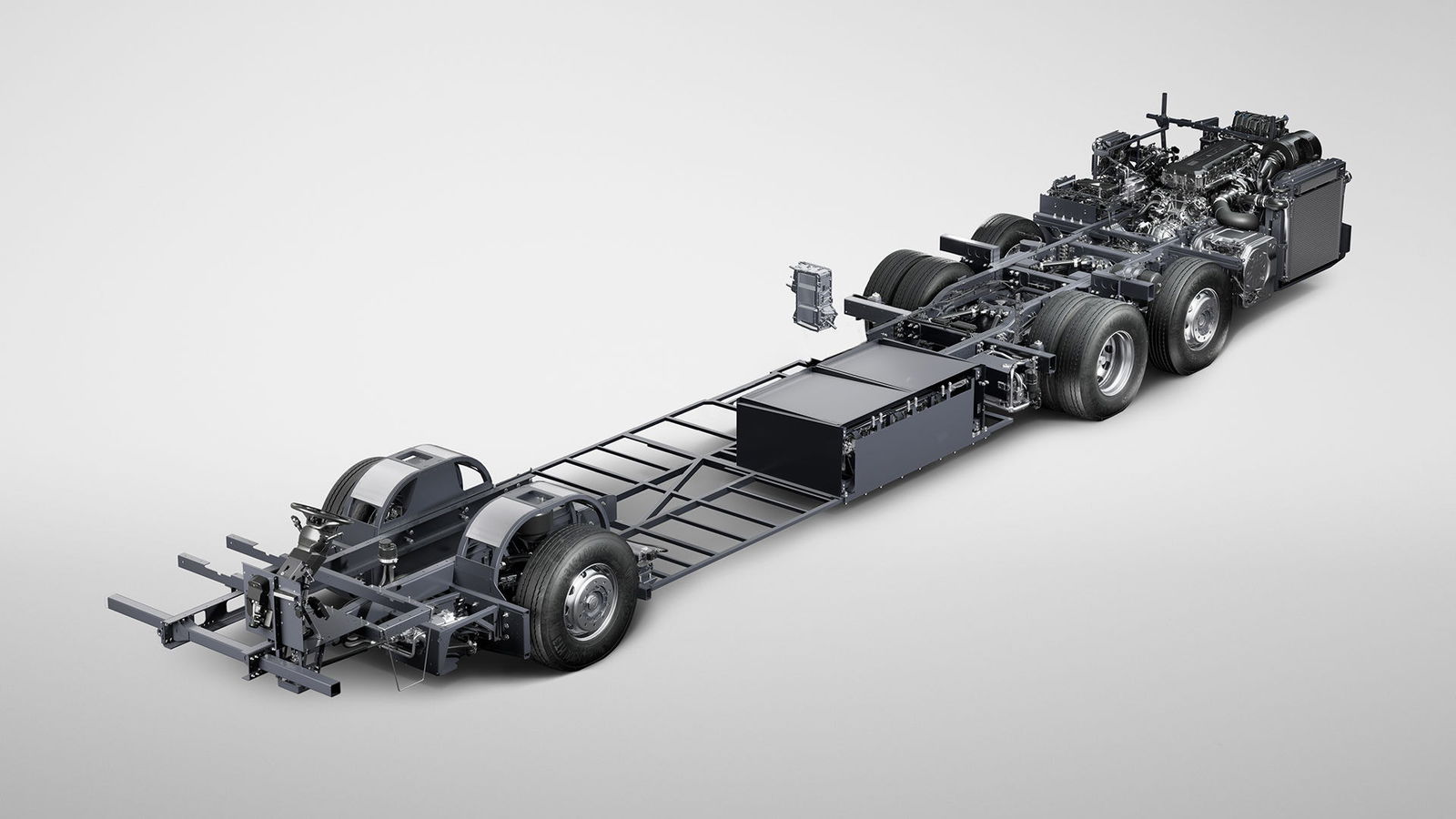
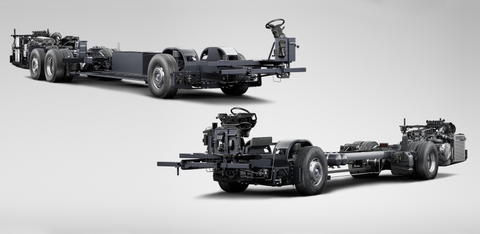
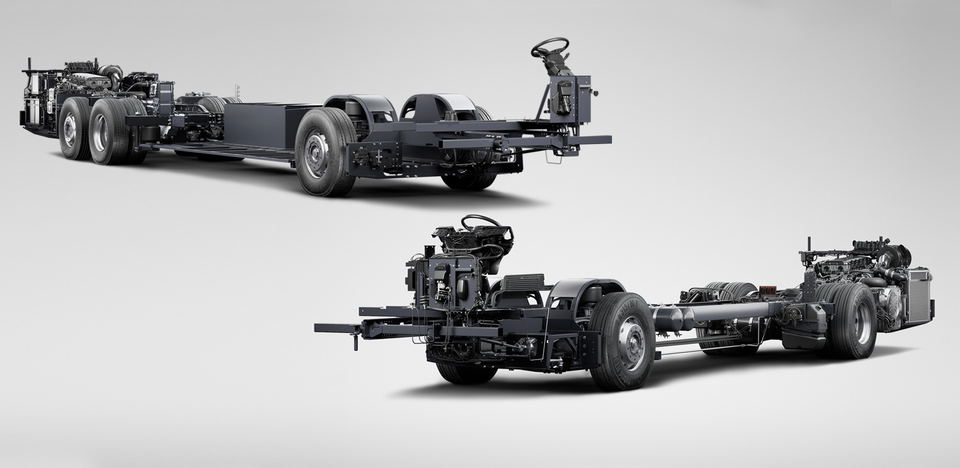
Scania offers the plug-in hybrid powertrain in both two-axle 4×2 and three-axle 6×2*4 configurations. The former can be specified with a 3280 mm wheelbase, while the latter is available with wheelbases of 4385 or 4780 mm. The PHEV powertrain uses the R660 rear axle, whose ratios have also been adapted for high-speed operation and whose design has been engineered to transmit the increased torque.
The braking system has also been further developed alongside the powertrain. The new 13-litre engine comes as standard with an exhaust brake located downstream of the turbocharger, capable of delivering up to 200 kW of braking power. The Scania CRB compression-release engine brake, integrated into the cylinder head, is also available as an option; it involves all six cylinders in deceleration, has a maximum braking output of 350 kW and, according to the manufacturer, can in many bus applications eliminate the need for a separate retarder.
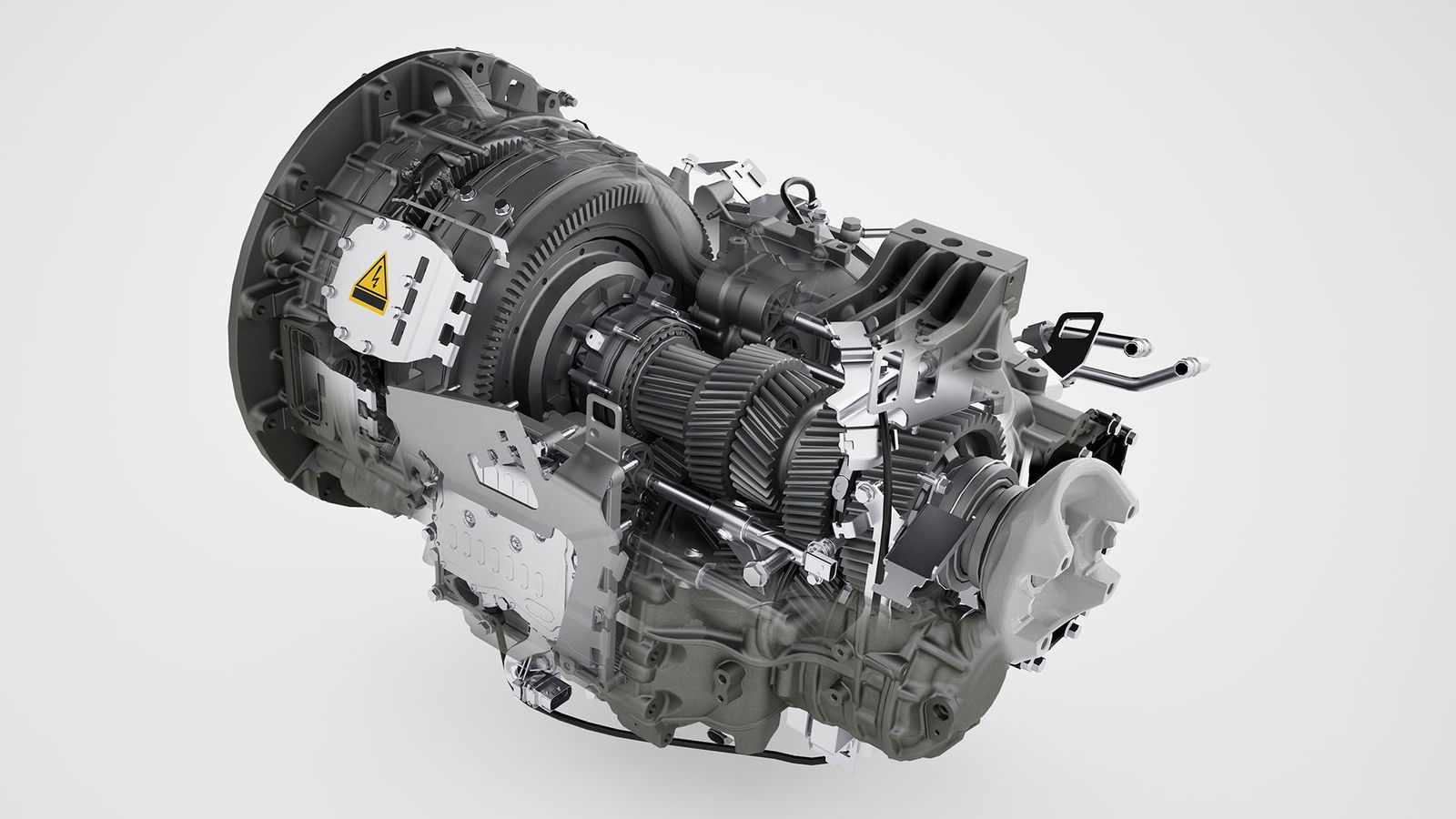
The most technically interesting element of the design, however, is Scania’s new six-speed powershift gearbox, into which two electric machines, each rated at 145 kW, have been integrated. The electric drive therefore has a combined peak output of 290 kW which, together with the 338 kW, 460 hp Scania Super diesel engine, means that the combined output of the power sources integrated into the powertrain exceeds 600 kW. The electric machines not only enable fully electric driving, but also supplement the diesel engine’s drive in hybrid operation with additional power and torque, even at higher travelling speeds. During deceleration and braking, their operation is reversed: acting as generators, they convert part of the vehicle’s kinetic energy into electrical energy and feed it back into the battery.
Energy for the electric drive is supplied by an NMC-chemistry lithium-ion battery with a nominal capacity of 89 kWh. Scania uses battery technology also employed by MAN: the battery pack, built from cells supplied by CATL, can operate with a depth of discharge of up to 90%, meaning that 80 kWh of the nominal 89 kWh is actually available to the powertrain. Compared with the energy stores of several hundred kilowatt-hours used in fully electric coaches, this is a deliberately modest capacity. Its role is not to provide battery power for an entire day’s operation, but to offer an electric range that can be meaningfully used, for example, on urban or emission-sensitive sections of road. Scania states a fully electric range of up to 70 kilometres in the three-axle version and up to 80 kilometres in the two-axle configuration.
The battery can be charged from an external power source via a CCS2 connector, at DC charging power of between 20 and 130 kW and currents of up to 200 amperes. According to Scania, it can be charged from 20 to 80% state of charge in around 44 minutes. However, the system offers greater operational freedom than fully electric propulsion precisely because the battery’s state of charge does not depend exclusively on external infrastructure.
While driving, the energy store can also be charged through recuperation of braking energy, and the diesel engine itself can additionally be used to increase the state of charge where necessary. Accordingly, the powertrain control system offers four basic operating strategies. In Electric, or fully electric mode, the vehicle runs exclusively on electric power, while in Hybrid mode the system manages the two energy sources according to current conditions. Charge Sustain mode reserves the energy stored in the battery for a later electric section, while in Forced Charging mode the state of charge can be increased while driving with the assistance of the diesel engine.
These latter two functions are particularly well suited to coach operations. On a longer motorway section, the system can preserve the energy stored in the battery or, where suitable external charging is unavailable, can even generate the electrical energy required later, after which the vehicle can switch to fully electric operation when approaching its destination. Charging using the diesel engine is, of course, not an energy-efficient substitute for grid charging; its primary role is to ensure operational flexibility.
Scania Zone geofencing can also be linked to the powertrain control system. This makes it possible to define geographical areas in advance in which the control system automatically modifies vehicle operation. Thus, for example, when entering a city centre or zero-emission zone, the bus can automatically switch to electric operation, provided that the required battery charge is available. The system therefore does not leave the decision on where to use the available electrical energy solely to the driver.
Stopping the diesel engine does not impede the operation of auxiliary systems either. The PHEV platform has received an electric air compressor and electrohydraulic power steering, while the power electronics have their own liquid-cooling circuit. Scania carries out the integration of the battery pack itself, using its own battery-management, charging-control and thermal-management systems.
A further advantage of the electrified powertrain is that regenerative deceleration also relieves the conventional service brake. The electric machines then convert part of the vehicle’s kinetic energy into electrical energy, which is returned to the battery. Naturally, the amount of energy that can be recuperated depends on the route, so the system’s benefits are most apparent on sections involving frequent deceleration and changes in elevation.
The award-winning vehicle combines Scania’s new plug-in hybrid chassis – which is also available to other bodybuilders and has already been bodied by Castrosua – with the Irizar i6S Efficient body. This is inherently a design optimised to improve energy efficiency: during its development, Irizar achieved a weight reduction of up to 950 kilograms compared with the previous generation, while reducing aerodynamic drag by around 30%. As a combined result, the manufacturer states fuel consumption of up to 13% lower than that of the earlier i6S.
The advantages of the PHEV powertrain and the Efficient body therefore build on one another. Scania had previously cited the potential for fuel savings of up to 40% under typical mixed operating conditions; according to more recent data released in connection with the Sustainable Bus Award, regular external charging and appropriate use of electric operation can reduce fuel consumption by up to 47% under favourable conditions. These figures should not, however, be regarded as universally guaranteed values, but as potential savings dependent on the operating profile, charging frequency and the proportion of journeys completed electrically.
Scania also communicates a far greater potential reduction in carbon-dioxide emissions, of up to 94%, but this is no longer the result of hybrid propulsion alone. The calculation is based on the combined use of the plug-in hybrid system, electricity from external sources and HVO (Hydrotreated Vegetable Oil), a renewable diesel fuel based on hydrogenated vegetable oil that can be used in the diesel engine. HVO alone can deliver significant savings: according to Scania, carbon-dioxide emissions across the entire energy supply chain can typically be reduced by around 83% compared with fossil diesel, while reductions of 50–90% are possible depending on the feedstock and production method. Most 13-litre engines can also run on biodiesel based on FAME (Fatty Acid Methyl Ester); for this, Scania typically states a carbon-dioxide-emissions reduction of around 60%, or between 50 and 80% depending on the feedstock, compared with fossil diesel.
The essence of the design, then, is not to attempt to cover as many kilometres as possible electrically with a large battery. On the contrary, it provides an electric range with a relatively small energy store that can be meaningfully used on urban and emission-sensitive road sections, while continuing to rely on high-energy-density liquid fuel to meet the energy requirements of long-distance travel. In this way, the powertrain makes coach operations partially electrifiable within the current infrastructure landscape while retaining their fundamental flexibility of use.