![Magyarbusz [Info]](/mbi/header-logo.png)
Buses for London: London to have its own bus operator again after nearly two decades
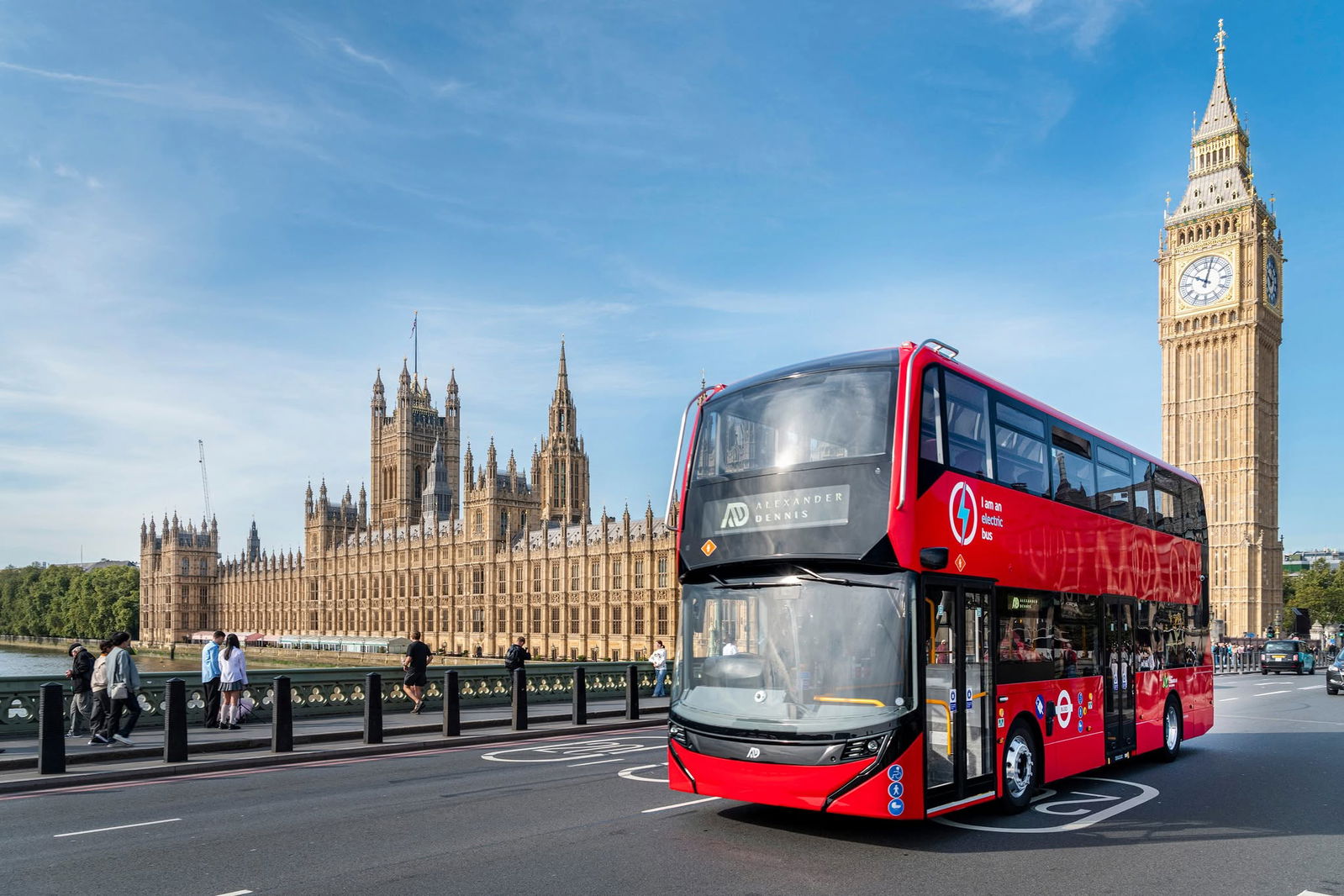
What was still an option under consideration in February has now become a concrete programme: Transport for London (TfL), which serves as an operational model for numerous European transport authorities, including the Budapest Transport Centre (BKK), is establishing its own publicly owned bus operator, due to begin operations under the name Buses for London at the end of 2027. The move is significant because, although control of London’s bus network has remained in public hands throughout, operations have essentially relied on private providers since the privatisation of the former state-owned bus companies in 1994–1995. East Thames Buses was a temporary exception: between 2000 and 2009, TfL itself operated certain routes through this company before selling it to Go-Ahead. With the launch of Buses for London, London bus routes will therefore return to direct TfL operation for the first time since 2009.
The current decision is the next, now practical, step in the process we reported on in detail in February. TfL’s 2026–2030 business plan had still envisaged detailed work on establishing an in-house bus operator; it has now been decided that the company will indeed be created.
Its significance extends beyond the five routes that Buses for London will operate in the first phase. For TfL, one of the key professional reasons for establishing its own operator is precisely that, while in the current system it regulates the service in great detail as the contracting authority, it only gains experience of actual service delivery through its contracted operators. Cost and operational data relating to driver employment, depot operations, vehicle allocation, maintenance, energy consumption and day-to-day traffic control are generated primarily by the individual providers.
This distinction is particularly important from the perspective of tendering. Without its own operational experience, TfL can primarily assess the cost of operating a particular route on the basis of bids submitted by the market and the performance of existing contracts. Its own company, by contrast, can provide a direct cost benchmark: TfL itself can see what it actually costs to provide a bus, an operating hour or a kilometre under the same London wage, energy, vehicle and infrastructure costs. This is particularly valuable in a market where the operator base has become more concentrated in recent years and competition in some tenders has weakened.
Another key issue is the allocation of risk. The theoretical advantage of the outsourced model is that providers bear some of the operational and financial risks. However, the cost shocks of recent years have shown that significant and difficult-to-predict changes in energy, fuel and labour costs cannot be passed on to operators indefinitely in the longer term. If, under contracts, these risks are ultimately borne partly or entirely by the contracting authority, while the provider continues to price in its own risk and expected return, the original economic advantage of outsourcing may diminish. In-house operation gives TfL the opportunity to examine in practice which costs and risks can be managed more efficiently internally, and which are still better addressed through competition.
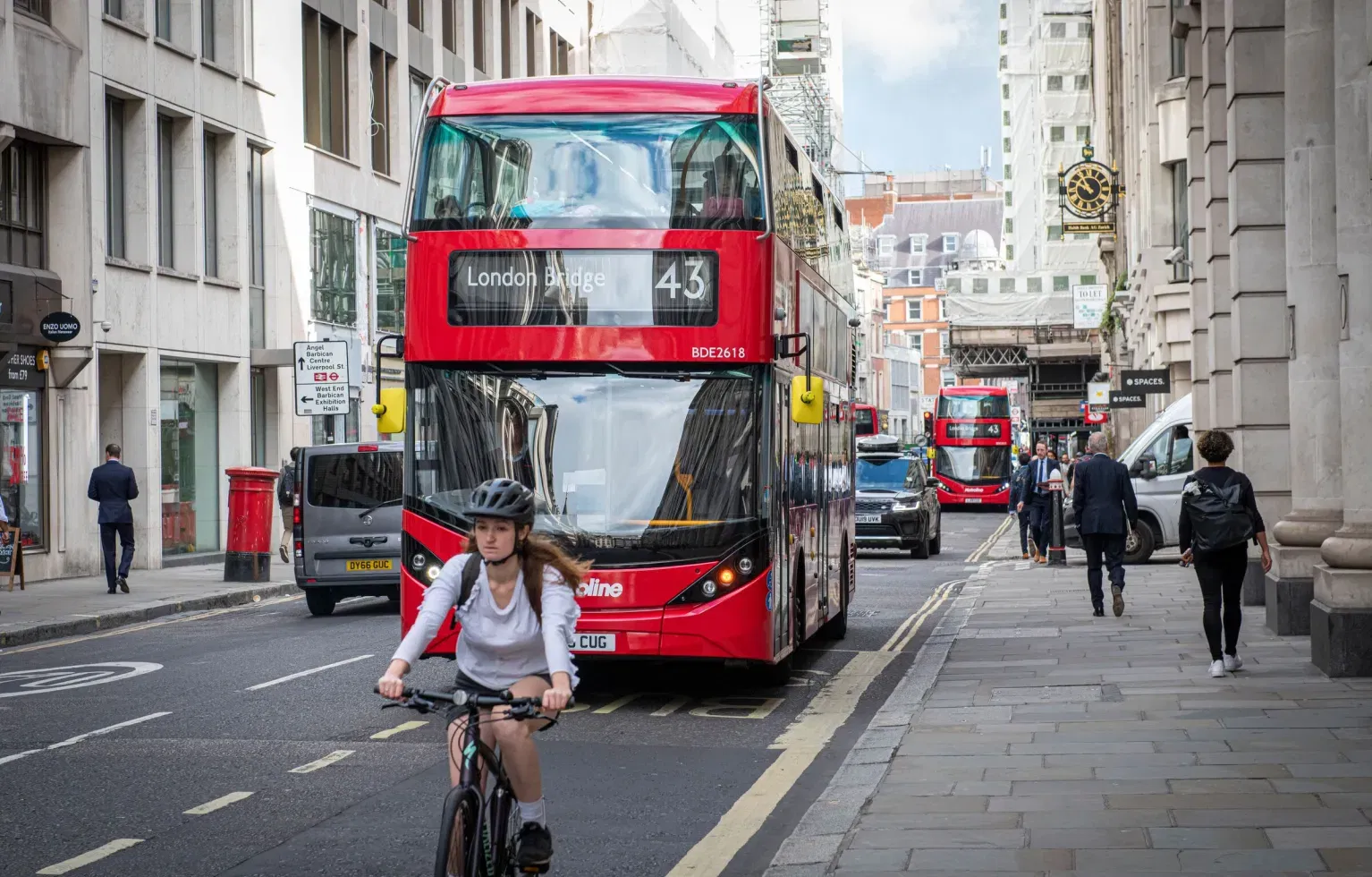
A further strategic advantage of establishing an in-house operator is the development of operational knowledge within the organisation. In London’s system, considerable practical experience is currently accumulated by individual operators, but with its own fleet and depot operations TfL will also be able directly to test new vehicle technologies, maintenance systems, energy and charging management, driver work organisation and traffic management solutions. From this perspective, Buses for London could be not only a provider but also a kind of operational reference operation, whose experience can later be incorporated into the technical and performance requirements of contracts with private operators.
This is especially important at the current stage of electrifying London’s bus fleet. Zero-emission operation affects not only vehicle procurement, but also the energy supply of depots, the temporal distribution of charging capacity, the allocation of vehicles to daily duties and the management of available range. The first depot to be established is being designed from the outset to accommodate zero-emission buses, enabling TfL to gain its own operational experience in managing the entire system of a major electric bus operation.
The third strategic element is service resilience. In a system based exclusively on external providers, TfL has limited direct means of replacing lost capacity if an operator encounters financial or operational difficulties. Over the longer term, a company with its own driver, vehicle and depot capacity could create an intervention capability that could also be used in an emergency or if a contract ends unexpectedly. This does not necessarily mean that Buses for London will permanently maintain a substantial reserve fleet, but TfL will once again possess an actual bus-operating capability.
The workforce is also an important part of the new operating model. Under the current system, London bus drivers are employed by several separate employers, with differing employment conditions and company practices. Through its own provider, TfL can directly implement training, work organisation and employment approaches whose experience may later also be useful in shaping contractual requirements across the entire network.
Buses for London will initially emerge as a relatively small player, however. Of the nearly 700 routes, only five will be transferred to it initially, meaning that TfL is not embarking on rapid renationalisation but creating a parallel operating model. The in-house provider will therefore be developed alongside the current contractual system, while private operators will continue to play a decisive role in London bus transport.
The first step will be route 6. The service operating between Willesden and Victoria will transfer to Buses for London at the end of 2027, followed by a further four routes from 2028. These have not yet been identified; TfL will announce the services concerned over the next year. The experience gained from operating the first five routes will subsequently be assessed, and this will inform decisions on the role the publicly owned operator may play in London’s network over the longer term.
The new company’s first operational base will be established at Park Royal in west London. TfL is creating the depot in cooperation with the Old Oak and Park Royal Development Corporation (OPDC), and it is planned to accommodate around 100 zero-emission buses. The site has been leased until 2033, and TfL and OPDC are therefore also seeking a permanent site suitable for the new provider’s long-term use by then.
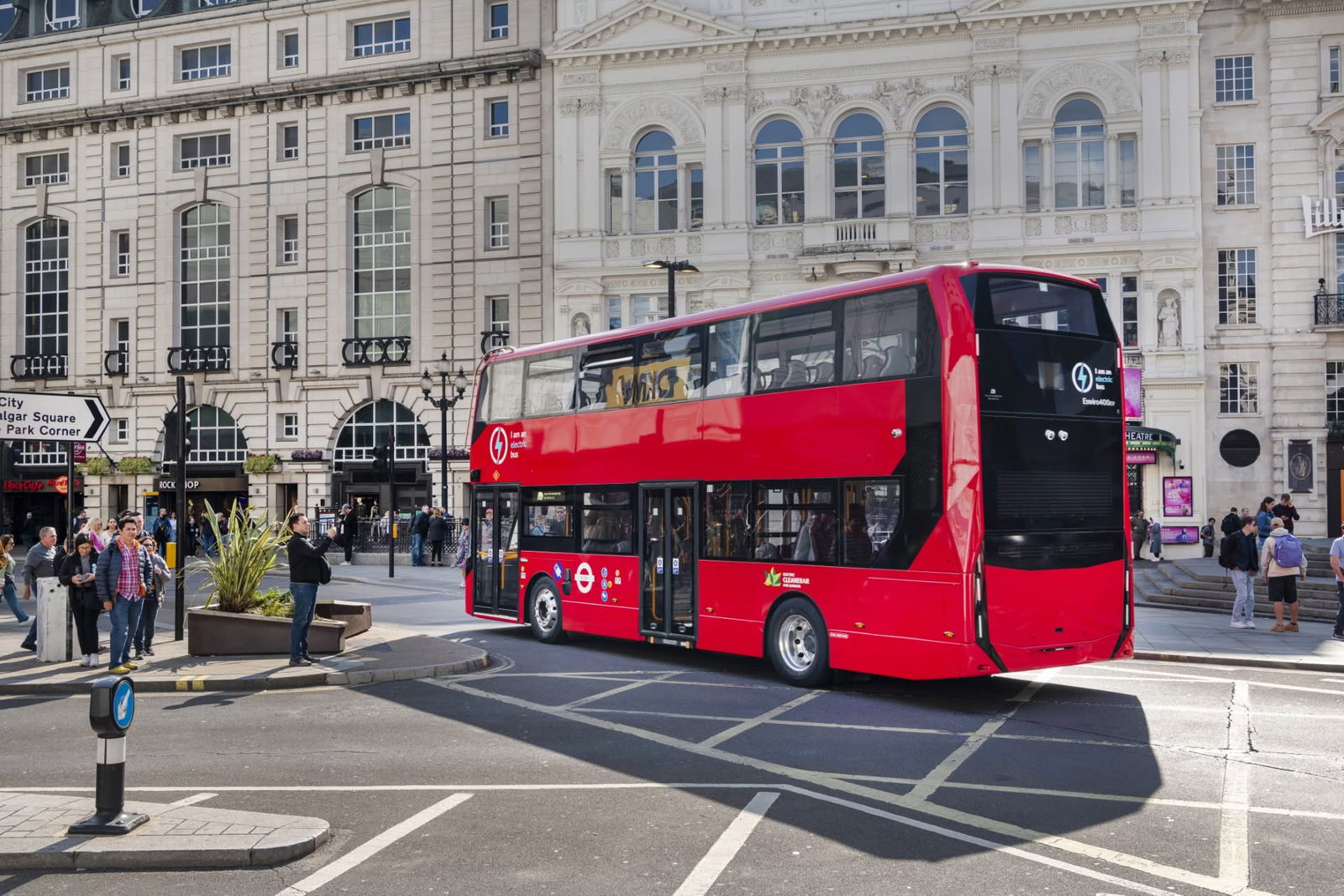
According to London Mayor Sadiq Khan, the new company offers an opportunity to operate the bus network with better value for money, support London’s climate goals, improve road safety, and provide a service that works better for both passengers and drivers. Lorna Murphy, Director of Buses at TfL, described the establishment of the new company as an “exciting new chapter” for London bus services. She highlighted that the depot to be developed at Park Royal will be the first home for a new generation of zero-emission buses, and that creating the company also offers an opportunity to examine what role a publicly owned operator could play in the capital’s transport system over the longer term.
The decision has not, however, been received in the same way by all market participants. The Unite trade union, which also represents London bus drivers, welcomed the establishment of the publicly owned provider and expects Buses for London to set an example for other operators in terms of pay, working conditions and the treatment of employees.
By contrast, the Confederation of Passenger Transport (CPT), which represents UK bus operators, warned that changing the form of ownership alone would not resolve the most important problems facing London bus services. According to the organisation, passengers would primarily see tangible improvements through reducing congestion, giving buses priority and increasing journey speeds. The CPT also noted that direct operation would shift a greater share of investment costs and business risks directly to the public sector.
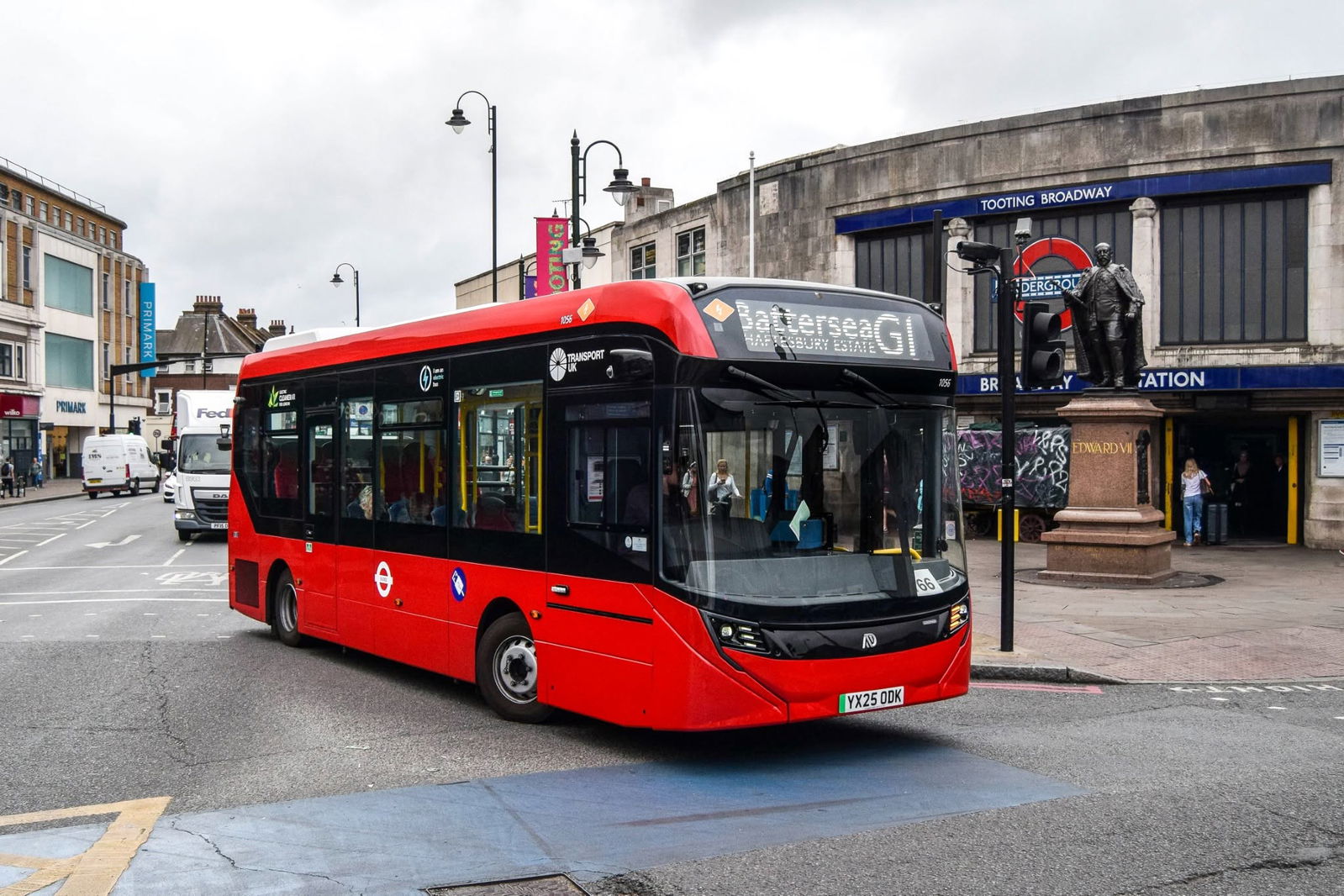
Nevertheless, the creation of Buses for London marks a significant change in the British capital’s bus operating system, which has been in place for more than three decades. TfL is not yet replacing competitively tendered private operation, but rather supplementing it with its own provider. Whether the new player will grow beyond five routes will be determined by the operational experience of its first few years.