![Magyarbusz [Info]](/mbi/header-logo.png)
Alexander Dennis lands major deal in Liverpool
 Patthy Gellért
Alexander Dennis is set to supply several hundred new buses to the Liverpool City Region Combined Authority (LCRCA) for the newly launched franchised bus network serving the city region around Liverpool, which has a total population of around 1.6 million. The framework agreement announced on 4 September initially guarantees a firm order for 207 vehicles, but the final number could be significantly higher if the option is exercised.
Before turning to the details of the vehicle procurement at the heart of this article, it is worth briefly outlining the new franchised bus system now being introduced in the Liverpool City Region, which, according to the LCRCA, will for the first time in four decades put passengers’ interests ahead of those of private operators’ shareholders. This statement refers to the much-criticised deregulation of bus services in Great Britain in the 1980s, which brought cut-throat, at times safety-threatening competition between bus companies keen to benefit from market opening, while passengers faced fares that rose severalfold and a decline in service quality.
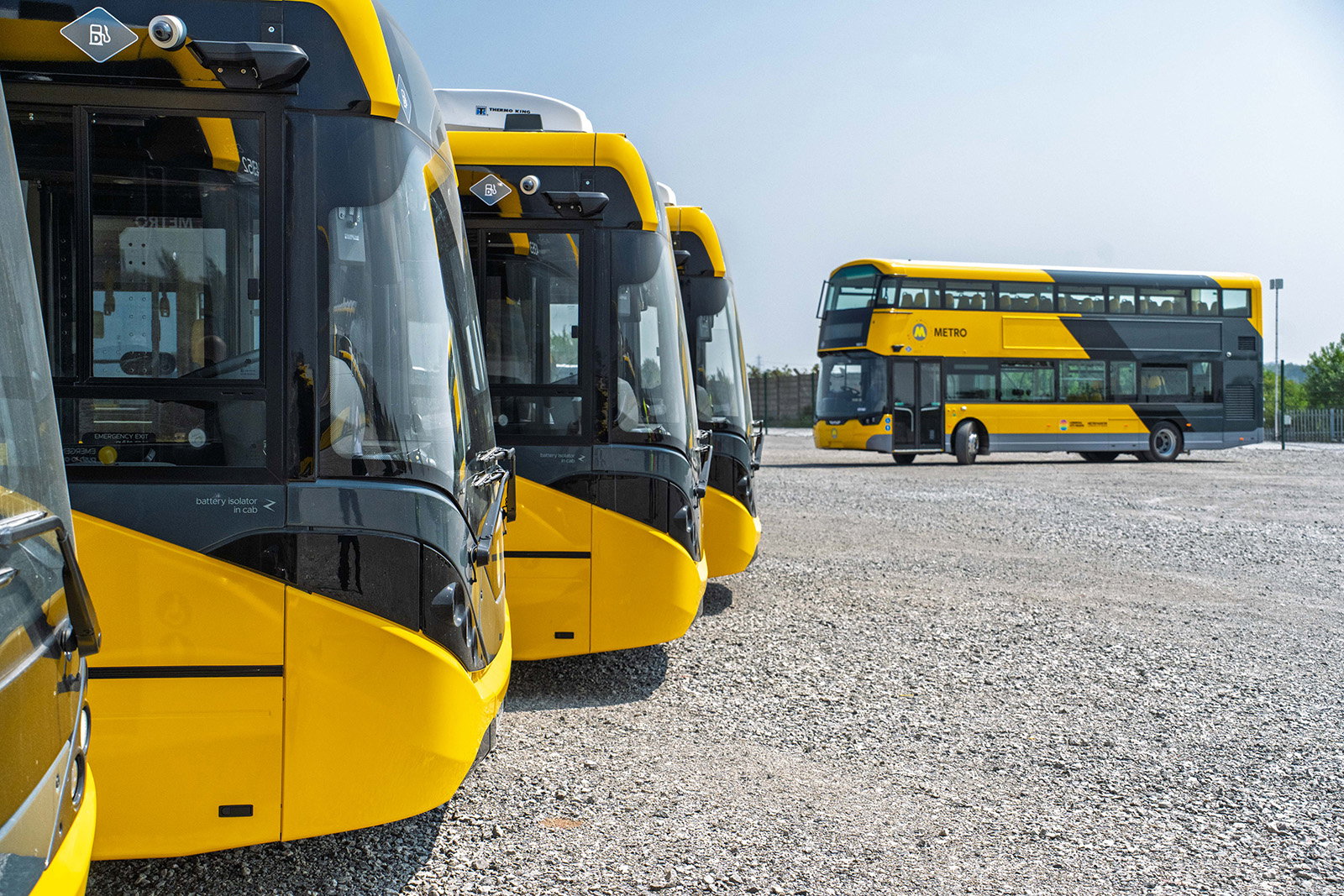
The new franchising system created by the LCRCA promises a more passenger-focused service than before (Photo: Merseytravel)
Under the new Liverpool system now being introduced, operators can essentially bid for two types of franchises, known as Category 1 and Category 2, whose services together will form the regional network branded as Metro. In Category 1, which covers the majority of the area’s scheduled bus services, the transport authority not only determines the timetable, fares and the exterior and interior appearance of the buses, but also provides the vehicles themselves and the depots. Subcontractors bid for the operation and maintenance, for a 5+2-year period, of publicly owned bus fleets of between 86 and 206 vehicles serving a total of five different geographical areas, with the stipulation that a single service provider may win the operation of only one Category 1 franchise. Together with several other measures, this operating model ensures that large private companies which already have bus fleets of sufficient size, or the capital needed to purchase them, cannot gain an excessive advantage. (In the case of Category 2 franchises, intended for smaller businesses and mainly involving school bus contracts alongside certain local services, the operator usually provides the vehicles itself and uses its own depot.) The franchising system will begin to be introduced this September in St Helens and Wirral, neighbouring Liverpool – in the former case Stagecoach, and in the latter the local subsidiary of Go-Ahead Group, won the right to operate the network – and will be extended across the entire region by the end of 2027.
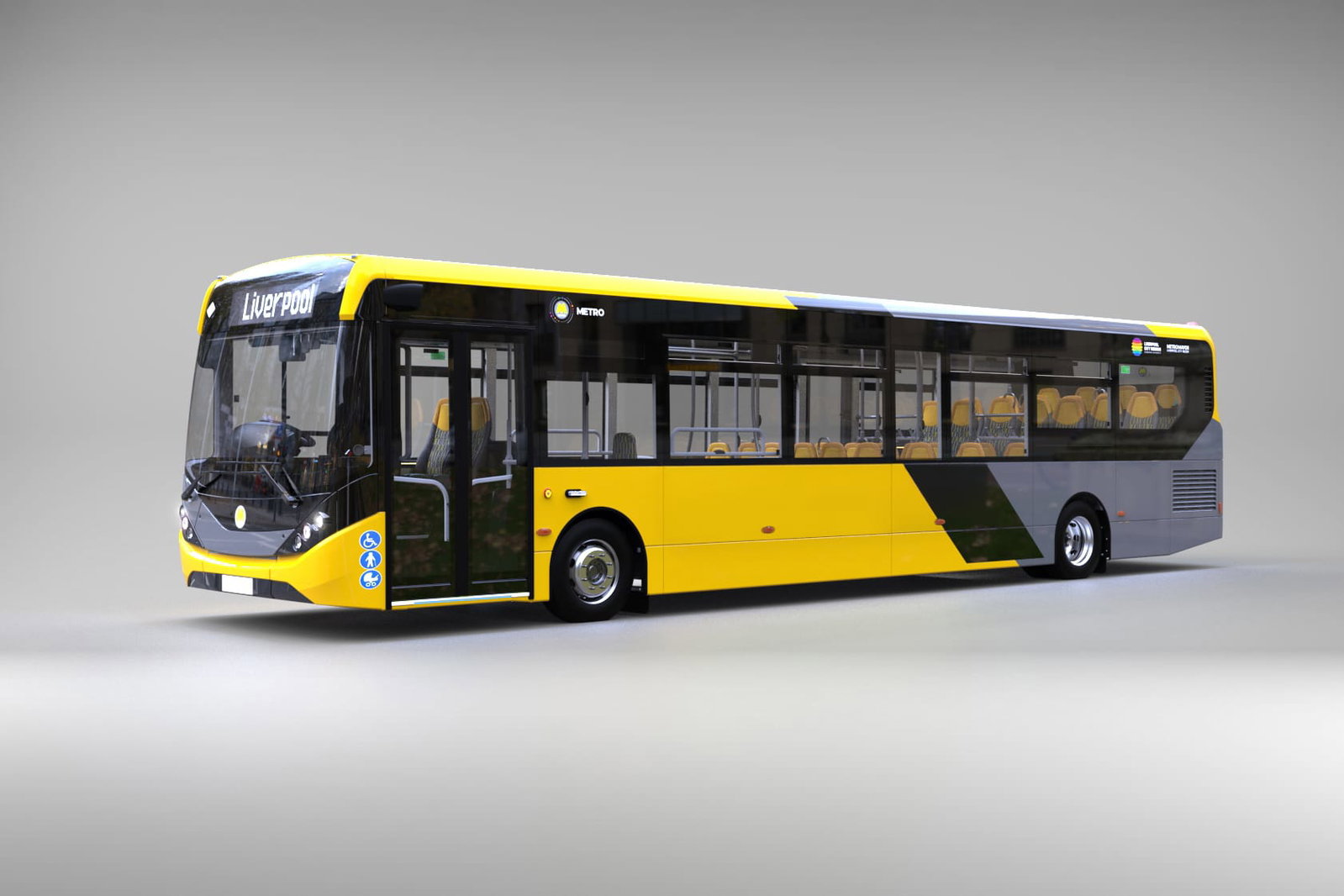
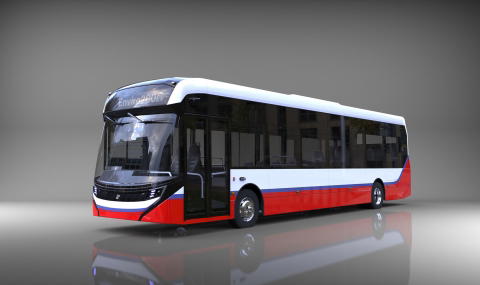
A rendering of the longer, 11.5-metre version being built for the Liverpool City Region Combined Authority…
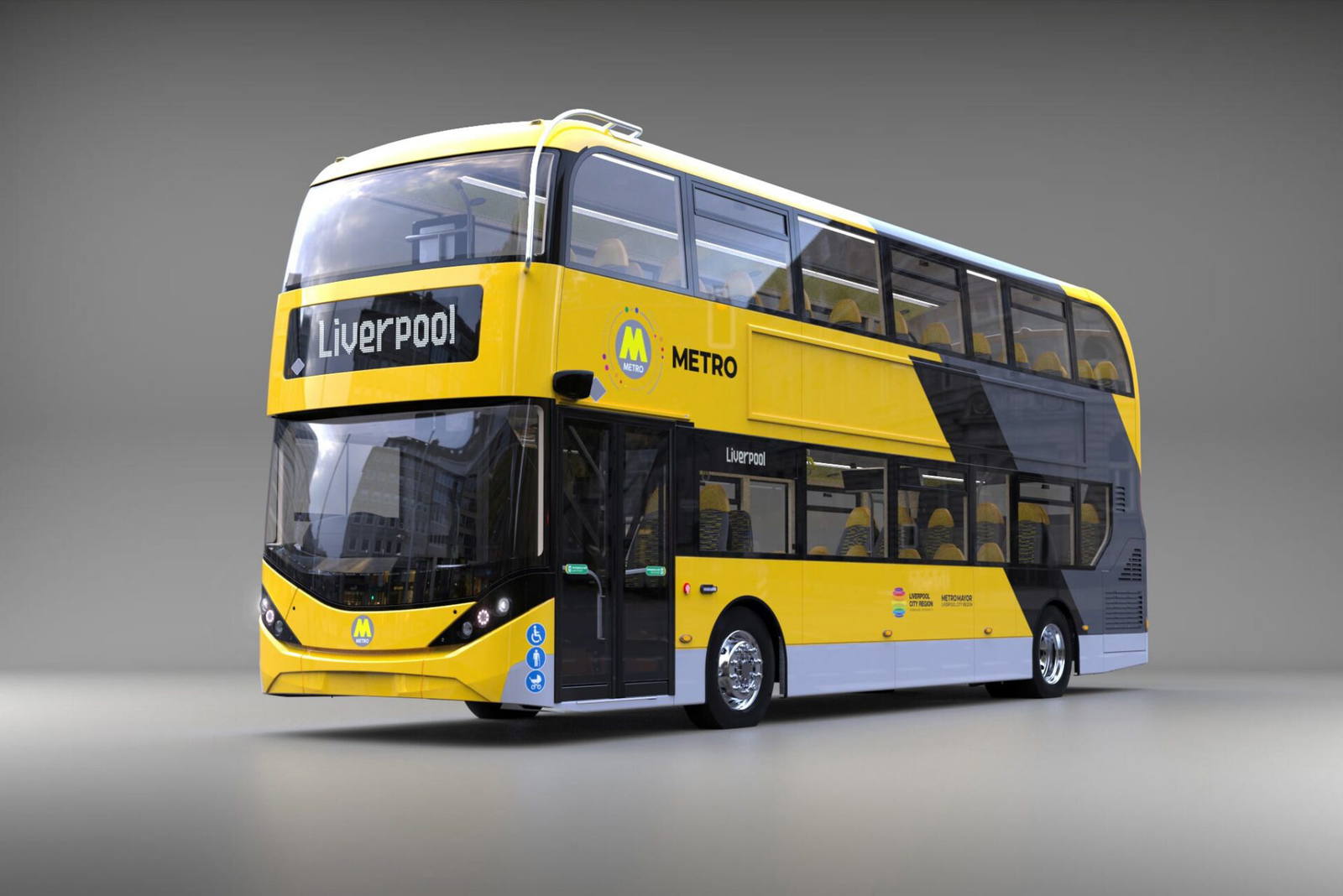
Returning to the deal now concluded between the LCRCA and Alexander Dennis, the base order comprises 117 low-emission diesel-powered Enviro400 double-deckers (shown in our lead image) and 60 Enviro200 single-deck city buses with a similar driveline – the latter in two different length variants, 8.9 and 11.5 metres – as well as 30 zero-emission, fully electric Enviro100EV urban midibuses, with a total value of £57 million (equivalent to just over HUF 24 billion). The contract also includes a substantial option quantity, which, if exercised in full, could take the order book to 357 buses and the total value of the investment to £95 million (more than HUF 40 billion).
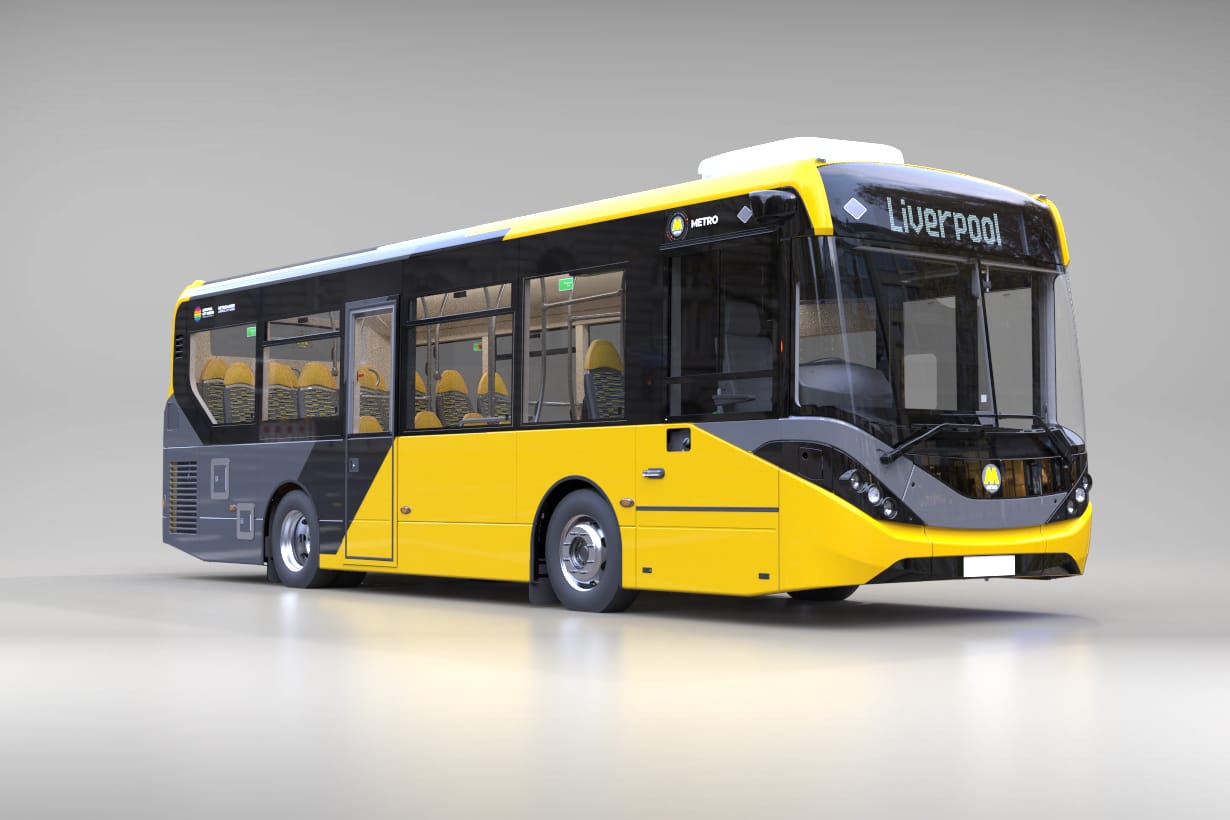
…and of the shorter, 8.9-metre Alexander Dennis Enviro200 models
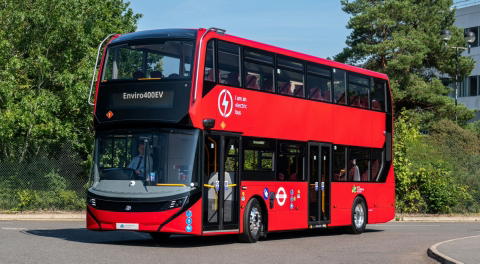
According to Alexander Dennis, the buses built to the Liverpool City Region’s high-level specification will support local industry by being manufactured entirely in Great Britain, at the company’s plants in England and Scotland, or will be completed there – the latter clause presumably applies to the Enviro100EV midibuses, which are partly produced under contract in China – and are scheduled to be handed over to the customer during 2027. Alexander Dennis has recently already successfully delivered 109 Enviro200s for the St Helens and Wirral franchise services mentioned above, while the LCRCA has previously also purchased 58 Enviro400EV electric double-deckers.
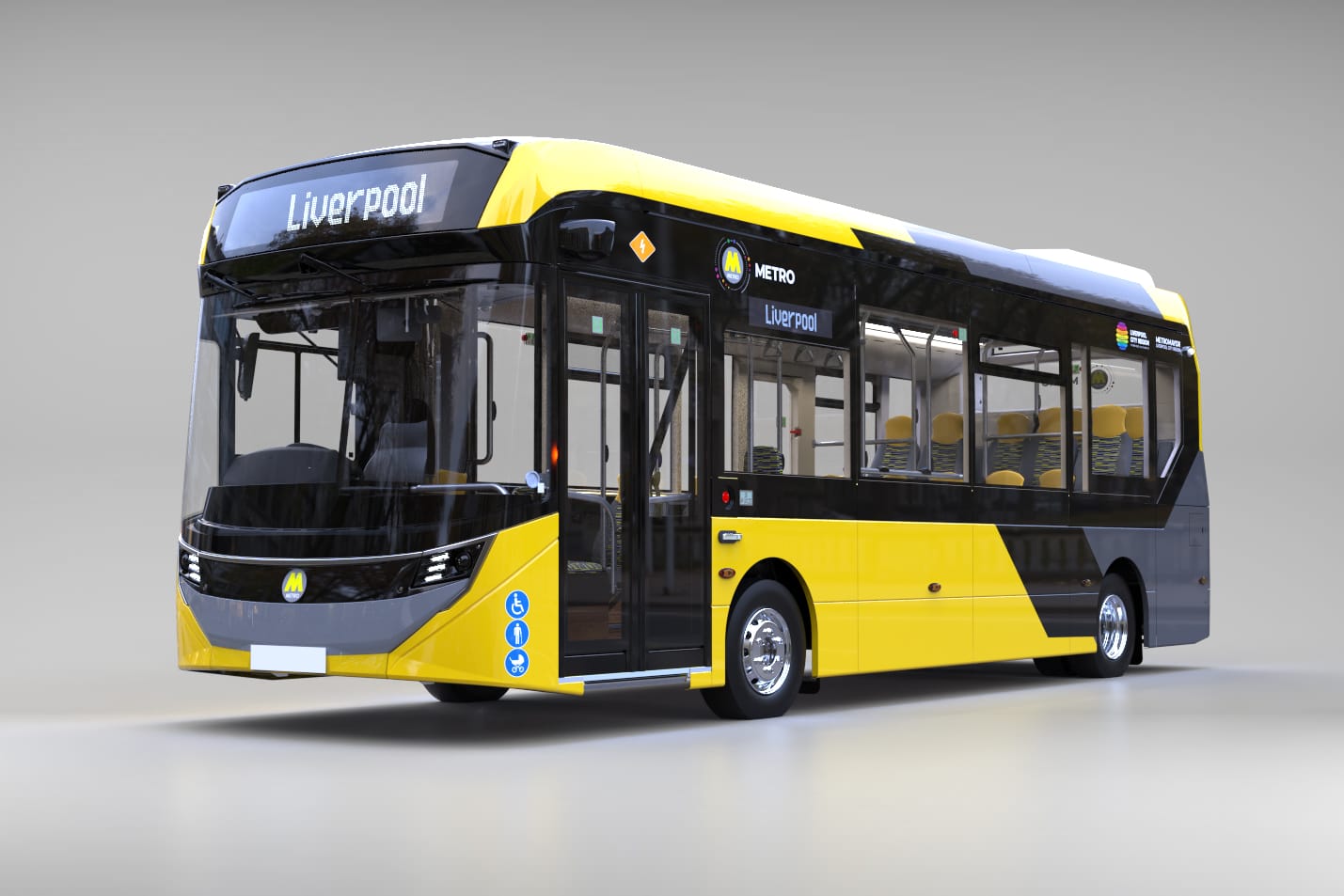
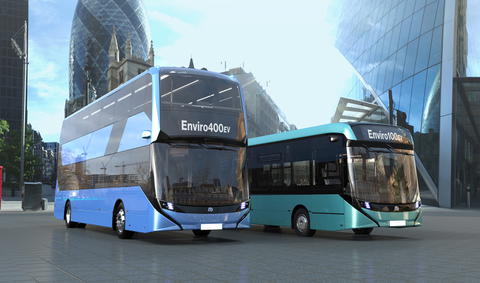
As part of the procurement, 30 Alexander Dennis Enviro100EV electric midibuses will also arrive in the city on the Mersey
The diesel Enviro200s and Enviro400s will also feature the manufacturer’s SmartPack efficiency package, which combines start-stop technology with e-cooling and auxiliary load management. According to Alexander Dennis, this delivers a 24% reduction in fuel consumption and CO2 emissions for the former and an 18% reduction for the latter, compared with similar-sized buses fitted with Euro 5 diesel engines, measured on the UK Bus Cycle. From the perspective of Liverpool’s environmental targets – Mayor Steve Rotheram wants to create a fully zero-emission bus fleet in the region by 2035 – it is particularly noteworthy that there will also be the option of retrofitting the vehicles with electric drivelines once the grid capacity and charging infrastructure required to operate the entire fleet are in place. This will be carried out under the AD Repower factory service, which Alexander Dennis recently brought in-house following the bankruptcy of its former partner company.
Renderings: Alexander Dennis Ltd.