![Magyarbusz [Info]](/mbi/header-logo.png)
Ireland’s national transport authority launches huge tender for 1,700 electric buses
Ireland’s National Transport Authority (NTA) has begun preparing its largest-ever bus procurement: the state authority responsible for organising and developing the country’s public transport has launched a public procurement procedure for four new framework agreements covering the supply of double-deck buses. Under the plans, the frameworks could lead to the purchase of up to 1,500 two-axle and a further 200 three-axle fully electric double-deck buses, as well as up to 100 regional-specification double-deck vehicles. At the same time, the tender notice states that the NTA reserves the right to order smaller or larger quantities than indicated in each category, and also to place no orders at all under certain framework agreements.
The new framework procurement fits closely into the NTA’s longer-term fleet strategy. The National Transport Authority is involved in Irish bus transport not only as a transport organiser and contracting authority, but also centrally procures vehicles for services operated under the Public Service Obligation (PSO) framework. These are public transport services deemed socially necessary, whose operation is secured by the state through public service contracts and funding; the buses procured by the NTA are operated by the various contracted operators, including Dublin Bus and Bus Éireann.
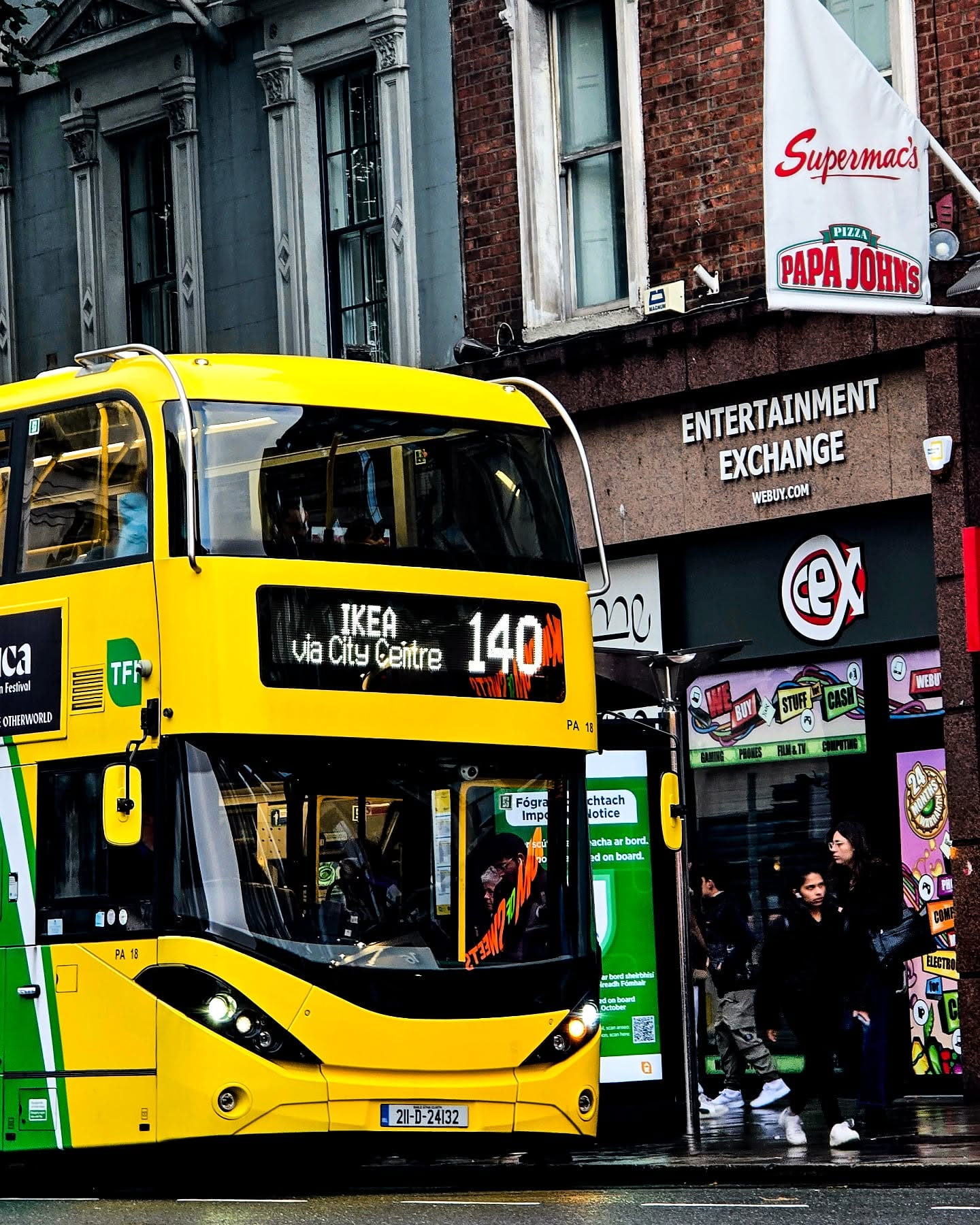
The authority’s goal is for Ireland’s urban PSO bus fleet, which currently numbers close to 2,000 vehicles, to become entirely zero-emission by 2035. Accordingly, since the end of 2022 it has purchased only zero-emission vehicles as new M3/Class I city buses. The transition in the regional fleet is slower for the time being: there, the procurement of at least Euro VI vehicles is envisaged until suitable, economically viable low- or zero-emission alternatives are available from multiple manufacturers, along with the infrastructure required to operate them. In the longer term, however, the authority also intends to convert this fleet to zero-emission operation.
This is not the NTA’s first large-scale electric bus procurement. In 2021, it concluded a five-year framework agreement with the BYD–ADL consortium led by Alexander Dennis for the supply of up to 200 solo battery-electric buses, with the first call-off covering 45 Enviro200EVs. This was followed by a much larger double-deck programme: the NTA established a framework agreement for up to 800 two-axle battery-electric buses, with Wrightbus selected as the supplier.
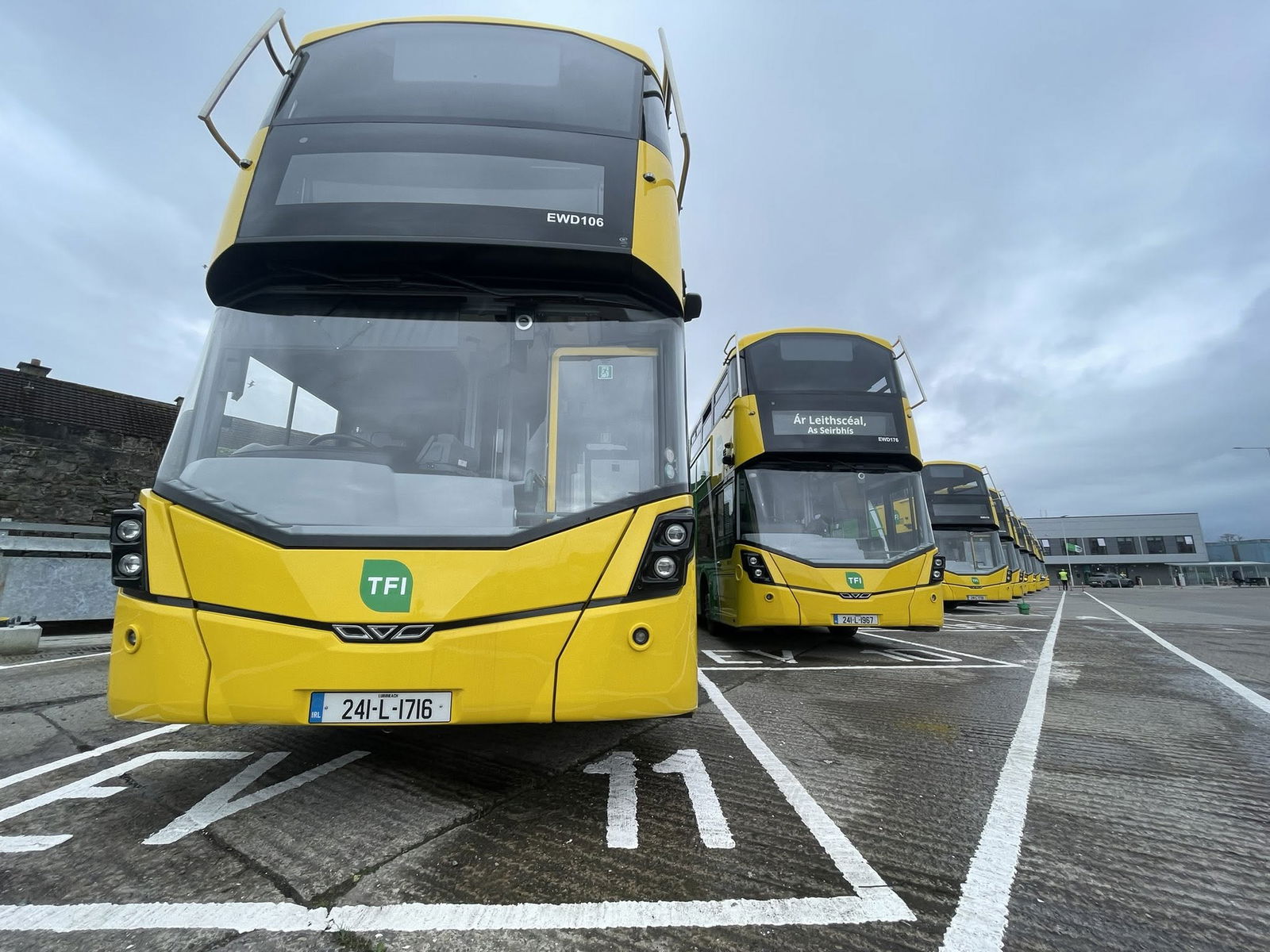
Electrification has now reached a significant scale in the actual vehicle fleet as well: according to information published by the NTA in June 2026, 384 battery-electric buses were operating on Ireland’s urban PSO network, representing 19.7% of the total fleet. In addition, a further 98 electric buses already purchased by the NTA were awaiting entry into service; vehicles procured for Dublin are planned to be commissioned by the third quarter of 2026, and those for Galway by the end of the first quarter of 2027.
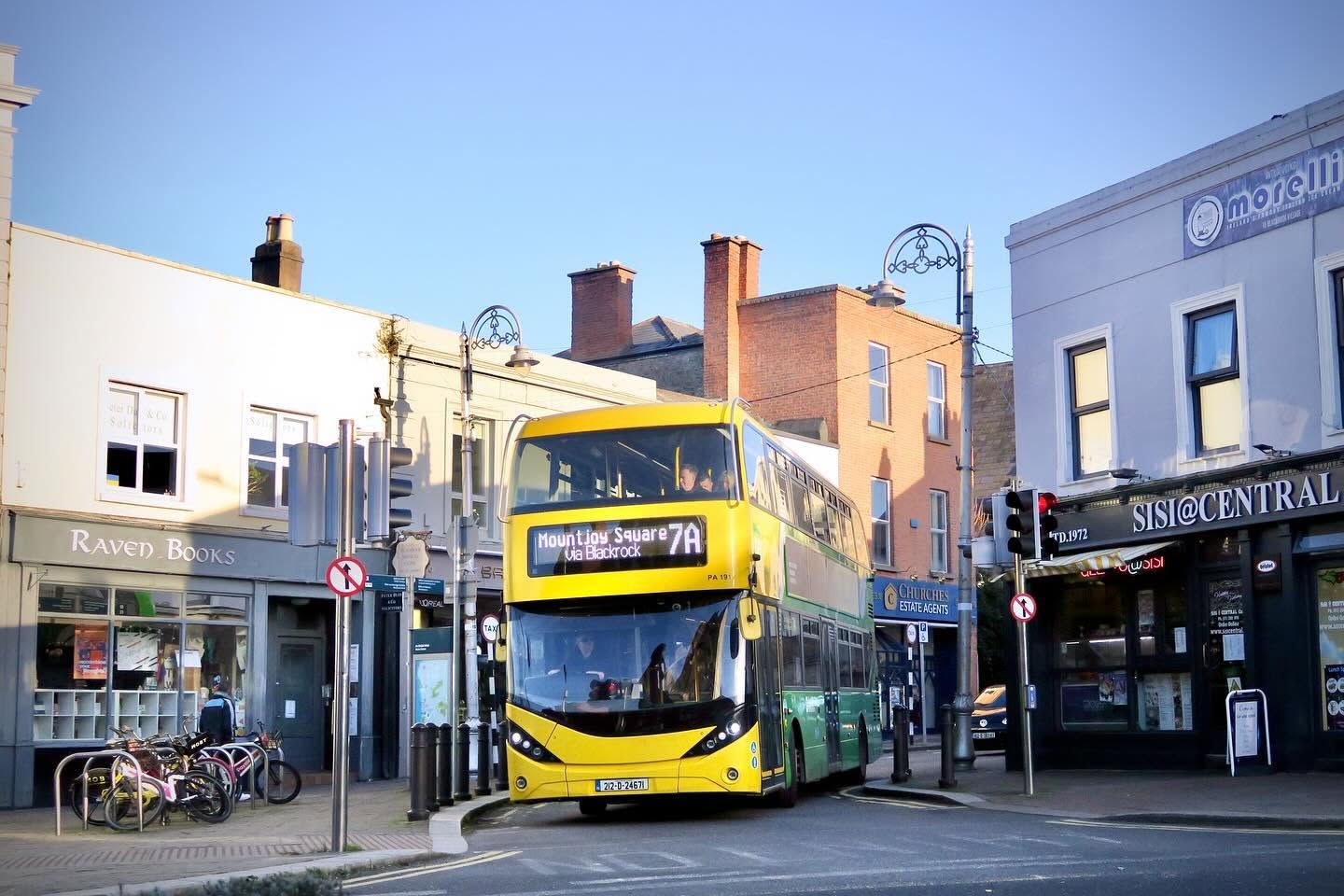
The procedure announced in July could provide the next procurement basis for this long-term fleet renewal. The NTA is not looking at a single framework agreement, but would instead set up four separate arrangements. The largest item is the two-axle battery-electric double-deck bus category, of which up to 1,500 units could be procured under current plans. Two parallel frameworks would be created for this vehicle category: one single-supplier agreement and one agreement involving multiple suppliers. Under the latter, subsequent individual orders would be awarded by reopening competition among the manufacturers admitted to the framework, while this would not take place under the single-supplier arrangement.
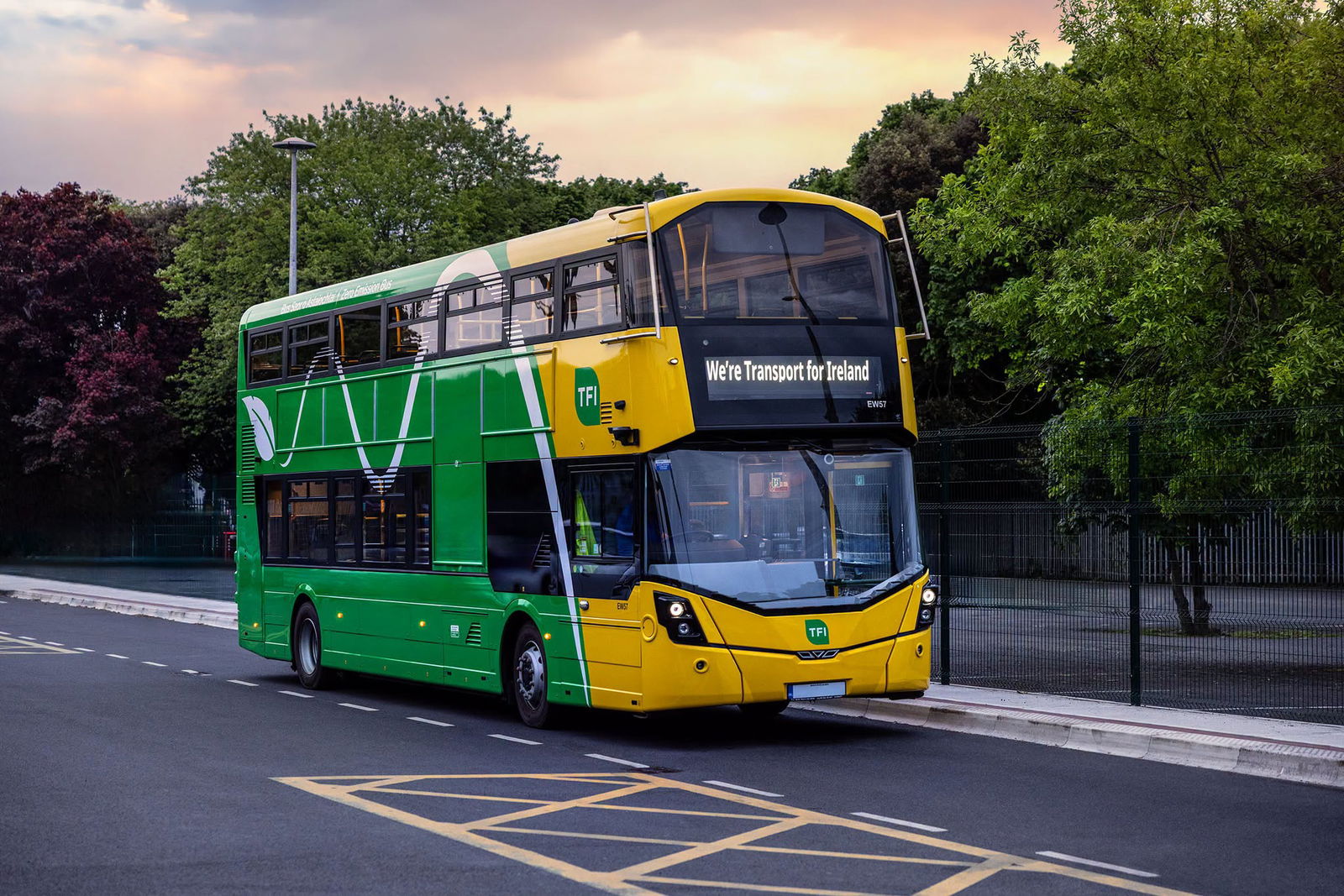
The third framework provides for the procurement of up to 200 three-axle, also battery-electric double-deck buses, while the fourth covers up to 100 regional-specification double-deck vehicles. In both categories, the intention is to conclude a framework agreement with a single supplier. An important distinction is that while the first three arrangements explicitly specify battery-electric propulsion, the TED notice contains no such requirement in the case of the regional double-deckers.
The framework agreements would run for an initial period of 30 months, which the NTA may, at its own discretion, extend on one or more occasions by a total of up to a further 66 months, giving them a maximum duration of eight years, or 96 months. The maximum value of the overall framework has been set at €1.5 billion. The public procurement procedure is being conducted as a negotiated procedure with a prior call for competition, and bidders were able to apply for all four lots.