![Magyarbusz [Info]](/mbi/header-logo.png)
Overhead-wire electric road transport returns to Košice – but not with trolleybuses
 Ludányi József
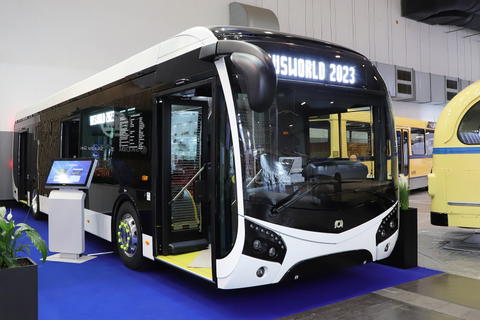
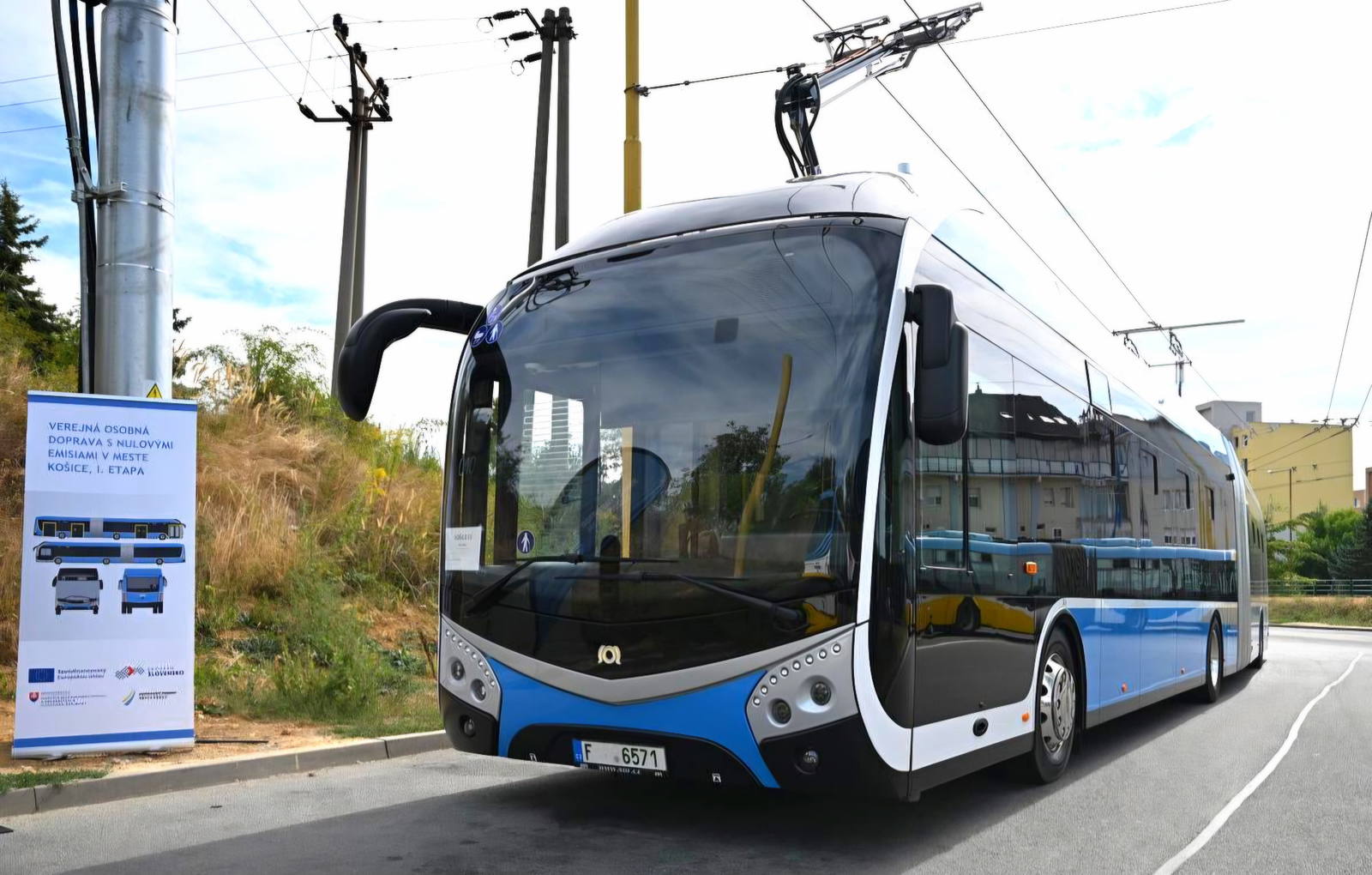
An electric bus fleet worth nearly €9 million is arriving in Košice: the city has already taken delivery of the first of 11 articulated SOR NS 18 electric buses that will join the fleet of Dopravný podnik mesta Košice (DPMK) in the coming weeks. What makes the procurement special is that the new vehicles will not rely solely on conventional depot charging. Thanks to their two-pole current collectors, they can also draw energy from trolleybus and tram overhead wires, giving a new role to part of the overhead network of Košice’s trolleybus system, which was shut down in 2015 but still partly remains in place.
Although scheduled trolleybus services have not operated in Košice for more than a decade, the city has now found a new use for the partially retained infrastructure. It has ordered electric buses from SOR equipped with a charging technology that has spread mainly in the Czech Republic and can only be used in cities where suitable trolleybus or tram infrastructure is available. The essence of the solution is that, using a two-pole current collector mounted on the roof, the vehicles can charge their batteries directly from the overhead wires, allowing the existing electric infrastructure to be used for charging electric buses as well.
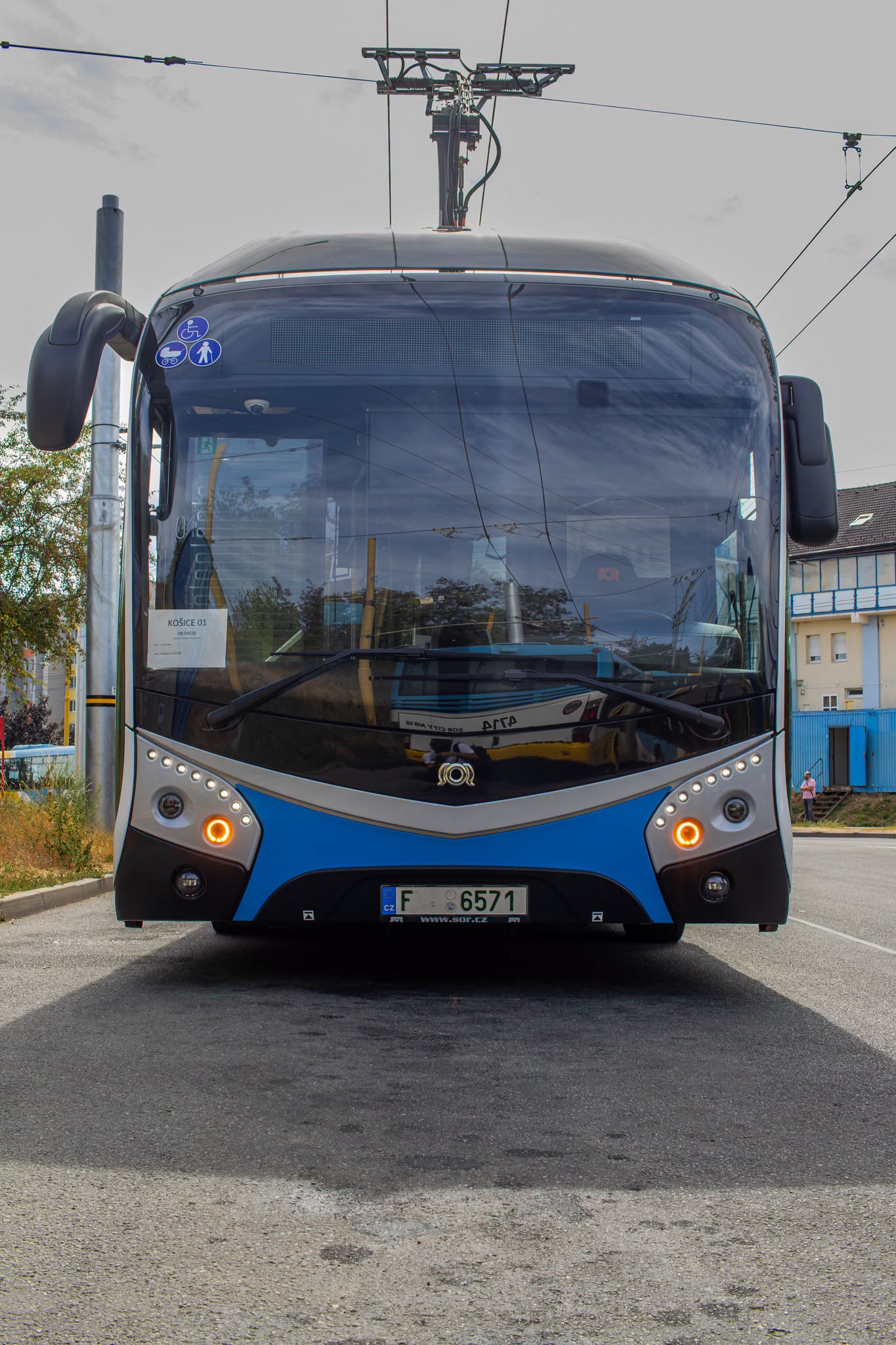
The technology is currently being actively used by Prague, while Opava has also ordered similar electric buses built with SOR bodies and Škoda electrical equipment. Škoda’s solution is also crossing the Czech border for the first time with Košice: Slovakia will be the first “foreign” market where Škoda–SOR electric buses using this system enter service, and the Košice vehicles will also represent the technology’s first articulated application.
It is important to stress that although the vehicles in question are capable of taking energy from the trolleybus network’s overhead wires, in technical terms they cannot be regarded either as classic, double-insulated trolleybuses capable of battery-powered off-wire operation, or as representatives of the e-bus-based self-propelled trolleybus concept used by Hess or Yutong, even though the use of a galvanically isolated onboard charger means their technical philosophy is partly closer to the latter solution. This is because energy is not taken on while the vehicle is moving, but only when it is stationary, via the roof-mounted two-pole pantograph.
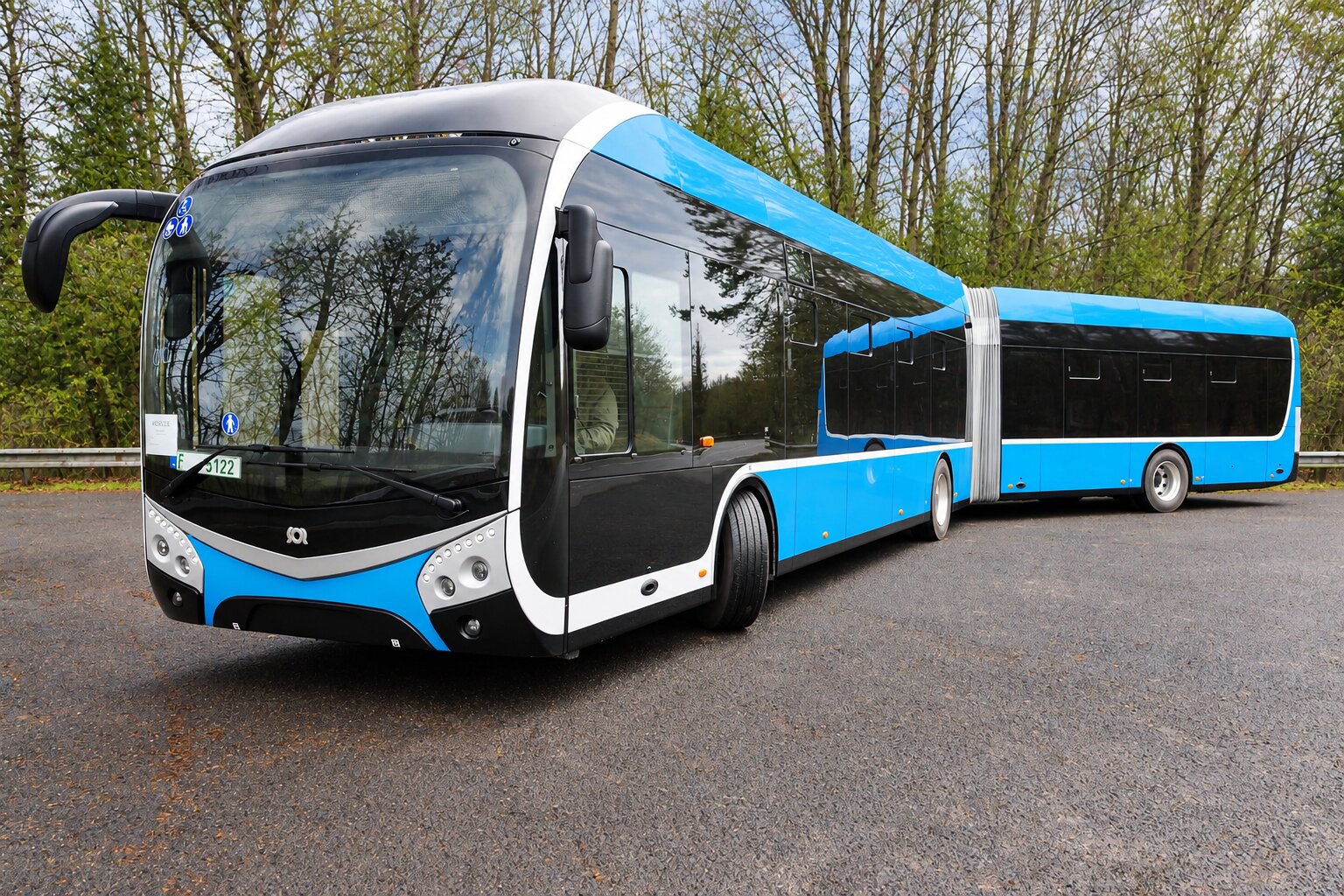
The purpose of the system, therefore, is not to enable operation under overhead wires, but to provide fast daytime charging of the batteries using Košice’s existing 750 V DC trolleybus infrastructure. In essence, the solution can be seen as a combination of conventional opportunity charging and trolleybus power supply, making it possible to achieve high daily mileage without having to install traditional cable-connected fast chargers at every charging location.
The 11 vehicles now arriving represent the first call-off under a wider framework agreement for the procurement of up to 30 articulated electric buses. DPMK signed the contract in August 2024 with a consortium formed by SOR Libchavy and Škoda Electric, under which the first phase covers 11 buses, with a further 19 units available as an option. The total value of the framework, including options, is 610 million Czech crowns, while the net purchase price of the 11 vehicles now to be delivered is €8,937,500, or €812,500 per vehicle. The full first batch is due to arrive in Košice by the end of September.
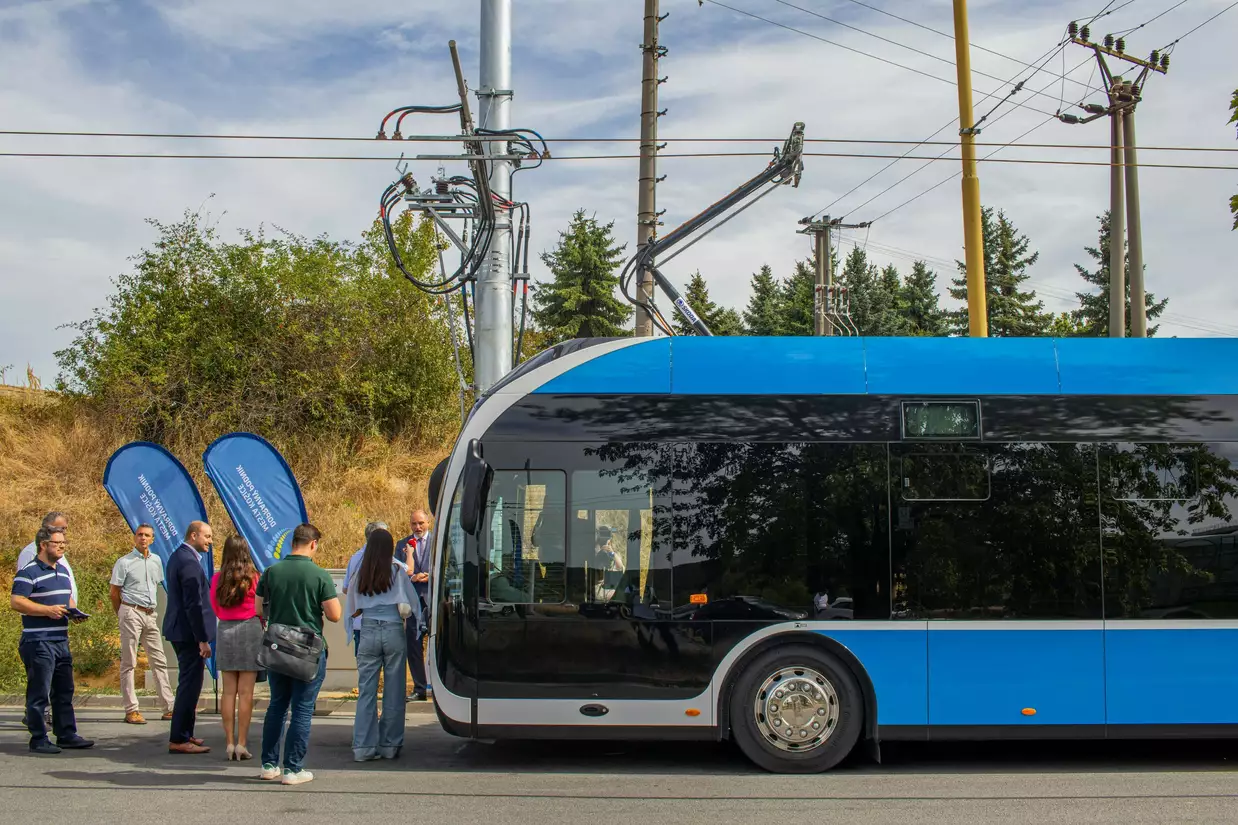
Charging for the 11 new SOR NS 18 electric buses will be provided by a total of 20 overhead-wire charging positions. At the Kláštor terminus in the KVP housing estate, an eight-bay charging point has been built where buses can take on energy during layover time between two trips. A further 12 charging positions have been installed at DPMK’s Hornádska Street depot, where 12 separate overhead-wire charging sections provide regular off-service charging for the vehicles. The terminus-based solution allows the buses to replenish the energy they have used on a regular basis during the day, rather than relying solely on depot charging.
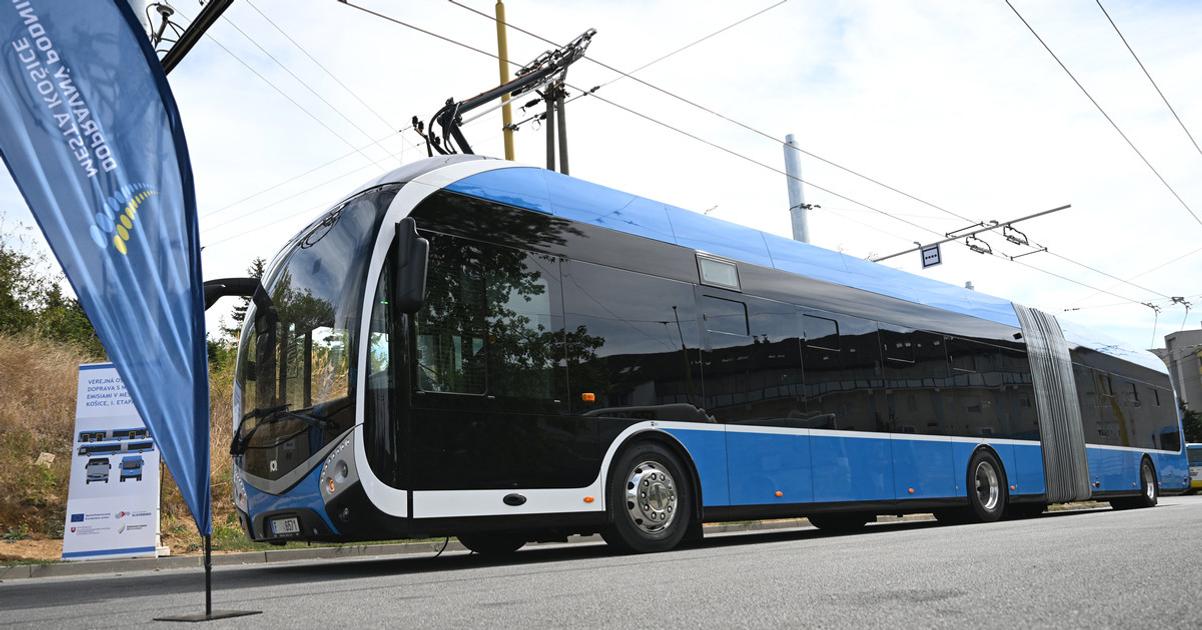
The 18.75-metre buses are powered by Škoda Electric’s 200 kW permanent-magnet synchronous motor. The driveline is paired with a traction inverter based on silicon carbide, or SiC, semiconductors. The Košice vehicles will receive IMPACT Clean Power Technology’s UVES Energy Gen 3.0 NMC-chemistry traction battery system, consisting of five modules with a total gross capacity of 510 kWh, of which 285 kWh is usable. This means that only around 56% of the nominal energy storage capacity is actually used, allowing the battery to operate with a significant state-of-charge reserve. The tightly limited usable window may also help protect the battery and extend its service life, while fitting well with the chosen operating concept: the vehicles do not have to cover their entire daily mileage on a single charge, as they can regularly replenish the energy used during layovers at termini.
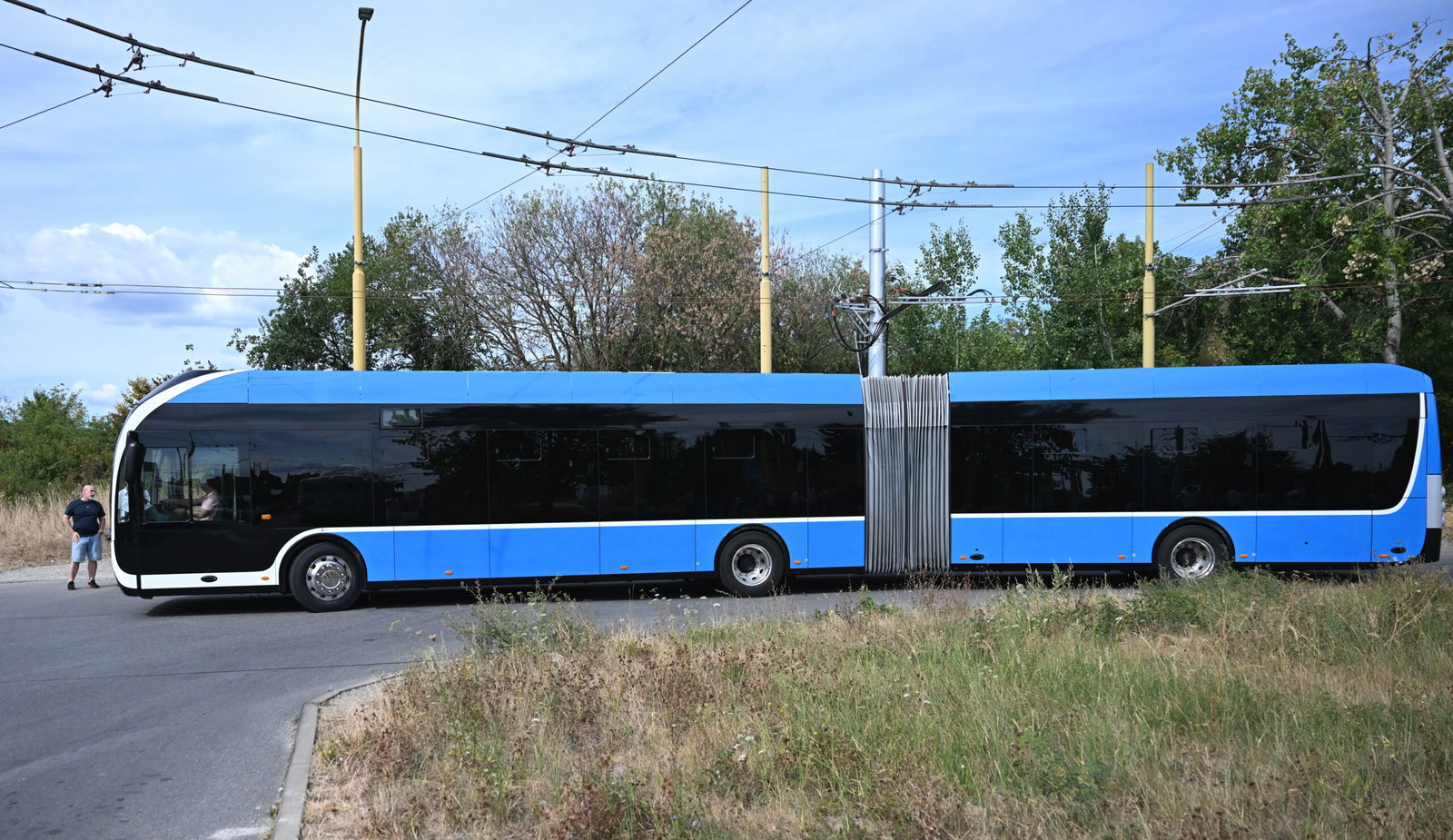
After test runs and the necessary regulatory procedures have been completed, the new electric buses are expected to enter passenger service in Košice as early as the end of September. During trial operation, passengers may encounter them on routes 10, 15, 23, 27 and 36, while in the longer term DPMK plans to use them primarily on routes 19, 71 and 72. The latter two are a particularly symbolic choice: routes 71 and 72 were the last two scheduled routes of the Košice trolleybus system, from which trolleybuses disappeared on 31 January 2015. More than eleven years later, the overhead-wire infrastructure of the former trolleybus network that still remains in place will once again play a role partly on these same routes — this time, however, not to serve trolleybus operation, but to charge battery-electric buses.