![Magyarbusz [Info]](/mbi/header-logo.png)
The First Two Members of the SOR NB 18 Farewell Series Have Arrived in Košice
 Patthy Gellért
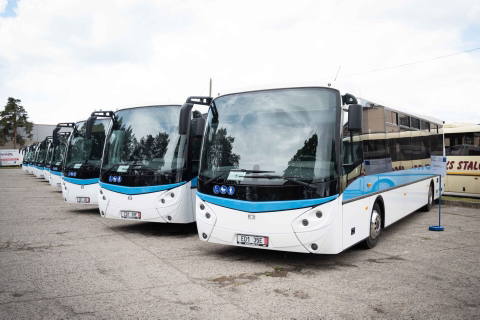
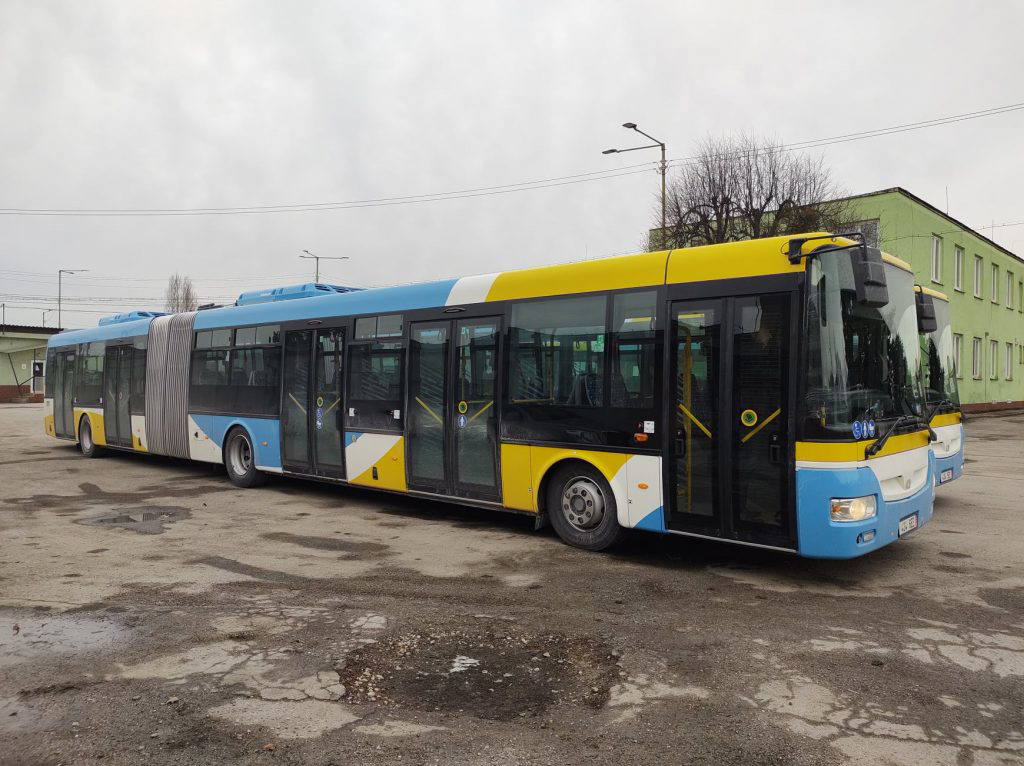
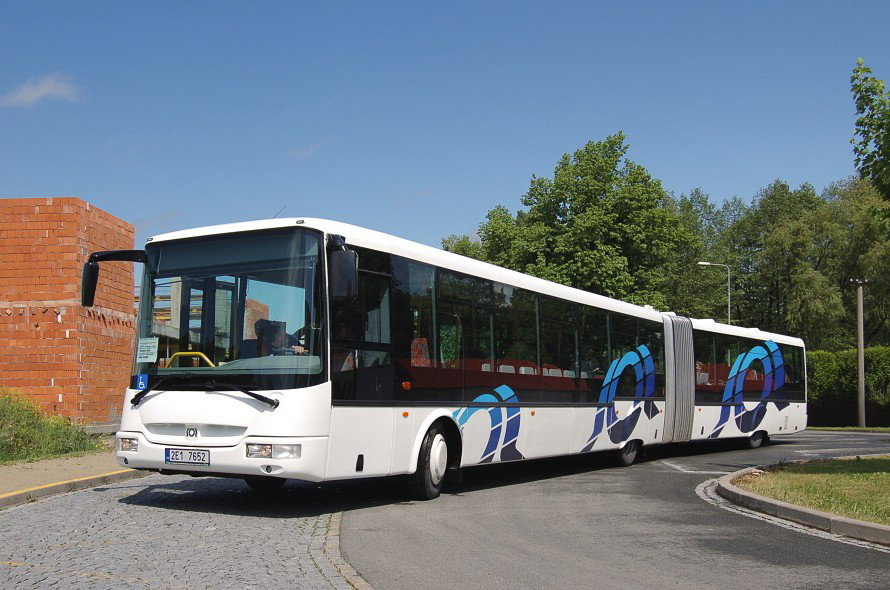
The municipal transport company of Košice, Dopravný podnik mesta Košice (DPMK), took delivery of two brand new five-door SOR NB 18 City articulated city buses last week. The event was reported on both the company’s and the city’s official Facebook page. Further units are expected to follow at the beginning of spring, marking the farewell of the SOR NB series, whose production will end in late February.
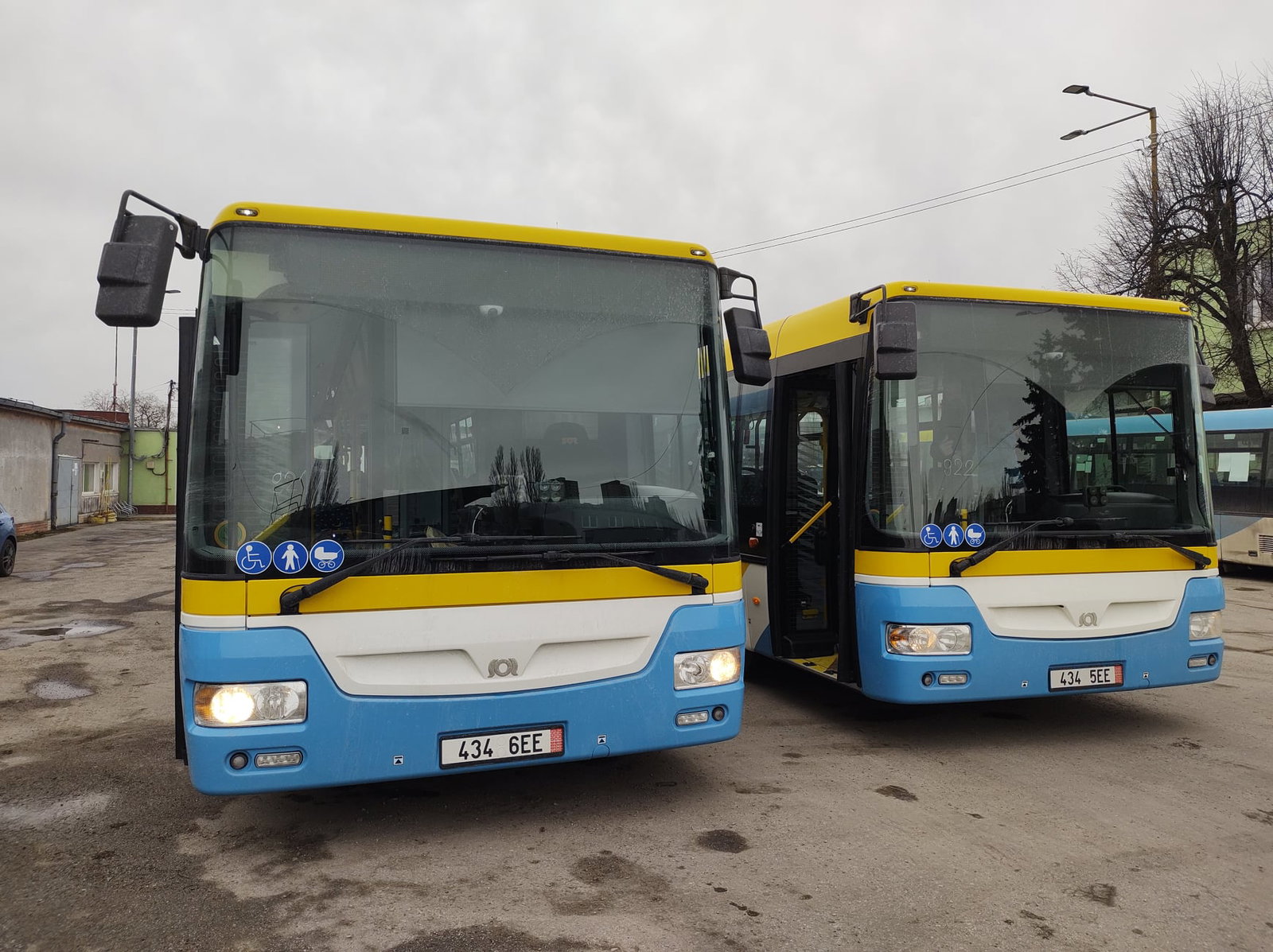
The former county seat of Abaúj-Torna has ordered a total of 21 SOR articulated buses this time, exhausting the full optional quantity available from the framework agreement signed in August 2018. The first two units arrived at the provider’s premises on January 31, and the remaining buses will be delivered by the Czech bus manufacturer by March 31. A significant fleet renewal is currently underway in Košice, with 15 Solaris Urbino 12s added to the local fleet last autumn. During the option exercise, DPMK managed to secure significant discounts from both manufacturers, with the SOR vehicles arriving at the operator at a price 579,600 euros lower. The new articulated buses come with a general warranty of three years or 200,000 km (whichever comes first) from SOR, while the factory warranty against frame corrosion lasts for 10 years.
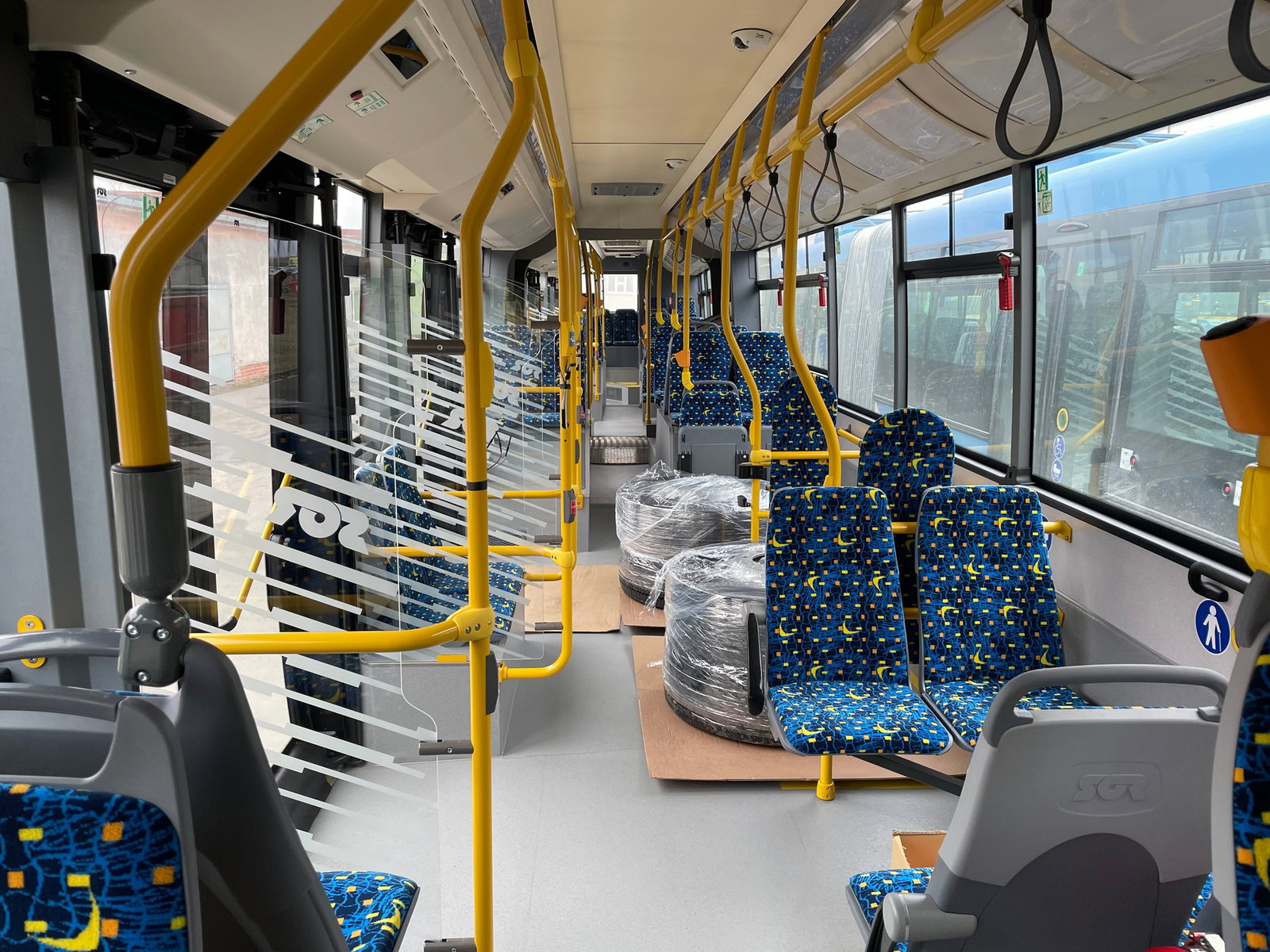
The SOR NB 18 is quite a common type in Košice: between 2013 and 2014, DPMK purchased a total of 56 units, and the solo version boasts similar numbers, with 61 units operating in the city. The last new articulated units arrived in 2018, following the aforementioned framework agreement signing – nine, to be precise – in a practically identical configuration to the newly delivered buses.
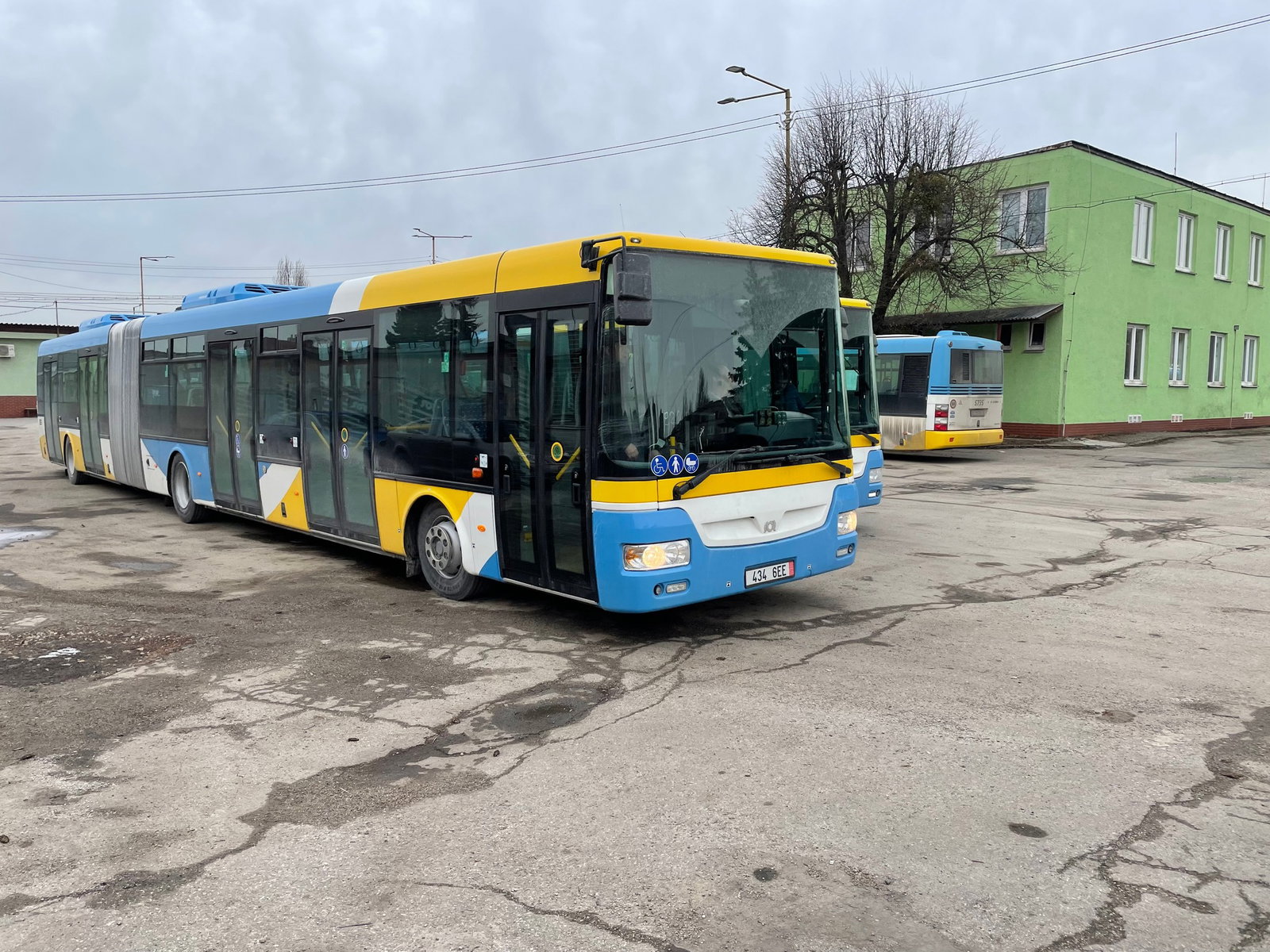
The fulfillment of this current order also marks the swan song of the NB series, now in its fourteenth year in its current form. According to the Czech zdopravy.cz portal, confirmed by Filip Murgaš, the managing director of SOR Libchavy, these buses, along with a ten-unit series to be delivered to Prešov in February, will be the last of the articulated type. In the coming weeks, production of the solo version, the NB 12 City, will also cease. Subsequently, the NB series for urban and suburban use will be permanently replaced by the NS series, which was introduced in 2016 and has been produced alongside it until now.
Mixed Feelings
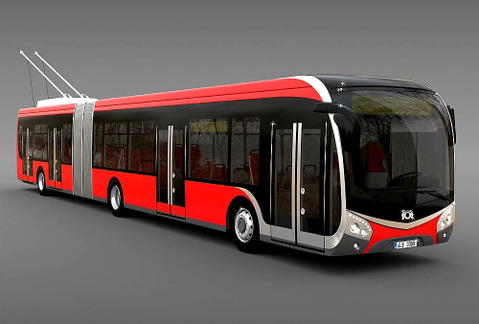
The prototype of the fully low-floor NB series – with a design different from the later production version – was presented by SOR at the Brno Autotec exhibition in 2006. Based on the experience of subsequent Czech and Slovak test runs, actual series production began in 2008. The series exhibited several unique technical solutions, the most interesting being the „small-wheeled” front axle with a 19.5″ disc size, while the rear (and the middle free-running axle in the articulated version) had standard 22.5″ wheels to maintain the fully low-floor design. This mixed configuration was considered by many to combine the worst characteristics of both construction methods – nonetheless, SOR abandoned this concept in the development of the successor model. Another characteristic of the manufactured vehicles was that most of them had four passenger doors in the solo version and five in the articulated version to facilitate faster passenger exchange.
Familiar appearance: the SOR NB 18 prototype from 2006 (Photo: fotodoprava.com)
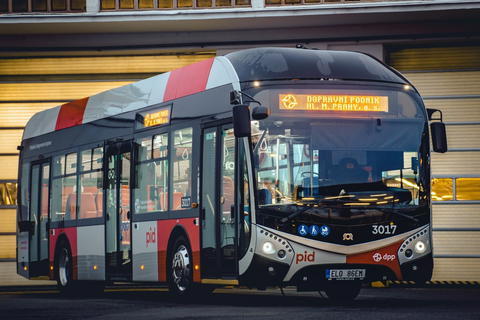
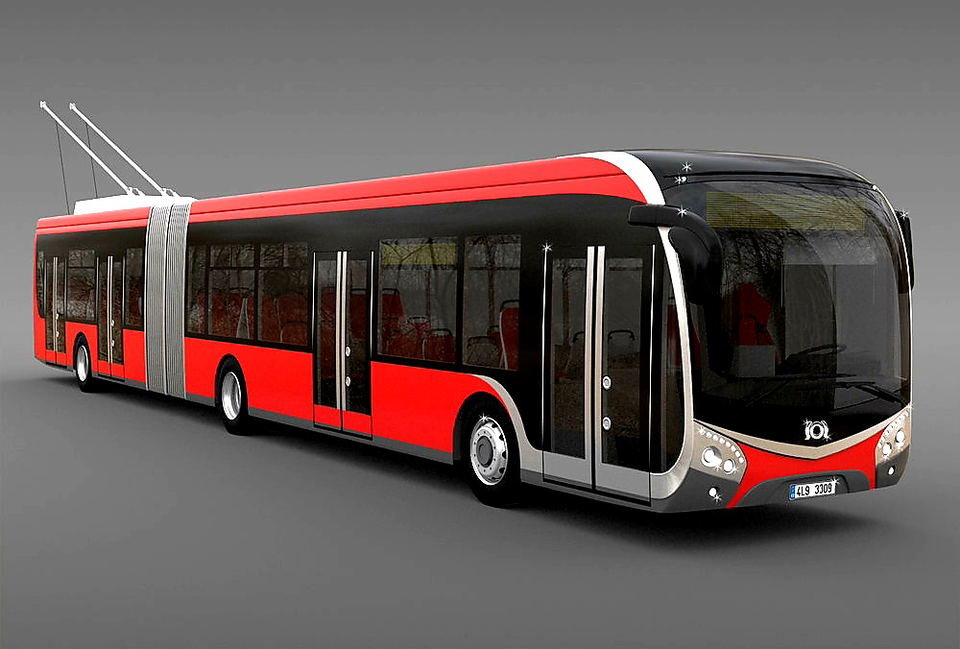
CNG and trolleybus versions (designated NBG and TNB) were also produced from the type pair, and the Škoda-electronics trolleybuses offered since 2010 were named Škoda 30 Tr and 31 Tr depending on the procurement circumstances. The primary market for the NB series was Czech and Slovak urban operators, with Prague being the largest buyer, where the local transport company received the thousandth unit last year. The decommissioning of the first units from 2009 has already begun in the Czech capital, which plans to dispose of at most 30 solo and 15 articulated buses this year. SOR also attempted to market the type in Hungary: in 2012, a solo and an articulated demo bus were tested in passenger service in Budapest for a month and a half, but Hungarian operators, partly due to the strong market presence of Credo products, were not particularly eager for the type, resulting in no sales in Hungary.
Photos: DPMK