![Magyarbusz [Info]](/mbi/header-logo.png)
When Setra built a luxury coach for America – the story of the Golden Eagle
 Ludányi József
In the mid-1950s, Greyhound, the largest and best-known intercity coach operator in the United States, was practically impossible to bypass on the American long-distance bus market. From 1954, the company put into service the futuristic-looking PD-4501 Scenicruisers developed specifically for it by General Motors; with their distinctive partially raised passenger compartment, three-axle layout and outstanding comfort by the standards of the time, they set a new benchmark in American long-distance transport. One of Greyhound’s main rivals, Continental Trailways, which brought together several regional bus companies, naturally did not want to fall behind in the competition, but in the end it did not find the right vehicle among American manufacturers. It had to go as far as Europe, to Ulm in West Germany, where Karl Kässbohrer Fahrzeugwerke was still only beginning to spread its wings with the Setra brand, launched just a few years earlier. The Golden Eagle, created there to meet American requirements, ultimately left a far greater legacy than anyone could have imagined at the time: it not only became one of the most unusual models in Setra’s history, but also laid the foundations for an American coach family that would later become independent.
Continental Trailways first, of course, tried to find a suitable rival to the Scenicruiser among domestic manufacturers. It also examined General Motors’ 40-foot, or roughly 12.2-metre-long, PD-4901 Golden Chariot prototype, and the vehicle even reached the company’s Dallas headquarters, but no order was ultimately placed. Continental also saw potential in the Flxible VistaLiner and tried to persuade the manufacturer to develop a 40-foot version, but this, too, came to nothing.
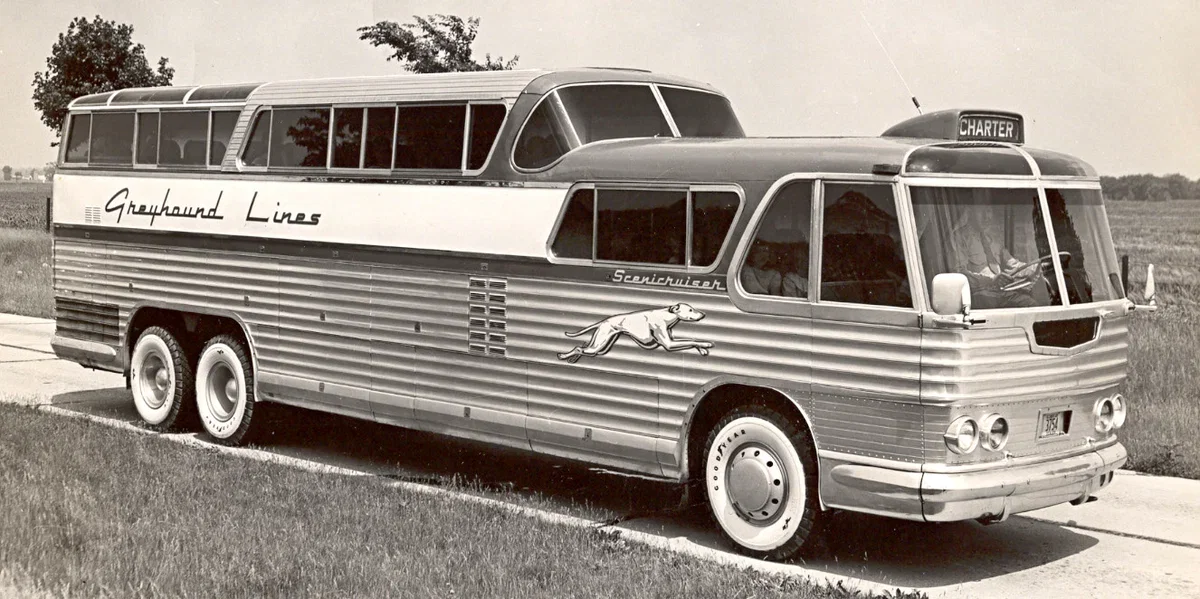
The rival Greyhound’s flagship, the General Motors-built PD-4501 Scenicruiser
Meanwhile, the range of potential domestic partners was narrowing. Aerocoach ceased bus production in 1952, followed a year later by ACF-Brill, while General Motors dominated an ever larger share of the American market. Continental therefore continued its search in Europe: it contacted British, Dutch, Belgian, French and West German manufacturers, before finally choosing Karl Kässbohrer Fahrzeugwerke. The Ulm-based company particularly caught the Americans’ attention with its experience in building self-supporting buses. Only a few years earlier, in 1951, Kässbohrer had introduced the S 8, its first bus to carry the Setra brand name, derived from the German word selbsttragend, meaning self-supporting. Continental’s approach therefore found a still-young brand, but one that already possessed precisely the structural solution the American company needed.
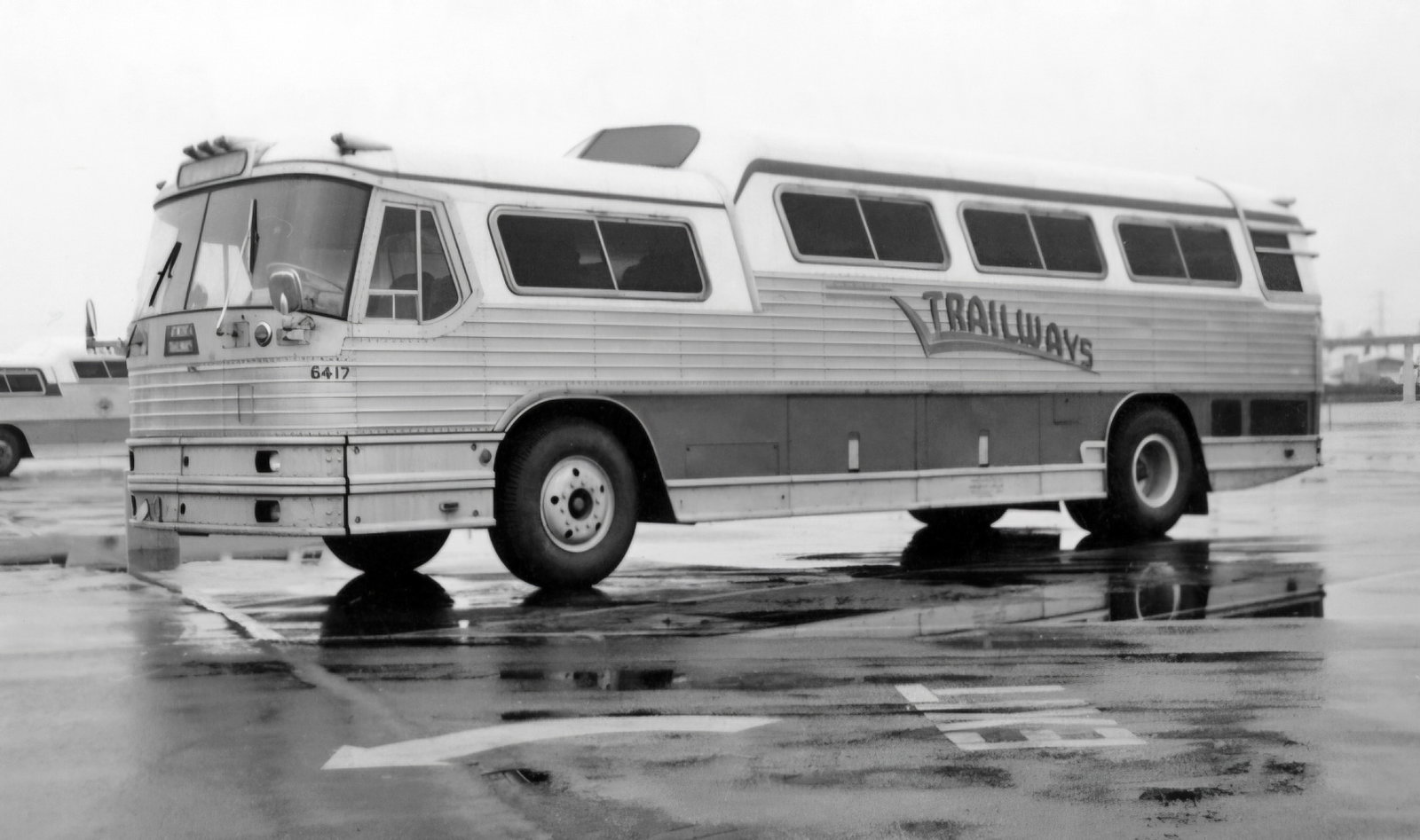
Flxible Vista-Liner, some of whose solutions also influenced the development of the Golden Eagle
Continental and Kässbohrer agreed in 1955 to develop an entirely new intercity coach. It is important to note that the vehicle later known as the Golden Eagle was not simply an existing Setra model adapted for the American market. The design was created specifically to Continental’s requirements and combined solutions from several different schools of bus building. Kässbohrer contributed its experience in self-supporting body construction, while the American side arrived with its own ideas. The layout was influenced by Greyhound’s Scenicruiser as well as the Flxible VistaLiner. From the latter, among other things, came the concept of Torsilastic rubber-spring suspension and the idea of a panoramic rear lounge. Instead of conventional steel or air springs, the Torsilastic system used the elasticity of rubber elements subjected to torsional loads to provide the vehicle’s suspension. The 40-foot, or approximately 12.2-metre, vehicle length was also a Continental requirement.
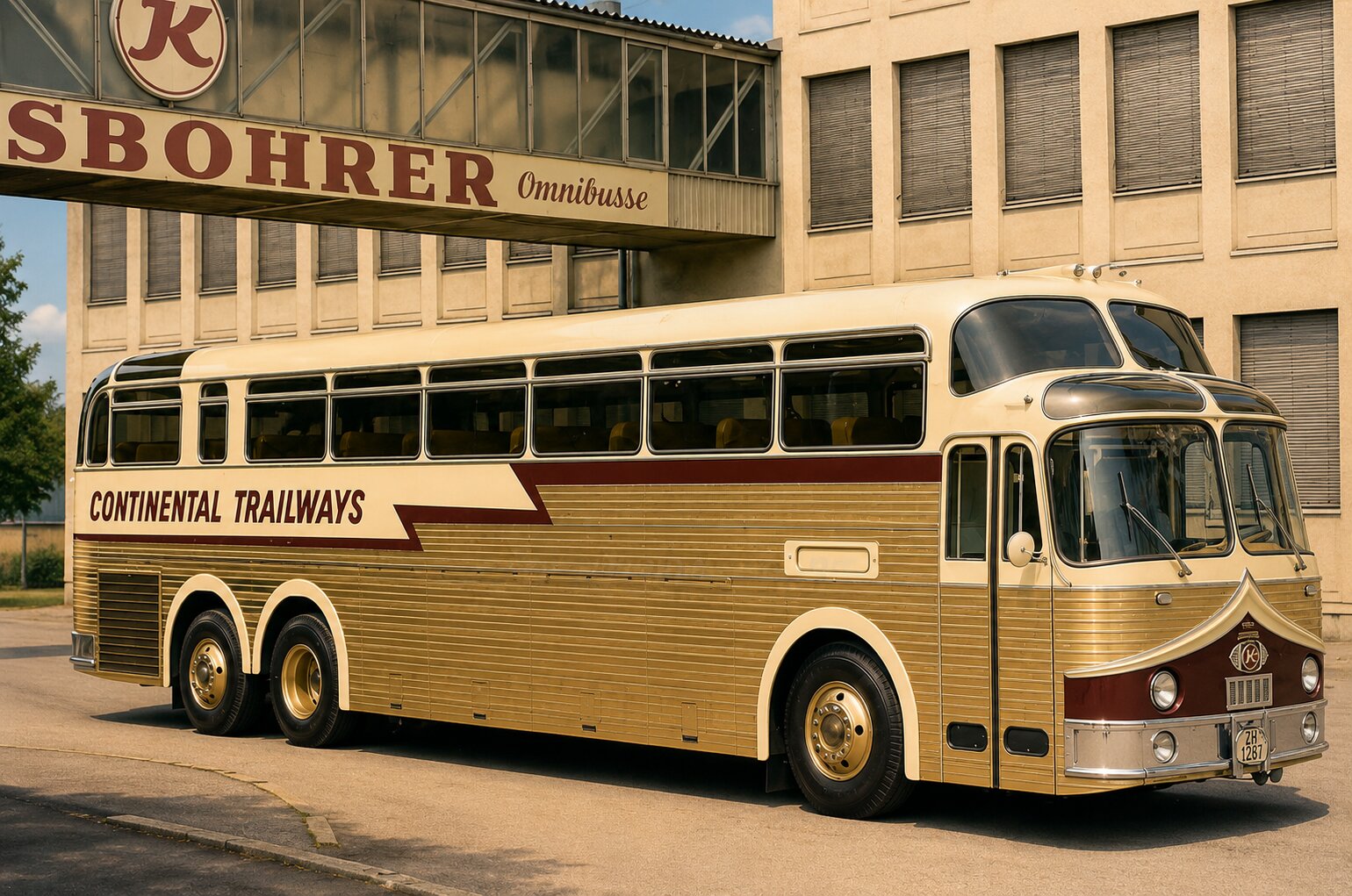
The first prototype was completed in Ulm in 1956. The vehicle underwent intensive motorway testing while still in Germany, then was shipped to the United States, where Continental placed it in service with fleet number 1800. The first Golden Eagle proved itself on the Dallas–Houston route in Texas, and the results were convincing enough for Continental to order a further 50 vehicles after the single prototype.
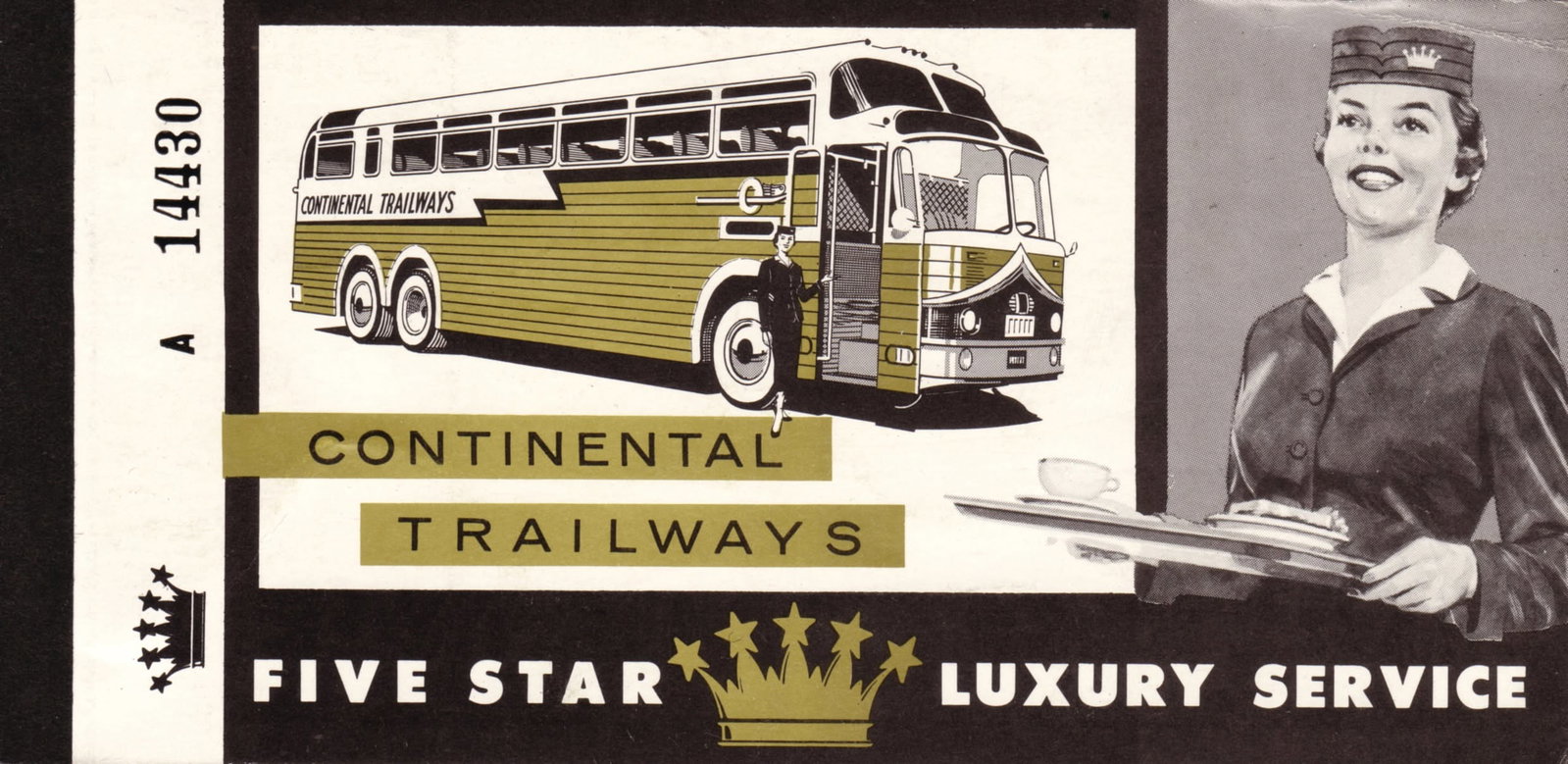
Golden Eagle ticket
The Golden Eagle name itself also came from Continental’s history. In 1953, the company acquired American Bus Lines, which belonged to the Trailways network, and with it inherited its eagle emblem. When the first Kässbohrer prototype was completed three years later, this symbol was also placed on the vehicle: this is where the Eagle name came from, while Golden referred to the coach’s striking gold-coloured anodised aluminium side panels.
The three-axle Golden Eagle was 12.2 metres long, 2.5 metres wide and around 3.8 metres high. Power was provided by MAN’s German-built 210 hp turbocharged D 1548 MTH V8 diesel engine, while the prototype was fitted with a ZF six-speed preselector gearbox. Later production vehicles used a five-speed transmission. According to contemporary data, the vehicle’s top speed could reach 115 km/h.
The Golden Eagle, however, did not stand out primarily for its performance. Large luggage compartments were created beneath the high-mounted passenger floor, which ran practically level throughout, while the suspension was a Torsilastic system combined with automatic ride-height control. The design featured a number of solutions that would later become natural characteristics of modern intercity coaches.
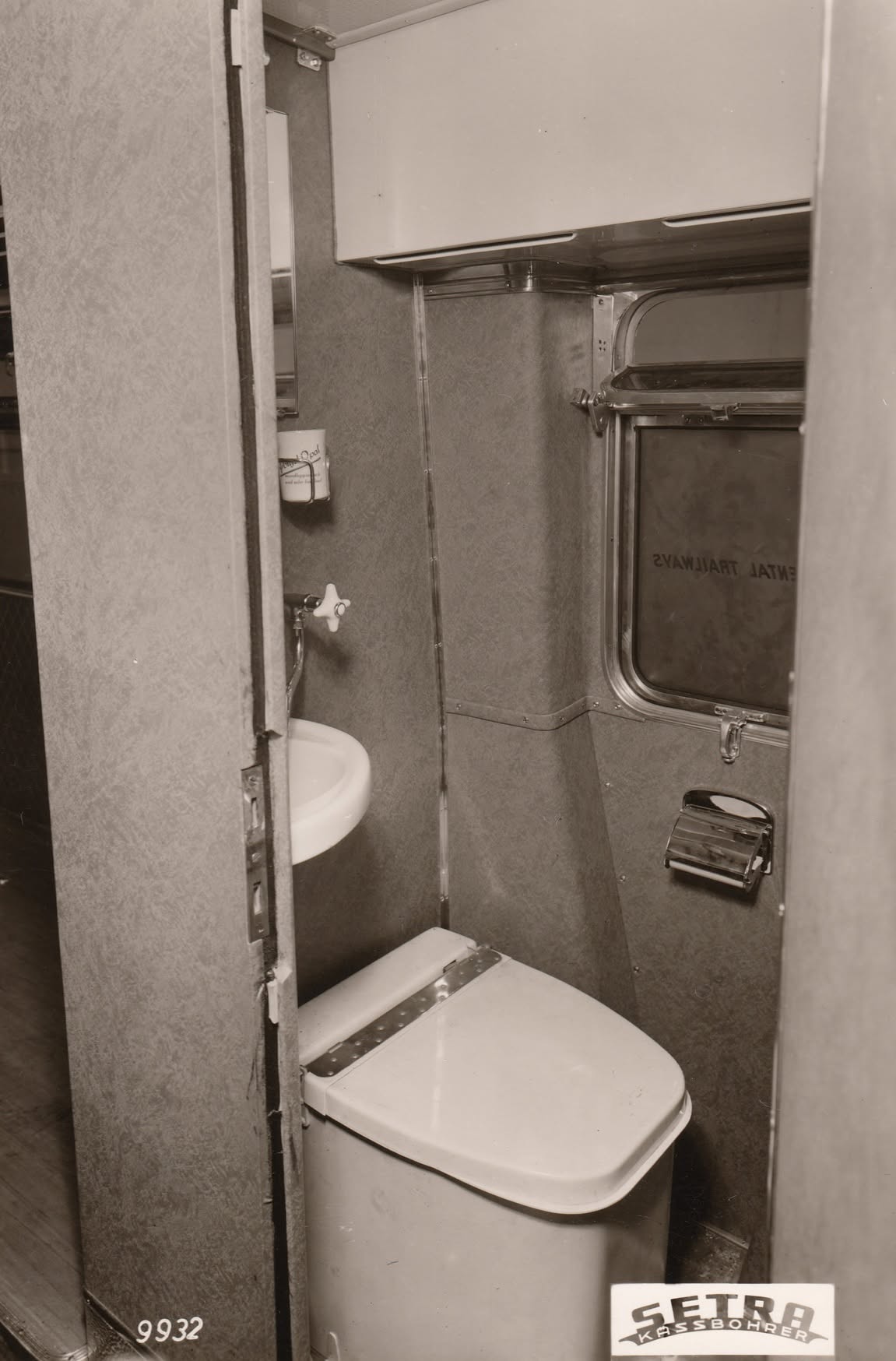
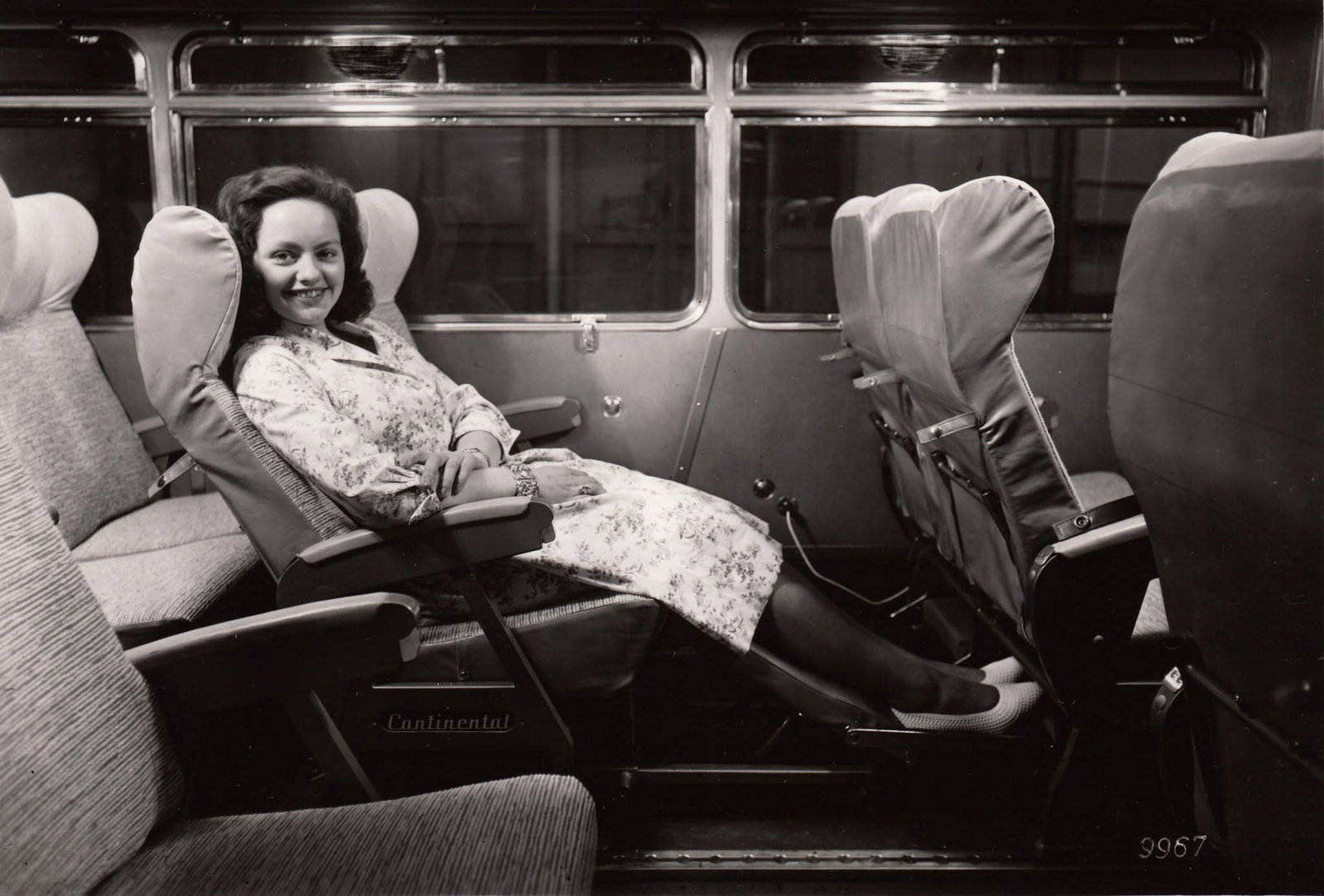
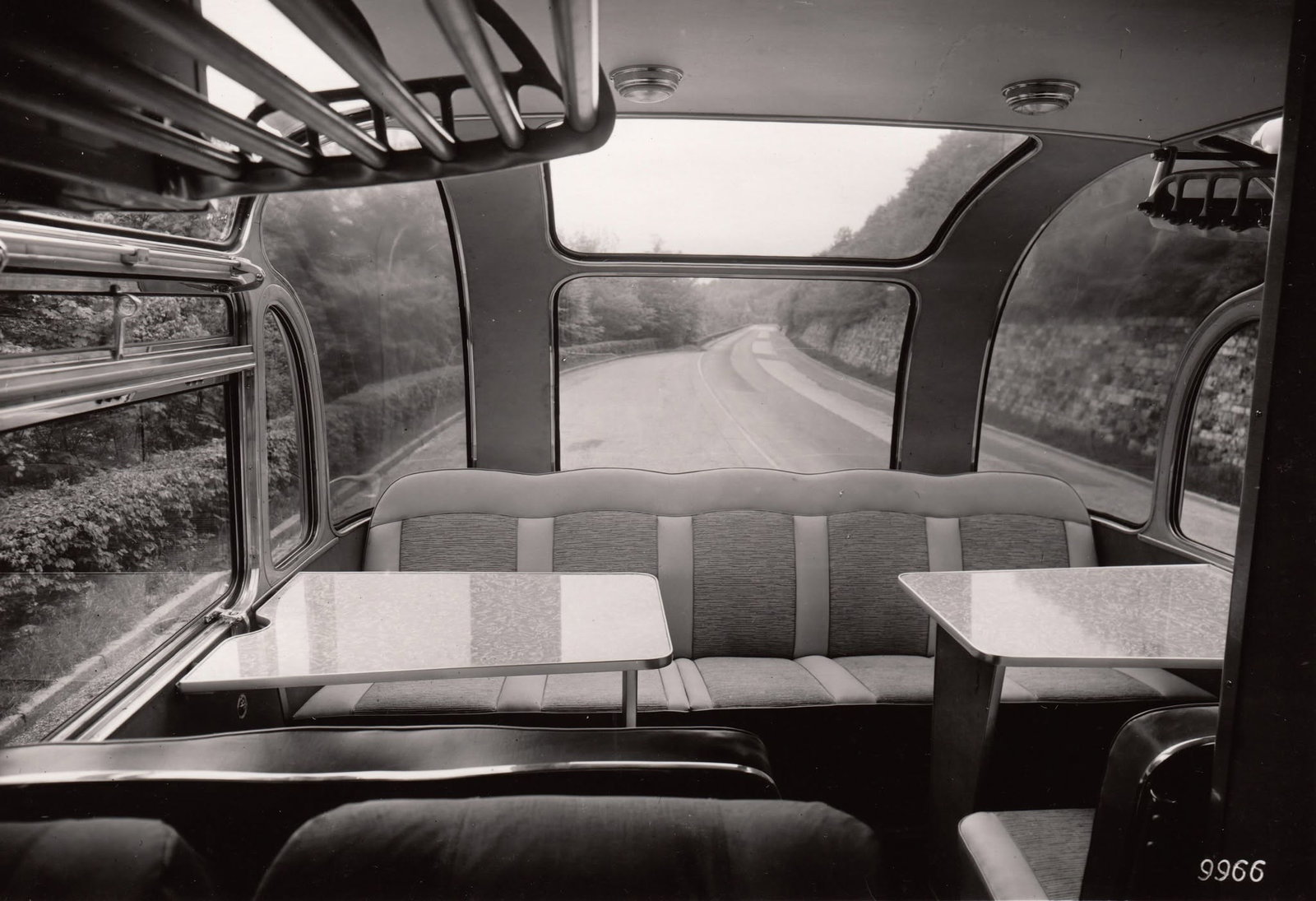
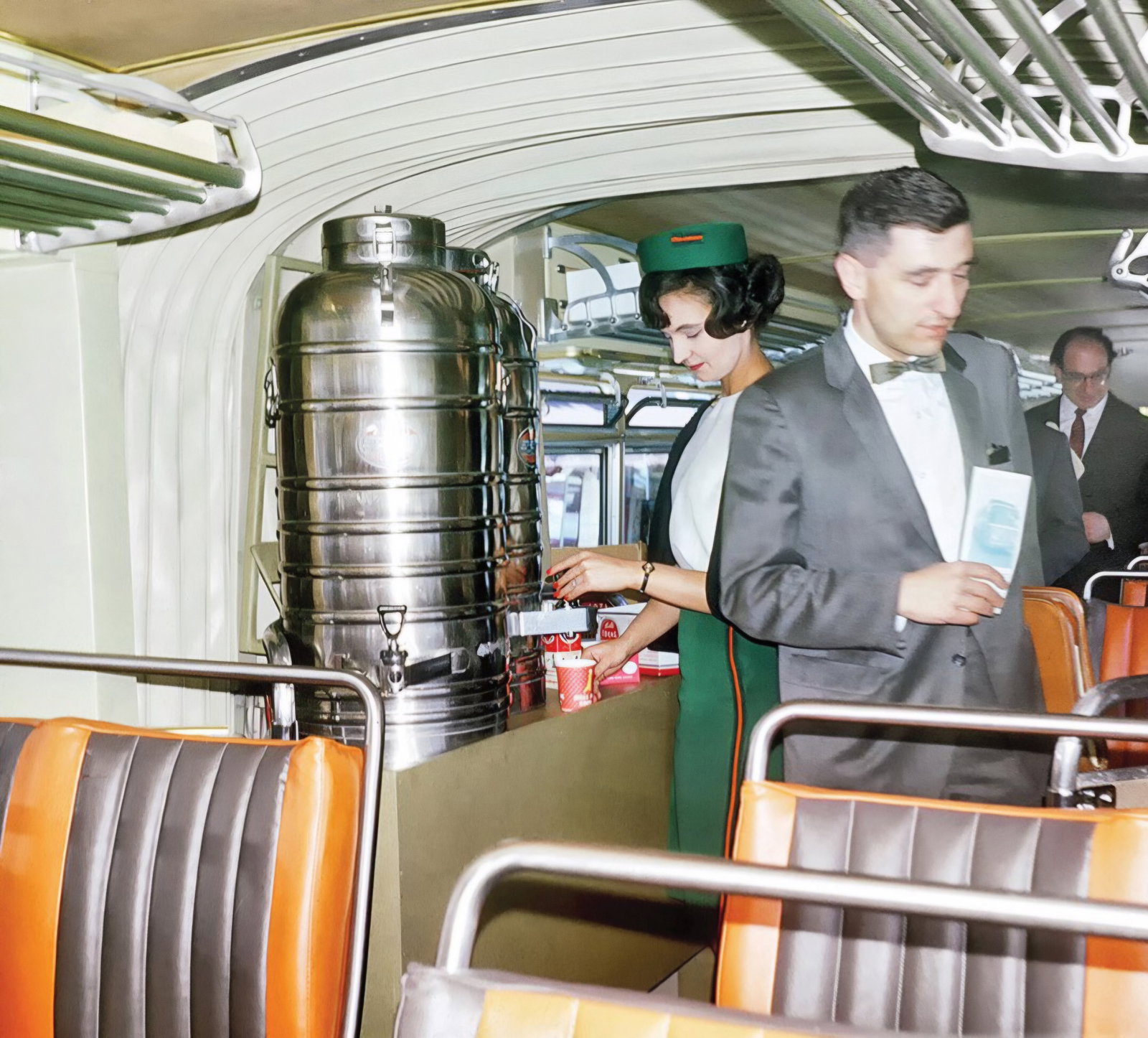
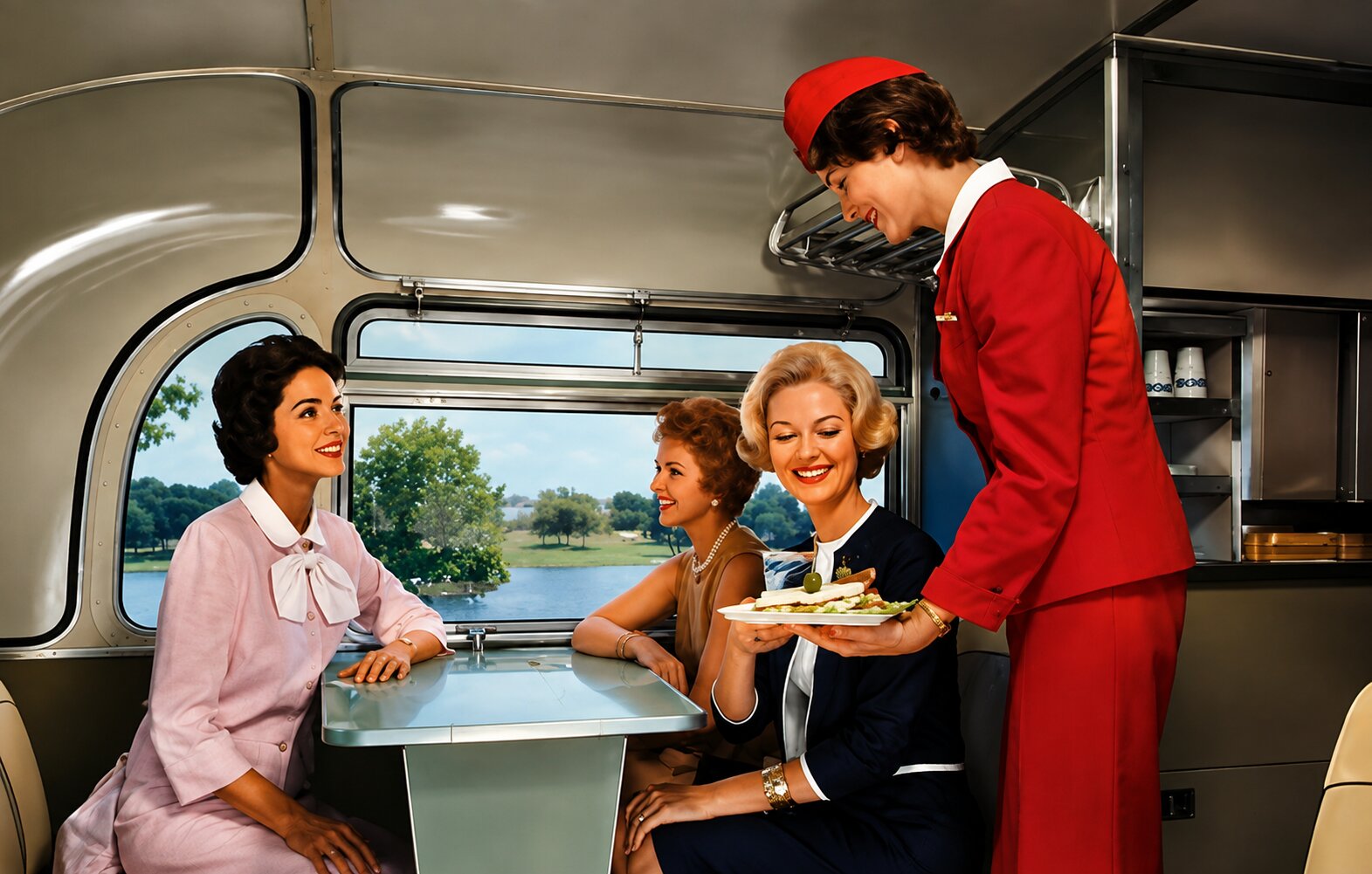
Continental, moreover, did not simply want a new long-distance coach. The Golden Eagle became the flagship of the company’s premium Five Star service, and accordingly offered a level of luxury that was unusual in the 1950s. It was equipped with air conditioning, reclining seats, a washroom, a carpeted passenger compartment, fold-down tables and an onboard kitchen. A panoramic lounge was created at the rear of the coach, while on the services a hostess attended to passengers, serving drinks and snacks. In many respects, the Golden Eagle was therefore more the roadgoing equivalent of first-class rail and air travel of the period than a conventional bus.
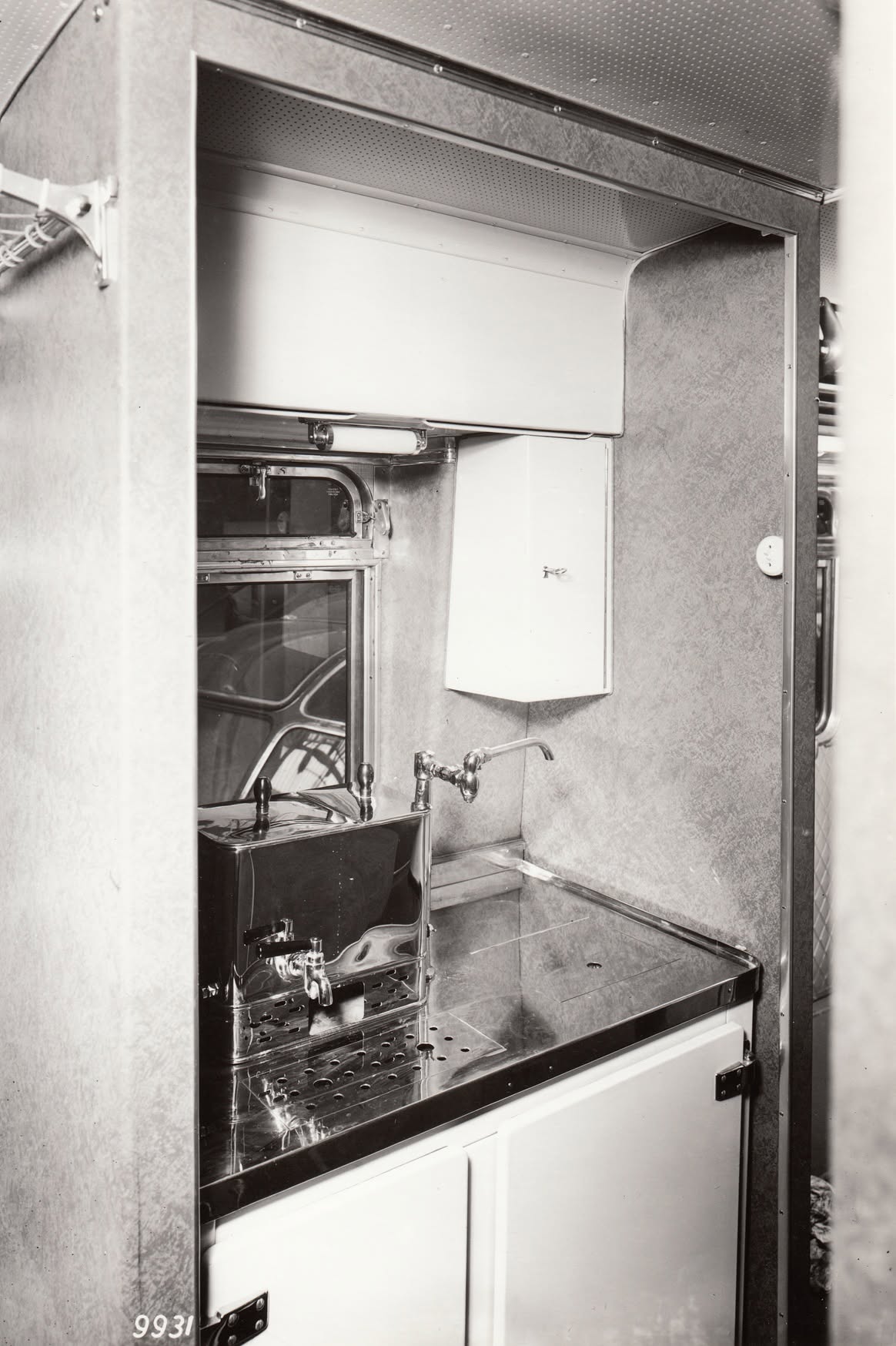
American operation, however, imposed loads that Kässbohrer’s engineers would hardly have encountered in Europe. According to Setra’s own historical retrospective, the buses built for Continental Trailways in some cases covered as much as 25,000 miles per month, or around 40,000 kilometres. Even by today’s standards, this mileage is remarkable: averaged by day, it amounts to more than 1,300 kilometres, and on an annual basis – if the vehicle had been used continuously at such intensity – it would mean nearly half a million kilometres.
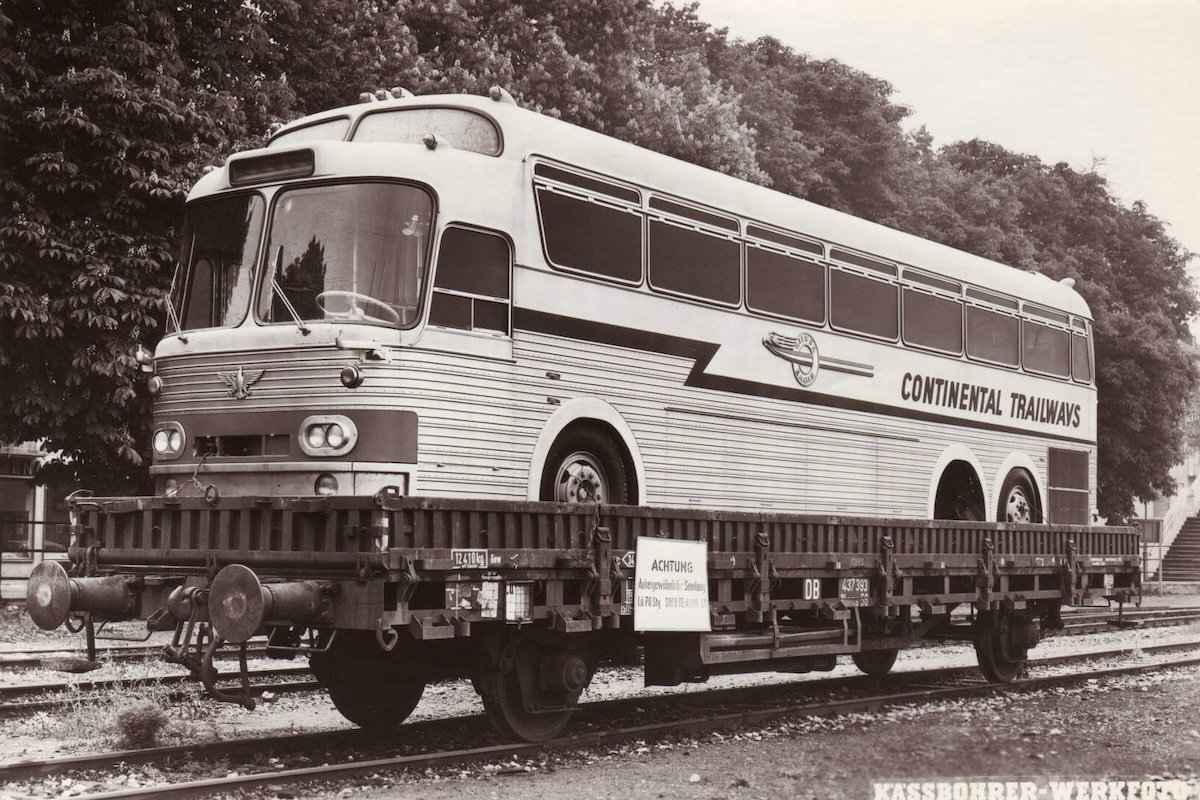
In the longer term, however, the German MAN–ZF driveline did not prove ideal for such extreme duty, so Continental increasingly turned towards American power units that were easier to obtain and service in North America. Later series already featured Cummins engines, and the Detroit Diesel 8V-71 was also added to the Eagle driveline offering. In parallel, several earlier Golden Eagles were rebuilt: the original MAN engine was replaced by a Detroit Diesel 8V-71, and the ZF gearbox by a Spicer unit.
Based on the experience gained with the first Golden Eagle, changes were also made to the production vehicles. The prototype’s huge upper windscreen, for example, was spectacular, but in the Texas sunshine it caused excessive heat load for the driver even with the air conditioning working. The glazing was therefore modified on the production examples arriving from 1957.
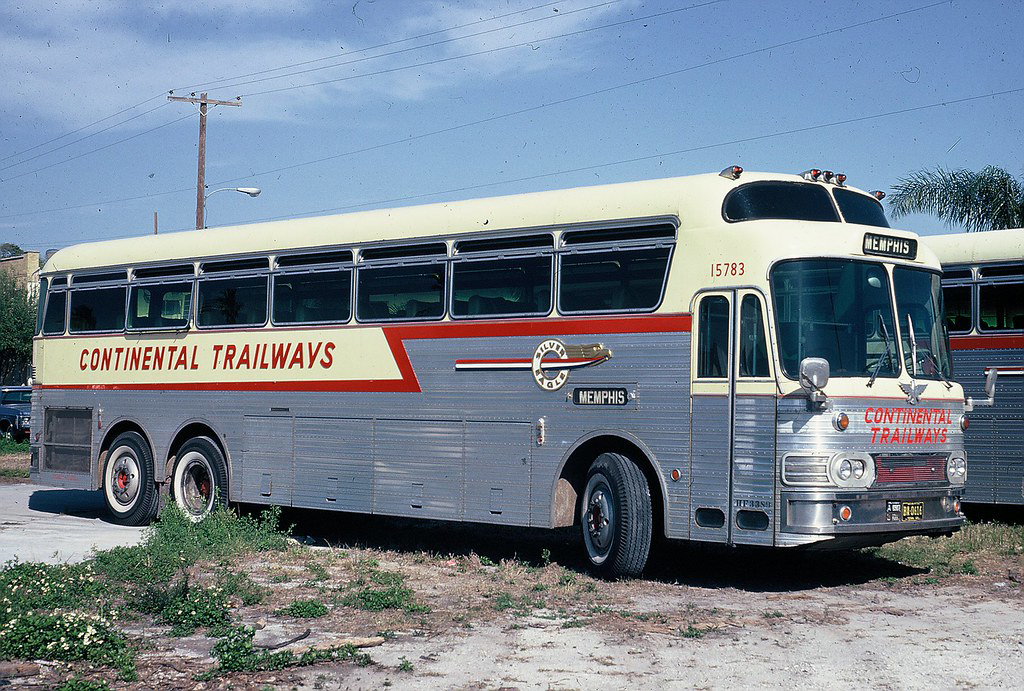
Despite the Golden Eagle’s success, it quickly became clear that Continental did not need such highly equipped and expensive coaches on every route. Kässbohrer therefore also created the simpler Silver Eagle. Introduced in 1958, the version retained the basic design but omitted several of the Golden Eagle’s luxury features, including the rear lounge and onboard kitchen. Instead of gold-coloured cladding it received a silver exterior, and was intended for conventional scheduled intercity services.
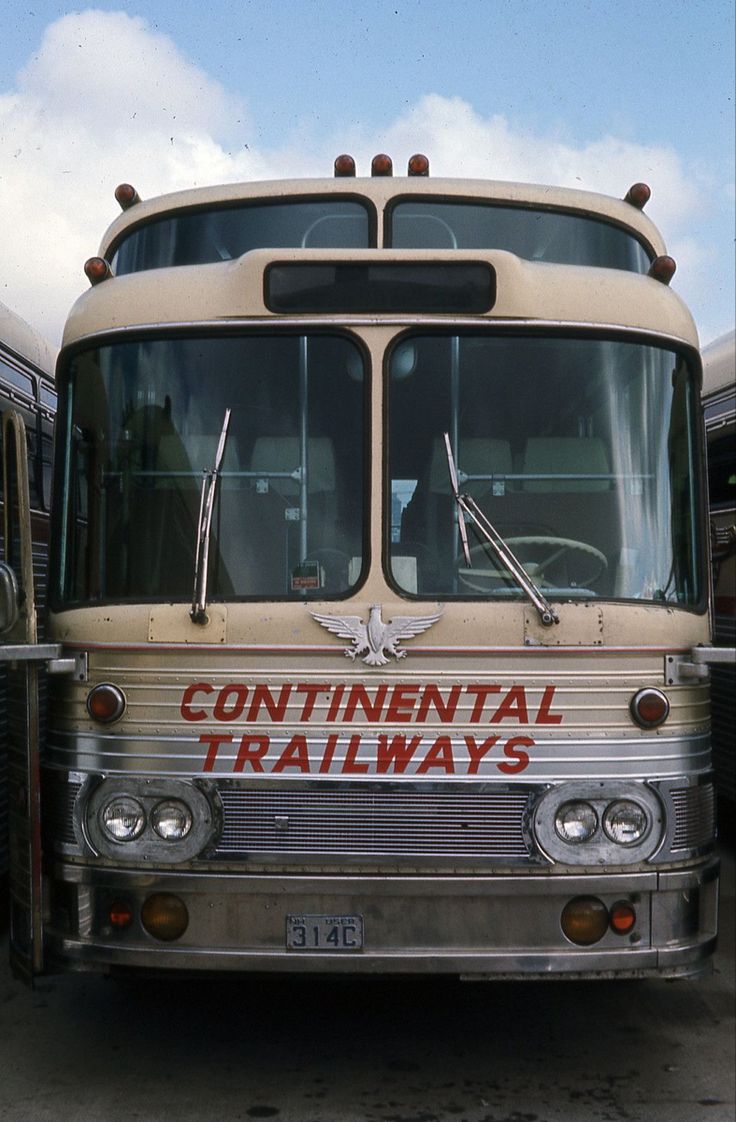
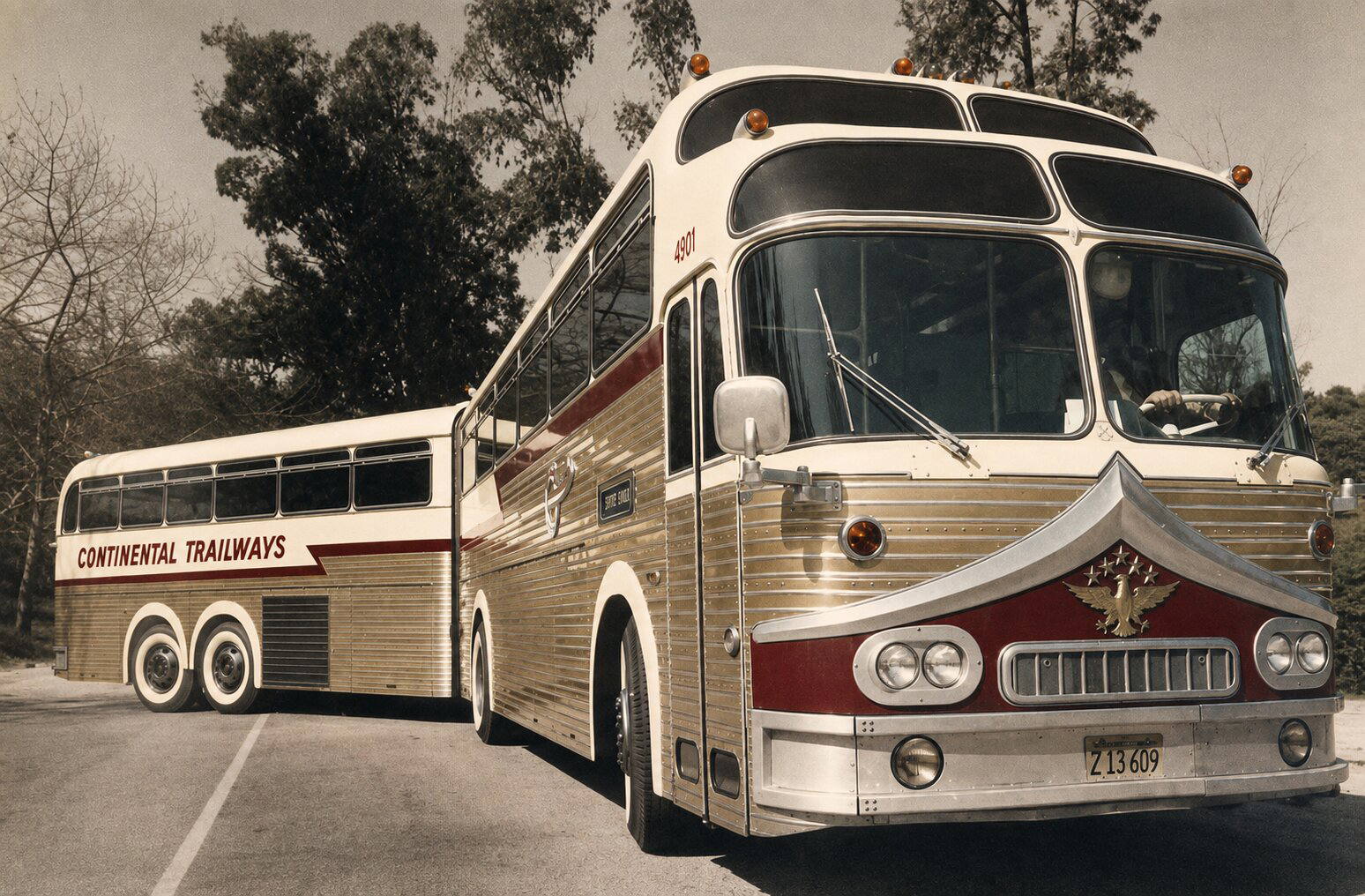
Kässbohrer and Continental went even further than this, however, as 1958 saw the completion of by far the most unusual member of the Golden Eagle family: the Super Golden Eagle. Built in four examples, the vehicle is astonishing even today: an 18.3-metre-long, four-axle articulated luxury intercity coach in an era when even conventional articulated buses were still rare.
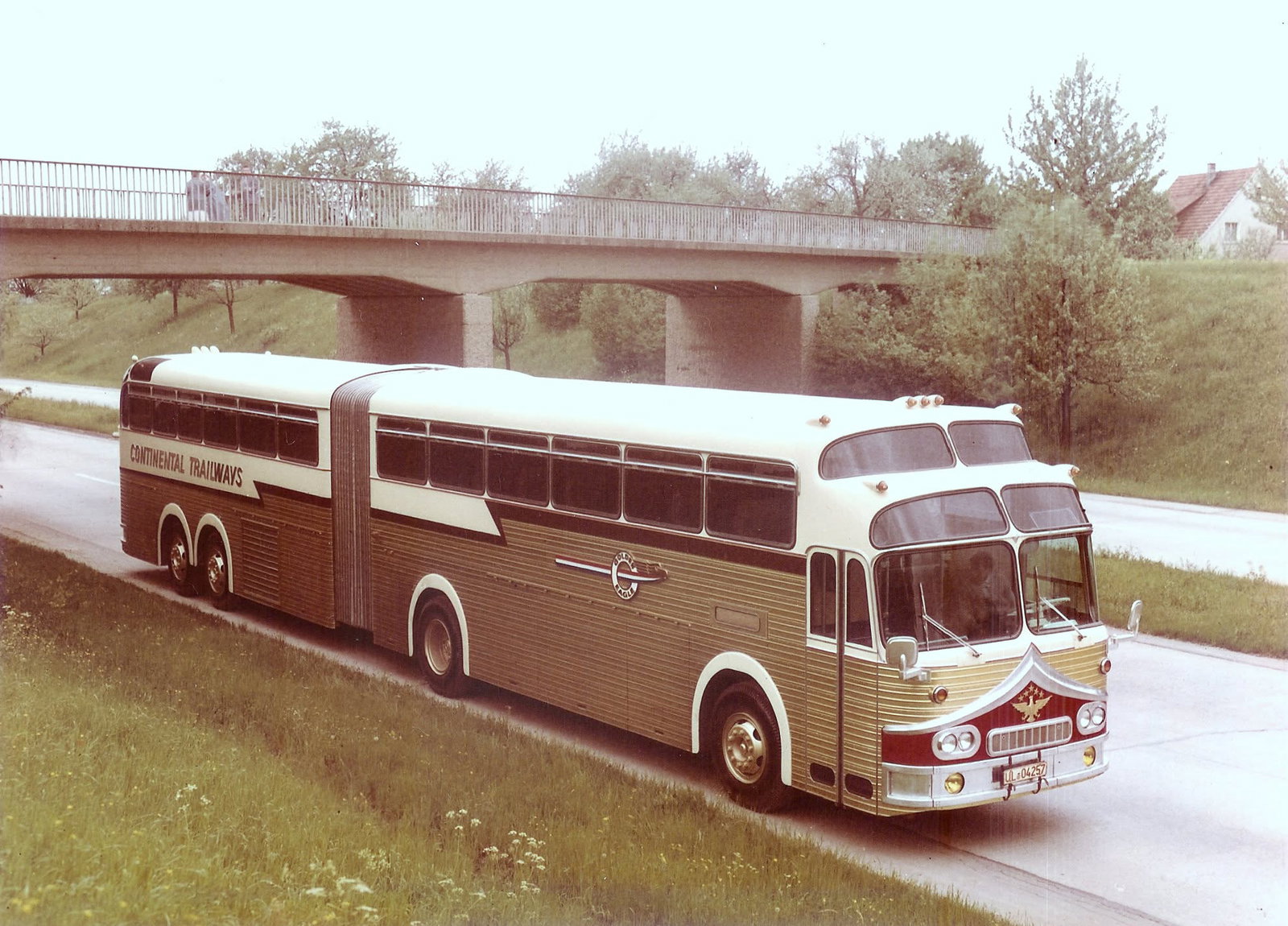
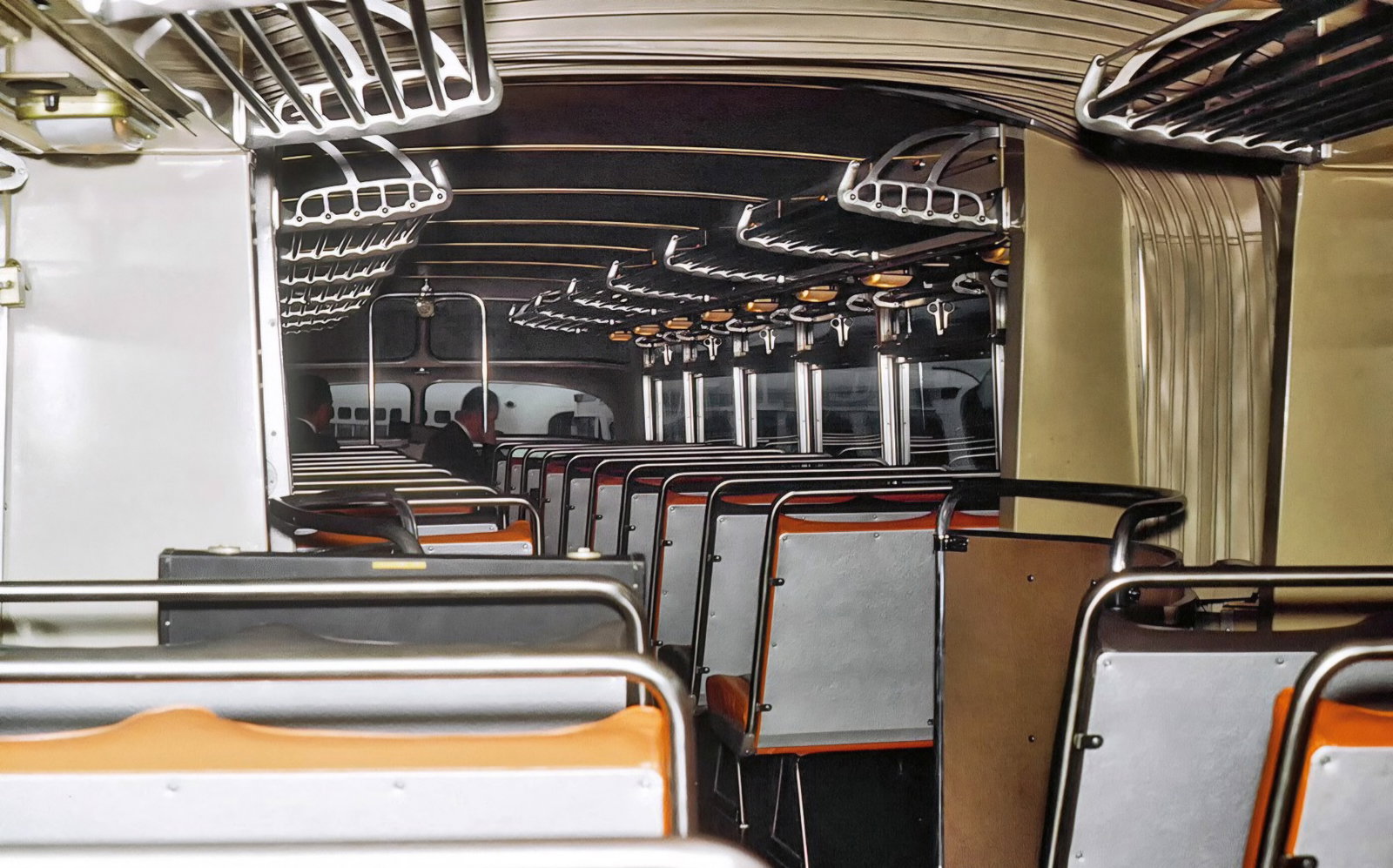
The passenger compartment was exceptional even compared with that of the regular Golden Eagle. The air-conditioned vehicle was designed specifically for Continental’s premium “Five Star” service, and accordingly the seats were arranged with greater-than-average pitch to give passengers more legroom. A small onboard kitchen was installed between the two vehicle sections, while at the very rear there was a nine-seat panoramic lounge, made even more special by large glass panels built into the roof. The Super Golden Eagle could carry a total of 63 passengers, making it essentially an 18-metre articulated luxury liner – in 1958. Technically, too, it differed from the conventional Golden Eagle: power came from a 275 hp Rolls-Royce diesel engine, mounted under the floor in the front section of the vehicle. Through a six-speed ZF gearbox, the engine drove the centre axle ahead of the articulation.
In the end, the design never entered series production. One of the main reasons was precisely its enormous 60-foot, or roughly 18.3-metre, length. Dimension restrictions in certain US states severely limited where the vehicles could operate, making transcontinental use – for which such a high-capacity coach might have been especially attractive – difficult to implement. The four Super Golden Eagles ultimately worked primarily on the Denver–Colorado Springs–Pueblo route, and no further examples were ordered. The type did not disappear without trace, however: two of the vehicles have survived to the present day, so tangible reminders of one of the most unusual bus designs of the 1950s still exist.
The most important legacy of the Golden Eagle story was the Eagle design itself, which took on a life of its own after Kässbohrer withdrew from the Eagle programme. This by no means marked the end of Setra’s presence in America, as the Ulm manufacturer later returned to the United States with other models, but the development of the Eagle from this point on followed a separate path.
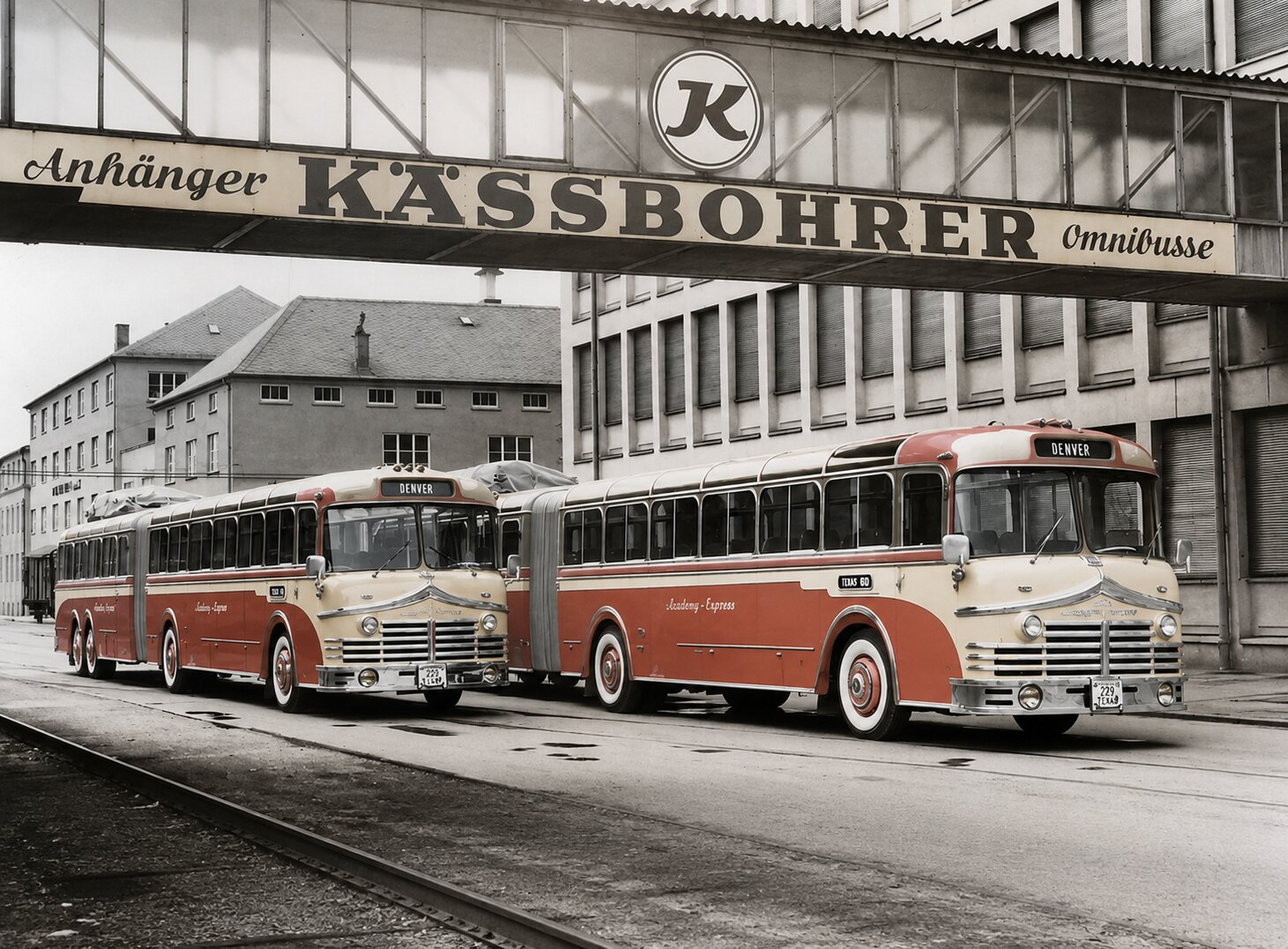
In the first years of the cooperation, between 1956 and 1958, 51 Golden Eagles, 41 Silver Eagles and four Super Golden Eagles – a total of 96 Eagles – were built in Ulm. Alongside them, two further articulated Setras based on Henschel components were also produced for American Bus Lines, which had meanwhile come under Continental’s control; these entered service in the Academy Express operation and can be regarded as important forerunners of the later Super Golden Eagles. The programme established between Continental and Kässbohrer, however, was much larger in scale, covering around 185 buses – Setra’s own historical summaries round this up and refer to it as an American export deal of about 200 vehicles. The full quantity, however, was no longer built in Germany.
By the end of the 1950s, the economic environment in which the Golden Eagle had been born only a few years earlier had changed fundamentally. West Germany’s economy was growing rapidly, demand for European buses was increasing with it, and Kässbohrer’s order book was swelling. The overseas business that had previously been of particular importance thus gradually lost significance for the Ulm manufacturer, which increasingly wanted to focus its capacity on its own European markets. Continental Trailways, however, did not want to give up the Eagle, which had by then proved itself. In 1959, it requested further modifications to the design, and plans were drawn up for the next generation, the New Silver Eagle, whose production was originally still to be handled by Kässbohrer.
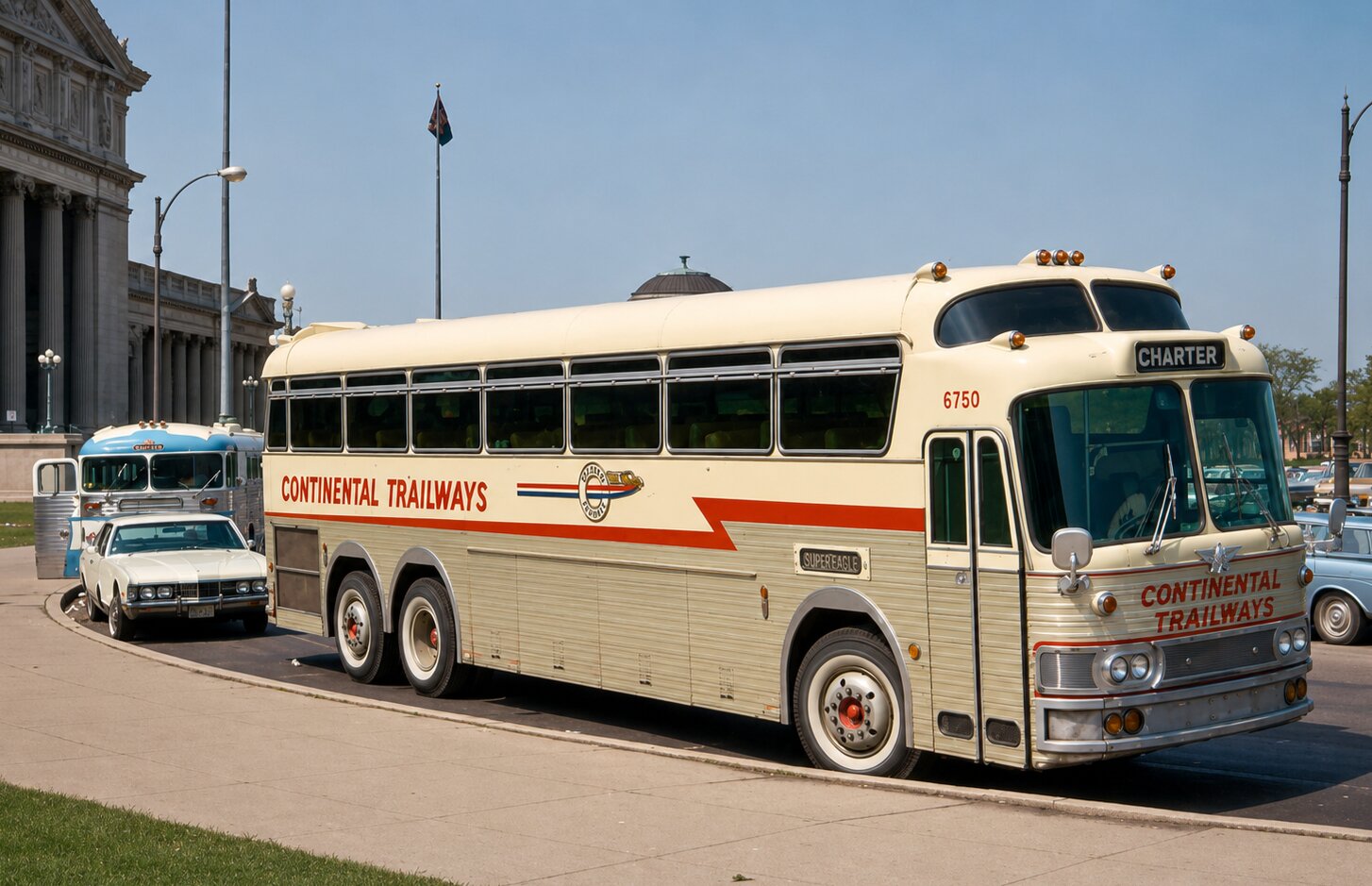
Before series production of the new version could begin, however, Kässbohrer decided to withdraw from the Eagle programme. This did not mean that Continental had to start again with a completely new design: the German manufacturer handed over the production equipment needed to continue the programme, and parts made in Ulm for the vehicles already on order were also available. The new production location ultimately became Belgium, where La Brugeoise et Nivelles of Bruges was the first to join the programme.
The more than 80 remaining New Silver Eagles were built between 1960 and 1961 at the La Brugeoise plant, but these vehicles were still based directly on the Kässbohrer design and were assembled partly using components from Ulm. The Belgian company’s role, however, proved only temporary. In the longer term, Continental wanted to create its own production base for the Eagle, so it established a company in Belgium called Bus & Car N.V., which received its own bus factory in Sint-Michiels, near Bruges. The new plant began operations at the end of 1961, after which Eagle production was gradually transferred there from La Brugeoise.
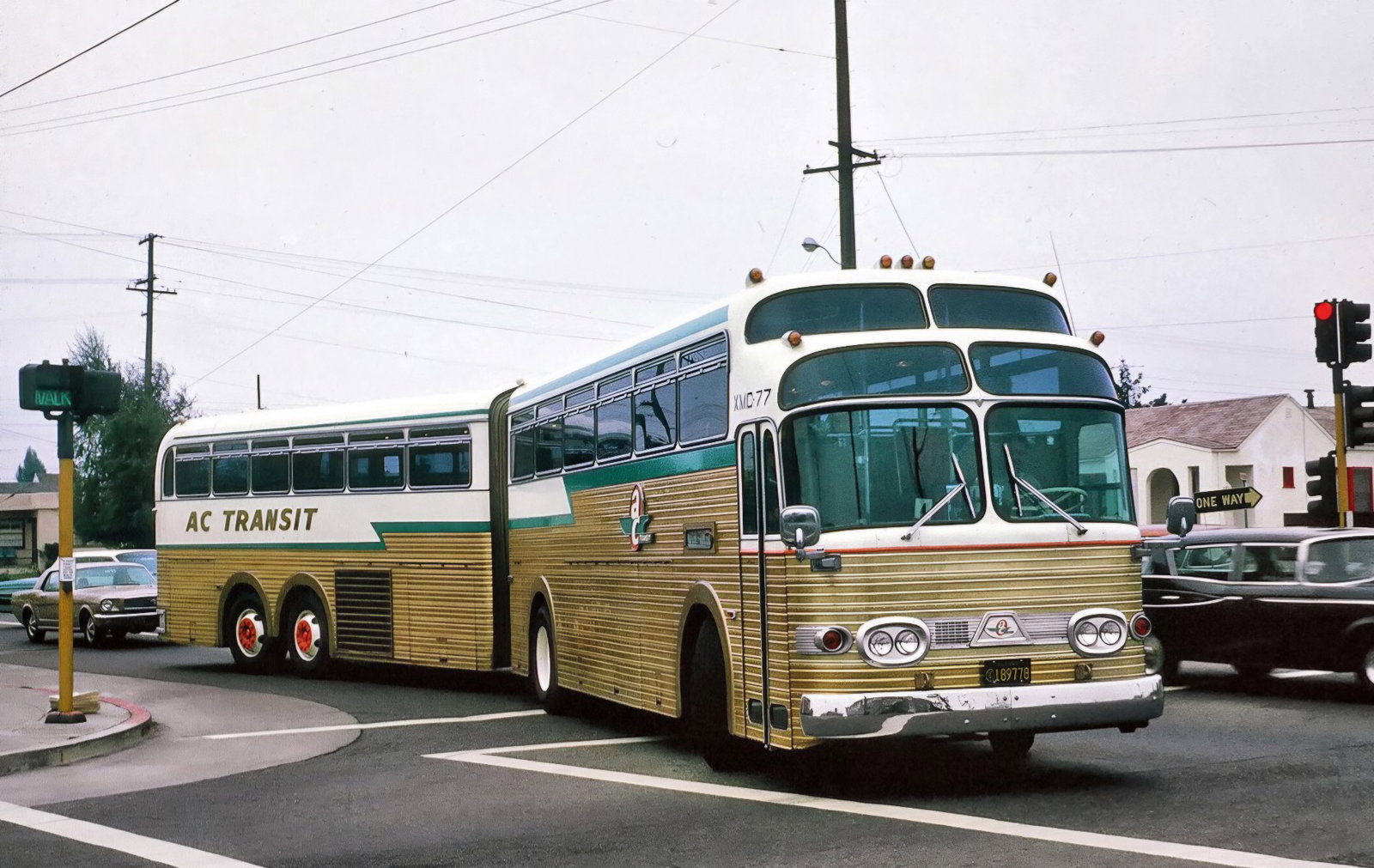
With the creation of Bus & Car, the Eagle story entered a new phase. Continental was no longer simply having its own buses built by an external European manufacturer, but also had direct control over the production base for the type. The first Eagles built there were still closely related technically to Kässbohrer’s original design, but over the following years they were continuously developed. At the same time, the “Americanisation” of the type also began more decisively: from the Model 01 onwards, more and more solutions specifically tailored to the needs of the American market were adopted, while in the driveline the earlier German units were gradually replaced by components that were easier to obtain and service in North America. The New Silver Eagles assembled by La Brugeoise were therefore still direct continuations of the programme begun in Ulm, but with the establishment of Bus & Car the foundations of independent Eagle production were laid, and the design began its gradual transformation into a coach family developed primarily around American requirements.
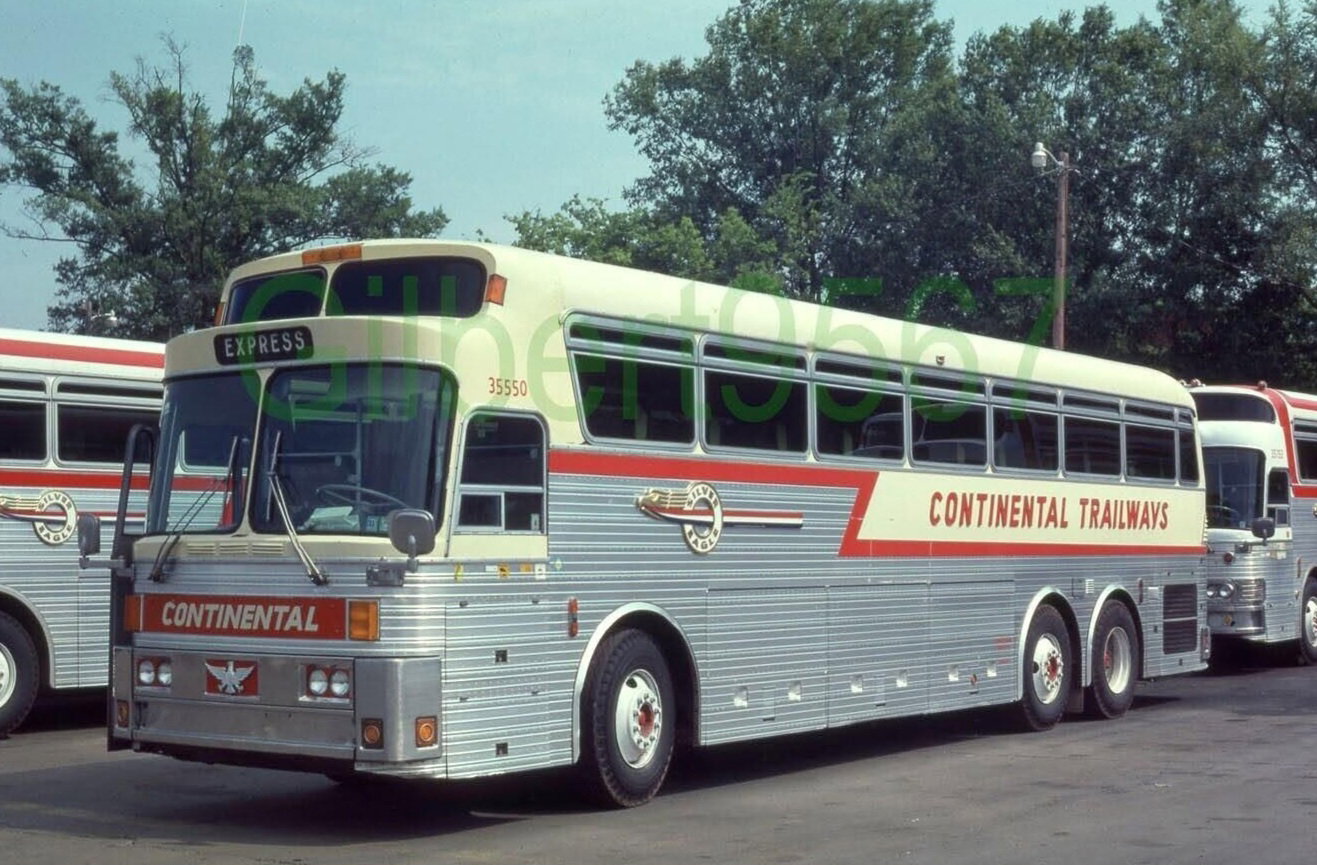
Over the following decades, the Eagle moved ever further away from its German roots, while developing into an independent model family and eventually an independent bus brand. Another important turning point came in 1974, when Eagle production began not only in Belgium but also in the United States, in Brownsville, Texas. In a curious way, almost two decades after an American bus company had developed its new intercity coach with a West German manufacturer, the Eagle finally became a truly American-built type. Production in Belgium continued for a few more years, but the centre of gravity for vehicles intended for the American market gradually shifted to Texas.
By then, the Eagle was only distantly related technically to the Golden Eagle introduced in 1956, but its name had become one of the best-known brands in the world of American intercity coaches. The story took a curious turn in 1987, when Greyhound acquired its old rival Trailways, and with the deal the Eagle bus manufacturing company also came under its ownership. Thus, more than thirty years after development of the Golden Eagle had begun precisely so that Continental could field a worthy opponent to Greyhound’s Scenicruiser, Greyhound itself ultimately became the owner of Eagle.
Greyhound’s financial difficulties, however, soon affected Eagle’s fate as well. The bus manufacturer came under Mexican ownership in 1991, when Corporativo Empresarial de México acquired the company, and production restarted in 1992 under the name Eagle Coach Corporation. Manufacturing continued in Brownsville, Texas, meaning that the Eagle did not become a Mexican-built bus, although in the last significant phase of its history its ownership background was tied to Mexico.
The revival did not prove lasting. By the end of the decade, the company was again in financial difficulty, and production stopped once more in 1998. Later attempts were made to revive the Eagle name and the classic design, but these could no longer restore the brand’s former market significance. Even so, the Eagle story became a remarkable success: over more than four decades, around 8,000 examples were built across the various generations and versions.