![Magyarbusz [Info]](/mbi/header-logo.png)
For cost-cutting reasons, Dresden’s buses and trams will remain in active service much longer
 Patthy Gellért
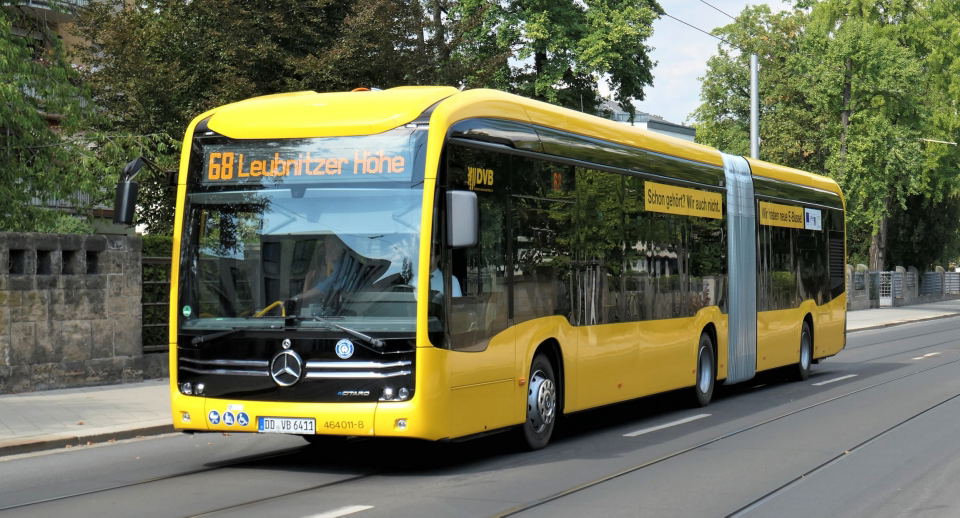
Tight budgets and the resulting austerity measures are forcing Dresdner Verkehrsbetriebe (DVB), the company responsible for public transport in Dresden, Germany, to keep its existing buses and trams in operation for longer than previously planned. The news was first reported by the daily newspaper Dresdner Neueste Nachrichten, and shortly afterwards the information was also confirmed in response to questions from MDR, the region’s public broadcaster, by Falk Lösch, DVB’s spokesperson. As a result, the city’s buses are expected to remain in active service for four years longer than originally planned, while its trams could stay in operation for as much as 20 years longer.
The decision is primarily due to Dresden’s tight budget: as part of the austerity measures affecting the major Saxon city, municipally owned DVB also has to make savings. The transport operator also cited the significantly increased, exceptionally high purchase prices of new buses and trams in recent years as another reason for the cost-cutting measures. Until now, Dresden has generally planned for an active service life of 12 years for public urban buses (in the case of newly purchased vehicles, of course); in future, this will be increased to at least 16 years. The oldest buses in DVB’s fleet are currently 11 years old, meaning they are nearing the end of their originally planned service life, but at present there is not enough funding to procure the required number of new vehicles, leaving the extension of their operating life as the only option.
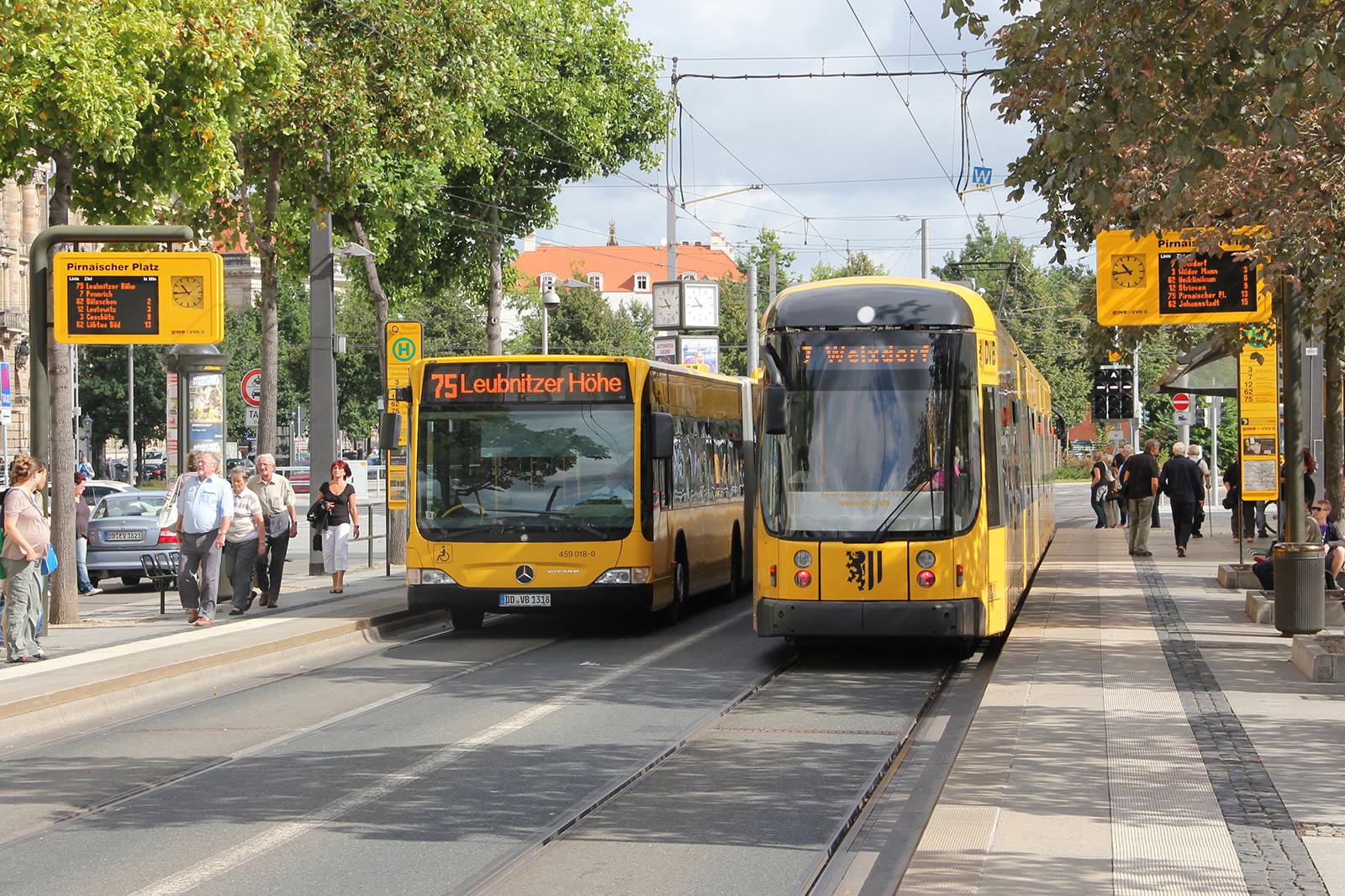
For trams, which are designed from the outset for a longer, 30-year operating life, the period they will be kept in service is being increased even more drastically, to 50 years. Although DVB currently operates only what can be considered modern, low-floor trams, the oldest vehicles in the fleet are already more than 30 years old. Jörn Bischoff, spokesperson for Alstom, which now owns Bombardier, the supplier of the newer cars, said the vehicles could theoretically reach a 50-year service life, but in practice this depends on a range of technical and operational factors. Discussions on the matter are currently ongoing between Alstom and the Dresden transport operator.
The cover image is an illustration; source: MBP 2026