![Magyarbusz [Info]](/mbi/header-logo.png)
Linz looks to buy more bi-articulated trolleybuses
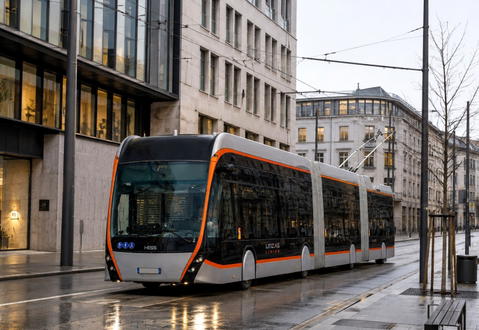
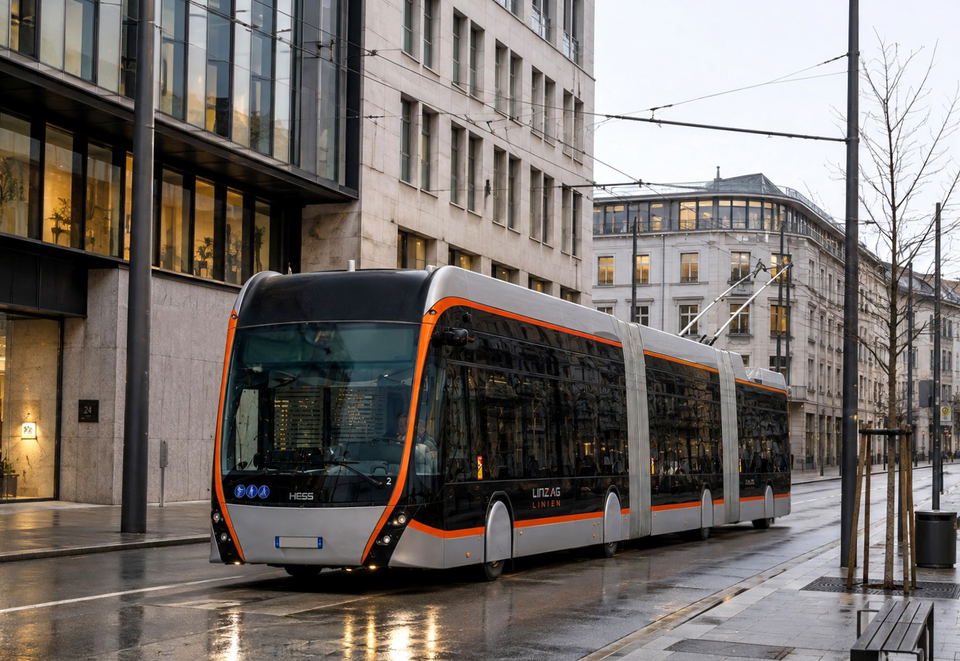
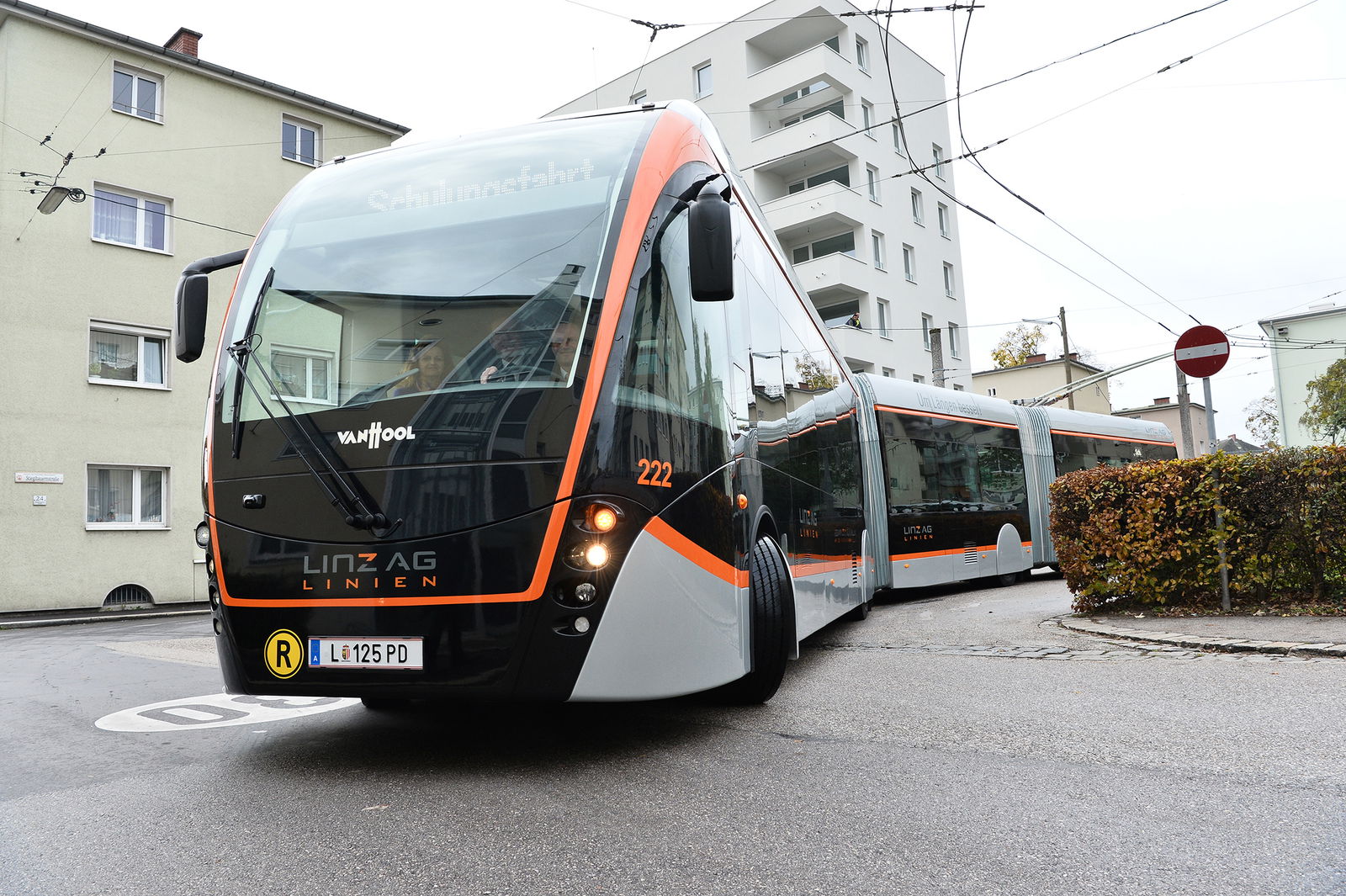
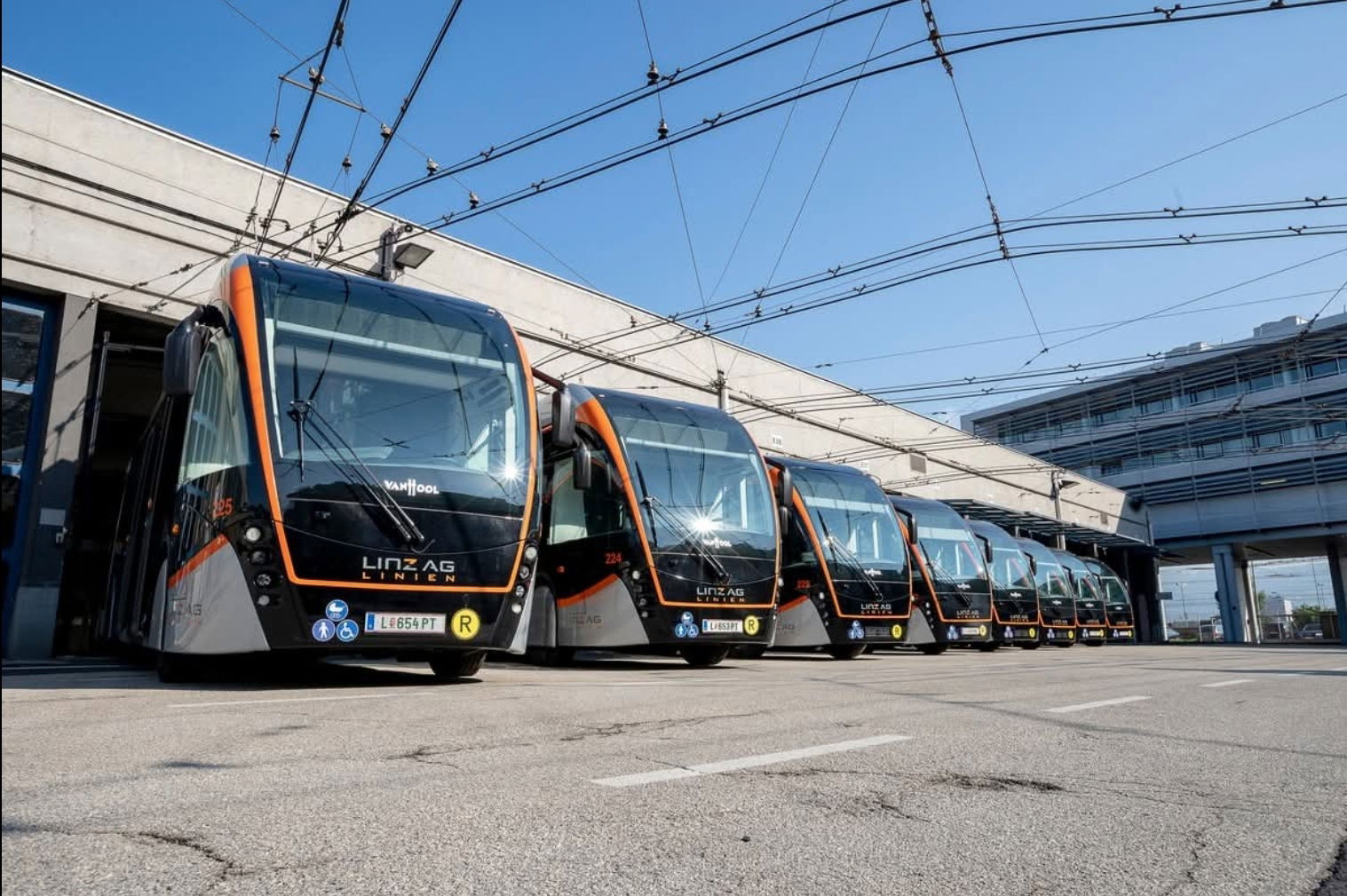
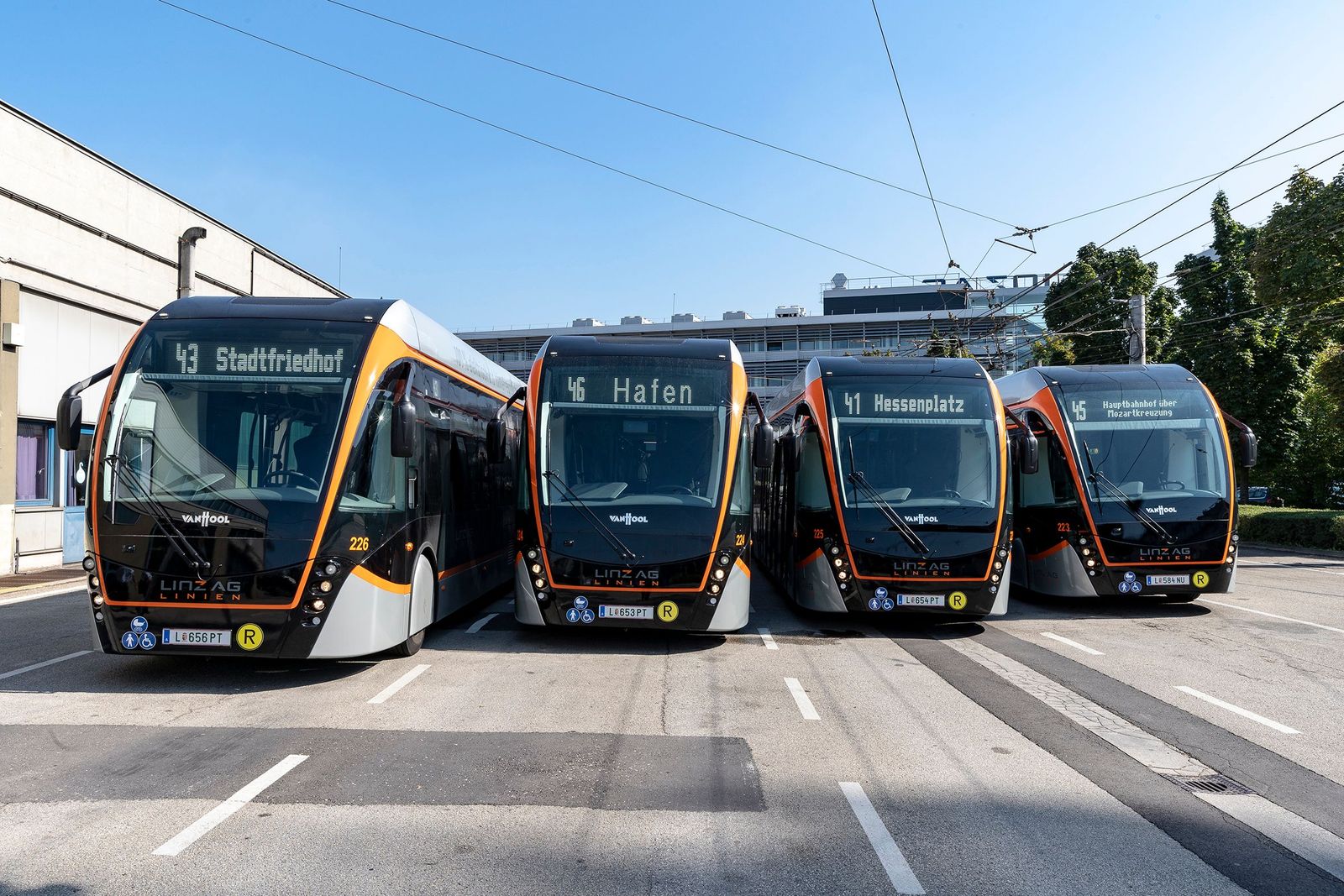
Linz Linien GmbH, responsible for public transport in Linz, Upper Austria, purchased 20 self-propelled Van Hool Exqui.City 24T bi-articulated trolleybuses back in 2015 as part of a framework agreement that also included a comprehensive maintenance contract. The contract gave the operator the option to call off additional bi-articulated trolleybuses under the same conditions, but following Van Hool’s bankruptcy last year, Linz lost its trolleybus supplier, meaning it had to launch a new public procurement procedure for its long-planned fleet expansion.
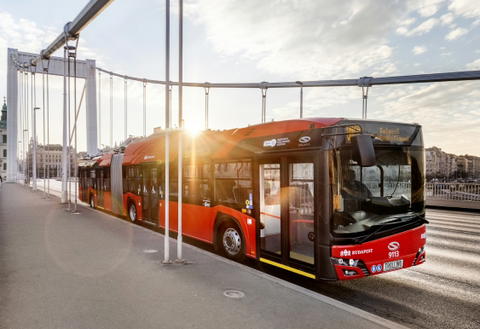
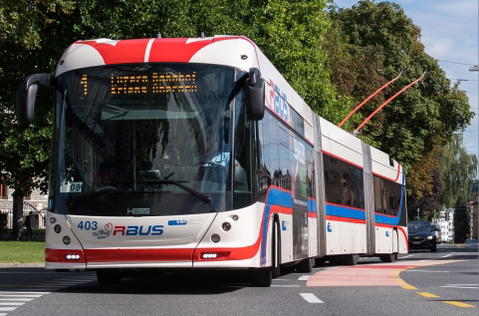
In preparation for the purchase of bi-articulated trolleybuses, Linz Linien also carried out a market survey in order to map the available technological solutions following Van Hool’s withdrawal from the urban segment, identify potential manufacturers, and examine whether the requirements tailored to the city of Linz could be met. During the survey, which ran between 22 October 2024 and 20 January 2025, a preliminary vehicle specification was also published, to which manufacturers could provide feedback; this was then taken into account when the tender documentation was drawn up. Solaris and Hess are expected to have realistic chances in the competition.
The procurement covers not only the delivery of the vehicles, but also their long-term, 16-year maintenance, to be carried out according to the already established “Linzer-Modell”, meaning that Linz Linien would take part in the operation of the vehicles as a subcontractor. In the first phase of the investment, 12 vehicles would be purchased, followed by a non-binding option plan. Under this, a further 27 vehicles could be ordered, in two batches of 5, two batches of 4, two batches of 3, one batch of 2 and one single-vehicle order, bringing the maximum fleet expansion to 39 vehicles.
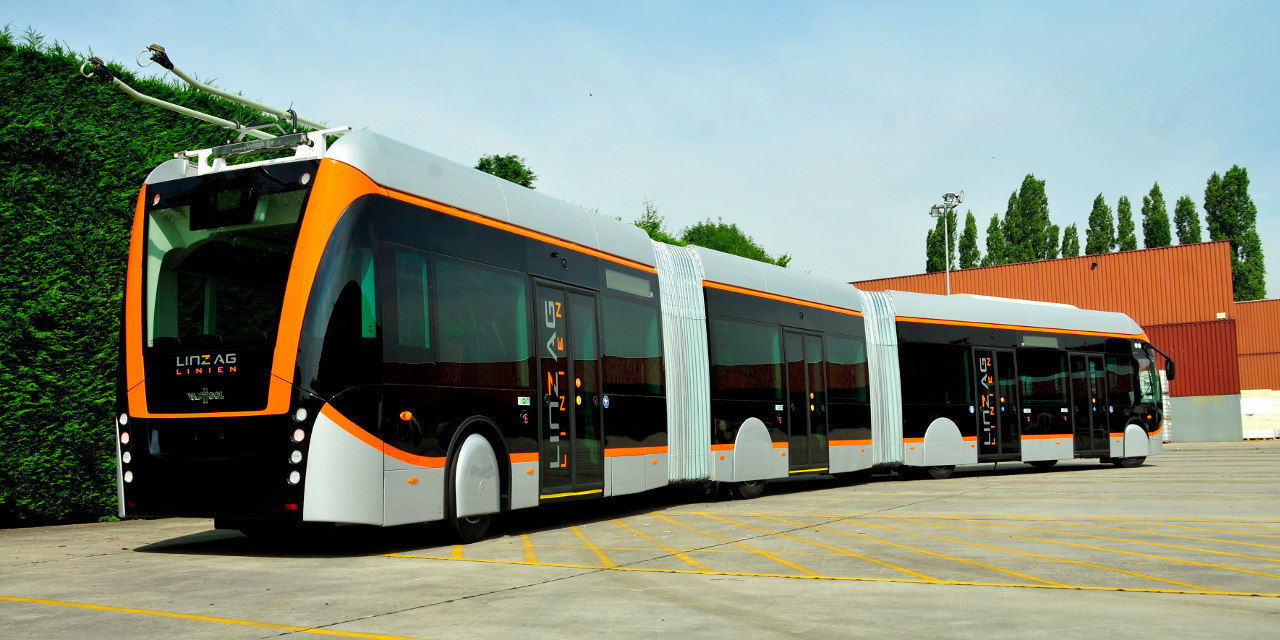
The call seeks offers for trolleybuses at least 24 metres and at most 25 metres long, capable of operating independently with a minimum off-wire range of 10 kilometres. The required passenger capacity is 140 people. To ensure rapid passenger exchange, the vehicles must have at least four electrically operated, double-leaf sliding doors, although the design of the front door may differ due to the location of the driver’s cab.
The vehicles’ direct drive must be provided via two axles, either with a central motor or a wheel-hub motor layout. The output of the traction motors must meet both timetable requirements and urban traffic conditions.
The contracting authority has set strict professional requirements for bidders. Applicants must demonstrate experience in delivering at least ten similar vehicles over the past three years, hold the appropriate quality certificates, and comply with environmental regulations relating to the manufacture and operation of electric vehicles.
In addition, bidders’ financial stability is also a key consideration: they must prove annual turnover of at least €20 million over the past three years and hold liability insurance of at least €5 million. The tender procedure is multi-stage, including the submission of requests to participate, bidding, negotiations and evaluation of the offers. Price accounts for 60% of the evaluation criteria, while technical and quality criteria make up 40%. According to the plans, the first new trolleybuses could arrive in Linz in the third quarter of 2027.
The first Linz example of Van Hool’s top-of-the-range urban model arrived in autumn 2017, with the full fleet entering service by 2019. Thanks to their unique and innovative design, a Linz Exqui.City 24T was also one of the main attractions on Van Hool’s stand at the 2017 Busworld exhibition. The 23.8-metre vehicles, referred to as “XXL-Obus”, offer 30% more capacity than the previously operated 18-metre models and quickly became a defining element of public transport in Linz.
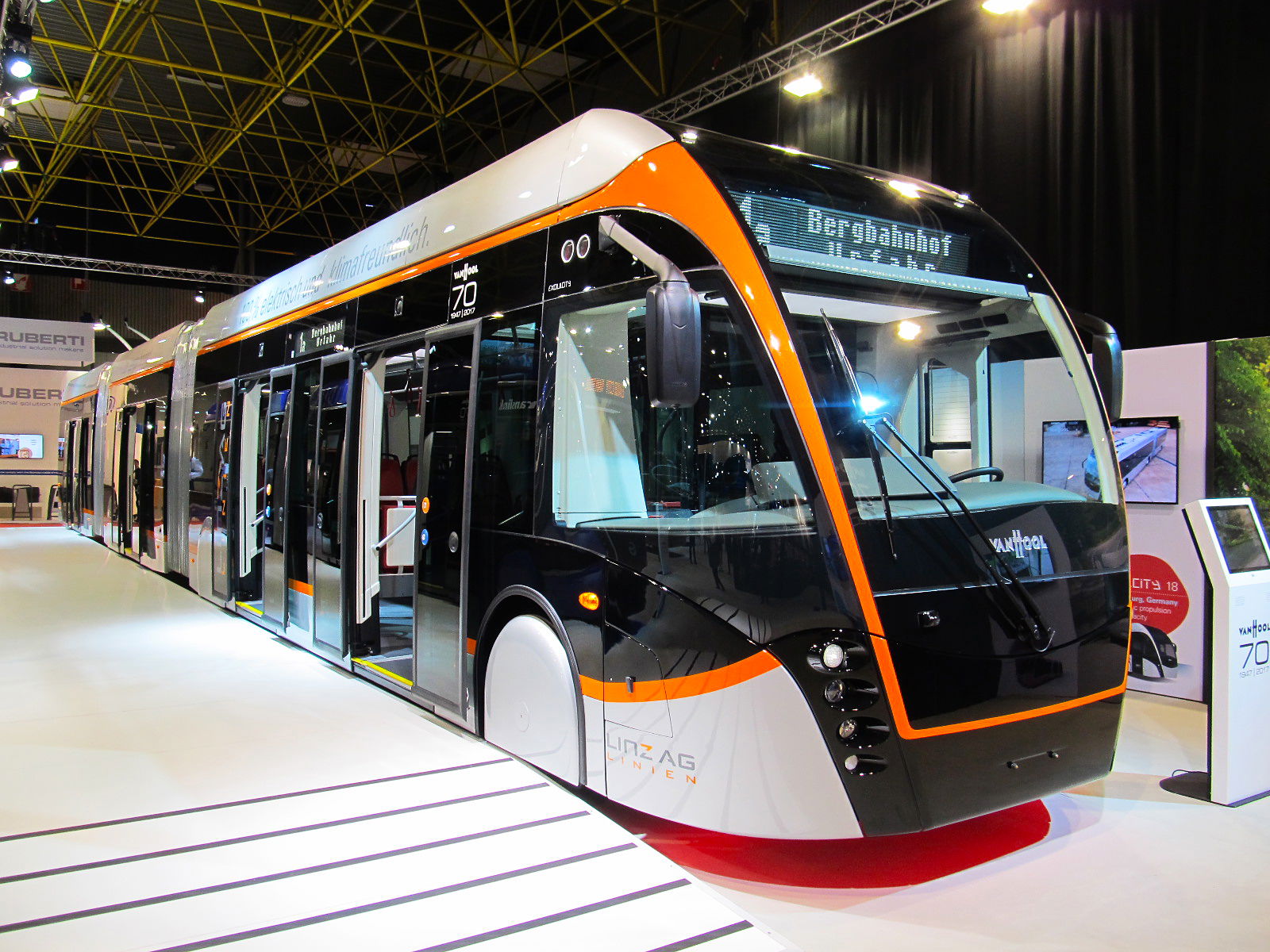
The trolleybuses were fitted with electronics from Kiepe Electric, while the 20 kWh lithium-ion battery pack supplied by Voltabox AG allows the vehicles to operate independently over limited distances on sections without overhead wires. With a full passenger load, the 36.5-tonne vehicles have their B and C axles driven by one Austrian-made TSA central asynchronous electric traction motor each, rated at 160 kW.
Cover photo: Linz AG