![Magyarbusz [Info]](/mbi/header-logo.png)
Yutong lays the groundwork for further European expansion in Norway
 Ludányi József
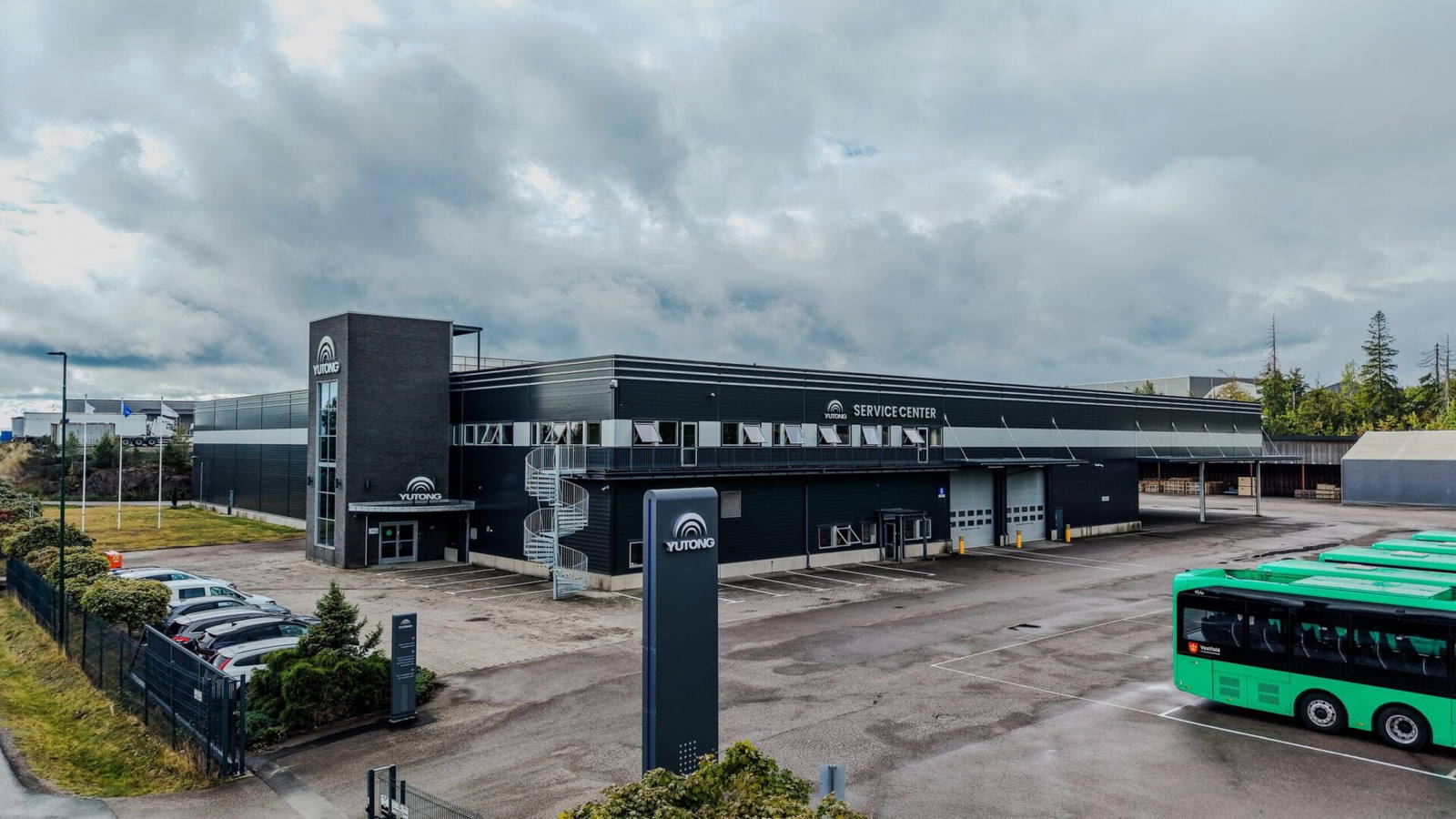
While the growing presence of Chinese buses in Norway has recently been attracting increasing political and professional scrutiny, and tighter procurement rules have also been put on the agenda on security grounds, Yutong has taken one of the most important steps yet in strengthening its European presence in the Scandinavian country. The Chinese manufacturer has opened its first comprehensive European service centre in Stokke, through which it aims to support not only the sale of its vehicles, but also their long-term local servicing, spare parts supply and technical support with an increasingly strong in-house background, giving further momentum to its European expansion.
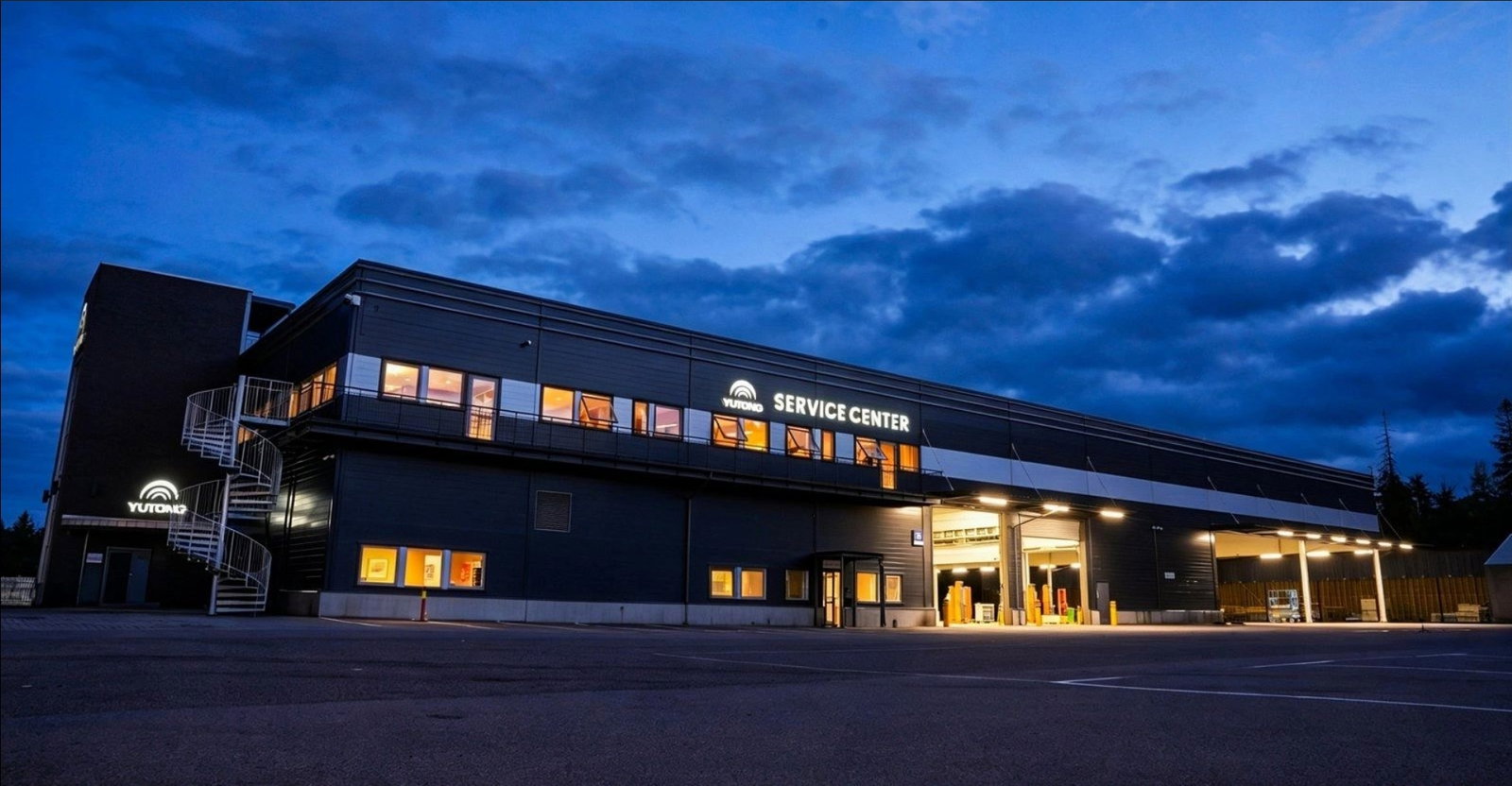
The scale of the facility, inaugurated on 8 September, also shows that this is not simply a local service point. The centre established in Stokke occupies a 38,941-square-metre site, with the building itself covering 6,074 square metres, of which around 2,300 square metres is taken up by the spare parts warehouse. Yutong has brought together in one location the tasks related to vehicle handover, maintenance and repair, diagnostics, spare parts supply, technical training and customer support.
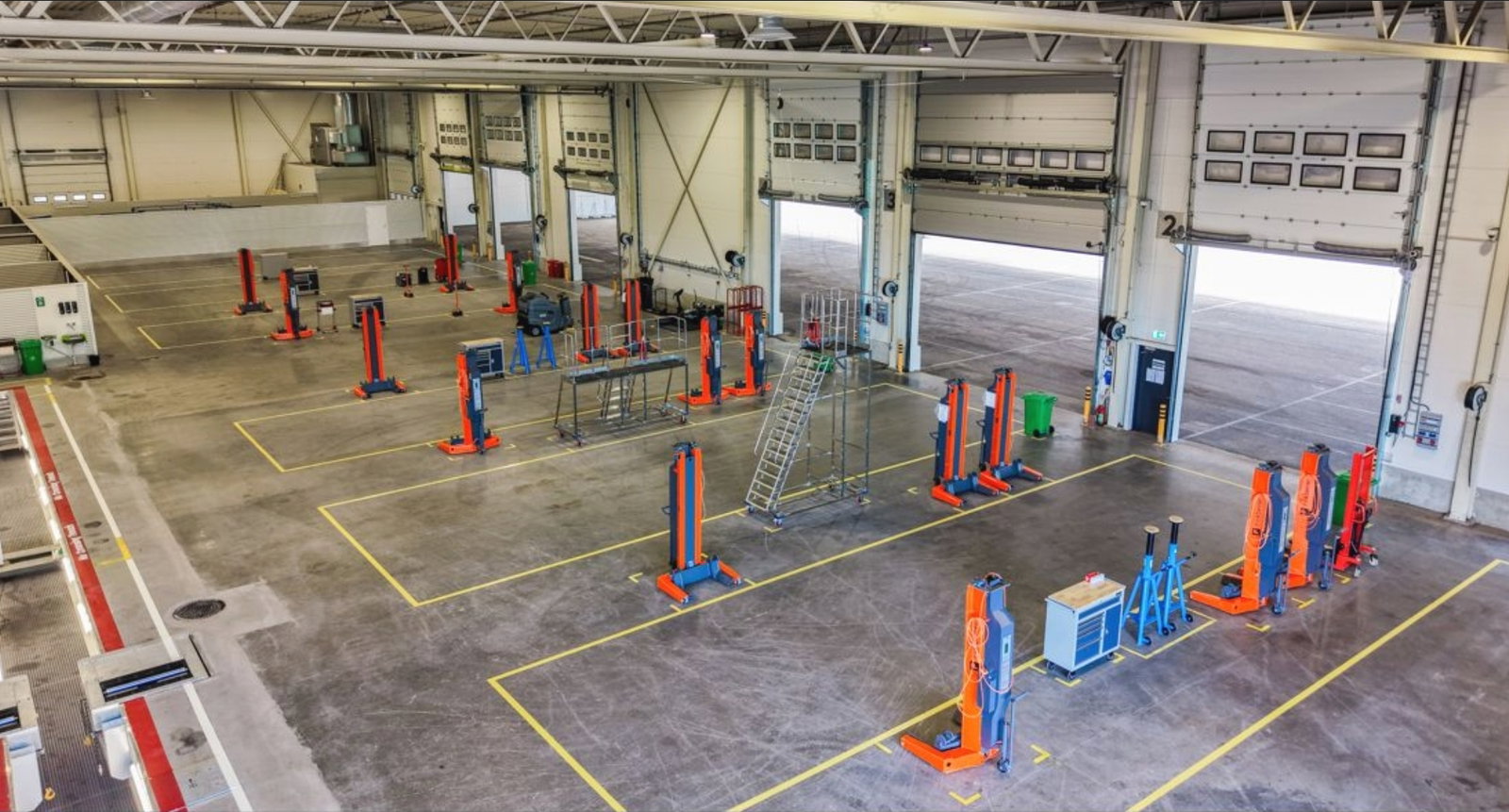
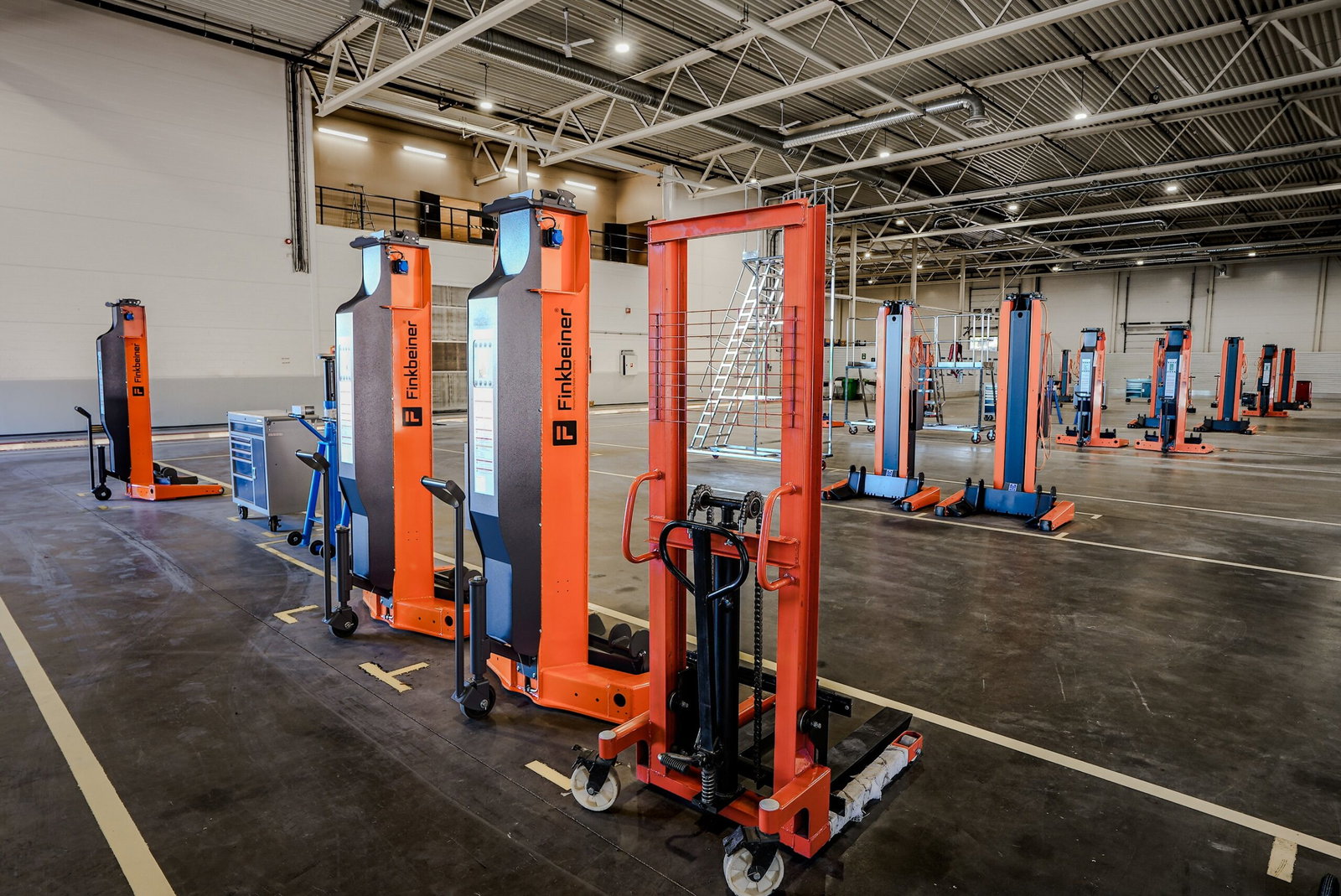
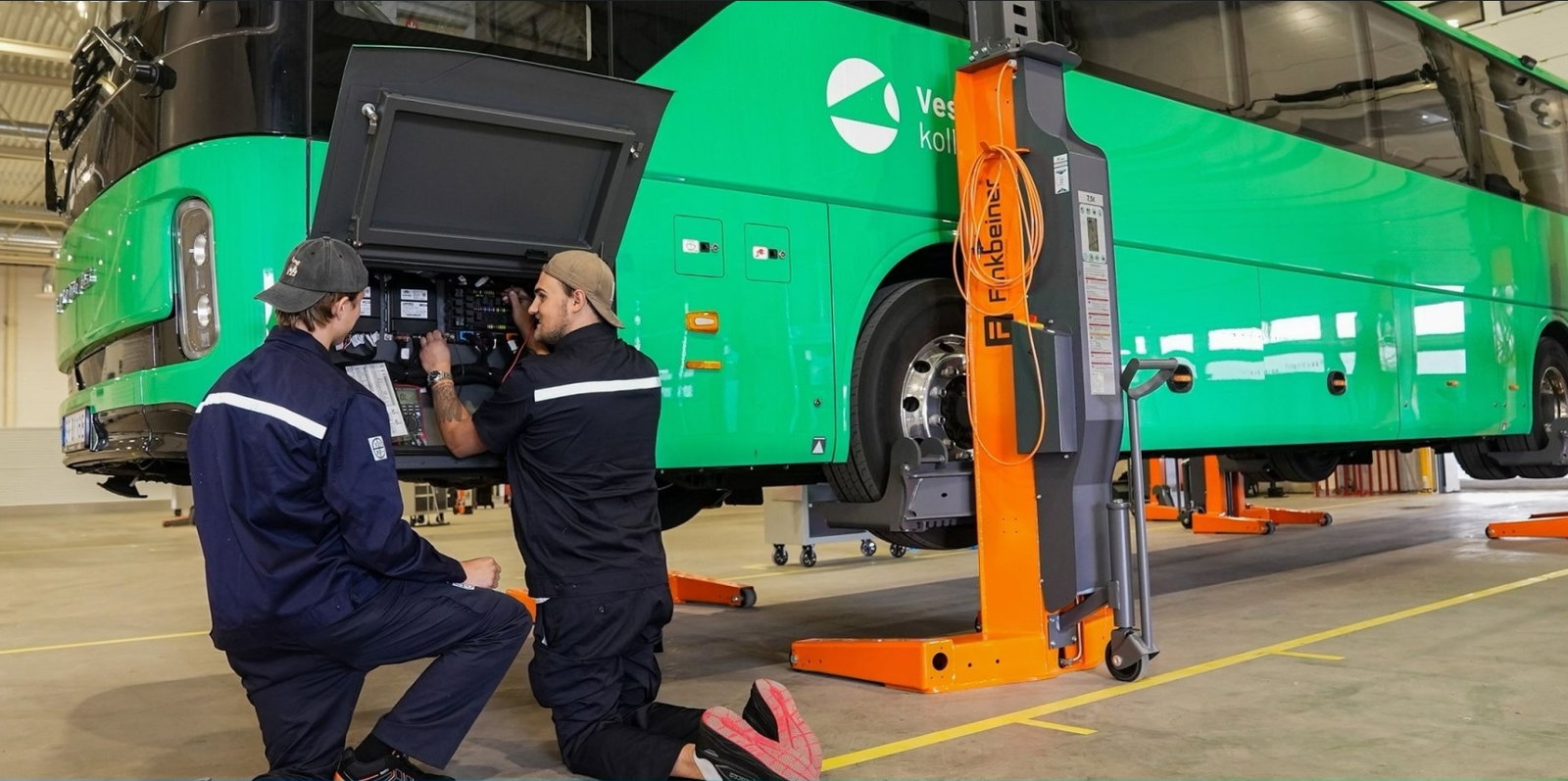
The workshop has seven general service bays, as well as dedicated workstations for repairing drivetrains and major assemblies. Its equipment includes four-post lifts, an electronic laser wheel-alignment system, a brake tester and a high-capacity wheel balancer. The centre is able to carry out repairs to chassis, electrical and high-voltage systems, drivetrains, air-conditioning systems and passenger-compartment equipment, as well as the rectification of minor accident damage and the handling of alcohol interlocks and tachographs.
Designed in line with EU requirements, the facility also has a dedicated inspection lane for carrying out the periodic PKK vehicle inspections mandatory in Norway. For this purpose, it is equipped with a 31.5-metre inspection pit, two 16-tonne pit lifts, and equipment for checking brakes, lighting, side slip and the on-board diagnostics system. By enabling inspections, fault diagnosis and safety checks to be carried out on site, Yutong aims to reduce vehicle downtime and, in turn, operating costs.
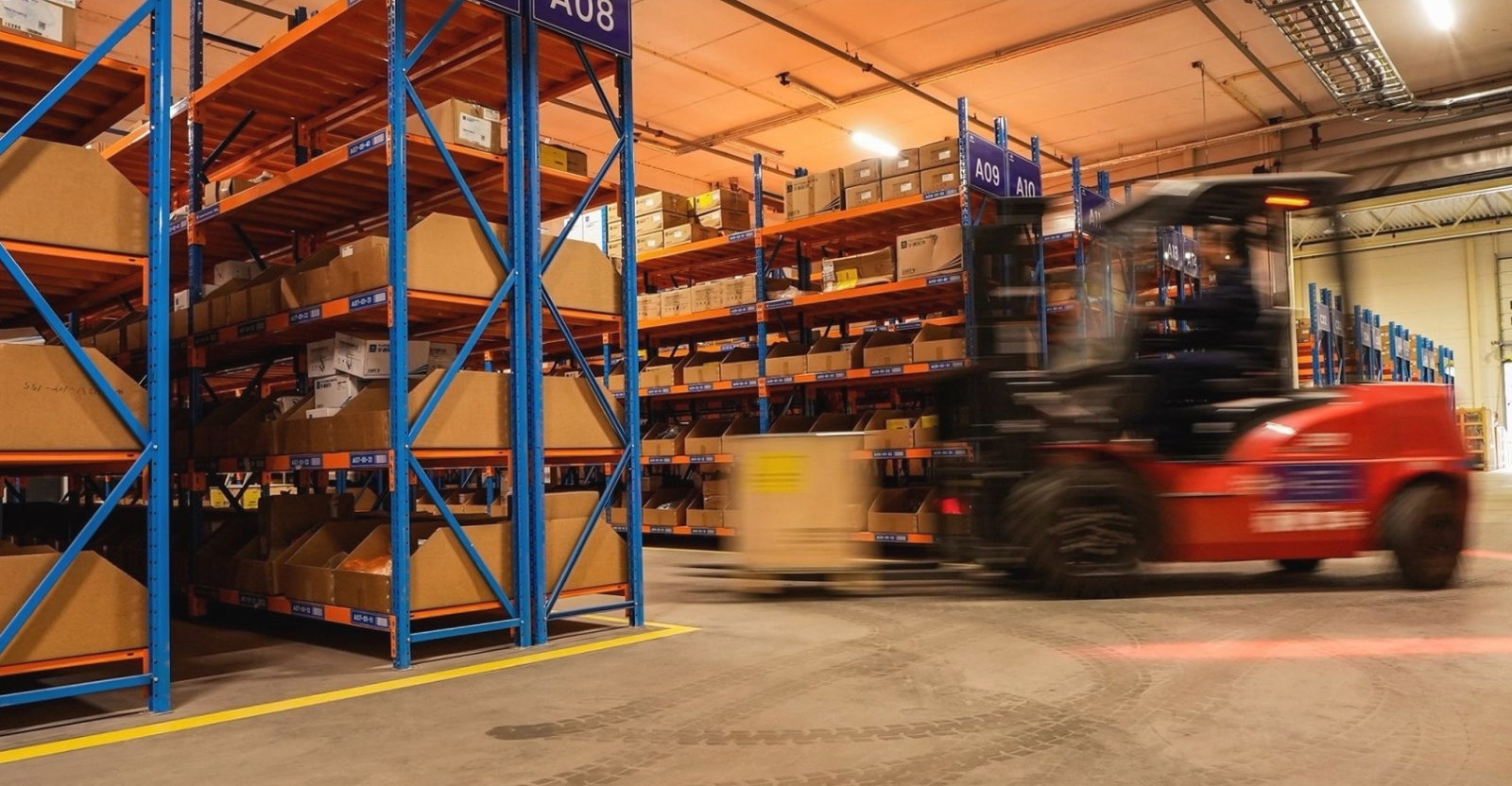
One of the most important elements of the investment, however, is the 2,300-square-metre spare parts warehouse, which stocks around 4,500 different part numbers of genuine Yutong components. The range extends from components for batteries, electric drive and control systems, drivetrains, chassis, steering, pneumatic and hydraulic systems, through exterior and interior structural parts, all the way to wear parts and maintenance consumables. This is of particular significance, as one of the recurring questions surrounding fast-growing Chinese manufacturers in the European market is precisely what kind of long-term parts and service support follows the sale of their vehicles. With the Norwegian centre, Yutong is strengthening its local presence in this area as well: the substantial stock of parts available locally may enable shorter supply times and reduced dependence on logistics from the Far East, which can be an especially important consideration for transport operators running large fleets.
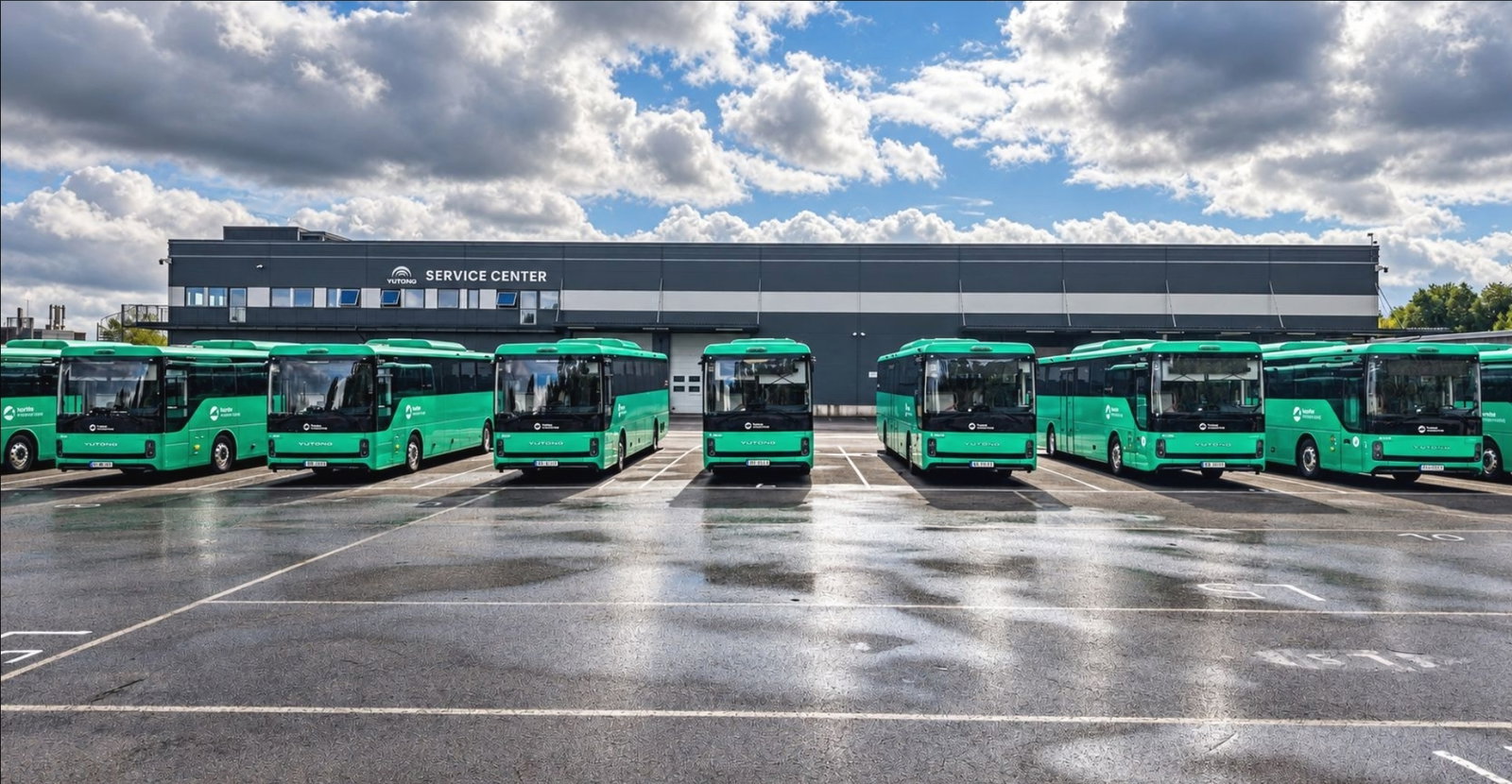
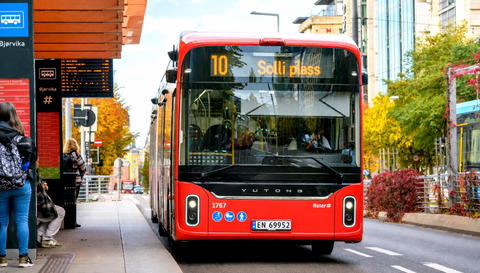
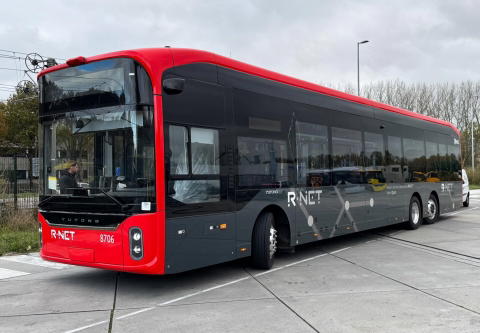
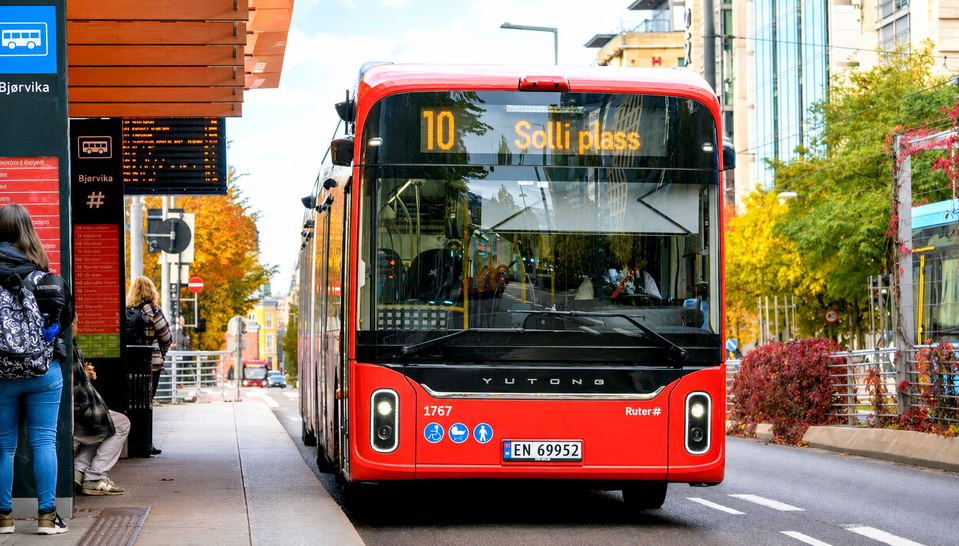
From this perspective, the choice of location is hardly accidental. Norway has by now become one of Yutong’s most important European markets, where, according to the manufacturer, more than 1,200 of its electric buses are already in operation. The Chinese brand’s fleet has expanded by several hundred vehicles in the recent period alone: in Vestfold, for example, Yutong supplied 194 of the 235 buses in Tide’s new electric fleet, while significant batches have also entered service in other Norwegian regions. With a fleet of this size, establishing local service and spare parts support no longer merely serves to support sales, but means providing full life-cycle support for an increasingly large fleet in long-term operation.
At the same time, the Stokke investment goes beyond the Norwegian market. In Europe, Yutong has so far built up its sales and service network primarily through local partners; according to the manufacturer’s own figures, it has delivered nearly 7,900 buses to the continent to date, is currently present in 27 European countries and has 31 authorised service points. Its market weight is also growing particularly quickly in the electric bus segment: Yutong already led the European electric bus market in 2024 with 1,092 registered vehicles, then increased its volume to 1,801 units in 2025 and retained first place. Growth accelerated further in 2026, with 1,636 Yutong electric buses registered in Europe in the first six months of the year, almost twice as many as in the same period of the previous year, meaning the Chinese manufacturer again topped the market with a share of more than 20 percent. The Norwegian facility represents a new level in this expansion: for the first time in Europe, the company has created a comprehensive centre where numerous tasks are concentrated in one place, from vehicle handover and spare parts supply to repairs and the training of specialists.
All this is also noteworthy because, in the next phase of Chinese bus manufacturers’ expansion in Europe, favourable pricing, large production capacity or short delivery times will increasingly no longer be sufficient in themselves. As the European fleet grows to several thousand vehicles, it is becoming ever more important how quickly manufacturers can supply spare parts, how extensive a service network they maintain, and what technical support they can provide during up to one and a half or two decades of vehicle operation. With the Stokke centre, Yutong is seeking to reduce its disadvantage precisely in an area that has traditionally been regarded as one of the key competitive strengths of European manufacturers.