![Magyarbusz [Info]](/mbi/header-logo.png)
Rome to receive more than €110 million in funding for hydrogen and electric buses
 Patthy Gellért
The Italian Ministry of Infrastructure and Transport is providing a total of €116.7 million, equivalent to nearly HUF 43 billion, in funding to the Municipality of Rome and ATAC, the company responsible for public transport in the Italian capital, for the procurement of new buses and the modernisation of depots. The earmarked amount is intended primarily to support the wider rollout of hydrogen-powered buses by putting new vehicles into service and building a hydrogen production and refuelling station, but battery-electric city buses would also be purchased. The investment is expected to bring a significant reduction in local pollutant emissions and noise.
The largest share of the funding package is allocated to the purchase of hydrogen fuel cell buses, for which the ministry has set aside €83.6 million, equivalent to nearly HUF 30.8 billion. A further €27.1 million (or HUF 9.97 billion), would be spent on battery-electric buses, while the remaining €6 million, around HUF 2.2 billion, would cover the construction of an electrolyser plant producing green hydrogen and a hydrogen refuelling station serving the buses at the Acilia bus garage in Rome’s 10th district. The EU-funded investment will turn the depot into a strategically important green operating hub serving the southern part of the Italian capital. The Rome city administration also intends to make the hydrogen produced there available to private users at a later stage, thereby beginning the creation of an ecosystem in the city that could support the spread of hydrogen propulsion.
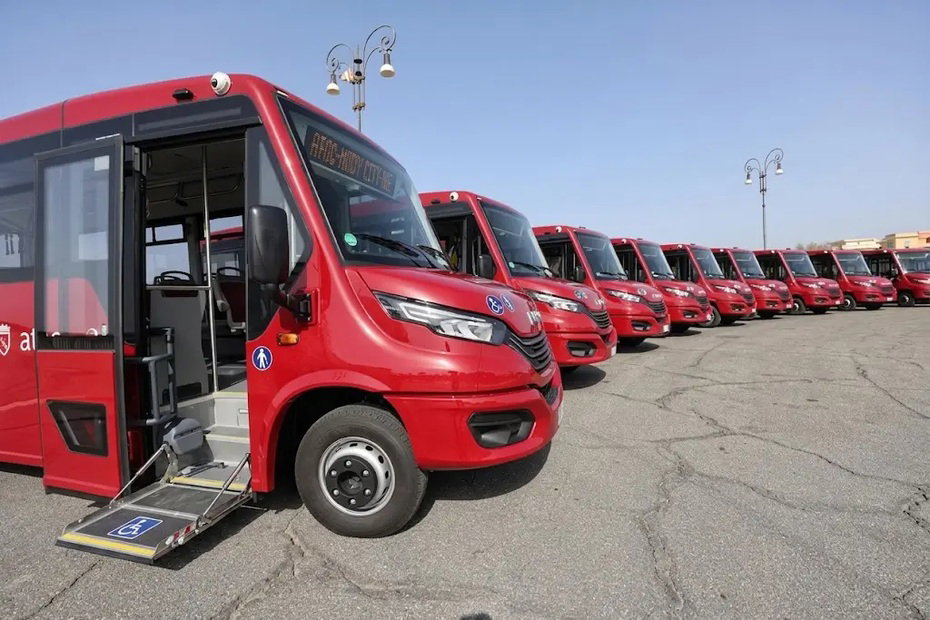
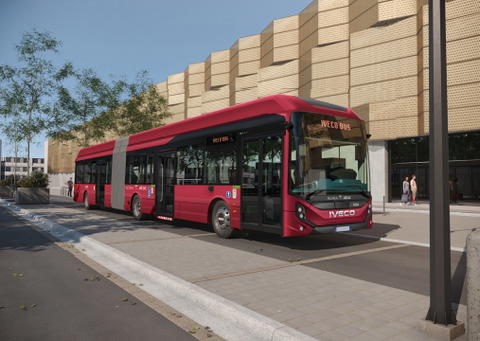
The Municipality of Rome attached this image to the announcement, although the programme is expected to procure full-size models rather than minibuses (Photo: comune.roma.it)
For the vehicles to be procured, neither the planned number of units nor the distribution of possible body variants (midi, standard solo, articulated) has been disclosed for the time being. However, the municipality’s announcement states that the future zero-emission buses must be equipped, among other things, with air conditioning, USB charging sockets, an on-board CCTV system and passenger-counting equipment, and they must of course be accessible for passengers with reduced mobility.
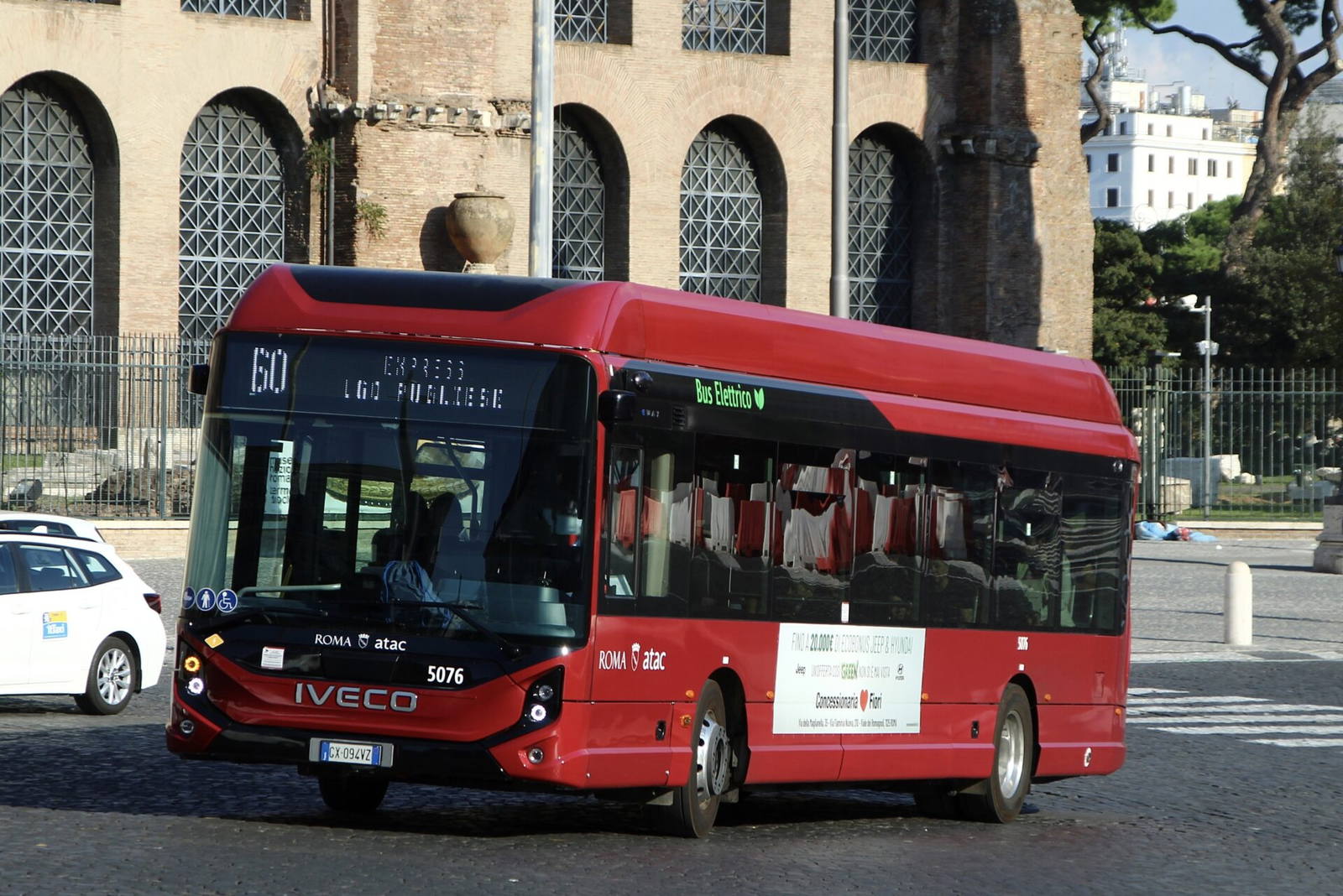
“With this signing, we are taking a decisive step towards transforming public transport in Rome. We are not only purchasing new-generation zero-emission buses, but also building the infrastructure needed to operate them. The Acilia site will serve as a model for the production and use of green hydrogen, placing Rome at the forefront of efforts to achieve Europe’s climate-neutrality goals” – said Eugenio Patanè, councillor responsible for sustainable mobility and transport, commenting on the announcement. The electrification of bus transport in the Italian capital is already proceeding at full speed: at the time of writing, the entry into passenger service of an Iveco E-Way series comprising a total of 411 electric buses, including 396 solo and 15 articulated vehicles, is in its final phase. The fleet was procured by ATAC using funding provided under Italy’s National Recovery and Resilience Plan (PNRR).
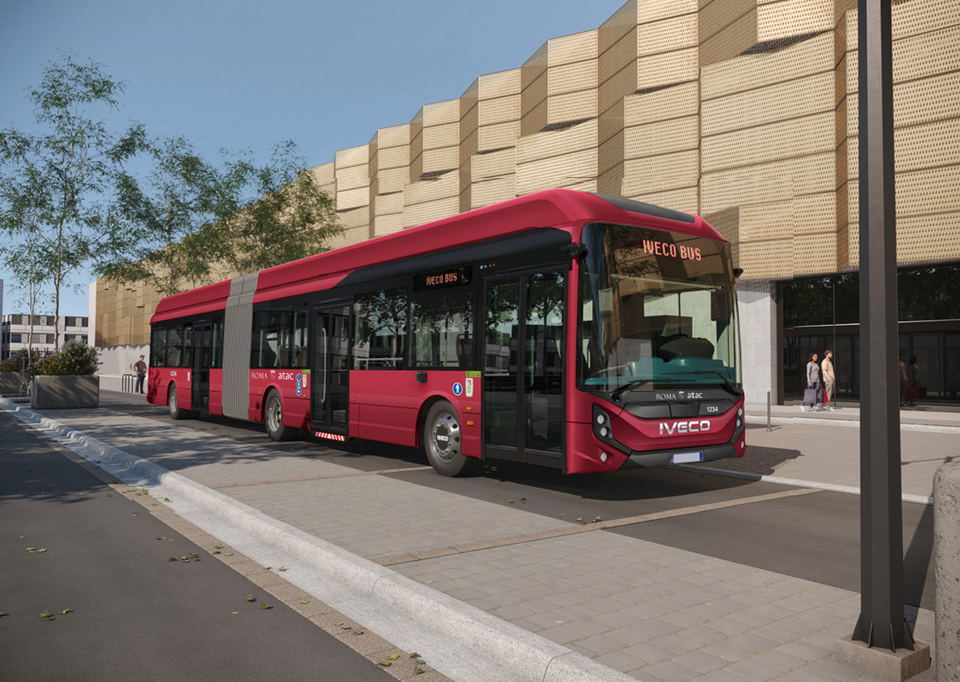
The cover image is an illustration, source: romaatac.altervista.org