![Magyarbusz [Info]](/mbi/header-logo.png)
Halfway towards full electrification: KVG’s 100th electric bus enters service
 Ludányi József
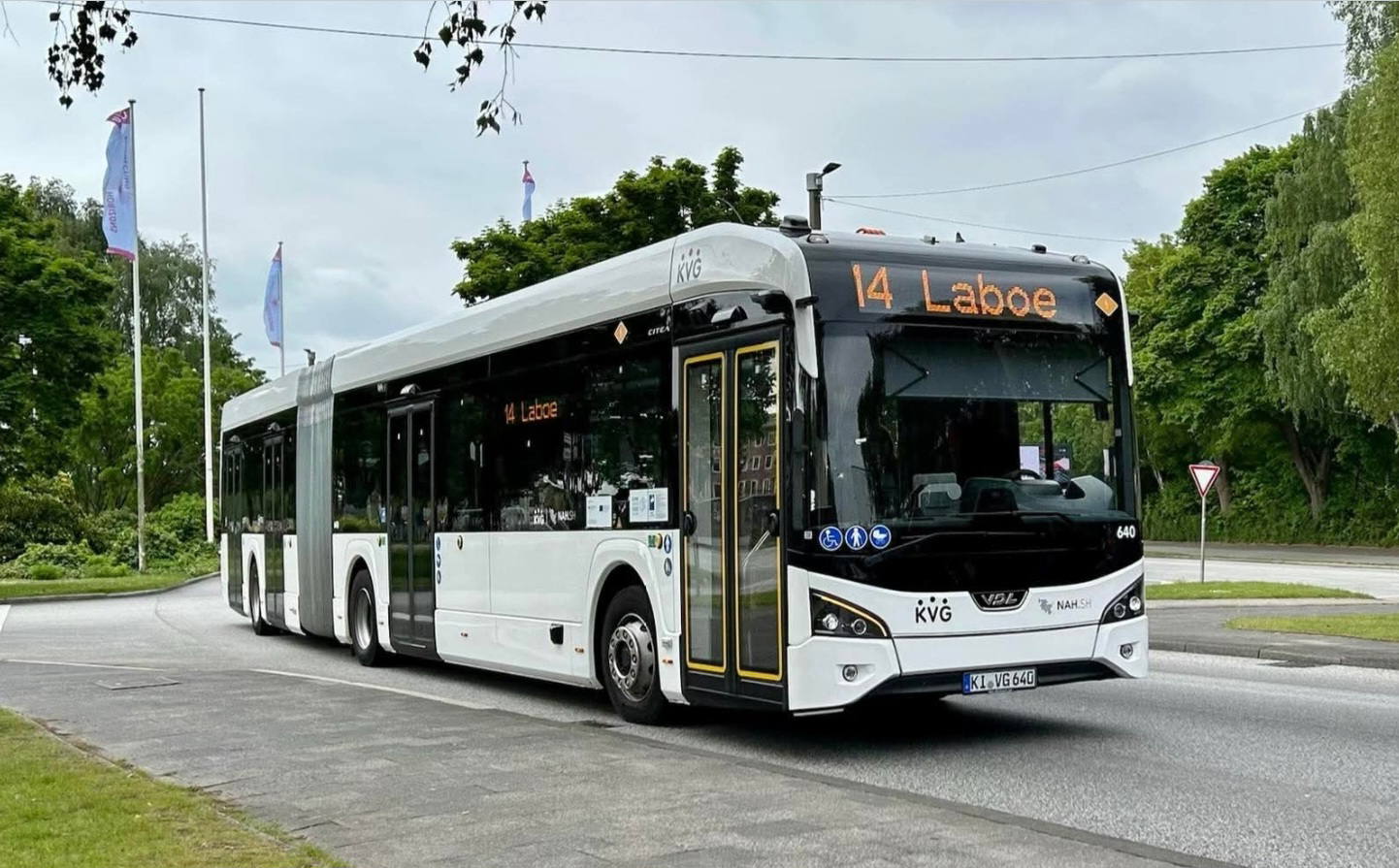
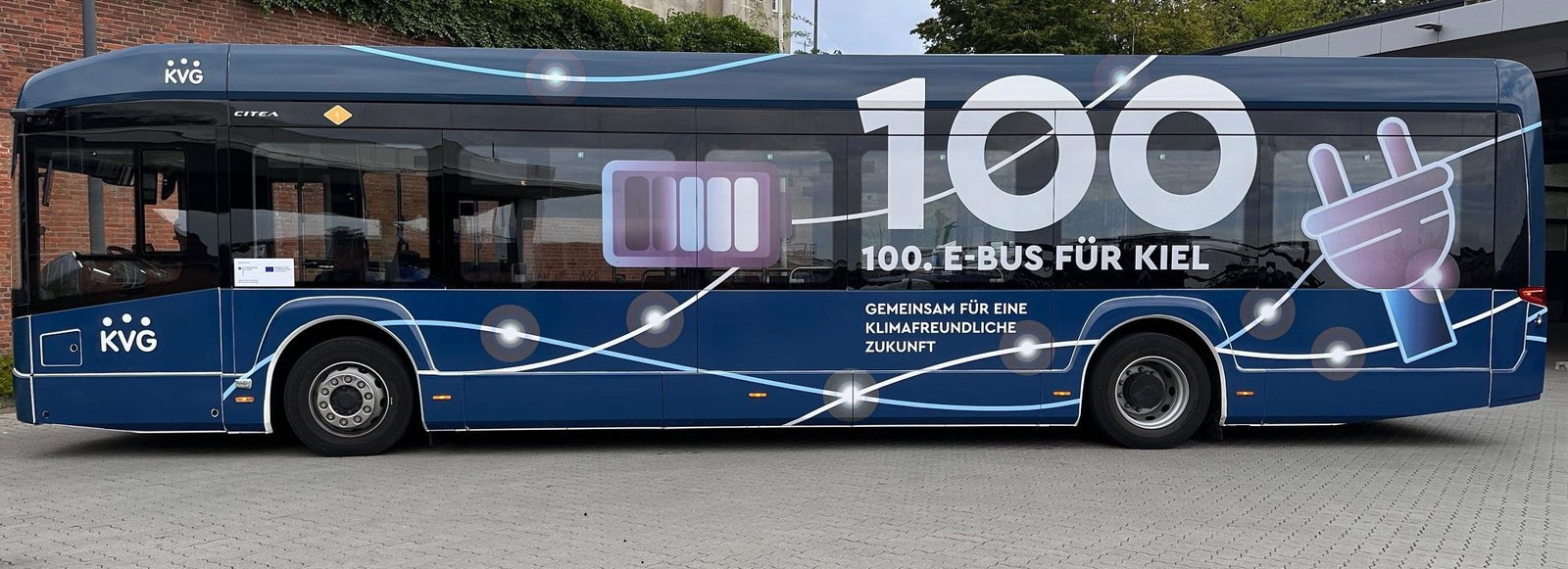
KVG (Kieler Verkehrsgesellschaft), the urban transport operator in Kiel, Germany, has reached another important milestone in the electrification of its fleet: on 16 July 2026, the company’s 100th all-electric bus, a VDL Citea LF-122, officially entered service. To mark the occasion, the anniversary vehicle, carrying fleet number 541, has also received a special livery.
KVG’s fleet currently includes 122 electric buses, bringing the share of electric vehicles to 51% of the company’s total bus fleet of 218 vehicles. However, for the time being, 100 of these are operating in scheduled service, while the remaining 22 brand-new buses are still in the testing and commissioning phase and are not yet carrying passengers. Within the overall fleet, diesel buses account for 35% and hybrids for 14%; the latter are all Volvo vehicles.
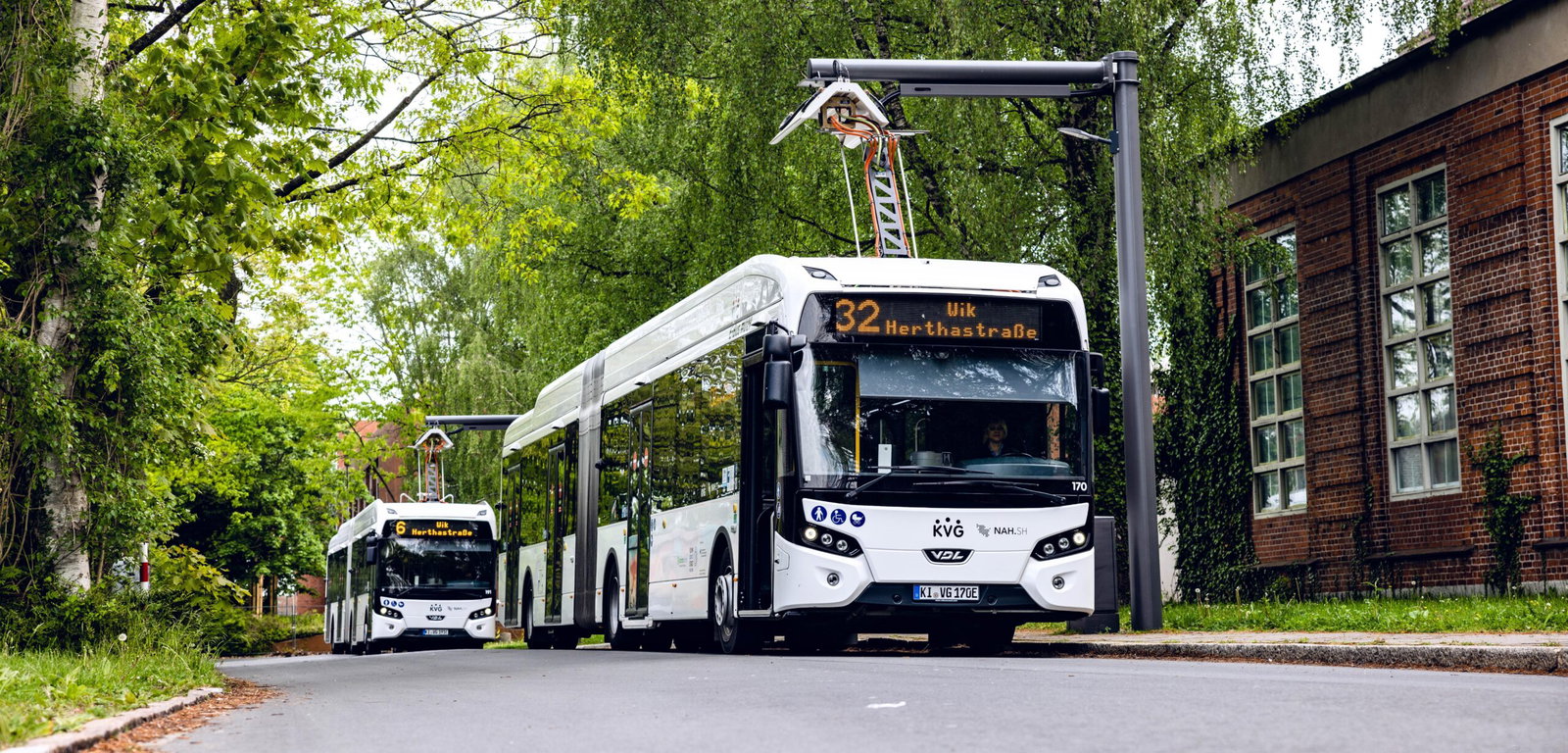
KVG’s electric bus programme began in 2019, with the start of the deployment of the city’s first 36 VDL Citea Electric buses. Fleet expansion continued in 2021 with a further 31 VDL Citea Electric vehicles, before electrification accelerated in 2023 with an order for 50 new-generation VDL Citea buses. The entry into service of these latter vehicles, however, began later than planned, as their delivery was significantly delayed due to capacity problems at the manufacturer. Although the vehicles have since arrived in Kiel, their commissioning is still ongoing.
The battery capacity of the VDL Citea electric buses operating in Kiel ranges from 168 to 490 kWh, depending on the generation, vehicle length and configuration, allowing the different variants to meet varying urban operating requirements. The fleet also includes several Mellor Sigma 7 and Wisdom Motor Sigma 7 electric midibuses. KVG’s electric buses have so far covered more than 20 million kilometres in passenger service.
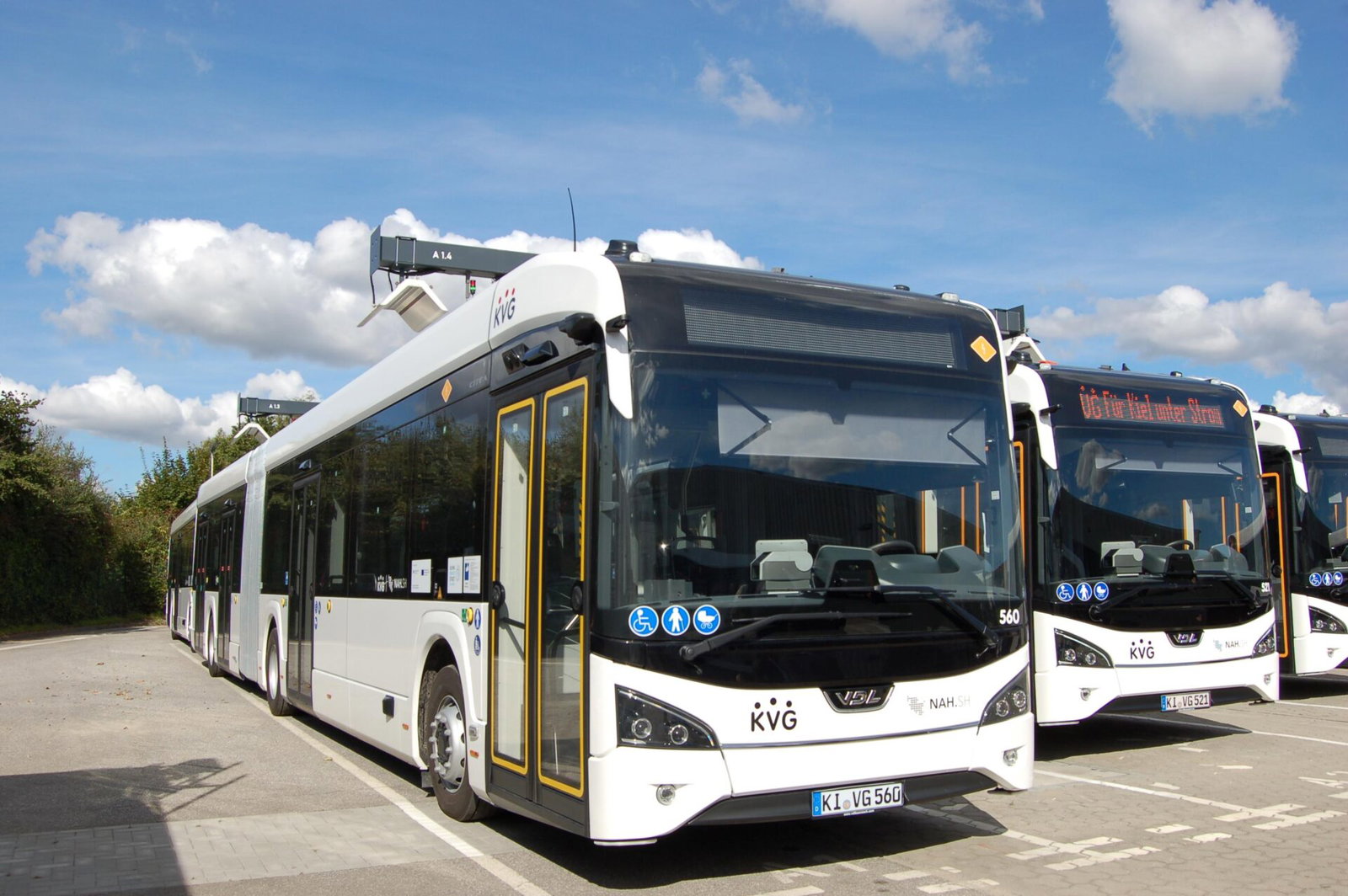
In parallel with the electrification of its fleet, KVG has also significantly upgraded its infrastructure. In 2025, the company completed the electrification of its second bus depot at the Diedrichstraße site, where 43 new charging points were installed. The Werftstraße depot had already been electrified earlier, and charging infrastructure has also been installed at ten termini, making Kiel’s entire bus network capable of supporting electric operation.
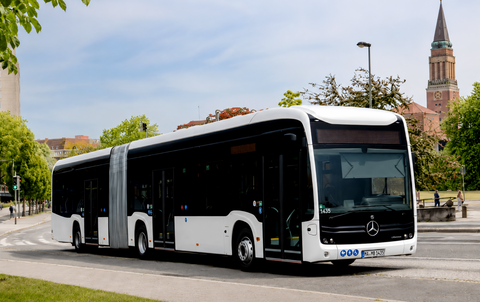
Although KVG’s electric bus fleet has so far largely been built around vehicles from a single manufacturer, this will change in the coming years: the company has ordered 28 Mercedes-Benz eCitaro G articulated electric buses, with an option for five additional vehicles. The first eCitaro G buses are expected to enter service in Kiel from the end of 2027. The operator’s goal is to replace its entire 218-vehicle bus fleet with all-electric vehicles by 2032.