![Magyarbusz [Info]](/mbi/header-logo.png)
North Macedonian electric bus tender turns into a farce: this time the Chinese dragon attacks Ikarus’s victory
 Ludányi József
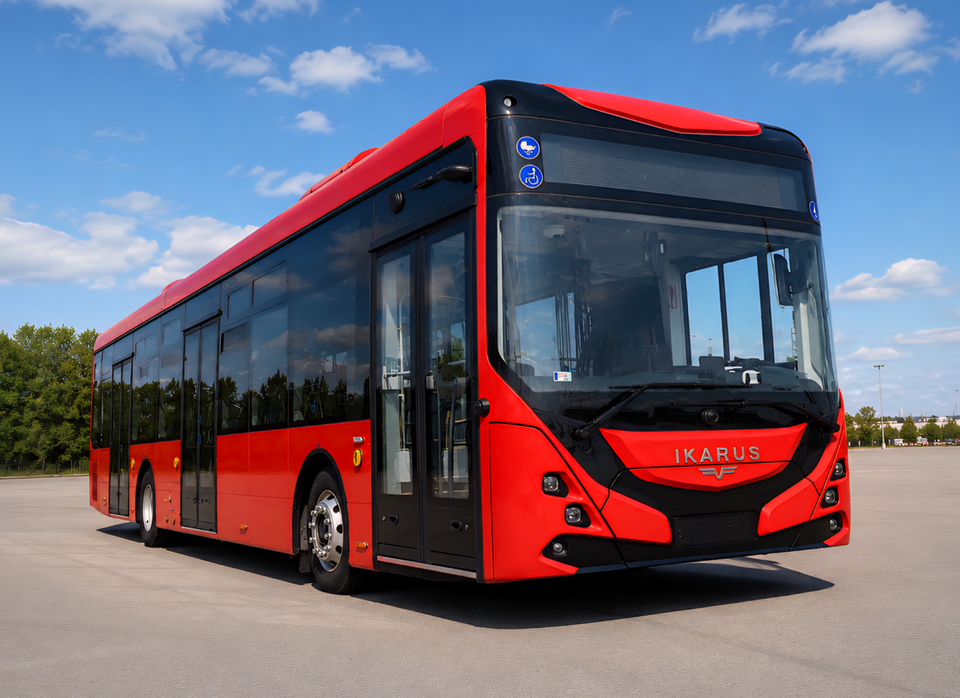
One of the Balkans’ largest electric bus procurements is gradually coming to resemble a never-ending series rather than a public procurement procedure. The consortium of Ikarus and Austria’s EVN has this year been named the most favourable bidder for the second time in the tender for the procurement of 150 electric buses and 75 charging units, but the signing of the contract is still pending. This is yet another chapter in a bus procurement process that has been dragging on for nearly five years, during which several public procurement procedures have had to be closed unsuccessfully or annulled.
The story is particularly interesting because the current procedure is following almost the same script as the previous one. In the earlier tender, the public procurement committee also declared the consortium linked to Ikarus the winner, after which several bidders filed requests for legal remedy. In the end, the public procurement appeals body annulled the entire procedure not because of the bidders’ professional objections, but due to formal deficiencies, forcing the ministry to relaunch the procurement.
The repeated tender has now once again led to the same result: the public procurement committee has again recommended the consortium of Ikarus and Austria’s EVN as the winner. This time, however, the decision has still not become final, as one of the bidders whose offer was declared invalid, Xiamen Golden Dragon Bus, has filed a request for legal remedy. This means that the contract cannot be signed until the appeal procedure has been concluded. If the request for legal remedy is upheld, the result of the public procurement procedure could once again be annulled, meaning it cannot even be ruled out that the tender for the 150 electric buses will have to be issued for a third time. If, however, the appeal is rejected, the way could be cleared for the contract to be signed.
Although the case may appear highly unusual at first glance, in North Macedonia it is by no means unique. In its country report on North Macedonia, the United States Department of Commerce highlights that one of the biggest challenges facing the country’s public procurement system is the frequency of appeal procedures and the protracted decision-making that results from them. According to the report, losing bidders regularly make use of the opportunity to appeal, while the annulment of public procurement procedures is not considered unusual either. As a result, the contracting and implementation of high-value public investments can often be delayed by months, and in extreme cases even by years. The procurement of 150 electric buses is perhaps one of the best examples of this today: the Ministry of Transport has still been unable to close the project, even though the winning bidder has now been selected for the second time this year, and the final decision is once again in the hands of the appeals body.
Our portal also contacted the North Macedonian Ministry of Transport to find out when the contract is expected to be signed, and we also asked which exact bus type the Ikarus Electric Zrt.–EVN consortium had submitted in its bid. In its response, the ministry stated that, following the conclusion of the public procurement procedure, it would provide timely information on all questions that have arisen. Accordingly, for the time being the ministry did not wish to disclose any further information either on the expected date of contract signing or on the technical details of the winning bid.