![Magyarbusz [Info]](/mbi/header-logo.png)
BYD submitted the lowest bid in Děčín’s electric bus tender, but its Czech breakthrough failed to materialize
 Ludányi József
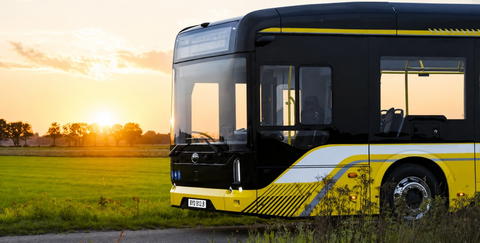
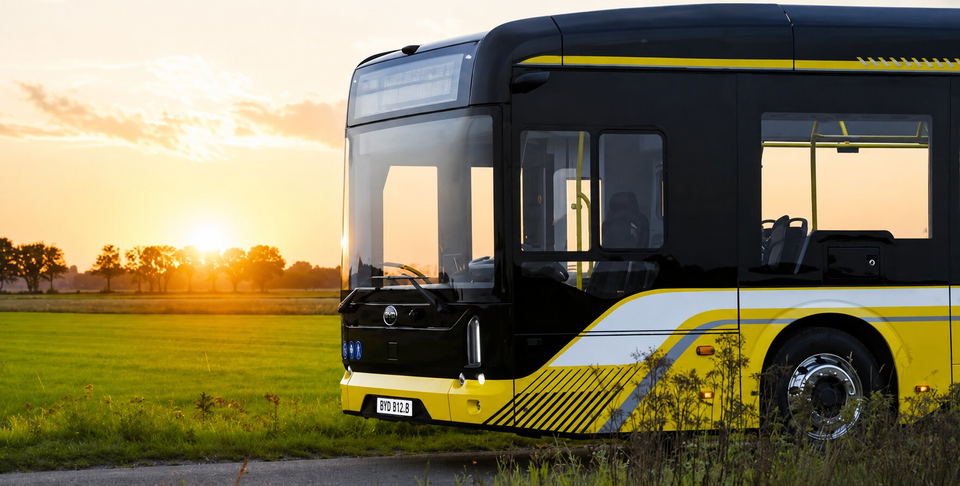
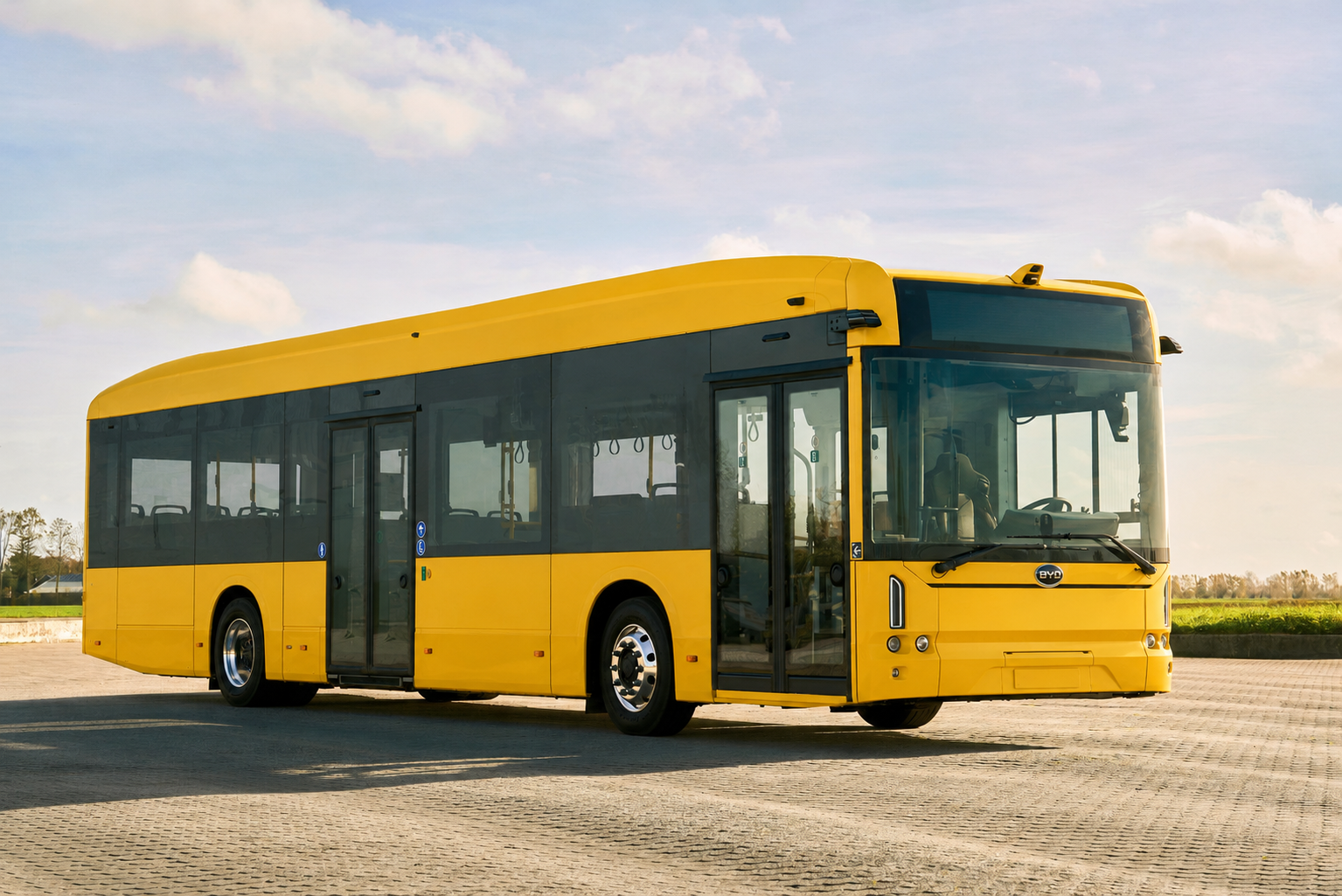
BYD appeared to be on the verge of a breakthrough in the Czech urban bus market, but no contract was ultimately signed. The Chinese manufacturer submitted the most advantageous bid in the electric bus tender launched by Děčín’s municipal transport operator (DPMD), giving it a strong chance of securing its first major order in the Czech Republic. A total of six manufacturers submitted bids in the open public procurement procedure for the purchase of 17 low-floor electric buses measuring 12–13 metres in length. BYD Europe’s offer not only undercut all of its competitors, but also came in below the estimated value of the procurement. Despite this, the transport company ultimately did not announce a winner, but instead cancelled the entire public procurement procedure.
The estimated value of the procurement was set at a net 192.562 million Czech koruna, while BYD Europe submitted a bid of 189.507 million koruna, meaning it would have carried out the contract for around 3 million koruna below the estimated value. The second-lowest bid came from Czech manufacturer SOR Libchavy at 202.3 million koruna, followed by Daimler Buses Česká republika (CZK 203.422 million), the consortium of Solaris Bus & Coach and Solaris Czech (CZK 204.396 million), MAN Truck & Bus Czech Republic (CZK 220.684 million), and Iveco Czech Republic (CZK 223.55 million). BYD’s offer was therefore nearly 13 million koruna lower than the second-cheapest bid, while the difference compared with the most expensive offer exceeded 34 million Czech koruna. According to the procurement documentation, all submitted bids were valid, and no bidder was excluded from the procedure.
Interestingly, in line with its previous practice, DPMD once again allowed manufacturers from outside the European Economic Area to participate, while stipulating that, in the case of buses offered by them, the share of components of EU origin had to reach at least 50%. Since BYD Europe’s bid was deemed valid, the company also met this requirement.
On the basis of BYD’s offer, worth nearly HUF 3 billion in total and around HUF 177 million per bus — a highly competitive price — the Chinese manufacturer would have had a good chance of winning its first significant order in the Czech Republic, as the bid price was the sole evaluation criterion in the procurement. Nevertheless, DPMD ultimately did not announce a winner, but cancelled the procedure, a noteworthy development in any case for a public procurement of this value that had proceeded with valid bids. According to its reasoning, the operator wants to make the fullest possible use of the available state subsidy, and therefore intends to expand or modify the technical scope of the procurement — namely the number and composition of the electric buses it plans to order. Since the procurement conditions can no longer be changed after the bid submission deadline has expired, the transport company had no option but to cancel the entire public procurement procedure.