![Magyarbusz [Info]](/mbi/header-logo.png)
Without state support, even the German electric bus market is not yet able to grow under its own steam
 Ludányi József
The rise of electric buses in Europe is often presented as an unstoppable process, yet the German government’s draft 2027 budget highlights that public subsidies still play a decisive role in the development of the market. According to the draft, funding earmarked to support the procurement of alternatively powered buses would be cut by nearly 68%, a move that has caused serious concern not only among German public transport operators and vehicle-industry players, but also underlined that the market for zero-emission buses still cannot be regarded as fully self-sustaining. If a single budgetary decision is capable of slowing investment in one of Europe’s largest electric bus markets, it clearly indicates that the spread of the technology still relies to a significant extent on government incentives. This is particularly true of hydrogen-powered buses, which, because of their high costs, depend on subsidy schemes to an even greater degree than battery-electric buses. The indispensable importance of state involvement in financing the green transition was previously pointed out to our portal by Switzerland’s PostAuto, and now it may well be that the German market will soon begin to feel the practical effects of funding drying up.
Germany’s Federal Ministry of Transport launched its nationwide programme to support the spread of alternatively powered buses back in 2021. Since then, the scheme has helped finance the procurement of around 5,300 locally zero-emission buses, of which more than 2,300 vehicles have already entered service. Since 2021, the initiative has mobilised a total of around €1.5 billion in subsidies, while in the six funding rounds held so far, almost 400 projects by 334 transport operators have received financing.
It is largely thanks to this support programme that, in 2025, nearly half of newly procured city buses in Germany already had locally zero-emission drivetrains, while the number of such vehicles already in service nationwide exceeded 5,000. Under the programme, the state may reimburse up to 80% of the additional cost of alternatively powered buses compared with diesel vehicles, while providing support of up to 40% for the development of related charging and depot infrastructure. The scale of the initiative is well illustrated by the results of the 2025 funding round – announced in February 2026 – in which the federal government awarded €417 million in grants to 151 transport operators for the procurement of 1,887 battery-electric and hydrogen-powered buses. In parallel, the 2026 call for applications, worth €403 million, is currently under way, with plans to procure around 1,500 new zero-emission buses.
It is therefore no surprise that the German government’s draft 2027 budget, which would reduce funding for the procurement of alternatively powered buses from €403 million in 2026 to €130 million, has caused a major stir. The decision is particularly significant because Germany is not only the largest electric bus market in continental Europe, but in recent years has also been one of the main drivers of the continent’s zero-emission transition. A substantial cut in subsidies could therefore affect not only the future vehicle procurement plans of German public transport companies, but also slow the pace of development among manufacturers and suppliers that have invested significant sums in such vehicles over the past decade, as well as in charging infrastructure and depot upgrades. The general decline in support for vehicle procurement in Germany is well illustrated by the case of Dresden, a city of more than half a million inhabitants, which recently announced that, due to a tight budget and a lack of additional funds for the procurement of increasingly expensive new vehicles, it is forced to keep its existing buses in active service for longer than originally planned, for at least 16 years, while in the case of trams it is increasing this period to 50 years.
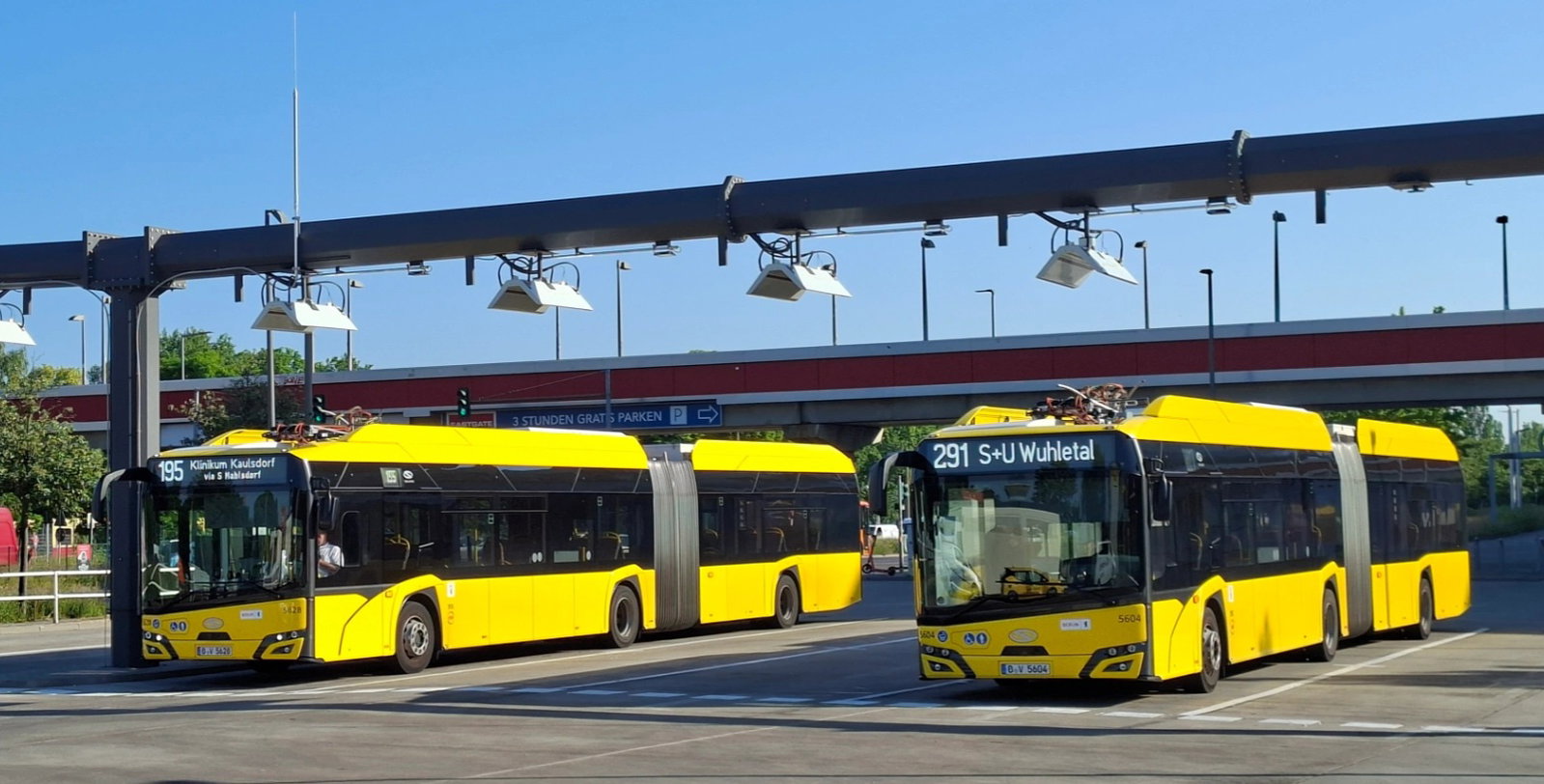
According to the Association of German Transport Companies (Verband Deutscher Verkehrsunternehmen, VDV), the draft runs counter to the government’s earlier transport and industrial policy objectives. The organisation believes that reducing subsidies to one third of their previous level could put the brakes on the expansion of electric bus fleets precisely at a time when transport operators are preparing to invest again after a long period of uncertainty. The VDV stressed that the zero-emission transition is not solely about purchasing vehicles, but also includes the development of depots, workshops, charging infrastructure, grid connections and the workforce, meaning that cuts in support would also have a negative impact on these investments. The organisation also pointed out that, between 2028 and 2031, the draft budget provides for annual funding envelopes of just €20 million, €32 million, €48 million and €100 million respectively, which, in its view, do not provide an adequate basis for the further expansion of zero-emission bus fleets. It also objected to the fact that while other climate protection programmes – such as incentives for the purchase of electric passenger cars – are receiving additional funding, support for alternatively powered buses would be cut significantly. The VDV has therefore asked the Bundestag to review the draft during the parliamentary budget debate and restore support for alternatively powered buses to a level that is predictable over the longer term.