![Magyarbusz [Info]](/mbi/header-logo.png)
Swiss Hess has built electric bus manufacturing capacity in Portugal
 Ludányi József
While capacity shortages, supplier difficulties and manufacturers’ changing business models have been discussed with increasing frequency in the European bus industry in recent years, more and more examples suggest that traditional Western European manufacturers do not necessarily see their future as relying exclusively on their domestic plants. Moving complete vehicle production, or part of the assembly process, abroad is now far from an exceptional solution: alongside Daimler Buses, or indeed Van Hool and VDL, which is carrying forward its legacy, Switzerland’s Hess is now also providing a clearly visible example of this trend.
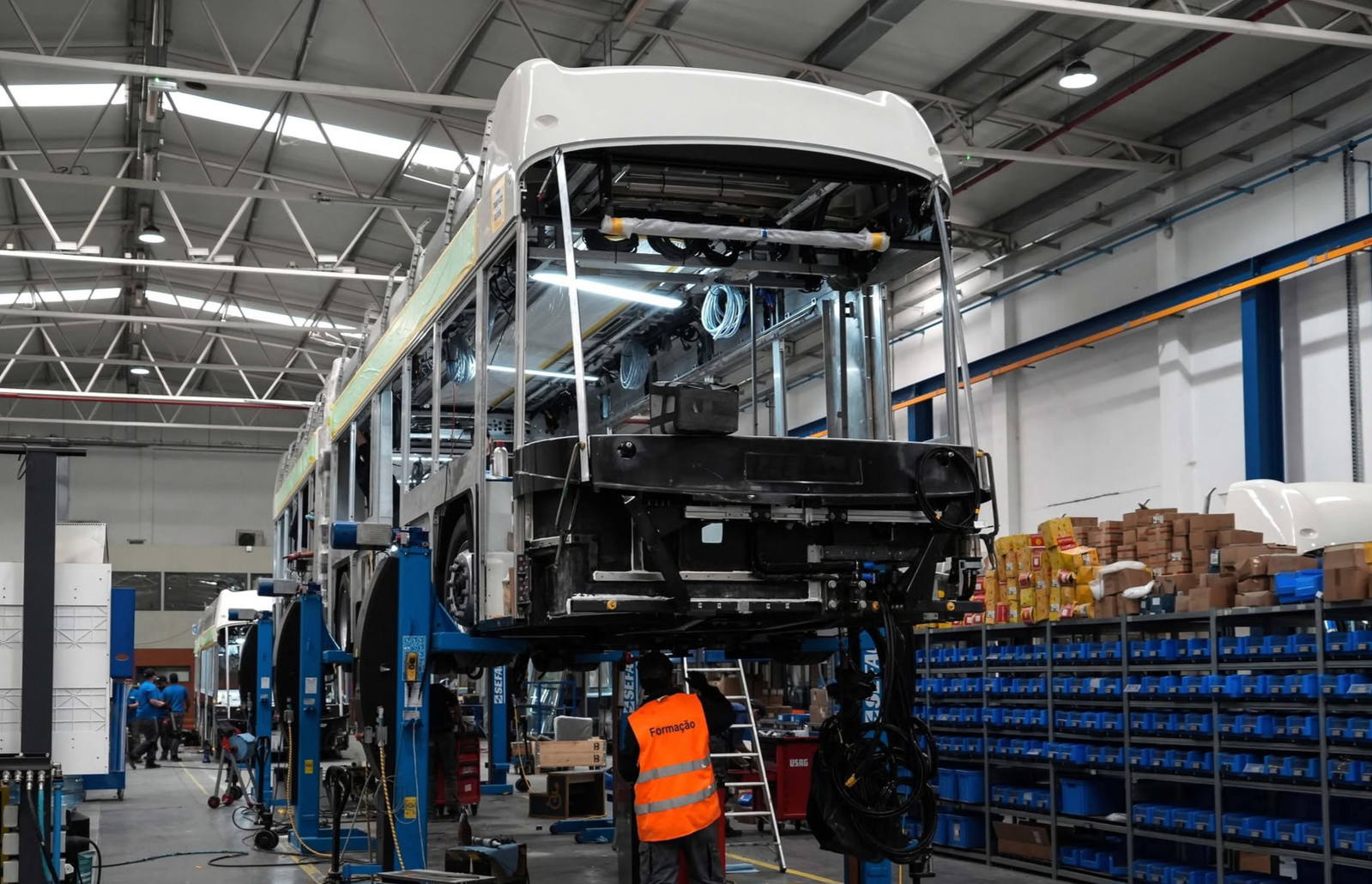
Headquartered in Bellach, Switzerland, Hess has built up new electric bus manufacturing capacity in Portugal in recent years, although the company’s production presence abroad is not entirely without precedent. The Swiss manufacturer previously also maintained bus manufacturing capacity in Minsk, but suspended production at its Belarusian plant in March 2022 – due to the political and business environment created by the war in Ukraine – and shifted part of production back to Switzerland. The same year also saw the start-up of the plant in Lousado, in the Vila Nova de Famalicão area of Portugal, which Hess has since gradually ramped up: the factory, employing more than 300 people, generated revenue of €72 million in 2025 and is already expecting this to nearly double in 2026, to around €140 million. Today, virtually one bus a day rolls out of the Lousado plant, and after an initial 50% partial assembly level, the site now hands over vehicles that are nearly finished, with an 80% degree of completion. According to the company’s plans, the plant’s output could exceed 220 buses by the end of 2026.
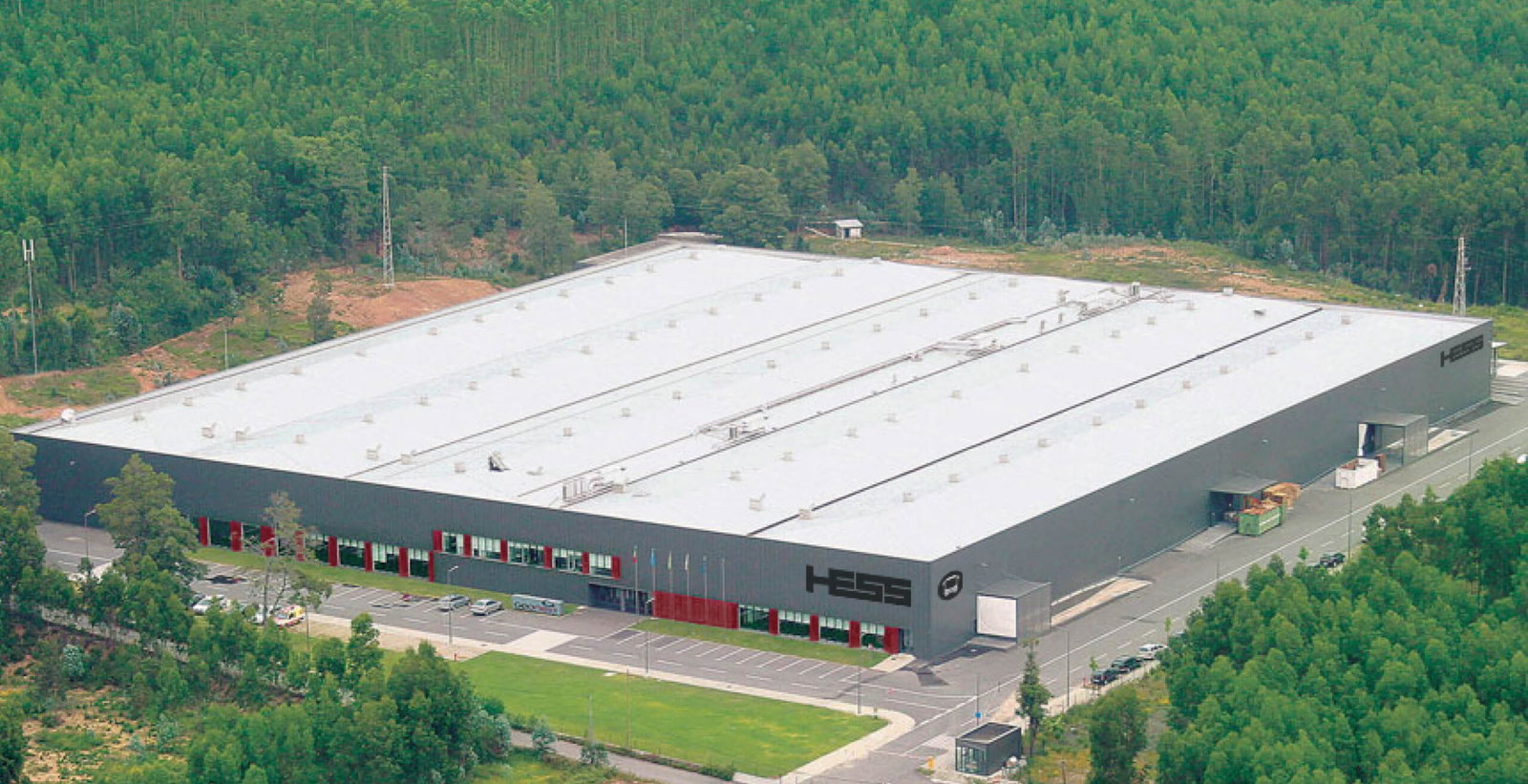
Hess AG’s Portuguese plant
The ramp-up of the Portuguese factory deserves particular attention in Hess’s case because the company remains fundamentally a Swiss-based, family-owned manufacturer. Founded in 1882, the company – whose history goes back to Heinrich Hess’s carriage repair and blacksmith’s workshop in Solothurn – still operates from its headquarters in Bellach, now under the management of the fifth generation of the Hess family. The fact that, after more than 140 years, the company has remained family-owned amid technological, regulatory and economic changes that are fundamentally transforming the bus industry is in itself a remarkable sign of continuity.
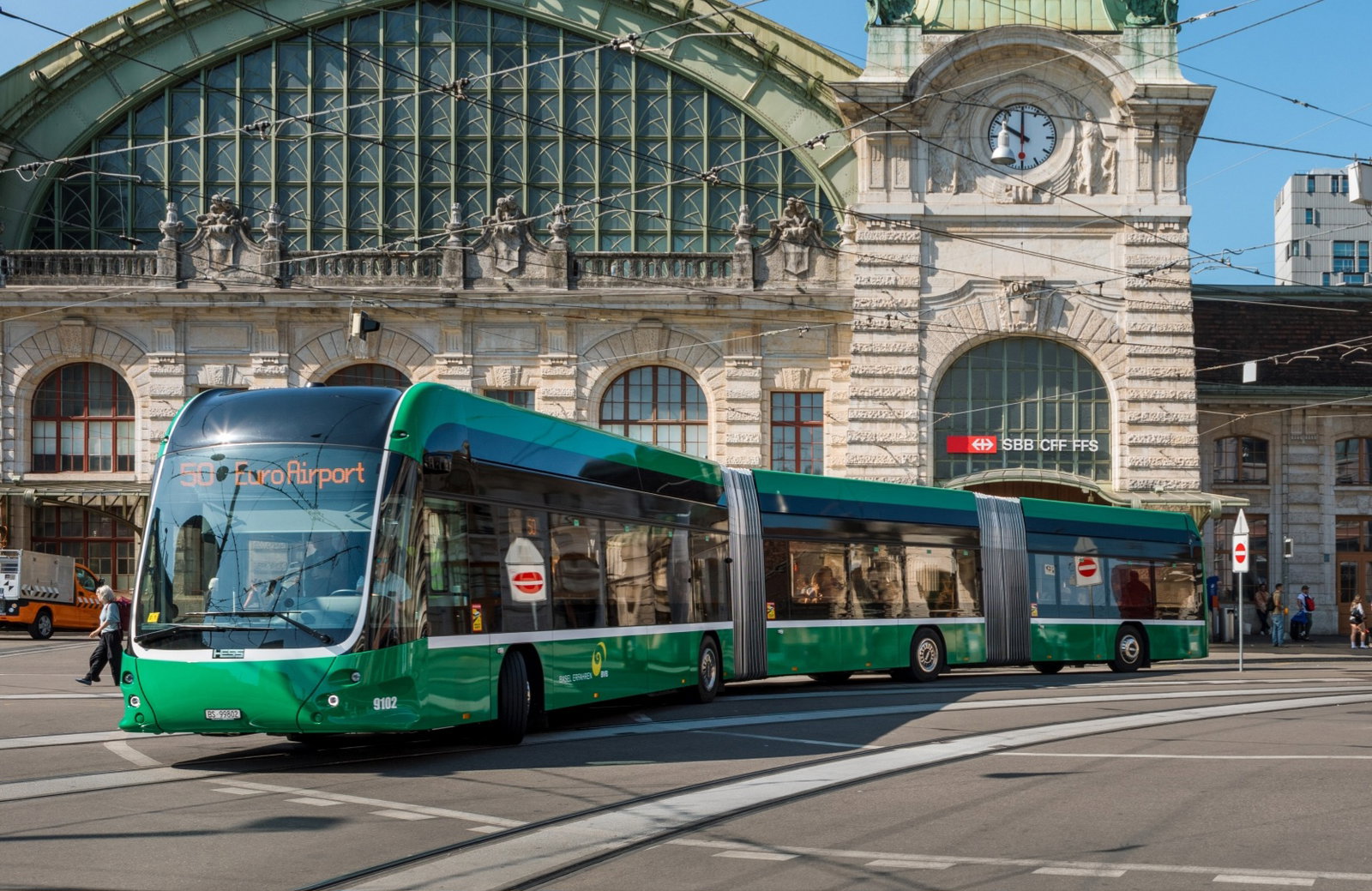
The company employs around 1,200 people and has annual revenue of CHF 380 million, while it is regarded as virtually the last remaining Swiss bus manufacturer. A personal and professional connection also played a role in the choice of Portugal: one member of the family previously completed an internship at a bus company operating in the Vila Nova de Gaia area, so Hess already had a link to the country before the investment.
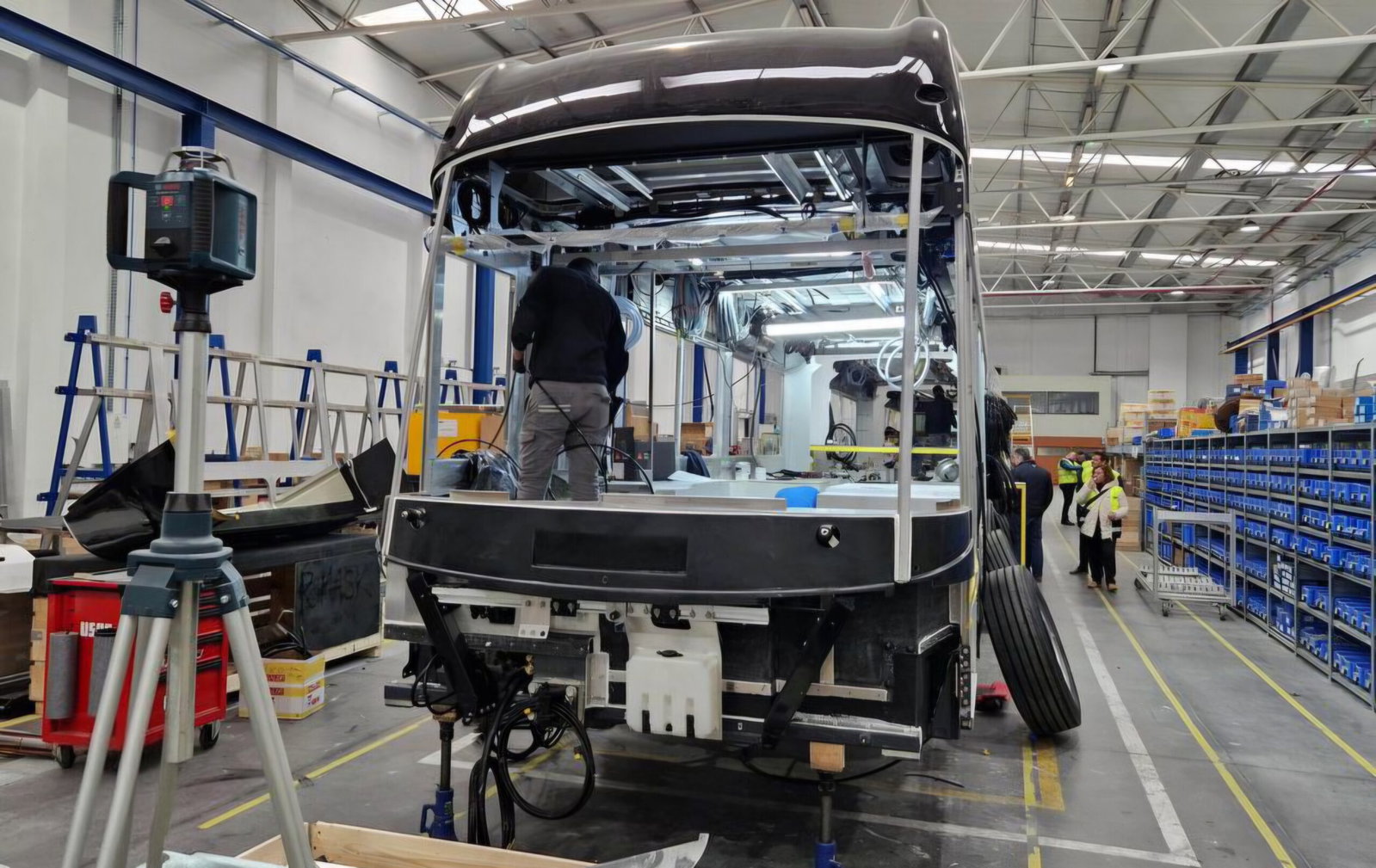
Hess’s move is not, in fact, an isolated phenomenon, but part of a broader industry trend in which traditional Western European bus manufacturers are increasingly relying on diversified, international production structures. In recent years, several Western European bus manufacturers have sought to manage growing cost pressure, capacity shortages and the new manufacturing requirements created by the transition to electric drive by relying, alongside their traditional central plants, on partner production, foreign assembly capacity or lower-cost production bases.
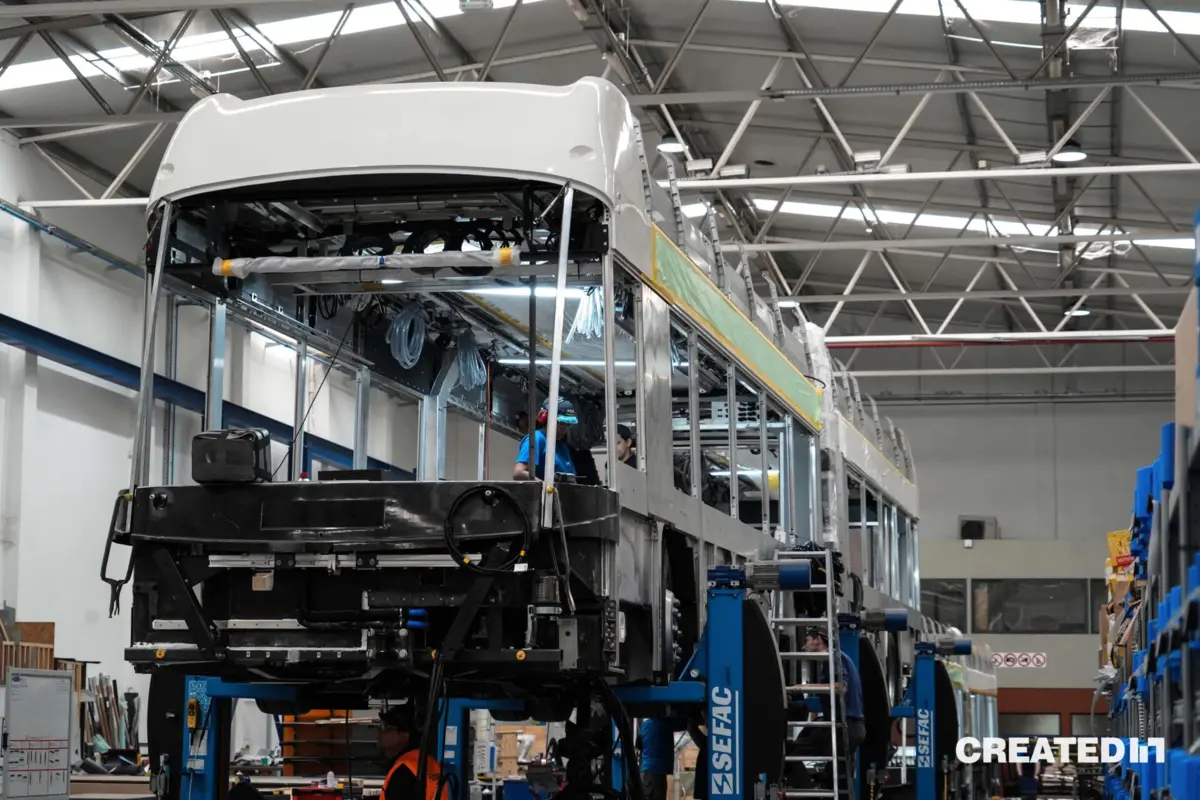
The development of the Lousado plant suggests that Hess now sees far more in its Portuguese presence than a simple supplementary assembly capacity. On the Iberian Peninsula, the company has thus gradually built up an independent production base with significant manufacturing capacity, which, alongside the Bellach headquarters, now also plays an important role in serving Hess’s international projects. The plant has supplied, and continues to supply, not only Swiss and Western European orders – including for Zurich, Geneva, Genoa and Clermont-Ferrand – but the vehicles for the Australian Brisbane Metro were also partly built there.
Cost considerations clearly play a role in the growing importance of the site, but the limited availability of manufacturing capacity, the management of new supply chains linked to electric powertrains, and a market environment in which manufacturers must simultaneously adapt to rapidly growing zero-emission demand and to the production requirements arising from large-scale, complex vehicle projects may have been just as important.
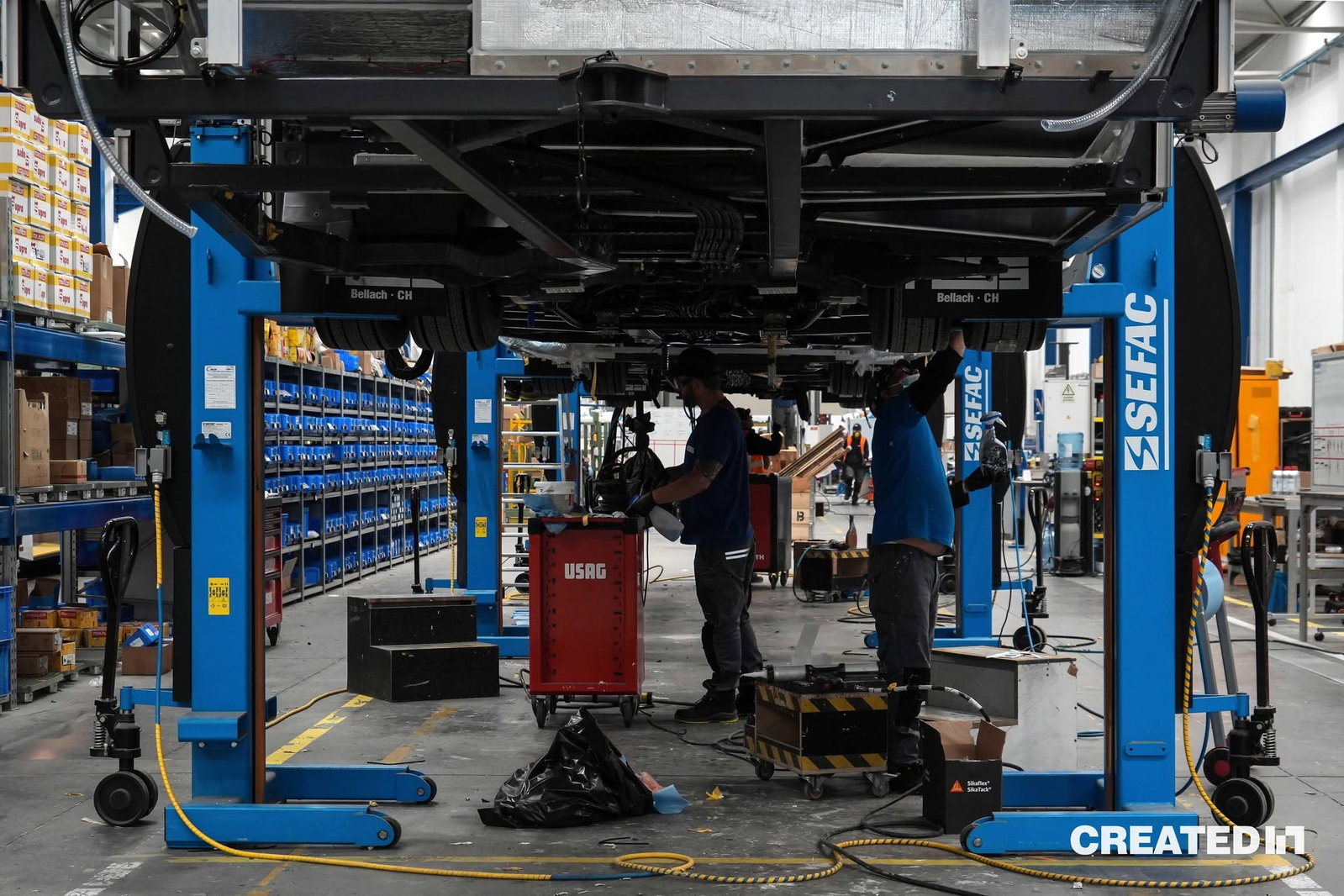
The development of the Lousado plant also highlights that bus manufacturing can now be seen less and less as a purely local industry in which vehicles are built exclusively in the manufacturer’s home country and then delivered from there to customers. The reality, by contrast, is that even behind long-established European brands there are increasingly international manufacturing networks, partner-based collaborations and production chains spanning several countries. Hess’s Portuguese plant is perhaps a less spectacular, but all the more telling, example of this process.