![Magyarbusz [Info]](/mbi/header-logo.png)
What should an electric bus carry: batteries – or passengers?
 Ludányi József
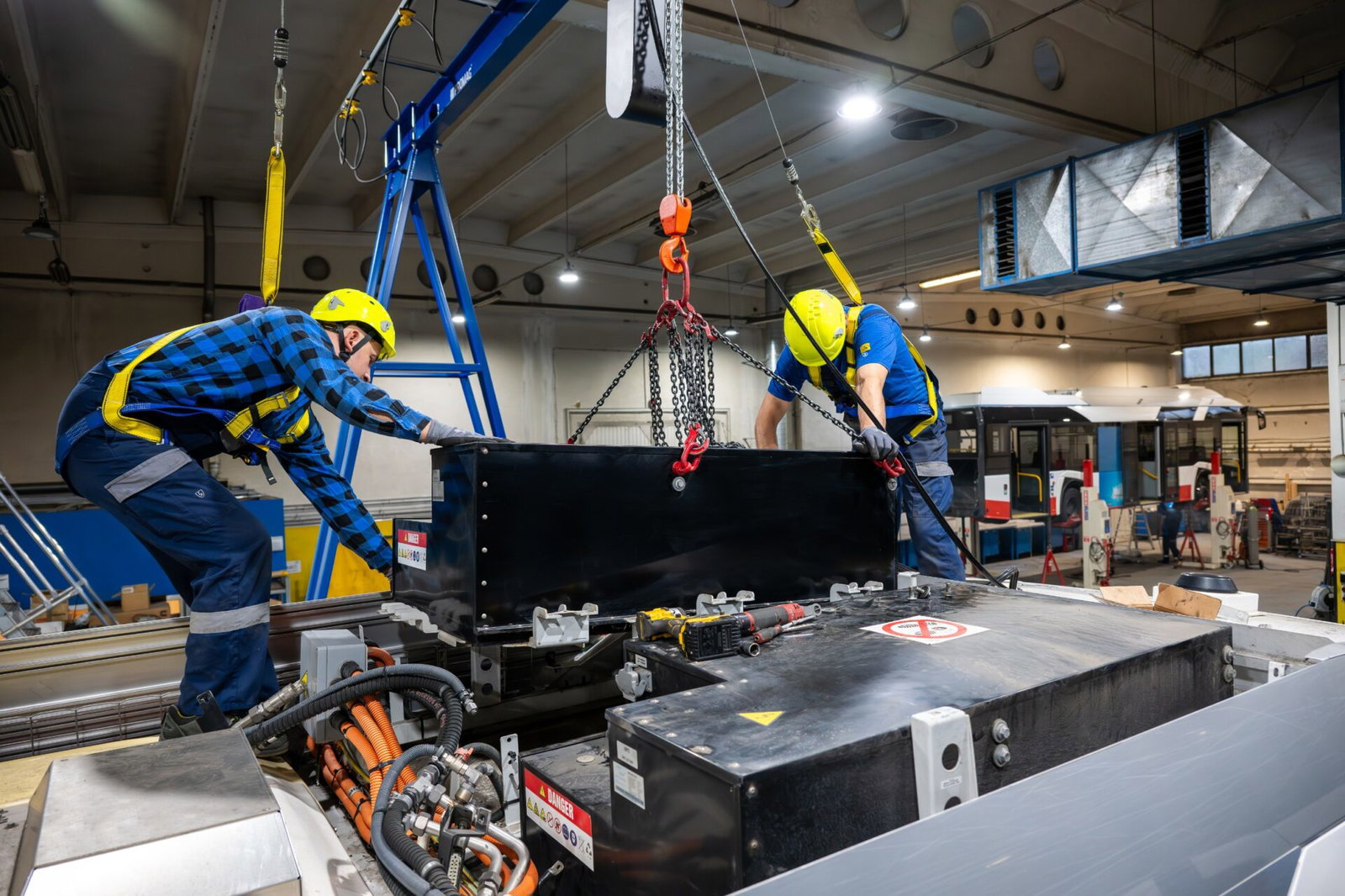
At first glance, the question may seem simplistic, but in reality it captures one of the fundamental dilemmas in the design of electric buses. The mass and space available on board a vehicle are finite – and energy storage systems are taking up an ever larger share of both. This is despite the fact that battery technology is improving year by year, and some electric bus configurations can now complete a full shift – or even more – on a single charge. But this comes at a significant price: the battery capacity needed to achieve a longer range forces serious compromises in both weight and space.
The issue becomes particularly tangible in urban transport. The battery of a modern electric bus can now weigh as much as 3–5 tonnes; in extreme cases, a higher-capacity battery pack can account for almost a quarter of the vehicle’s kerb weight. This is not merely a technical matter: every additional tonne of battery has a direct impact on passenger capacity. As a rough approximation, around 15 passenger places are “lost” per tonne. Seen from this perspective, the relationship is clear: the larger the battery, the greater the range – but at the same time, the lower the actual carrying capacity.
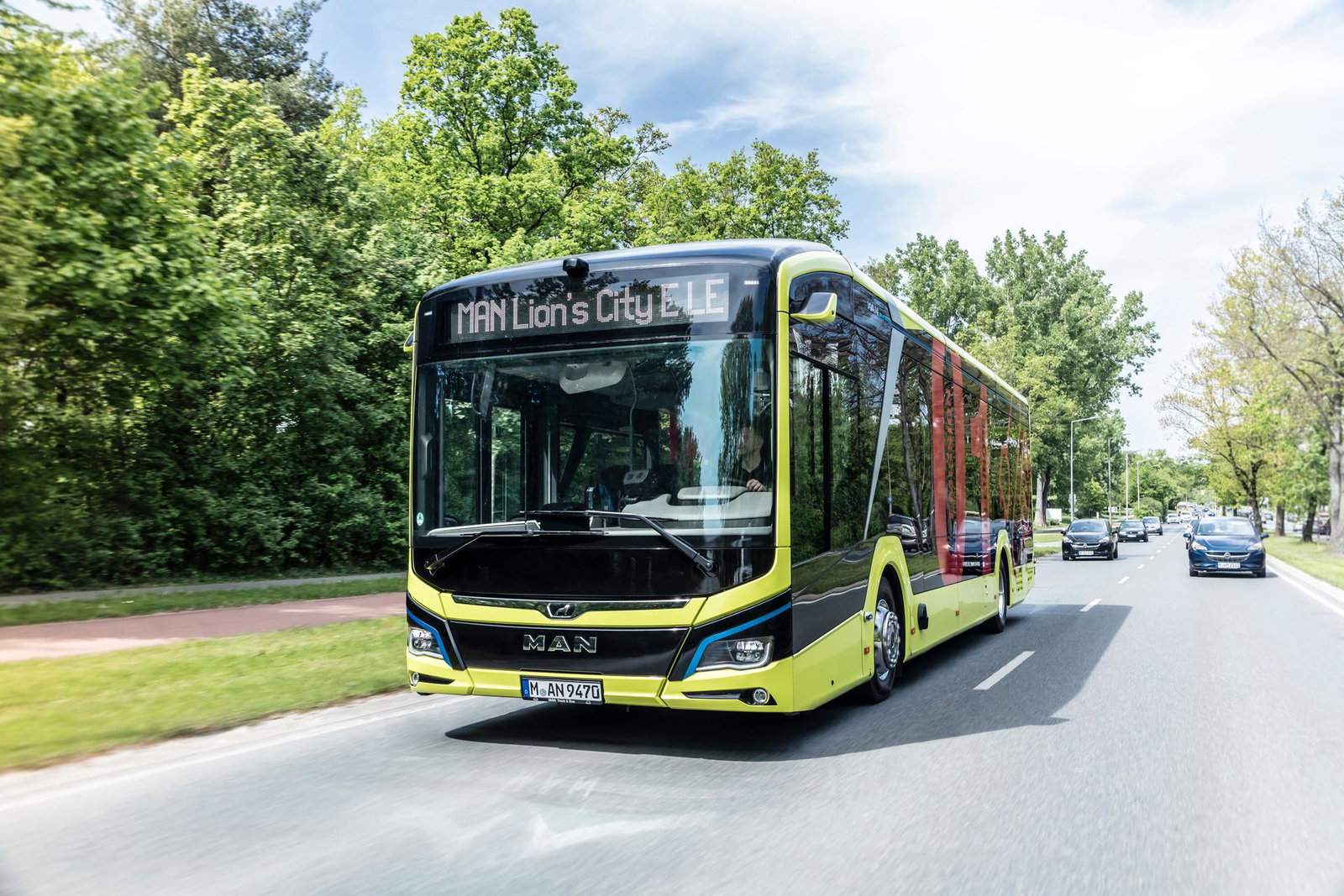
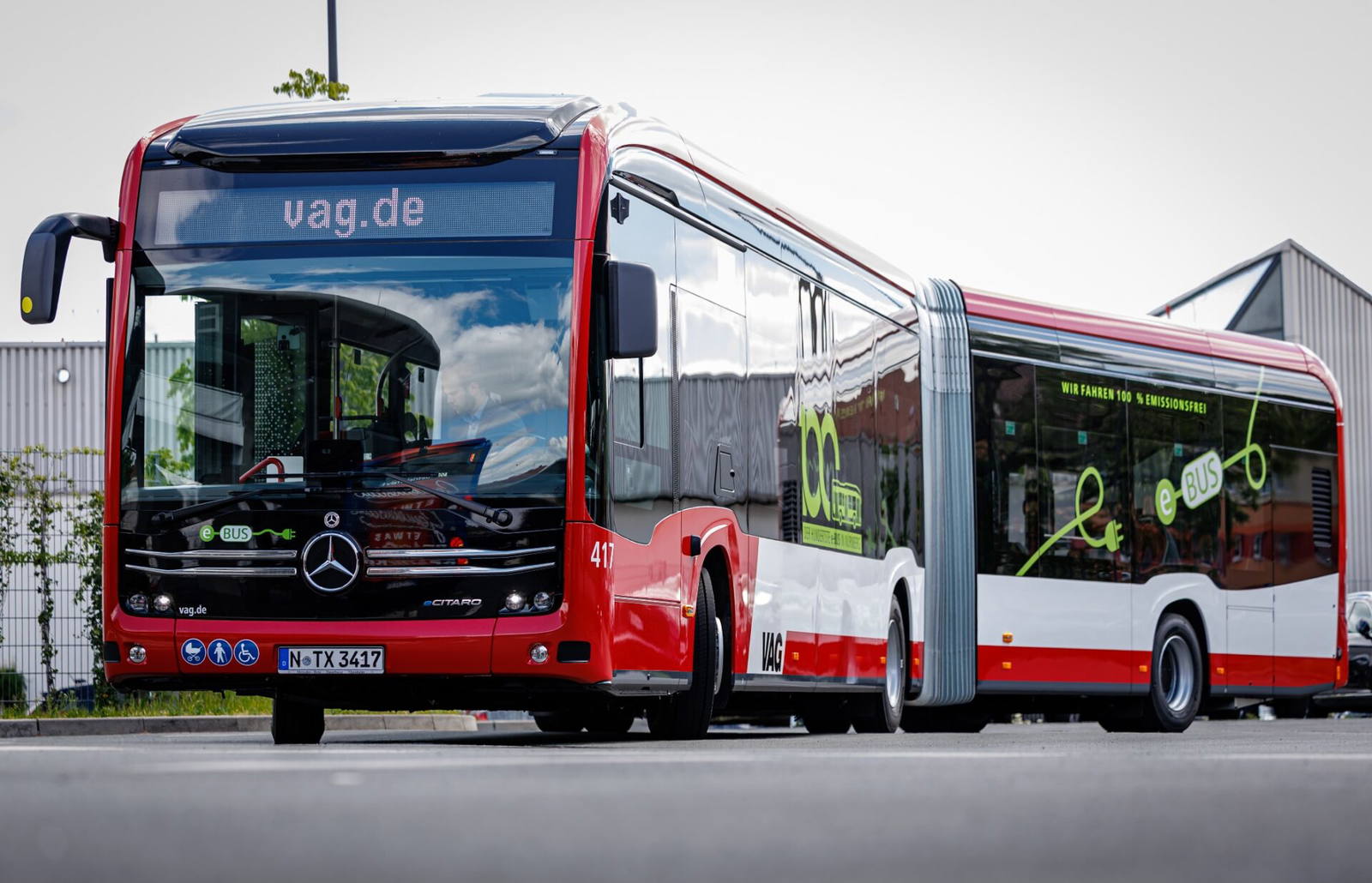
The difference is clearly visible in practice as well. While a conventional solo urban diesel bus can carry as many as 100–110 people, the figure for an articulated vehicle can reach 140–150. By contrast, electric versions fitted with high-capacity batteries often accommodate only 60–70 passengers in solo form, while articulated models typically barely exceed 100 passengers. The main reason for the difference is the additional weight and considerable space requirement of the zero-emission powertrain, compounded by European regulations on weight and dimensional limits. The phenomenon is particularly sensitive on high-demand urban routes, where the specific carrying performance of vehicles has a direct impact on timetable reliability, the number of vehicles required in service and, ultimately, operating costs. In practice, however, the specified passenger-capacity limits often cannot be maintained on crowded routes, meaning operators frequently run vehicles above their design values. This is especially problematic for electric buses with large batteries, where the higher kerb weight means overloading can more easily lead to the permissible gross vehicle weight being exceeded. All this not only entails operational risks, but also raises issues from an infrastructure perspective, particularly in relation to the load-bearing capacity and long-term durability of the road network.
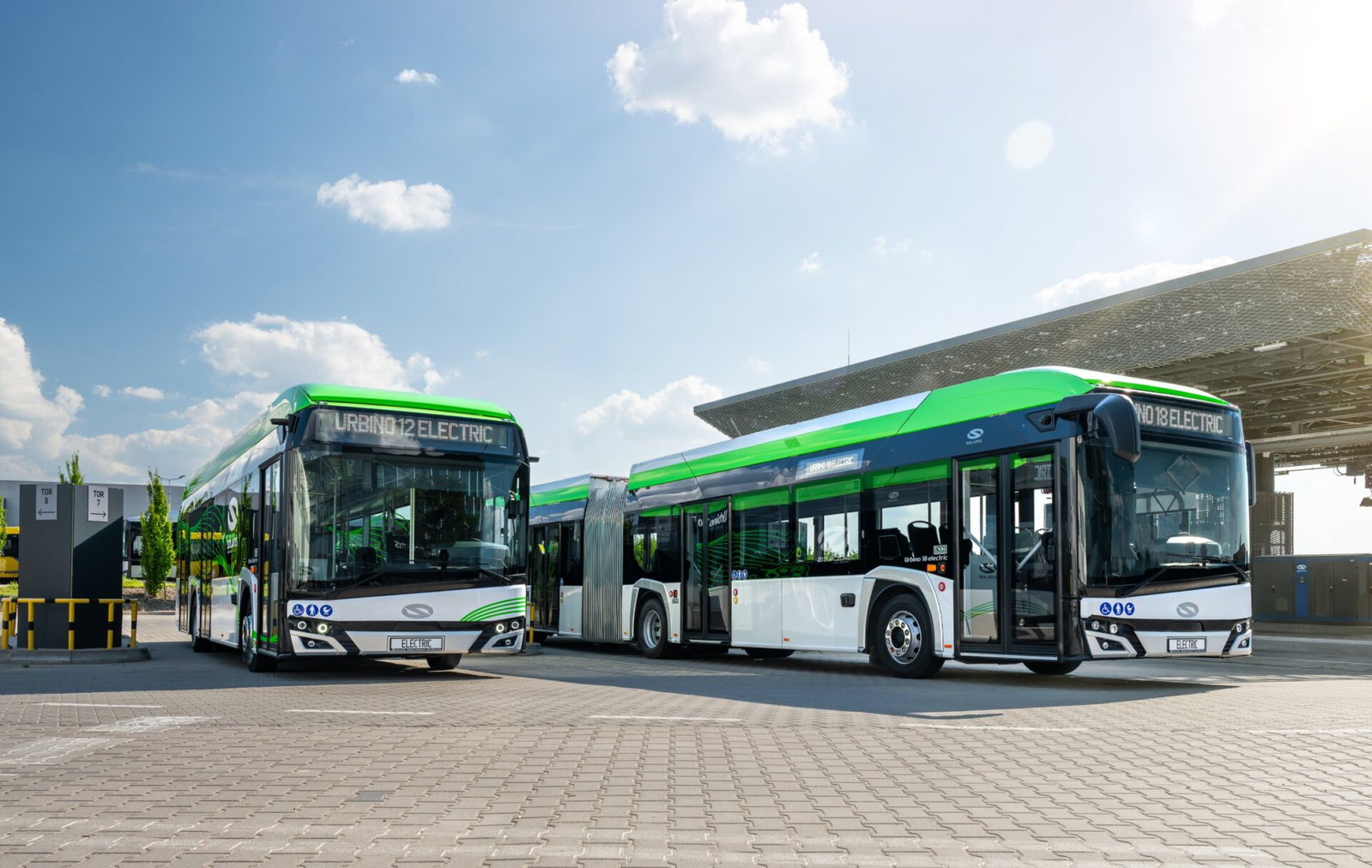
To achieve a range of 400–500 kilometres, for example, a battery pack with a capacity of up to 500–700 kWh may be required, depending on type and configuration, which can increase the kerb weight of a single vehicle by as much as 4–4.5 tonnes. In urban applications, assuming a passenger weight of 68 kilograms per person, this additional mass corresponds to the weight of roughly 58–67 passengers – meaning the vehicle’s carrying capacity may be reduced by that much solely because of energy storage.
This extra weight, however, is not automatically matched by a proportional increase in the permissible gross vehicle weight. Under current European regulations, the maximum permissible gross weight for two-axle solo buses is 19.5 tonnes, while for three-axle, long solo vehicles it is typically 25 or 26 tonnes. For three-axle articulated buses, the baseline value is 28 tonnes, subject to axle-load limits.
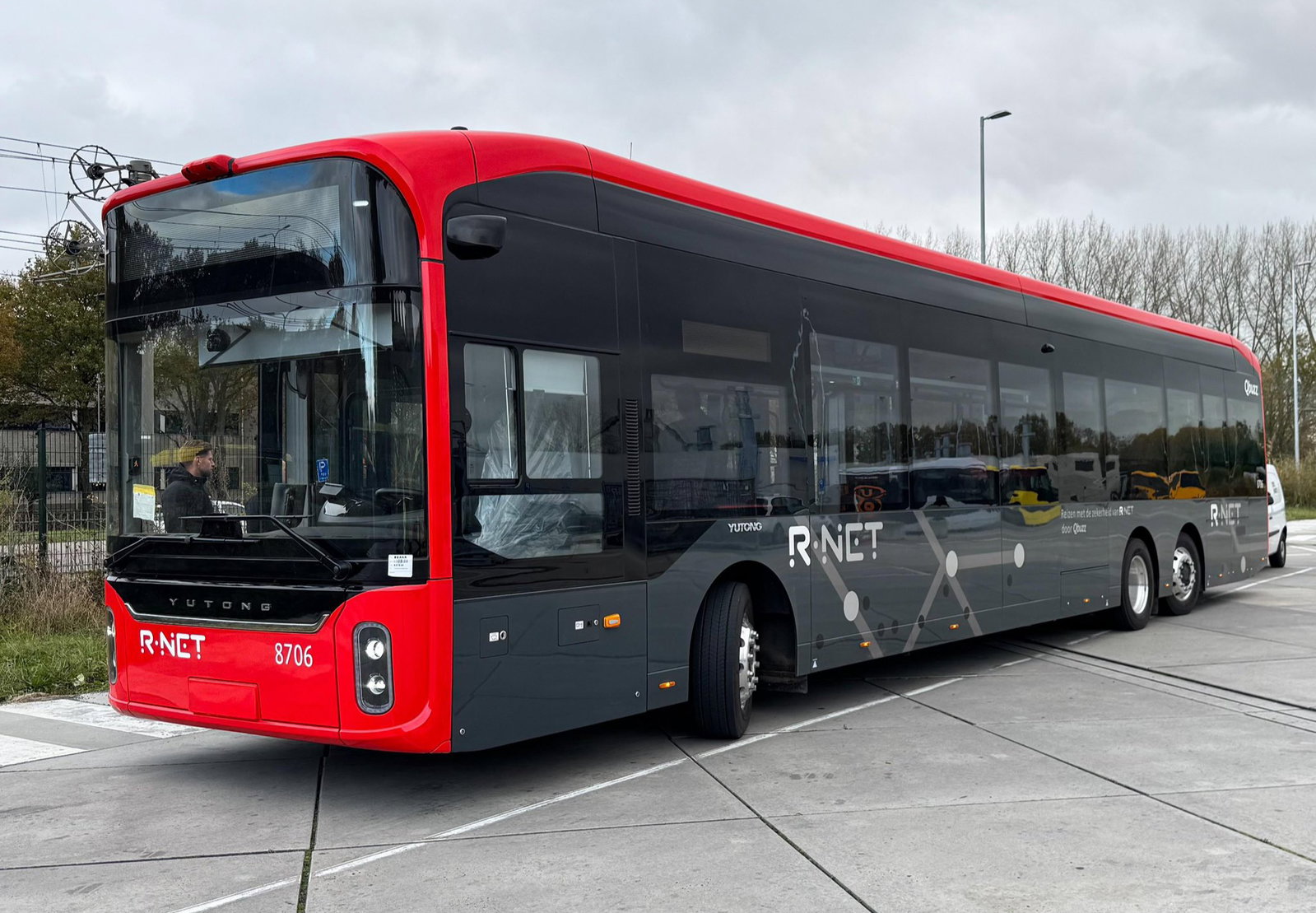
An important distinction is that, in the case of two-axle solo buses, there is no meaningful additional allowance for alternative powertrains. By contrast, for three-axle solo and articulated vehicles, an electric or hydrogen powertrain may justify up to 2 tonnes of additional load, provided this is properly demonstrated during type approval. As a result, the permissible gross weight for three-axle solo buses can reach 28 tonnes, while for articulated electric buses it can be as high as 30 tonnes. Even so, this margin still does not fully compensate for the considerable mass of energy storage systems. Manufacturers are therefore forced into unavoidable compromises: to comply with weight limits, they typically have to reduce passenger capacity or scale back the passenger-compartment layout, directly affecting the vehicles’ actual carrying performance.
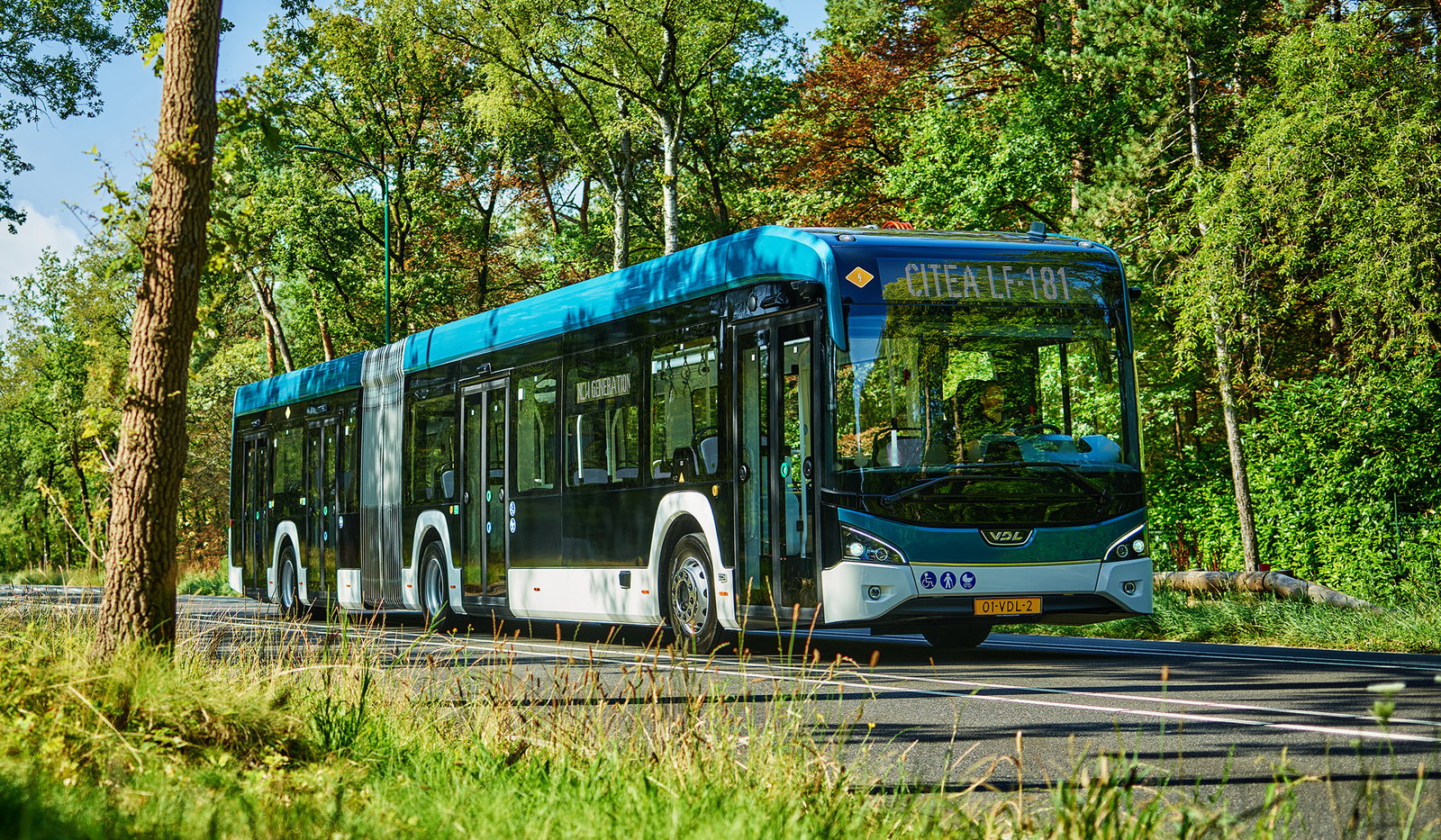
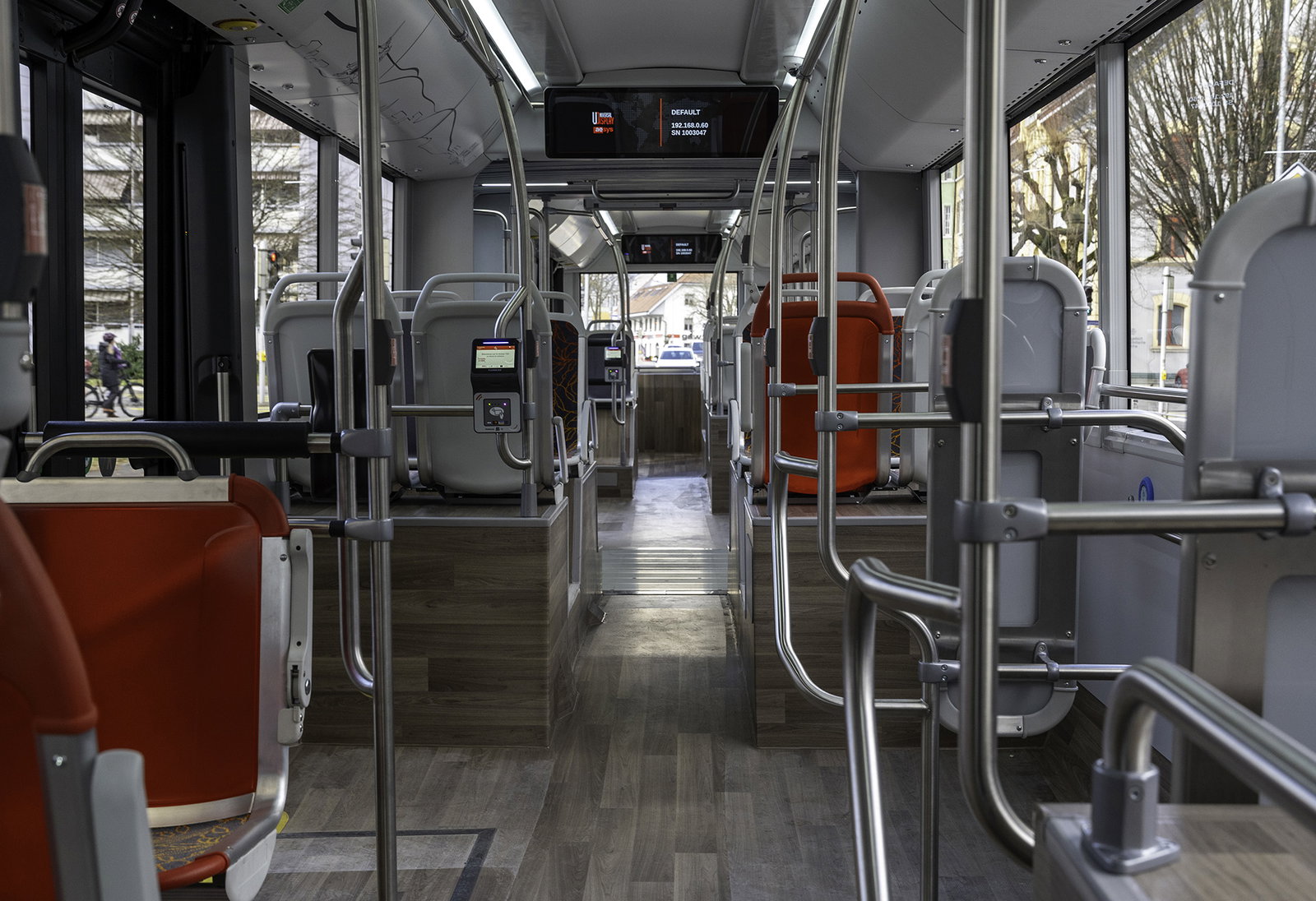
Alongside weight, the other critical factor is the geometry of the passenger compartment, which is also closely linked to the positioning of energy storage systems. In most electric buses, batteries are installed on the roof and under the floor of the rear module, which has a significant effect on how the interior can be used. Because of energy storage units integrated into the chassis, certain areas are not suitable for standing passengers, as the necessary headroom or an adequate standing surface cannot be provided. In many cases, the number of seats also has to be reduced in order to achieve a more favourable weight distribution, while platforms and raised floor sections increase step heights. Taken together, all this not only worsens the ergonomics of the passenger compartment, but also directly reduces the vehicle’s actual passenger capacity.
It is also worth noting that the heat-pump air-conditioning systems used in modern electric buses typically weigh 100–200 kilograms more than the systems used in conventional diesel buses, which in itself can mean a “loss” of 1–3 passengers.
The question, however, does not stop at weight and capacity. It increasingly requires a system-level approach – especially in urban transport. It is also far from negligible that high-capacity batteries are a decisive factor not only in terms of weight, but also in terms of cost, in some cases accounting for nearly half of the vehicle’s purchase price. In addition, environmental impacts do not arise solely during operation. The production of batteries, as well as their end-of-life treatment and recycling, also require significant resources and energy, meaning the “the bigger, the better” approach is not necessarily justified from a sustainability perspective either.
For this reason, the practice of urban electrification should increasingly move in the direction – even if this is often not the case in practice – of optimising not the vehicle in isolation, but the entire system. In many projects, a “technology-centred” approach still dominates, often driven by political or communications considerations, while network and operational issues are pushed into the background.
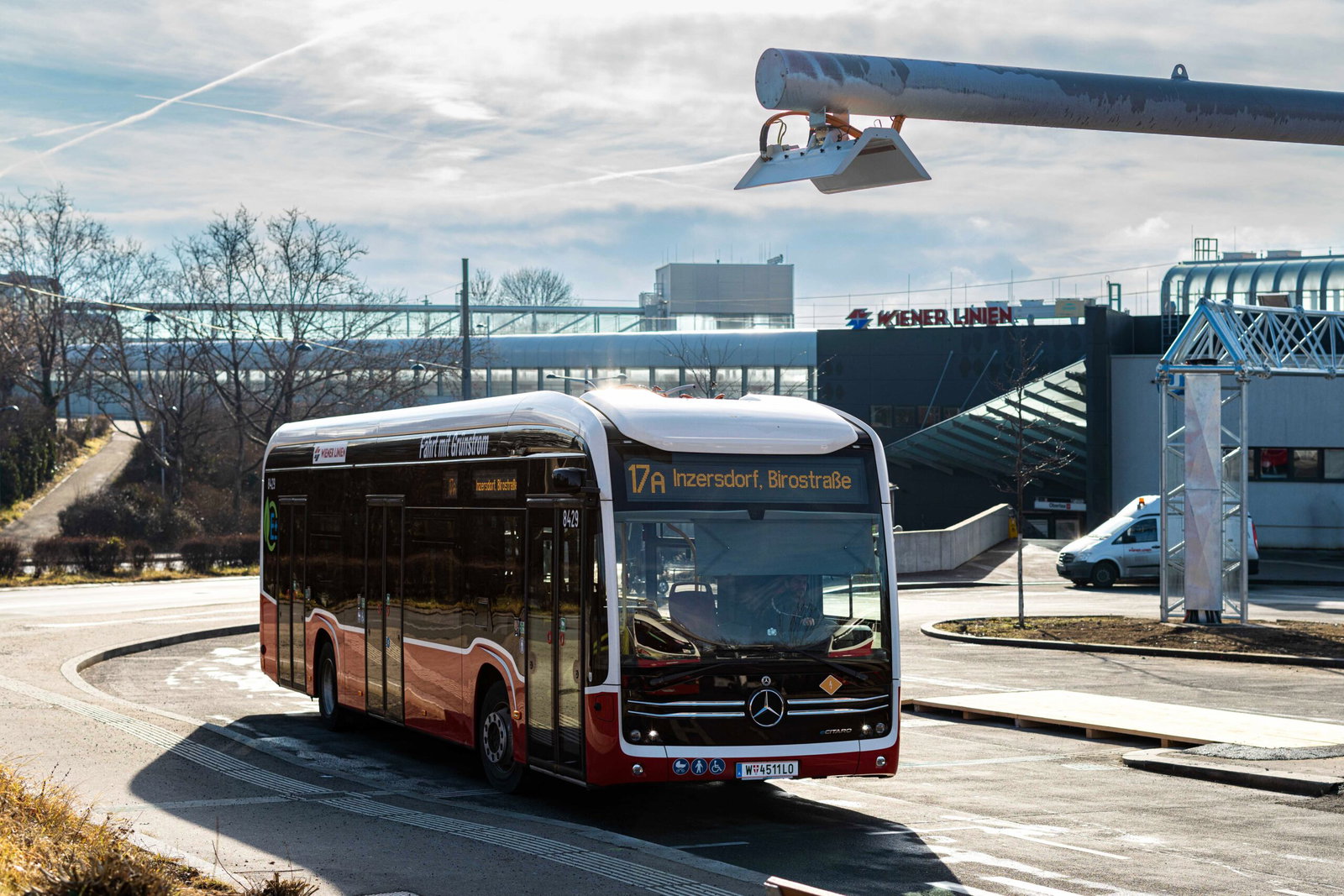
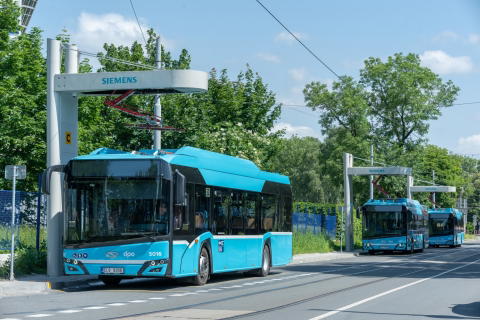
Yet there are already well-functioning solutions in Europe where the emphasis is not on maximising the amount of energy carried on board, but on coordinating infrastructure and operations. In other words, the focus returns to what the bus was originally meant to do: carry passengers. In practice, this means that, by taking advantage of the characteristics of the urban environment, the system does not rely exclusively on energy stored on board the vehicle. Frequent stops, relatively short duty cycles and appropriately designed terminal infrastructure allow vehicles to take on energy regularly during the day. As a result, battery capacity does not necessarily have to be sized for maximum range, since operational reliability can also be ensured by coordinating the system as a whole.
It is important, however, that this approach works well primarily on urban networks. Conditions are quite different in suburban, regional and interurban transport, where routes are longer, stops are less frequent and charging opportunities are limited. In these cases, a high-capacity battery is a necessity, even if it comes at the expense of passenger capacity.
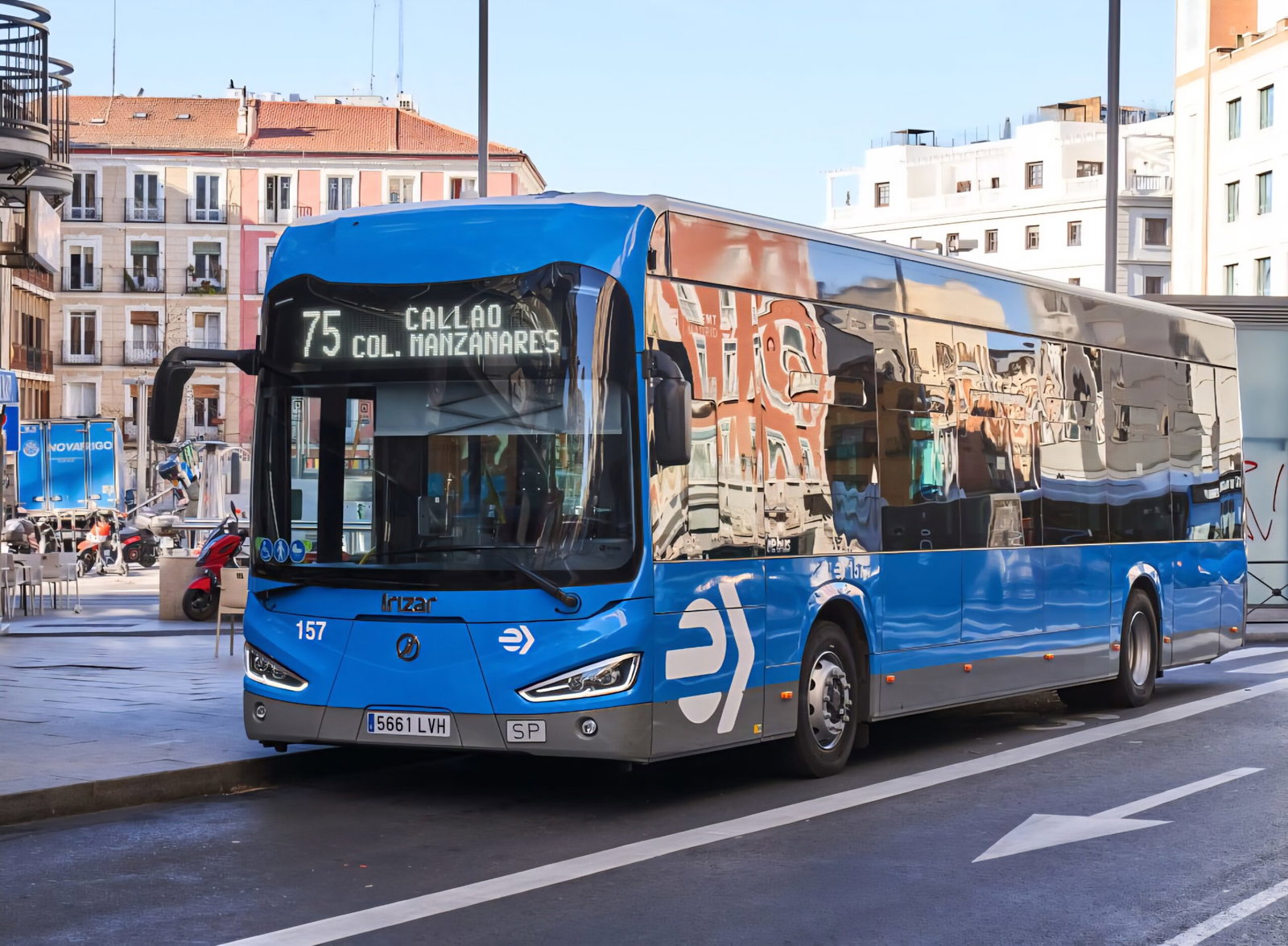
The real question, then, is not how large the battery should be, but how the various system elements – infrastructure, network design and operations – can be coordinated so that the whole system works well. The right solution does not depend on a single technical parameter, but on the characteristics of the city in question. Topography, weather, route length and loading all matter, as do the charging options available. For this reason, there is no single recipe that works everywhere: each city has to find the balance between energy storage and carrying capacity that best fits its own circumstances. What is crucial, however, is that developments should be carried out consciously and with advance planning – because in a well-thought-out system, the largest battery is not necessarily the best solution.