![Magyarbusz [Info]](/mbi/header-logo.png)
Solaris expands its range with an intercity bus family designed around an electric driveline
 Ludányi József
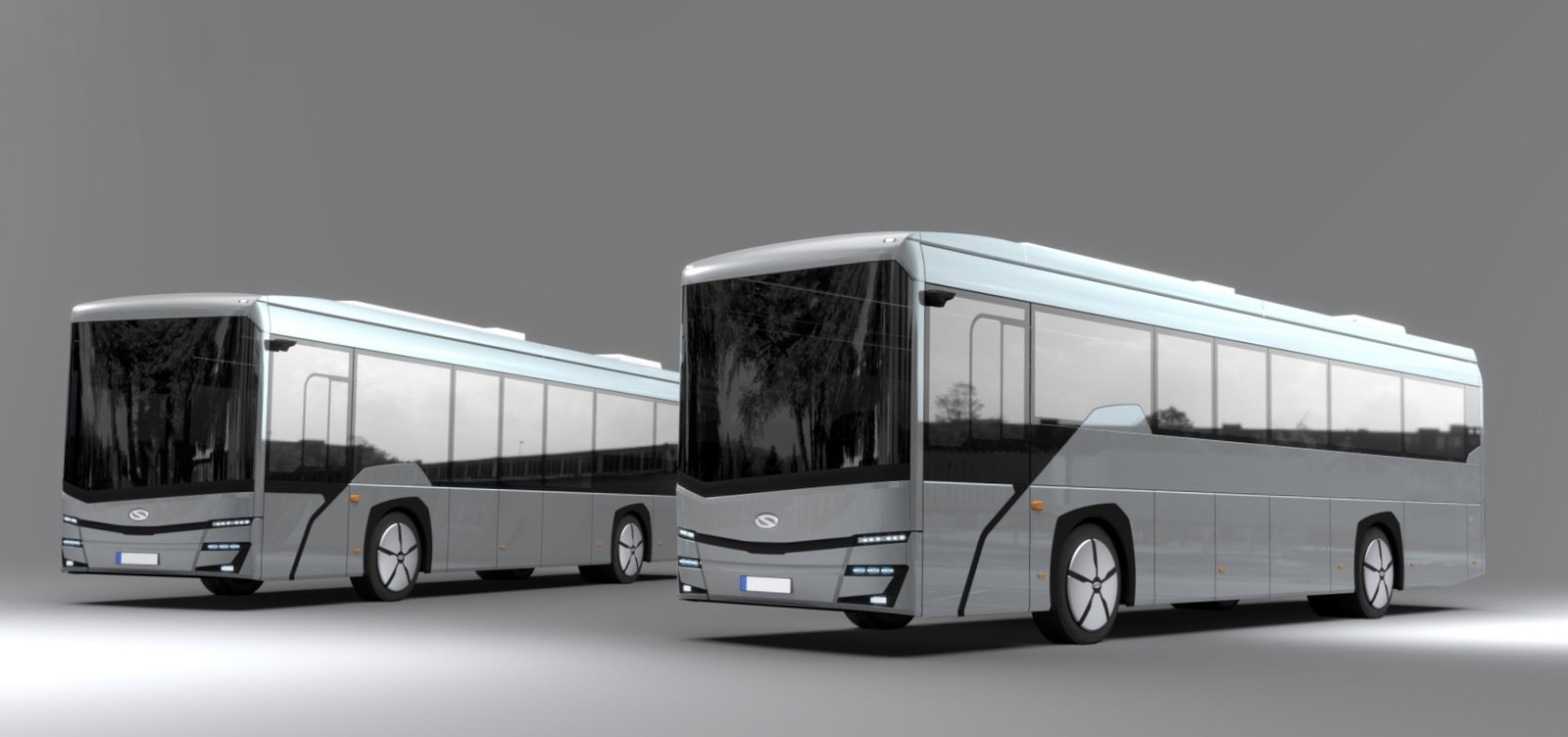
Solaris is heading into a busy period, and the Polish manufacturer’s new strategic focus is becoming increasingly clear: the company is taking firm steps towards entering the zero-emission intercity bus segment, while also raising its expansion beyond Europe – primarily in North America – to a new level. This year, the company will deliver the first Solaris Trollino prototype linked to a 107-unit order for Vancouver, and in October, at the APTA TRANSform & EXPO trade fair in Chicago, it will unveil its brand-new Urbino electric city-suburban model family tailored to the needs of the US market. In parallel, development is in full swing on a zero-emission intercity vehicle family designed specifically for the European market, which is set to become one of the manufacturer’s key product-strategy pillars in the coming years.
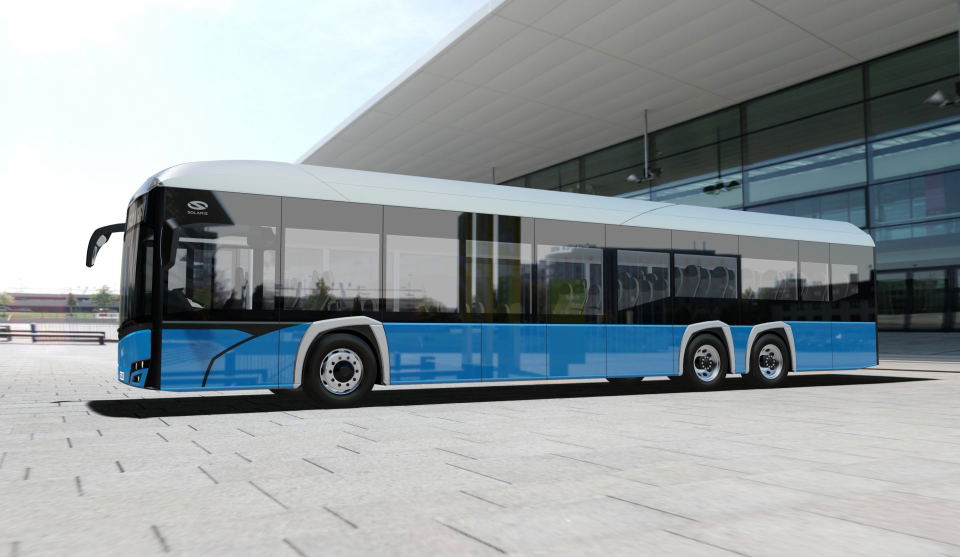
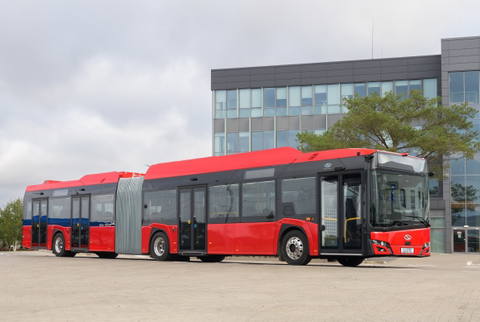
What is especially important from the perspective of the European market is that Solaris will also enter the intercity electric bus segment in the foreseeable future; although the exact premiere date of the new intercity series has not yet been announced, the manufacturer is already promising the first units for next year. The company has already begun presenting the concept to selected public transport operators. Solaris does currently offer an M3/Class II (suburban-regional) electric bus in the form of the three-axle Urbino 15 LE electric model, but that is essentially derived from the city-bus Urbino platform. By contrast, the new platform now under development is being created specifically for intercity use, and will be available in both normal-floor and low-entry versions. In the first phase of its launch, it will be offered exclusively as rigid, two-axle variants, in 10.8-, 12.1- and 13.1-metre versions, the latter with an extended wheelbase; later on, if required, a 15-metre variant could also be created by adding an additional actively steered C-axle. In terms of the driveline, both hydrogen-powered and purely battery-electric versions will form part of the range.
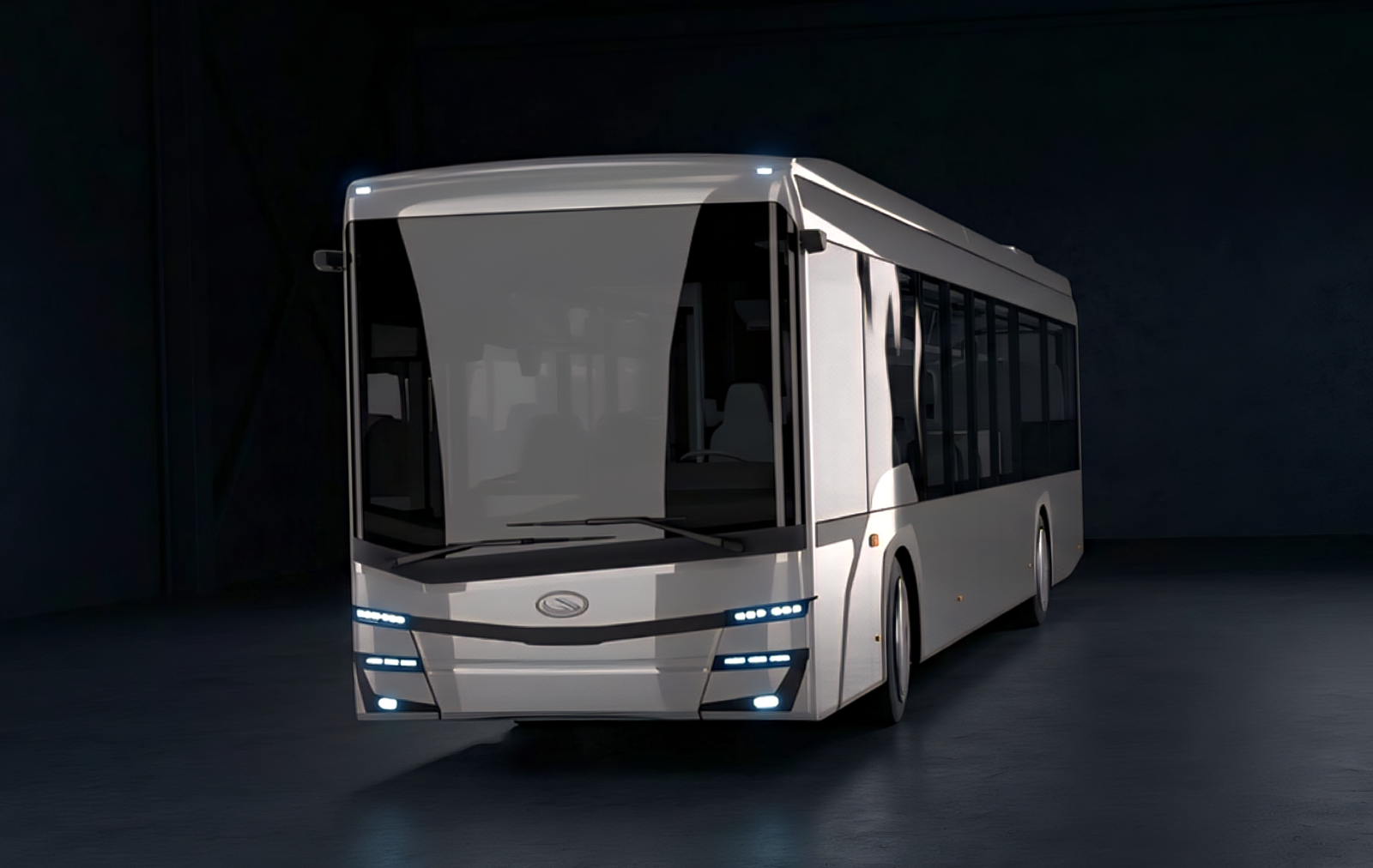
The new electric model family – even if it arrives partly as a successor to the InterUrbino – is not an evolution of an existing diesel platform, but the first design in Solaris’s history to have been developed specifically around electric propulsion. This represents a clear professional turning point for the manufacturer, as the current fuel-cell and battery-electric models are still based – despite continuous development – on the fourth-generation Urbino platform introduced in 2014. The design, based on a modular driveline architecture, is therefore starting from a clean sheet and is almost 100% an entirely new development.

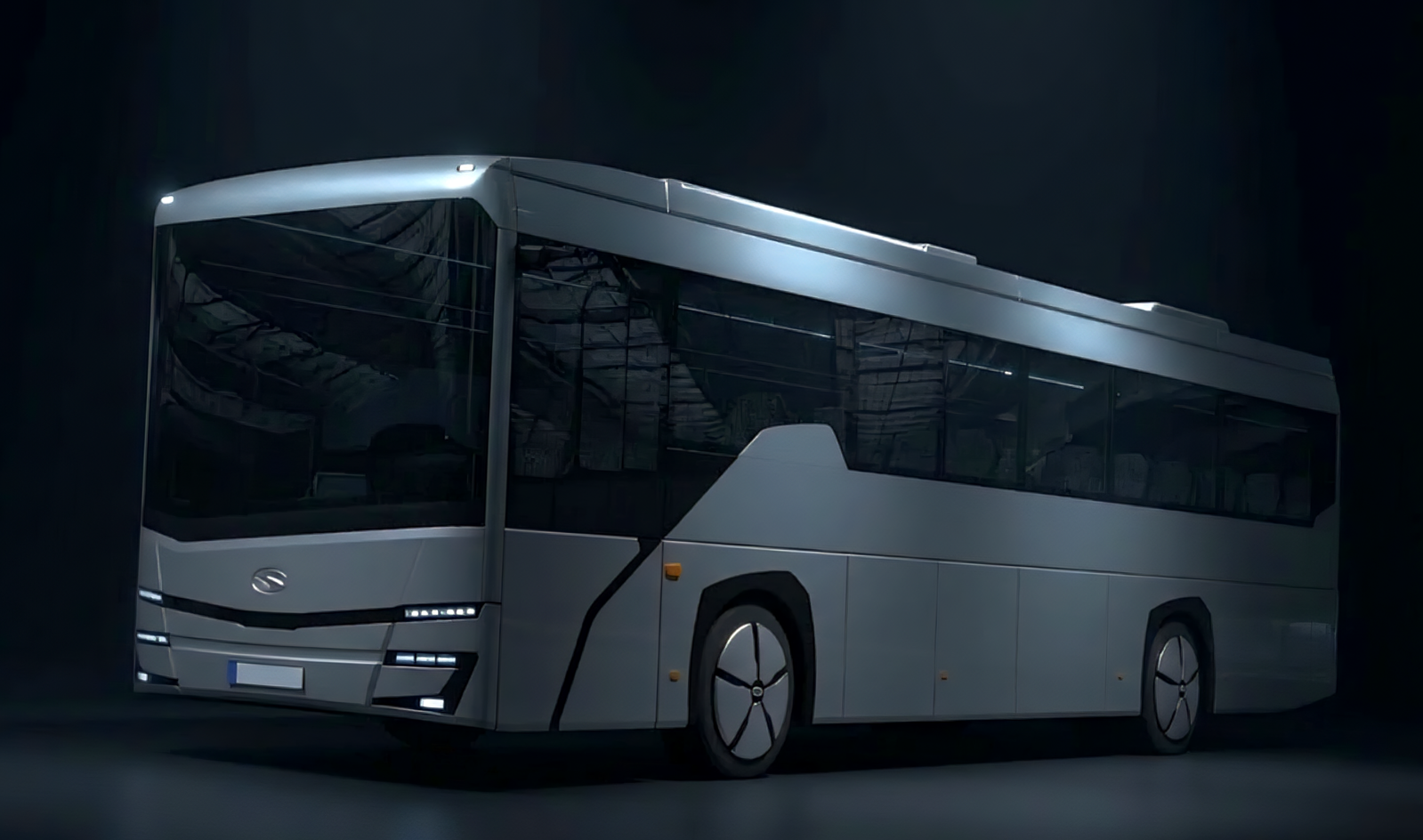
The low-entry and normal-floor variants are built on the same modular structural base. As a result, a total of twelve different configurations can be created, while vehicle height remains almost identical in both cases, at around 3.5 metres; the main difference between the two versions is primarily in the sidewall structural elements.
Since this is an intercity bus, particular attention is being paid during development to reducing air resistance, thereby helping to improve energy efficiency: in addition to optimising the front-end design – similarly to the latest-generation VDL Futura, Volvo 9800 and MAN Lion’s Coach 14 E models – the rear of the vehicle has also been shaped according to aerodynamic considerations. As part of this, a spoiler is fitted at the rear edge of the roof, creating a pronounced airflow separation edge that stabilises the flow and reduces drag.
Direct drive is provided by a centrally mounted electric traction motor with a peak output of 410 kW and maximum torque of up to 3,100 Nm. Installable battery capacity ranges from 260 to 620 kWh, and operators can choose either lithium nickel manganese cobalt oxide (NMC) or lithium iron phosphate (LFP) cell chemistry. Battery placement and configuration can be adapted to the mass distribution requirements of the given country; they can be installed in the rear overhang, under the floor or on the roof. Energy supply for the hydrogen-powered versions will be provided by a Ballard Power Systems fuel-cell system, although this driveline will not be available for the shortest version.
According to the manufacturer, the vehicles’ seating capacity will match that of diesel buses of the same size, and thanks to the sensible placement of the batteries, no major concessions are expected in luggage-compartment design either. The longest normal-floor version can be configured with up to 63 seats, although this implies certain compromises in terms of battery capacity, as in this case maximum energy storage capability is not the priority. Door layouts can be ordered with single- and double-leaf doors, and on the longer versions it will even be possible to install a third door.
The images are illustrations.