![Magyarbusz [Info]](/mbi/header-logo.png)
Setra TopClass HDH – Luxury category tuned for long distances
 Ludányi József
The Setra brand has become synonymous with premium long-distance coaches today, although urban vehicle categories were also prominently featured in the brand’s past. In the current product lineup of the Neu-Ulm manufacturer, models designed for long distances dominate, among which the S 500 series introduced in 2012 stands out, encompassing various model variants of the ComfortClass and the more prestigious TopClass series.
Despite more than a decade since its introduction, the family of models is characterized by clean proportions and a timeless design. This is why during the 2022 model update, designers made limited changes to the basic architecture. The modifications primarily focused on the front panel and side panels.
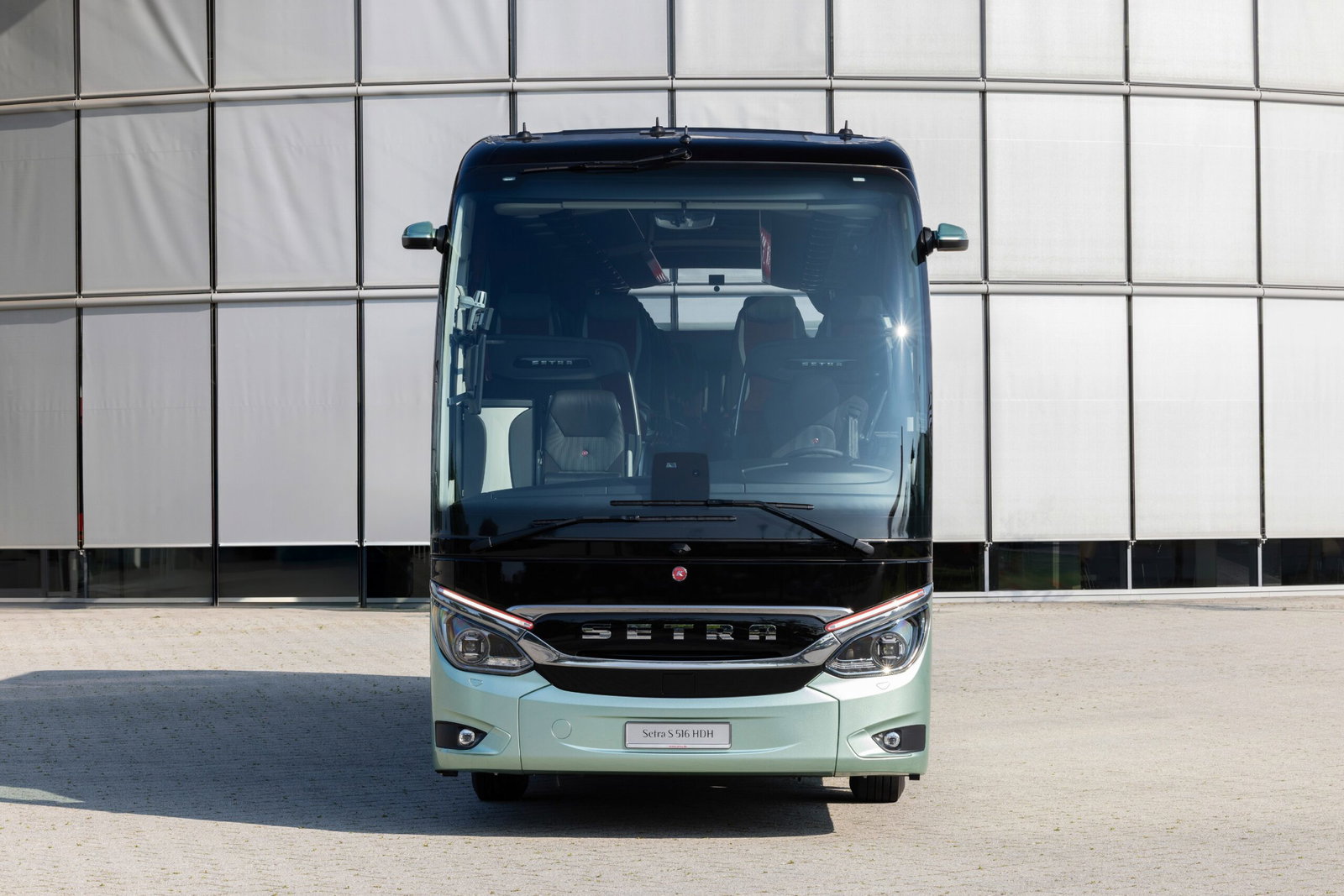
The facelift emphasized strengthening the distinctive brand identity. The new three-dimensional emblems appearing on the front and side panels, including the prominent „Setra” lettering, not only define the vehicle’s appearance visually but also create a strong connection with the brand’s traditional design language.

A significant design innovation is the introduction of the LED strip replacing traditional indicator lights, which combines three functions – indicator, position light, and daytime running light – into a single unit. The new lighting module is identical on both sides, which not only serves the uniformity of the vehicle’s appearance but also simplifies the storage and replacement of parts. The updated front headlights also represent a technical advancement. The design of the reflector housing evokes theatrical lighting technology, and the LED light sources provide greater brightness and more precise light distribution than the previous generation.
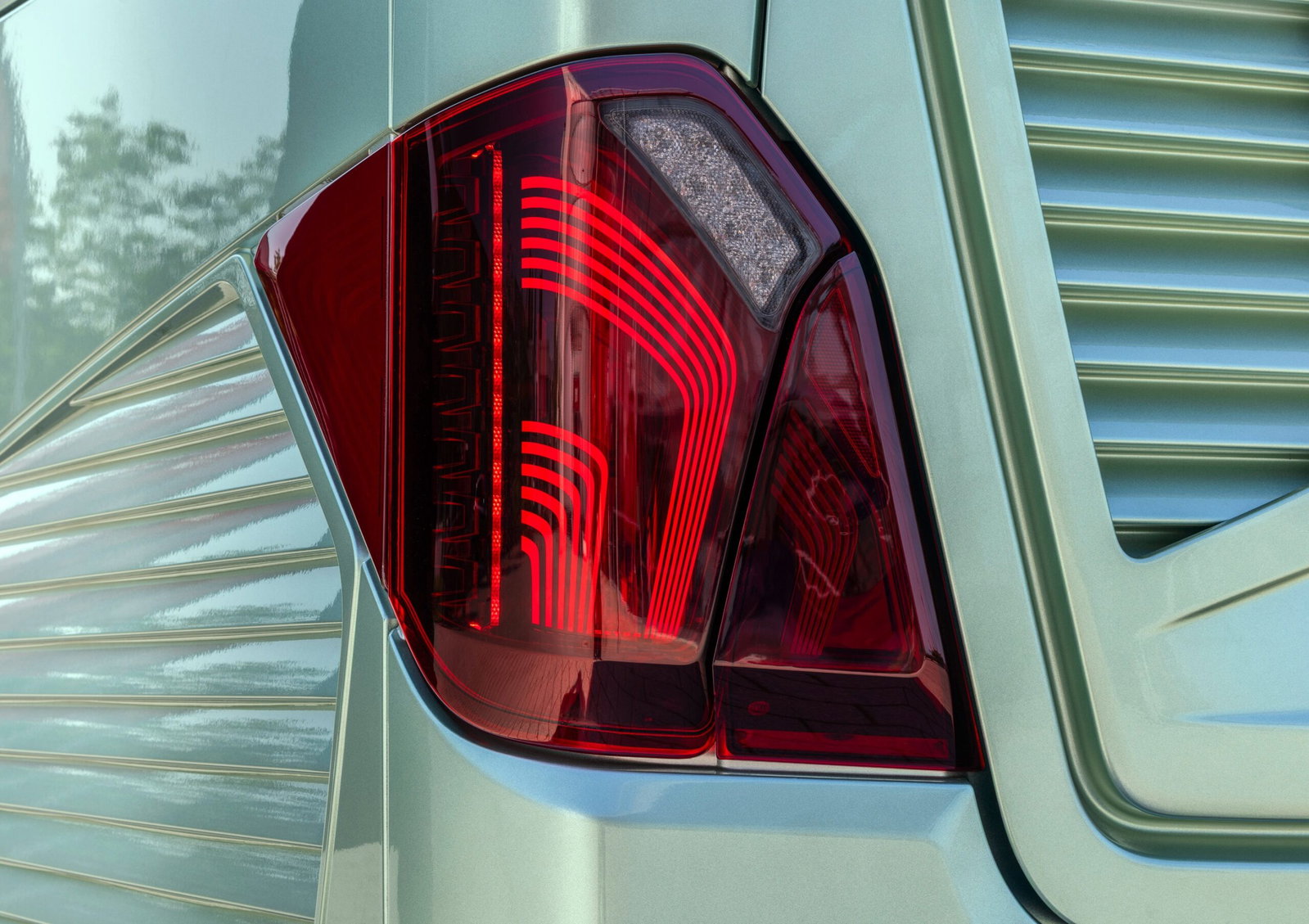
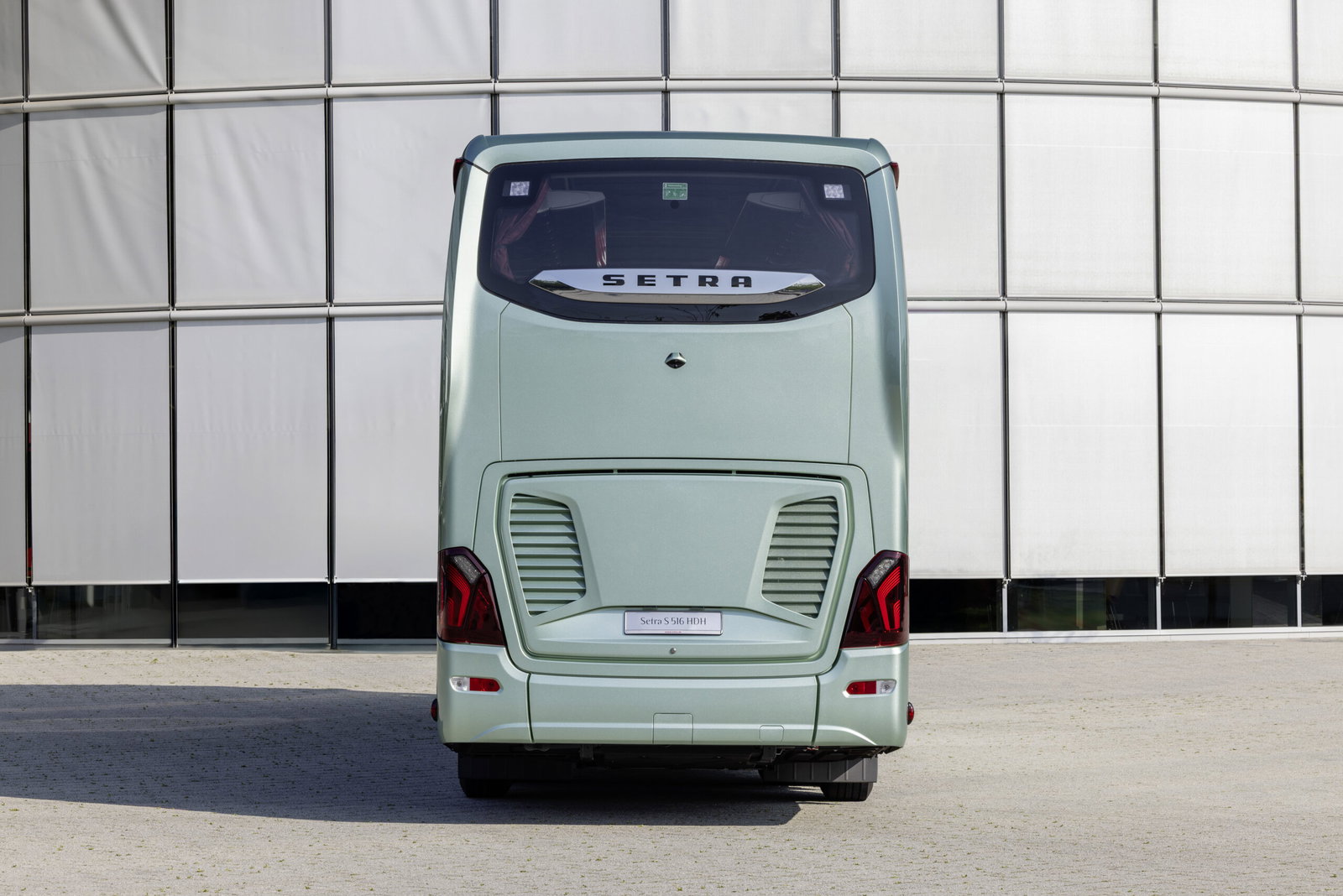
The brand identity is consistently applied on the rear as well, with curved light graphics integrated into the rear lights and a discreetly illuminated „Setra” sign on the lower edge, serving as both a visual identifier and a tool against product counterfeiting. These meticulously crafted lighting elements thus play both aesthetic and functional roles in the vehicle’s design.
Comprehensive safety technology developments complement the exterior design solutions. Setra coaches not only comply with the General Safety Regulation (GSR) EU requirements, mandatory from June 2024, but exceed them in several areas. All versions come standard with the Active Brake Assist 6 (ABA 6) emergency braking assistant, a Daimler proprietary development, currently one of the most advanced systems of its kind in the European coach market.
The ABA 6 uses combined radar and camera technology to monitor the area in front of the vehicle and can reliably detect not only moving but also stationary pedestrians and cyclists. Upon detecting a collision risk, the system first provides visual and haptic (vibrating) warnings, then, if necessary, performs partial or, in the final case, automatic emergency braking. Thanks to improved sensors, the system’s responsiveness has significantly improved compared to the previous generation, with the upper limit of reaction speed for pedestrians and cyclists increased from 50 to 60 km/h, offering a noticeable safety advantage, especially in urban and suburban environments.
Lateral protection is provided by the second-generation Sideguard Assist system, which is now active not only on the right-hand door side but also on the left side. The radar-based technology warns of obstacles, pedestrians, and cyclists alongside the vehicle during lane changes and turns. The system also functions as a lane change assistant above 40 km/h, capable of responding to dangerous situations across the entire speed range of the coach. As an additional feature, Frontguard Assist is available, detecting objects or people appearing in the blind spot in front of the coach at low speeds.
The range of safety systems is complemented by Traffic Sign Assist, which recognizes current speed limits and signals any exceedance – helping to prevent not only accidents but also traffic violations. The tire pressure monitoring system (TPM), Attention Assist for driver alertness, and an onboard interface for connecting a breathalyzer are also standard. A reversing camera is part of the standard equipment, while a 360° camera system is available for comprehensive surveillance.
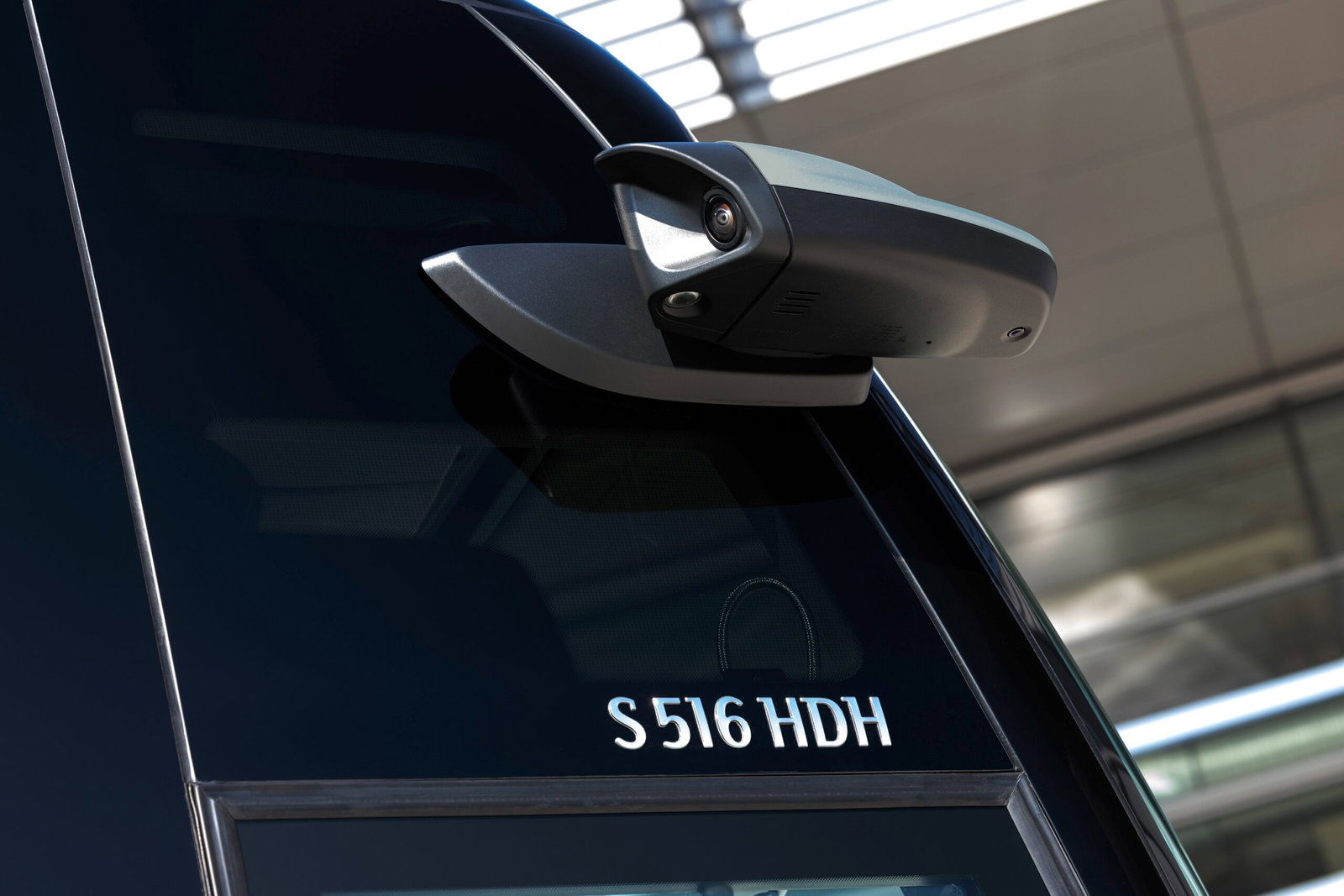
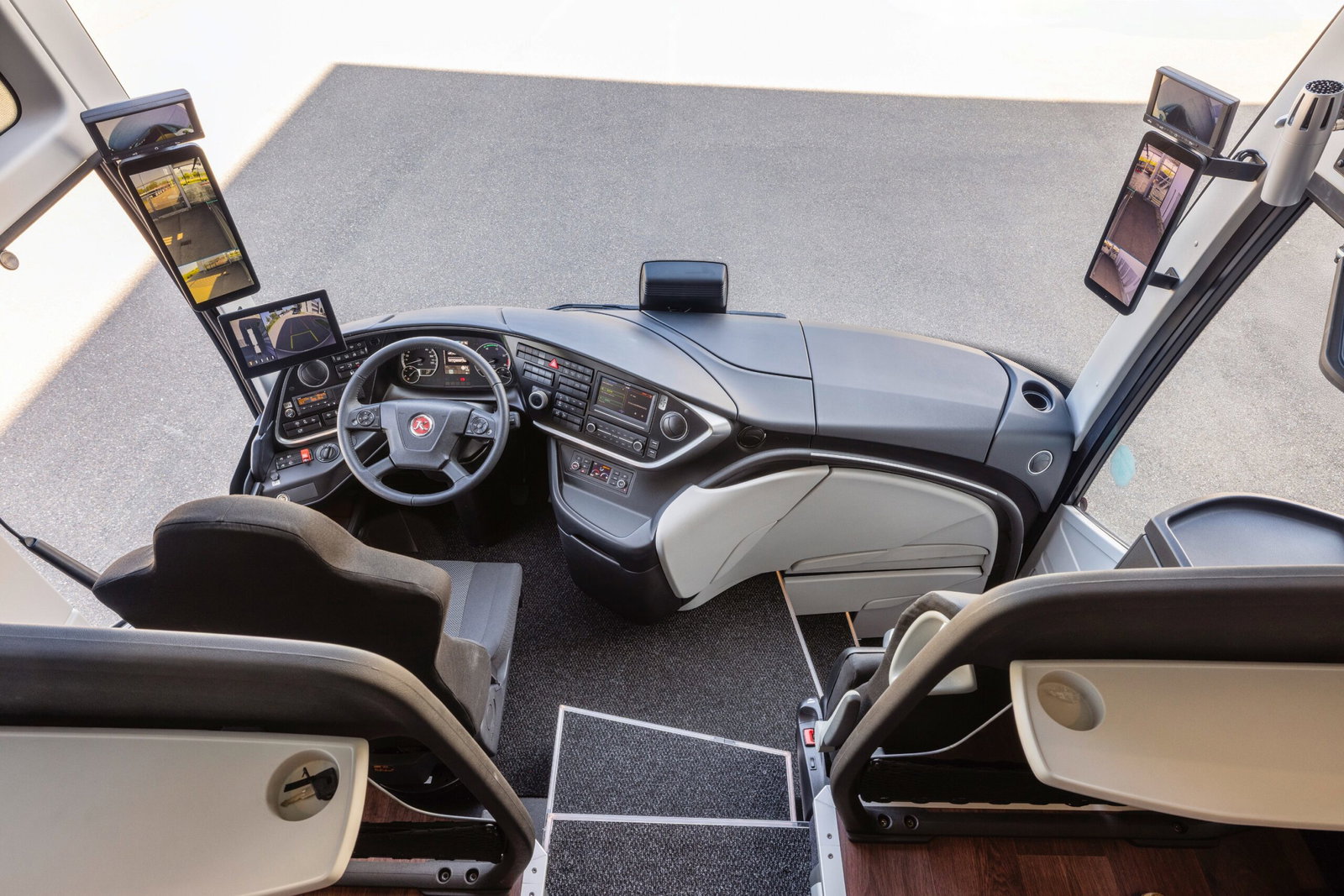
The MirrorCam system, available as an option instead of traditional mirrors, also aims to enhance safety and functionality. The aerodynamic camera consoles on both sides of the vehicle display images on 15-inch monitors mounted on the inner sides of the A-pillars. The heated cameras work with smaller, less exposed lenses, and the brightness of the images on the monitors is automatically adjusted by built-in light sensors. The driver can see beyond the vehicle’s body line on the displays, and at night, the residual light enhancement provides better rear visibility than traditional mirrors. The side screens display auxiliary lines to help estimate the vehicle’s length and the speed of approaching vehicles, for example, when completing lane changes or overtaking. These auxiliary lines automatically appear when signaling or reversing.
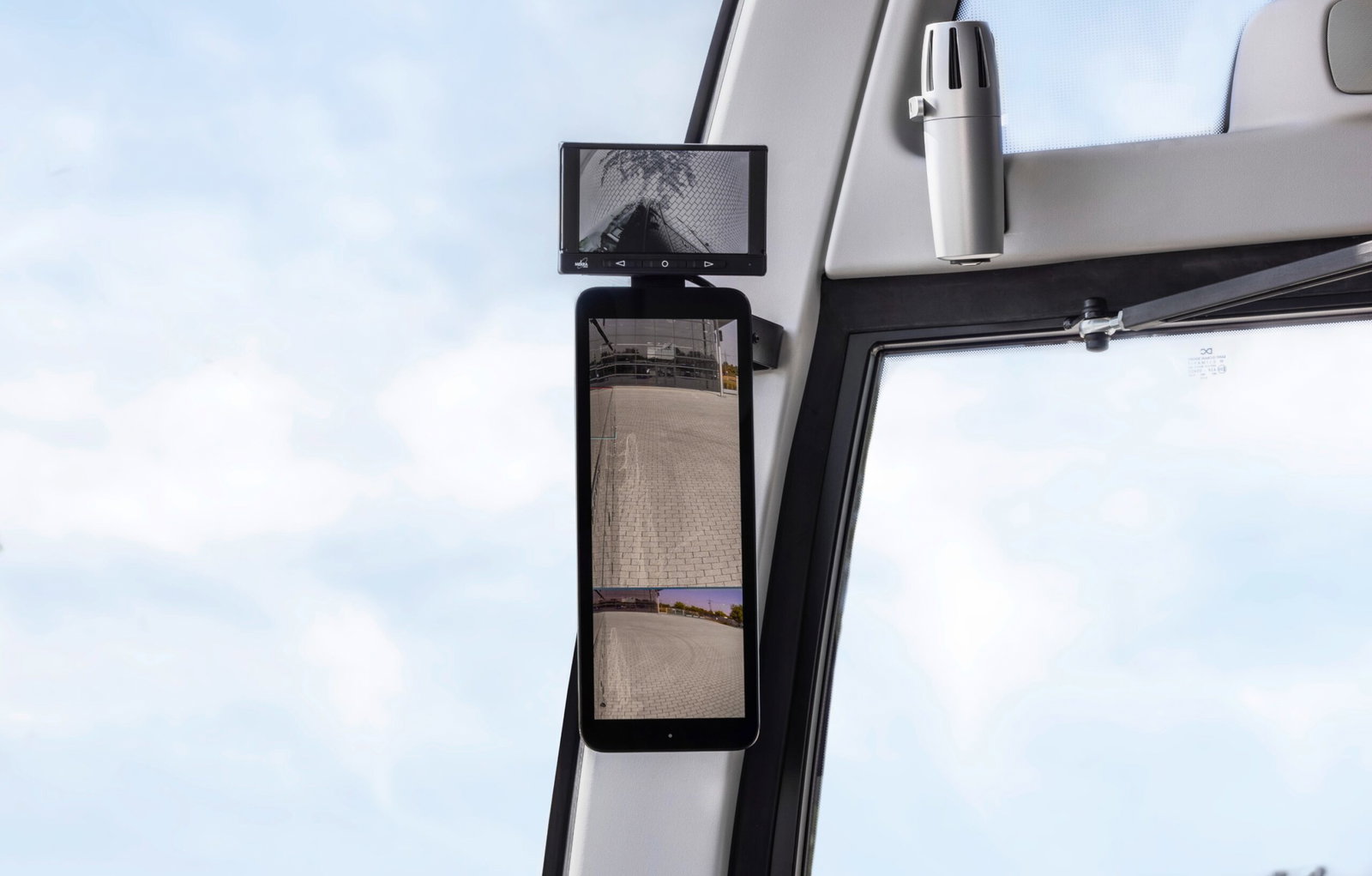
The MirrorCam system is complemented by a right-front blind spot monitoring camera, whose image is displayed on a separate 7-inch monitor, providing additional assistance during maneuvers. The displays can optionally show Sideguard Assist system warnings, allowing the driver to monitor side danger zones on a single visual interface.
Compared to traditional mirrors, the MirrorCam system’s smaller overhang and streamlined design reduce air resistance and driving noise, as well as the likelihood of parking and maneuvering damage. The smaller frontal area results in more favorable aerodynamics, which can lead to fuel savings over the long term.
Another significant safety technology development available as an option on Setra models is the Active Drive Assist 2 (ADA 2) system, which is based on the radar and camera technology used in the ABA 6 and essentially realizes Level 2 autonomous driving capability. The ADA 2 can partially take over both longitudinal and lateral driving of the coach; the system accelerates, brakes, maintains distance, steers, and, if necessary, performs autonomous emergency stops.
The ADA 2 operates by coordinating several existing driver assistance systems: Adaptive Cruise Control (ART), Predictive Powertrain Control (PPC), lane departure warning, and active steering assist functions are integrated into a unified system. As a result, the coach can automatically maintain the lane and pre-set following distance at any speed. Lateral support is provided by an active steering assistant supported by an electric motor, which continuously corrects the vehicle’s position with steering movements.
The driver can choose from three lane positions. The vehicle can travel precisely in the center of the lane or, depending on the road width, slightly offset to the left or right (with a 10–20 cm deviation). This significantly reduces the driver’s physical and cognitive load, as the system takes over the continuous execution of minor steering corrections. The lateral support function can be active across the entire speed range, from 0 to 100 km/h, provided the road markings are clearly visible on both sides.
The operation of ADA 2 is indicated by a green steering wheel icon on the dashboard. The driver can deactivate the system’s lateral support function at any time, for example, in complex traffic situations. Even when the system is turned off, the adaptive cruise control remains active, providing economical driving dynamics in cooperation with the PPC system, automatically braking the vehicle if it gets too close to the vehicle in front, and then accelerating back to the pre-set speed.
ADA 2 is specifically designed for highways and expressways, so adequate lane width and clearly visible road markings are required for its operation. If conditions do not allow its operation – for example, too narrow a lane, too sharp a curve, or worn markings – the system automatically becomes inactive, sending a warning signal to the driver.
An important safety feature is the so-called hands-off warning cascade, which activates if the system detects that the driver has not held the steering wheel for an extended period. The system first displays a visual warning, then yellow, later red icons, and sound signals. If the driver does not respond for 60 seconds, the emergency stop function is activated. The vehicle first reduces the throttle, then decelerates and stops with moderate braking. The brake lights and hazard lights automatically activate 5 seconds before stopping, warning the traffic behind. After the vehicle comes to a complete stop, the electric parking brake is activated, and the hazard lights remain on. Throughout the emergency stopping process, the driver receives continuous acoustic and visual signals and has the opportunity to interrupt the process – for example, with a „kickdown” throttle response or manual intervention.
According to the manufacturer, the TopClass series is not only one of the most advanced long-distance coach platforms in terms of safety technology but also in terms of operation. The unified drivetrain – with an OM 471 inline six-cylinder diesel engine and GO 250–8 PowerShift automated transmission – ensures reliable performance and efficient fuel consumption over long distances. The drivetrain is complemented by an aerodynamically optimized body, with a front and roof spoiler, a rounded windshield, and a rear air deflector, collectively resulting in one of the lowest drag coefficients in the category (Cd = 0.33).
The Predictive Powertrain Control (PPC) system, mentioned earlier, is directly linked to these technical solutions, contributing to reduced fuel consumption with a speed and gear selection strategy adapted to the road topography. The GPS-based control works not only on highways but also on country roads, taking into account roundabouts, slopes, and intersections. Combined with the EcoRoll function, the system allows the vehicle to coast economically for longer periods without interrupting the drive.
Additionally, onboard energy management also contributes to lower consumption. The generator control dynamically regulates the charging voltage depending on the driving situation – actively charging during greater engine braking, while relieving the drivetrain during acceleration.
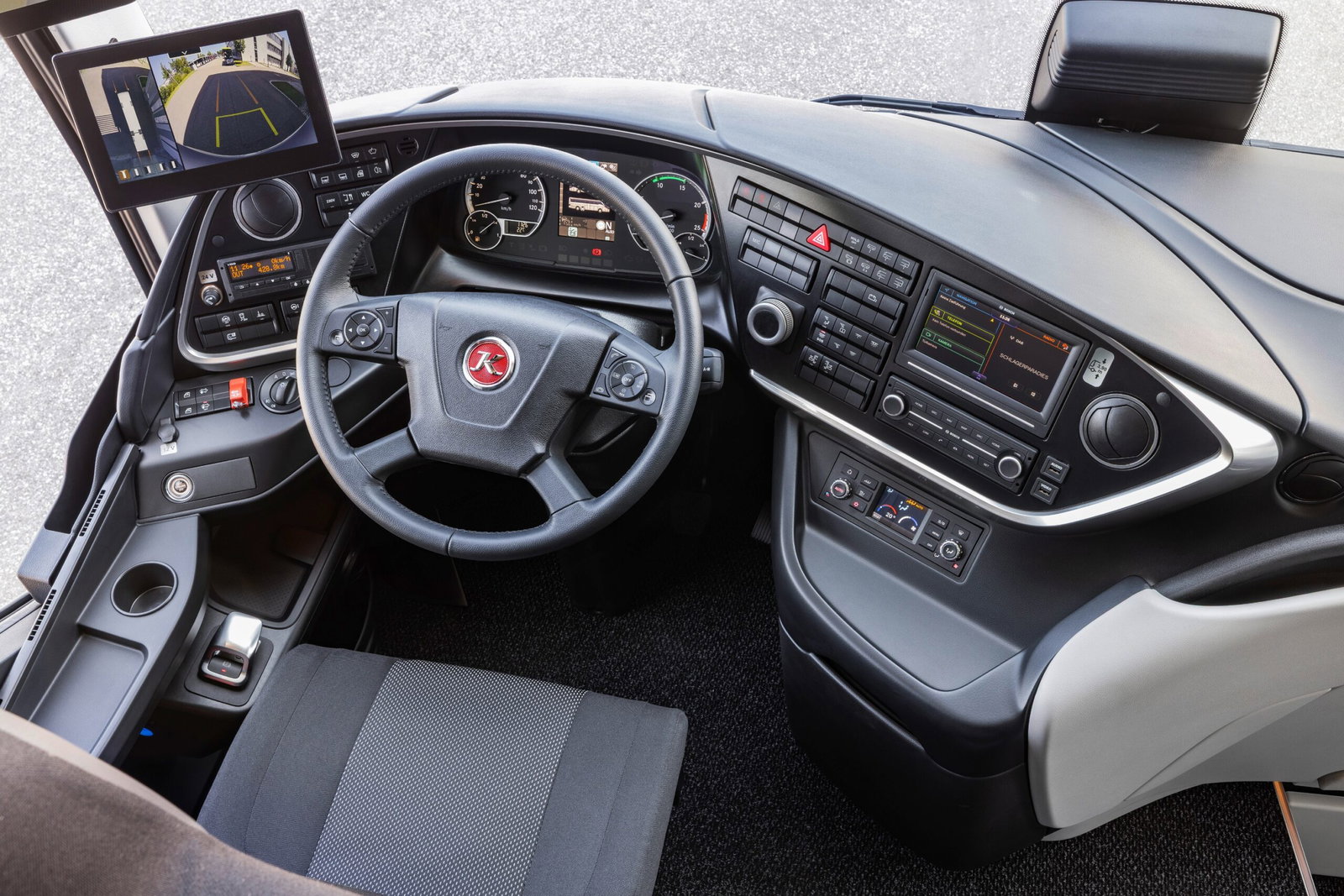
The driver’s station has been further developed to meet expectations for driving comfort and everyday usability. The ergonomic design is now complemented by modern assistance systems and digital functions. The new Keyless Start system allows the vehicle to be started without a key, while the standard electronic parking brake supports safe starts on inclines with automatic activation and a Hold function. The system can also automatically „engage” the parking brake after stopping when the driver unbuckles the seatbelt and leaves the seat – providing effective protection against accidental vehicle rollaway. The High Beam Assist automatically controls the high beams, always adapting to the current traffic situation and ambient light conditions. The system activates at 35 km/h and automatically deactivates below 27 km/h. During operation, it ensures optimal road illumination, enhancing not only driving comfort but also safety, especially in adverse visibility conditions. The improved 360° camera system combines images from four cameras into a bird’s-eye view, displayed on a 10-inch screen, providing particularly useful assistance during maneuvers and reversing.

The centerpiece of onboard entertainment is the new-generation Coach Infotainment Series, offering a versatile multimedia experience with DAB+ digital radio, Bluetooth audio playback, HDMI connection, Bosch mySpin mobile integration, and a 7-inch central display. The system can be operated from both the driver and co-driver seats, while content can be displayed on large, Full HD resolution screens up to 21.5 inches in the passenger area.
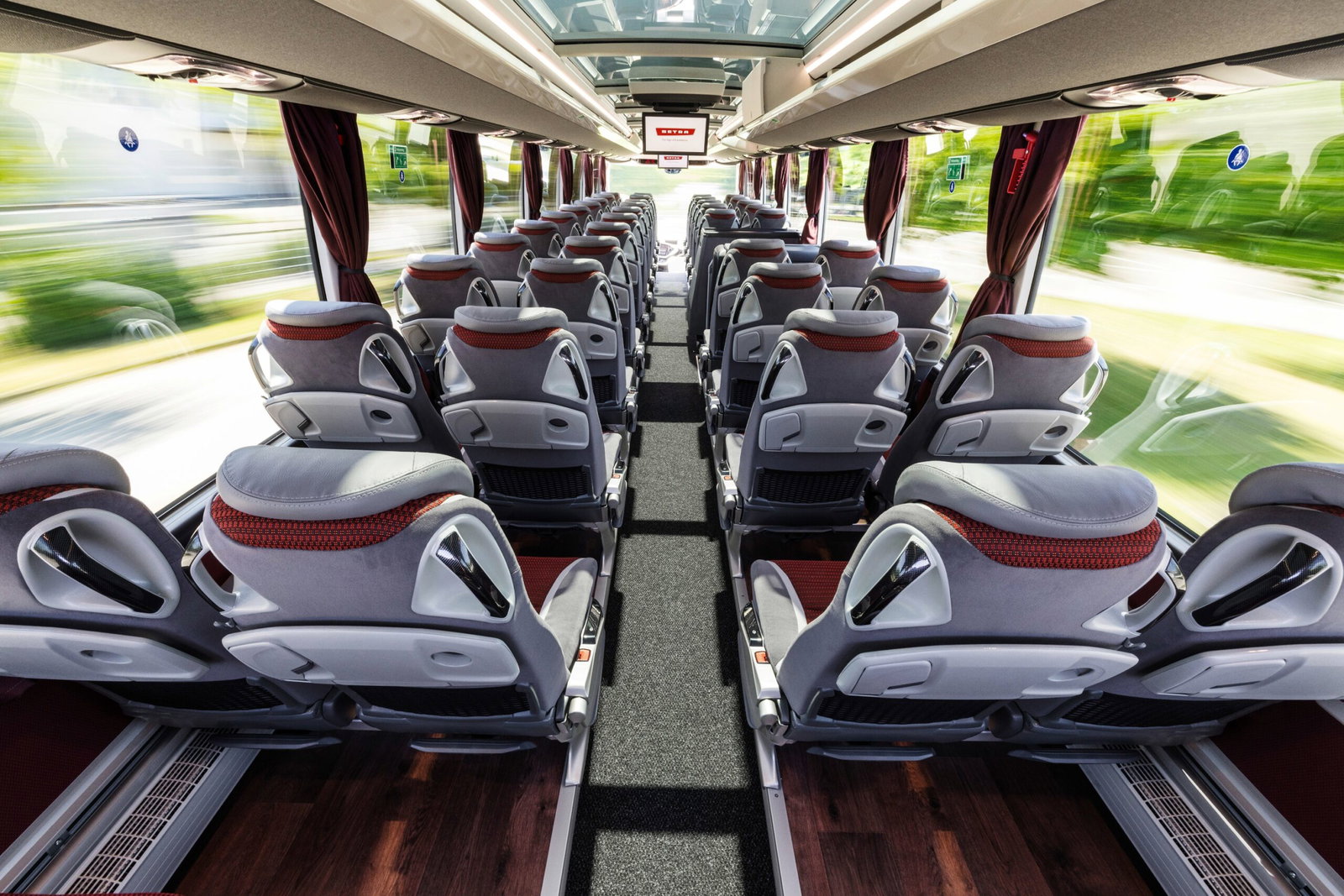
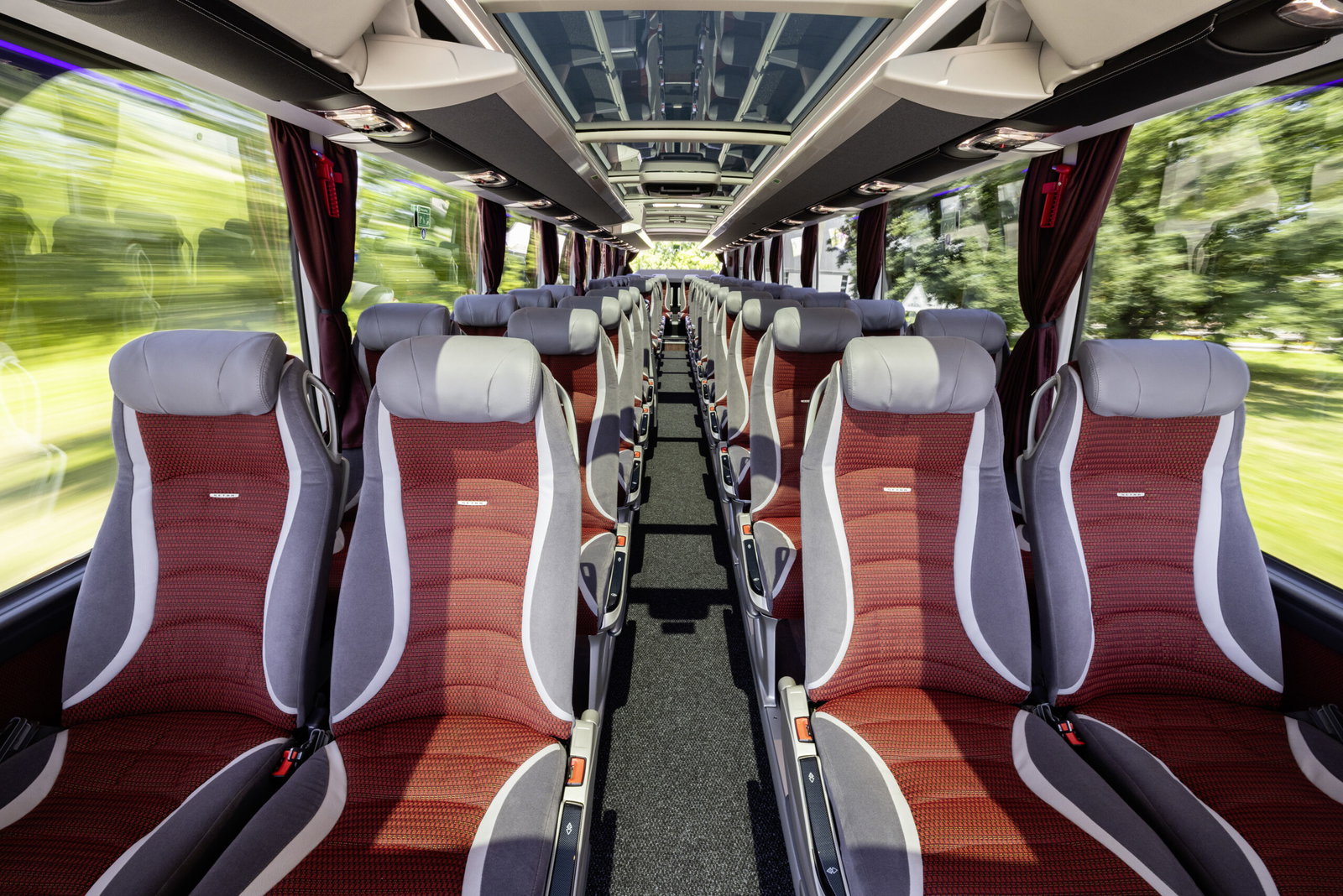
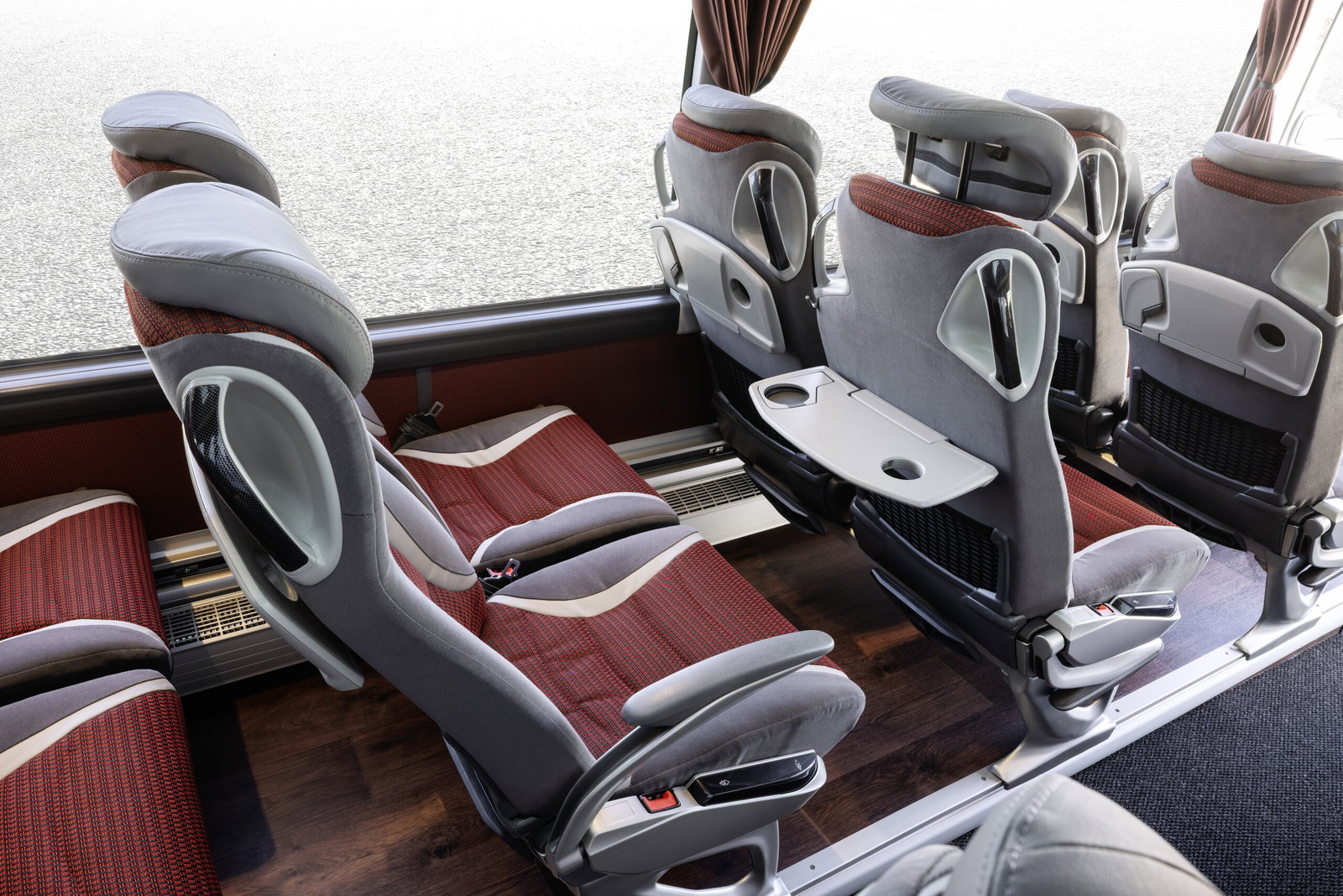
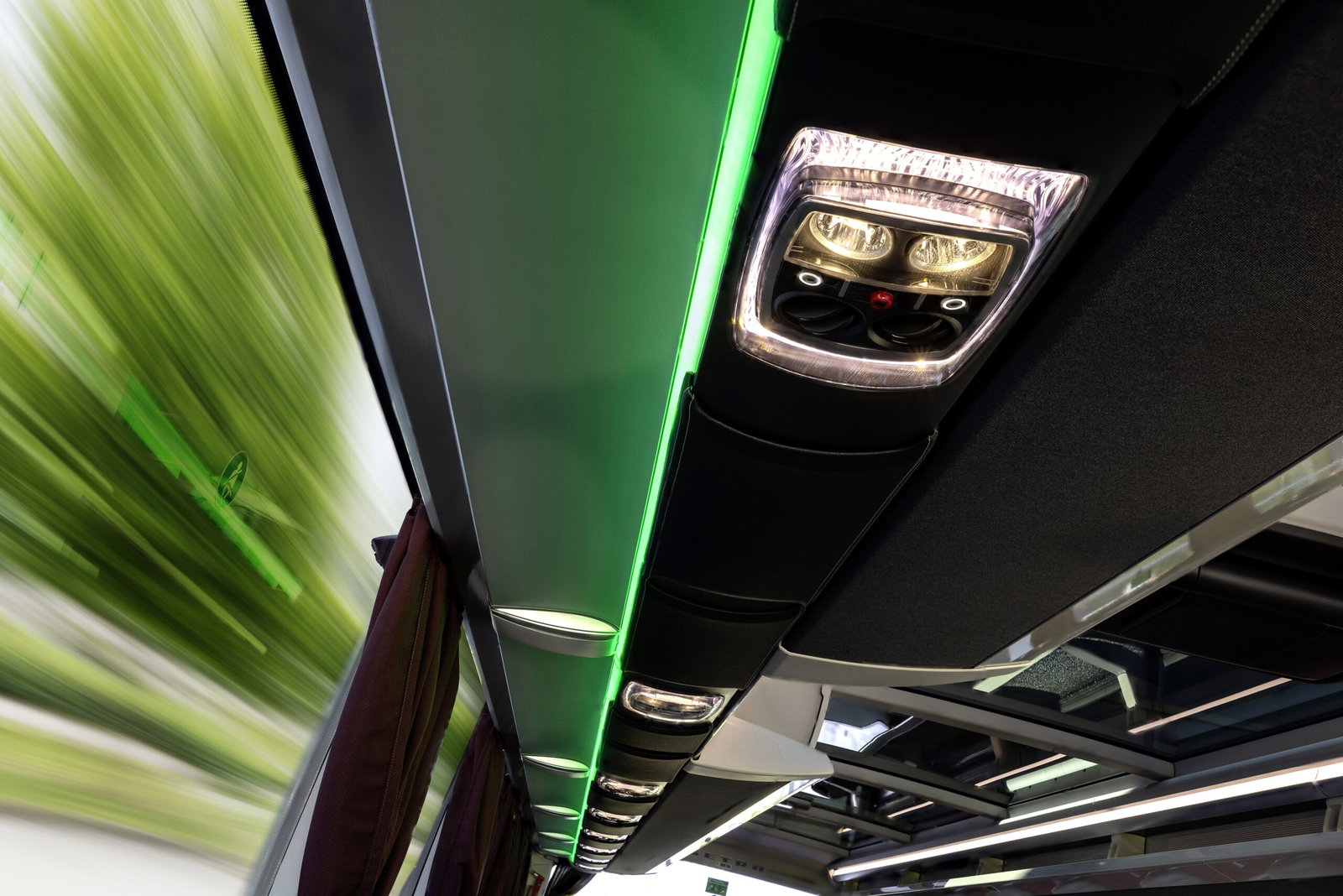
The passenger area itself has undergone significant aesthetic and functional renewal: tinted glass partition inserts provide an elegant spatial experience, new 360-degree adjustable air vents enhance comfort, and the dark-toned interior colors effectively highlight the unique character of the seat upholstery. The optionally available Ambiente fragrance system complements the premium travel experience with a choice of eight different aromas.
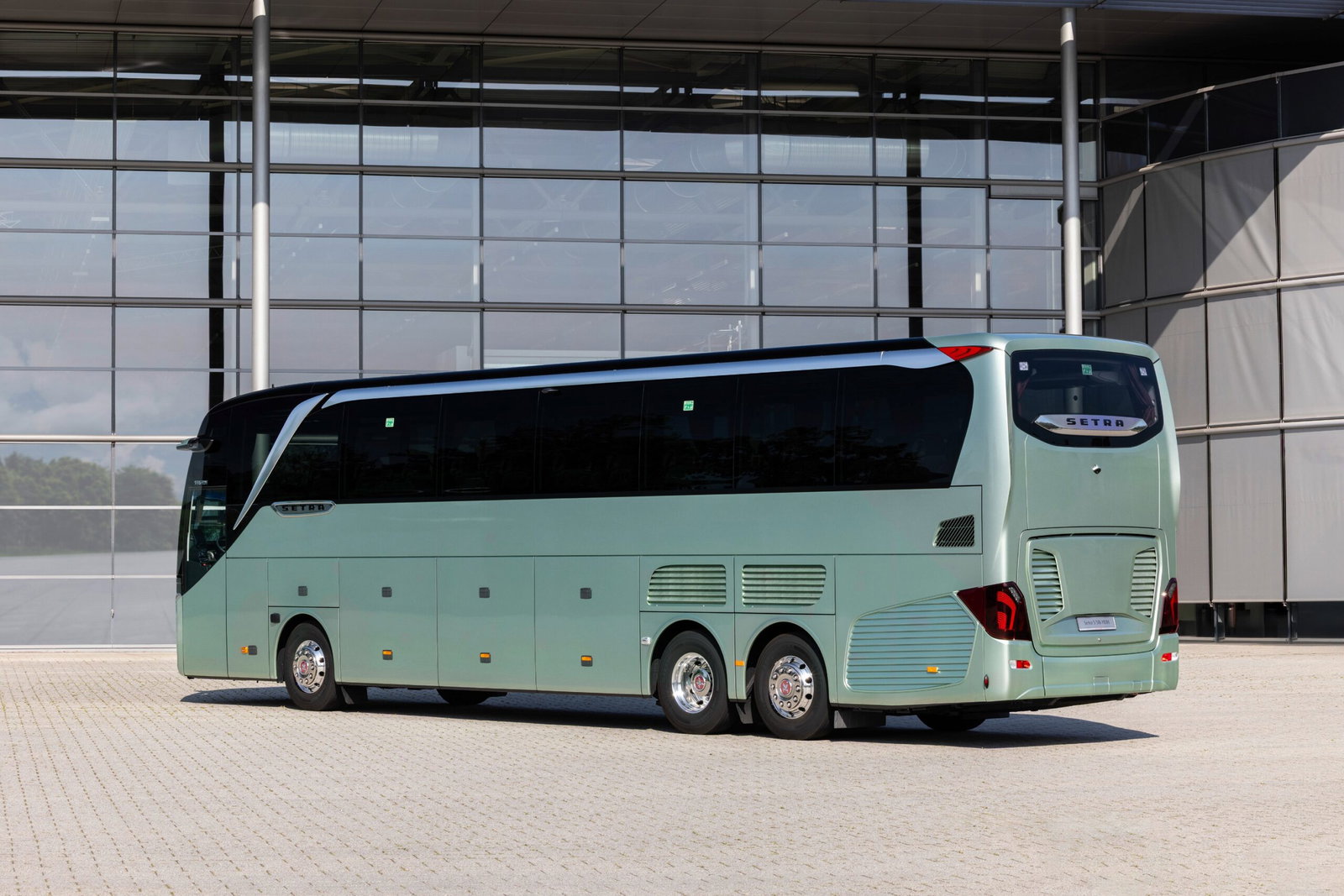
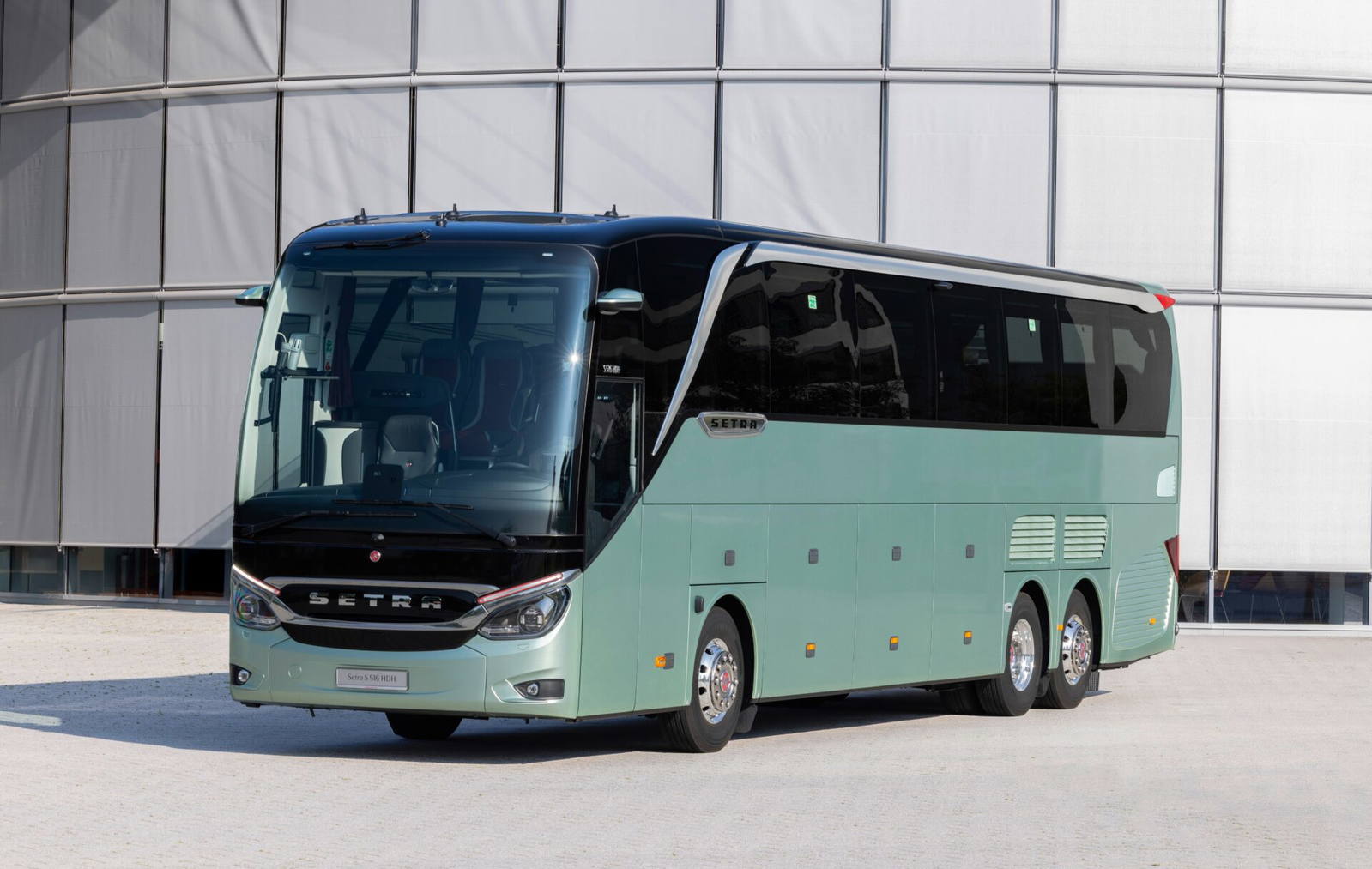
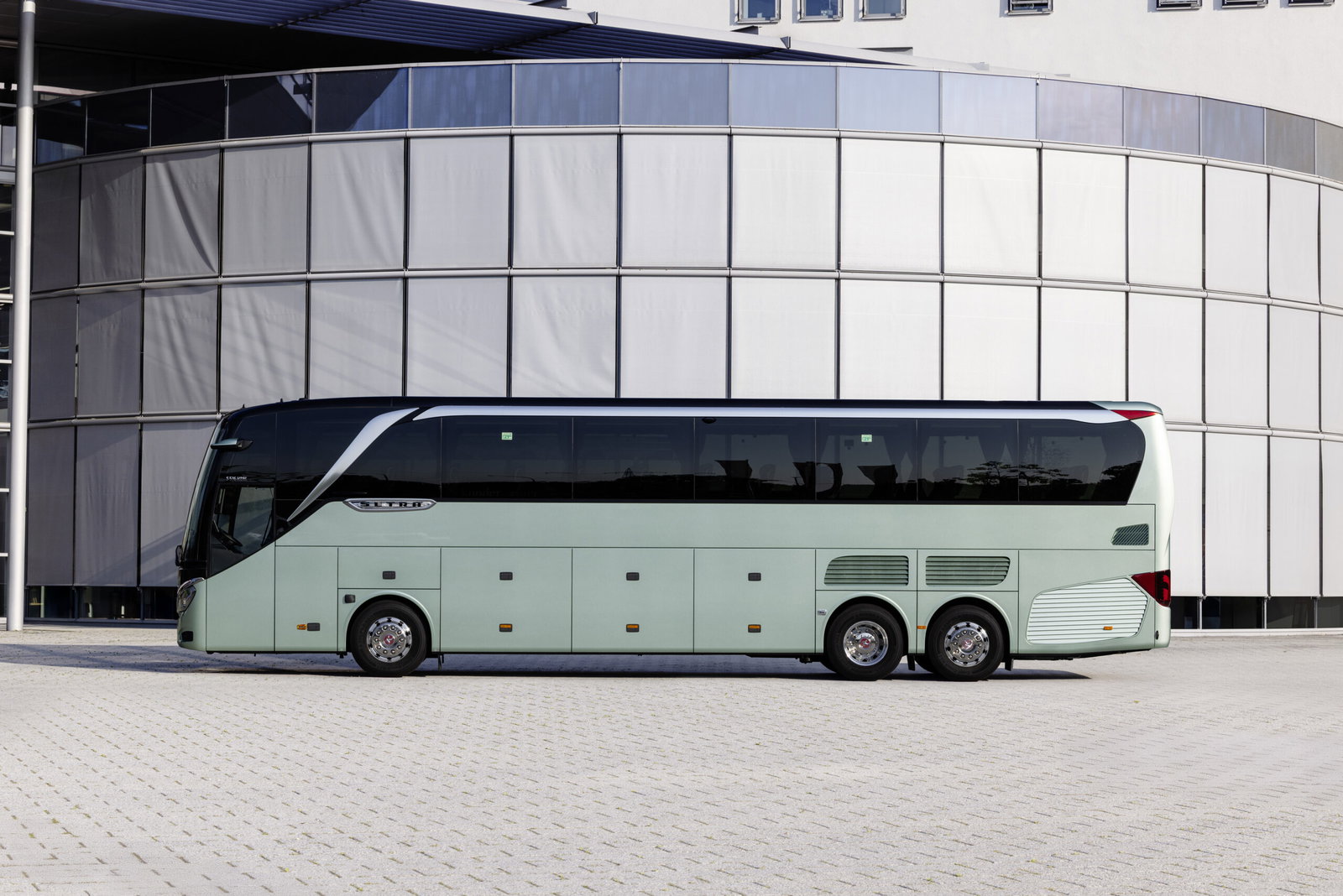
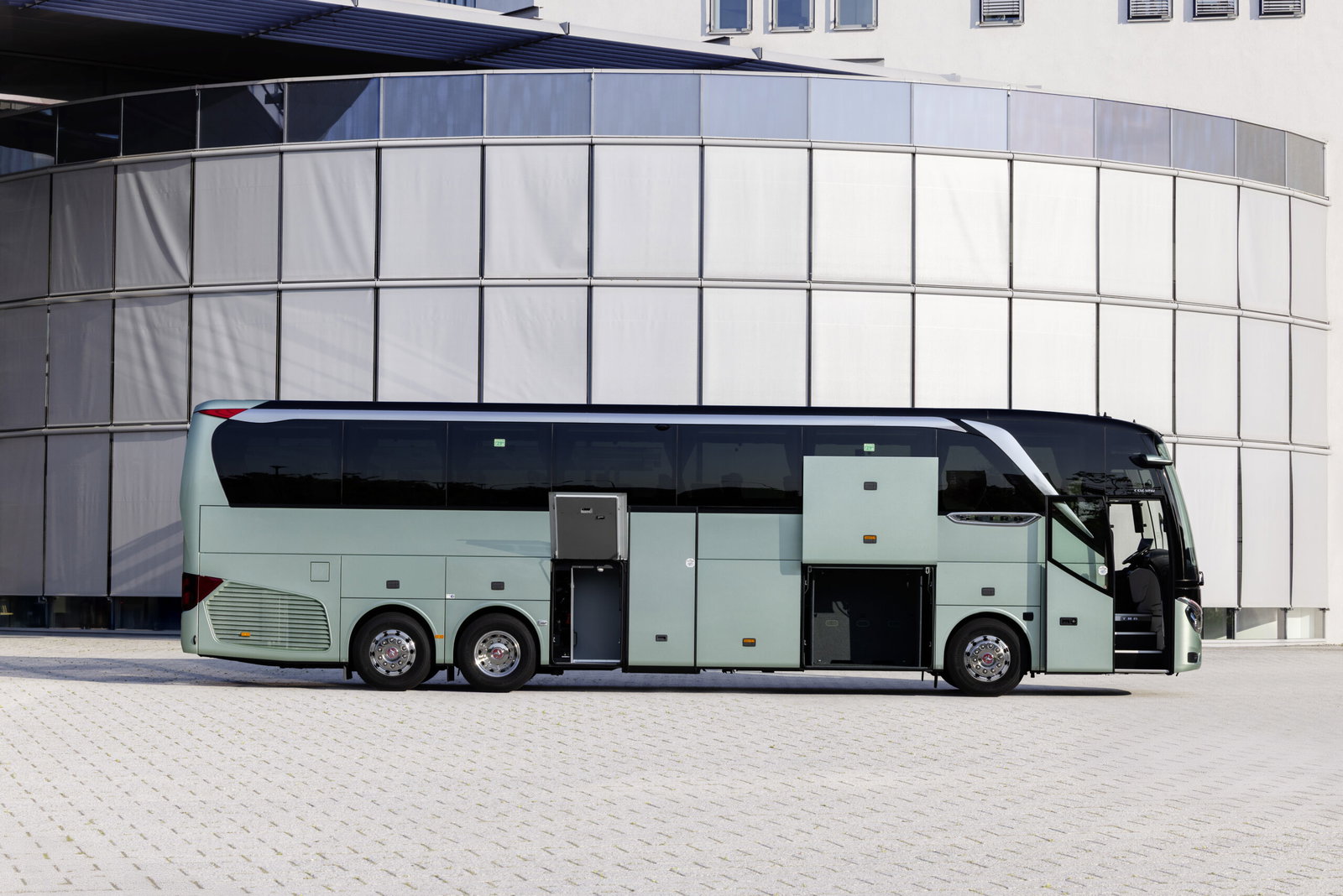
The TopClass S 500 series represents the pinnacle of Setra’s portfolio in the three-axle HDH category. The family of models spans from the 12.5-meter S 515 HDH to the 13.3-meter S 516 HDH and the 14.2-meter S 517 HDH, offering flexible size options for different travel organization needs. Common features include outstanding passenger comfort, large luggage capacity, and the load-bearing and stability reserves provided by the three axles.
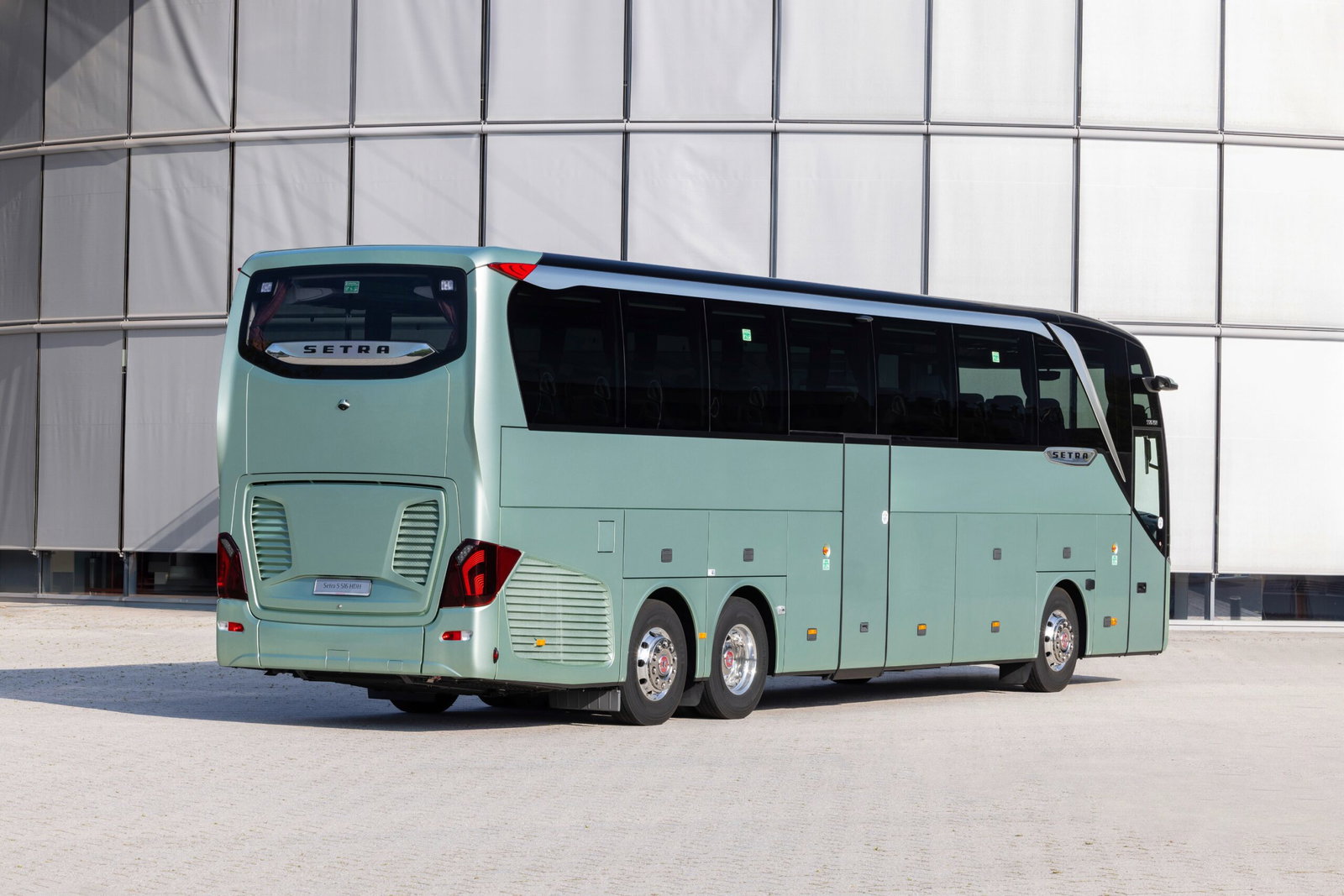
The most compact member of the series, the S 515 HDH, offers an optimal combination of size and maneuverability. With a turning circle of less than 20 meters, it is easily navigable even in tighter turns, while its passenger capacity and driving stability are competitive with larger category vehicles. This is followed by the 13.3-meter S 516 HDH, which, as the middle member of the series, offers the widest range of applications, being well-suited for most intercity and long-distance routes due to its fleet compatibility, design, and equipment.
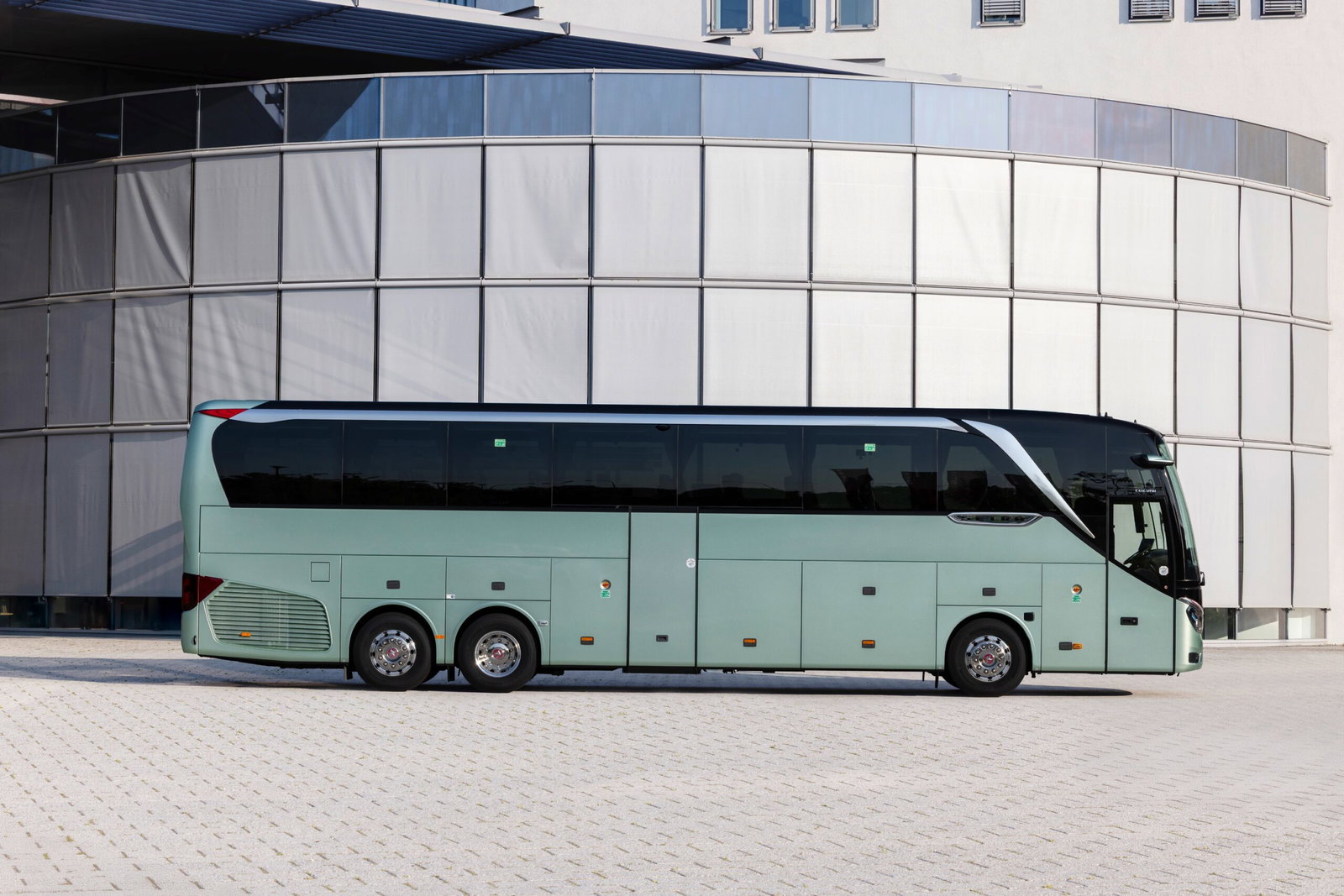
The longest variant, the S 517 HDH, is also the flagship of the series. The 14.2-meter version provides significant luggage volume, making it suitable for serving larger groups, longer trips, and high comfort demands. The model holds a prominent place in the offerings of fleets operating in premium tourism, primarily due to its customizability, interior versatility, and generous space.
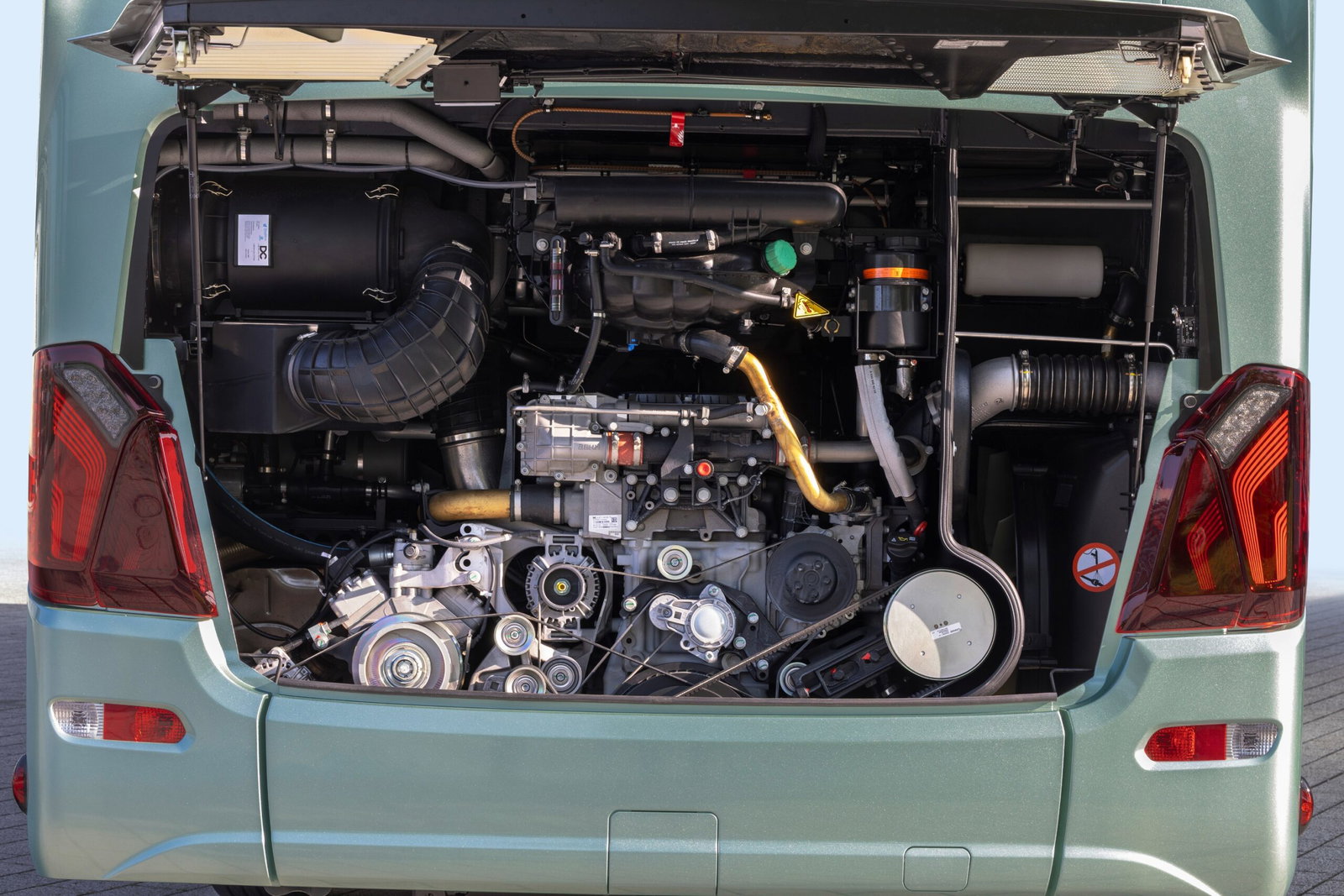
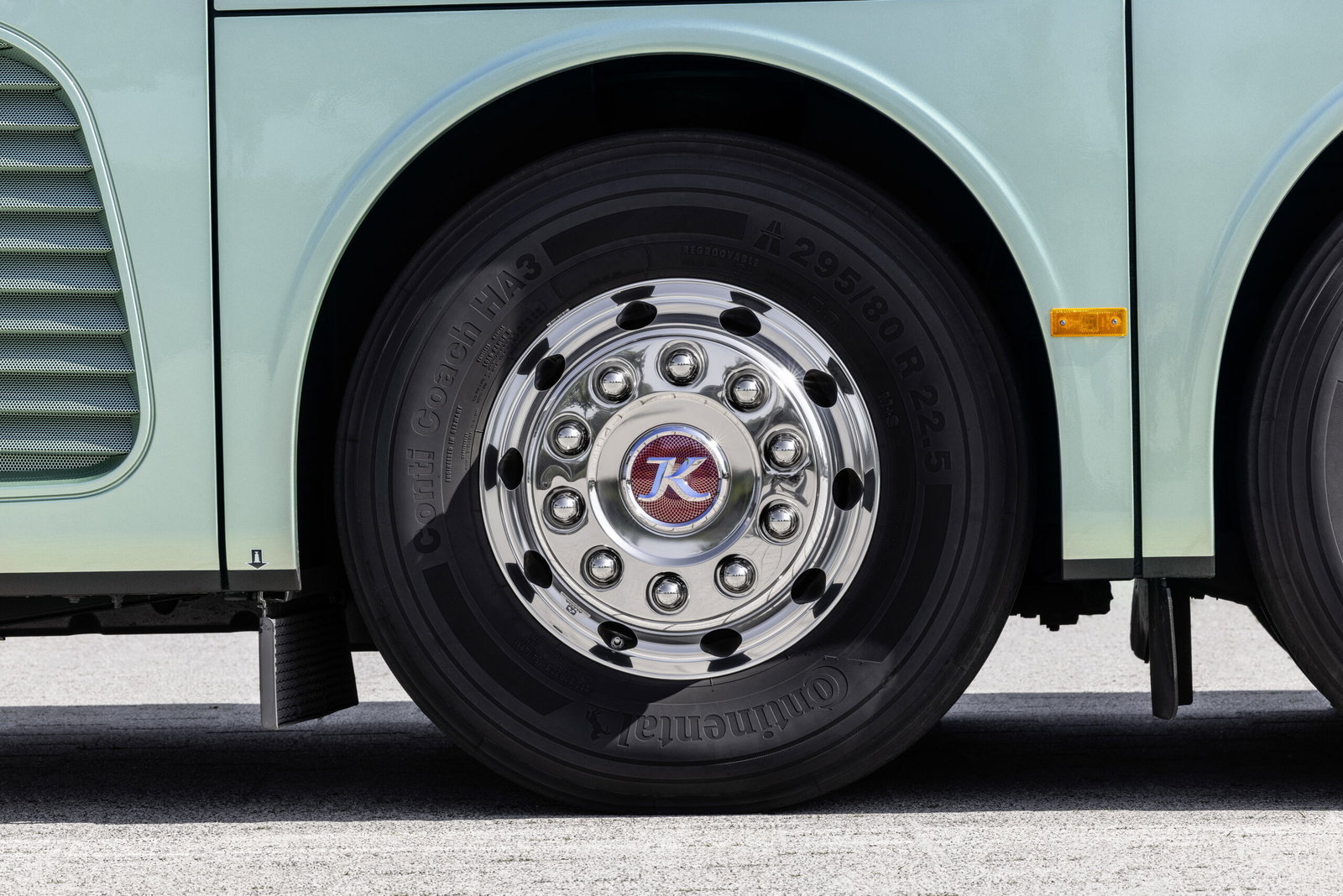
The drivetrain is identical across all models; the Mercedes-Benz RO 440 rear axle is powered by the Mercedes-Benz 12.8-liter OM 471 inline six-cylinder diesel engine. The engine provides a standard output of 350 kW (476 hp), but a 375 kW (510 hp) version is also available as an option. The engine is paired with the fully automated GO 250–8 PowerShift transmission, ensuring seamless, efficient torque transfer, especially during long-distance travel.