![Magyarbusz [Info]](/mbi/header-logo.png)
One of Solaris’s key electronics suppliers, Poland’s Medcom, to come under Japanese ownership
 Ludányi József
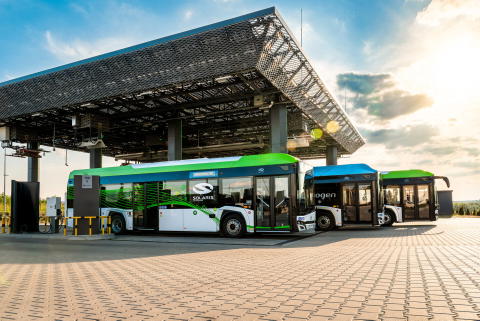
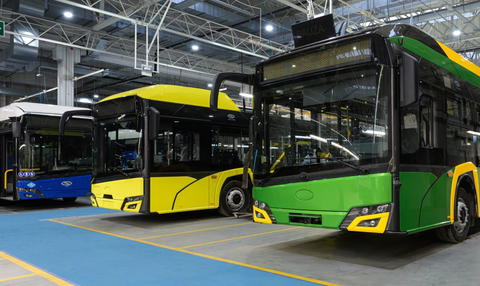
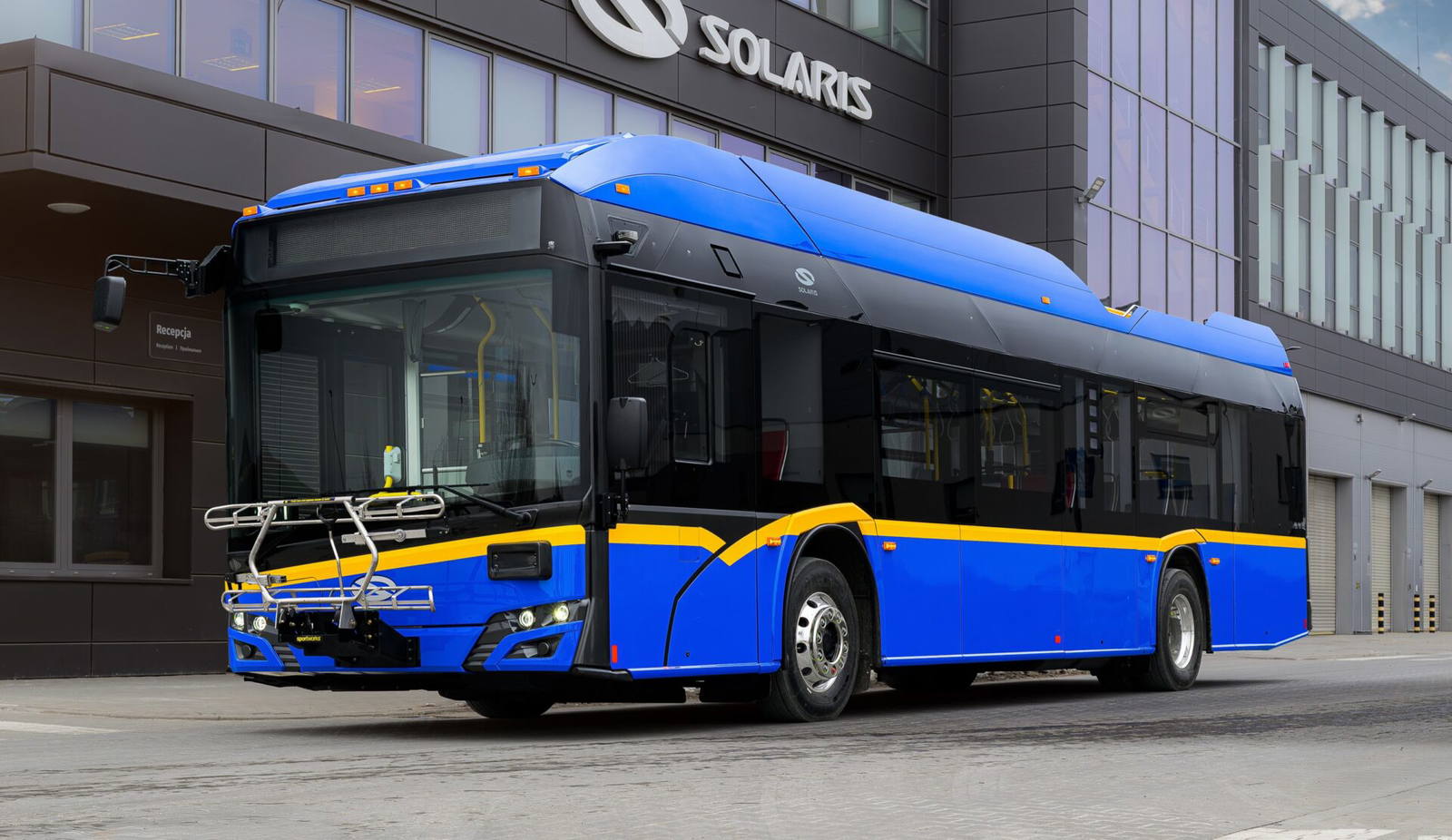
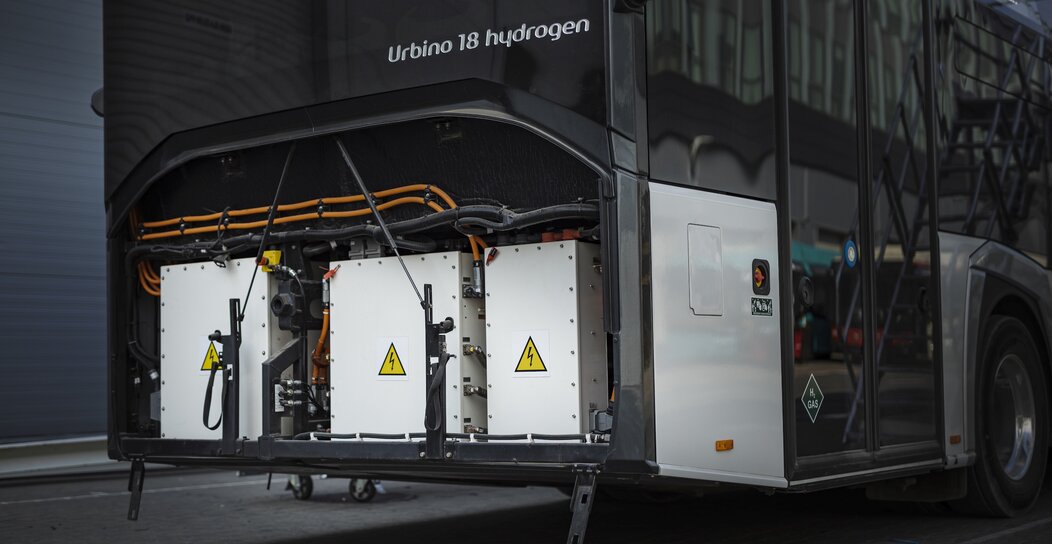
Another major reshuffle is taking place in the European transport supplier market: Mitsubishi Electric Corporation is to acquire 100% of Poland’s Medcom Sp. z o.o., which over recent decades has become one of Europe’s leading manufacturers of power electronics for transport applications. The Warsaw-based company is no stranger to the bus industry either, having supplied — and continuing to supply — drive systems and various power-electronics equipment for Solaris battery-electric and hydrogen buses, as well as Trollino trolleybuses, among others.
Japan’s Mitsubishi Electric announced on 7 August that it intends to take full ownership of Medcom. The transaction will be carried out by the Japanese group’s wholly owned European subsidiary, Mitsubishi Electric Europe B.V., which has reached an agreement to acquire the shareholding that is still externally owned. Subject to the necessary regulatory approvals, the deal is expected to close in the third quarter of 2026.
The move is in fact the next stage in a partnership that has been built up over more than a decade. Mitsubishi Electric agreed in October 2015 to acquire a 49% stake in Medcom, with the purchase of the shareholding completed in 2016. The Japanese company has therefore been present in the Polish firm as a minority shareholder since then, and will now become its sole owner by acquiring the remaining 51% stake.
According to Medcom, however, the acquisition does not mean the end of the Polish company’s independent operations. The company will continue to operate as a separate legal entity, under the Medcom name and brand, retaining its current organisational structure and business model, while operational and strategic management will remain in the hands of the current management team. The company’s headquarters, manufacturing operations and key business functions will also remain in Warsaw.
Indeed, the role of the Polish capital is set to increase significantly within Mitsubishi Electric’s global organisation. Warsaw will become the Japanese group’s European competence centre for the research, development and production of energy-efficient power-electronics systems used in public transport and industrial applications. Medcom, meanwhile, will further expand its production capacity: in the coming months, construction is planned to begin on another manufacturing facility in Warsaw, which could also create new jobs.
By taking full ownership, Mitsubishi Electric primarily expects to accelerate development and decision-making processes, make more efficient use of resources within the group, and further strengthen its European transport business. In the future, the group also intends to use Medcom’s technologies beyond its transport activities, in other infrastructure fields. For the Polish company, Mitsubishi Electric’s global sales and manufacturing channels may also open up, including in the United States, where local assembly of systems developed in Warsaw may also be considered.
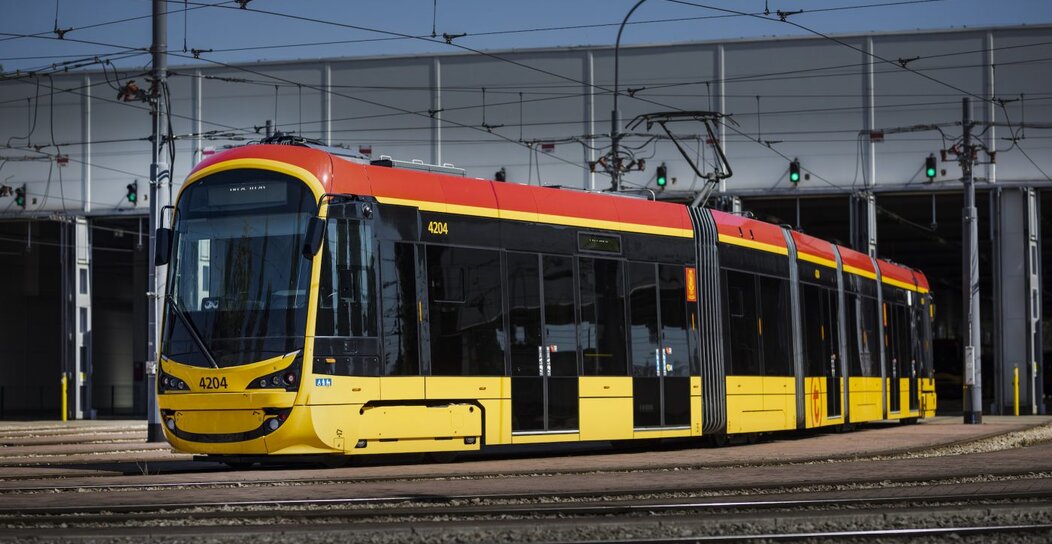
Medcom is best known as a supplier of railway power electronics, but its activities have long extended well beyond rail vehicles. The company develops equipment for electric and diesel multiple units, locomotives, metros and trams, as well as for trolleybuses, battery-electric buses and hydrogen buses. Its portfolio includes complete drive systems, traction inverters, auxiliary converters, DC/DC converters, battery power-supply systems, vehicle control systems and charging equipment. One of its most important partners in the bus segment has long been fellow Polish company Solaris Bus & Coach, while its drive and power-electronics equipment can also be found in trolleybuses built by Turkey’s Bozankaya. It is also regarded as a significant supplier to the rail vehicle industry, with partners including PESA, Newag, Stadler and Alstom.
Medcom was one of the early adopters of power electronics based on silicon carbide (SiC) semiconductors in public transport. According to the company, it was the first to introduce systems based on this technology into series production, enabling lower losses, more compact designs and higher efficiency compared with conventional silicon-based solutions.