![Magyarbusz [Info]](/mbi/header-logo.png)
Roof-mounted technology calls for new manufacturing solutions
 Ludányi József
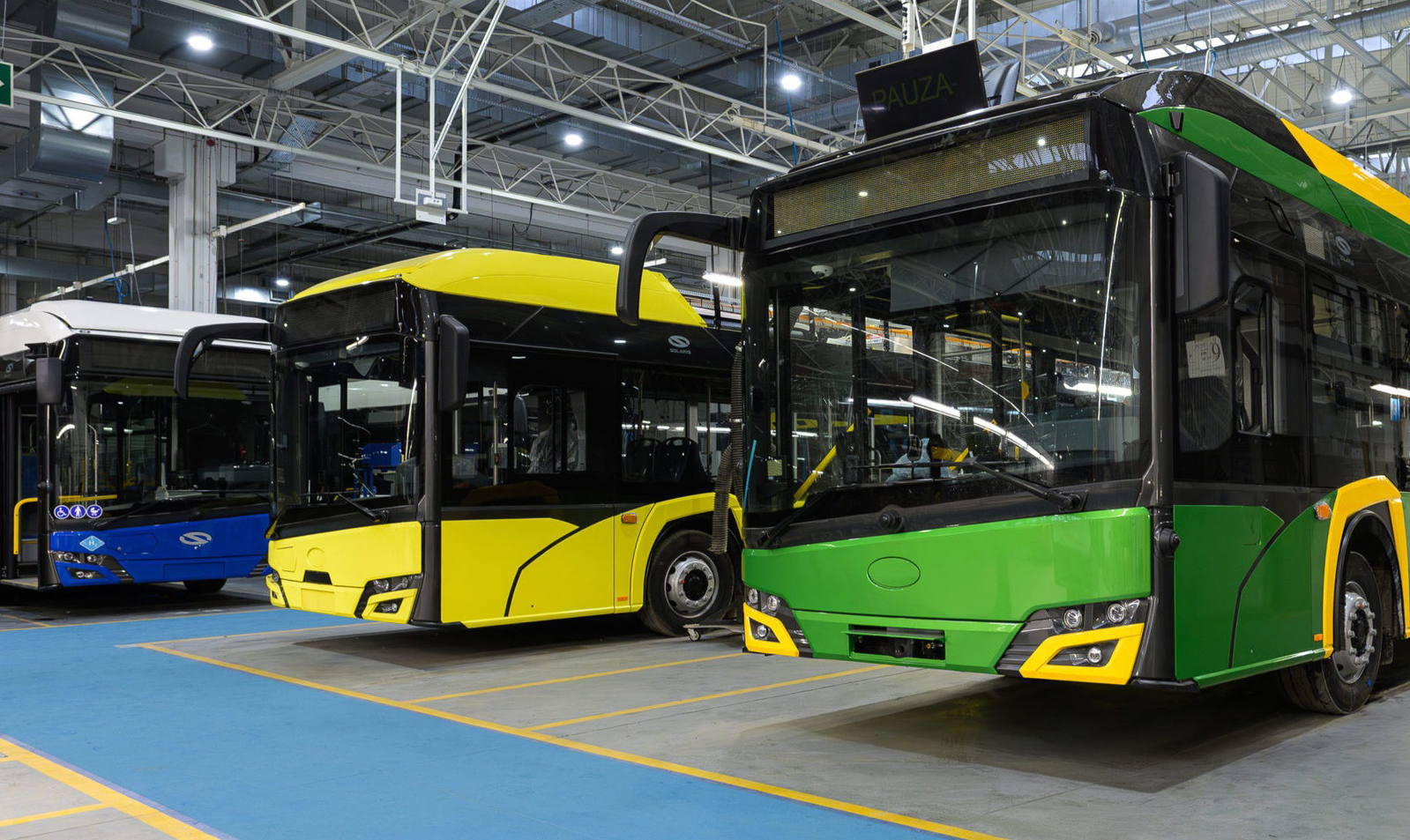
The rise of zero-emission buses is fundamentally transforming not only public transport, but vehicle manufacturing itself. In this spirit, Poland’s Solaris has completed another major investment at its Bolechowo plant: it has put into operation a modern, 40-metre-long elevated work platform that makes the production of electric and hydrogen-powered buses faster, safer and more efficient.
The investment is driven by steadily growing demand for zero-emission vehicles. According to the manufacturer’s figures, in 2025, 86% of the buses it produced were already zero- or low-emission vehicles – that is, battery-electric, hydrogen fuel-cell or hybrid models – while the company achieved the highest order backlog in its history. To meet this rising demand, it was therefore necessary to further develop not only production capacity, but manufacturing processes as well.
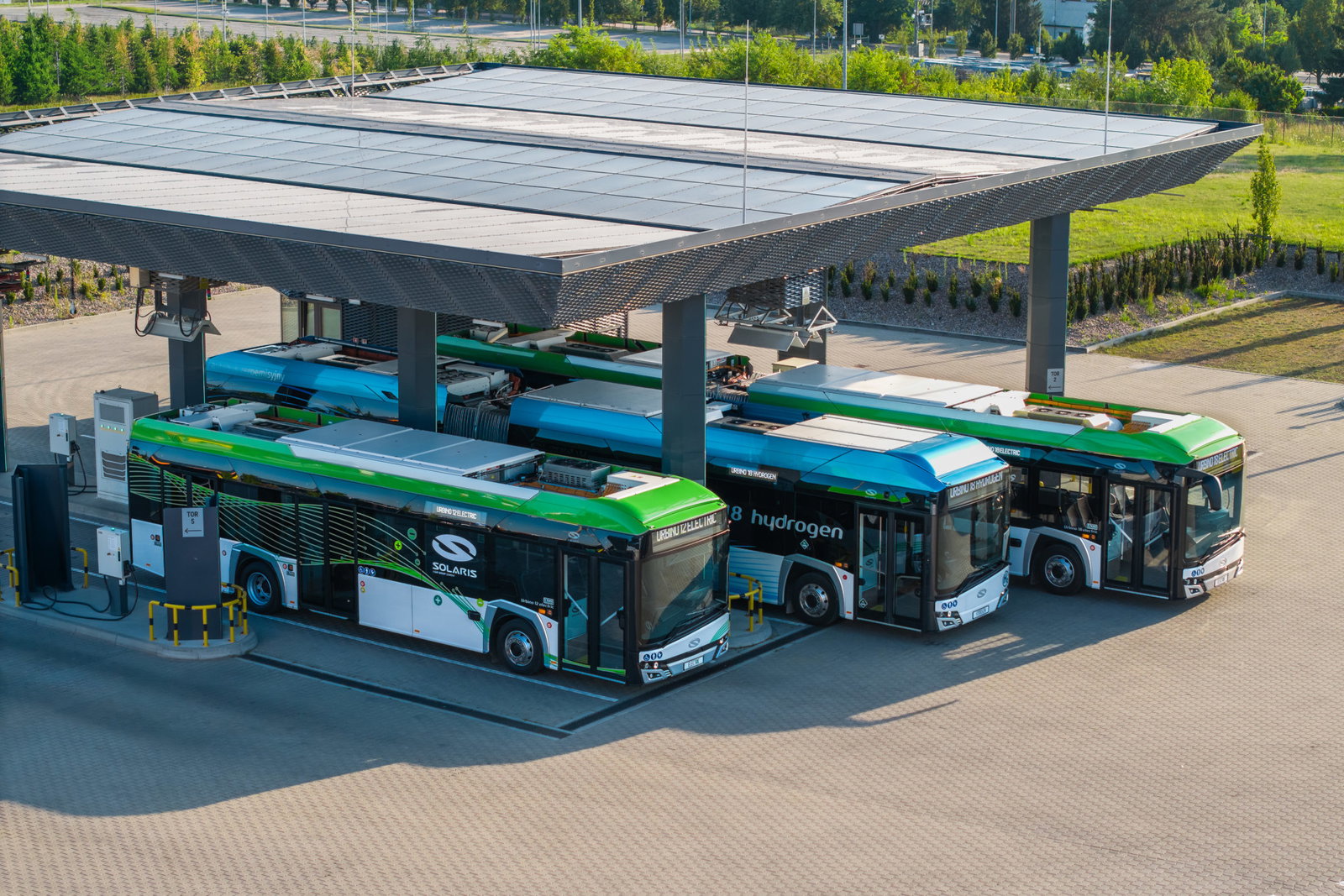
The structure of electric and hydrogen-powered buses differs significantly from that of conventional diesel vehicles. Whereas in the past the main drivetrain components were typically located in the rear of the vehicle or in the engine compartment, in modern zero-emission buses most of the key systems are installed on the roof. Battery packs, certain elements of the charging system, hydrogen storage tanks, the fuel-cell system, as well as numerous high-voltage electrical devices and auxiliary units are all housed there. This layout makes it possible for the propulsion system components to take up as little space as possible in the passenger compartment, while at the same time making roof-mounted assembly work considerably more important.

As part of the transformation of its manufacturing processes, Solaris has put a new, 40-metre-long elevated work platform into service at its Bolechowo factory. The facility provides a safe working area for four assembly teams at the same time, while allowing roof-mounted installation work to be carried out in parallel with interior and other assembly operations on the vehicle. This substantially reduces the time required to assemble a bus, thereby increasing production efficiency.
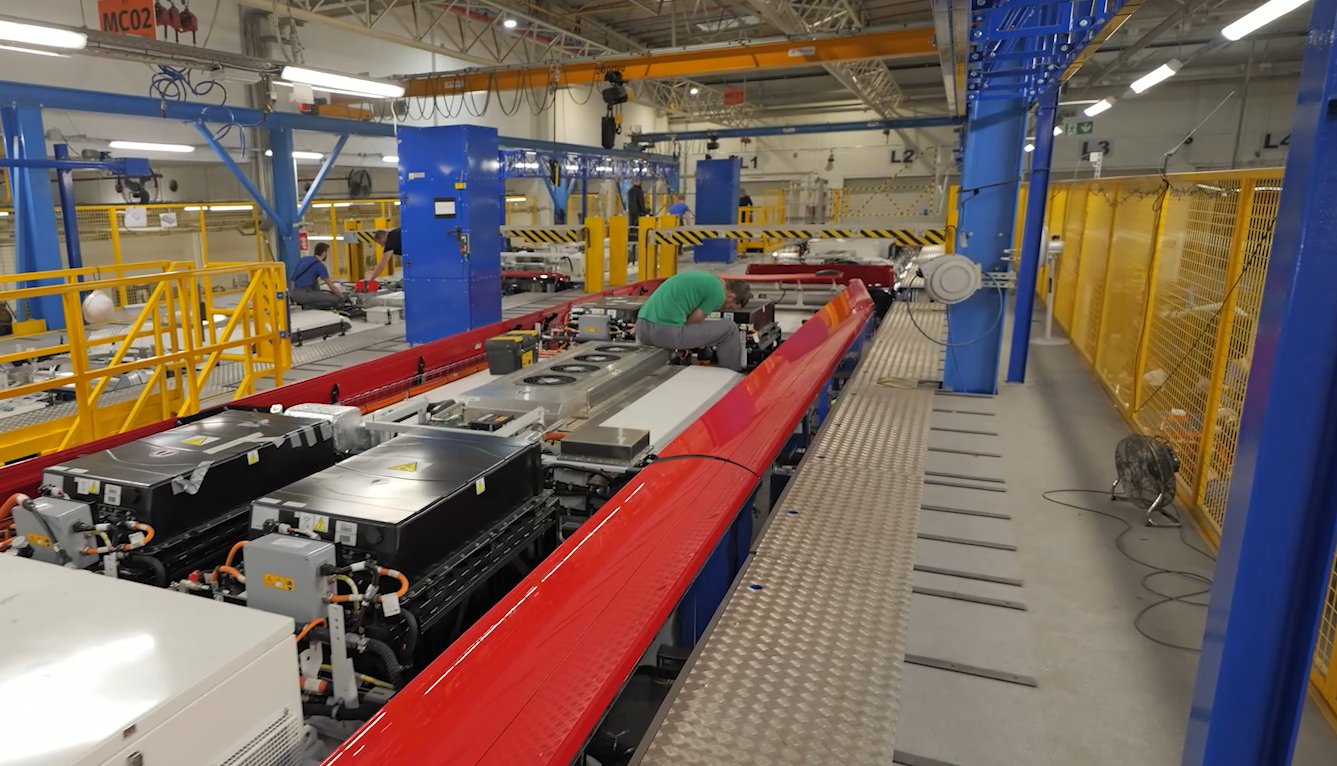
A special feature of the platform is that its movable structure automatically adapts to the size and contours of the bus positioned alongside it. Workers access the working level via safe stairs, where, thanks to the integrated fall-protection system, there is no need to use separate safety harnesses or helmets. According to the manufacturer, this has not only significantly improved workplace safety, but also employee comfort and ergonomic conditions.
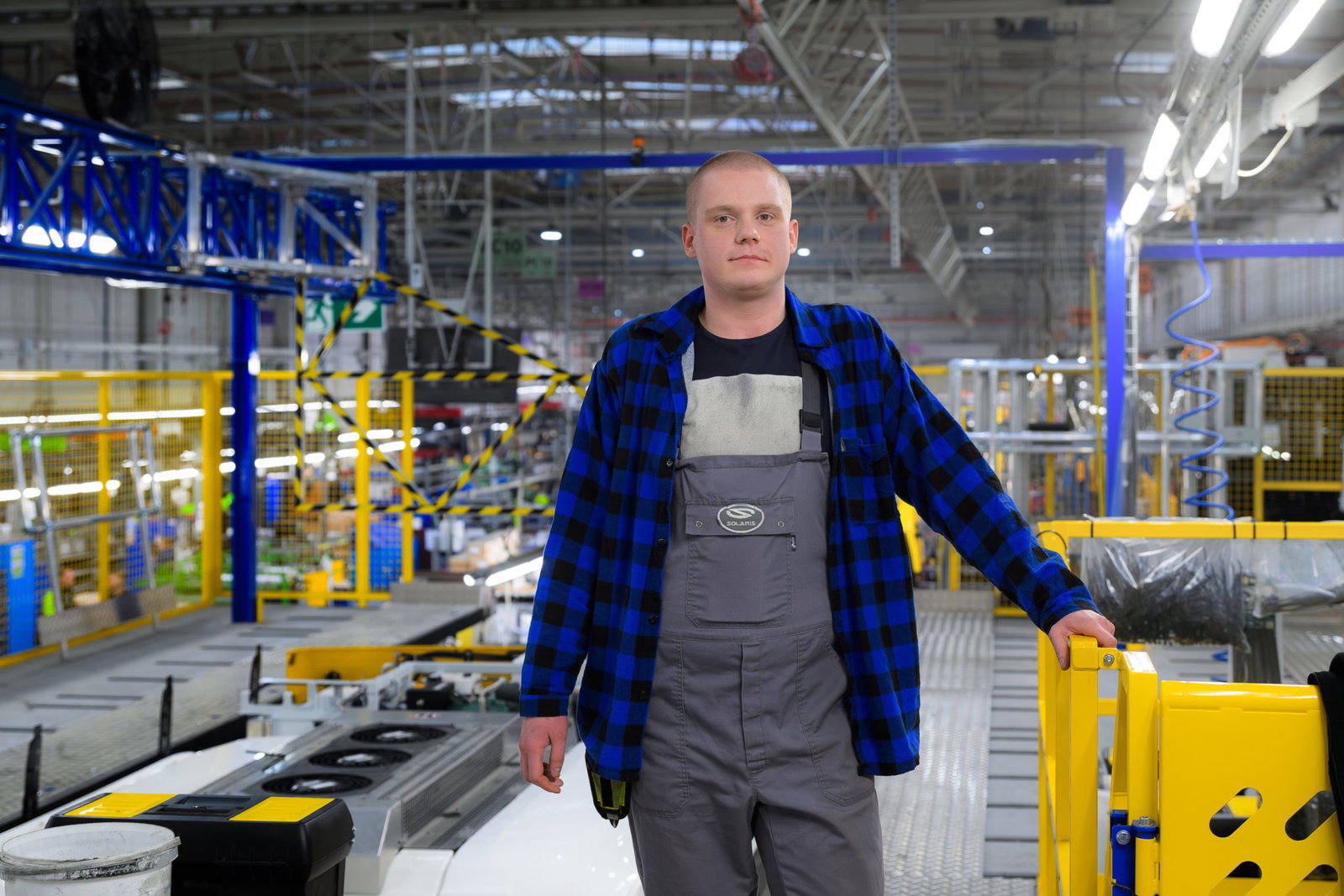
According to Solaris, the new elevated work platform is part of the company’s ongoing production development programme. The company regularly upgrades its assembly and welding lines in order to maintain manufacturing efficiency even as its order backlog grows, while also improving workplace safety. The equipment is one of the latest elements of this development programme, supporting faster and safer completion of assembly work carried out on bus roofs.