![Magyarbusz [Info]](/mbi/header-logo.png)
Energy-saving measures: V-Busz to put fewer electric buses into service
 Ludányi József
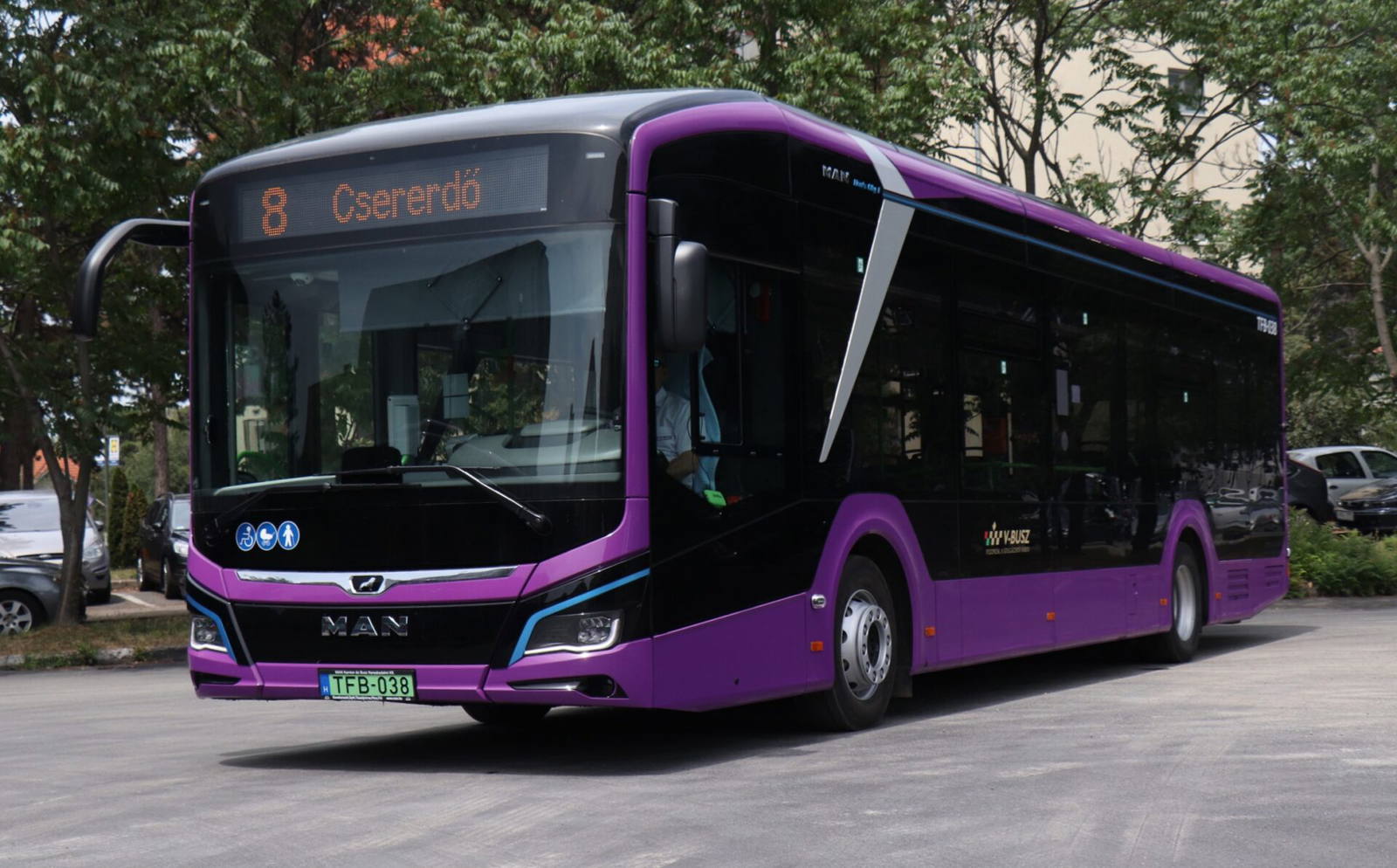
The number of Hungarian public transport operators introducing temporary energy management measures due to the increased load on the electricity system continues to grow. After the MÁV Group, Arrivabus and MVK Zrt., Veszprém-based V-Busz Kft. is also adjusting the operation of its electric buses.
From 2 August, the company will temporarily reduce the utilisation of its electric bus fleet: for the time being, only three of the eight available MAN electric buses will be used in daily service. The lost capacity will be covered by V-Busz’s MAN Lion’s City EfficientHybrid diesel buses. In addition, charging of the electric buses will be rescheduled exclusively to the period between 10:00 and 15:00, the most favourable window for solar power generation, in order to ease peak demand on the grid.
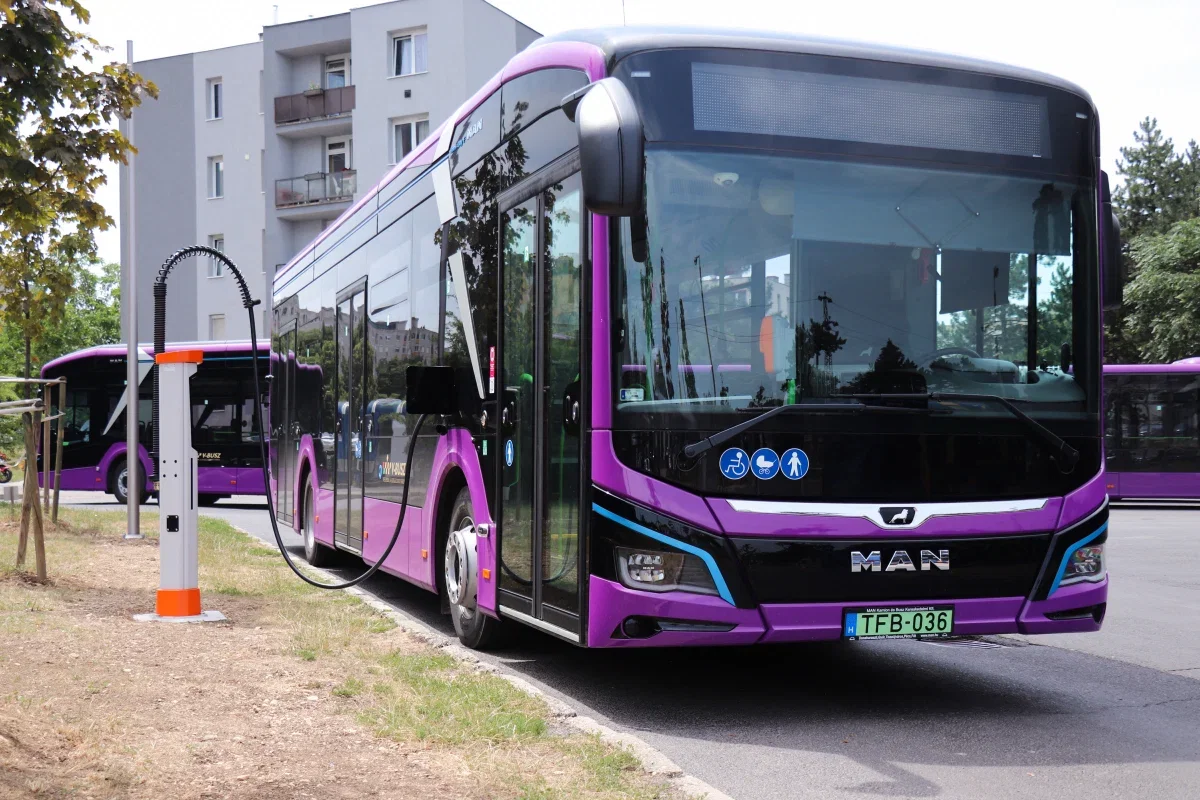
V-Busz stressed that the measures do not currently affect the timetable, but further restrictions could be introduced if necessary, including the temporary complete suspension of the electric bus fleet.
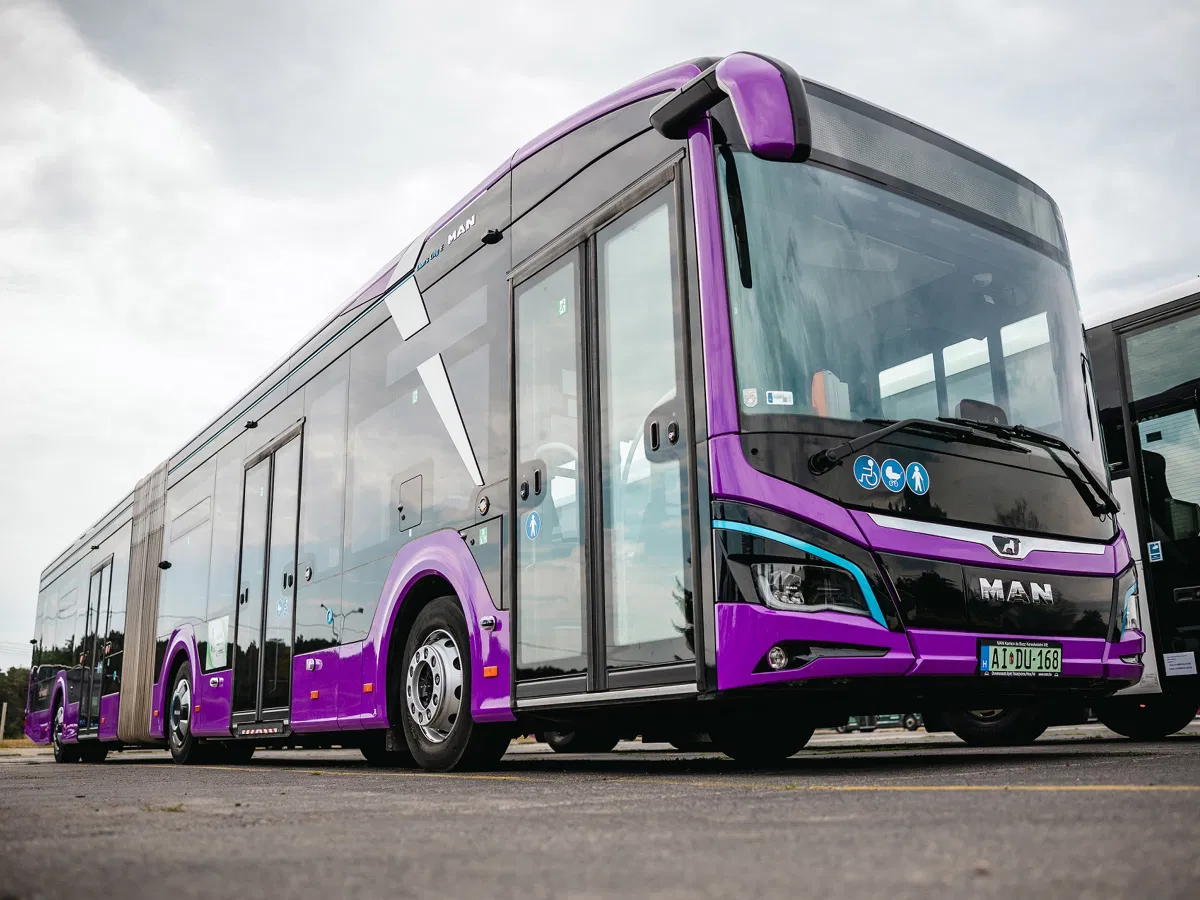
V-Busz’s electric fleet consists of six 12-metre solo buses, one 18-metre articulated bus and one 10.5-metre midi MAN Lion’s City E bus, which together account for around 16% of the company’s total vehicle fleet. The role of electric vehicles in operations has grown steadily in recent years: in 2025, electric buses accounted for 15.9% of total annual mileage. The fleet, which at the time still consisted of seven vehicles, covered a total of 365,230 kilometres over the course of the year while consuming 410,253 kWh of electricity. Each electric bus typically covers 4,000–6,000 kilometres per month.