![Magyarbusz [Info]](/mbi/header-logo.png)
Even a seemingly minor modification can require a major approval process for electric buses
 Ludányi József
During the development and manufacture of a bus, even changes that may seem insignificant to outsiders can trigger substantial technical and regulatory processes. This is especially true of modern electric buses, where modifications affecting high-voltage systems often require not only engineering work, but also an official type-approval procedure. An example from France clearly illustrates how complex the process behind an apparently minor safety improvement can be.
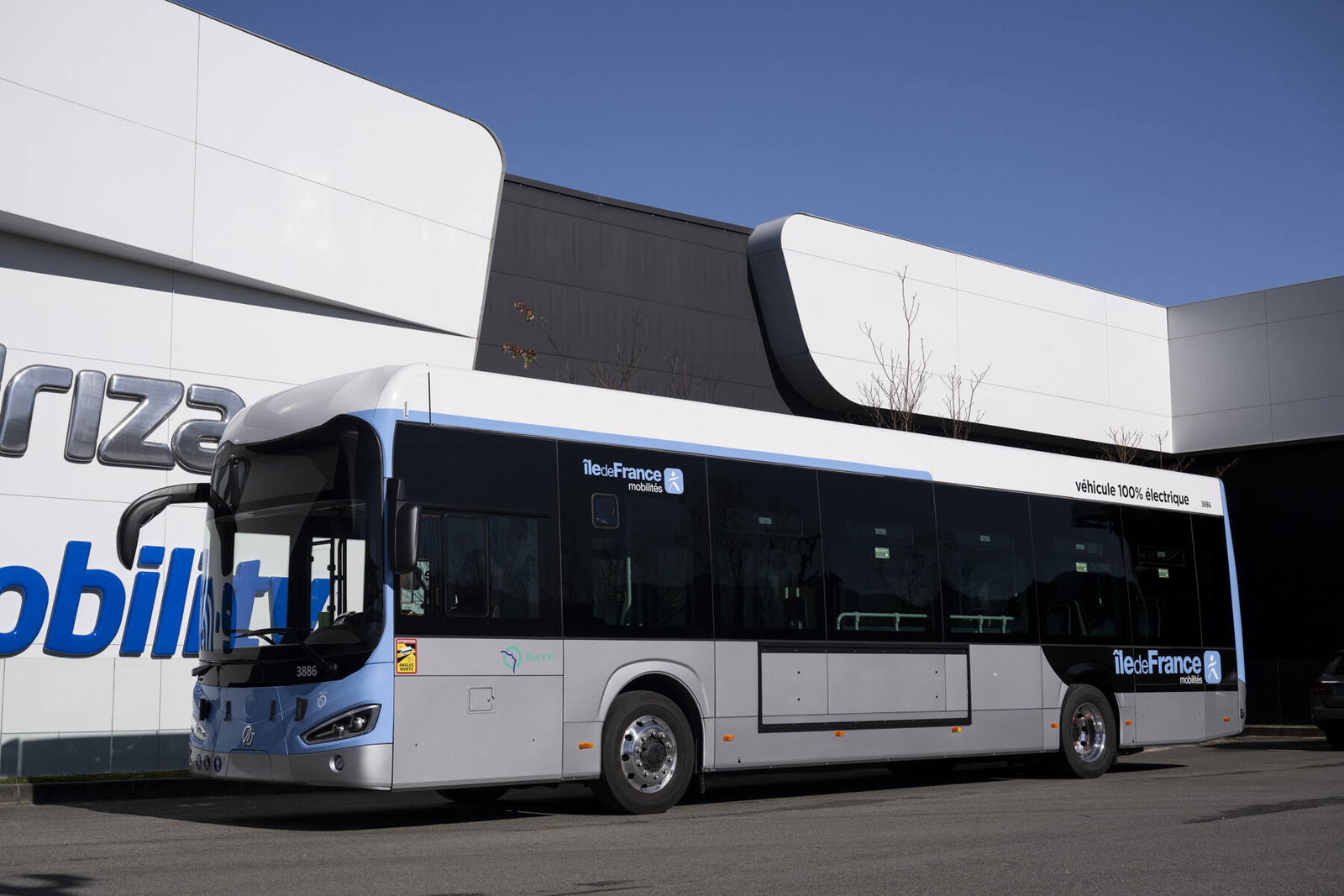
On 1 July, the competent state transport and technical authority in the Occitanie region of southern France homologated a new electrical safety modification used on Irizar electric buses. In the event of an anomaly, the new solution further reinforces the automatic disconnection of the high-voltage system, reducing potential electrical risks. At the same time, it is important to note that the modification is not a response to any previous failure or accident: it is purely a preventive development intended to further enhance the already high level of safety.
What is truly interesting, however, is not the technical development itself, but the approval procedure that preceded it. Because the modification affects the vehicle’s high-voltage electrical system, it could not simply be installed in the buses concerned; it first had to undergo an official type-approval procedure. The reason is that, under the European Union’s type-approval system, a bus is not merely a collection of components, but an approved vehicle type. If the manufacturer makes a modification that may affect the vehicle’s safety characteristics or other approved technical features, it is obliged to notify the type-approval authority. The authority then decides whether an amendment to the existing type approval is sufficient, whether further tests are required, or whether an entirely new type-approval procedure must be carried out. Ultimately, therefore, the introduction of such a modification is not decided by the manufacturer. Even if the technical solution has been developed, its application to vehicles already in service also requires approval from the type-approval authority.
DREAL Occitanie ultimately applied a so-called series approval procedure: it inspected a single representative prototype at Irizar’s plant in Spain, and following successful homologation, the modification could be carried out on all buses of the same type operating in France. This avoided the need for each individual vehicle to undergo a separate approval procedure, significantly speeding up the implementation of the conversion while also ensuring that the buses did not have to be withdrawn from service for an extended period.
The approval applies to 60 Irizar electric buses operating under Paris RATP’s Bus2025 programme and assigned to the Malakoff depot, as well as vehicles of the same type running in Marseille, Brest and Bayonne. The case is a good example of how, in the case of modern buses, even an apparently minor safety modification can enter everyday operation only as the result of a significant technical and regulatory process. While this level of scrutiny may seem time-consuming, it plays an essential role in ensuring that changes affecting passenger safety are implemented uniformly and under controlled conditions.